Belarus is a country of flat, forested horizons, red-brick castles and wide Stalin-era avenues, and it changes character completely with the calendar. Pick the right month and you get warm lakes and long evenings; pick the wrong one and you get short grey days and closed countryside museums. This guide walks through each season, the landmarks that suit it, and how hotel availability shifts from Minsk to the western border towns.
The Belarusian Year at a Glance
Belarus has a classic continental climate: a genuinely cold winter, a short sharp spring, a warm but never scorching summer and a long, golden autumn. January often sits well below freezing, with deep snow more reliable in the north and east than around Minsk, while July days commonly reach the low-to-mid twenties. Because the country is flat and criss-crossed by rivers, marshes and pine forest, weather moves fast — a rainy morning can turn into a bright evening without much warning.
For most travellers the sweet spots are mid-May to mid-June and the whole of September. You get daylight that stretches past nine in the evening in June, dry roads for castle-hopping, and hotel rates in Minsk that have not yet hit summer or New Year peaks. July and August are the warmest and busiest months, especially around the lakes; late October and November are the quietest and cheapest, but also the dampest and greyest.
Spring: Castle Country Without the Crowds
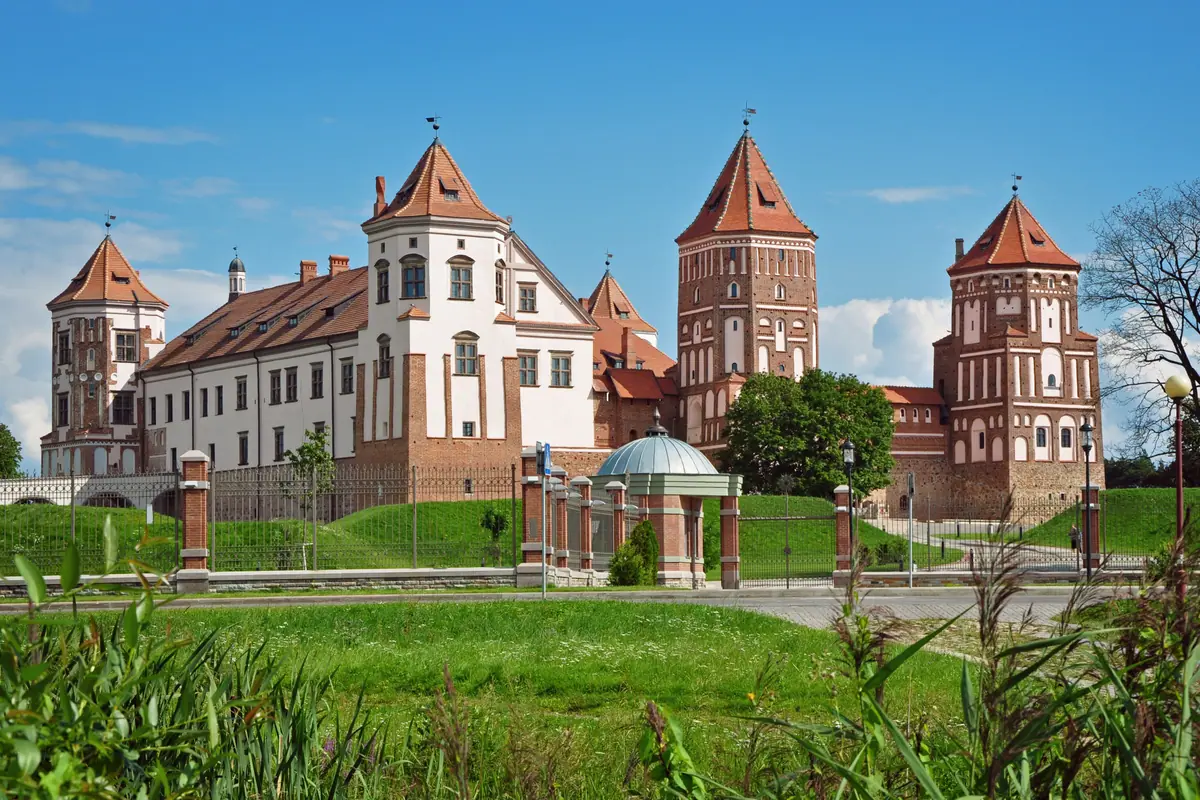
Spring arrives properly in April, when the snowmelt fills the southern marshes and the first tour buses return to the big sights. May is the month to aim for: the parks around Mir Castle and Nesvizh Castle come into leaf, the rose beds and ponds at Nesvizh look their best, and you can photograph the mirror-still moat at Mir before the midday groups arrive. Both are UNESCO-listed and easily combined in a single day trip from Minsk, roughly two hours apart by road.
This is also the season for the quieter western castles. Novogrudok, with its ruined hilltop castle and links to the poet Adam Mickiewicz, and Lida Castle, a compact red-brick fortress with a moat, are far less visited than Mir, and in April and May you may have whole courtyards to yourself. In the far south, Pripyatsky National Park floods in spring, drawing birdwatchers to the Polesia wetlands for a few weeks of exceptional waterfowl spotting.
Hotel-wise, spring is forgiving. Minsk has plenty of rooms on weekdays, and the old towns of Grodno and Brest are affordable until the first warm weekends. Two exceptions to plan around: the early-May public holidays, when locals take short breaks and rates jump, and Victory Day on 9 May, which fills the capital with parades and family groups.
Summer: Lakes, Forests and Minsk in Full Flow
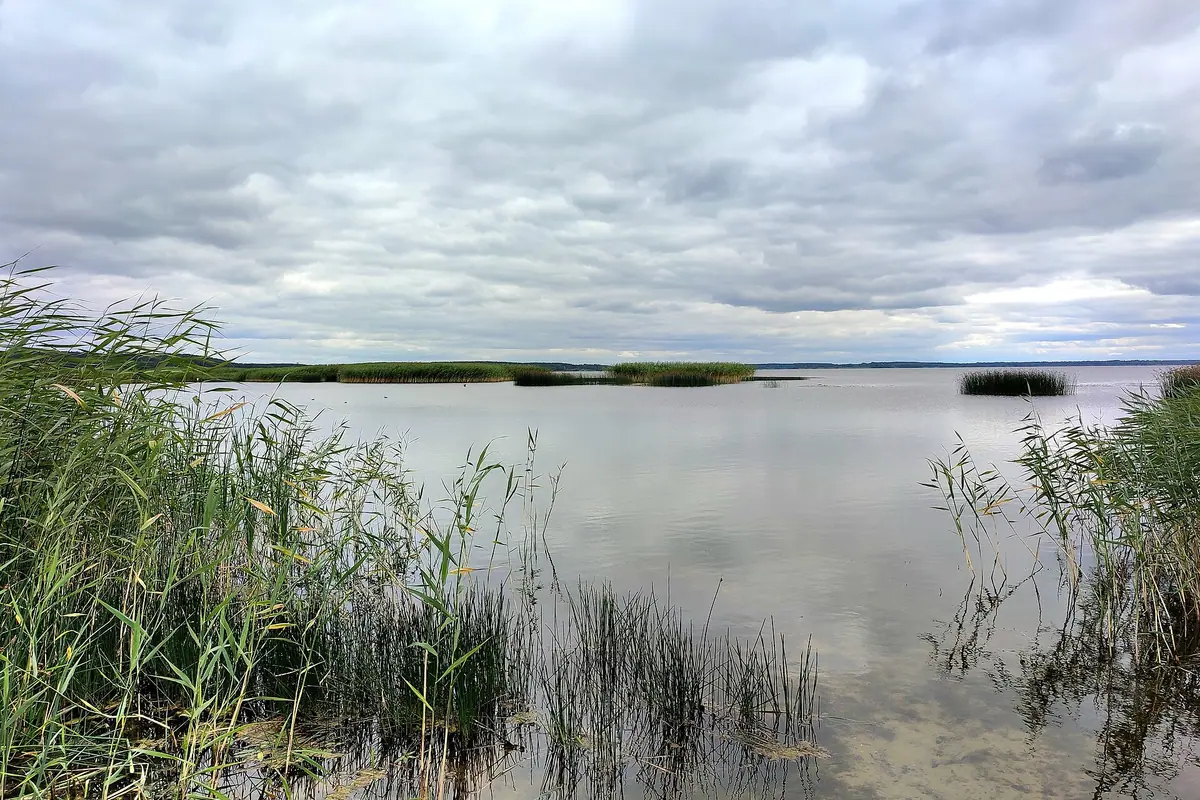
June, July and August are when Belarus behaves like a proper summer destination. In the north, the Braslaw Lakes form a chain of blue water and wooded islands that is ideal for kayaking, cycling and slow afternoons on the shore, while Naroch — the country's largest lake — has the densest concentration of resorts, sanatoriums and sandy beaches. Water temperatures in July and August are pleasant enough for swimming, which is not something you can say about most of the year.
Further south and west, Belovezhskaya Pushcha, a vast primeval forest shared with Poland and listed by UNESCO, is at its most accessible in summer. This is the best place in the country to see European bison at close range, and the forest trails, animal enclosures and village museums make it the natural companion to a visit to Brest Fortress, the immense star-shaped stronghold whose 1941 defence is central to Belarusian memory. In the east, Vitebsk hosts its annual arts festival in July, filling the city around the Marc Chagall art centre with music and street performances.
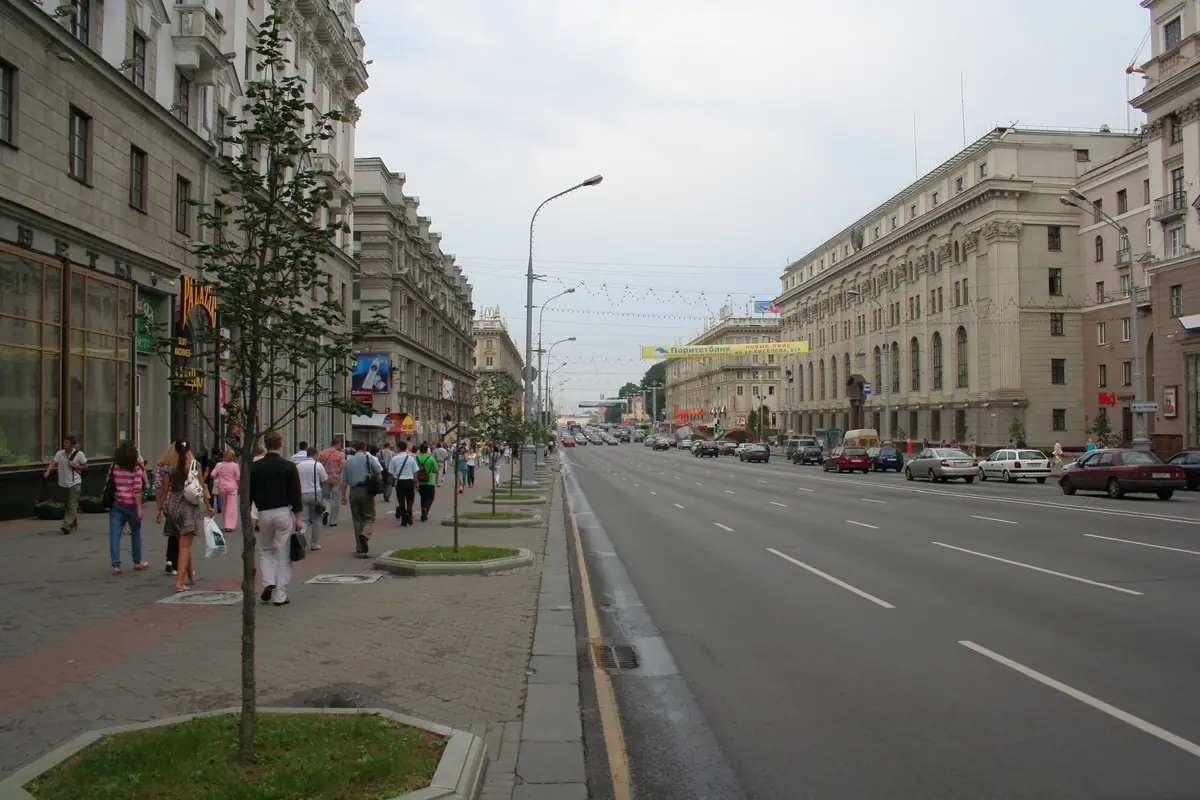
Minsk itself is at its liveliest now: Independence Avenue's Stalinist facades glow in the late light, the Island of Tears memorial and Trinity Hill old quarter fill with strollers, and the diamond-shaped National Library opens its rooftop viewing deck for sunset panoramas. Book Minsk hotels four to eight weeks ahead for July and August, and much earlier if you want a lakefront room at Naroch or Braslaw during the school holidays.
Autumn: Golden Woods, Harvest Tables and the Best Value
From mid-September the birch and maple turn, and by the first weeks of October the forests along the Minsk and Brest highways are a solid wall of amber. This is the most photogenic time to visit the memorial at Khatyn, where the rebuilt village and its stark concrete chimney sit in deep pine woods, and to wander the landscaped park around the Rumyantsev-Paskevich Palace in Gomel, one of the finest classical estates in the country.
Autumn is also food season. The open-air museum at Dudutki, half an hour from Minsk, runs craft and harvest demonstrations — bread baking, cheese making, horses and old farm machinery — and the countryside restaurants around it fill up with city families at weekends. If you want to understand Belarusian cooking, this is the month for it: mushroom dishes, root vegetables and preserved fruit appear everywhere.
For hotels, late September and October are the year's best bargain outside the cities. Rates in Minsk drop after the summer rush, country guesthouses and farm stays have availability, and mid-week nights in Grodno or Polotsk can be had cheaply. Pack a waterproof layer and shoes that handle mud; the autumn rain is generous, and forest paths stay wet.
Winter: Frost, Fortresses and the Cheapest City Stays
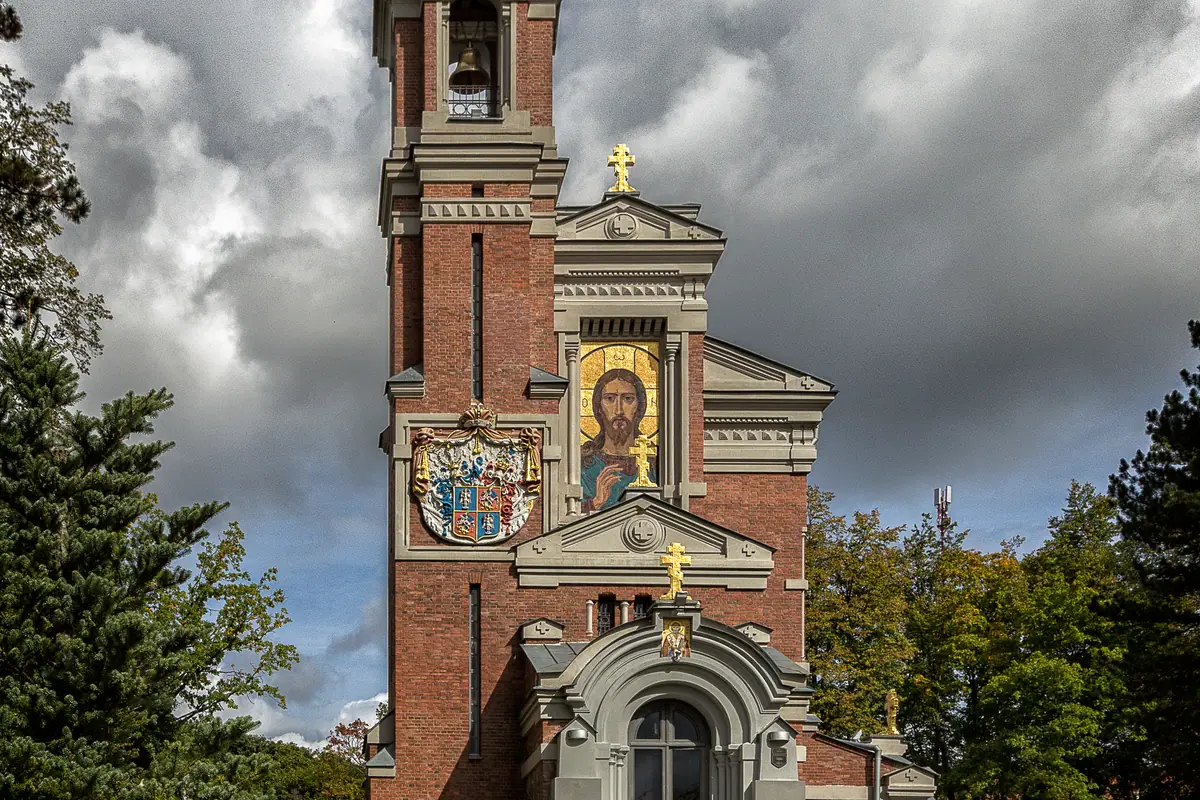
Winter in Belarus is real winter — expect hard frost, snow that lingers, and daylight that barely reaches eight hours in December. It is not the season for lake swimming or long forest walks, but it is a wonderful time for cities and for the atmosphere of the big historic sites without crowds. Brest Fortress under snow is bleak and powerful, the Kalozha Church in Grodno, a 12th-century stone survivor on the bank of the Neman, looks centuries older in the frost, and Polotsk's Saint Sophia Cathedral, one of the oldest stone churches in the country, is at its most atmospheric against a white sky.
Minsk handles winter well. The New Year period brings decorated squares, markets and ice rinks along Independence Avenue, followed by the Kalyady folk-singing season in early January. Museums stay open, the National Library's viewing deck is a good place to watch the low sun rake across the rooftops, and cafés along the main boulevards are warm and unhurried.
The trade-off is value in your favour: January and February are the cheapest months for city hotels, with the exception of the New Year week and the first days of January, which sell out months in advance. Sanatoriums and spa resorts near Naroch and in the Braslaw region remain open and offer indoor pools, saunas and treatments; ice fishing on the frozen lakes is a genuine local ritual if you can handle the cold.
Matching Your Hotel to the Season and the Region
In Minsk, base yourself within walking distance of Independence Avenue if you want the classic city break: you can reach Independence Square, Victory Square, the Island of Tears and the old quarter of Trinity Hill on foot or with a couple of metro stops. Business hotels cluster near the railway station and the main conference venues, while cheaper guesthouses sit a few metro stops out. For a summer lakes trip, the resorts at Naroch and the guesthouses around Braslaw fill first, so reserve two to three months ahead for July and August.
Outside the capital, the most characterful options are the farm stays and small country inns — known locally as sadziby — scattered around Mir, Nesvizh and Dudutki, where you eat home-cooked food and sleep in wooden houses. In Grodno, look for rooms in or near the pedestrian old town; in Brest, stay close to Sovetskaya Street, which puts you near the ring road for the fortress and the forest. Rural guesthouses often close or run reduced hours from November to March, so check before you commit to a winter road trip.
Timing is everything when booking. The safest strategy is to lock in accommodation eight to twelve weeks before a summer or New Year visit, and simply turn up in late April, late October or November, when Minsk has room to spare and prices are at their softest. Booking directly with a hotel or guesthouse frequently gets you a better rate and more flexibility than a large third-party site, especially for small family-run places that never list all their rooms online. Carry some local currency in cash for the countryside, and confirm the current entry rules for your nationality well before you fly — Belarus's visa-free arrangements have changed more than once in recent years.
Frequently asked questions
What is the best month to visit Belarus?
Mid-May to mid-June and September are the strongest all-round months: mild, dry-ish, long days and manageable crowds. July and August are warmest for the lakes but busiest, while January and February are coldest and cheapest.
How many days do you need in Belarus?
Five to seven days covers the essentials: two or three nights in Minsk for Independence Avenue, the old town and the National Library, a day trip combining Mir Castle and Nesvizh Castle, plus one or two nights in Brest for the fortress and Belovezhskaya Pushcha, or in Grodno for the old town and Kalozha Church.
Do hotels in Minsk sell out in summer?
Yes. July and August, plus the New Year week in early January, are the tightest periods. Reserve four to eight weeks ahead for summer city stays, and two to three months ahead for lake resorts at Naroch and Braslaw or for the July arts festival in Vitebsk.
Is winter a good time to visit Belarus?
It is if you want cities, fortresses and memorials without crowds, and the lowest hotel rates of the year outside the New Year holidays. Days are short and genuinely cold, so pack serious layers, and expect some rural guesthouses and countryside museums to be closed or on reduced hours.
Where should I stay for a castle itinerary?
Use Minsk as a base for Mir, Nesvizh and Dudutki day trips, then move west to Grodno for the Kalozha Church and old town, and south to Brest for the fortress and Belovezhskaya Pushcha. Country farm stays around Mir and Nesvizh add atmosphere if you are travelling by car.
Sort the rest of your trip
Everything for Belarus, in one place
Transfer in Belarus
Private driver waiting on arrival — no queues, no surprises.
Book a transfer
Things to do in Belarus
Skip-the-line tickets, guided tours and standout experiences.
See experiences
Stay online in Belarus
Travel eSIM — data the moment you land, no roaming bills.
Get an eSIM