The Bahamas is not one island but a scatter of roughly 700 limestone and coral specks spread across 100,000 square miles of impossibly clear water, where the shallows glow turquoise and the drop-offs turn cobalt. Some cays hold pink sand and kerosene-lit lighthouses, others hide drowned cave systems and reefs alive with grouper. This is where you go to move slowly, swim often and let the tide set the schedule.
Nassau, Paradise Island and the Landmarks of New Providence
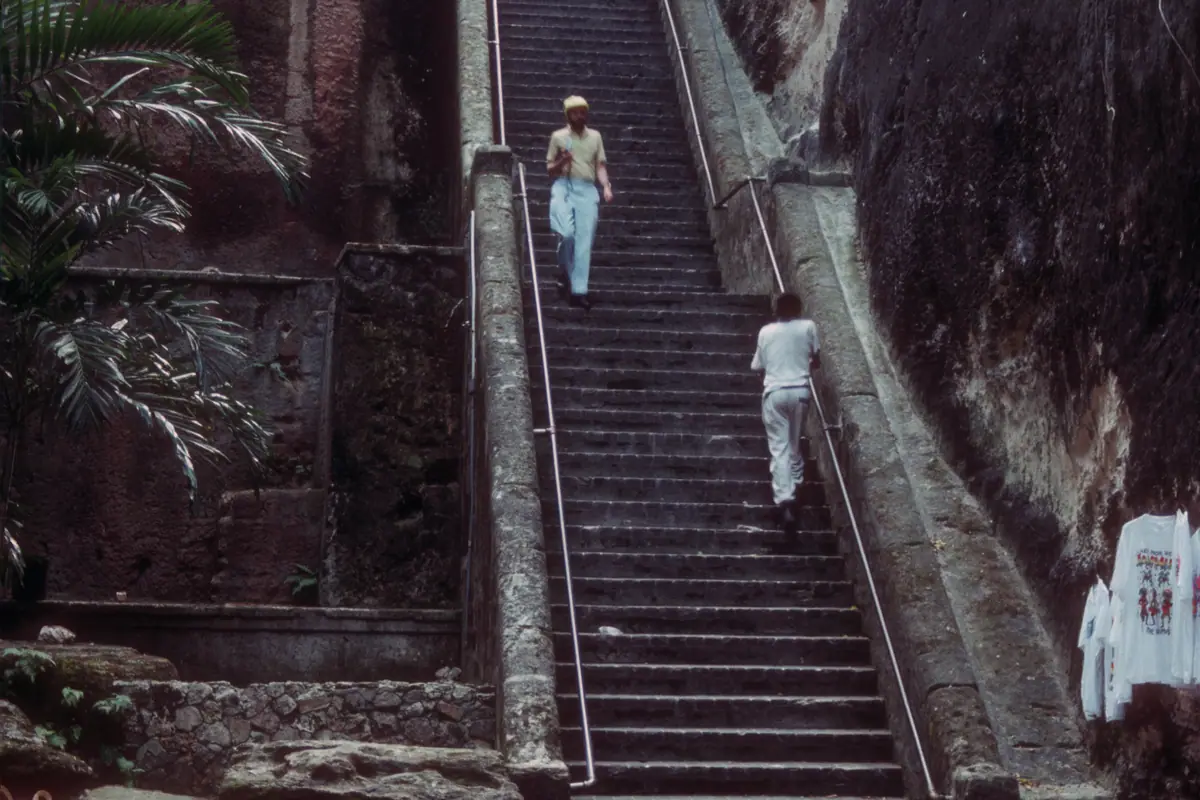
Most trips begin on New Providence, and Nassau rewards a morning of walking. Start at the Queen's Staircase, a flight of 66 steps chiselled by hand through solid limestone in the late 1700s and later named for Queen Victoria — the cut walls are cool and fern-damp, and the top opens onto Fort Fincastle, a wedge-shaped watchtower on Bennet's Hill with the best free panorama over the harbour. A ten-minute drive west, Fort Charlotte is the island's largest fortification, complete with a dry moat, echoing chambers and views across the water to Paradise Island.
Down by the waterfront, Bay Street mixes pastel colonial buildings, horse-drawn carriages and the Straw Market, where vendors weave palm fronds into bags while you watch. For lunch, head west to Arawak Cay — the Fish Fry — where conch is cracked, fried and turned into ceviche-style salad within minutes, and where a cold sky juice tastes best at a picnic table by the sea. History-minded visitors can also tour a rum distillery housed in an 18th-century estate, and a small museum devoted to the pirates who once ran this town.
Across the bridge, Paradise Island is home to Cabbage Beach, a long curve of soft sand backed by casuarinas, and to the giant resort complex whose marine habitat and water park can be visited on a day pass — the aquarium lagoons are genuinely worth it even if you're staying elsewhere. Closer to town, Junkanoo Beach is the easy swim-and-sunset stop within walking distance of the cruise piers. December to April brings the driest, breeziest weather; summer is hotter, cheaper and gloriously uncrowded on weekdays.
Swimming Pigs, Staniel Cay and the Exuma Cays Land and Sea Park
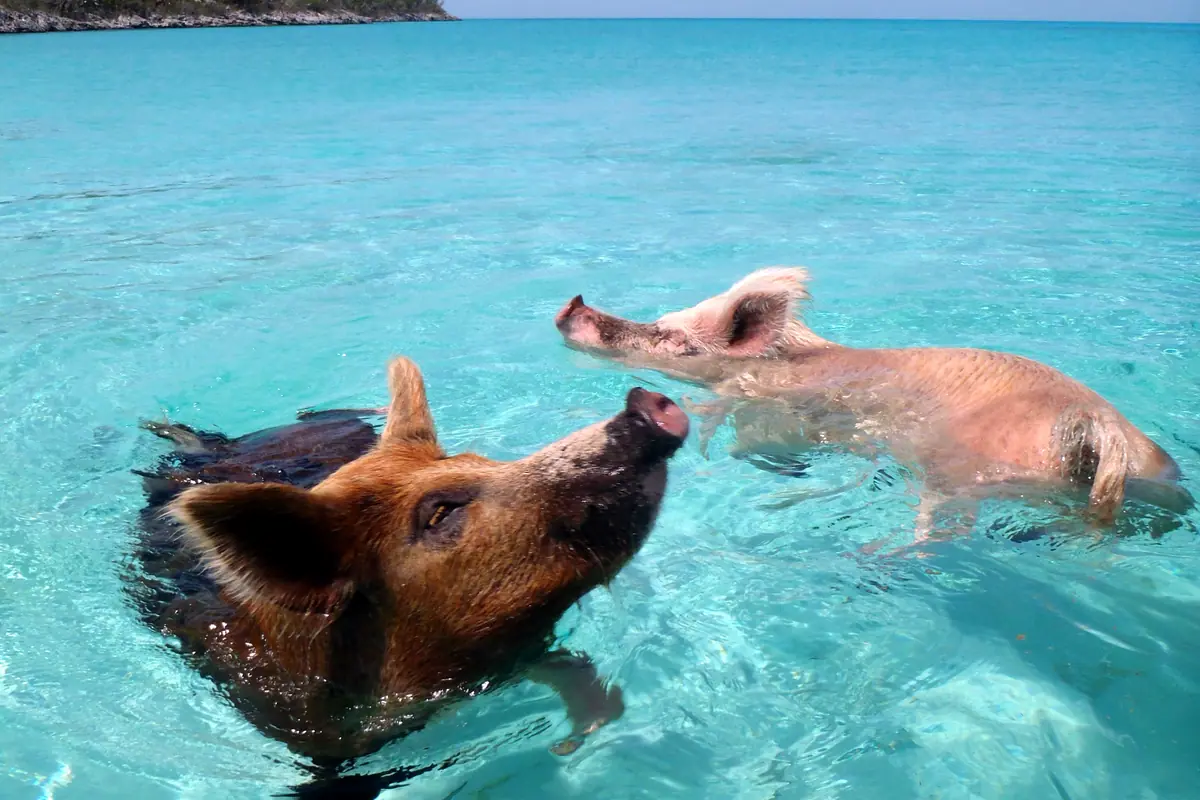
The Bahamas' most famous residents live on Big Major Cay, an uninhabited speck in the Exumas better known as Pig Beach, where a small herd of pigs paddles out to greet arriving boats. Go early — tours from Great Exuma or Staniel Cay reach the cay by mid-morning, while day-trippers from Nassau arrive on fast boats around lunchtime; the water is calmest and the animals least harassed before 10am. Bring reef-safe sunscreen, keep your hands off their food, and let the boat crew lead.
Nearby Staniel Cay hides Thunderball Grotto, a hollow limestone cathedral nicknamed after a 1960s spy film shot inside it. You snorkel in through a low entrance at slack tide, and sunlight fires through ceiling holes onto clouds of sergeant majors and yellowtail snapper. A short ride away, Compass Cay's dock is patrolled by docile nurse sharks that tolerate gentle strokes, while Allen's Cay's beaches belong to rock iguanas that will inspect your bag for fruit.
The crown of the chain is the Exuma Cays Land and Sea Park, a 176-square-mile no-take reserve established in 1958 and stretching from Shroud Cay to Wax Cay. Because nothing is fished, the reefs are thick with coral and fish, and the park's headquarters at Warderick Wells has moorings, hiking trails across the island's spine, and a sandbar that disappears at high tide. Plan on a full day by boat from Staniel Cay; if you're sailing yourself, book a mooring in advance during January to April.
Dean's Blue Hole, Andros and the Barrier Reef
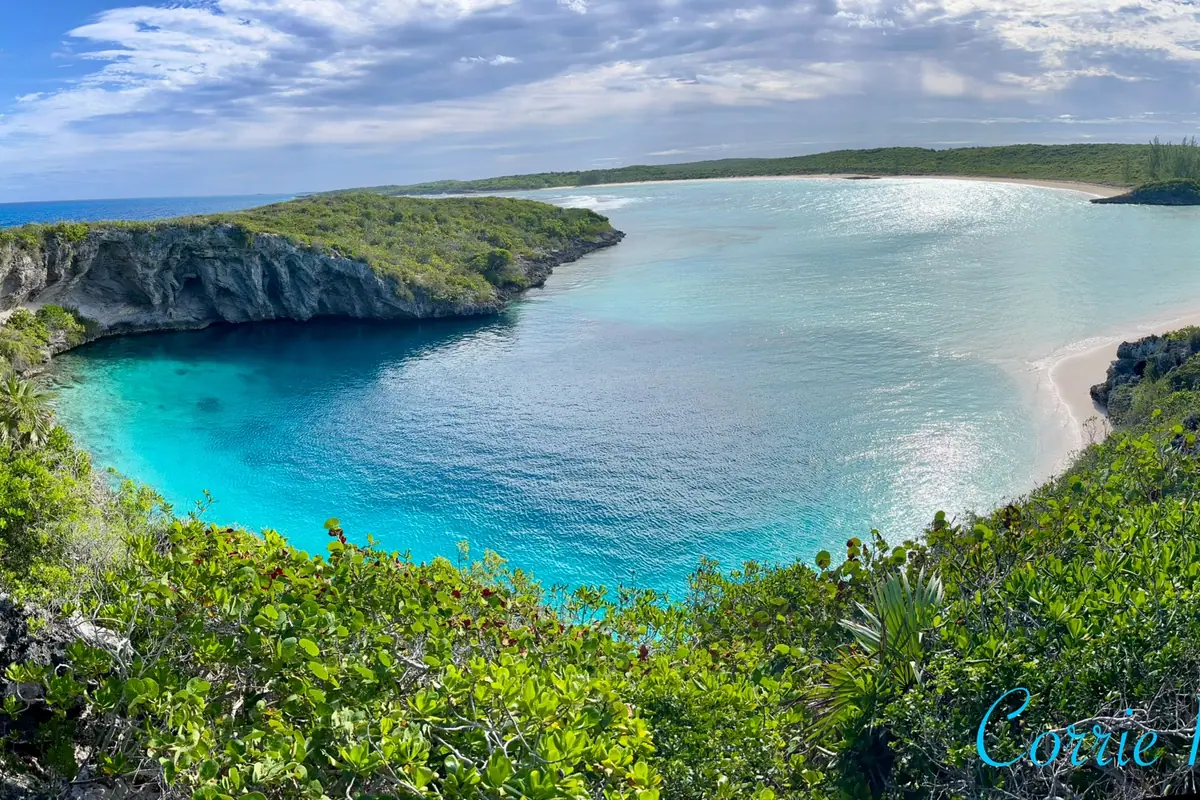
On Long Island's southern coast, Dean's Blue Hole is a flooded sinkhole plunging roughly 200 metres — the deepest known blue hole on earth — set inside a natural amphitheatre of rock. You can swim in the warm surface layer where the water shifts from pale jade to navy, watch free divers descend on a single breath during spring competitions, and hike to the clifftop for the wide view. Clarence Town, twenty minutes away, makes a good base, with twin churches built by a famous local priest-architect.
Andros, the largest and least developed island, guards its own blue holes — dozens of inland and offshore caverns protected in a dedicated national park, including a huge circular chasm ringed by jungle. The island also frontspo the third-longest barrier reef in the world, running close to 190 miles along its eastern edge and dropping steeply to deep water, which is why dive operators here can put you on wall dives, ledges and swim-throughs with almost nobody else in sight.
Above water, Andros is a maze of mangrove creeks and bonefish flats, best explored by kayak or on a guided flat skiff. The island receives far fewer visitors than Nassau, so book diving and accommodation ahead, especially in the February-to-May peak fishing season. Birdwatching is excellent year-round, from herons in the creeks to the island's endemic parrot.
Pink Sands Beach, Harbour Island and Eleuthera's Glass Window Bridge
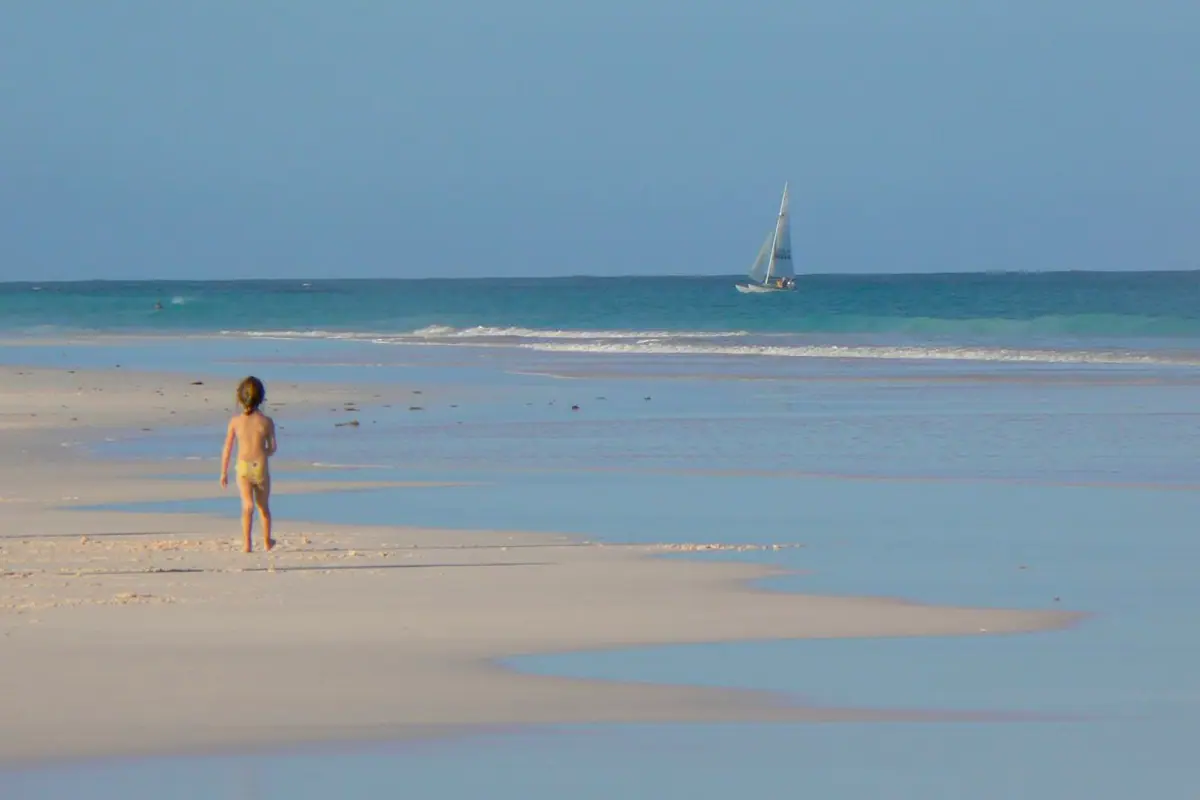
Harbour Island is small enough to cross by golf cart in fifteen minutes, which is exactly how everyone gets around — there are more carts than cars here. Its prize is Pink Sands Beach, three miles of blush-tinted sand on the Atlantic side, coloured by tiny foraminifera shells mixed into the coral. Sunsets turn the whole strand rose-gold; mornings are quiet enough to walk a mile without passing another soul. Dunmore Town, behind it, is a grid of pastel clapboard cottages, bougainvillea and tiny inns that fill fast between December and April.
A short ferry hop away, Eleuthera stretches thin and ragged for over 100 miles. Its signature sight is the Glass Window Bridge, where a narrow neck of rock separates the dark, churning Atlantic on one side from the flat turquoise of the Exuma Sound on the other — a two-colour split that photographs badly and stuns in person. Nearby you can climb down into the Hatchet Bay Caves, a limestone tunnel system, or catch a wave at Surfer's Beach on the island's Atlantic shoulder.
Eleuthera's rhythm is unhurried: Friday night fish fries at Governor's Harbour, roadside stands selling pineapple and coconut, and long empty beaches at Lighthouse Point where the pink sand reappears. Rent a car — the island is too spread out to see on foot — and remember Bahamians drive on the left. If you want the pink sand without the Harbour Island price tag, nearby Spanish Wells offers a cheerful fishing-village alternative.
Grand Bahama: Gold Rock Beach and the Lucayan Caverns
Grand Bahama sits closest to the Florida coast and makes an easy first stop. Its centrepiece is Lucayan National Park, a compact 40-acre reserve protecting one of the longest charted underwater cave systems in the world. Two caverns are open to walk into along boardwalks, with freshwater pools and stalactites overhead; guided cave dives are arranged separately for certified divers.
The park's other half is Gold Rock Beach, reached by a short trail through mangroves. At low tide the water retreats to reveal a vast, glassy shelf that reflects the sky — it is one of the most photographed beaches in the country and has doubled as a film set more than once. Check tide tables before you go; at high water the beach shrinks to a narrow strip. Bring water and insect repellent, as the mangrove trail can be buggy after rain.
Back towards Freeport, the island's commercial hub, you'll find the Port Lucaya Marketplace with its conch shacks and straw stalls, a botanical garden planted with native and exotic species, and a nature centre with flamingo ponds and hummingbird feeders. Freeport is also where many short-break visitors base themselves, with the widest choice of hotels and the easiest access to dive shops. Winter — December through March — brings the clearest water and mildest air.
The Out Islands: Abaco's Lighthouse, Cat Island and Inagua's Flamingos
In the Abacos, the candy-striped Hope Town Lighthouse on Elbow Cay has been standing since the 1860s and remains one of the last kerosene-burning lighthouses anywhere — climb the 101 spiral steps for a view over the harbour and the reef beyond. Nearby Green Turtle Cay and Man-O-War Cay keep the region's boatbuilding traditions alive, and the sheltered Sea of Abaco makes this the country's sailing capital, especially during the winter regatta season.
Cat Island, south-east of Nassau, rises to Mount Alvernia — at just over 200 feet, the highest point in the Bahamas. A short, steep walk brings you to a stone hermitage hand-built by a priest who lived here in the mid-1900s, with sweeping views across the island's green hills and empty coastline. Cat Island is also known for rake-and-scrape music and for the bush medicine traditions still practised in its settlements.
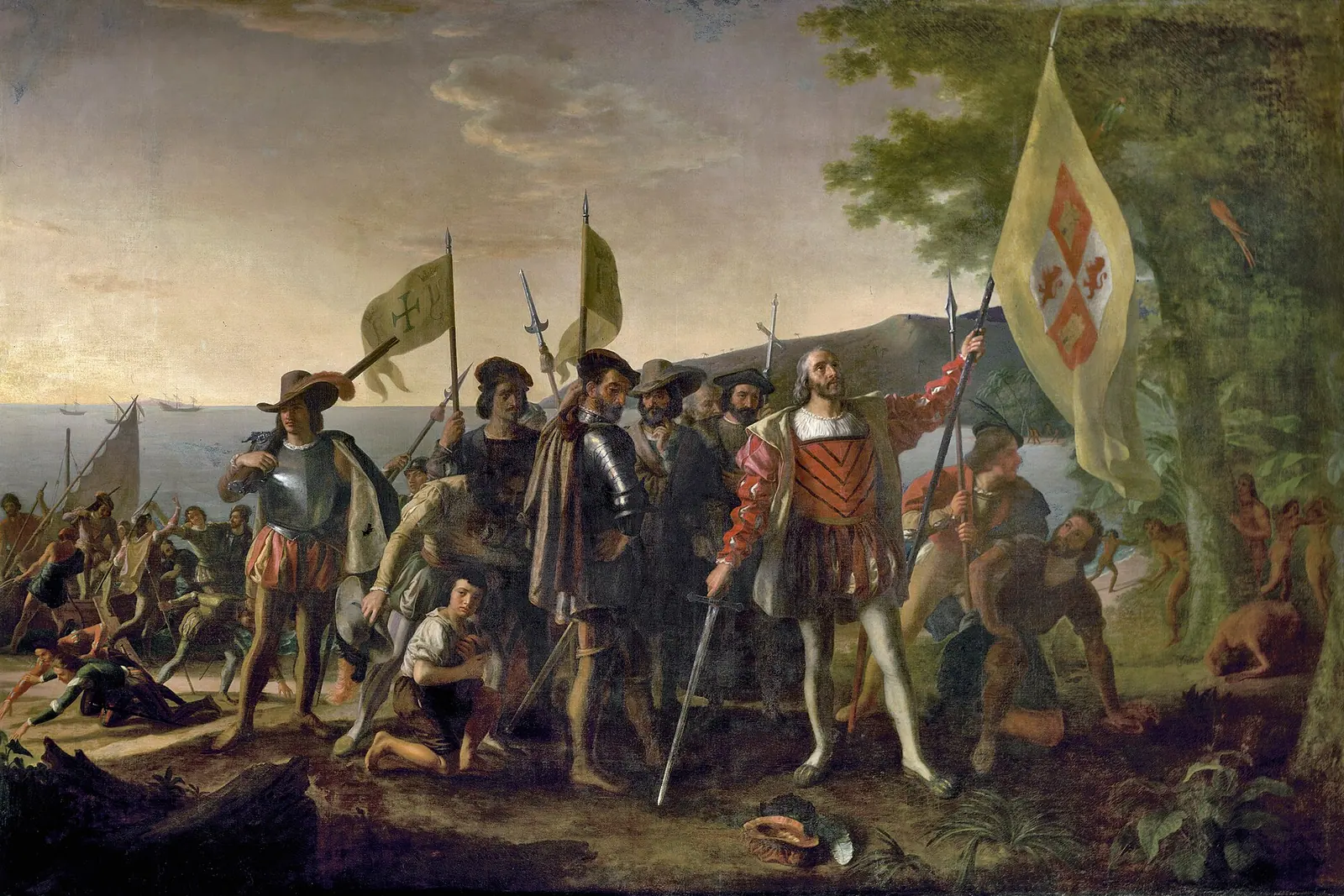
Far to the south, Inagua National Park protects the Western Hemisphere's largest breeding colony of West Indian flamingos, tens of thousands of them nesting around Lake Windsor. Access is limited and best arranged with a local guide from Matthew Town — a worthwhile detour for serious birders. San Salvador, east of Cat Island, marks one of the landfalls of Columbus's first voyage with a monument at Long Bay, and Bimini, closest to Florida, offers shallow wrecks and the curious underwater rock formation known as the Bimini Road. Getting between these islands means small planes or the slow, characterful mail boats; allow a day of travel between each.
Frequently asked questions
When is the best time to visit the Bahamas?
December through April is the sweet spot: dry, breezy days around 24–28°C, calm seas and the clearest water for snorkelling and diving. It is also peak season, so book accommodation and boat trips well ahead. June to November is hurricane season — hotter, more humid and significantly cheaper, with September and October the quietest and some small outer-island properties closing entirely.
What is Junkanoo and when can I see it?
Junkanoo is the Bahamas' homegrown street carnival, with cowbells, goatskin drums, wire-fringed costumes and dance troupes competing through the night. The biggest parades take place in Nassau on Bay Street in the early hours of Boxing Day (26 December) and New Year's Day, with smaller versions on other islands and during summer festivals. Arrive before midnight to get a spot along the route.
How do I travel between the islands?
Small regional airlines connect Nassau with Great Exuma, Eleuthera, Abaco, Andros and Freeport, with hops usually taking 30–60 minutes. Ferries link Nassau with Harbour Island and Spanish Wells, and slow mail boats serve the more remote Out Islands on weekly or twice-weekly schedules. Build in a buffer day if you're connecting to an international flight, as weather occasionally delays island services.
Can you visit the swimming pigs without a tour?
You can, if you're already in the Exumas and have your own boat, but most people join a small-group trip from Staniel Cay or Great Exuma, or a long day excursion from Nassau by fast boat. Go early in the morning to avoid the crowds, never feed the pigs, and choose a boat with a small group size so the animals aren't overwhelmed.
Do I need to rent a car in the Bahamas?
On New Providence and Grand Bahama, yes — a car makes forts, beaches and restaurants far easier to reach. On Harbour Island and Green Turtle Cay, golf carts are the norm and are rented by the day. On larger Out Islands like Eleuthera and Cat Island you'll want a car, and remember that traffic drives on the left, often on narrow, unlit roads.
Plan it — experiences in Bahamas
Live search, booked directly with trusted providers.
Sort the rest of your trip
Everything for Bahamas, in one place
Stay in Bahamas
Hotels, guesthouses and apartments — compared in one search.
Search hotels
Transfer in Bahamas
Private driver waiting on arrival — no queues, no surprises.
Book a transfer
Stay online in Bahamas
Travel eSIM — data the moment you land, no roaming bills.
Get an eSIM