Seven days, four islands and a string of turboprop hops measured in minutes rather than hours: the Bahamas rewards travellers who treat the archipelago as a chain of destinations instead of one long beach. Start in Nassau, chase the swimming pigs of Exuma, stand where the Atlantic crashes into the Bight of Eleuthera, and finish somewhere wilder entirely.
Days 1–2: Nassau and Paradise Island on Foot
Nearly every island-hopping route begins at Lynden Pindling International Airport on New Providence, the country's busiest gateway and the hub for most onward hops. Clearance can take 45 minutes to an hour on a busy Saturday, and a taxi will have you on Bay Street or the quieter sands of Cable Beach within half an hour. Walk the old town while the light is still gold: Rawson Square, the pink-flushed colonial facades of Parliament Square, and the Straw Market, where vendors weave palm fronds at the same speed they chat.
Give your second morning to the historic core. The Queen's Staircase — 66 steps cut straight down through limestone, shaded by ferns and dripping with humidity — is the single most photographed sight on the island, with the squat little Fort Fincastle and its panoramic water-tower viewpoint sitting right above it. Fort Charlotte, west of town, is the largest of the island's fortifications, all dry moats and dungeons. Then go to Ardastra Gardens, where a flock of trained flamingos parades on command, and let children feed the resident macaws.
Spend the afternoon across the harbour on Paradise Island: Cabbage Beach for swimming, the marine habitats and aquariums that thread through the resort district, and the Cloisters, a cloistered colonnade of European monastery stone reassembled in the Versailles Gardens. Finish at Arawak Cay, the open-air fish fry strip, with a cracked conch and a cold drink as the sun drops behind the cruise piers.
Day 3: Exuma and the Swimming Pigs
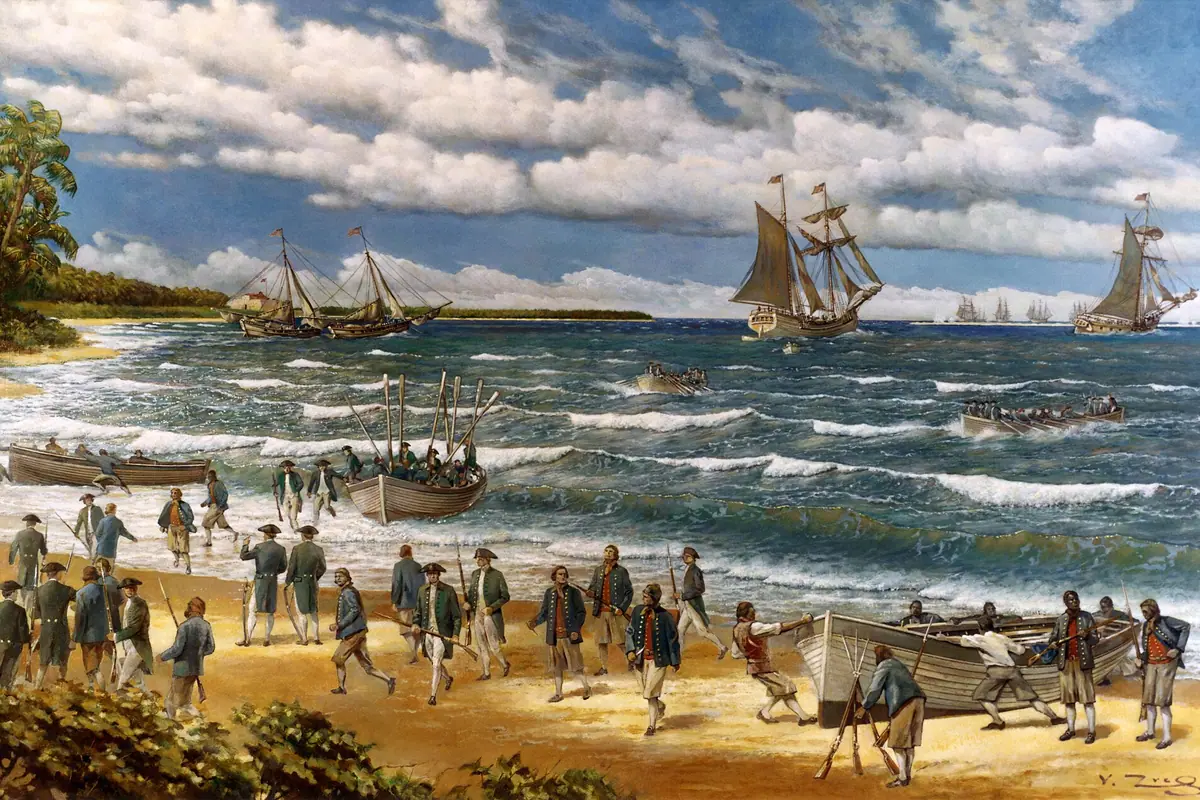
The hop from Nassau to Exuma takes roughly 35 to 45 minutes in a small turboprop, landing at Exuma International near George Town. Baggage allowances are tight on these aircraft — usually a single checked bag capped around 30 pounds — so pack a soft duffel and leave the hard-shell suitcase behind. By mid-morning you can be on a boat, which is the only sensible way to see the Exuma cays.
The day's set pieces are all within an hour or two of George Town. At Big Major Cay, better known as Pig Beach, feral pigs paddle out to meet incoming boats. Staniel Cay's Thunderball Grotto rewards snorkellers at slack tide, when you can swim through a hollow limestone dome lit by shafts of light and clouds of sergeant majors; nearby Compass Cay has nurse sharks that rub against your legs like cats. At Allen's Cay, rock iguanas the colour of dusty stone lumber down the beach to inspect visitors.
If time allows, add the Exuma Cays Land and Sea Park at Warderick Wells, a protected scatter of reefs, blowholes and sandbars where the water shifts from turquoise to deep indigo in a few strokes. Back on Great Exuma, the Tropic of Cancer Beach on Little Exuma is a thin white crescent with almost nobody on it, and Stocking Island's beach bars serve grilled conch within sight of the anchored yachts. Book boat charters a day ahead in high season, and always take the morning departure — afternoon wind makes the crossings rough.
Day 4: Eleuthera and Harbour Island
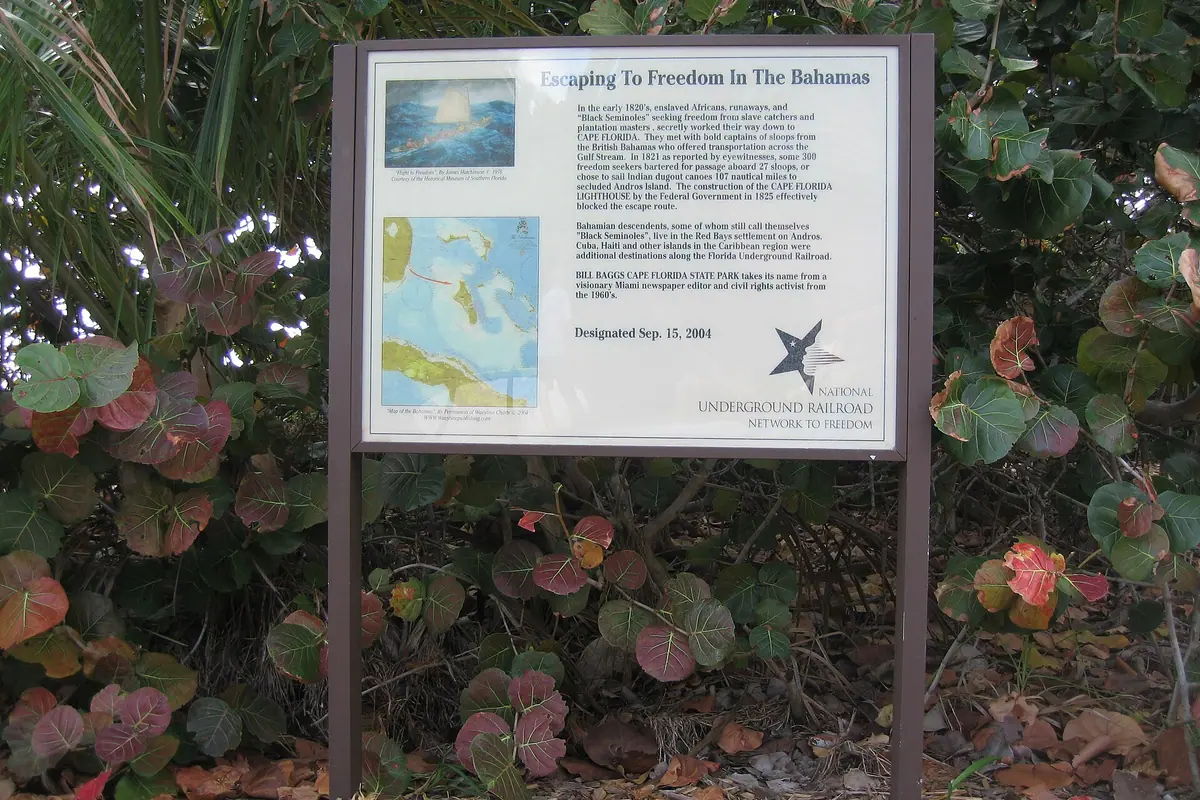
North Eleuthera is about a 30-minute flight from Nassau, and from the airstrip a water taxi shuttles you across to Harbour Island in ten minutes. This three-mile sliver of land is where you'll find Pink Sands Beach, a blush-tinted stretch of shell and coral that runs almost the whole eastern shore, plus Dunmore Town's pastel clapboard cottages and a transport culture built entirely around golf carts. Off the northern tip, the Devil's Backbone reef, littered with wrecks, is one of the region's classic snorkel and dive sites.
Back on Eleuthera proper, pick up a rental car and drive the length of the island — about 110 miles, two hours end to end if you resist stopping. You won't. The Glass Window Bridge, a narrow span where the dark, churning Atlantic sits inches from the calm, pale Bight of Eleuthera, is the most dramatic spot in the country. South of it, Queen's Bath forms natural tidal pools in the ironstone, and Sapphire Blue Hole offers a cool, impossibly blue swim in the middle of the bush.
Further south, the Leon Levy Native Plant Preserve near Governor's Harbour explains the island's scrub and medicinal plants in an hour's walk, while Lighthouse Beach at the southern tip delivers pink sand and a lonely 19th-century lighthouse. Surfers head for Surfer's Beach on the Atlantic side; everyone else heads for a roadside conch shack, where the salad is chopped to order with lime, onion and a flick of hot pepper.
Day 5: Abaco or Grand Bahama
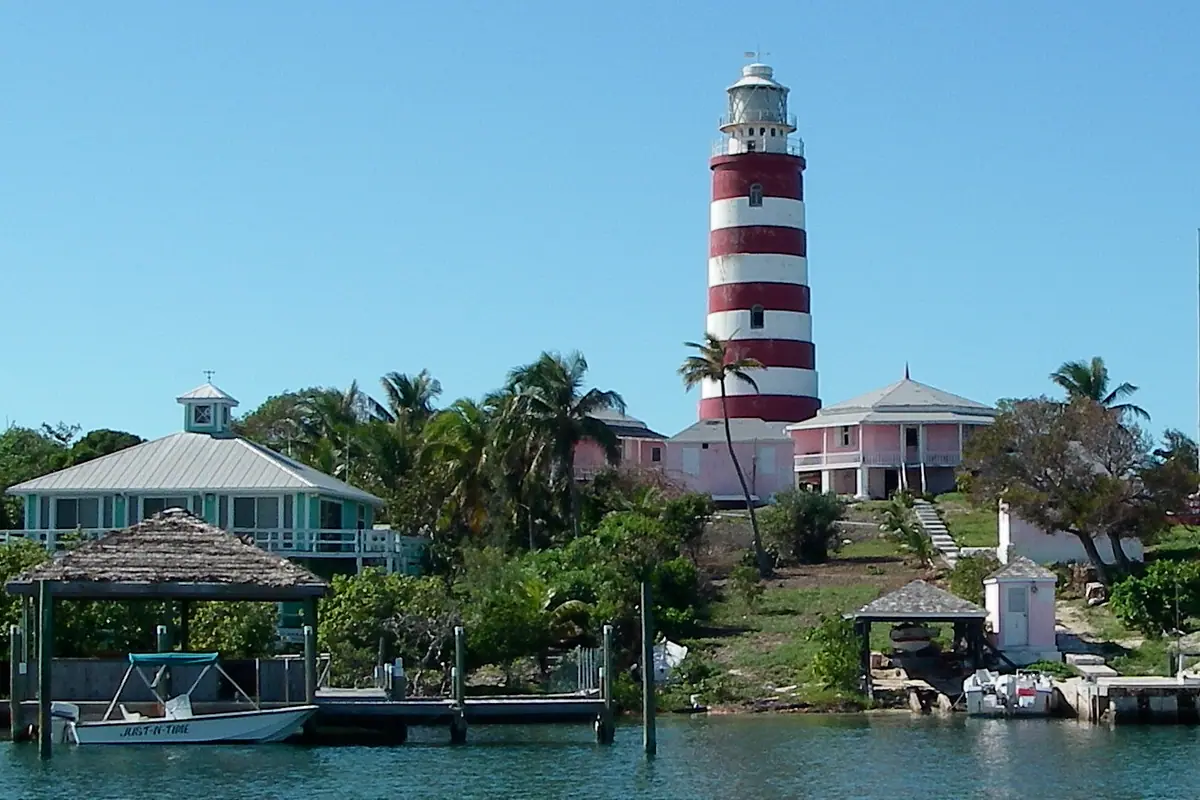
Where you go next depends on schedules and mood. Marsh Harbour in the Abacos is the classic choice: from there, a ferry or water taxi reaches Elbow Cay, where the candy-striped Hope Town Lighthouse still stands over a harbour of wooden cottages and golf carts, one of the last kerosene-burning lighthouses in the world. Walk the settlement's narrow lanes, swim at Tahiti Beach on a falling tide, and eat conch fritters at a dock-side shack while pelicans mug for scraps.
The Abacos also suit sailors and birders. Green Turtle Cay and Man-O-War Cay preserve the boatbuilding traditions of Loyalist settlers, and the pine forests of Abaco National Park shelter the endemic Bahama parrot, best seen at dawn near the southern boundary. Sea kayaking through the mangrove creeks off Treasure Cay is an easy half-day outing.
Grand Bahama is the alternative, with the shortest flight times and the most reliable frequencies. Lucayan National Park protects one of the longest charted underwater cave systems on earth, with two accessible caverns you can peer into from a boardwalk, while Gold Rock Beach at low tide turns into a mile of rippled sand and shallow pools. Port Lucaya's marketplace and the reefs a few minutes offshore round out a relaxed day.
Days 6–7: Long Island, Andros or Bimini
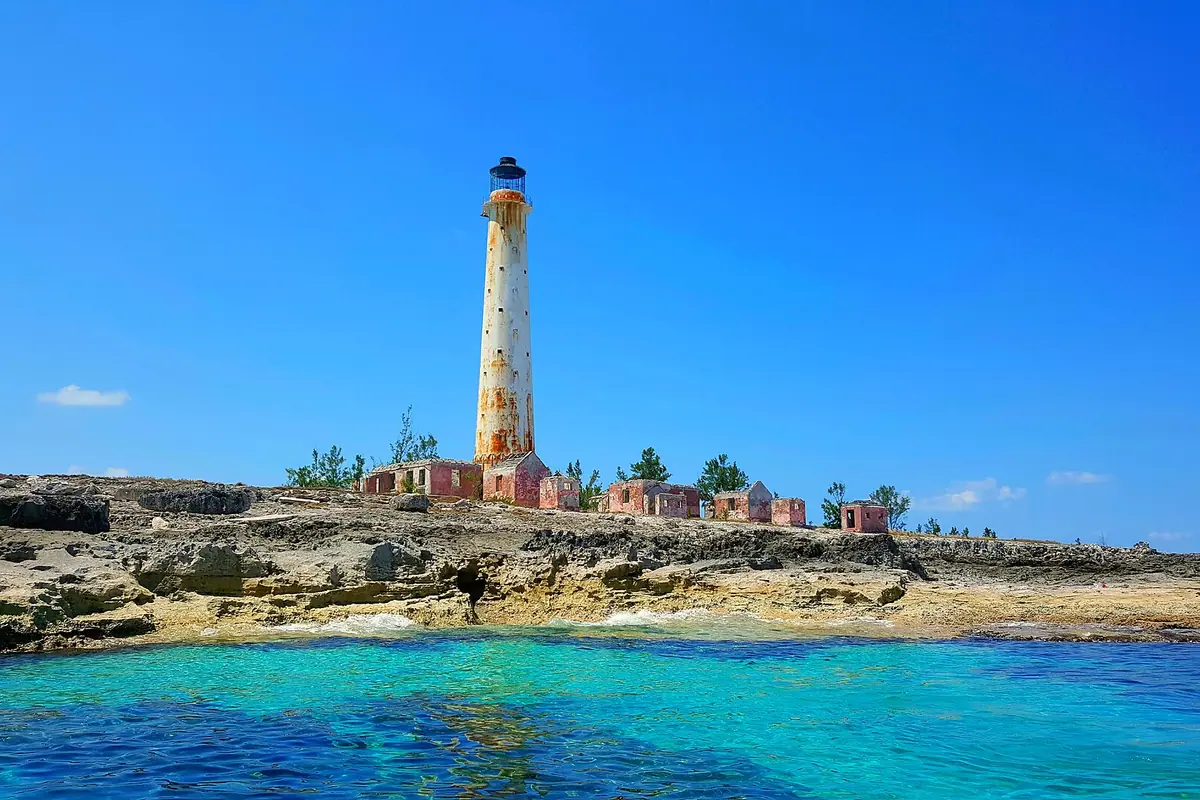
Save your final hop for somewhere with an edge. Long Island's Dean's Blue Hole plunges roughly 200 metres in a near-perfect circle just off a white beach, making it one of the deepest known blue holes anywhere and a magnet for freedivers who come to train in its glassy water. Elsewhere on the island, Cape Santa Maria's beach curves for miles, Columbus Point marks the spot where the explorer is said to have first sighted land in 1492, and the limestone cliffs of the north coast hide caves and old plantation ruins.
Andros is the largest and least developed island, fringed by a barrier reef that stretches for well over a hundred miles and ranked among the biggest in the Western Hemisphere. Dive operators work from Small Hope Bay and Fresh Creek, dropping into blue holes, wrecks and coral walls, while bonefish guides pole skiffs across the flats at first light. Inland, the island is a tangle of pine and mangrove riddled with freshwater blue holes, including the swimming hole at Captain Bill's.
Bimini is the closest island to the Florida coast and the quickest add-on, with the mysterious Bimini Road — a line of flat limestone blocks under shallow water — plus the Healing Hole in the North Bimini mangroves and the rusting wreck of a 1920s concrete ship off South Bimini. Whichever you choose, keep the last night on Nassau or near your departure airport so a weather delay doesn't cost you an international connection.
Flight Logistics, Seasons and Island Know-How
Inter-island flying here means small aircraft, short runways and friendly chaos. Schedules are densest on the Nassau–Exuma, Nassau–Eleuthera and Nassau–Abaco corridors, with several departures most days; Long Island, Andros, Cat Island and San Salvador see fewer flights, often only a handful each week. Check-in typically closes 45 to 60 minutes before departure, and on the tiniest aircraft your bag may be weighed and your seat assigned by body weight — a quirk worth accepting cheerfully.
Timing matters more than you'd expect. December through April is the dry season: low humidity, water around 24–26°C, and the busiest, priciest weeks around Christmas, New Year and Easter. May and early June are a sweet spot of warm seas, thinner crowds and better availability. June to November is hurricane season, with the greatest risk in September and October; summer also brings afternoon thunderstorms that ground small planes, so fly in the morning and build slack into the final day of any trip.
On the ground, driving is on the left, US dollars circulate freely at par with the Bahamian dollar, and a rental car is useful only on the larger islands — Harbour Island runs on golf carts and Exuma's cays on boats. Bring cash for taxi drivers, boat captains and roadside conch stands, reef-safe sunscreen for the shallows, and a light long-sleeved layer for the breezy evening crossings. And if your visit lands on 26 December or 1 January, don't fly anywhere: stay for Junkanoo, when Nassau's streets fill with cowbells, drums and feathered costumes until sunrise.
Frequently asked questions
How many Bahamian islands can I realistically visit in a week by air?
Three to four comfortably, and a fifth only if you limit each stop to a single night. A workable pattern is Nassau for two nights, Exuma for one or two, Eleuthera or the Abacos for one, and a final wilder island such as Long Island or Andros — with a last night back near a major airport.
What is the best time of year for this itinerary?
Late November through April offers the driest, coolest weather and the calmest seas, though it is also the busiest and most expensive period. May and early June are quieter and still lovely. Avoid September and October if you can — that is peak hurricane season and the period most likely to scramble small-aircraft schedules.
Do inter-island flights get delayed or cancelled often?
Yes, particularly in summer, when afternoon thunderstorms roll through. Flights are short but operate with small aircraft that cannot fly around weather. Book the earliest departure of the day, avoid tight connections, and never schedule an international flight on the same day as your final island hop.
Do I need a passport and how strict is customs?
A passport valid for at least six months beyond your stay is standard for most visitors, along with proof of onward travel and a place to stay. Arrivals are generally straightforward, but be prepared to state your accommodation address and how long you intend to remain.
Should I rent a car on each island?
Only on New Providence, Eleuthera, Grand Bahama and Long Island, where roads are long enough to justify it. On Harbour Island, Green Turtle Cay, Elbow Cay and most Exuma cays, golf carts, bicycles or boats are the normal way to get around, and many settlements are small enough to walk.
Sort the rest of your trip
Everything for Bahamas, in one place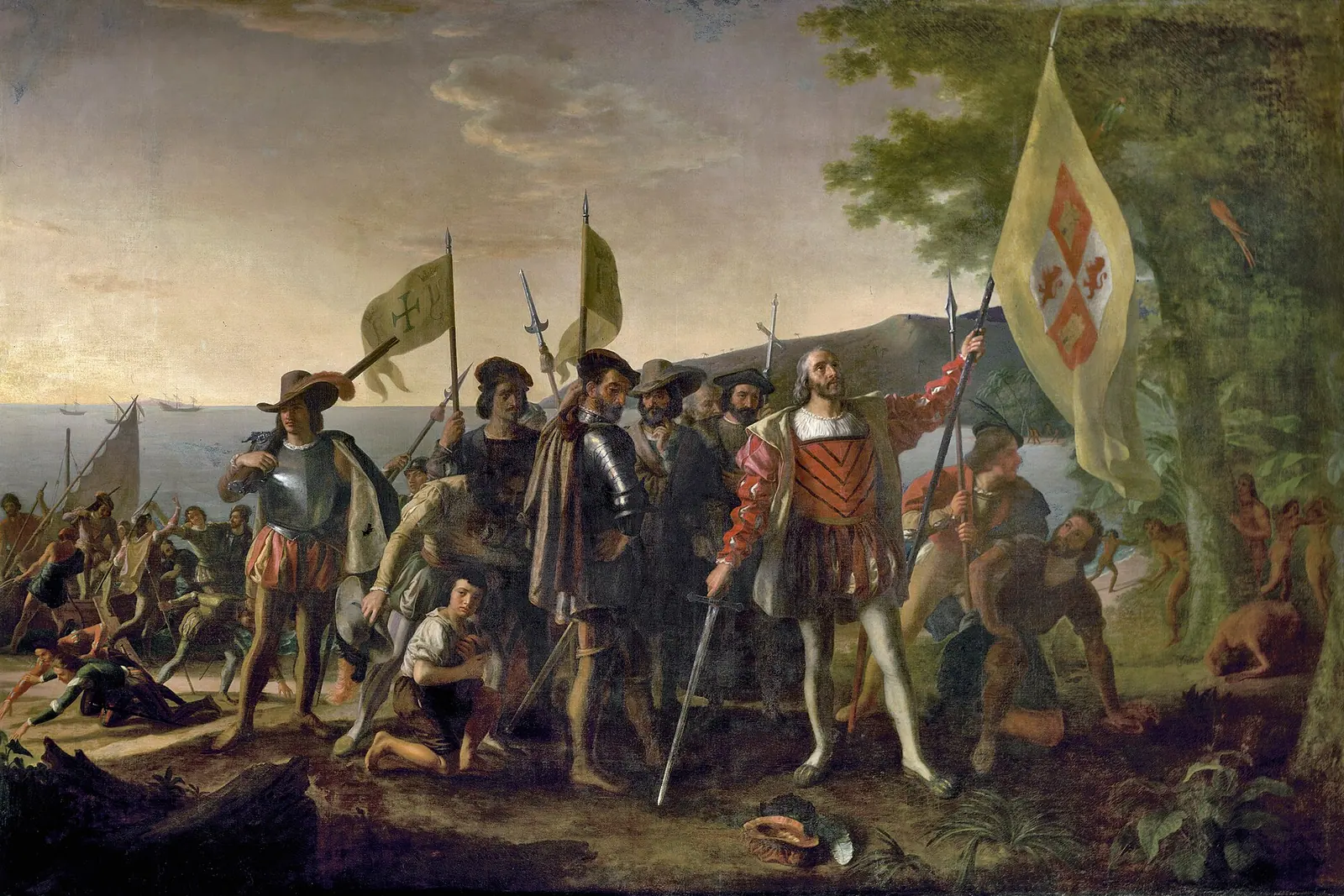
Stay in Bahamas
Hotels, guesthouses and apartments — compared in one search.
Search hotels
Transfer in Bahamas
Private driver waiting on arrival — no queues, no surprises.
Book a transfer
Travel insurance
Medical cover, delays and lost baggage — sorted before you go.
Get covered