The Bahamas is not one climate but a 700-mile ribbon of them, running from the pine forests of Grand Bahama down to the salt flats of Great Inagua. Choosing when to go decides whether you're paying holiday-week rates for a breezy 78°F afternoon or snapping up a bargain room while watching the tropics on a weather map. Here's how the seasons really behave, island by island, and how to time your booking around them.
How the Bahamian Year Actually Works: Dry Season, Wet Season and the Space Between
The archipelago sits in the subtropics just east of Florida, which means its calendar is broadly North American: a dry, breezy winter and a hot, humid summer. High season runs from mid-December through mid-April, when daytime temperatures sit comfortably in the mid-70s to low 80s Fahrenheit, humidity drops and the northeast trade winds keep the beaches cool. This is also when demand peaks hardest — the weeks around Christmas, New Year and Easter are the most expensive and most tightly booked of the entire year.
From June through November the pattern flips. Air temperatures climb into the upper 80s and low 90s, humidity is heavy, and rain arrives mostly as short, dramatic afternoon showers that clear within an hour. This window overlaps Atlantic hurricane season, which officially runs June 1 to November 30, with the statistical peak from mid-August through October. The upside is real: sea temperatures reach their warmest, often 84–86°F, and room rates across the islands fall sharply compared with winter.
The two true sweet spots sit in between. May and the stretch from late November to mid-December typically deliver dry-season weather without dry-season pricing, and the water is still bath-warm in May while the crowds have gone home. One regional quirk worth knowing: winter cold fronts push further south through the northern islands — Grand Bahama, Bimini and the Abacos — so a January northerly can drop Nassau into the upper 60s and make the ocean feel bracing, while Exuma and Long Island stay noticeably milder.
High Season (Mid-December to Mid-April): Dry Days, Peak Rates and Junkanoo Nights
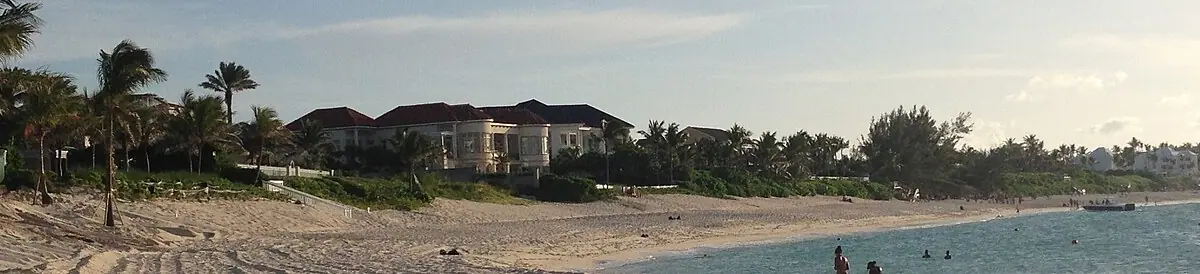
Winter is when the Bahamas looks like the postcard everyone imagines: cloudless skies, low humidity and reliably calm seas for boating and snorkelling. It is also when Nassau and Paradise Island fill to capacity. If you want a room on Cable Beach or overlooking Cabbage Beach during the holidays, plan on booking four to six months ahead, and expect minimum-stay requirements of three to seven nights over Christmas and New Year.
The cultural payoff for travelling in winter is Junkanoo, the Bahamian street parade of cowbells, goatskin drums and elaborate crepe-paper costumes. The two biggest processions take place in Nassau in the small hours of Boxing Day, December 26, and again on New Year's Day, with a smaller but equally loud version on Grand Bahama. Hotels along Bay Street and downtown Nassau sell out months in advance for these dates, and the atmosphere in the city is unlike anything else in the region.
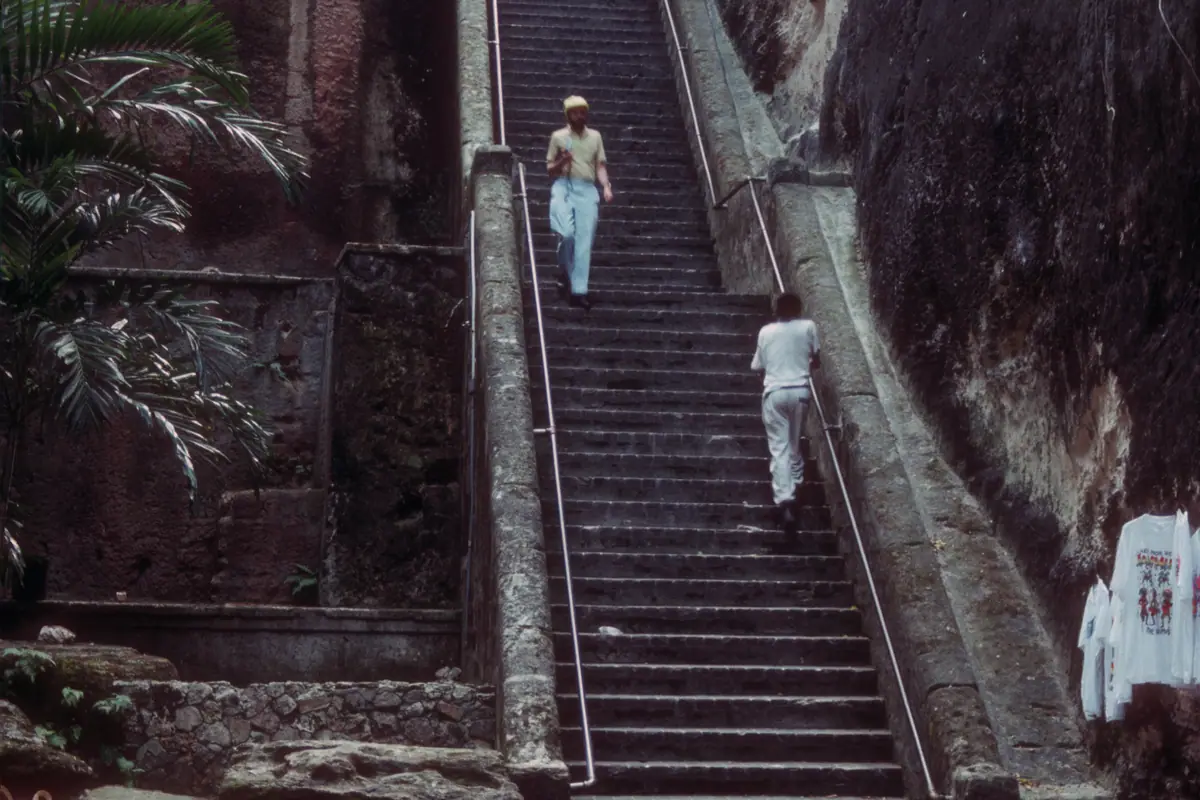
Winter is also the best season for sightseeing, because the heat won't flatten you by noon. In Nassau, that means climbing the Queen's Staircase — 66 limestone steps carved by hand in the late 1700s — then walking the short distance to Fort Fincastle and its panoramic view over the harbour, and continuing to Fort Charlotte and the pastel colonial buildings around Parliament Square. Add the Straw Market for crafts, the flamingo encounters at Ardastra Gardens, day trips to Blue Lagoon Island or Rose Island, and the Versailles Gardens and Cloisters on Paradise Island, and you have a full week without ever leaving New Providence. February can bring the occasional cold front, so pack a light jacket for evening boat rides.
Low Season (June to November): Warm Water, Quiet Beaches and Hurricane Odds
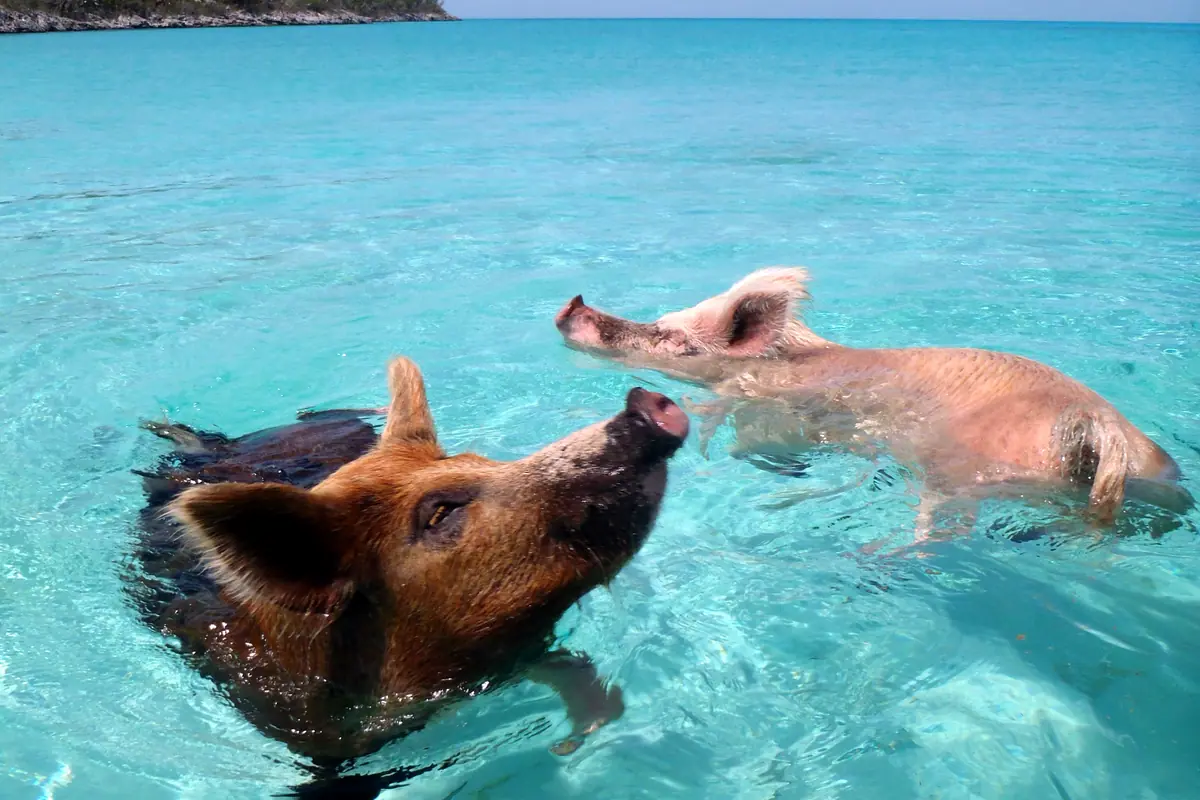
Summer and early autumn are the bargain months. Resorts on Paradise Island and Cable Beach routinely discount heavily outside holiday weekends, and small Out Island inns often drop rates by a third or more. The water is at its most inviting for swimming, snorkelling and diving, with excellent visibility around the Andros Barrier Reef, the blue holes of Andros, Thunderball Grotto off Staniel Cay and the protected cays of the Exuma Cays Land and Sea Park. This is also prime time for the famous swimming pigs at Big Major Cay in Exuma, when tour boats run daily and the shallows are bathtub-warm.
The trade-off is weather risk. Hurricane season peaks between mid-August and October, and September is historically the most active month for storms in this part of the Atlantic. If you travel then, book a fully refundable rate, take out travel insurance that explicitly covers named storms, and build flexibility into your flights. Many smaller Out Island properties — particularly on Eleuthera, Cat Island and the Abacos — close entirely in September and October for maintenance and staff holidays, which can leave a resort town eerily quiet with few restaurants open.
Even outside storm systems, summer travel has its own rhythms. Afternoon downpours are brief but frequent, sargassum seaweed can pile up on Atlantic-facing beaches in some years, and the heat index makes midday hiking or fort-hopping genuinely uncomfortable. Shift your sightseeing to early morning, save afternoons for the water, and you'll find June and July offer the best combination of warm seas, long days and manageable prices.
Shoulder Season: May and Late November, the Insider's Sweet Spot
If you want the best overall balance of weather, price and elbow room, aim for May or the window between Thanksgiving and mid-December. In May the winter crowds have gone, the trade winds are steady, water temperatures hover around 80°F, and hurricane season hasn't begun. Rates sit comfortably below winter levels, restaurants and dive shops are fully staffed, and you can still get a table at the best conch shacks without a wait.
Late November brings a similar bargain, with one caveat: the Atlantic is still winding down its storm season, so keep an eye on forecasts until you're within a week of departure. In exchange you get crisp, dry air, lower humidity than summer and the islands beginning to string up decorations for Junkanoo and the holidays. Rates climb steeply the moment mid-December arrives, so travelling in the first two weeks of the month can save you a substantial amount on the same room.
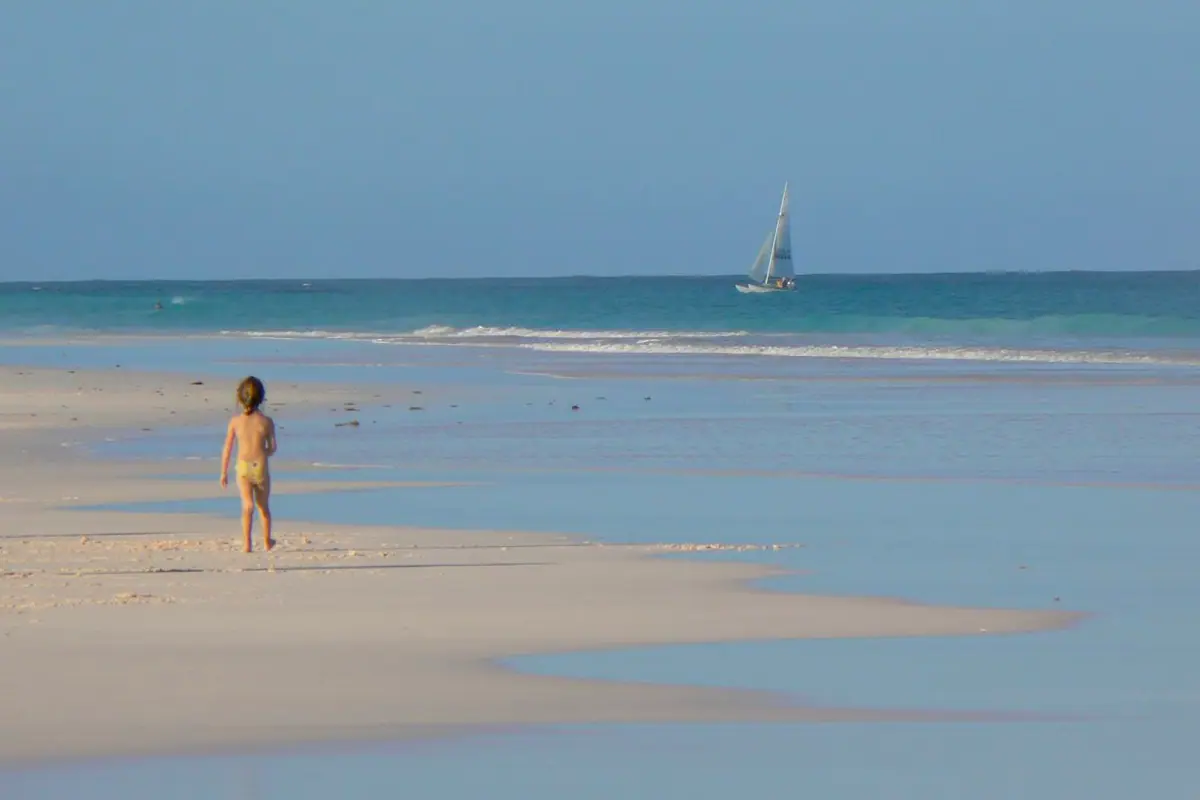
Shoulder season is also the ideal time for the Out Islands, where hotel inventory is small and winter demand is fierce. This is when Harbour Island's Pink Sands Beach is at its most photogenic, when the Glass Window Bridge in Eleuthera — where the dark Atlantic meets the turquoise Bight — is safe and calm to visit, and when you can climb the candy-striped Hope Town Lighthouse on Elbow Cay in Abaco without sharing the view. Boat crossings to Spanish Wells, Green Turtle Cay and Man-O-War Cay are smoother in spring and late autumn than in the winter chop.
Matching Island and Hotel Style to the Right Season
Nassau and Paradise Island are the year-round workhorses of Bahamian hospitality. They offer the widest range of accommodation — sprawling all-inclusive resorts, mid-range beach hotels, boutique inns in the historic downtown — and they function in every season, which makes them the safest bet for first-timers, families and anyone who wants nightlife, duty-free shopping and direct flights. March and early April bring spring-break crowds to Cable Beach and the Junkanoo Beach strip, so families often prefer the Out Islands during that window.
Grand Bahama, an hour's flight or a short ferry from Florida, is the value play: Lucayan National Park and its mangrove caves, the powder-white sweep of Gold Rock Beach, and the stalls and bars of Port Lucaya Marketplace. Summer discounts here are steep. Exuma suits travellers who want cays, sandbars and small resorts rather than mega-properties; its guesthouses and villa rentals book out earliest from January to April and again in July, when regatta season brings sailors through George Town.
For something quieter still, consider Andros — the largest and least developed island, with bonefishing flats, inland blue holes and the third-longest barrier reef on earth — where hotel choice is limited but diving is world-class from spring through autumn. Long Island offers Dean's Blue Hole, one of the deepest sea caves on the planet, plus low-key inns that rarely fill. Cat Island, Eleuthera, the Abacos and Spanish Wells all reward travellers who book early in high season and accept that a handful of properties simply close in September and October. In every case, an Out Island booking means fewer rooms, fewer restaurants and more reliance on the weather, so flexible dates matter more than they do in Nassau.
Booking Timing, Festivals and Practical Season Tips
Book high-season stays — especially the Christmas, New Year and Easter weeks — six to twelve months in advance, and shoulder-season trips six to eight weeks out. Summer is the one period where genuine last-minute deals appear, particularly in Nassau and Freeport, but Out Island rooms can still evaporate quickly because inventory is so small. If a property requires a deposit, ask specifically what happens if a storm disrupts your dates; many Bahamian hotels offer hurricane guarantees that let you shift a booking rather than lose it.
Time your visit around the calendar of festivals if you want the islands at their most alive. Junkanoo parades on Boxing Day and New Year's Day are the headline acts, followed by the Junkanoo Summer Festival in Nassau in July. Regatta season runs from late spring into summer, with the Long Island Regatta in June and Regatta Time in Abaco in early July drawing sailing crews and their families, while billfish tournaments fill marinas in Bimini and Eleuthera in spring and summer. Cat Island's rake-and-scrape and Junkanoo traditions are worth planning around if you want a smaller, more local celebration.
A few practical notes that make a real difference. Inter-island travel depends on small aircraft, ferries and mailboats, all of which are more vulnerable to weather in summer and early autumn — build a buffer day before an international connection. Pack reef-safe sunscreen, since several Bahamian marine parks require it, and bring more cash than you would in a major city, as many Out Island restaurants and taxi drivers don't take cards. Finally, remember that the Bahamas is a country of 700 islands and cays, so "best time to visit" always depends on which one you mean: dry-season winter for the northern Abacos and Grand Bahama, spring and early summer for the Exumas, and any month at all if you're heading to Nassau.
Frequently asked questions
What is the cheapest month to stay in the Bahamas?
September and October are consistently the cheapest, because they fall in the heart of hurricane season and many smaller Out Island hotels close for maintenance. Summer months like June and July also offer significant discounts outside holiday weekends, with lower risk than early autumn.
When is hurricane season in the Bahamas, and should I avoid it?
The season runs June 1 to November 30, with the highest risk from mid-August through October. Travelling then is a calculated trade-off: you get lower rates and the warmest water, but you should book refundable rates and buy travel insurance that covers named storms.
What is the best time to visit Nassau versus the Out Islands?
Nassau and Paradise Island work well year-round thanks to plentiful hotels, flights and restaurants, though winter and spring break are the busiest. The Out Islands are best from December through May, when the weather is dry and calm; many small properties on Eleuthera, Cat Island and in the Abacos shut entirely in September and October.
How warm is the sea in winter, and what weather should I pack for?
Winter sea temperatures usually sit in the mid-70s Fahrenheit, and daytime air temperatures hover in the upper 70s to low 80s. Occasional cold fronts through the northern islands can drop things into the upper 60s, so bring a light jacket or sweater for evenings and boat trips.
Do Bahamas hotels require minimum stays over the holidays?
Many do. Over Christmas, New Year and sometimes Easter, resorts commonly require three to seven nights and charge premium rates, with full prepayment and strict cancellation terms. Booking six to twelve months ahead is the norm for those dates.
Sort the rest of your trip
Everything for Bahamas, in one place
Transfer in Bahamas
Private driver waiting on arrival — no queues, no surprises.
Book a transfer
Things to do in Bahamas
Skip-the-line tickets, guided tours and standout experiences.
See experiences
Stay online in Bahamas
Travel eSIM — data the moment you land, no roaming bills.
Get an eSIM