Austria packs an empire's worth of palaces, cliff-top fortresses and glacier-cut valleys into a country you can cross by train in a day. Between Vienna's gilded halls, Salzburg's marble squares and the ice caves and hairpin roads of the Alps, the hard part is choosing what to leave out. Here is where a first visit earns its memories.
Vienna's Imperial Heart: Palaces, Cathedrals and Grand Museums
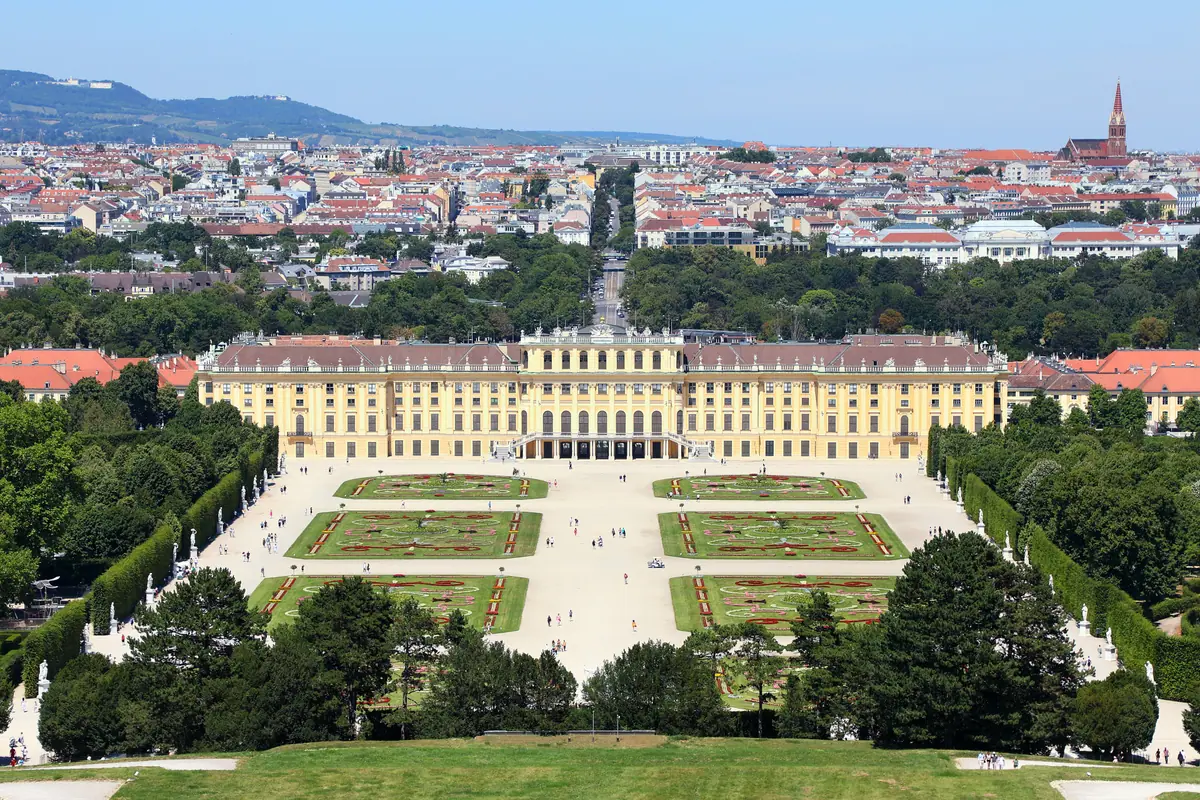
Start where the Habsburgs summered. Schönbrunn Palace, the yellow-cream baroque sprawl on Vienna's western edge, holds more than 1,400 rooms, though the grand tour walks you through roughly forty of them — mirrored ballrooms, porcelain stoves and the hall where a six-year-old Mozart performed. The gardens are free to wander, and the uphill hike to the Gloriette pavilion rewards you with the classic postcard view over the palace and the city beyond. Allow half a day, and arrive within the first hour of opening to beat the coach groups.
The Hofburg, the family's winter residence in the middle of town, is now a cluster of attractions: the imperial apartments, the Sisi Museum devoted to Empress Elisabeth, and the silver collection, where the tableware alone is worth an hour. Nearby, the Spanish Riding School's white Lipizzaner stallions rehearse most mornings in a riding hall that feels unchanged since the 1700s. From there, walk to St. Stephen's Cathedral, whose tiled chevron roof and 343-step south tower dominate the skyline; the catacombs beneath are a strange, quiet counterpoint to the crowds above.
For art, Belvedere Palace pairs its two baroque buildings with gardens and the country's most famous painting, Gustav Klimt's gilded lovers in The Kiss, while the Kunsthistorisches Museum across the Ringstrasse holds one of Europe's finest collections of old masters. In the evening, the standing-room tickets at the Vienna State Opera cost little more than a coffee and are the most theatrical bargain in the city.
Salzburg: Mozart, Fortresses and a Filmed Alpine Backdrop
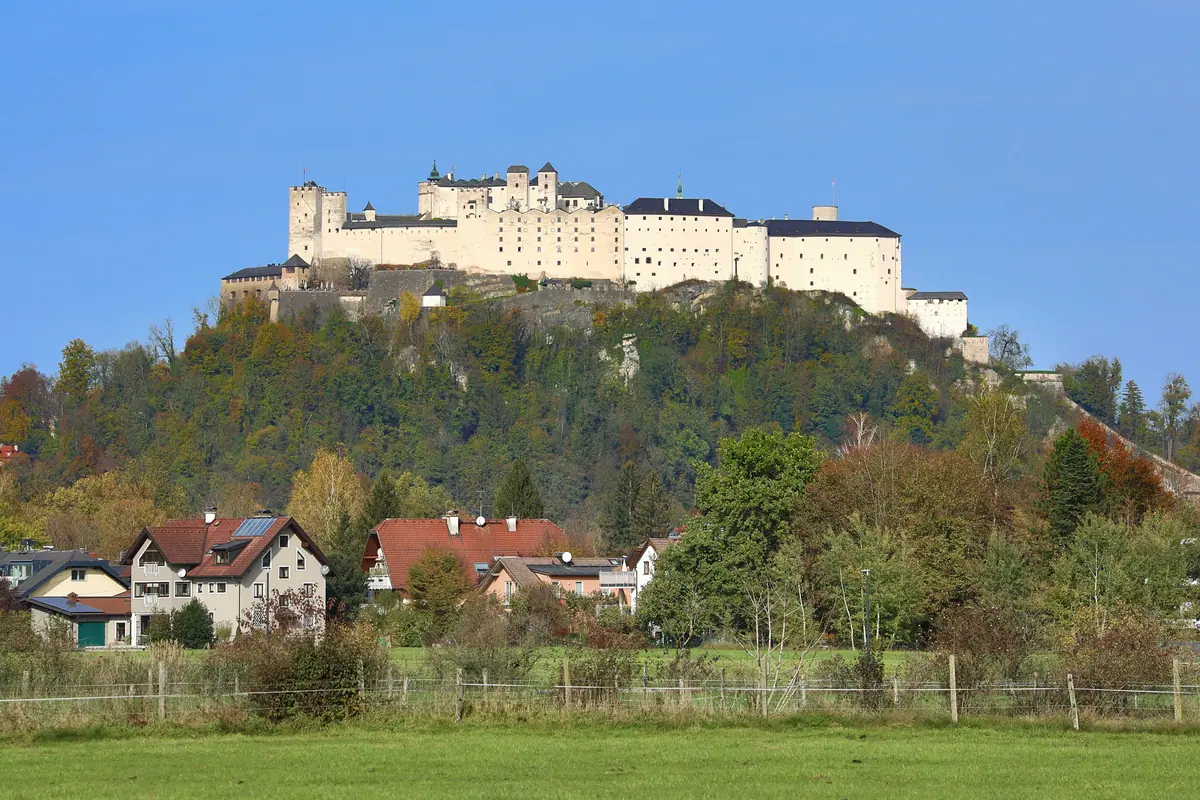
Salzburg's skyline belongs to Hohensalzburg Fortress, one of the largest and best-preserved medieval castles in Europe, sitting on its own wooded hill above the river. A funicular whisks you up in under two minutes; once inside, the ramparts open onto a panorama that stretches from the cathedral domes to the Untersberg massif on the German border. Evening fortress concerts trade on the setting, with chamber music played in halls that predate Mozart by centuries.
Below the walls, the Altstadt is a UNESCO-listed maze of arcaded lanes. Getreidegasse, hung with wrought-iron guild signs, is where Mozart was born — the yellow house is now a museum of his childhood instruments and letters. Push on to Residenzplatz, the cathedral with its bronze doors, and the tiny graveyard and catacomb steps of St. Peter's. Across the river, Mirabell Palace's gardens are clipped into a geometric parterre with the fortress framed behind it, a view that has launched a thousand photographs and at least one famous film scene.
Salzburg rewards slow travellers. Climb the Mönchsberg for a 40-minute ridge walk above the rooftops, ride the cable car up the Untersberg for a snow-patch hike in summer, and end the day at a brewery beer garden under the chestnut trees. In July and August the city hosts its famous festival; book beds weeks ahead, because prices climb with the curtain.
Hallstatt and the Salzkammergut Lake District
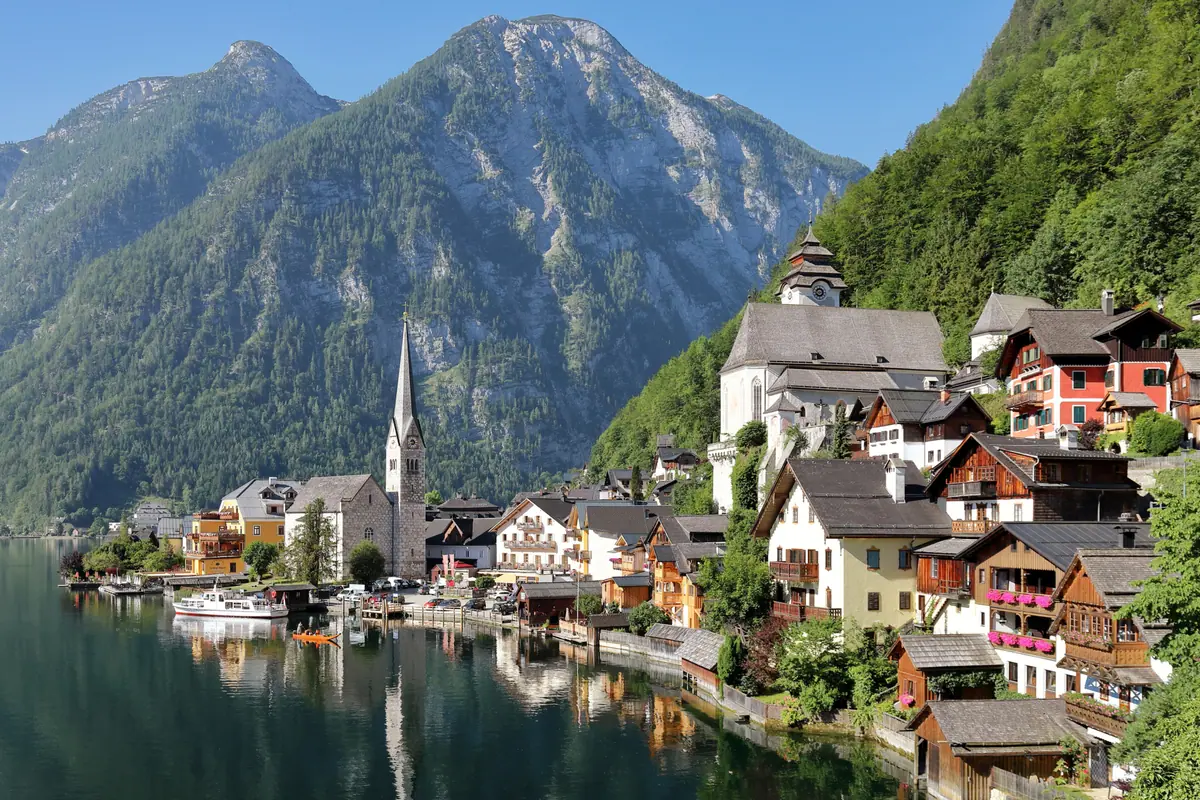
Hallstatt is the picture everyone carries home: a ribbon of pastel houses squeezed between a glassy lake and a cliff face, with swans drifting past the church tower. What the postcard misses is the history — people have mined salt here for around 7,000 years, and the mine above the village (reached by funicular) leads you through tunnels to the Skywalk, a cantilevered platform hanging 360 metres above the water. Underground, you walk a wooden staircase thought to be thousands of years old.
The village is tiny and easily overwhelmed. Day-trippers surge between mid-morning and late afternoon, so the two best strategies are arriving before nine or, better, staying overnight — guests watch the lake turn silver at dawn and have the lanes almost to themselves after the last bus leaves. The crossing by ferry is part of the experience, and the salt mine, the bone house in the churchyard and the lakeside trail fill a comfortable full day.
The wider Salzkammergut spreads out in every direction: the glassy reflections of Gosausee, the Five Fingers viewing platform on the Dachstein massif, and Bad Ischl, whose imperial villa tells the story of the emperor who summered there. In July and August the lakes warm enough for swimming, and vintage-style boats and rental bikes make easy work of the shoreline. Come in May, June or September for gentler crowds and clearer light.
Alpine Drives and Peak Experiences: Grossglockner and Innsbruck
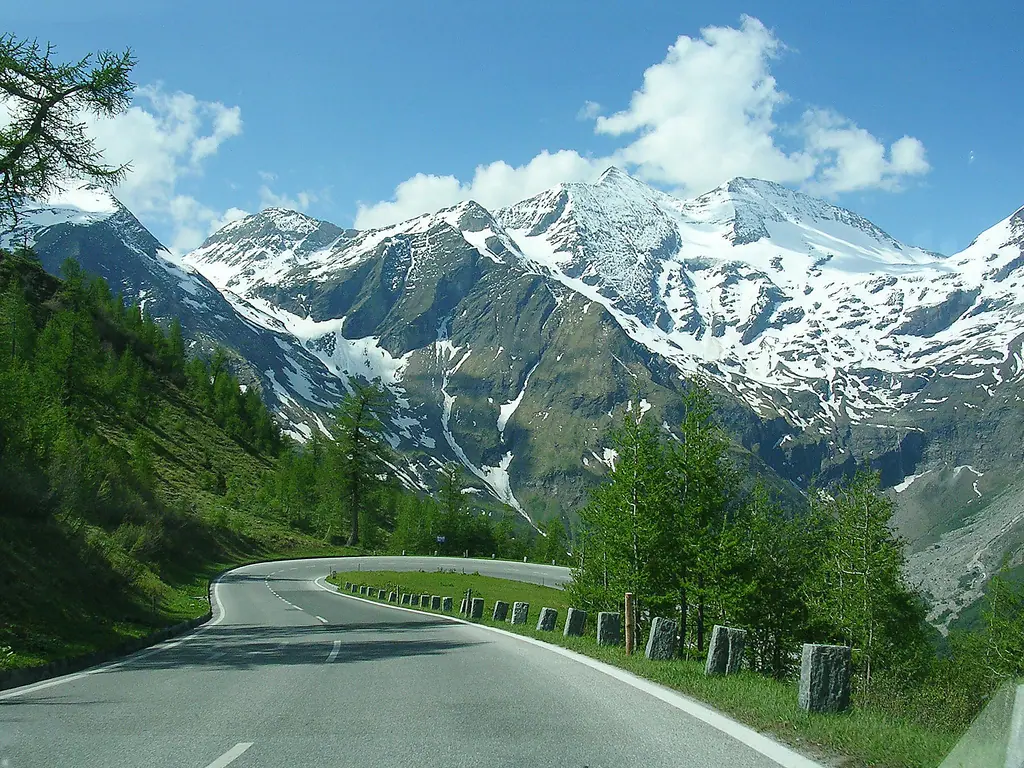
The Grossglockner High Alpine Road is the country's great motoring and cycling pilgrimage: 48 kilometres of switchbacks and 36 hairpin bends climbing into the Hohe Tauern, past tumbling glaciers and roadside marmot colonies, to a viewpoint facing Austria's highest mountain at 3,798 metres. The road typically opens in early May and closes with the first heavy snow in late October, and there is a toll — but the Pasterze Glacier below the summit and the Edelweiss Spitze lookout justify every euro. Go early, fill the tank, and pack a jacket; the weather up there changes its mind hourly.
Innsbruck does the improbable: it puts a proper alpine summit within twenty minutes of its medieval centre. The Nordkette cable car rises from the edge of the old town to more than 2,200 metres, where a network of marked trails starts at the top station. Back down in the streets, the Goldenes Dachl — a gilded copper balcony built for an emperor's wedding — glints over Maria-Theresien-Strasse, and the Alpine Zoo on the way up houses Europe's highest-altitude collection of mountain species.
Elsewhere in the mountains, the Krimml Waterfalls drop around 380 metres in three tiers along a four-kilometre trail that leaves you soaked and grinning, and the Hahnenkamm above Kitzbühel offers summer hiking over the course of its notorious ski descent. Zell am See, an hour away, adds a swimmable lake to the mix.
Caves, Underground Lakes and Offbeat Detours
Austria's limestone does spectacular things underground. The Eisriesenwelt near Werfen, south of Salzburg, is the largest ice cave system on earth — more than 40 kilometres of passages, of which the first kilometre is guided by lantern light through frozen curtains, pillars and a cavern the size of a cathedral. It is genuinely cold inside year-round, so bring gloves, a warm layer and shoes with grip; the season runs roughly May to October, and the climb up to the entrance is steep.
Near Obertraun on the Hallstätter See, the Dachstein Giant Ice Cave and the neighbouring Mammut Cave offer a similar frozen maze with far shorter queues, reached by cable car and a walk. Further east, the Seegrotte at Hinterbrühl takes visitors by boat across a flooded former gypsum mine, one of the largest subterranean lakes in Europe — a surreal, echoey place that is also a hit with children on a rainy afternoon.
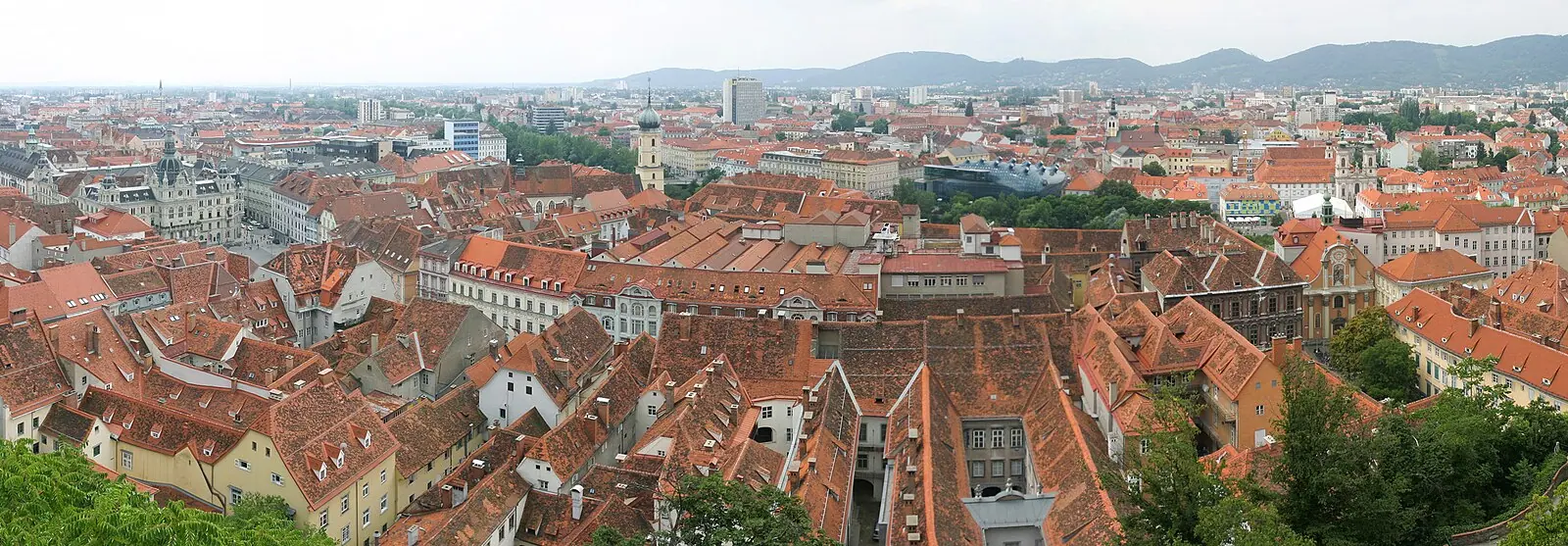
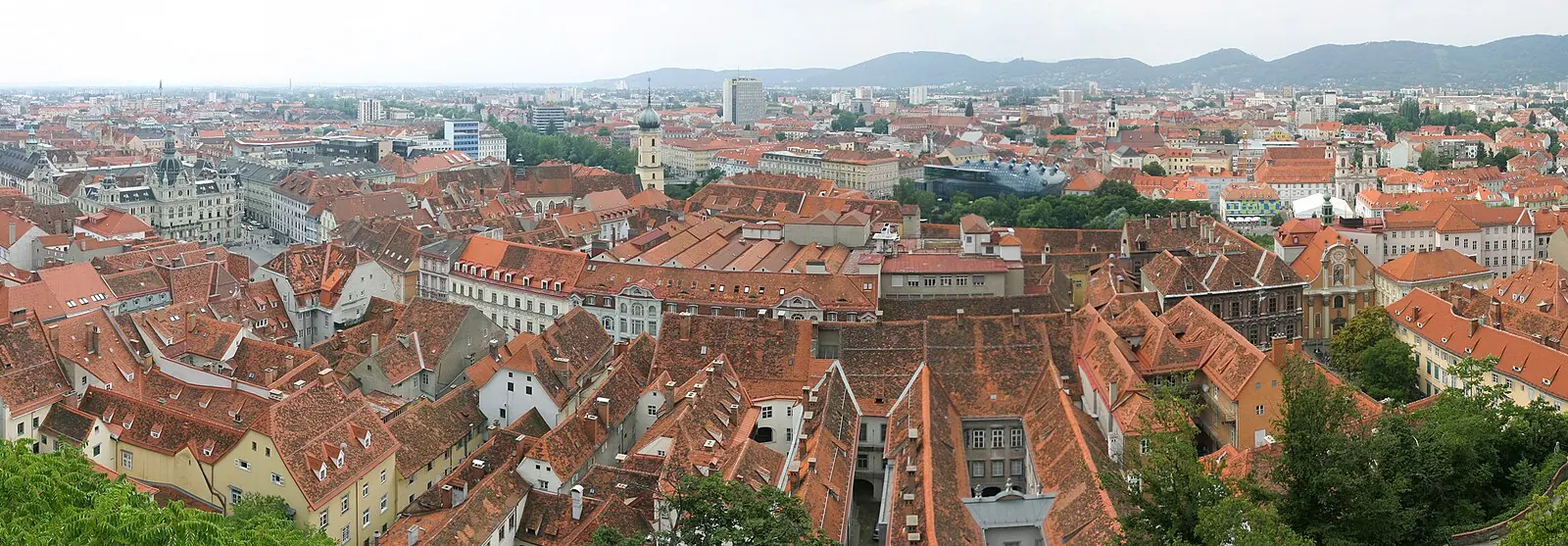
If you have time for a second city, Graz is the rewarding answer: its Schlossberg hill rises straight out of the old town, topped by the Uhrturm clock tower, with a glassy modern art house and a striking island-shaped floating platform on the river below. Nearby, the Semmering mountain railway and the baroque abbey at Melk make scenic half-day add-ons for rail travellers.
Coffeehouses, Wine Taverns and Regional Flavours
Viennese coffeehouse culture is less about the drink than the licence to linger. Order a melange, claim a marble table, and nobody will hurry you for the next three hours — the newspapers on their wooden racks are part of the furniture. Sample the classics: flaky apple strudel, dense chocolate-glazed apricot torte, and the softer, creamier versions that rival cafés insist are the authentic ones. For picnic supplies and people-watching, the Naschmarkt's Saturday sprawl of olives, cheeses and spices is unmissable.
Wine is a serious pleasure here. On Vienna's northern fringes, rustic taverns pour the season's young wine alongside cold plates of ham and cheese; in the Wachau Valley, terraced vineyards run between the baroque abbey at Melk and the walled town of Dürnstein, where apricot dumplings and crisp white wines are the local currency. September brings the grape harvest and the liveliest tables of the year.
Beyond that, flavours shift with the landscape: pumpkin-seed oil and dark, full-bodied wines around Graz in Styria, cheese spätzle and cured meats in the Tyrol, and shredded pancake with plum compote on every alpine menu. In Advent, town squares fill with Christmas markets — Vienna's in front of the city hall, plus Salzburg and Innsbruck — where punch, roasted chestnuts and hand-painted ornaments make the cold worth it.
Frequently asked questions
What is the best time of year to visit Austria?
May, June and September are the sweet spot: mild weather, manageable crowds and open mountain roads. July and August are warm and lively but busy, especially at lakes and in Salzburg and Hallstatt. December is magical for Christmas markets, while January and February suit skiers in the Tyrol and Salzburg's ski regions.
How many days do I need in Vienna?
Three full days covers the essentials: Schönbrunn and the Hofburg, the museums around the Ringstrasse, St. Stephen's Cathedral and the old town, plus an evening of music. Add a fourth day for Belvedere, the Prater and a day trip to the Wachau or a nearby abbey.
Do I need a car to see Austria's highlights?
Not for cities — trains link Vienna, Salzburg, Innsbruck and Graz frequently and comfortably. You will want wheels or a bus for Alpine drives, mountain roads, remote lakes and the Grossglockner High Alpine Road. Many lake villages and cable cars are reachable by regional train plus a short bus.
Is Austria expensive to visit?
It sits in the mid-to-high range for Europe, with Vienna and Salzburg the priciest. You can trim costs by sleeping in family-run guesthouses outside the centres, using regional day tickets on public transport, grabbing market or bakery lunches, and buying standing-room tickets at the opera, which cost only a fraction of a seat.
Is Hallstatt worth visiting as a day trip or should I stay overnight?
Stay overnight if you can. The village is small and day-tripper traffic peaks between mid-morning and late afternoon, so an overnight stay gives you quiet dawn views, easier access to the salt mine and a far better chance of enjoying the lake without a crowd in front of you.
Plan it — experiences in Austria
Live search, booked directly with trusted providers.
Sort the rest of your trip
Everything for Austria, in one place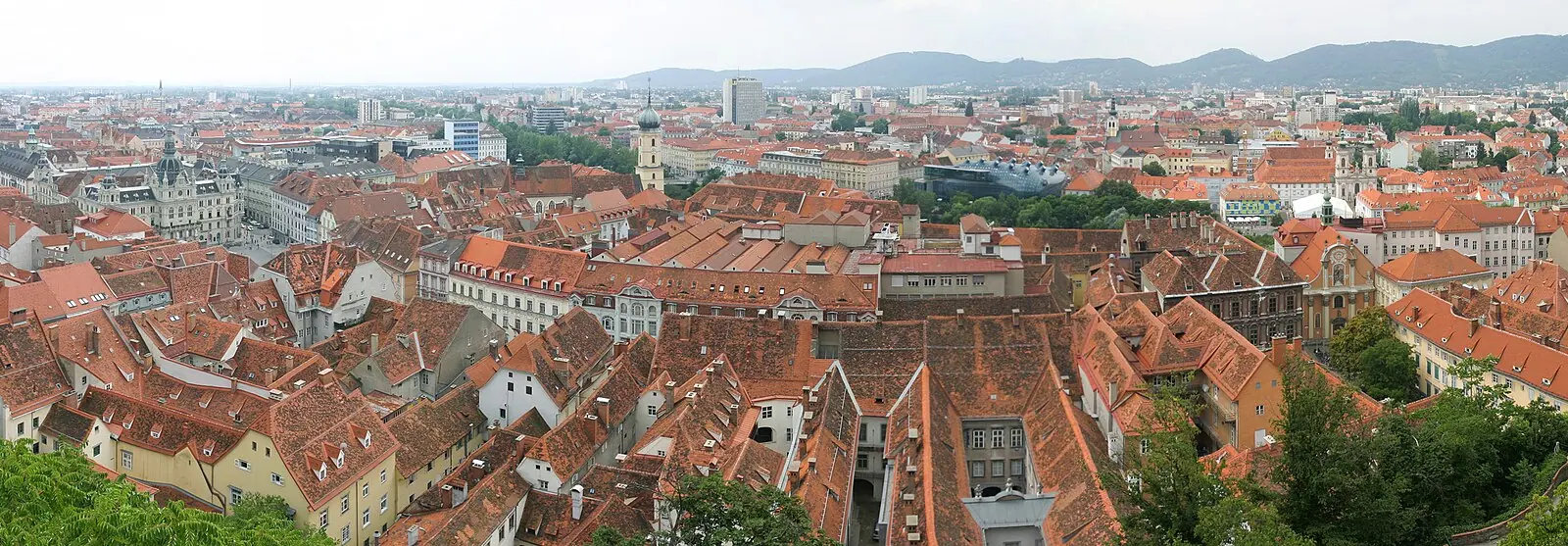
Stay in Austria
Hotels, guesthouses and apartments — compared in one search.
Search hotels
Transfer in Austria
Private driver waiting on arrival — no queues, no surprises.
Book a transfer
Stay online in Austria
Travel eSIM — data the moment you land, no roaming bills.
Get an eSIMMore guides in Austria
Best Time to Visit Austria for Hotels: A Season-by-Season Guide
Best Places to Visit in Austria: Imperial Cities, Alpine Roads and Lake Villages
Austria Food, Culture and Local Experiences: A Guide to Vienna, Salzburg and the Alps
Austria in One Week: Flights, Rail Runs and the Sights You Can't Skip