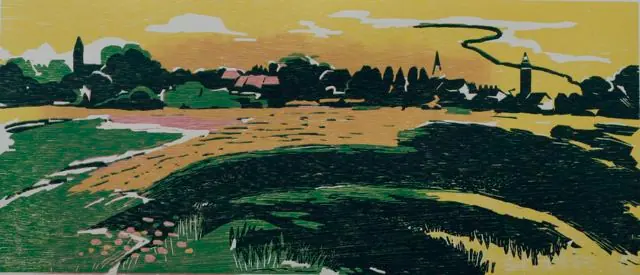
Austria is small enough to cross between breakfast and lunch, yet layered enough to fill a month — which is exactly what makes a single week here a puzzle worth solving. This route lands you in Vienna, threads the Danube valley, sleeps beneath a fortress in Salzburg, wakes beside a mirror-still lake in Hallstatt and ends with an alpine flight over the North Tyrol. Pack light, book the long legs early, and let the trains do the hard work.
Day 1 – Landing in Vienna: Wheels Down, Cathedral Lights
Most long-haul travellers touch down at Vienna International Airport, roughly 20 minutes southeast of the city centre. A dedicated airport train and a suburban rail line both run to Wien Mitte, so you can be dropping your bag in a hotel off the Ringstrasse within an hour of clearing passport control. If your dates line up with summer, direct services from North America and the Gulf arrive throughout the day; in winter, expect more one-stop routings through a European hub.
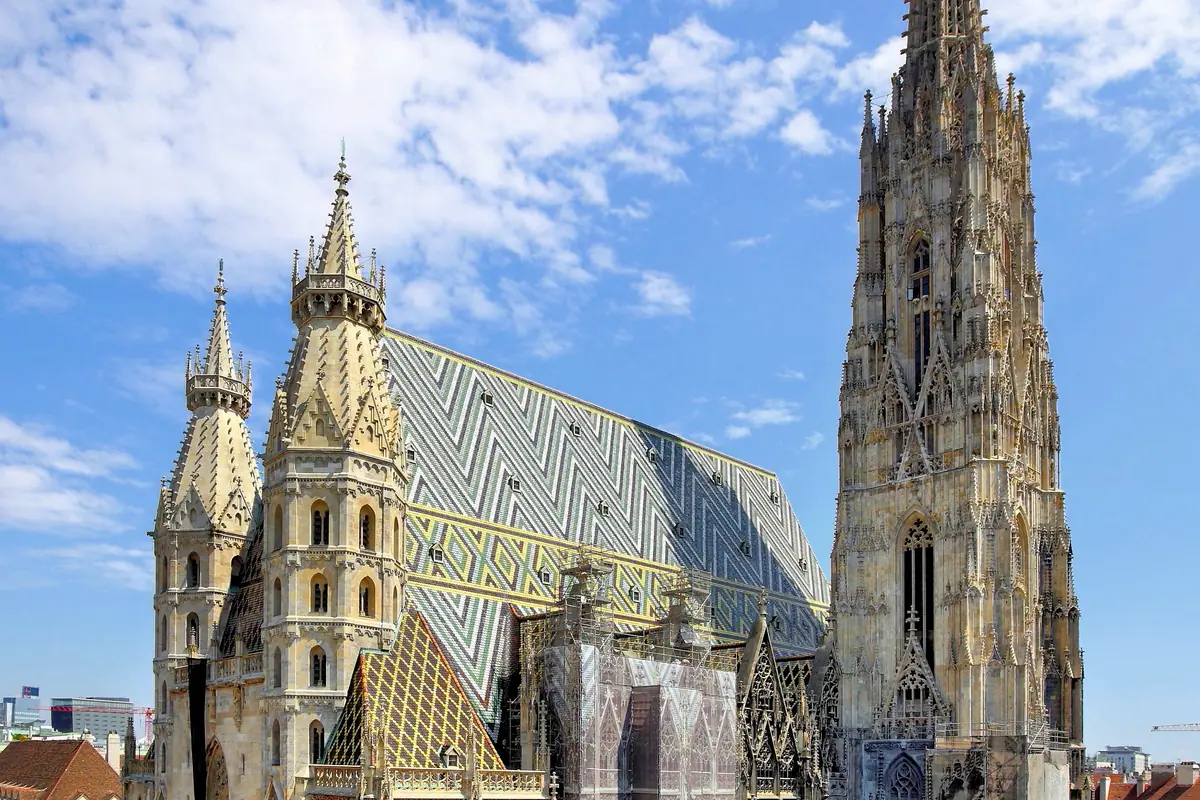
Use the first afternoon gently, because jet lag and imperial architecture are a disorienting pair. Walk into the Innere Stadt and let St. Stephen's Cathedral ambush you — the zigzag tiled roof and the 137-metre south tower are the true centre of the city, and the surrounding lanes of the Graben and Kohlmarkt funnel you toward the Hofburg, the sprawling winter palace of the Habsburgs.
Finish with a tram ride on lines 1 or 2, which loop the Ringstrasse past the Opera, the Parliament and the Burgtheater in about half an hour, and then eat somewhere simple in the wine villages of Grinzing or Nussdorf, where young wine is poured in ordinary gardens. Sleep early. Tomorrow is a palace day.
Days 2–3 – Imperial Vienna: Palaces, Museums and Coffee House Hours
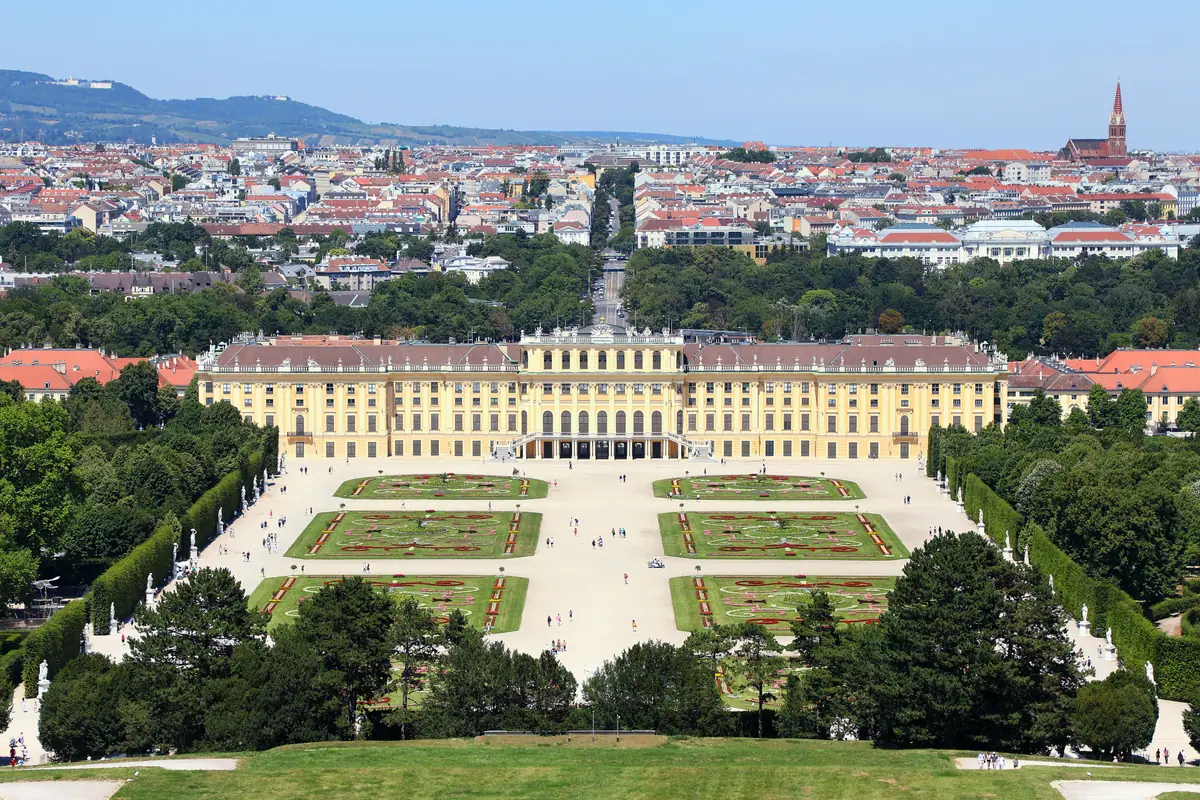
Give Vienna two full days and it will still send you home with a list of things you missed. Start at Schönbrunn Palace, the yellow summer residence west of the centre: book a timed entry for the state rooms in advance, then climb the garden hill to the Gloriette for the postcard view back across the rooftops. Allow three hours with the gardens, more if you walk up to the Tiergarten.
Day two belongs to the museums. The Belvedere, split between two baroque palaces, holds the world's best collection of Gustav Klimt, including The Kiss — go at opening time to have it almost to yourself. The Kunsthistorisches Museum on Maria-Theresien-Platz is the other essential, a velvet-and-marble cathedral of art stuffed with Bruegel and Vermeer. Between the two, wander the MuseumsQuartier, where the courtyards turn into open-air lounges in summer.
Leave an hour for the Naschmarkt's food stalls, ride the giant Ferris wheel in the Prater for a slow 65-metre turn over the city, and honour the coffee house ritual — a melange, a slice of chocolate torte, a newspaper you don't intend to finish. Vienna rewards sitting still, which is a rare thing on a packed itinerary.
Day 4 – The Wachau Valley: Melk Abbey, Dürnstein and Danube Terraces
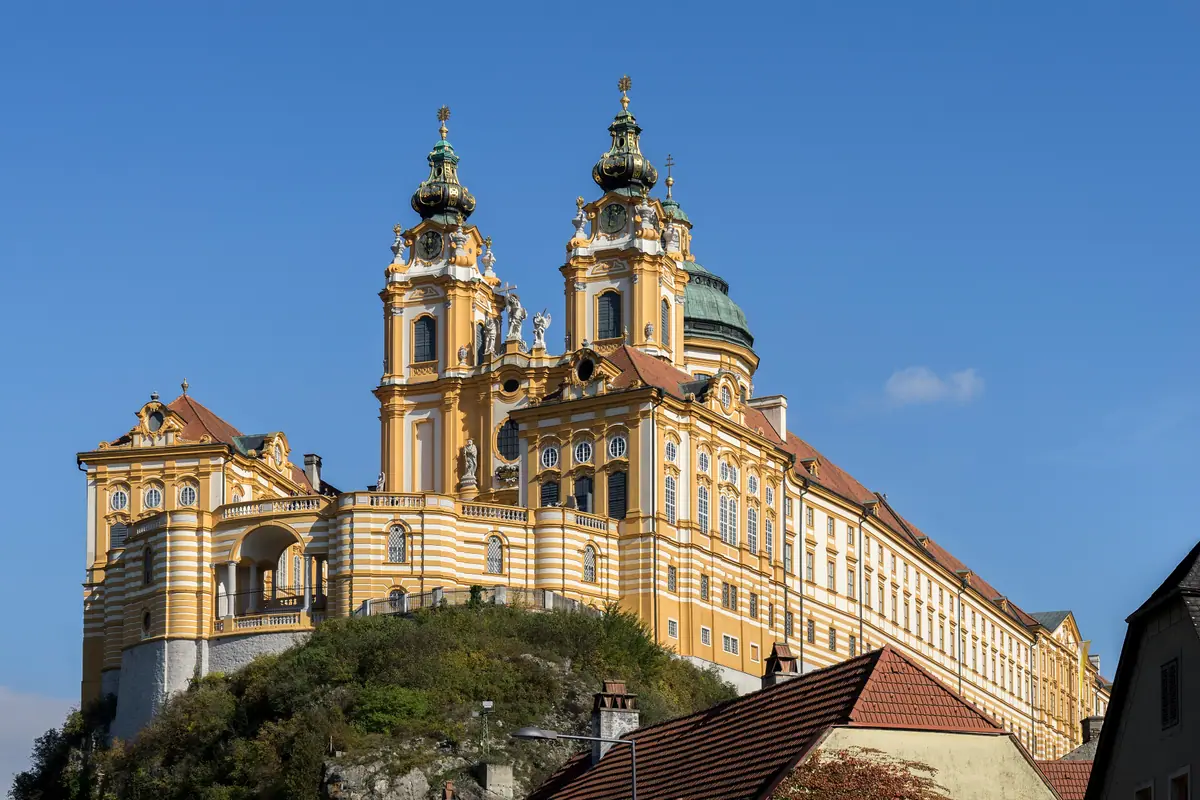
Take an early train west to Melk, about an hour from Vienna, and spend the morning in Melk Abbey — a baroque monastery perched above the Danube whose library and gold-crusted church are worth the ticket alone. From the terrace, the river bends below you between apricot orchards and vineyards.
Then board a boat down the Wachau, the 36-kilometre stretch of Danube between Melk and Krems that is protected as a UNESCO landscape. You pass terraced vineyards producing Grüner Veltliner and Riesling, ruined castles on both banks, and the small town of Dürnstein, where a blue-and-white church tower rises straight out of the waterfront and the bones of a castle hold the legend of a captive English king. The crossing takes roughly 90 minutes and runs seasonally from spring to late autumn.
If you prefer walking to drifting, the Danube trail between Dürnstein and Weißenkirchen is a gentle two-hour amble through vines with river views the whole way. Stay overnight in Krems or Dürnstein rather than rushing back — the valley empties of day-trippers after five, and dinner in a vine-covered courtyard is one of Austria's quiet pleasures.
Day 5 – Salzburg: A Fortress Above, Mozart Below
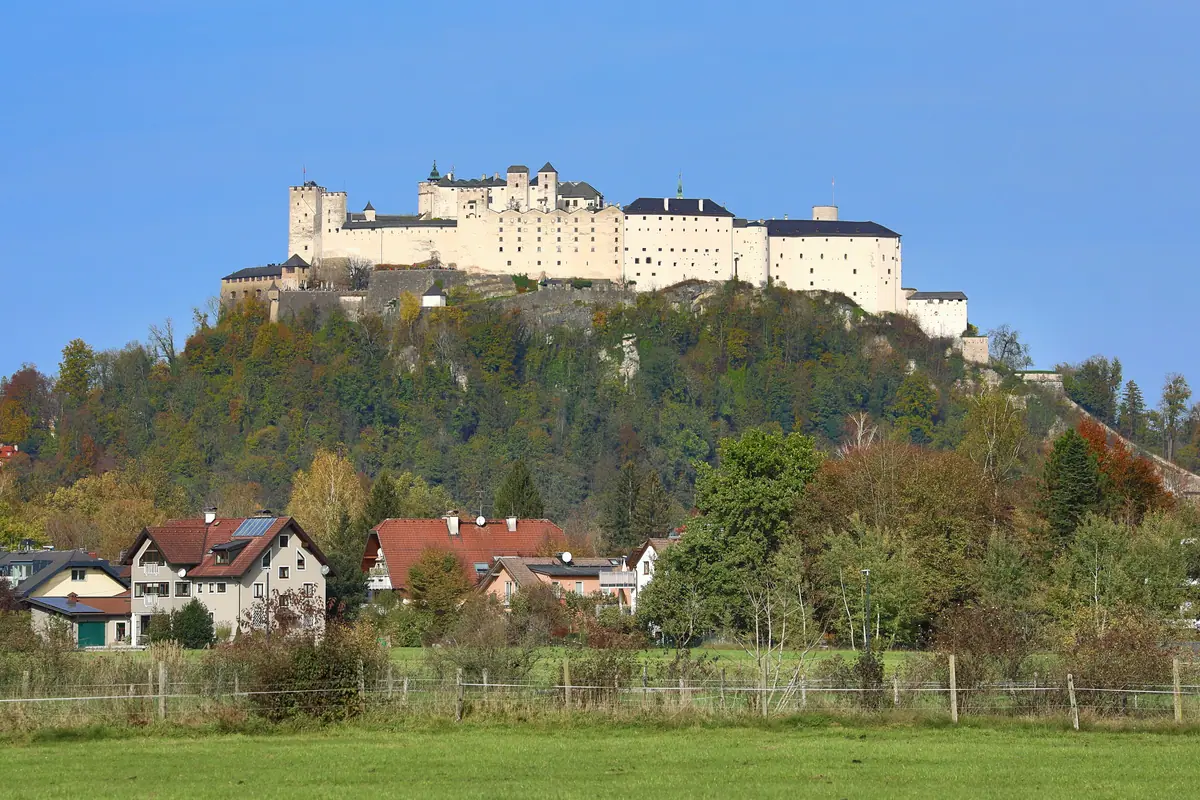
The rail run from the Wachau to Salzburg takes around three hours with a change, and it delivers you into a city that is almost absurdly photogenic. Everything you have heard about Hohensalzburg Fortress is true: it sits on the Festungsberg like a stone ship, the funicular whisks you up in under two minutes, and the view over the baroque old town and the Untersberg mountain is the best free entertainment in Austria.
Below it, the Getreidegasse's wrought-iron signs, the yellow house where Mozart was born and the cathedral's bronze doors are all within a ten-minute walk of each other. Cross the river to the Mirabell Gardens for the classic fortress-and-garden photograph, then climb the Mönchsberg footpath for a quieter panorama at sunset.
Salzburg is compact enough to see properly in a day, but give it a night: the monastery brewery garden at Mülln, where you carry your own stone mug through chestnut trees, is where locals actually spend their evenings. Book the fortress and any concert tickets ahead in July and August, when the festival season fills every bed in town.
Day 6 – Hallstatt and the Salzkammergut: Lakes, Salt and Skywalks
From Salzburg, the journey into the Salzkammergut takes about two and a half hours by train and ferry, and it lands you in Hallstatt — a village of wooden houses stacked between a glassy lake and a cliff, so photographed that it now has a visitation problem. The trick is timing: arrive on the first boat of the morning, or stay overnight, when the tour buses have gone and the lake turns to pewter.
Above the village, the salt mine that gave the region its wealth is open for tours, complete with a wooden slide into the depths, and the Welterbeblick skywalk juts out over a 350-metre drop. If you want the same scenery with a fraction of the crowd, base yourself instead in Bad Ischl, St. Wolfgang or Hallstatt's quieter neighbour Obertraun, and take the cog railway up the Schafberg for a view that swallows the whole lake district.
Late September and early October are the sweet spot here: the beeches turn copper, the water is still swimmable for the brave, and the coach traffic thins out. A rental car helps in this valley, where buses are infrequent, but the train-and-ferry combination is reliable and far less stressful than hunting for a parking space that doesn't exist.
Day 7 – Innsbruck: Alpine Flight, Golden Roof, and the Ride Home
The final leg runs west to Innsbruck in under two hours, threading through the Tyrolean Alps. This is the day to spend your flight budget on something better than a connection: light aircraft and glider flights leave from the Innsbruck area and from Zell am See, taking you over glaciers, the Inn valley and ridgelines that no train window can match. Book at least a week ahead in summer, and keep a morning slot — alpine afternoons breed thunderclouds.
On the ground, Innsbruck's old town is a tight knot of arcades and pastel façades anchored by the Goldenes Dachl, the copper-tiled balcony built for a Habsburg wedding in 1500. Ride the Nordkette cable car from the city centre to Hafelekar at 2,256 metres, where a 20-minute walk puts you on a ridge above the clouds, and detour to Ambras Castle and the futuristic Bergisel ski jump if you have a spare afternoon.
Fly home from Innsbruck if your airline serves it, or take the four-hour train back to Vienna for a wider choice of departures. Either way, book that final transfer the day you book your flights — summer seats on the alpine routes vanish early, and the Tyrol is not the place to be improvising on your last morning.
Frequently asked questions
Which airport should I fly into for a one-week Austria trip?
Vienna International is the obvious arrival point for a west-bound route through the Danube, Salzburg and the Alps. If you'd rather loop the country, fly into Vienna and out of Innsbruck, Salzburg or Graz to avoid retracing your steps. Innsbruck and Salzburg both handle seasonal winter charter traffic and have spectacular short approaches, but long-haul options are thinner.
When is the best time to visit Austria?
Late May to mid-June and September to early October offer mild weather, open mountain roads and lighter crowds. July and August are warm and lively but busy in Salzburg and Hallstatt; December brings Christmas markets and ski traffic; January and February are best for alpine skiing but many lake villages shut down.
Do I need a rental car in Austria?
Not for this itinerary — trains connect Vienna, Melk, Salzburg, Hallstatt and Innsbruck comfortably, and city centres are best explored on foot. A car becomes worthwhile only if you want to roam the Salzkammergut's smaller lakes or drive high alpine roads, which are typically open from late May to October.
Can I take a scenic flight over the Alps, and where from?
Yes. Light aircraft and glider operations fly from airfields around Innsbruck and Zell am See, with 30- to 60-minute routes over glaciers and ridgelines. Book a morning slot a week or more ahead in summer, bring a warm layer and expect the flight to be cancelled if afternoon thunderstorms build.
How much time should I give Vienna versus the rest of Austria?
Two full days is the realistic minimum for Vienna's palaces, museums and coffee houses. The remaining five days comfortably cover the Wachau, Salzburg, one lake district day and Innsbruck. If you only have five days total, cut Hallstatt and fly out of Salzburg instead.
Sort the rest of your trip
Everything for Austria, in one place
Stay in Austria
Hotels, guesthouses and apartments — compared in one search.
Search hotels
Transfer in Austria
Private driver waiting on arrival — no queues, no surprises.
Book a transfer
Travel insurance
Medical cover, delays and lost baggage — sorted before you go.
Get coveredMore guides in Austria
Top Things to Do in Austria: Must-See Landmarks and Alpine Sights
Best Time to Visit Austria for Hotels: A Season-by-Season Guide
Best Places to Visit in Austria: Imperial Cities, Alpine Roads and Lake Villages
Austria Food, Culture and Local Experiences: A Guide to Vienna, Salzburg and the Alps