Austria changes character four times a year, and so does the kind of room you should be booking. Choose your season well and you can sleep beside a Baroque palace in Vienna, above a lake in the Salzkammergut, or at the foot of a World Cup ski slope — for wildly different prices. This guide walks through each season so you know exactly when to go, and when to reserve.
Why Austria's Calendar Shapes Every Hotel Decision
Austria is a small country with two distinct travel economies running side by side: a city-and-culture circuit built around Vienna, Salzburg and the Danube valley, and an Alpine resort circuit centred on Tyrol, Vorarlberg, Salzburg's mountains and Carinthia's lakes. They peak at different times, which is why 'the best time to visit' depends entirely on whether you want a museum courtyard or a snow-covered slope outside your window.
The practical consequence is that Austrian hotel rates swing harder than in most of Europe. A mid-January week in a family-run inn above a ski lift in St. Anton am Arlberg can cost two or three times the same room in late September. A double room in central Vienna that is unremarkable in May can double during the Advent markets and again during the January ball season, when the city fills with waltzing, tailcoats and sold-out hotels.
There is no single bad month. January and February are cold but magical in the mountains; April and November are quiet, cheap and often grey; June and September are the sweet spot for anyone who wants to walk, cycle or drive without crowds. Decide what you want to do outdoors, then work backwards to the season — and then book earlier than you think you need to.
Winter: Powder, Punch and Palace-Adjacent Rooms
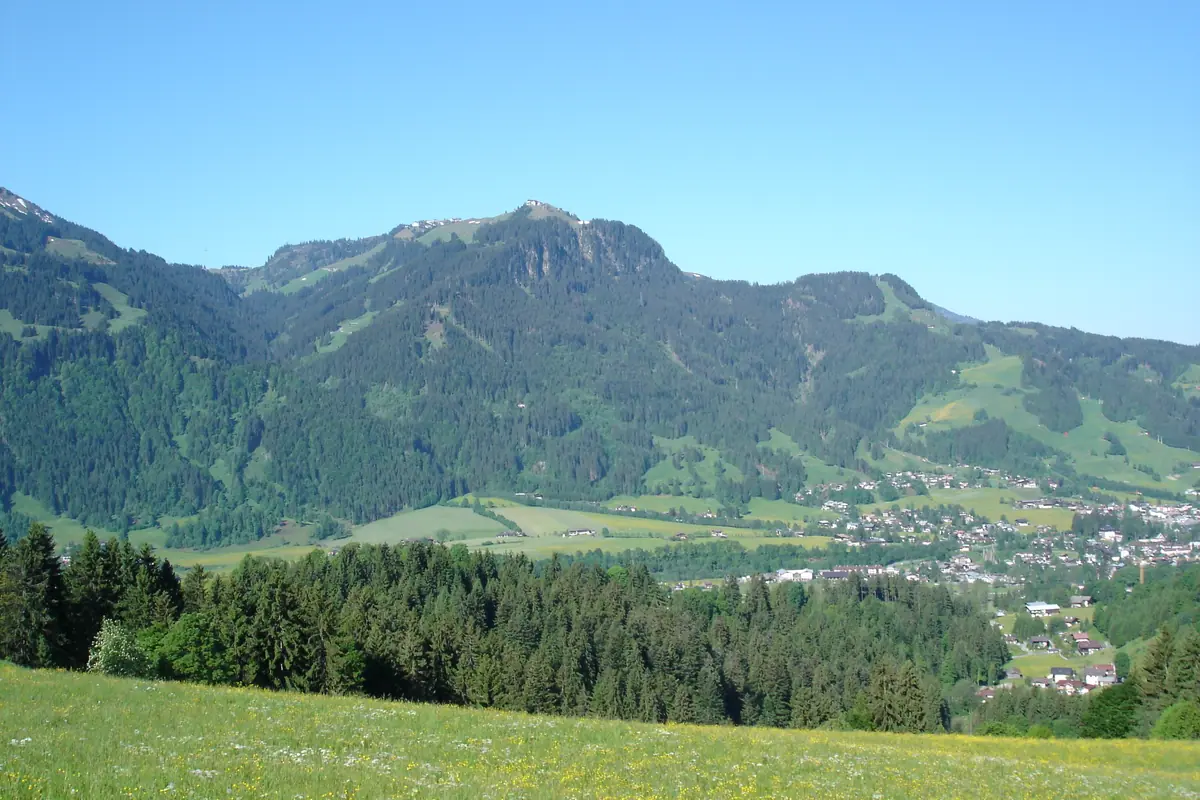
From mid-December to early April, Austria becomes one of the world's great ski destinations. The marquee resorts — St. Anton am Arlberg, Kitzbühel with its fearsome Hahnenkamm downhill, Zell am See, Bad Gastein and the glacier slopes above Sölden — sell out their best properties for the Christmas, New Year and February half-term weeks a year or more ahead. Book a ski hotel and you are buying more than a bed: most rates include breakfast, a sauna or spa, and a ski room with boot warmers, which is exactly what you want after a day at altitude.
Cities are a completely different winter proposition. Vienna in December is at its most photogenic, with the Christkindlmarkt in front of the Rathaus, the glow of the Graben and the smell of roasted chestnuts near St. Stephen's Cathedral. Expect to pay a premium for anything within walking distance of the Hofburg or the Kunsthistorisches Museum, and expect restaurants to be fully booked on weekends. If you want the city without the crush, come in the first half of December rather than the last.
January brings Vienna's ball season, when hotels near the State Opera and the Hofburg fill with guests in evening dress; February is the depths of ski season, the quietest time of year in Salzburg and the best month for a bargain city break. Wherever you go, pack for real cold — minus ten in the mornings is normal — and check whether your hotel runs a shuttle to the nearest lift or railway station.
Spring: Blossom, Baroque and the Year's Best Value
April to early June is the underrated season. The valleys green up, terraces reopen, and hotel prices in Vienna, Salzburg and Innsbruck drop back to sane levels after Easter. This is the moment to stay in the old town of Salzburg, a short walk from the Mirabell Palace gardens and the funicular up to Hohensalzburg Fortress, or to take a room in Innsbruck with a view of the Goldenes Dachl and the Nordkette ridge still capped with snow.
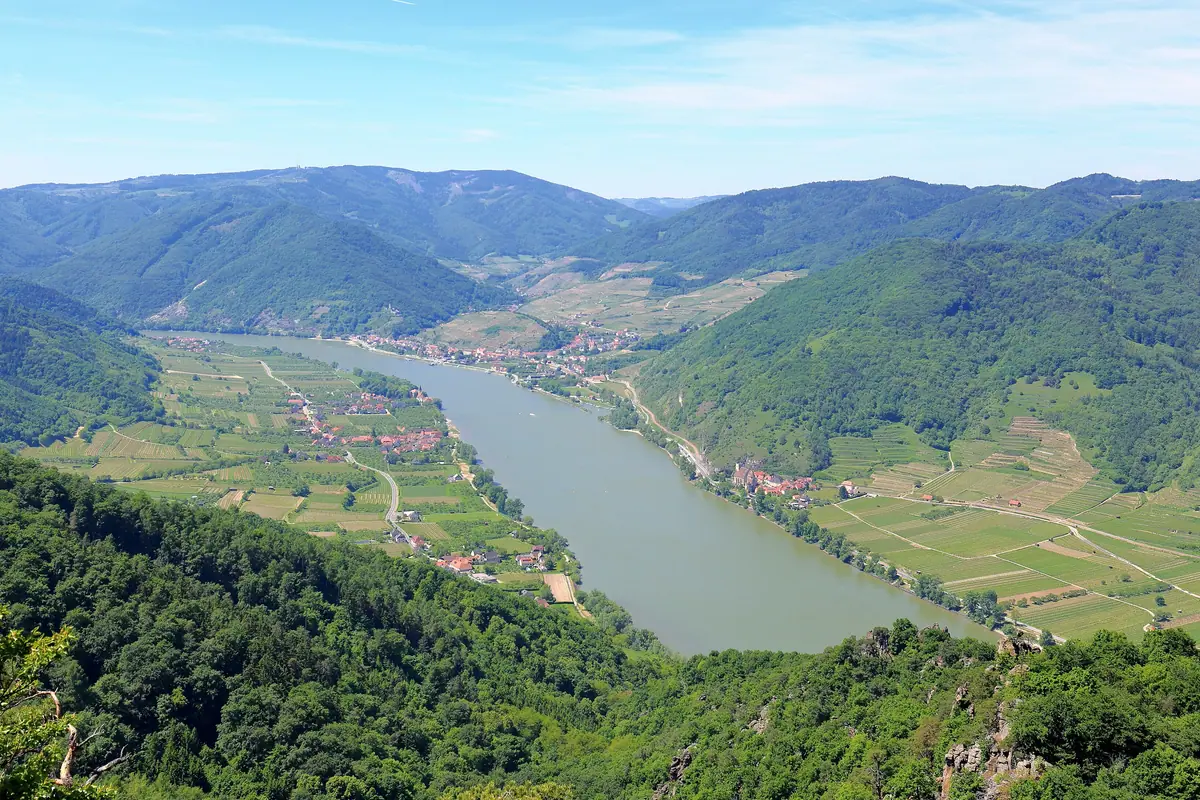
Spring's showpiece is the Wachau valley, the stretch of the Danube between Melk and Krems, where apricot trees explode into blossom in mid-April. Stay in a small guesthouse in Dürnstein or Weißenkirchen and you can walk vineyard terraces, visit Melk Abbey above the river and take a boat between villages. Rooms here are modest in number, so weekend bookings in blossom week should be made two to three months out.
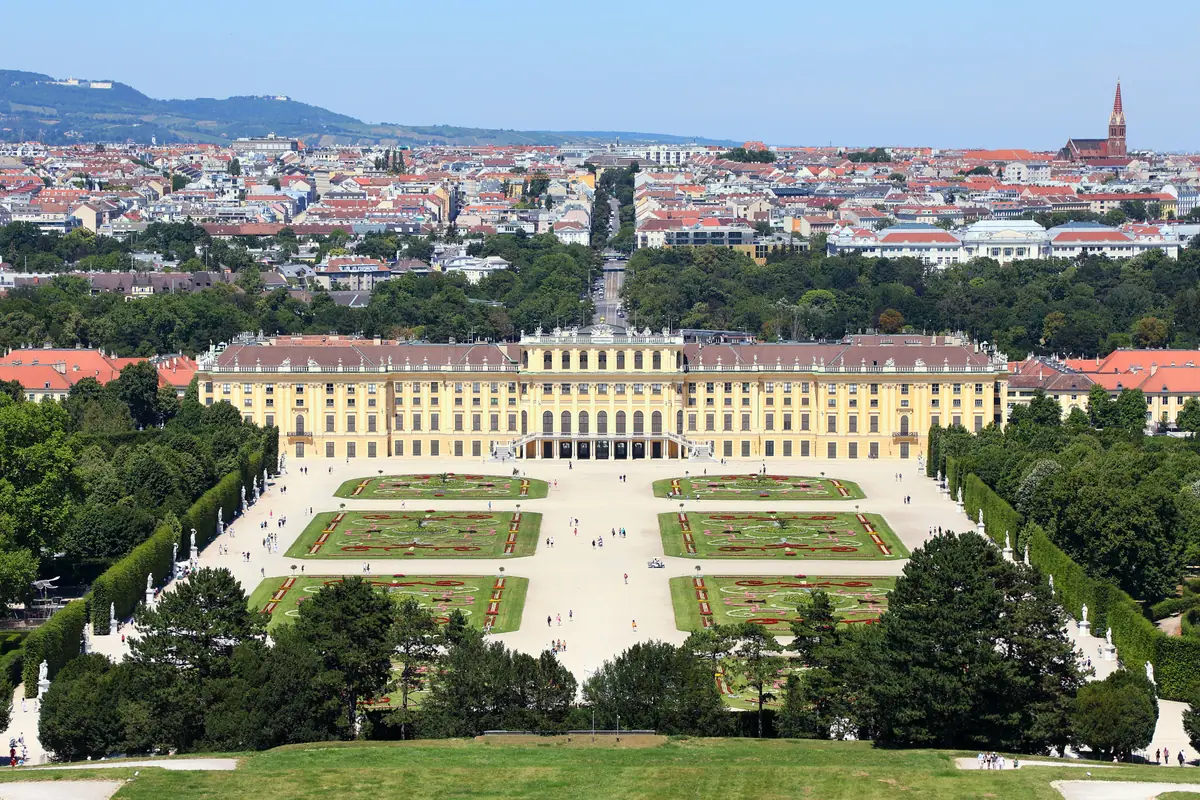
Higher up, late spring is a limbo: many mountain huts and cable cars do not reopen until late May or June, and some Alpine hotels close entirely for a few weeks between the ski and summer seasons. Check opening dates carefully before committing to a remote valley in April. For city sightseeing — Schönbrunn Palace's gardens, the Belvedere, the ring road — May is close to perfect: long daylight, mild temperatures and manageable queues.
Summer: Alpine Lakes, Festival Stages and Peak Prices
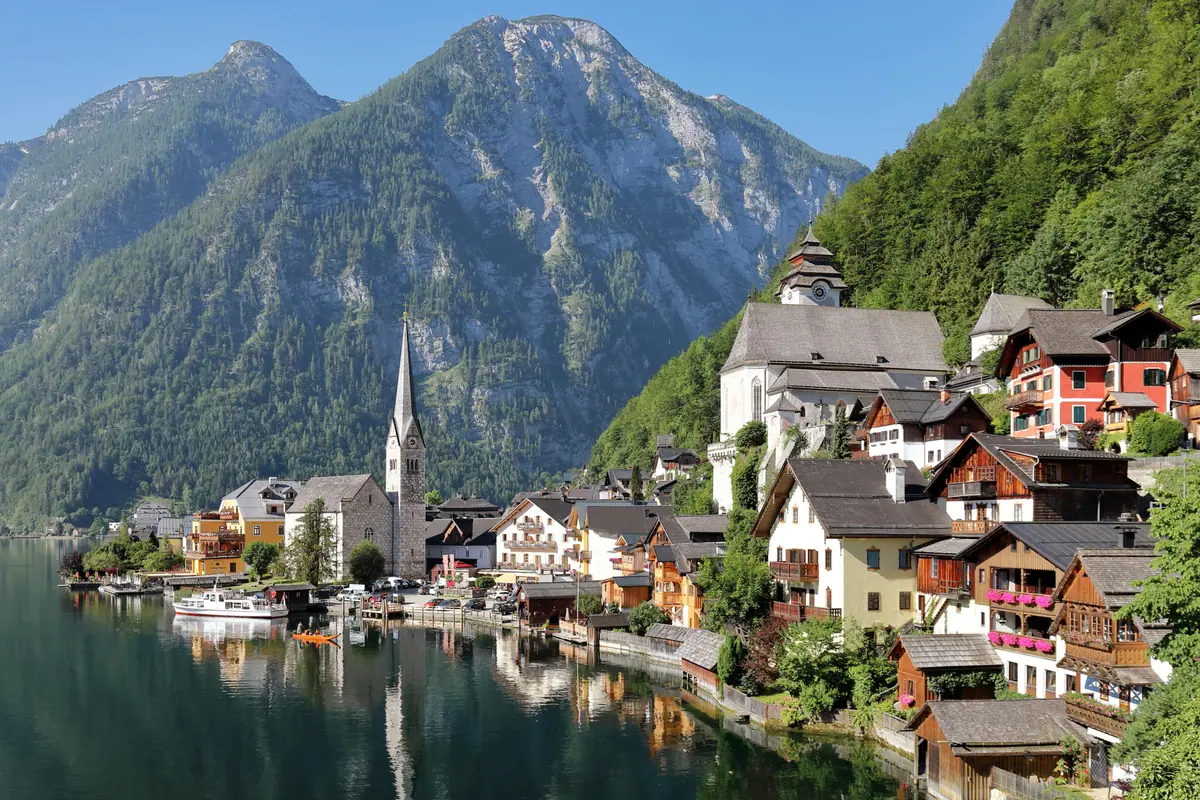
July and August are peak season almost everywhere. The Salzkammergut lakes — Hallstatt, Wolfgangsee, Mondsee, Attersee — fill with swimmers, hikers and day-trippers, and Hallstatt in particular is so small that its handful of lakeside hotels and guesthouses sell out months in advance. If you want to sleep in the village itself rather than commute from Bad Ischl or Obertraun, book by early spring and stay at least two nights to see it after the last coach leaves.
Salzburg becomes the capital of classical music from late July into the end of August, when the city's festival fills concert halls and hotel beds alike. Even if you are not attending, you will pay festival prices; staying in a village 20 minutes out by train is the classic workaround. In the mountains, this is the season for the Grossglockner High Alpine Road, Austria's great scenic drive past the Pasterze glacier, usually open from May until early November, and for the ice cave at Eisriesenwelt near Werfen.
Mountain hotels in summer are a very different animal from their winter selves: rates are often lower than in February, breakfast terraces open onto meadows, and many family-run houses include a guest card giving free or discounted cable cars and buses. Book a room with a balcony facing the valley if you can — summer evenings in the Alps are the reason people come back.
Autumn: Golden Larches, Wine Taverns and Quiet Cities
September and October are, for many regular visitors, the finest weeks of the Austrian year. The crowds thin, the light turns golden, larches glow on the high slopes, and the first snow dusts the peaks while the valleys stay warm enough for lunch outside. City hotels in Vienna, Graz and Linz are reasonably priced and easy to book, and it is a lovely time for the Danube and for cycling the Wachau.
This is also harvest season. In the wine villages around Krems, a heuriger — a tavern serving the year's young wine — becomes the centre of village life, and Alpine towns hold cattle drives and autumn markets. In the mountains, late September and early October offer the best hiking of the year, but check whether your chosen hotel stays open: many resorts close from mid-October until the ski season begins in December.
November is the true low season, cool, often foggy in the lowlands and very cheap for city breaks. Vienna's museums — the Kunsthistorisches Museum, the Albertina, the Belvedere with its Klimt paintings — are the obvious answer, alongside coffee houses where you can sit for hours over a slice of cake. Some Alpine spa hotels in Bad Gastein and Bad Ischl offer excellent off-season packages for exactly this reason.
When to Reserve: Booking Rhythm for Austrian Hotels
For ski weeks in the big names — St. Anton, Kitzbühel, Sölden, Lech — reserve six to twelve months ahead, especially for Christmas, New Year and the February school holidays. Small family-run pensions often take bookings by email or phone only, and a direct request sometimes beats a room shown as unavailable elsewhere. For Salzburg during the festival and Vienna during Advent, three to six months is a sensible lead time.
Typical stays vary: two nights is enough for a city like Innsbruck or Graz, three to four for Vienna or Salzburg if you want both the palaces and the coffee houses, and a full week if you are skiing or settling into a lake. Austria's rail network makes car-free trips genuinely easy — you can base yourself in Salzburg or Vienna and reach Hallstatt, Melk Abbey or the Grossglockner by train and bus — so a well-located city hotel can replace several moves.
Two final tips. Many Austrian hotels quote per person with breakfast and sometimes dinner included, so compare carefully rather than assuming a rate is per room. And mountain weather is genuinely unpredictable in every season: a June snowfall above 2,000 metres is not unusual, and a warm October can feel like summer. Pack layers, book flexible cancellation where you can, and let the season — not the discount — decide where you sleep.
Frequently asked questions
What is the cheapest time to stay in an Austrian hotel?
November and the first half of December are the cheapest weeks in the cities, followed by late April and early May. In the mountains, the gaps between the ski and summer seasons — roughly mid-April to late May and mid-October to early December — bring the lowest rates, though many resort hotels close entirely then. City hotels such as those in Vienna and Graz stay open year-round and drop sharply outside Advent, the ball season and the summer festival.
When should I book a ski hotel in Austria?
For popular resorts like St. Anton am Arlberg, Kitzbühel, Sölden and Zell am See, aim for six to twelve months ahead if you want Christmas, New Year or the February half-term weeks. For January and March dates, three to five months is usually enough. Family-run guesthouses often handle bookings directly by email and may not appear on large booking sites at all.
Is summer or winter better for a first trip to Austria?
It depends on your priorities. Summer (June to September) suits lakes, hiking, the Grossglockner High Alpine Road and city sightseeing in Vienna, Salzburg and Innsbruck. Winter suits skiing, Advent markets and the atmosphere of Alpine villages. If you want a bit of both, late September or early June offers mountain walking, open roads and reasonable hotel prices without peak crowds.
Do Austrian hotels include breakfast or half board?
Many do. Alpine hotels and guesthouses frequently quote per person per night with a generous breakfast buffet, and resort hotels often offer half board with a multi-course dinner. City hotels are more likely to quote per room with breakfast optional. Always check whether the price is per person or per room, and whether local tourist taxes are included.
How many nights do I need in Vienna and Salzburg?
Three to four nights each is comfortable if you want to see the main sights without rushing — in Vienna that means Schönbrunn Palace, the Hofburg, St. Stephen's Cathedral and the Belvedere; in Salzburg, Hohensalzburg Fortress, the Mirabell gardens and the Getreidegasse. Two nights works for a quick city break, and both cities make good bases for day trips by train, including to Hallstatt and Melk Abbey.
Sort the rest of your trip
Everything for Austria, in one place
Transfer in Austria
Private driver waiting on arrival — no queues, no surprises.
Book a transfer
Things to do in Austria
Skip-the-line tickets, guided tours and standout experiences.
See experiences
Stay online in Austria
Travel eSIM — data the moment you land, no roaming bills.
Get an eSIMMore guides in Austria
Top Things to Do in Austria: Must-See Landmarks and Alpine Sights
Best Places to Visit in Austria: Imperial Cities, Alpine Roads and Lake Villages
Austria Food, Culture and Local Experiences: A Guide to Vienna, Salzburg and the Alps
Austria in One Week: Flights, Rail Runs and the Sights You Can't Skip