Armenia packs cliff-carved monasteries, a Hellenistic temple, a lake the size of a sea and a capital of pink stone into a country you can cross in a day. It is a place where the view of Mount Ararat frames a monastery courtyard, and where a wine cave, a Soviet-era cable car and a 1st-century colonnade all sit within an hour of each other. Here is how to see the best of it without rushing.
Yerevan: A Pink-Stone Capital You Can Walk
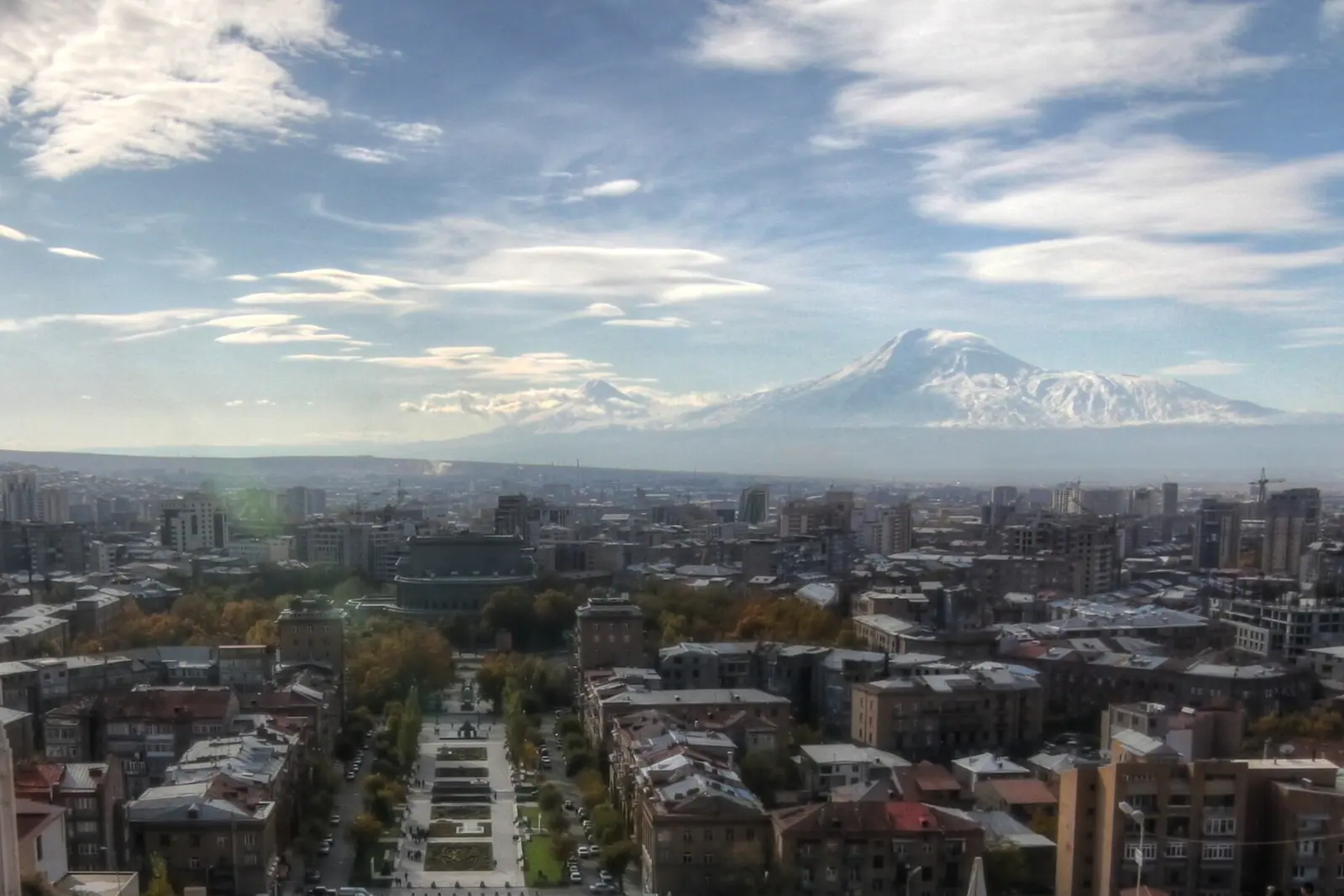
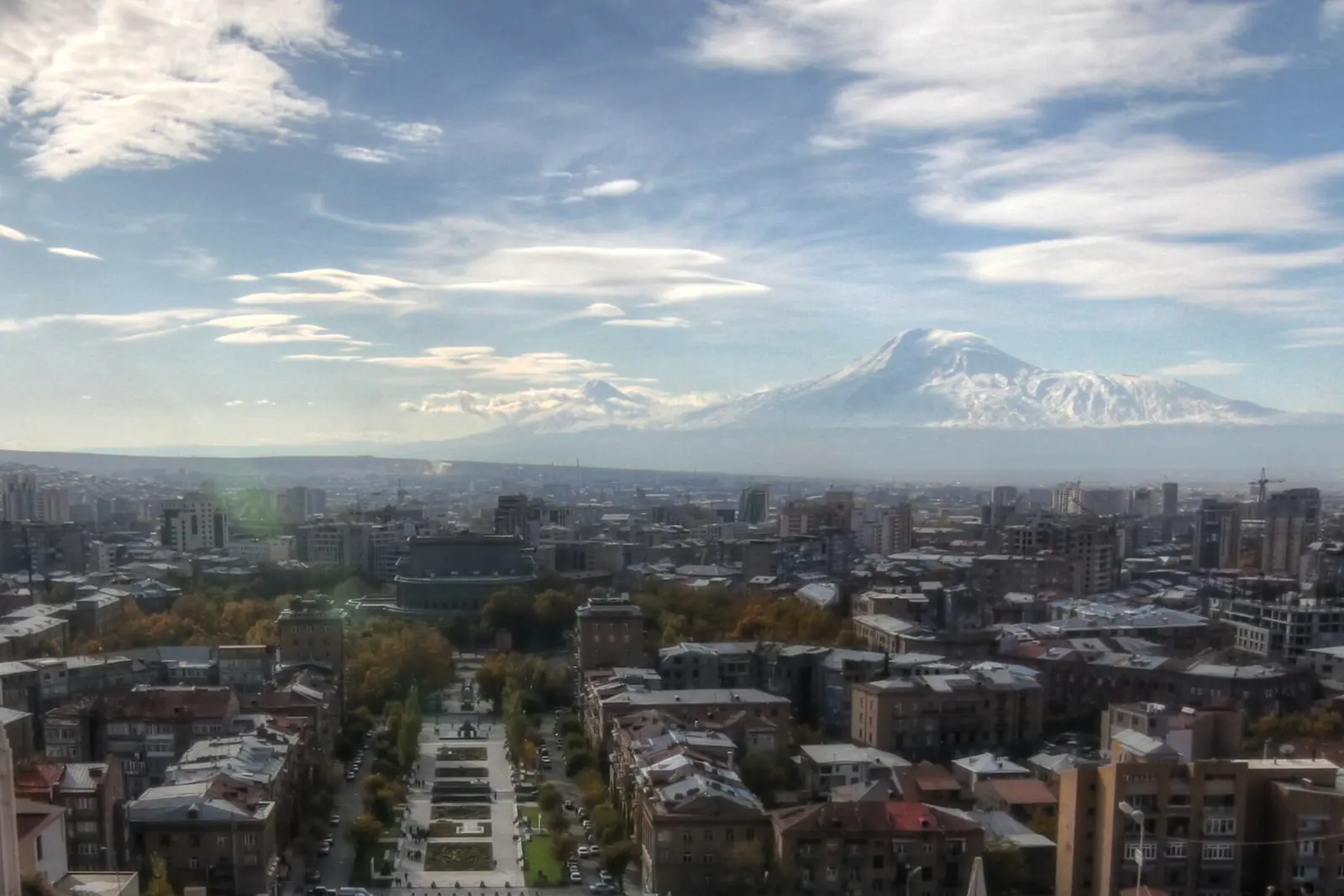
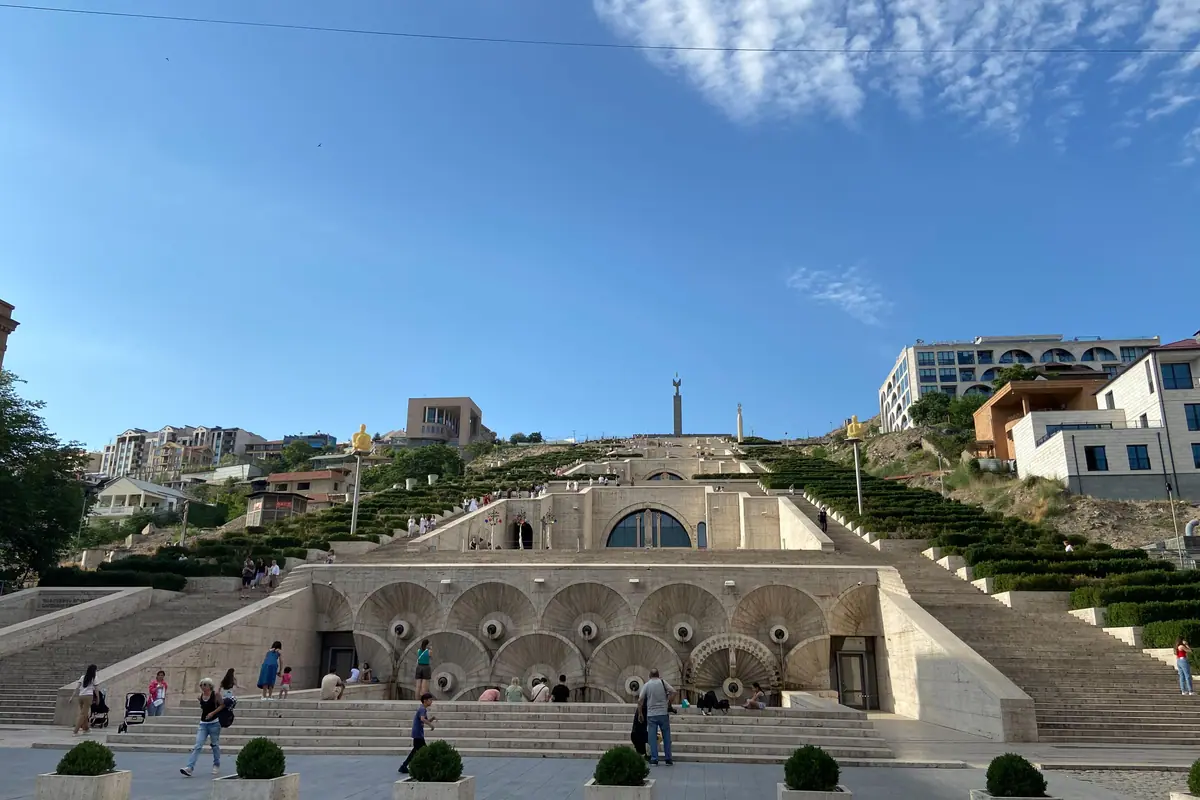
Start in Yerevan, among the oldest continuously inhabited cities on earth, and get your bearings on foot. Republic Square is the ceremonial heart: the Singing Fountains dance in the evening, the government buildings glow amber under floodlights, and locals promenade until well past midnight. From there, walk up Northern Avenue to Freedom Square, then climb the Cascade Complex — a monumental staircase of terraces, sculpture gardens and galleries that gives you the best free panorama of the city with snow-capped Mount Ararat floating behind it on clear days.
Culture lovers should make time for the Matenadaran, the manuscript repository on Mashtots Avenue that holds thousands of illuminated Armenian texts and is one of the most quietly moving museums in the Caucasus. Dedicate an hour or two to Tsitsernakaberd, the hillside memorial to the Armenian Genocide, where an eternal flame and a wall of names put the country's story into perspective. Pair it with the Blue Mosque and the crumbling balconies of the Kond district for a sense of how layered this city really is.
For souvenirs, skip the airport and head to the Vernissage market by Republic Square on weekends — carpets, obsidian jewellery, silver filigree, hand-painted duduks and Soviet-era oddities spill across the stalls. Yerevan rewards slow wandering: café culture is serious here, and an afternoon spent over Armenian coffee on Saryan Street is as authentic an activity as any hike.
Sacred Ground: Khor Virap, Etchmiadzin, Geghard and Garni
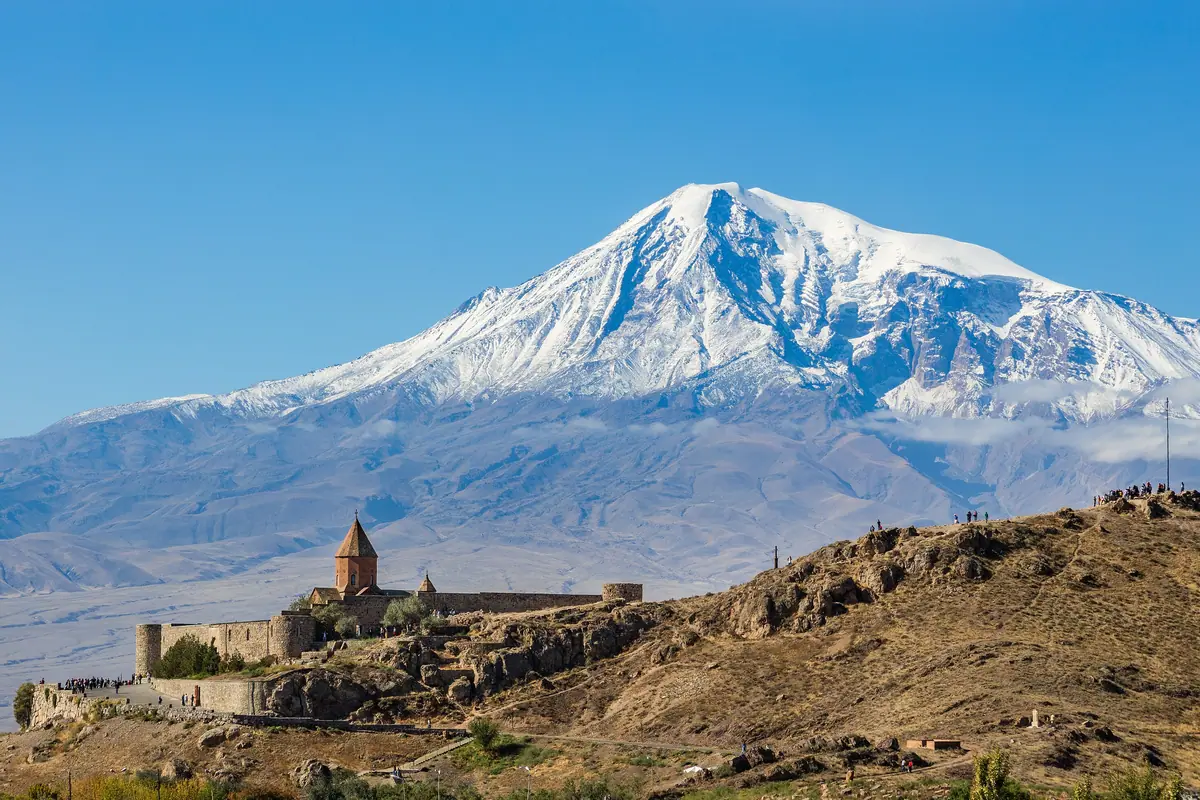
An hour south of Yerevan, Khor Virap is the postcard everyone comes for: a squat 17th-century monastery on a hill above the Ararat Plain, with Mount Ararat looming so close it looks painted. It marks the pit where Gregory the Illuminator was imprisoned before converting the kingdom, and visitors can climb down into the small dungeon. Go early in the morning, when the mountain is least likely to be hidden by haze.
Continue to Vagharshapat, home to Etchmiadzin Cathedral, the spiritual centre of the Armenian Apostolic Church and a UNESCO World Heritage Site, along with the nearby ruins of Zvartnots, a 7th-century circular cathedral whose tumbled columns still stand against the sky. Then head east into the Kotayk hills for the two sights most travellers remember longest: the Greco-Roman colonnade of Garni Temple, the only standing pagan temple in Armenia, perched above a basalt gorge, and Geghard Monastery, hewn directly out of the living rock a few kilometres further up the valley.
Geghard is a place of echoes — candle smoke, khachkar crosses carved into stone, and a main chamber where choirs sound unnaturally pure. Allow a full day for this loop by car or taxi; public transport reaches Garni but makes Geghard awkward. Wear shoes with grip, since the monastery steps and the gorge path near Garni's organ-pipe cliffs are uneven.
The Deep South: Noravank, Areni and Tatev
The road south from Yerevan winds into red-rock country where Noravank Monastery sits at the end of a narrowing canyon, its two-storey Church of Saint Astvatsatsin reached by a famously steep stone staircase. The cliffs glow copper in late afternoon, which is exactly when photographers show up. Nearby is the Areni wine region: the cave site at Areni preserves one of the world's oldest known winemaking installations, and the surrounding villages pour excellent Areni Noir reds from small family cellars. The harvest in early October is a genuine event, with roadside stalls selling pomegranates, walnuts and pressed grape juice.
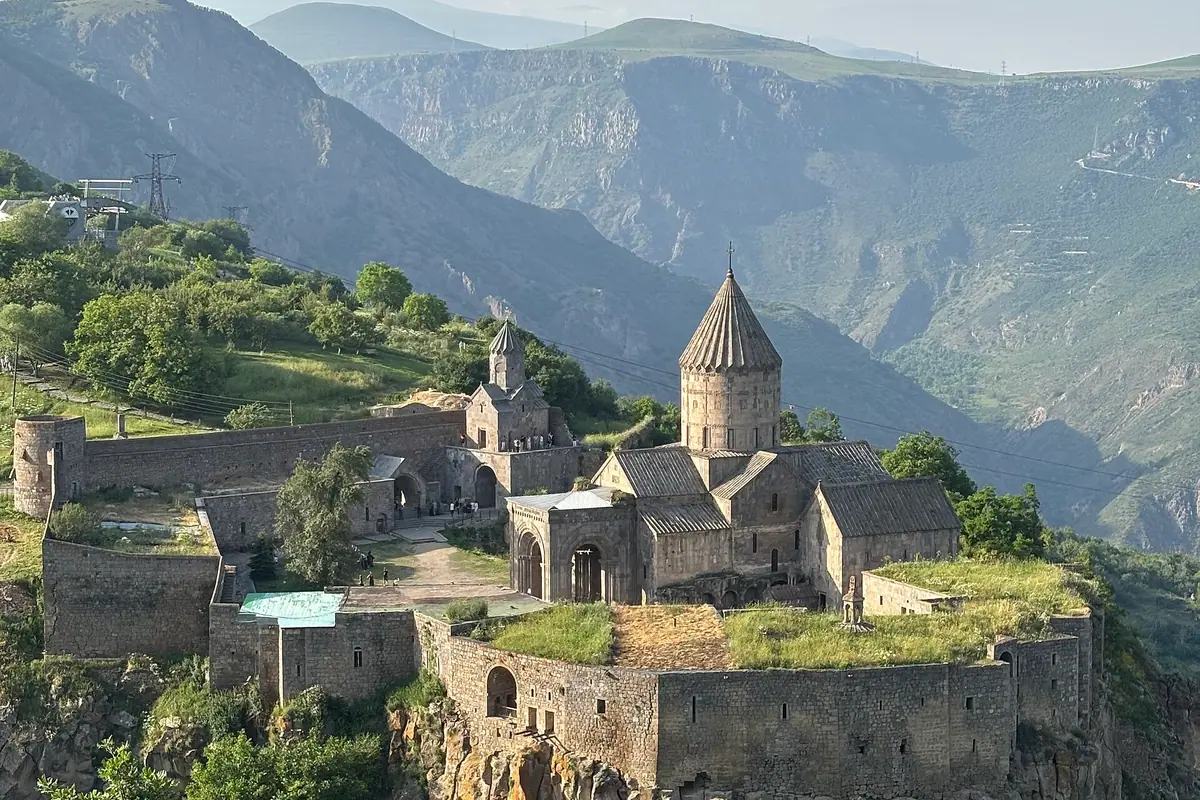
Further south, Tatev Monastery is the highlight of any Armenian itinerary — a fortified complex on a basalt plateau above the Vorotan Gorge, reached either by a long, stomach-dropping switchback road or by a ropeway that glides over the canyon in about twelve minutes. Give yourself at least two hours on site to explore the refectory, the swinging pillar and the gorge viewpoints.
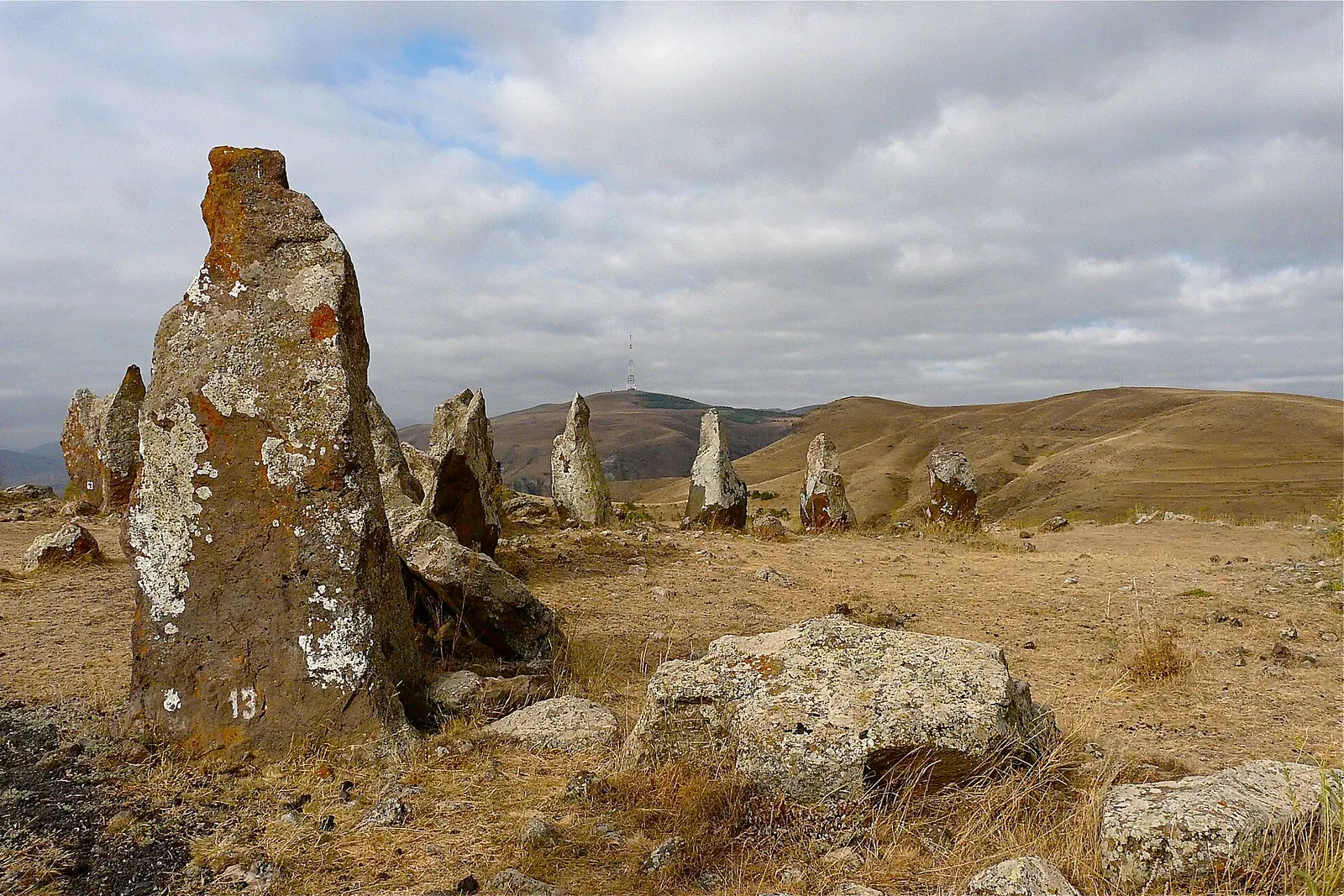
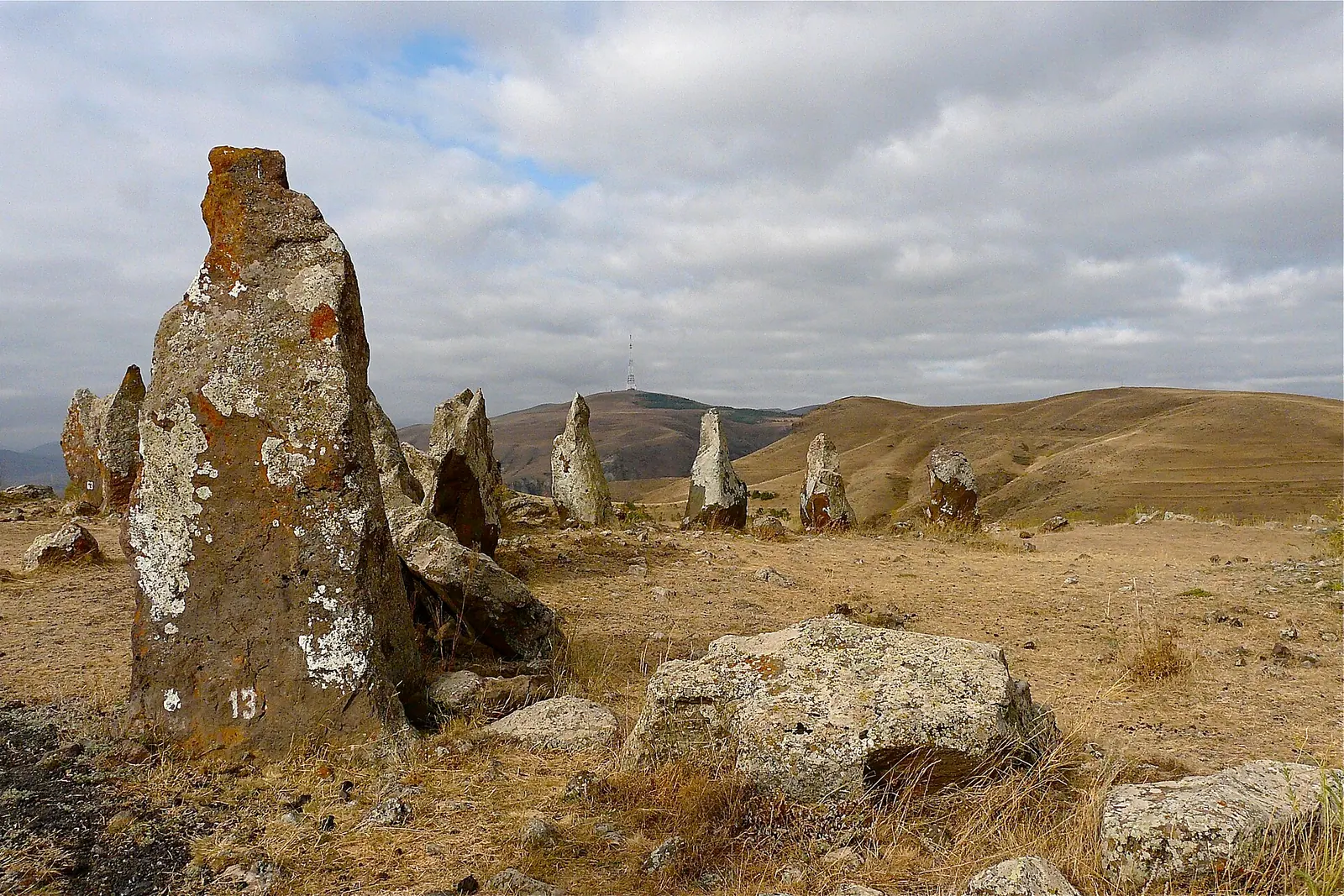
Detour to Khndzoresk, where a cave village is strung across a valley and connected by a swaying footbridge, and to Zorats Karer near Sisian, a field of standing stones drilled with holes that may have been an ancient observatory. This is a two-day trip minimum if you want to enjoy it; the driving alone adds up to five or six hours each way.
Lake Sevan and the Green Hills of Dilijan
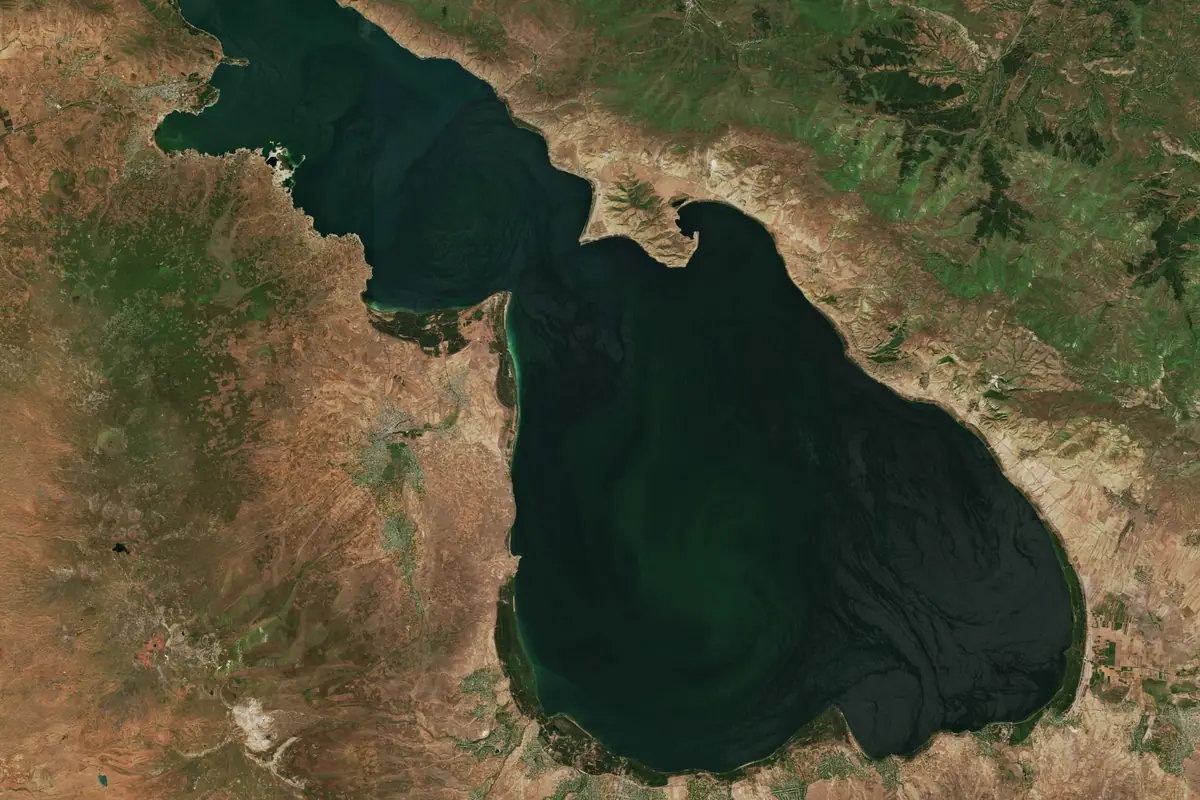
Lake Sevan is one of the largest high-altitude freshwater lakes anywhere, sitting at roughly 1,900 metres above sea level, and it changes character with the season: turquoise and wind-whipped in July, ringed with wildflowers in June, half-frozen and eerie in deep winter. Climb the steps to Sevanavank, a 9th-century monastery on the peninsula, for the classic wide-angle view. Just up the shore, Hayravank offers a quieter version of the same scene with almost no crowds.
Inland from the lake, Dilijan feels like a different country. Known locally as the Armenian Switzerland, it is a town of wooden balconies, forest air and mineral springs, with a restored craft street where you can watch pottery, woodcarving and carpet weaving. The real draw, though, is the monastery circuit hidden in the surrounding national park: Haghartsin, tucked into oak forest, and the smaller Goshavank, both roughly 12th to 13th century and both blissfully free of fences and ticket queues.
Hikers should add Parz Lake, a small emerald pool about an hour's walk or a short drive from Dilijan, and the trails above the town that link villages where old women still lay out cheese, herbs and honey on roadside tables. Two nights here is ideal if you want to combine Lake Sevan with forest monasteries without spending your whole trip in a car.
Northern Canyons: Debed, Haghpat and Sanahin
In Armenia's far north, the Debed Canyon cuts a deep green trench toward Georgia, and two UNESCO-listed monasteries stand guard on its rims. Haghpat and Sanahin are masterpieces of medieval Armenian architecture — vaulted halls, intricate stone lacework, scriptoria and bell towers — and they are close enough together to visit in a single unhurried day. Base yourself in Alaverdi or the village of Sanahin, where guesthouses serve home cooking and canyon views for a fraction of city prices.
On the way north or back, add Odzun's basilica and the cliffside monastery of Kobayr, its walls still carrying faded frescoes. Further west, on the slopes of Mount Aragats, Amberd Fortress sits at around 2,300 metres — a 10th-century stronghold with a church and bathhouse, snowbound from roughly November to April. Below it, Saghmosavank clings to the edge of the Kasagh Gorge and is an easy half-day from Yerevan.
This region is best between late May and early October. Spring brings wildflowers and full rivers; autumn turns the canyon gold. Winters are harsh and some high roads close, so check conditions locally before committing to a day trip.
When to Go and How to Travel Armenia Well
Armenia has four distinct seasons, and the best months for sightseeing overall are May, June, September and October: mild days, clear mountain views and long evenings in Yerevan. July and August are hot and dry in the capital and around the Ararat Plain, though Lake Sevan stays pleasant. December to February is ski season at Tsaghkazor, Jermuk's spa country, and a chance to see the monasteries under snow — but expect closed high passes.
Distances look small on a map but driving is slow, with mountain roads, switchbacks and unexpected livestock. Minibuses connect most towns cheaply, yet for the southern monasteries and the northern canyons a hired car with a driver is far more efficient and lets you stop at viewpoints. Yerevan itself is walkable and compact, with a single metro line and cheap taxis.
Eat well while you are here: lavash fresh from the tonir, khorovats grilled meat, tolma, herb-packed salads, apricots in summer and pomegranate everything in autumn. Learn a few words of Armenian — a simple thank-you goes a long way — and remember that many monasteries are active places of worship, so cover shoulders and knees. Bring cash for small villages, a power adapter for European sockets, and a light jacket even in summer, because evenings in the highlands cool down fast.
Frequently asked questions
How many days do you need to see Armenia's main landmarks?
Five to seven days covers the essentials comfortably: two full days in Yerevan, a day for Khor Virap, Etchmiadzin, Garni and Geghard, an overnight or long day for Lake Sevan and Dilijan, and two days for the south including Noravank, Areni and Tatev. Add an extra day for the northern Debed Canyon monasteries if you have time.
What is the best time of year to visit Armenia?
Late spring (May to June) and early autumn (September to October) are ideal, with mild temperatures, clear views of Mount Ararat and comfortable hiking. October coincides with the Areni grape harvest and pomegranate season. July and August are hot in Yerevan, while winter suits skiers and anyone wanting snow-covered monasteries.
Can you visit Armenia's monasteries without a car?
Partially. Minibuses and shared taxis reach Garni, Khor Virap, Lake Sevan and Dilijan, and Tatev has its own ropeway access. But Geghard, Noravank, Haghpat, Sanahin and Amberd are far easier with a hired car and driver or an organised day trip, especially given slow mountain roads and limited rural schedules.
What should first-time visitors not miss in Armenia?
If you only have a short trip, prioritise the Cascade and Republic Square in Yerevan, Khor Virap for its Mount Ararat view, the rock-cut Geghard Monastery, the pagan temple at Garni, Tatev Monastery and its canyon cable car, and Sevanavank on Lake Sevan. Together they capture the country's landscape, faith and history in a handful of days.
Is Armenia an easy destination for hikers and outdoor travellers?
Yes, with planning. Dilijan National Park, the trails around Parz Lake, the slopes of Mount Aragats and the Vorotan Gorge all offer marked or semi-marked routes with guesthouses in nearby villages. Trails are often unsigned and mobile coverage is patchy in the mountains, so go with a local guide or detailed offline maps.
Plan it — experiences in Armenia
Live search, booked directly with trusted providers.
Sort the rest of your trip
Everything for Armenia, in one place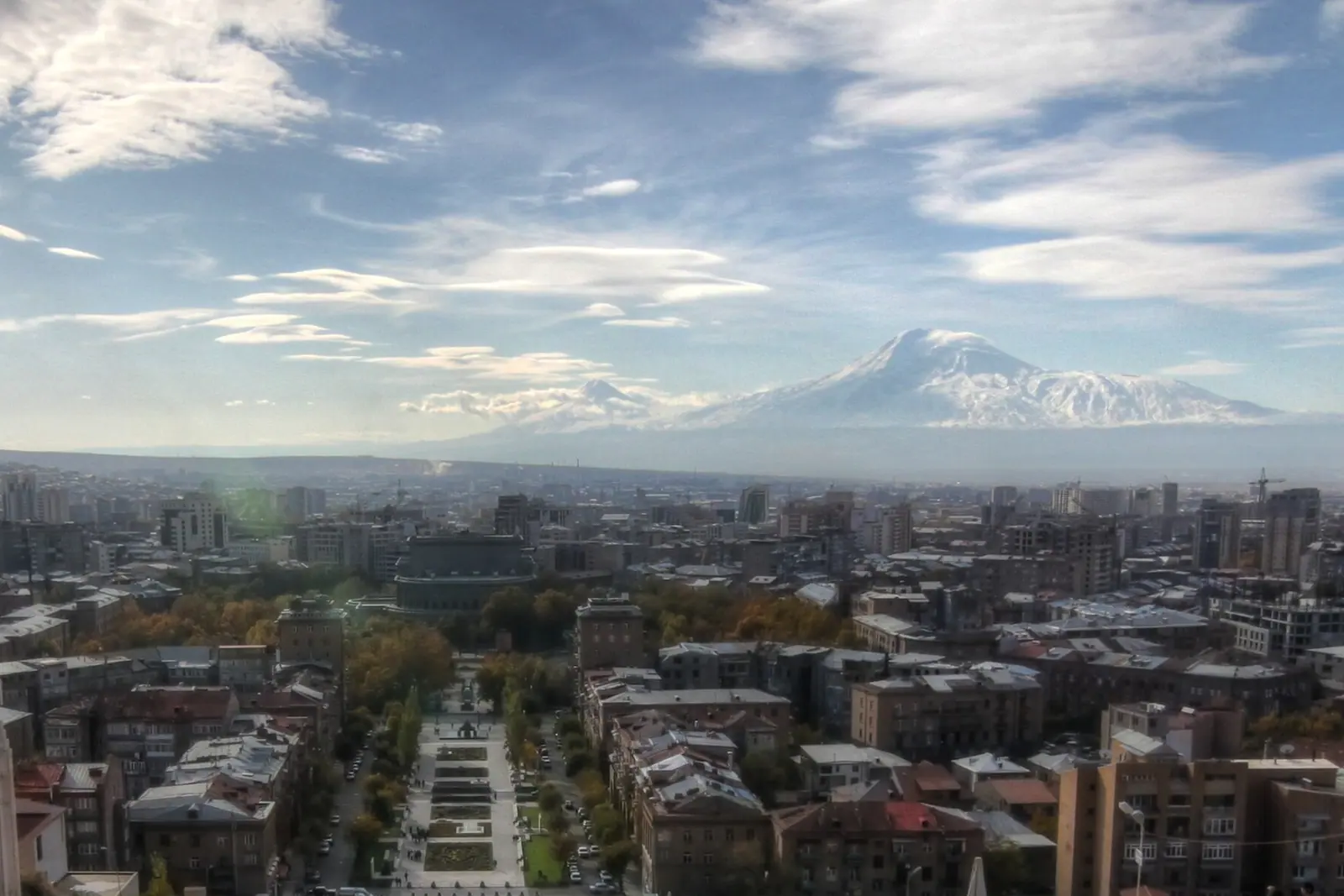
Stay in Armenia
Hotels, guesthouses and apartments — compared in one search.
Search hotels
Transfer in Armenia
Private driver waiting on arrival — no queues, no surprises.
Book a transfer
Stay online in Armenia
Travel eSIM — data the moment you land, no roaming bills.
Get an eSIM