Armenia packs desert heat, alpine meadows and snowbound monasteries into a country you can drive across in a day. Choosing the right season decides whether you spend your evenings on a Yerevan wine terrace or watching snow settle on the domes of Geghard. Here is how the months shape the trip — and when to book your room.
Why Armenia's Seasons Decide Everything
Armenia sits high on the South Caucasus plateau, which means altitude, not latitude, rules the weather. The Ararat Valley around Yerevan lies at roughly 1,000 metres, the highland lake at Sevan at nearly 1,900, and the mountain monasteries of Syunik and Lori higher still. Summer in the capital can push past 35°C while a valley 90 minutes away stays pleasantly cool, and snow can linger on the passes into May.
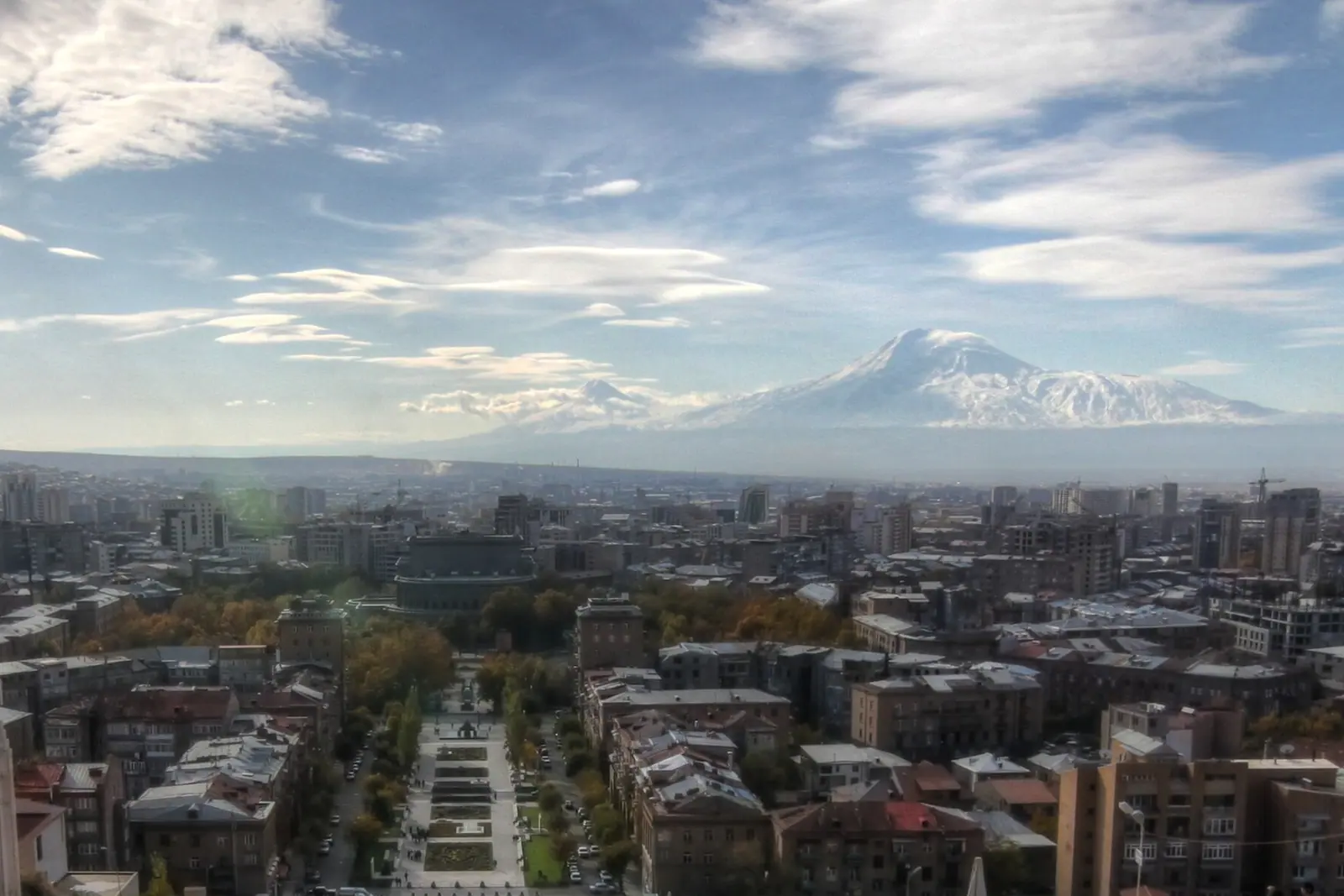
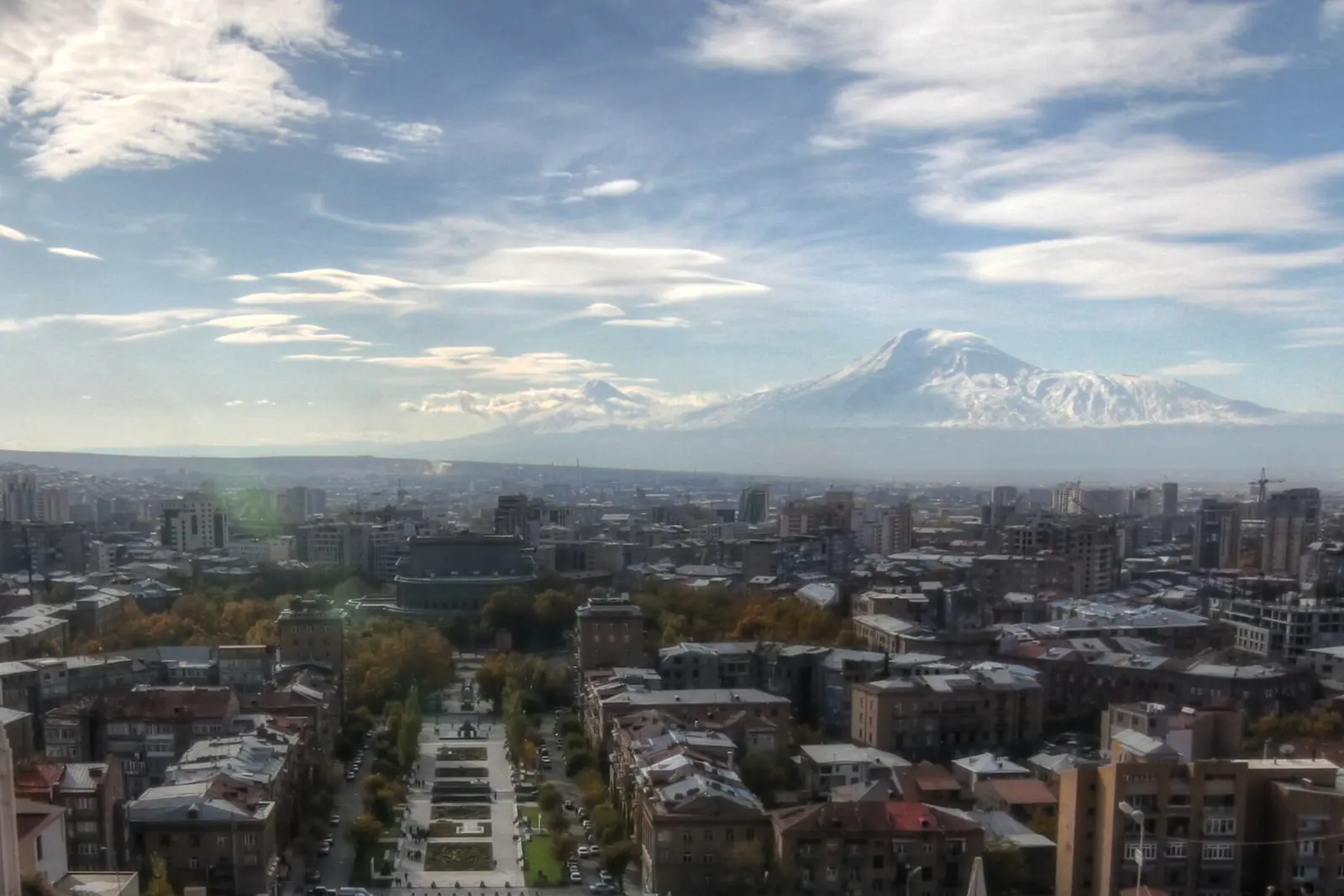
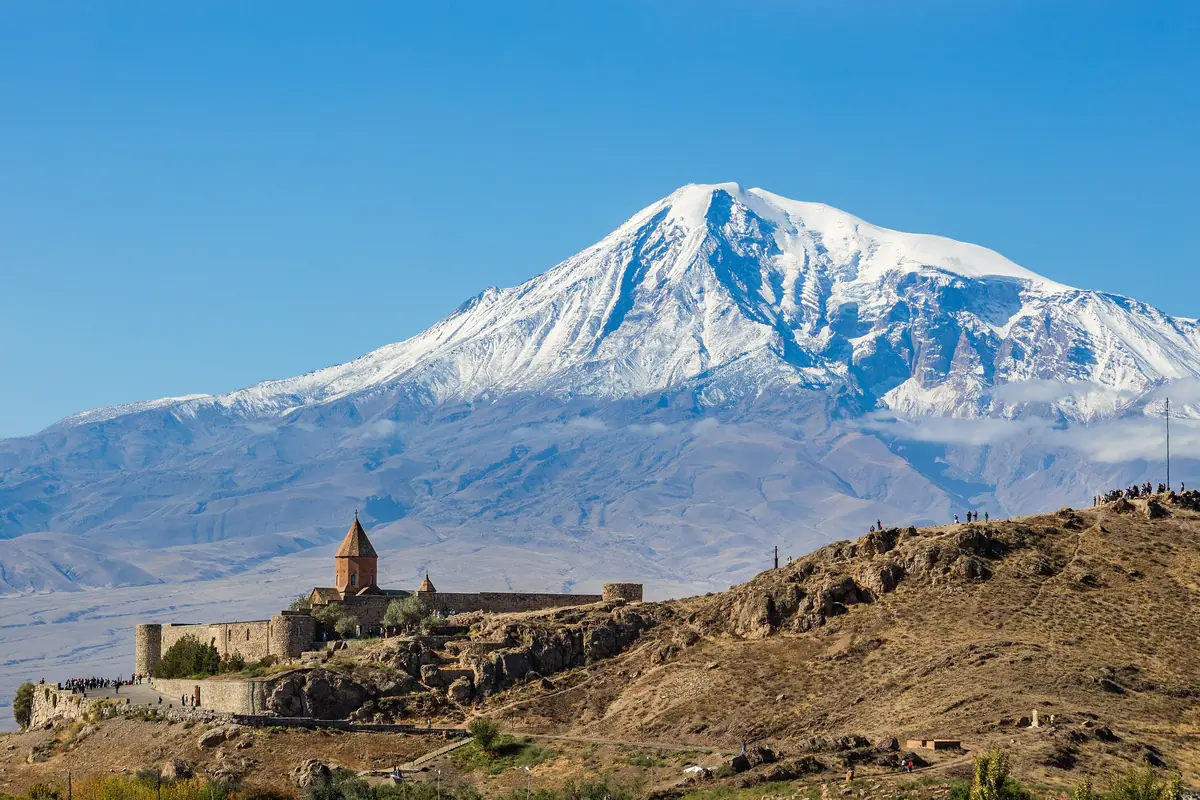
That geography splits the country into distinct travel seasons. Spring and autumn are the sweet spots: mild days, open roads and long, clear views of Mount Ararat from Khor Virap and the Ararat plain. Midsummer is best spent at altitude — Lake Sevan, Dilijan, Tsaghkadzor — while winter transforms the monasteries into postcard scenes but closes some mountain routes.
Hotel demand follows the same rhythm. Rooms in Yerevan and along the Sevan shoreline tighten from late September through mid-October and again in May, when tour groups, diaspora visitors and local weekenders overlap. Travelling in the first half of June or the second half of October often means the same weather with noticeably calmer guesthouses.
Spring (March to May): Blossoms, Green Valleys and Better Value
March is still raw and muddy, with rain in the valley and snow on the high ground, but by early April the Ararat plain turns green and apricot trees bloom around Echmiadzin and the road to Khor Virap. May is arguably the loveliest month of all: wildflowers on the slopes below Amberd Fortress, comfortable hiking in Dilijan National Park, and Ararat usually visible in the morning haze behind the monastery of Khor Virap.
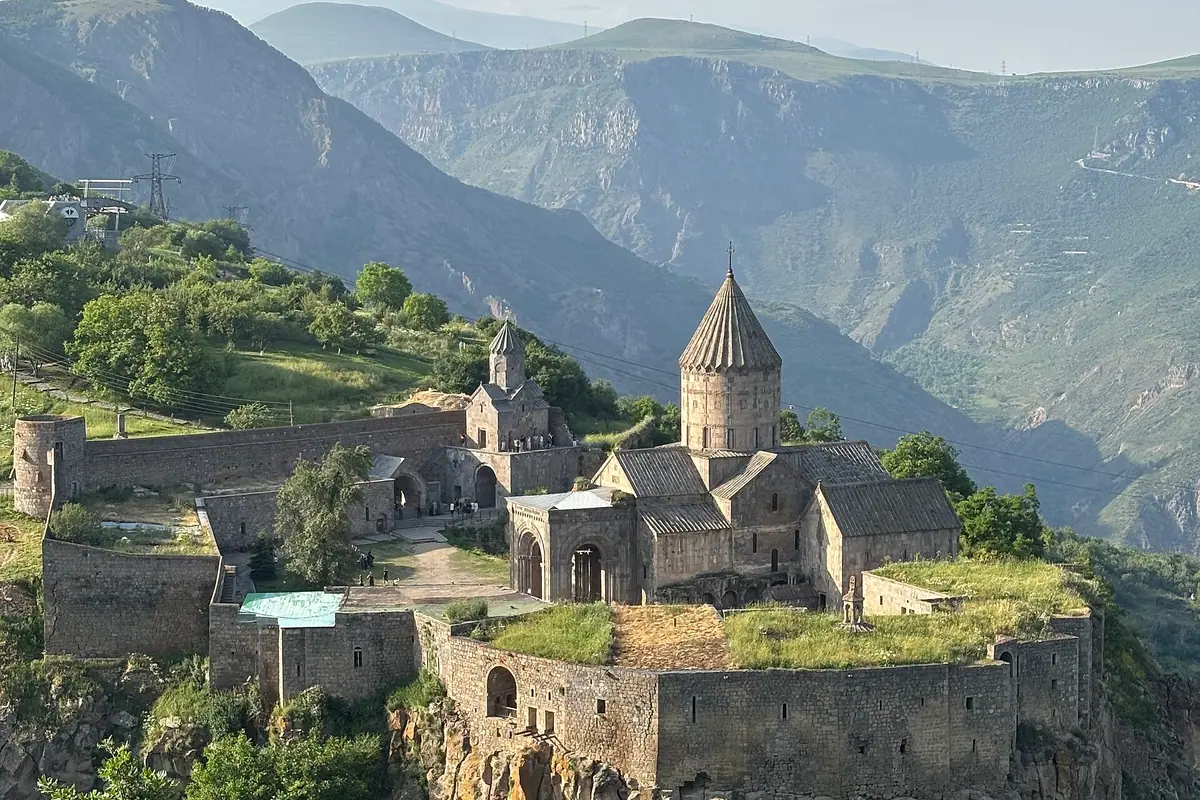
Spring is also when the classic monastery circuit works best. Geghard, carved straight into the cliff face, and the Hellenistic colonnade of Garni Temple are quiet enough in April that you can hear the wind in the gorges. Farther south, Noravank's ochre towers glow against red rock, and the cave complex near Areni is cool rather than freezing.
Practical notes for spring: pack layers and a waterproof shell, since a 20°C afternoon in Yerevan can become a 5°C evening in the hills. Some high passes, including routes toward Tatev and the Selim Pass, may still be affected by late snow, so a local driver is worth the expense. Book Yerevan hotels a few weeks ahead if you plan to be in town for Republic Day on 28 May.
Summer (June to August): Lake Sevan, Festivals and High-Altitude Relief
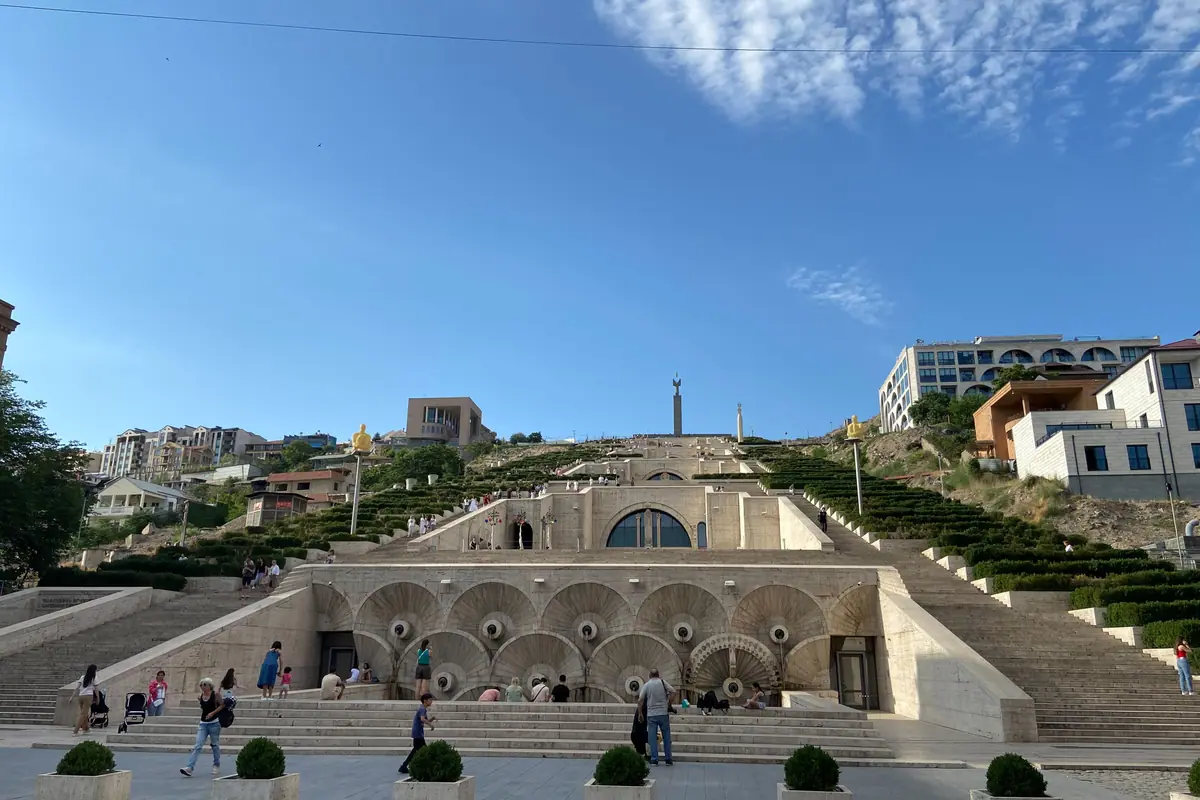
Yerevan in July is hot and dry, with temperatures climbing above 35°C and evenings that stay warm enough for long dinners outdoors. The city compensates with its café culture, the shaded steps of the Cascade Complex and evening concerts in the parks. The trick is to follow the locals out of the valley: to Dilijan's forested gorges, the ski town of Tsaghkadzor in its green season, or the breezy shore of Lake Sevan.
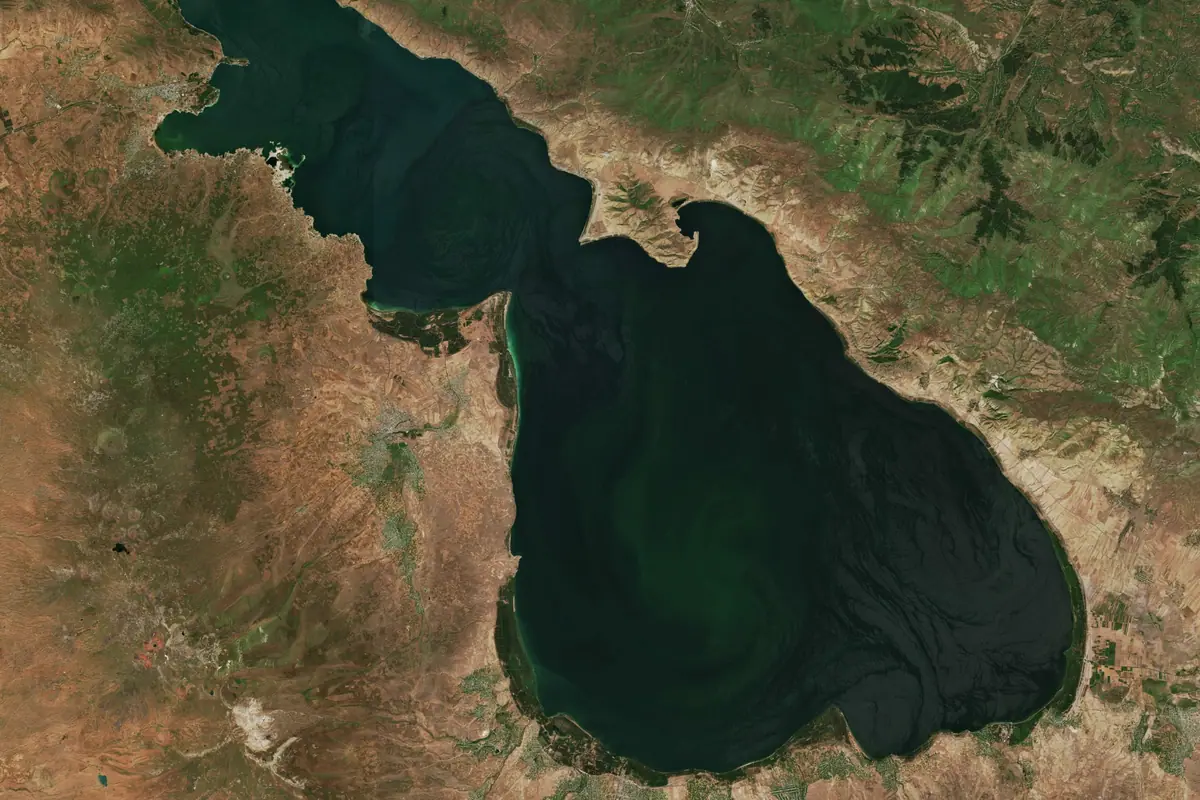
Sevan is the summer heart of Armenia. The peninsula monastery of Sevanavank looks over water that shifts from turquoise to steel grey, and grilled whitefish and crayfish are served in lakeside gardens. Beaches are pebbly and the water bracing, but the plateau air is cool and the light extraordinary at sunset.
Summer is festival season too: the countrywide water festival of Vardavar in July, wine events in Yerevan in June, and open-air music across the country. Because this is peak domestic holiday time, lakeside guesthouses and Tsaghkadzor hotels fill quickly for weekends — reserve well ahead, and insist on air conditioning if you are staying in the capital.
Autumn (September to November): The Golden Window
If one stretch of the calendar deserves the title of best time to visit Armenia, it is late September and October. The heat breaks, the light turns honey-coloured, and the Ararat Valley fills with harvest activity. Grape-pressing happens in the Areni wine country, where the Areni Wine Festival is usually held in early October, and Yerevan's own wine bars and cellar restaurants are at their liveliest.
Autumn is also the finest season for the country's great monuments. Tatev Monastery, reached by the long Wings of Tatev aerial tramway across the Vorotan Gorge, sits above forests turning gold. In the north, the UNESCO-listed monasteries of Haghpat and Sanahin near Alaverdi and the lakeside Saghmosavank near Yerevan are framed by autumn colour, and the Matenadaran manuscript museum in Yerevan makes a perfect rainy-day counterpart.
Expect the year's highest hotel rates in Yerevan, Dilijan and Goris between roughly 20 September and 15 October, when diaspora tours and European visitors converge. Booking four to six weeks out is wise; two to three months is safer for the wine festival period. November is cooler, quieter and cheaper, though fog can settle over the valley and some mountain roads become unpredictable.
Winter (December to February): Snowbound Monasteries and Ski Slopes
Winter in Armenia is cold but often brilliantly clear, and the low season is the cheapest time to stay in Yerevan's boutique hotels. Daytime temperatures hover near freezing in the capital, dropping well below at night, while the highlands collect serious snow. Geghard, Khor Virap and Haghpat under fresh snow, with few other visitors around, are among the most atmospheric sights in the country.
Skiing centres on Tsaghkadzor, about an hour from Yerevan, where the season typically runs from mid-December to March, and on the spa town of Jermuk in the south. Both offer a mix of hotels and apartment-style stays, and both are far quieter midweek than at New Year, when domestic demand spikes sharply.
Two winter notes matter for planning. First, Armenian Christmas is celebrated on 6 January, a date worth experiencing for the liturgy at Echmiadzin Cathedral, the spiritual centre of the Armenian Apostolic Church. Second, mountain roads — especially toward Tatev and the Selim Pass — can close after heavy snowfall, so build flexibility into any itinerary and consider basing yourself in Yerevan or Goris rather than moving daily.
Where to Stay and How to Time Your Booking
Yerevan is the natural base for most trips. Kentron, the central district, puts you within walking distance of Republic Square, the Cascade Complex, the Matenadaran and the Saryan Street wine strip, and holds the widest choice of boutique hotels and apartments. The Kond quarter and the streets around the Vernissage market offer cheaper, more characterful guesthouses, though noise and parking can be issues.
Outside the capital, the best stays are small: forest guesthouses in Dilijan, lakeside rooms at Sevan, family-run B&Bs in Goris and near Tatev, and restored merchant houses in Gyumri's old town. These properties have few rooms, so they sell out first in May, September and early October — exactly the months you most want to be there.
A simple rule works well: aim for mid-May to mid-June or the last week of September into October for the best combination of weather, open roads and availability. Book accommodation four to eight weeks ahead in those windows, and treat July and August as high-altitude months rather than city months. Winter travellers get the lowest rates of the year and the country largely to themselves, provided they accept shorter days and occasional snow closures.
Frequently asked questions
What is the best month to visit Armenia?
Late September to mid-October is the standout window, with warm, stable days, grape harvest events in Areni and golden light across Tatev, Dilijan and the northern monasteries. May is the close second, when the Ararat plain is green, wildflowers cover the hills and Mount Ararat is often clearly visible from Khor Virap.
Is winter a good time to visit Armenia?
Yes, if you accept cold days and short daylight. Yerevan's museums, wine bars and cafés stay open, snow makes Geghard and Khor Virap dramatic, and hotel rates are at their lowest. Skiers head to Tsaghkadzor from mid-December to March, and Armenian Christmas on 6 January is a memorable time to visit Echmiadzin Cathedral.
How far ahead should I book hotels in Armenia?
For the peak weeks of May and late September to mid-October, book four to eight weeks in advance, and two to three months ahead for small guesthouses in Dilijan, Goris or on the Sevan shoreline, which have very few rooms. Outside those periods, a week or two is usually enough for Yerevan.
How many days do you need in Armenia?
Five to seven days covers Yerevan, Garni, Geghard, Khor Virap, Lake Sevan and the Areni wine country comfortably. Add two or three days if you want to reach Tatev Monastery, the northern monasteries of Haghpat and Sanahin, or hike in Dilijan National Park.
Do you need a car to explore Armenia?
A car helps for the countryside, but mountain roads, winter snow and unfamiliar driving habits make a local driver-guide the easier option for routes like the Selim Pass or the run to Tatev. Yerevan itself is best explored on foot and by taxi, with most central sights clustered around Republic Square and the Cascade Complex.
Sort the rest of your trip
Everything for Armenia, in one place
Transfer in Armenia
Private driver waiting on arrival — no queues, no surprises.
Book a transfer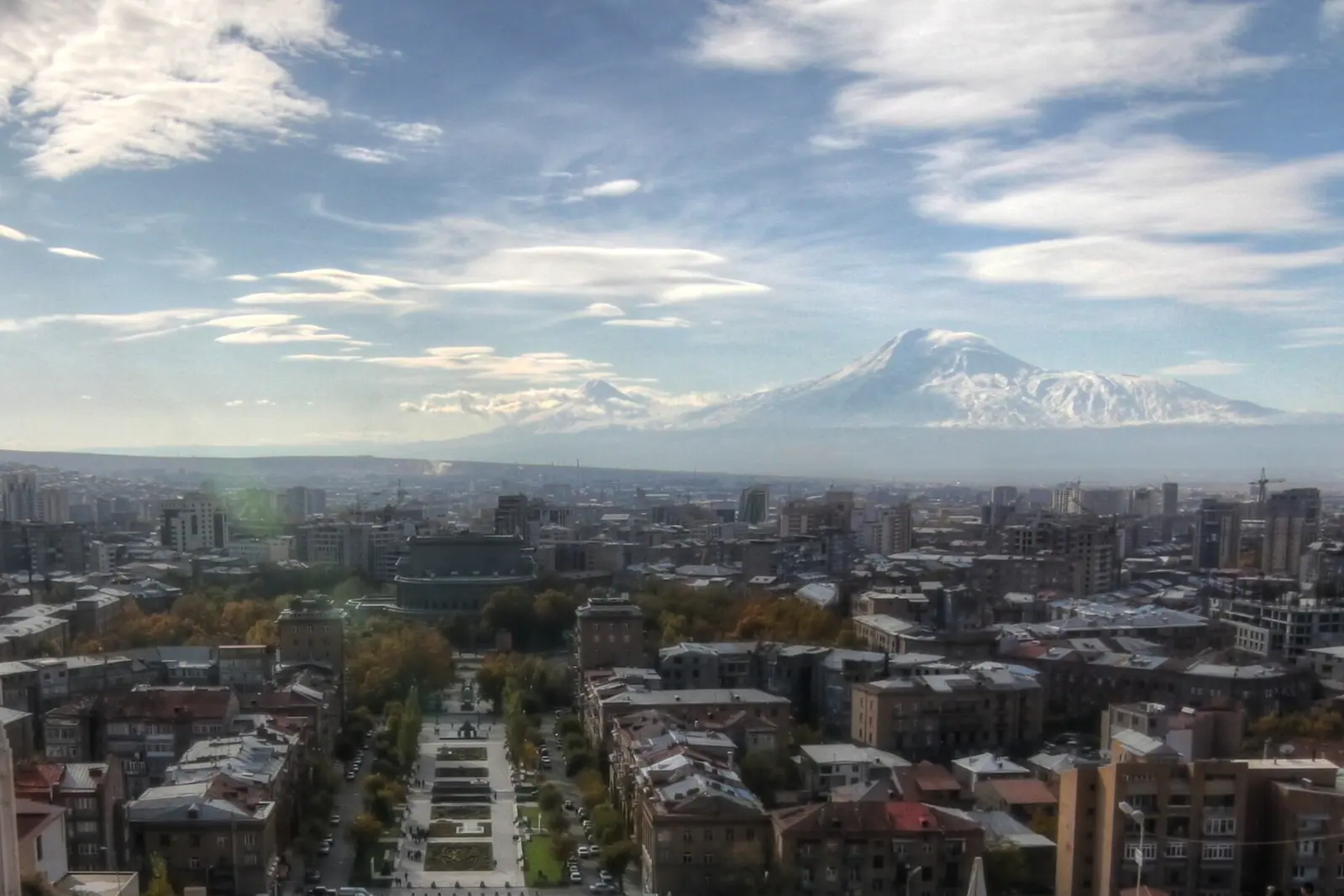
Things to do in Armenia
Skip-the-line tickets, guided tours and standout experiences.
See experiences
Stay online in Armenia
Travel eSIM — data the moment you land, no roaming bills.
Get an eSIM