Armenia is a country you taste before you fully understand it: the smoke of a clay tonir at dawn, apricot oghi raised for a toast among strangers who feel like family by the third glass, and Mount Ararat hovering beyond the border like a memory you can't quite hold. A well-shaped tour here stitches together cliff-carved monasteries, high-altitude vineyards and Yerevan's unhurried café culture — and always leaves room for a lunch that quietly becomes dinner.
Yerevan First: The City That Sets the Rhythm
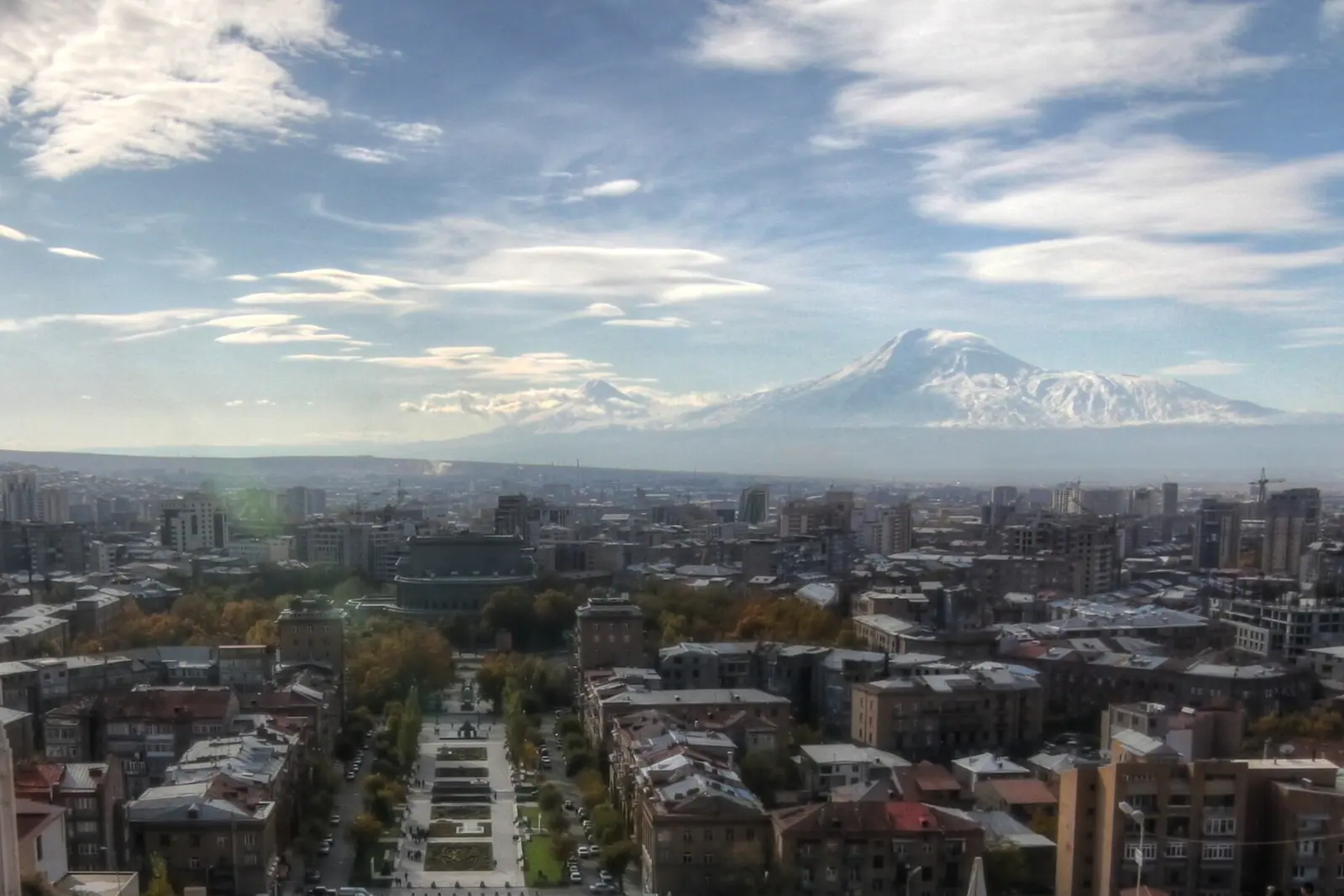
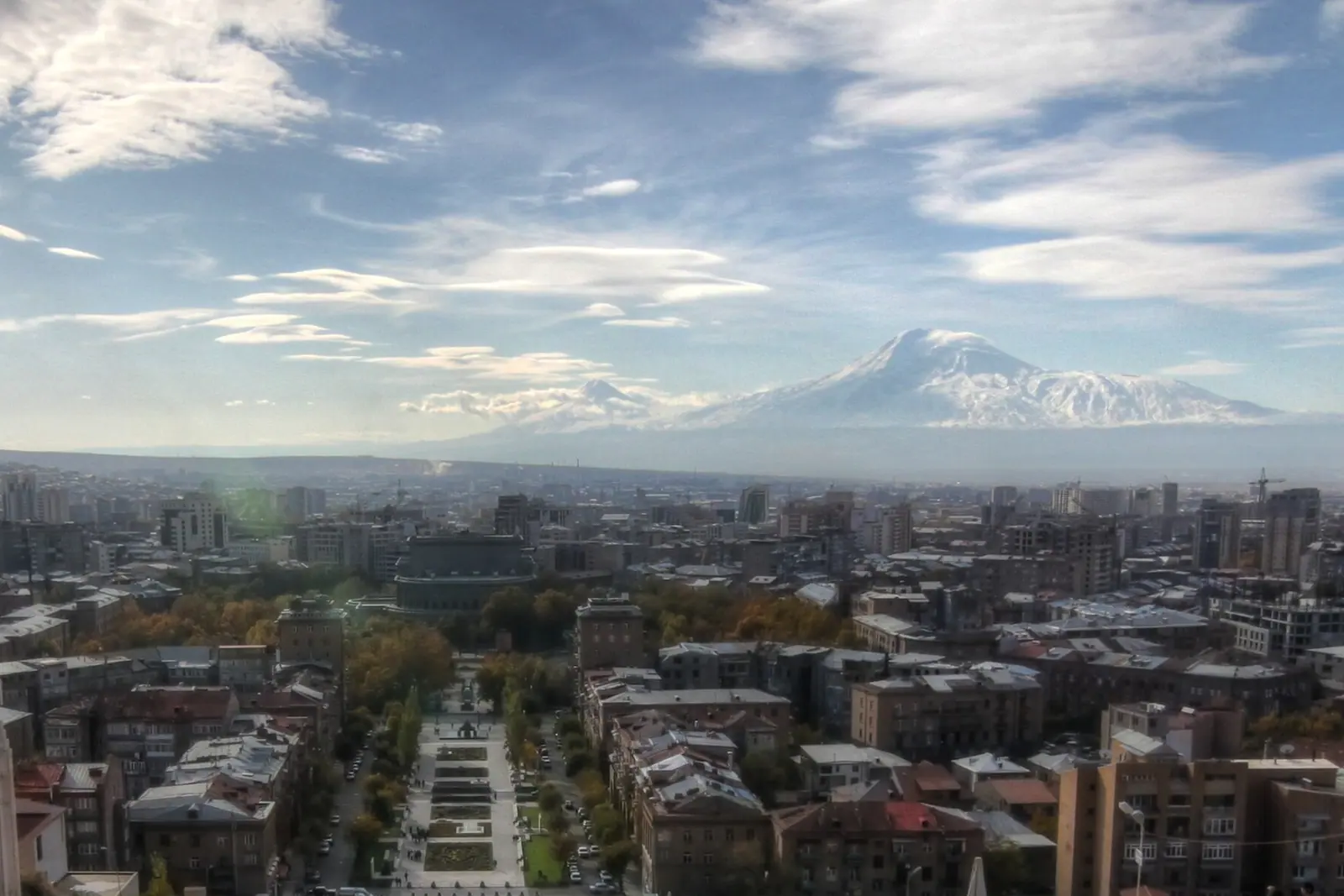
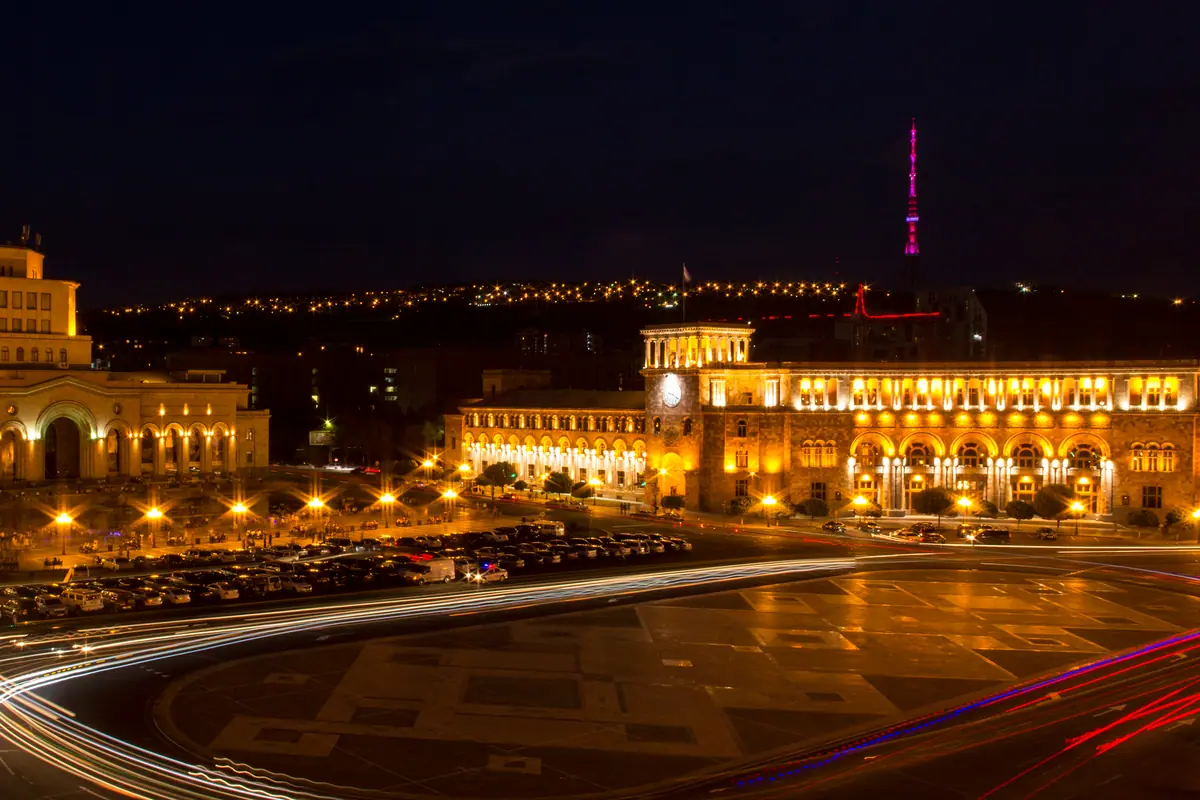
Almost every Armenian journey begins in Yerevan, and the city rewards a slow first day. Republic Square is the ceremonial heart, framed in pink tufa stone and best seen after dark when the fountains perform to music and families drift past the singing water. From there, walk or ride up to the Cascade Complex, a monumental stairway of terraces, sculpture and galleries that climbs the hillside; on a clear morning the view opens across the valley to the snow line of Mount Ararat.
Yerevan's deeper layers sit a short walk apart: the Matenadaran, a hillside repository holding tens of thousands of illuminated Armenian manuscripts, and the sobering memorial at Tsitsernakaberd above the Hrazdan gorge, which gives context to everything else you will see. Evenings belong to Saryan Street's wine bars and the café terraces around the Opera. Locals dine late and long, so book nothing for 6pm and expect coffee — served with a small glass of water — to be offered at every pause.
Must-Visit Landmarks: The Sights That Define Armenia
The classic monastery circuit begins an hour from the capital. Khor Virap, a working monastery on the plain near the Turkish border, is where pilgrims come for the closest view of Ararat and where Gregory the Illuminator was said to have been held in a pit before converting the kingdom. Further east, Etchmiadzin in Vagharshapat is the spiritual seat of the Armenian Apostolic Church and one of the oldest cathedral sites in the world, its treasury a dense display of reliquaries and gold.
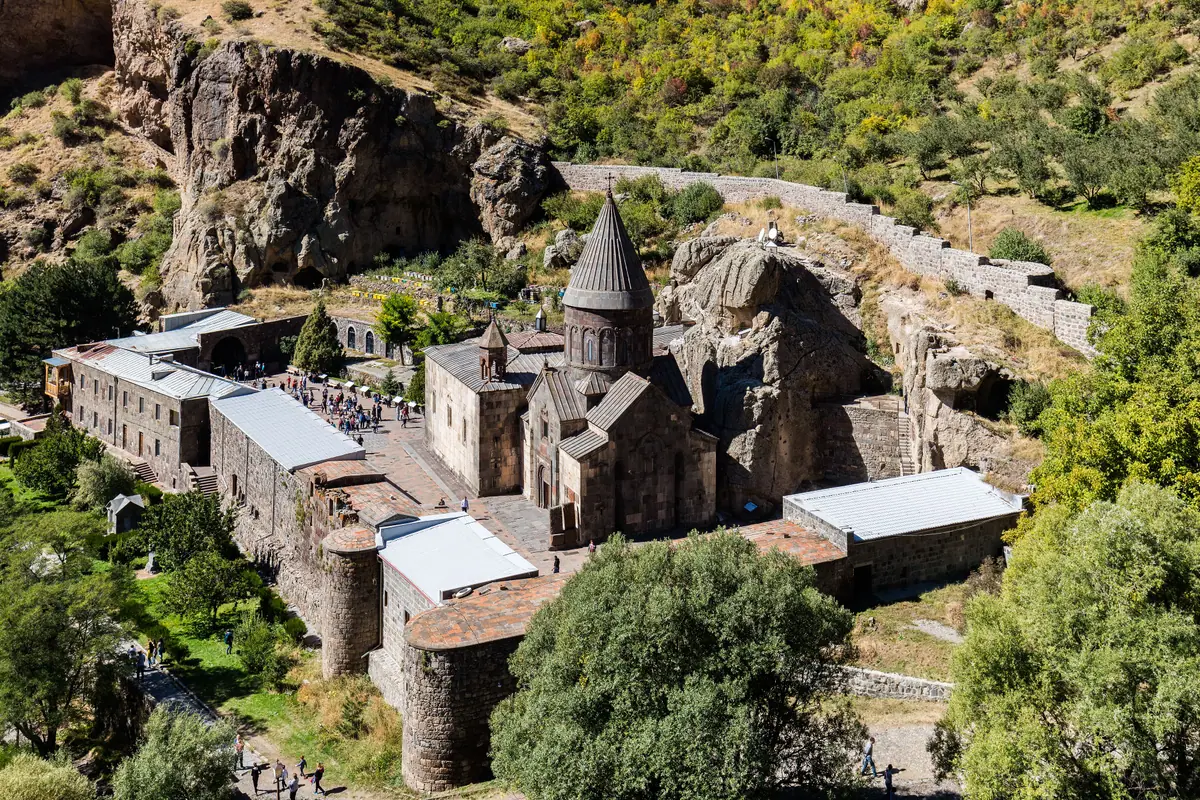
In the Azat gorge, Garni Temple stands as the country's lone surviving pagan temple, its Hellenistic columns perched above basalt cliffs; below it, the Symphony of Stones — naturally formed hexagonal columns — looks like a frozen organ. Nearby, Geghard Monastery is half-built into the rock face, its candlelit chambers cut straight from the mountain. Head north for the UNESCO-listed Haghpat and Sanahin monasteries in the green Debed canyon, and south for Noravank, a red-cliff monastery with a masterfully cantilevered stone staircase.
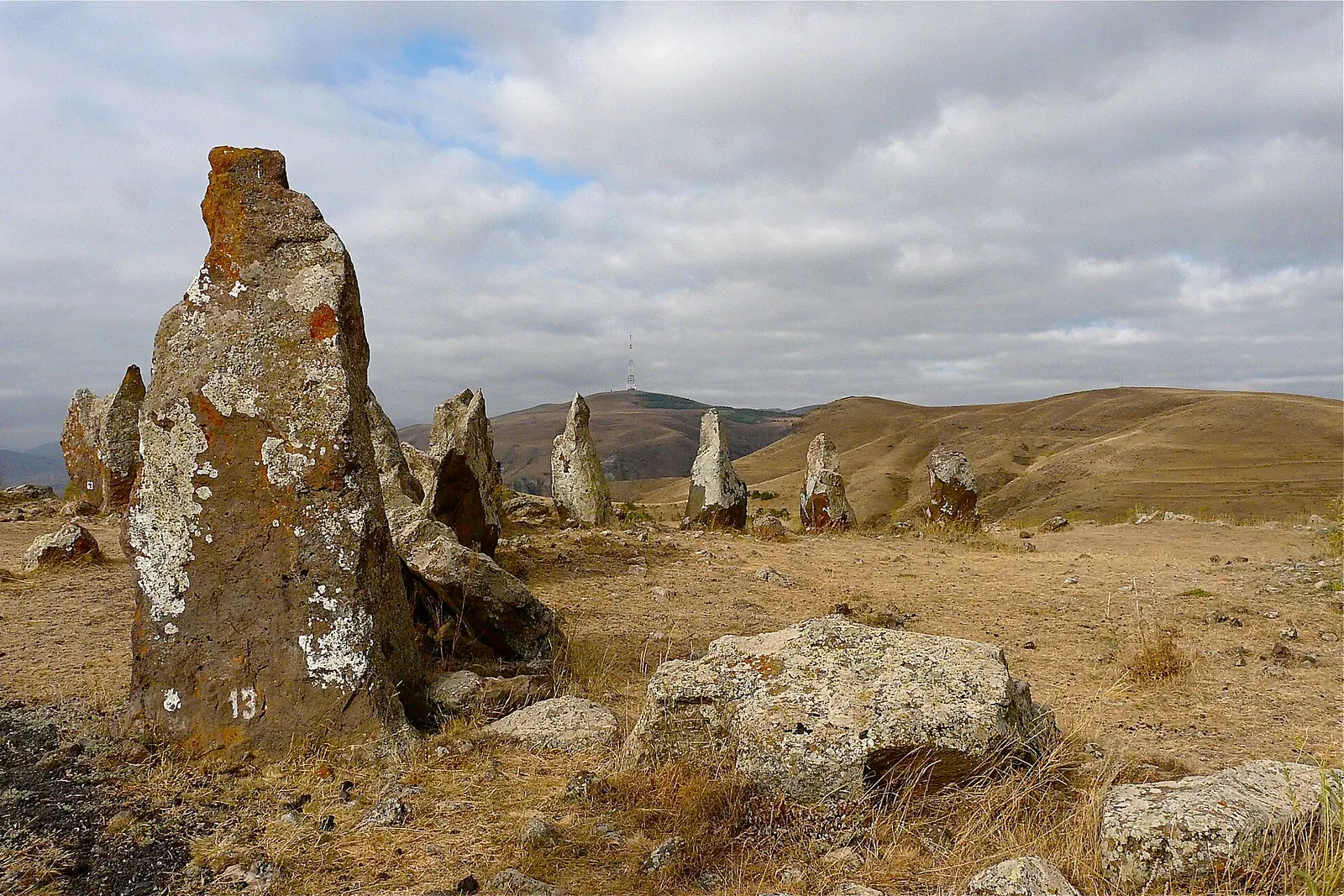
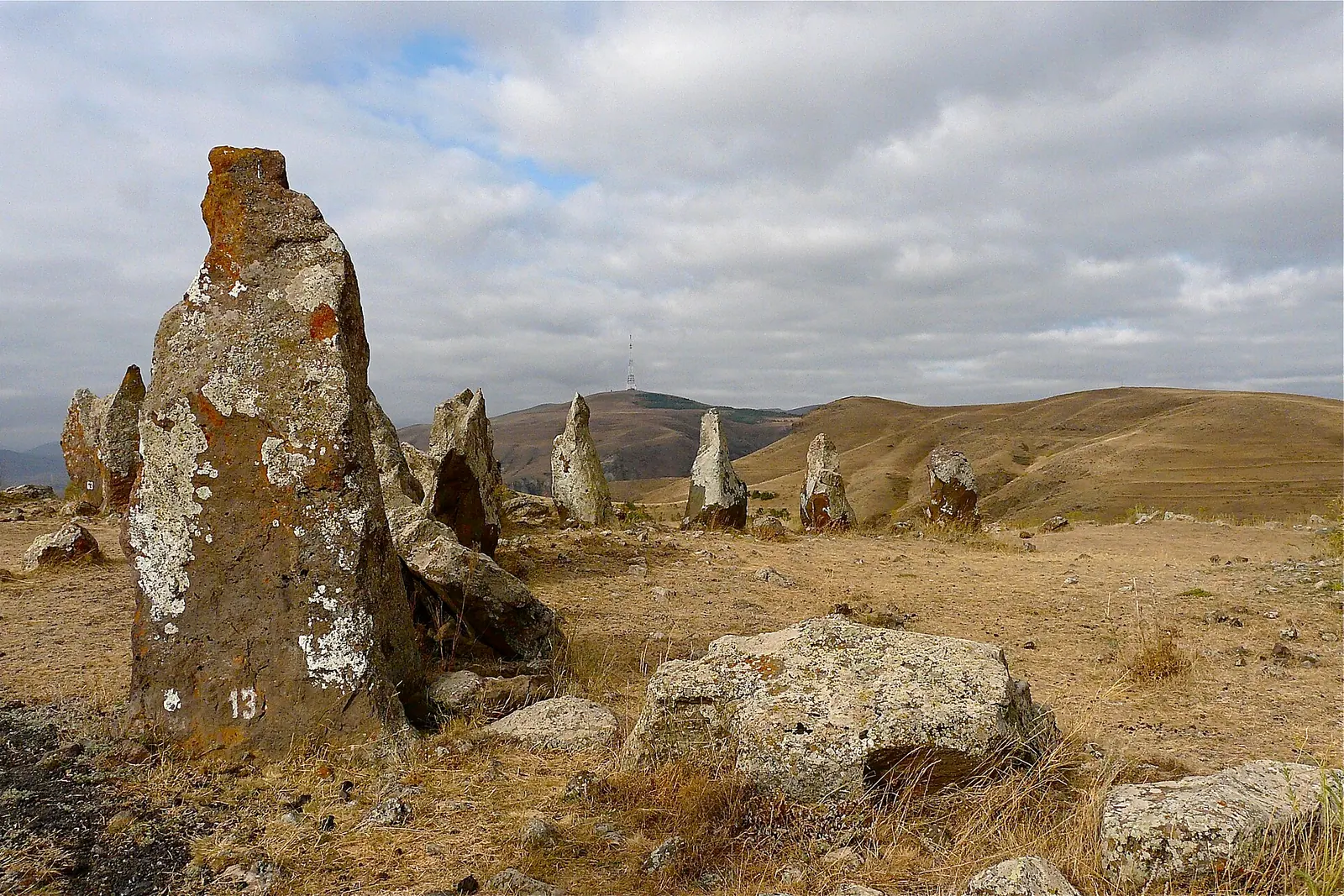
Two more belong on any serious itinerary. Tatev, reached by an aerial tramway that swings over the Vorotan gorge, was a medieval university as much as a monastery. And Sevanavank, on the peninsula of Lake Sevan, gives you one of the world's great high-altitude freshwater lakes with a ninth-century church attached. If you have time, add Karahunj near Sisian, a field of standing stones older than most European megaliths.
At the Armenian Table: Lavash, Khorovats and Ghapama
Armenian food is built on fire and time. Lavash, the paper-thin flatbread, is slapped onto the inner wall of a sunken clay tonir and pulled out in seconds; you eat it hot and soft with cheese and herbs, and you'll see it dried into brittle sheets for winter. Around it gather tolma — vine or cabbage leaves stuffed with rice, herbs and meat, with a meat-free Lenten version made with beans and dried fruit — and khorovats, skewers of pork or lamb grilled over vine cuttings and served with sumac onions and grilled vegetables.
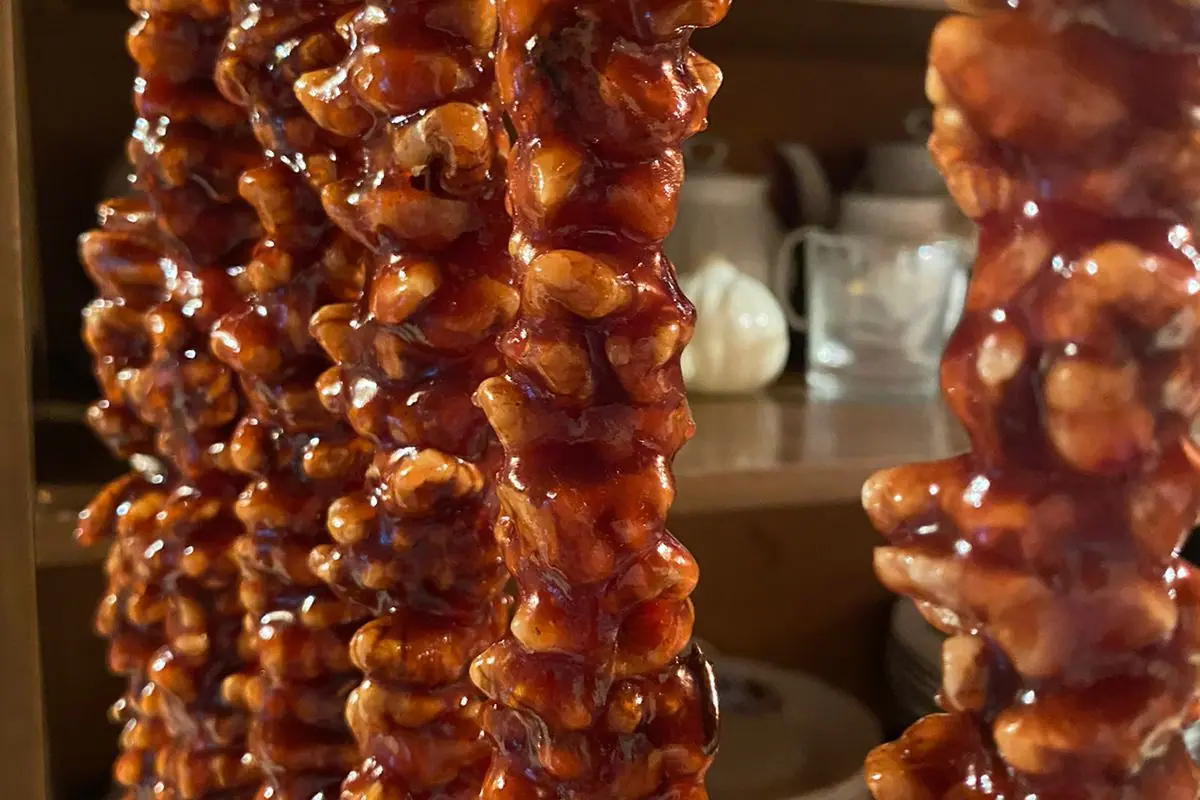
The rest of the canon is seasonal. Khash, a dawn ritual of slow-boiled trotters eaten with garlic, dried lavash and a shot of vodka, belongs strictly to the cold months and mostly to men gathering on a Sunday morning. Ghapama, a pumpkin stuffed with rice, honey and dried fruit, appears at weddings; harissa, a wheat-and-chicken porridge, is stirred for hours at village festivals. For dessert there is gata, a sweet pastry, and sujukh, walnuts threaded onto strings and dipped in thickened grape must, hanging in every market.
Shop at Yerevan's GUM market for basturma rubbed with fenugreek, strings of sujukh, brined cheeses like chanakh and motal, and barrels of pickles and sour cherries. Bring cash, taste before you buy, and don't leave without a bag of apricots — the fruit is a national emblem and gives Armenian brandy its sweetness.
From Vineyards to Oghi: Drinking Armenia
Winemaking here is not a trend but a continuity. In the Areni region of Vayots Dzor, red-soiled vineyards climb above a gorge where a cave site has revealed traces of winemaking going back millennia. The Areni Noir grape makes deep, peppery reds that pair with the region's game and grilled meats, and the village throws a harvest wine festival in early October with tastings, folk music and long communal tables. Yerevan has its own answer in early June, when Saryan Street closes for tastings.
Beyond wine, Armenia drinks brandy — aged in oak, smooth and amber, and best taken after a meal rather than during it. Then there is oghi, a clear fruit spirit distilled from mulberry, apricot, cornelian cherry or pear; the mulberry version is the most prized and the most dangerous, because it goes down like water. Tan, a salted yogurt drink, is the sober counterweight, and soorj — thick Armenian coffee — is the social glue that begins and ends every visit.
Festivals, Music and Living Traditions
Time your trip around the calendar and Armenia becomes a series of open-air celebrations. Vardavar, held in July, is a national water fight with pagan roots — no one is exempt, and drenched strangers laugh about it. Trndez in February sees newlyweds jump bonfires for luck and fertility, while Erebuni-Yerevan in October marks the city's founding with concerts and street fairs around the ruins of the Erebuni fortress.
The country's intangible heritage is alive rather than museum-bound. The duduk, a mournful apricot-wood oboe, is played at weddings, funerals and roadside gatherings; listen for it in Yerevan's jazz and folk clubs. Khachkars — carved stone crosses laced with infinite knotwork — still appear on hillsides and commemorative sites, each one unique, and you can watch carvers at work in villages and craft workshops. At the Vernissage market, carpets, silverwork, ceramics and instruments are sold beside old Soviet-era watches and handmade lace.
Wherever you eat, expect the table to be led. A tamada, or toastmaster, directs the toasts in a fixed and generous order — for peace, for parents, for the departed, for the host — and you are expected to sip rather than drain your glass. It is the fastest route into Armenian life.
Planning Your Tour: Seasons, Timing and Local Manners
Late April to mid-June and September to late October are the sweet spots: mild days, green mountains, apricot blossom or grape harvest, and comfortable walking weather. July and August bake the Ararat plain above 35°C, though Lake Sevan and forested Dilijan stay cool enough to be pleasant escapes. Winter is genuinely cold and snowy, which is precisely when khash appears, and Tsaghkadzor becomes a small ski base within an hour of the capital.
Five to seven days covers the essentials: two days in Yerevan, day trips to Garni, Geghard and Khor Virap, a night near Lake Sevan, then south through Areni and Noravank to Tatev and Goris. Ten to fourteen days lets you add the northern monastery corridor around Haghpat and Sanahin, the craft town of Dilijan and the high slopes of Mount Aragats with the fortress of Amberd. Roads are mountainous and slow; many travellers hire a car with a driver for the monastery stretches, which is both cheaper than it sounds and far more relaxing.
Frequently asked questions
When is the best time to visit Armenia for food and culture?
Aim for late April to mid-June or September to late October. Autumn brings the grape harvest, the Areni wine festival in early October and warm, stable walking weather for monastery circuits. Spring is greener and quieter. Summer is hot on the Ararat plain but pleasant around Lake Sevan and Dilijan, while winter is cold, snowy and the traditional season for khash and skiing at Tsaghkadzor.
How many days do I need for an Armenia tour?
Five to seven days covers Yerevan, the Garni–Geghard–Khor Virap day trips, Lake Sevan and a southern run through Areni, Noravank and Tatev. Give yourself ten to fourteen days to add the northern monasteries of Haghpat and Sanahin, Dilijan and Mount Aragats. Mountain roads are slow, so avoid packing too many sites into one day.
Can vegetarians eat well in Armenia?
Yes, comfortably. Lenten and meat-free dishes are part of the tradition, so you can ask for pasuts tolma, ghapama, lentil and bean stews, grilled eggplant and peppers, spinach and herb pies, fresh lavash straight from the tonir, and the full range of brined cheeses and pickles. Gata and dried fruit make easy desserts. In village kitchens, explaining you eat no meat is usually met with an extra plate rather than an awkward pause.
Do I need a guided tour or can I explore Armenia independently?
Both work. Yerevan is walkable and easy to navigate alone, with good public transport and inexpensive taxis. For remote monasteries such as Tatev, Noravank, Haghpat and Sanahin, a local driver-guide or small-group tour is genuinely useful — you get the mountain roads handled and the history explained. Many travellers mix the two: independent city days, guided excursions out of town.
Is Armenia safe, and what should I know about local etiquette?
Armenia is generally very safe, including for solo women, with low street crime and a strong culture of hospitality. Dress modestly at monasteries — covered shoulders and knees, and a scarf for women is appreciated at active religious sites. Learn a few words: barev for hello and shnorhakalutyun for thank you. If you are seated at a table with a toastmaster, sip rather than drain your glass, and accept the oghi politely even if you only touch it to your lips.
Sort the rest of your trip
Everything for Armenia, in one place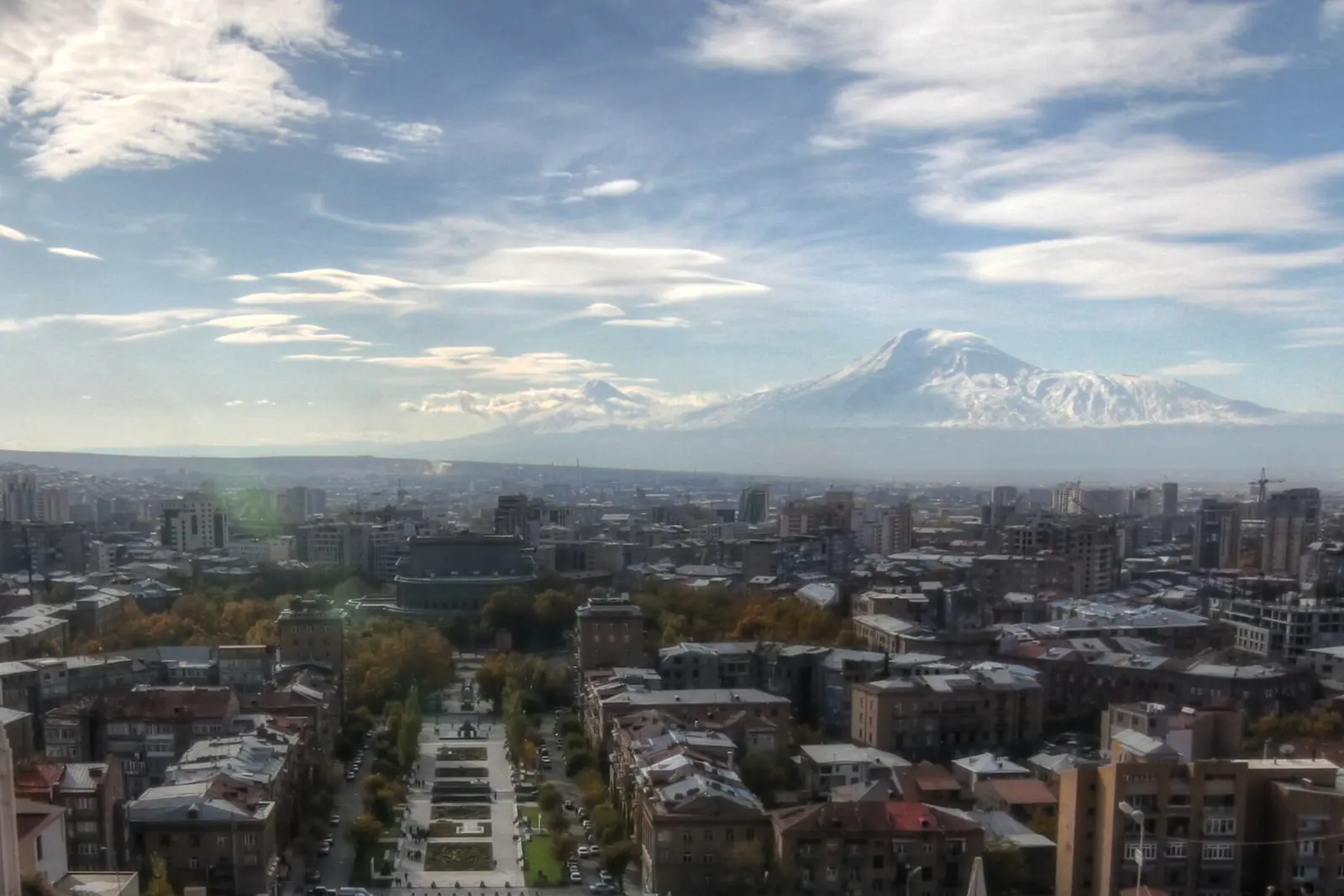
Stay in Armenia
Hotels, guesthouses and apartments — compared in one search.
Search hotels
Transfer in Armenia
Private driver waiting on arrival — no queues, no surprises.
Book a transfer
Stay online in Armenia
Travel eSIM — data the moment you land, no roaming bills.
Get an eSIM