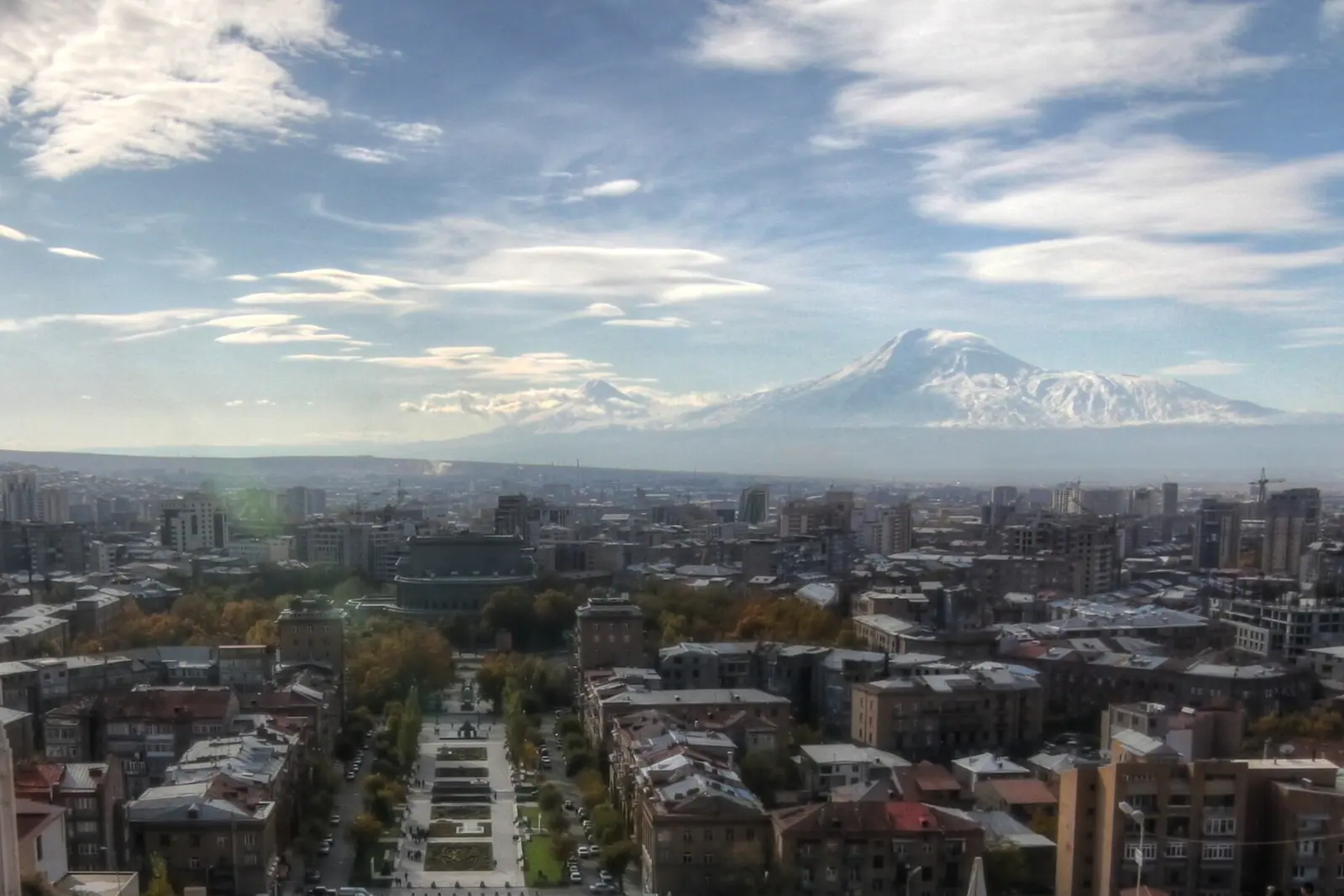
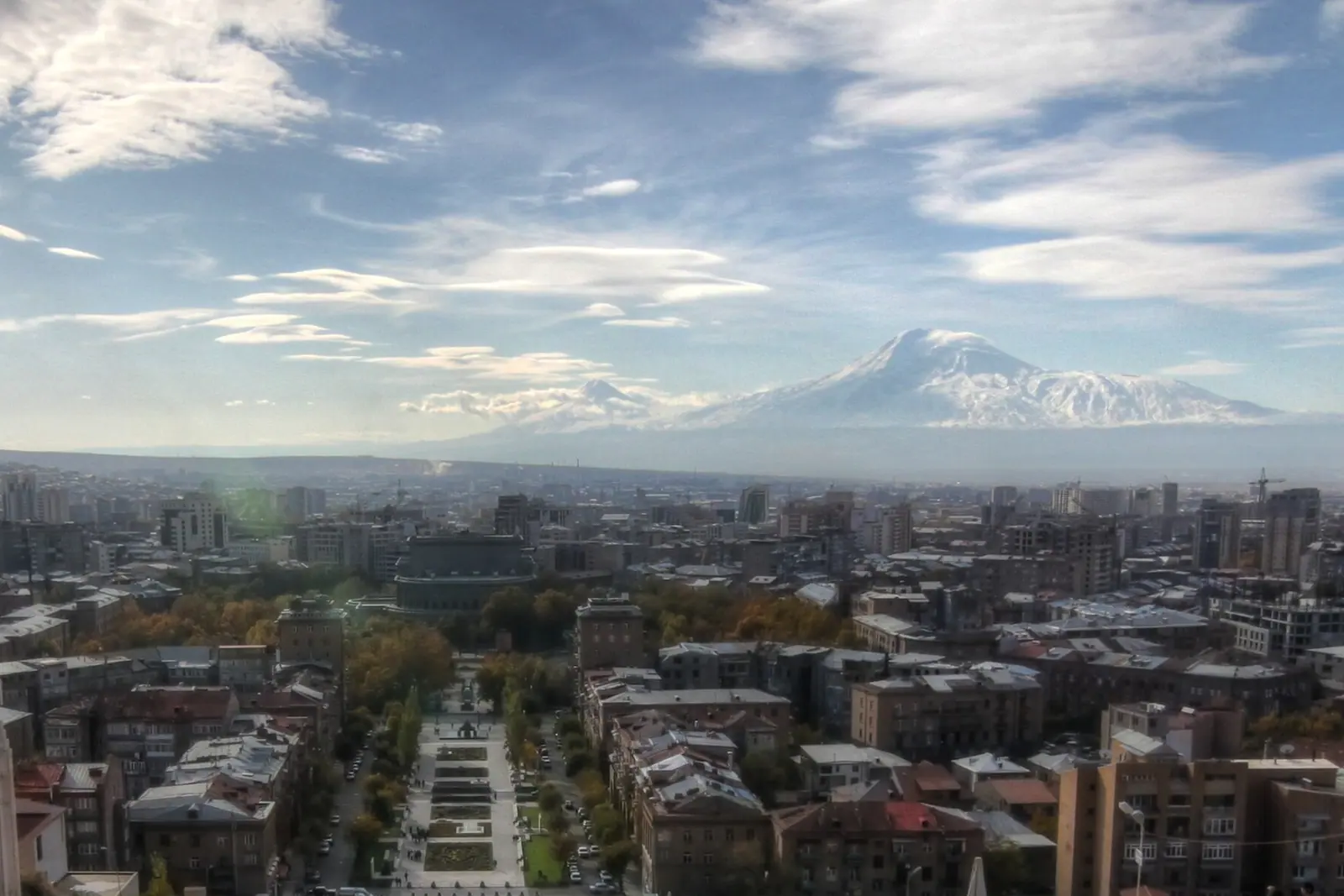
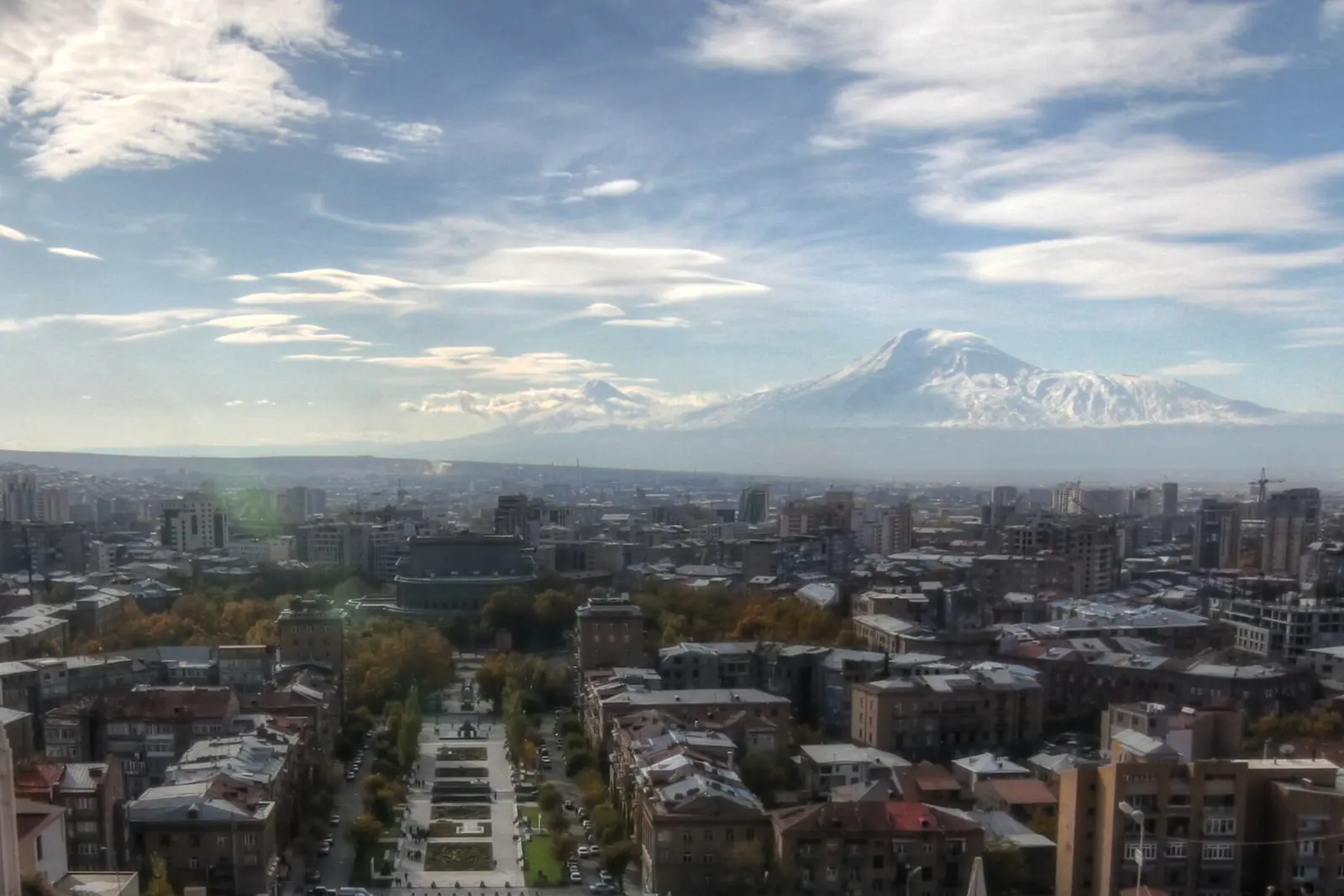
Armenia squeezes an entire country's worth of stone monasteries, volcanic plateaus and wine-village kitchens into a space you could almost cross in a single long day — which is exactly why choosing where to sleep matters more here than it does in most destinations. A hotel in central Yerevan puts you steps from the Cascade and Republic Square; a guesthouse in Dilijan or Areni puts you instead at the edge of forest monasteries and cave cellars long before the day-trippers arrive. This guide covers the cities and districts worth booking, and the landmarks that should decide your route between them.
Where to Stay in Armenia: Yerevan First, Then the Regions
Almost every trip begins at Zvartnots, the airport west of Yerevan, and almost every traveler spends the first two or three nights in the capital. That instinct is sound. Yerevan holds a large share of the country's restaurants, museums, wine bars and late-night life, and its compact centre is genuinely walkable. But treating the capital as the whole country is the most common mistake: the monasteries of the north, the cave villages of the south and the wine country along the Arpa river are hours away, and long day trips leave you exhausted rather than enchanted.
Distances look modest on a map and feel much longer on the road. Gyumri sits roughly two hours northwest by car, or a little more by train. Dilijan is about ninety minutes northeast. The Lake Sevan shoreline is an hour east. Areni and the Noravank gorge take around ninety minutes south, while Goris and the Tatev monastery complex are a four-to-five-hour haul through the mountains. A two-base plan works beautifully: three or four nights in Yerevan, then two or three nights somewhere regional, exploring outward from each.
The accommodation itself varies enormously. Yerevan has polished international-style hotels, design boutiques in converted townhouses and well-priced apartment rentals. Gyumri offers restored nineteenth-century merchant houses with thick black-tuff walls. Dilijan has timber-and-stone guesthouses that smell of pine. Around Lake Sevan and in the wine villages you'll find family-run bed-and-breakfasts where dinner is whatever the garden produced that week.
Yerevan Hotels: Picking the Right District
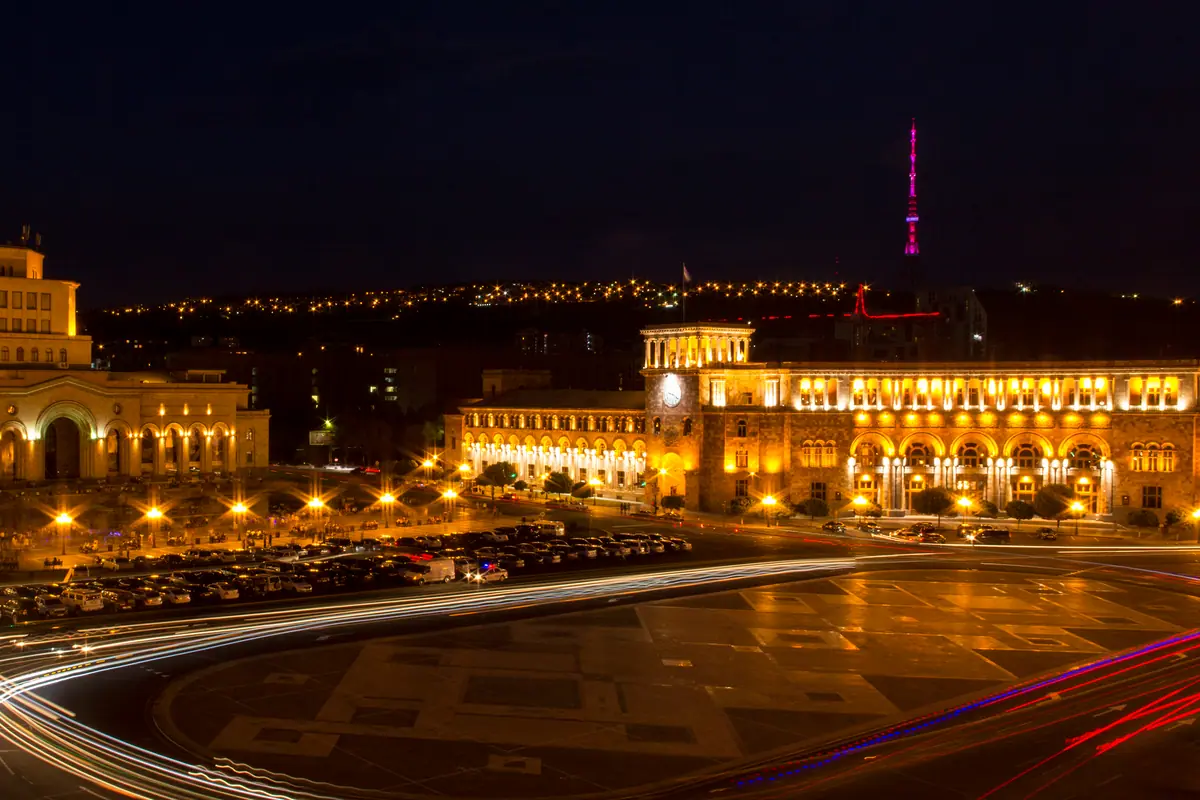
Kentron, the central district, is the obvious choice for a first visit. Stay anywhere within a few blocks of Republic Square or Northern Avenue and you can walk to the Singing Fountains, the History Museum of Armenia and the National Gallery in the same building, the Blue Mosque, and the weekend craft stalls of the Vernissage market. Evenings are lively, streets are safe to wander late, and taxis are cheap enough that you rarely need to plan your route carefully.
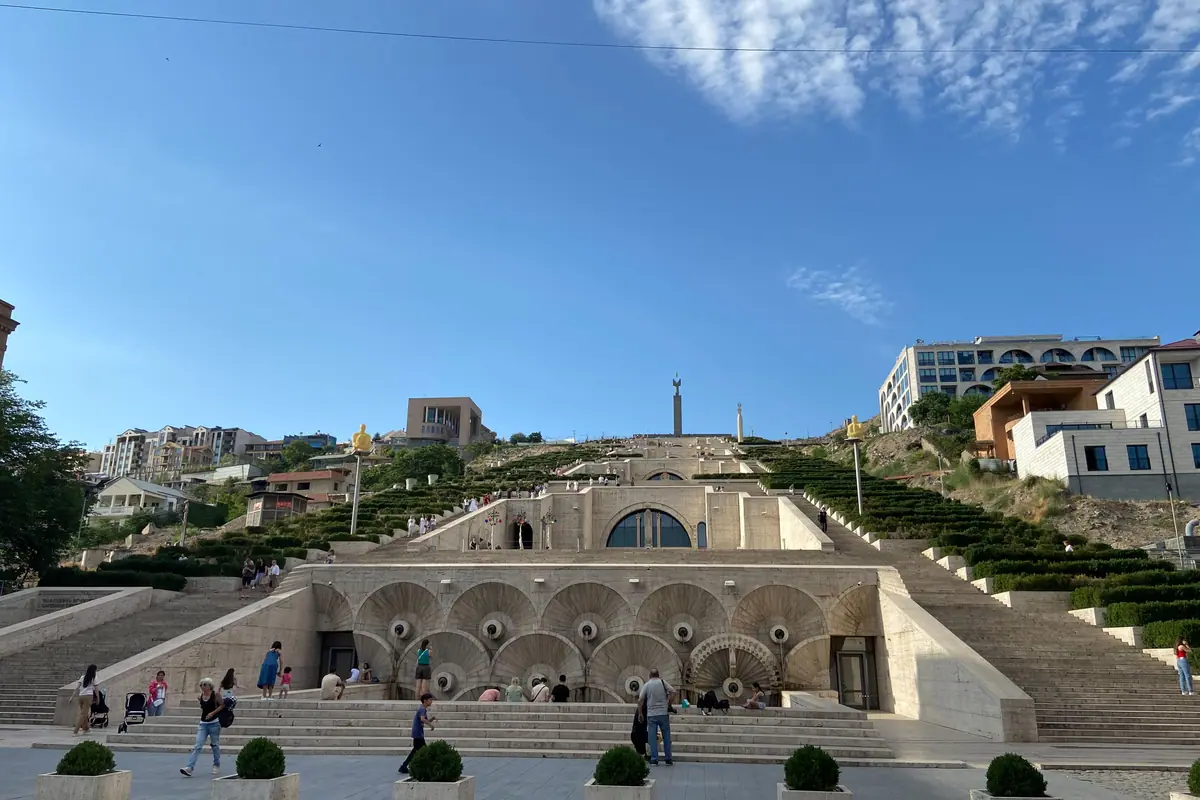
The Cascade and Opera quarter, just north, suits travelers who want calm at night and culture by day. The Cascade Complex — a monumental staircase of terraces and sculpture gardens — is the neighbourhood's living room, with the Cafesjian sculpture collection spread across its levels and an escalator inside for the climb. Mashtots Avenue leads up to the Matenadaran, the manuscript repository that holds some of the world's most remarkable illuminated Armenian texts. Saryan Street, a short walk south, has become the city's wine-bar strip, which is reason enough to book nearby.
Farther out, Arabkir and the Komitas area offer larger apartment-style stays at lower rates, handy if you're travelling as a family or staying a fortnight. From there you're a short ride from the Tsitsernakaberd memorial complex on the hill above the Hrazdan gorge, and from the ruins of Erebuni Fortress, the Urartian stronghold that predates the city itself. The metro is inexpensive and runs from early morning until around 11pm; marshrutka minibuses fill the gaps, and ride-hailing apps work well throughout the centre.
Regional Bases: Gyumri, Dilijan, Lake Sevan and Syunik
Gyumri, the second city, is the best reason to spend a night outside the capital. Its Kumayri historic district is a grid of crumbling, beautiful nineteenth-century houses in orange and black volcanic stone, with Vardanants Square at its heart and the round Black Fortress — Sev Berd — still looming over the old town. A cluster of boutique hotels now occupies restored merchant homes, and the Museum of National Architecture and Urban Life explains why the city's craftsmen once shaped so much of the Caucasus.
Dilijan, nicknamed the Armenian Switzerland, is the greenest base in the country. Sharambeyan Street preserves a lane of wooden craft workshops and cafes, while the surrounding national park hides the monasteries of Haghartsin and Goshavank in beech forest, plus the small, swimmable Lake Parz. Summer temperatures here are noticeably kinder than in Yerevan, which is why sanatoriums and spa hotels have lined the valley for a century.
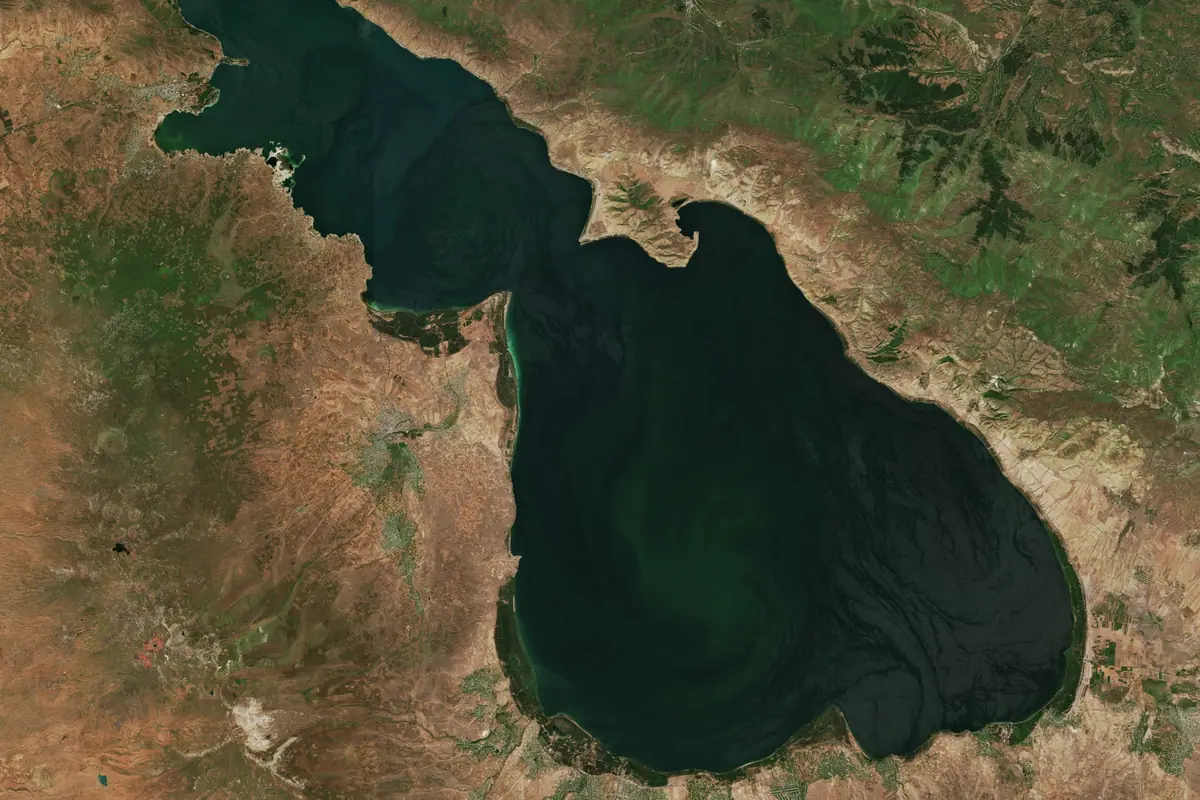
Lake Sevan deserves at least one night, ideally near the peninsula where Sevanavank's black church steps rise above turquoise water. Add the vast khachkar field at Noratus and the clifftop Hayravank monastery, then continue south to Syunik, Armenia's wildest province. Goris makes a comfortable base of small hotels for Khndzoresk's cave village, the swinging aerial tramway across the Vorotan gorge to Tatev Monastery, and the high road on toward Kapan and Meghri.
Guesthouses, B&Bs and Village Stays
The wine country of Vayots Dzor is where village hospitality shines. Around Areni, whose cave yielded traces of the world's oldest known winery and a remarkably preserved leather shoe, family guesthouses pour their own reds at dinner and hang strings of drying fruit from the rafters. The Noravank monastery, wedged into a red limestone gorge a short drive away, is best visited in early morning or late afternoon light, when the rock glows.
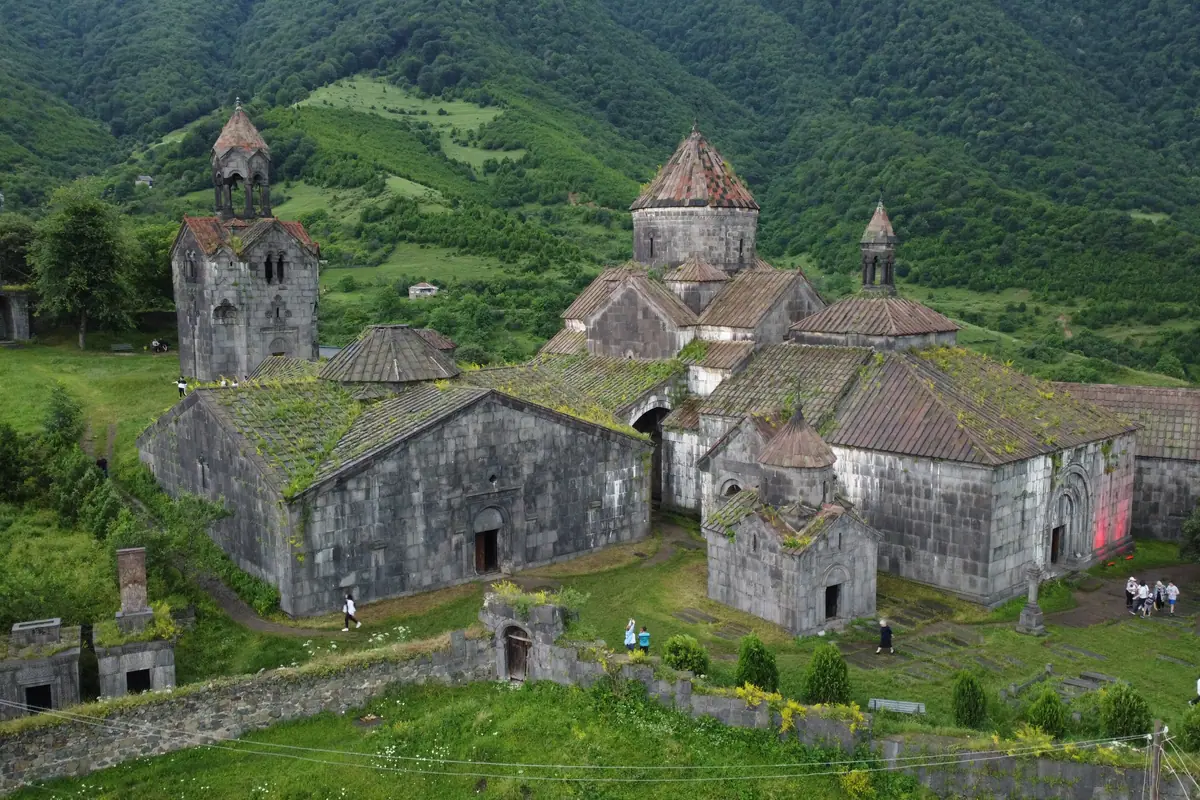
In Tavush and Lori in the north, homestays cluster in villages near the great medieval monasteries of Haghpat and Sanahin, and around the ruined Lori Berd fortress above the Dzoraget river gorge. These are simple places — a few rooms off a courtyard, shared bathrooms sometimes, a wood stove in winter — but they put you close enough to hear the bells and to walk monastery walls before anyone else arrives.
Expect breakfasts that justify the stay on their own: matsun yogurt, thin lavash, brined village cheese, apricot and walnut preserves, honey, herbs cut that morning, and thick coffee. English is often limited outside Yerevan, so a translation app or a few phrases of Armenian go a long way. Hosts will happily call a taxi or arrange a driver for the day. Carry cash in local dram for smaller villages, and reserve well ahead for September and October, when the whole country seems to be travelling.
Must-See Landmarks That Should Shape Your Route
In and around Yerevan, the essential stops are Republic Square with its evening fountain show, the Cascade Complex, the Matenadaran, and the sobering Tsitsernakaberd memorial. Within an easy half-day drive east lie Garni, a first-century Hellenistic temple rebuilt on its basalt podium, and Geghard, a monastery partly hewn straight from the living rock and still echoing with chanted liturgy on feast days. Pairing the two makes one of the country's finest outings.
South and west of the capital, Khor Virap monastery rises from the Ararat plain with the snow-capped mountain filling the horizon behind it — the single most photographed view in Armenia. Nearby Vagharshapat holds the Mother See cathedral and the excavated ruins of Zvartnots, both anchoring the country's Christian history. Farther south, Noravank's two-storey church carved into a cliffside and the cable-car approach to Tatev, suspended high over the Vorotan gorge, are the two sights most travelers remember longest.
In the north, the paired monasteries of Haghpat and Sanahin sit on wooded ridges above the Debed canyon, while Amberd fortress clings to the slopes of Mount Aragats at over 2,000 metres. Closer to Yerevan, Saghmosavank and Hovhannavank watch over the Kasagh gorge near Ashtarak. Build your sleeping stops around these: a night in Goris for Tatev, a night in Dilijan for Haghartsin, and a night in Gyumri for the Lori monasteries.
When to Go and How to Get Around
Late spring and early autumn are the sweet spots. May and June bring wildflowers across the Aragats slopes and comfortable walking weather; September and October turn Dilijan and Syunik gold and coincide with the grape harvest in Areni. July and August push Yerevan and the Ararat valley past 35°C, though Lake Sevan and Dilijan stay noticeably cooler and breezier. Winter transforms Tsaghkadzor into the country's ski base, with the Kecharis monastery a short walk from the lifts, while Gyumri turns properly cold.
Getting around without a car is entirely possible but needs patience. Marshrutka minibuses connect Yerevan's bus stations to most towns, trains run to Gyumri year-round and to the Sevan area in summer, and shared taxis cover the awkward gaps. For monastery-hopping, many travelers hire a driver for the day or rent a car — roads are generally good, but mountain routes coil endlessly, so a 150-kilometre drive can easily take three hours.
Reserve accommodation four to eight weeks ahead for spring and autumn, longer for the wine festivals and midsummer water festivals that fill regional guesthouses fast. Central Yerevan hotels book out around major holidays, and the best rooms in Goris and Dilijan are gone early in October. If your dates are flexible, aim for the shoulder weeks — you'll pay less, walk further and share the monasteries with far fewer people.
Frequently asked questions
Where should I stay in Armenia for a first visit?
Base yourself in central Yerevan, ideally in Kentron near Republic Square or around the Cascade and Opera district, for three or four nights. From there add one or two regional stays — Dilijan for the northern monasteries, Goris for Tatev and the south, or Gyumri for the Lori canyon — so you're not spending every day on the road.
How many days do you need in Armenia?
Seven to ten days lets you see Yerevan properly, make day trips to Garni and Geghard, and still spend two nights in the regions. A tight five-day trip works if you limit yourself to the capital, Khor Virap, Lake Sevan and one southern monastery run.
What is the best time of year to visit Armenia?
May, June, September and October offer the best combination of mild weather, open mountain roads and long daylight. July and August are hot in Yerevan but pleasant around Lake Sevan and Dilijan, while December to February suits skiers heading to Tsaghkadzor.
Do Armenian guesthouses accept cards?
Larger hotels in Yerevan, Gyumri and Dilijan usually take cards, but village guesthouses and small B&Bs often prefer cash in local dram. Carry enough for a few nights plus meals, and withdraw in the capital or larger towns where ATMs are plentiful.
Is it easy to visit the monasteries without a car?
Partly. Minibuses and trains reach most towns, and shared taxis fill the gaps, but the remote monasteries are awkward by public transport. Many travelers hire a driver for a day or join a small-group tour; renting a car gives the most freedom, provided you're comfortable on winding mountain roads.
Sort the rest of your trip
Everything for Armenia, in one place
Transfer in Armenia
Private driver waiting on arrival — no queues, no surprises.
Book a transfer
Things to do in Armenia
Skip-the-line tickets, guided tours and standout experiences.
See experiences
Stay online in Armenia
Travel eSIM — data the moment you land, no roaming bills.
Get an eSIM