Spain packs an entire continent of landscapes into one country, and where you sleep shapes the trip as much as what you see. Sleep in a tiled palace courtyard in Seville, a Modernista apartment block in Barcelona or a stone farmhouse under the Picos de Europa, and the same holiday becomes a different story. This guide maps the country city by city, matching the right neighbourhoods and hotel styles to the landmarks you came for.
Madrid and Central Spain: Big-City Energy and Royal Day Trips
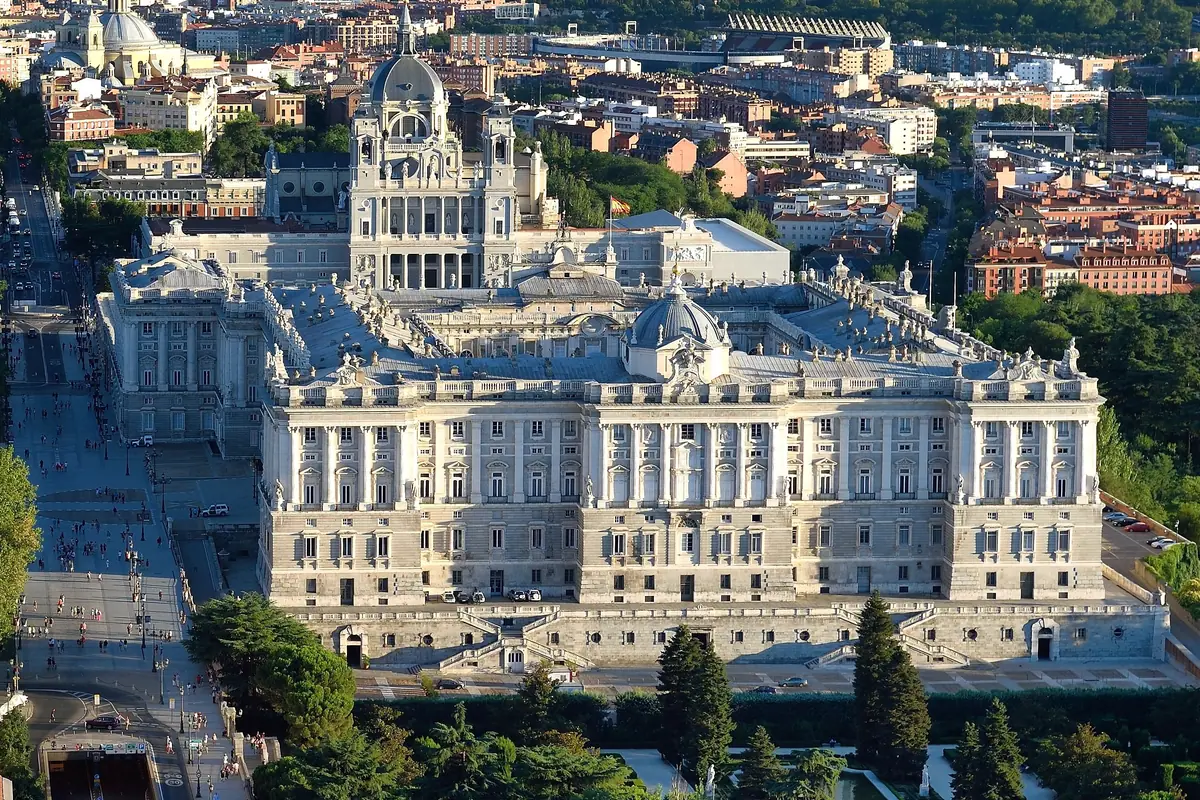
Madrid rewards travellers who stay in the middle of it. The Prado Museum, the Reina Sofía and the Thyssen-Bornemisza cluster along the Paseo del Prado, the Royal Palace and Plaza Mayor anchor the historic core, and Puerta del Sol marks the symbolic zero point of the country. Choose between grand 19th-century hotels on Gran Vía and leafy streets off Retiro Park, or small boutique rooms in Barrio de las Letras and Malasaña, where the bars don't get going until well after ten. For quiet, polished comfort, the Salamanca district offers wide avenues and reliable apartment-hotels.
Central Spain is made for overnight stays rather than rushed coach dashes. Toledo's cathedral, Alcázar and labyrinthine Jewish quarter deserve a night after the day-trippers leave, and Segovia combines a perfectly preserved Roman Aqueduct with a fairy-tale Alcázar of its own. The vast monastery complex of El Escorial and the palace gardens of Aranjuez sit within easy reach of the capital by train, so you can base yourself in Madrid and still sleep in a historic town wall two nights a week.
Time your visit for spring or early autumn, when terraces are full and museums are bearable; July and August regularly push past 35°C, and locals simply shift their lives to the evening. Note that many museums close one weekday, and that dinner at nine is early by local standards. Book city hotels well ahead for major public holidays, when domestic travellers fill the centre.
Barcelona and Catalonia: Modernisme, Beaches and Hilltop Views
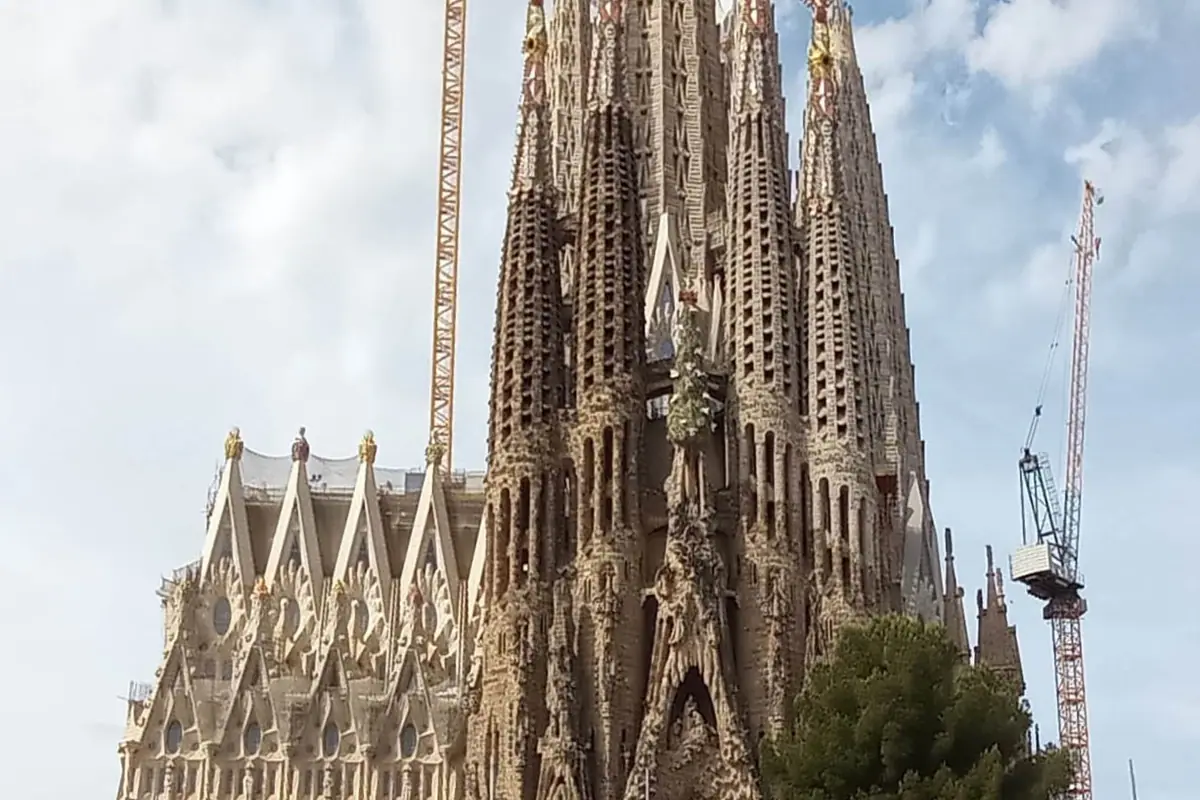
Barcelona compresses an entire trip into a few square kilometres. Gaudí's Sagrada Família is still rising after more than a century, Park Güell spills mosaic terraces across a hillside, and Casa Batlló and Casa Milà curve along the Passeig de Gràcia. Down in the Gothic Quarter, the cathedral and narrow medieval lanes meet La Rambla and the Boqueria market, while Montjuïc's gardens and the Magic Fountain sit above the port. Most first-timers sleep in the Eixample for architecture and easy metro access, El Born or the Gothic Quarter for atmosphere, or Poblenou and Barceloneta for sea air.
Catalonia is worth staying in beyond the city. The serrated ridges and Benedictine monastery of Montserrat make a superb half-day trip, the Dalí Theatre-Museum in Figueres is a surrealist landmark in its own right, and Girona's old town and Tarragona's Roman amphitheatre both merit a night. Along the Costa Brava, coves at Cadaqués and Tossa de Mar hide small family-run hotels that fill fast in high summer.
May, June, September and October give the best balance of warmth and elbow room; August is hot, loud and expensive, though the city never truly empties. Timed-entry slots for the Sagrada Família and Park Güell often sell out days in advance, so lock those in before you choose your hotel. Catalonia also levies a small per-night tourist tax, usually added to your bill at check-out.
Andalusia: Moorish Palaces, White Towns and Orange-Blossom Courtyards
Seville sets the tone for southern Spain. The Alcázar's mudéjar halls and gardens, the vast cathedral with its Giralda tower and the tiled sweep of Plaza de España form a trio of unmissable sights, with the Triana district and Santa Cruz's tangled alleys filling the evenings. Many of the city's best hotels are converted palaces or merchants' houses arranged around a patio, where a small plunge pool on the roof becomes essential by June. Semana Santa processions and the spring fair make April magical and accommodation scarce.
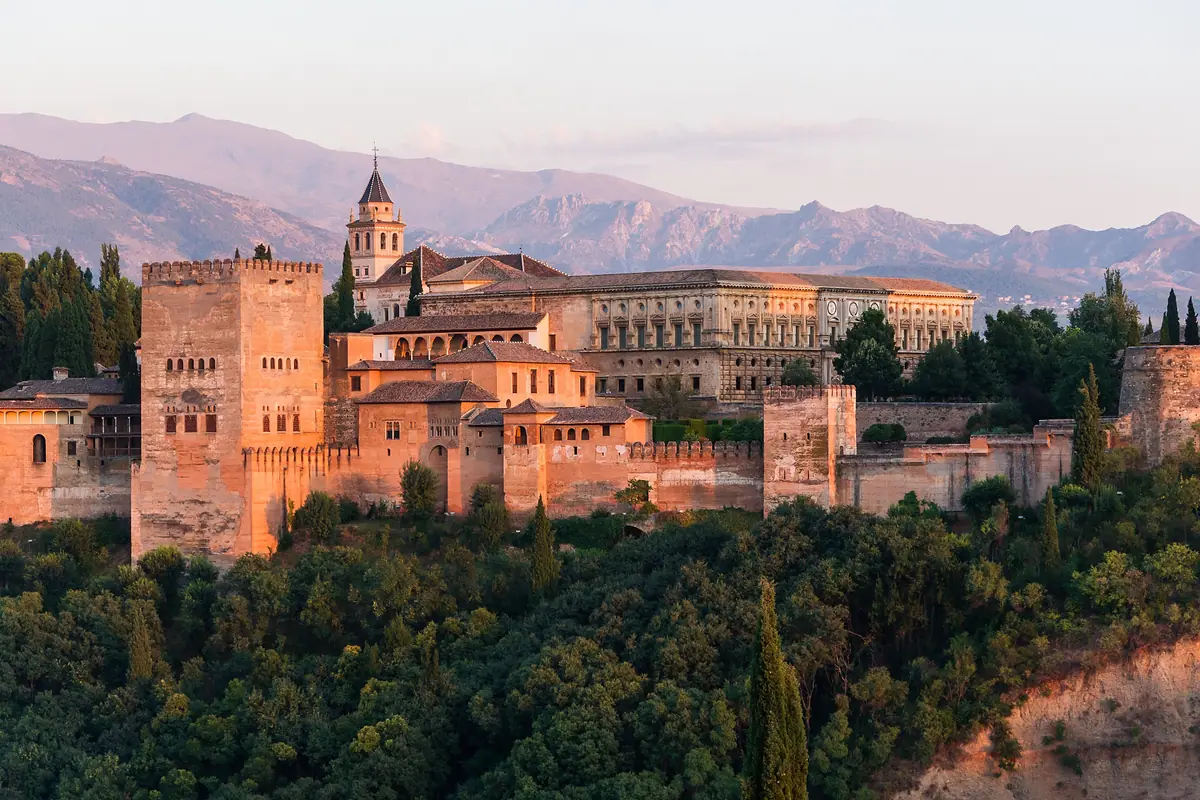
Granada is where most travellers spend the most planning energy, and rightly so: the Alhambra and its Generalife gardens are a genuine wonder, the Albaicín's whitewashed slopes face them across the valley, and the Mirador de San Nicolás delivers the classic sunset view, often with a guitarist nearby. In Córdoba, the Mezquita-Catedral's forest of arches and the May patios festival justify a night of their own. Alhambra tickets are released in limited daily batches and vanish weeks or months ahead in peak season.
For coastal contrast, Málaga pairs the Alcazaba fortress and Gibralfaro castle with the Picasso Museum and a genuinely lively food scene, while Ronda's Puente Nuevo bridge hangs over a sheer gorge that has to be seen in person. Aim for March to May or October, when inland temperatures sit in the comfortable twenties; July and August can exceed 40°C away from the coast, and Costa del Sol resort hotels charge their highest rates.
Northern Spain: Pintxos, Green Coastlines and Pilgrim Trails
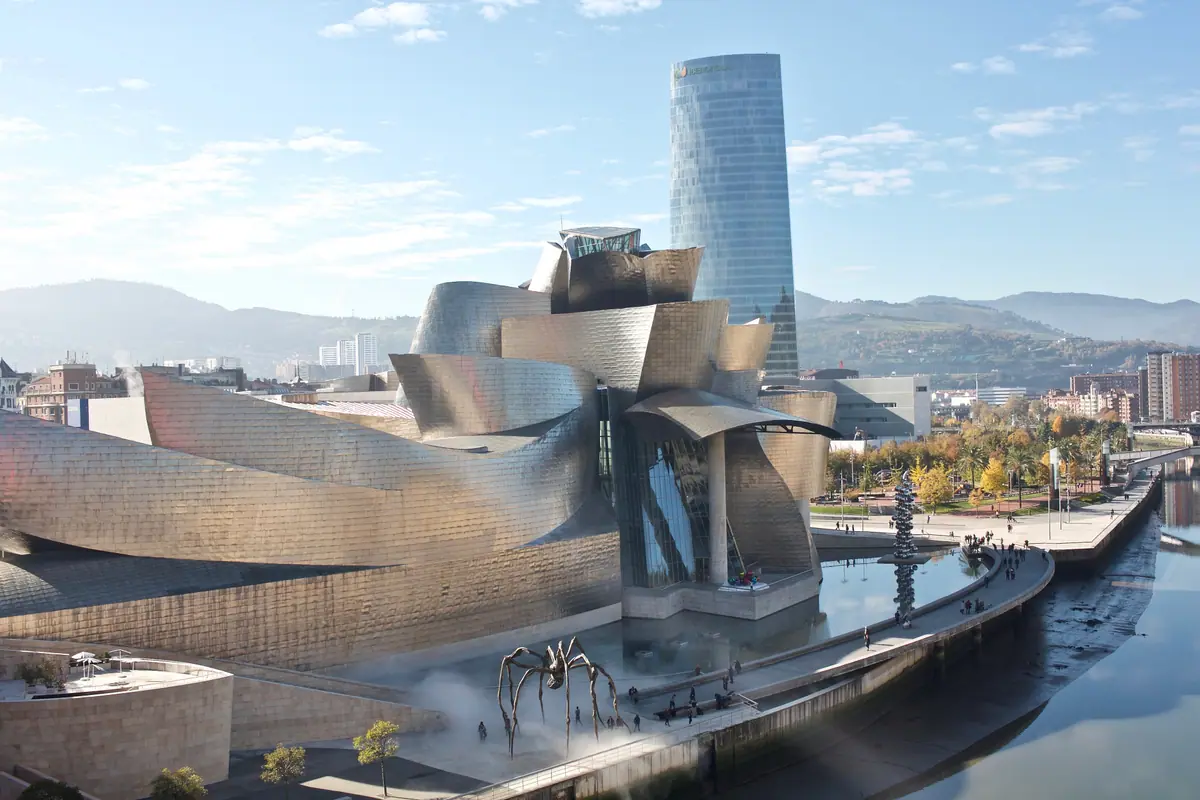
The north feels like a different country: greener, wetter, less crowded and fiercely proud of its kitchens. Bilbao's titanium-clad Guggenheim Museum changed the city's fortunes, and its Casco Viejo offers some of the best value hotel nights in Spain. An hour away, San Sebastián pairs the shell-shaped La Concha beach with Monte Igueldo's funicular view and the packed pintxos bars of the Parte Vieja. San Sebastián hotels are among the country's priciest in July and August, so many visitors base themselves in Bilbao and day-trip.
Further west, Santiago de Compostela's cathedral and the vast Obradoiro square mark the end of the Camino de Santiago, and the city's old quarter mixes pilgrim hostels with comfortable hotels in restored stone buildings. From here you can push on to A Coruña's Roman Tower of Hercules, or east through Oviedo, Santander and the dramatic peaks of the Picos de Europa, where farmhouse stays and cider houses define the experience.
This is Spain's coolest, dampest region, so pack layers even in midsummer; June to September brings the steadiest weather and the longest evenings. September is a sweet spot, quieter than August but still warm enough for the beach. A major film festival fills San Sebastián in late September, pushing room rates up sharply, so check the calendar before you commit.
Coasts and Islands: Valencia, the Balearics and the Canaries
Valencia is the underrated city break of the Spanish coast. Santiago Calatrava's futuristic City of Arts and Sciences glitters at one end of the old Turia riverbed, the cathedral and Central Market sit in the historic centre, and the beach is a short tram ride from your hotel. Its blend of city and sea makes it a smart base for exploring the Costa Blanca, with cheaper rooms than Barcelona and equally good food.
The Balearics offer far more than resorts. Palma's golden-stone La Seu cathedral and seaside old town suit a long weekend, Alcúdia and Sóller reward those who head inland, and Ibiza's fortified Dalt Vila is a UNESCO-listed counterpoint to the island's club reputation. Menorca stays the quietest and most family-friendly. Inland, converted fincas and agroturismos let you sleep among olive groves and still reach a cove by lunchtime.
Year-round warmth belongs to the Canaries, where Mount Teide rises above Tenerife, the Maspalomas dunes roll across Gran Canaria and Lanzarote's Timanfaya volcanic park looks genuinely otherworldly. Winter is their high season, so book Christmas and February half-term early. On the mainland, the Costa Brava in the north-east and the green Costa Verde in the north-west both deliver spectacular cliff scenery — just expect cooler water and fewer crowds.
Seasons, Hotel Styles and Booking Sense for Spain
Spring (March to May) and early autumn (September to October) are the safest bets almost everywhere: mild inland, warm on the coast, and far less crowded than midsummer. July and August are for beaches and northern Spain, while inland cities like Madrid, Seville and Córdoba become genuinely punishing. Winter suits the Canaries, city museums, ski resorts in the Pyrenees and Sierra Nevada, and bargain rates in Seville and Granada, though some coastal hotels close until Easter.
Spanish accommodation comes in distinct flavours worth understanding. City hotels and aparthotels dominate Madrid and Barcelona; boutique hotels carved from old palaces and merchants' houses define Seville and Granada; casas rurales and agroturismos dot the countryside; and pilgrim hostels line the Camino. Historic converted castles, monasteries and manor houses exist across the country and are often surprisingly affordable outside peak weeks. Check-in is usually from 14:00 or 15:00, breakfast is often charged separately, and small historic buildings may have tiny lifts or none at all.
Book timed tickets for the Alhambra and the Sagrada Família before you book anything else — they dictate your dates more than your hotel does. Reserve coastal and island rooms three to six months ahead for June to September, and two to three months for city stays in spring and autumn. Some regions add a small tourist tax per night, parking in old towns is scarce and expensive, and air conditioning is not guaranteed in small northern guesthouses. If you want one rule: decide what you want to see first, then choose the neighbourhood that puts you within walking distance of it.
Frequently asked questions
What is the best time of year to visit Spain?
April to June and September to October are the sweet spots, with comfortable temperatures, longer days and manageable crowds in Madrid, Barcelona, Seville and Granada. July and August suit the northern coast, the Balearics and the Canaries but can be brutally hot inland. Winter is ideal for the Canary Islands, city museums and ski areas, and offers the lowest hotel rates in southern cities.
Which cities should a first-time visitor base themselves in?
Madrid and Barcelona make the most practical first bases, thanks to easy transport links, dense sightseeing and huge ranges of accommodation. Add Seville or Granada for Moorish architecture and Andalusia's atmosphere, and consider San Sebastián or Bilbao if food and green landscapes appeal more than beaches. Valencia works well for travellers who want city culture and the sea in one stay.
How far ahead should I book hotels and major attractions in Spain?
Secure timed tickets for the Alhambra and the Sagrada Família first, as they sell out weeks or months ahead in high season. Then book coastal and island hotels three to six months out for summer, and two to three months ahead for city hotels in spring and autumn. Winter stays in southern cities can often be booked just a few weeks in advance.
Should I stay on the coast or in an inland city during summer?
In July and August, coastal stays are far more comfortable, especially along the northern Costa Verde, the Costa Brava and the Canaries, where sea breezes keep temperatures down. Inland cities such as Seville, Córdoba and Madrid regularly exceed 40°C, though evenings remain lively. If you visit inland in summer, choose a hotel with air conditioning and a pool, and sightsee early in the morning.
What should I know about hotel check-in, meals and taxes in Spain?
Check-in usually starts between 14:00 and 15:00, breakfast is frequently charged as an extra, and dinner is eaten late, rarely before 21:00. Some regions add a small tourist tax per person per night, collected at check-out. Historic buildings may have cramped lifts or no lift at all, parking in old towns is limited, and air conditioning is not always installed in smaller guesthouses in the cooler north.
Sort the rest of your trip
Everything for Spain, in one place
Transfer in Spain
Private driver waiting on arrival — no queues, no surprises.
Book a transfer
Things to do in Spain
Skip-the-line tickets, guided tours and standout experiences.
See experiences
Stay online in Spain
Travel eSIM — data the moment you land, no roaming bills.
Get an eSIM