Spain is not one climate but half a dozen, stitched together by high-speed trains and a coastline that runs from Atlantic drizzle to near-African sun. The month you choose decides whether your hotel room opens onto a shuttered beach or a plaza full of midnight diners. Here is how the Spanish year actually unfolds, region by region, and when to reserve the room that suits it.
Why There Is No Single Best Month for a Spanish Hotel
Spain covers roughly 800 kilometres from the green Atlantic north to the semi-arid south, and the weather splits accordingly. Bilbao and the Basque coast live under a soft, rainy maritime blanket for much of the year, while Seville and Córdoba bake through summers that routinely push past 40°C, and the Balearic and Canary Islands stretch the swimming season well beyond the mainland's. A hotel that feels perfect in Granada in April can feel like a punishment in August.
The country's travel calendar matters just as much as the thermometer. Spanish holidays are intensely regional and intensely observed: Semana Santa processions empty entire city centres, August sends madrileños to the coast en masse, and the Christmas period fills every room within walking distance of a major cathedral. Room rates in Madrid, Barcelona and San Sebastián can double or triple for a handful of festival weekends, while the same cities offer quiet, well-priced stays in the shoulder weeks on either side.
The practical rule is to decide what you want the hotel for. A rooftop pool and a beach on the doorstep points to June through September on the Mediterranean or the islands. A city break built around museums, tapas bars and long walks points to April, May, October and early November. Winter sun seekers should look at the Canary Islands or the Andalusian coast; skiers should look at the Pyrenees and the Sierra Nevada, where the season runs roughly December to April.
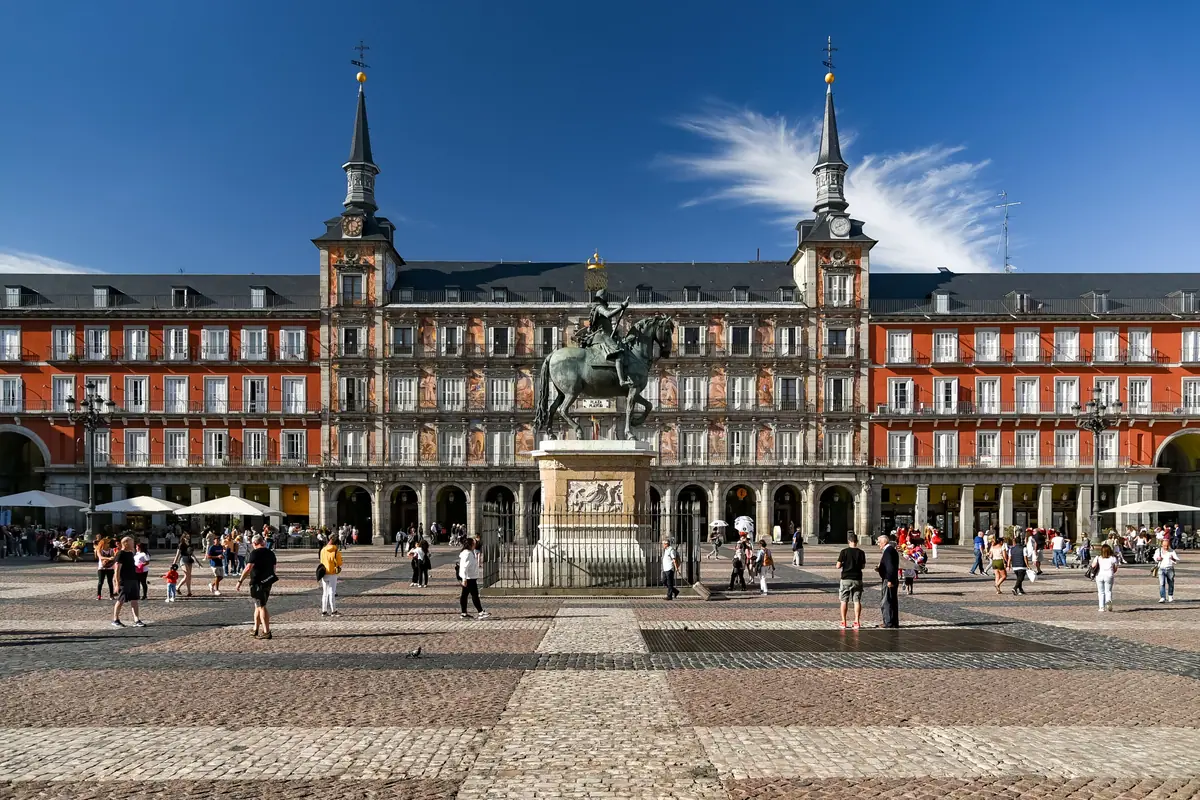
Spring (March to May): Holy Week, Wildflowers and the Alhambra
Spring is the connoisseur's season almost everywhere in Spain. In Andalusia, March and April bring daytime temperatures in the comfortable low twenties, orange blossom in the streets of Seville, and a landscape still green before summer scorches it. This is also the season for Semana Santa, when brotherhoods carry ornate floats through cities such as Málaga, Seville and Valladolid, and for the April fair that follows a few weeks later in Seville. Hotel rooms in those cities sell out months ahead for those dates, so if processions are the point of the trip, book by January.
The Alhambra in Granada is the emblem of a Spanish spring. Its Nasrid palaces, the Generalife gardens and the Alcazaba fortress look their best with the Sierra Nevada still snow-capped behind them, and timed-entry tickets are easiest to secure outside the July and August crush. Córdoba's Mezquita, with its forest of columns and arches, pairs naturally with the city's May patio festival, when private courtyards open to visitors and the old town smells of jasmine and geraniums.
Further north, spring arrives later but rewards patience. Barcelona in April and May is warm without being sticky, ideal for the Sagrada Família, Park Güell and the Gothic Quarter, and for day trips into the Penedès wine country. Madrid in March and April offers long, bright terrace evenings around the Plaza Mayor and the Royal Palace, with the Prado, Reina Sofía and Thyssen museums comfortably uncrowded on weekday mornings. Expect a 20–30% dip in room rates compared with June.
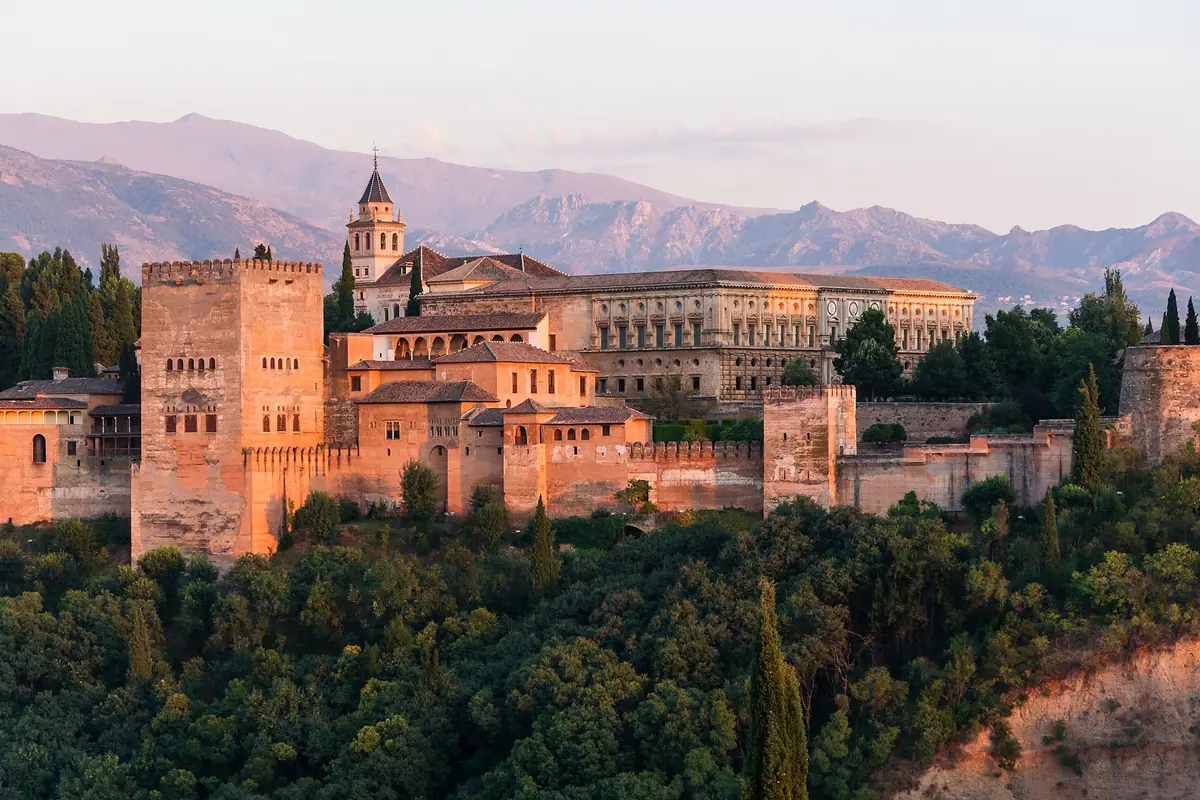
Summer (June to August): Coastal Peak Season and Inland Heat
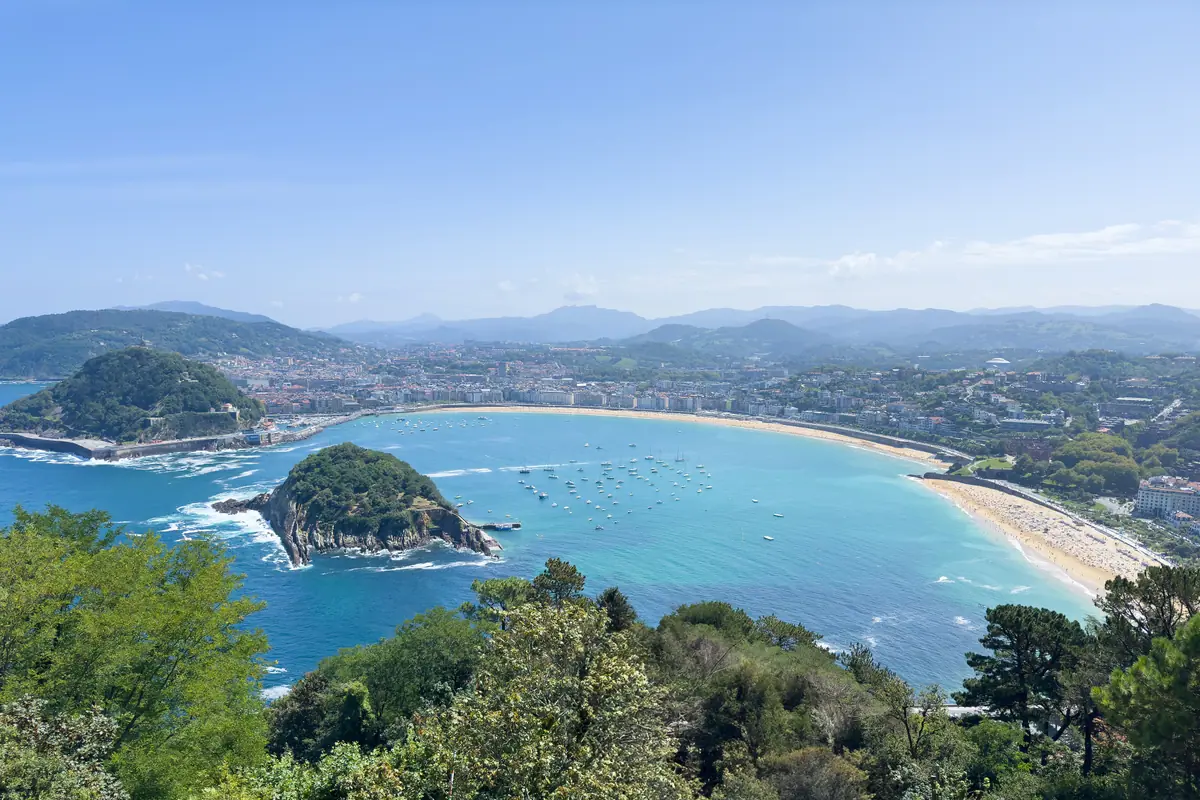
Summer is when Spain becomes the country of the postcard: packed beaches, open-air fiestas, and a hotel market that runs at full throttle from late June to the last week of August. The Mediterranean coast, the Balearic Islands and the Canaries are at their most reliable, with sea temperatures from around 22°C in June to 26°C by August. On the Costa Brava, the Costa del Sol and around San Sebastián's La Concha bay, seafront hotels often require three- to seven-night minimum stays in high summer.
The trade-off is heat and crowding inland. Seville, Córdoba and Madrid can be genuinely punishing in July and August, with many traditional restaurants closing for lunch and reopening only after 9pm; sightseeing shifts to early morning and late evening. If you do visit the interior in midsummer, choose a hotel with real air conditioning, a pool, or thick stone walls in an old quarter, and plan around the middle of the day rather than fighting it. Northern Spain — Galicia, Asturias, the Basque Country — stays cooler and greener, though you should pack for rain even in July.
Summer is also festival season, which cuts both ways. The Running of the Bulls in Pamplona, the Feria de Málaga, the Tomatina near Valencia and countless local romerías fill hotels weeks in advance. Book coastal and festival accommodation by February or March for the best choice; late bookers pay premium rates for whatever is left, often far from the beach or the old town.
Autumn (September to November): Warm Seas and Comfortable Cities
Many seasoned visitors consider September and October the finest months of the Spanish year. The sea is at its warmest after a long summer, the crowds thin sharply once Spanish schools return in the second week of September, and daytime temperatures settle into the mid-twenties across most of the country. On the Balearic Islands and the Costa Brava, September swimming is often better than July's, while hotel rates drop noticeably from their August peak.
Inland, autumn is prime city-break weather. Madrid in October is made for wandering between the Royal Palace, the Retiro Park and the art museums, and for long dinners in the La Latina and Malasaña neighbourhoods. Barcelona's Sagrada Família, Casa Batlló and the Picasso Museum are far more pleasant without summer queues, and the harvest brings wine-region escapes to La Rioja around Logroño and to the Ribera del Duero. Santiago de Compostela draws pilgrims through October, filling the small hotels around the cathedral.
November is the quietest and cheapest month of the shoulder season, though it is also the wettest in the north and the greyest in the centre. It is an excellent time for a food-focused trip: truffle season in Soria and Teruel, chestnut fairs in Galicia, and the arrival of new olive oil across Andalusia. If your priority is a characterful hotel in a historic building at a fair rate, this is the month that delivers.

Winter (December to February): City Breaks, Ski Slopes and Andalusian Sun
Winter splits Spain cleanly in two. The northern half is cold, damp and sometimes snowy; the Mediterranean south stays mild enough for lunch outdoors, with Seville and Málaga often reaching 16–18°C in January. This makes winter the season for Andalusian city breaks: the Alhambra in low light, Córdoba's Mezquita without crowds, and the Alcázar of Seville, whose gardens remain green while northern Europe freezes. It is also the only time of year when you can book some of Spain's most famous historic hotels at reasonable rates.
In the north and centre, winter is for cities and snow. The Prado and the Guggenheim in Bilbao are at their most civilised in December and January, and Christmas markets fill the plazas of Madrid, Barcelona, Valencia and Granada through early January. In the Pyrenees and the Sierra Nevada above Granada, ski resorts open from roughly early December to mid-April, and slope-side hotels book out over Spanish holidays such as the long weekend around 6 December and the Epiphany on 6 January.
The Canary Islands are the reliable exception: Lanzarote, Tenerife and Fuerteventura stay warm enough for swimming through the winter, and this is when northern Europeans descend on their resorts. Book those hotels early for the Christmas and New Year weeks, when prices peak, and consider late January or February instead for the same sunshine at a calmer pace.
Matching Your Hotel to the Spanish Calendar
Once you know your region and season, timing the booking matters almost as much as timing the trip. Spanish holiday periods drive demand hard: Semana Santa, the August exodus, the December long weekend, Christmas and New Year, and the major local ferias. For those windows, reserve three to six months ahead, especially in Seville, Granada, San Sebastián, Barcelona and Madrid. Outside them, two to six weeks is usually enough, and last-minute travellers can find genuine bargains in November, late January and February.
Think about what the building itself does across the year. Old quarter hotels in Córdoba, Toledo and Granada may have interior rooms that stay cool in summer but lack views; coastal hotels in San Sebastián, Cadaqués and the Balearics sometimes close entirely from November to March. Rural casas rurales in Extremadura, Asturias and La Rioja often shut in midwinter, while paradores housed in castles and monasteries in places like Cardona, Sigüenza and Úbeda run year-round and are worth the splurge in low season.
Finally, build the trip around daylight and local rhythm rather than a fixed checklist. Spain eats late, sleeps after lunch, and celebrates loudly; a hotel near a plaza in July means noise until 2am, and the same room in February means silence. Choose the month that matches the Spain you want — blossom and processions in spring, beaches and fiestas in summer, harvest and museums in autumn, city lights and ski slopes in winter — and book the room accordingly.
Frequently asked questions
What is the cheapest month to stay in a hotel in Spain?
November and late January to February are generally the cheapest, outside Christmas, New Year and the December long weekend. Coastal hotels on the Costa Brava and in parts of the Balearics may close entirely in winter, so you will find the best value in major cities and in rural inland regions.
When should I book a hotel in Seville for Semana Santa?
Semana Santa and the April fair are the two most demanding weeks of the Andalusian year. Reserve three to six months ahead, and be prepared for minimum-stay requirements and much higher rates in the historic centre around the cathedral and the Alcázar.
Is August a good time to visit Madrid or Seville?
It is the hardest month inland, with temperatures often above 38°C and many family-run restaurants closed for holidays. If you go, prioritise hotels with air conditioning and a pool, sightsee before 11am and after 8pm, and consider the cooler north instead — Galicia, Asturias and the Basque Country.
Which parts of Spain are warm enough to swim in winter?
The Canary Islands are the main option, with Lanzarote, Tenerife and Fuerteventura warm enough for the sea through December and January. On the mainland, the Andalusian coast around Málaga and Nerja is pleasant for walking and terraces but usually too cool for comfortable swimming.
How far ahead should I book coastal hotels for July and August?
For beach destinations such as San Sebastián, Cadaqués, the Costa Brava and the Balearic Islands, book by February or March. Seafront properties often set three- to seven-night minimum stays in high summer, and the best-located rooms disappear first.
Sort the rest of your trip
Everything for Spain, in one place
Transfer in Spain
Private driver waiting on arrival — no queues, no surprises.
Book a transfer
Things to do in Spain
Skip-the-line tickets, guided tours and standout experiences.
See experiences
Stay online in Spain
Travel eSIM — data the moment you land, no roaming bills.
Get an eSIM