Slovakia packs an improbable amount into a small country: a Danube capital with a hilltop castle, Gothic cathedral squares in the east, and the jagged High Tatras rising straight out of the forest. Where you sleep shapes the trip here, because the best hotels sit inside spa towns, castle villages and mountain resorts rather than on the highway between them.
Bratislava: Where to Stay in Slovakia's Compact Capital
Bratislava rewards travellers who book inside the pedestrian old town. From Hlavné námestie, the main square, you can walk in minutes to the 14th-century Michalská brána (Michael's Gate), the pastel Old Town Hall, the Primate's Palace and St. Martin's Cathedral, where Hungarian monarchs were once crowned. Boutique hotels occupy restored burgher houses here, and while rooms are small and views often face a courtyard, you get the whole historic centre on foot before breakfast.
Across the Danube, the Petržalka side gives you modern towers, river views and easy access to the UFO-shaped bridge deck on Most SNP, with its observation platform and restaurant. Above the river on the old-town side stands Bratislava Castle, the white four-towered fortress that dominates every postcard; the climb through the terraced gardens takes about fifteen minutes from the centre and is worth doing at sunset. A short bus ride west brings you to Devín Castle, a romantic ruin sitting exactly where the Morava meets the Danube, with Austria visible across the water.
Practical notes: the airport is roughly fifteen minutes from the centre, and Vienna is about an hour away by train, so the city works as a two- or three-night stop rather than a long stay. Hotel demand spikes hard for the Christmas markets, which run from late November through December, and again on weekends in spring. If you want a quiet room, ask for a courtyard side — the old town's bar streets stay lively well past midnight.
Košice and the East: Gothic Grandeur and Spiš Castle
Košice, Slovakia's second city, has the country's largest Gothic church: St. Elizabeth Cathedral, whose soaring nave and tiled roof anchor Hlavná ulica, one of the most handsome pedestrian streets in Central Europe. Along the same promenade you'll pass the Singing Fountain, the neo-Gothic St. Urban's Tower, Jakab's Palace and the East Slovak Museum. Hotels here are often converted townhouses and former aristocratic residences, which means high ceilings, thick walls and courtyards — and prices noticeably gentler than in the capital.
East of Košice lies the region's showpiece: Spiš Castle, a vast hilltop complex spread over four hectares and one of the largest castle sites in Europe. Nearby Levoča keeps its medieval walls and the master-carved altarpiece in St. James Church, while Kežmarok adds a castle and a remarkable wooden church. Further north, Bardejov's UNESCO-listed square and spa district make a gentle overnight stop.
For active travellers, Slovenský raj (Slovak Paradise) is the highlight: narrow limestone gorges threaded with iron ladders, chains and walkways, best tackled between May and October. Dobšinská Ice Cave, permanently frozen and open in the warmer months, sits within reach of the same area. Trains from Bratislava to Košice take around four and a half hours, so many visitors break the journey at Poprad and base themselves there for both the Tatras and the eastern castles.
The High Tatras: Mountain Hotels Above the Clouds
The High Tatras are Central Europe's alpine surprise — a compact range with more than twenty peaks above 2,500 metres. Accommodation clusters in three resort villages: Štrbské pleso, with its lake and groomed cross-country trails; Starý Smokovec, the historic hub with grand spa hotels and a funicular up to Hrebienok; and Tatranská Lomnica, the departure point for cable cars to Skalnaté pleso and on to Lomnický štít, one of the highest cable-car stations in Europe.
Hotel styles range from restored belle-époque spa houses with thermal pools to timber guesthouses and self-catering apartments. Serious hikers trade one night of comfort for a mountain hut — places like Rainerova chata, Téryho chata and Zbojnícka chata — which are basic, communal and booked out months in advance for summer weekends. Whichever you choose, the reward is the same: you step out of the door onto marked trails, with Gerlachovský štít, the country's highest peak, and Rysy on the Polish border visible on clear days.
Timing matters enormously. Hiking season runs roughly June to September, with July and August the busiest and thunderstorms common in the afternoons — start early. Late September and early October bring golden larch forests and far fewer people. Winter, from December to March, turns the resorts into ski and snowshoe country. Weather flips fast at altitude, so pack layers and check conditions the morning you set out.
Spa Towns and Fairytale Castles: Piešťany, Trenčín, Bojnice and Orava
Slovakia's spa tradition is genuinely old, and Piešťany is its capital. Set on a leafy island in the Váh river, the town is built around thermal mineral springs and sulphuric mud, with colonnaded treatment houses, promenades and hotels that have hosted guests for generations. Many properties sell half-board spa packages, so it's worth asking what treatments are included rather than just comparing room rates.
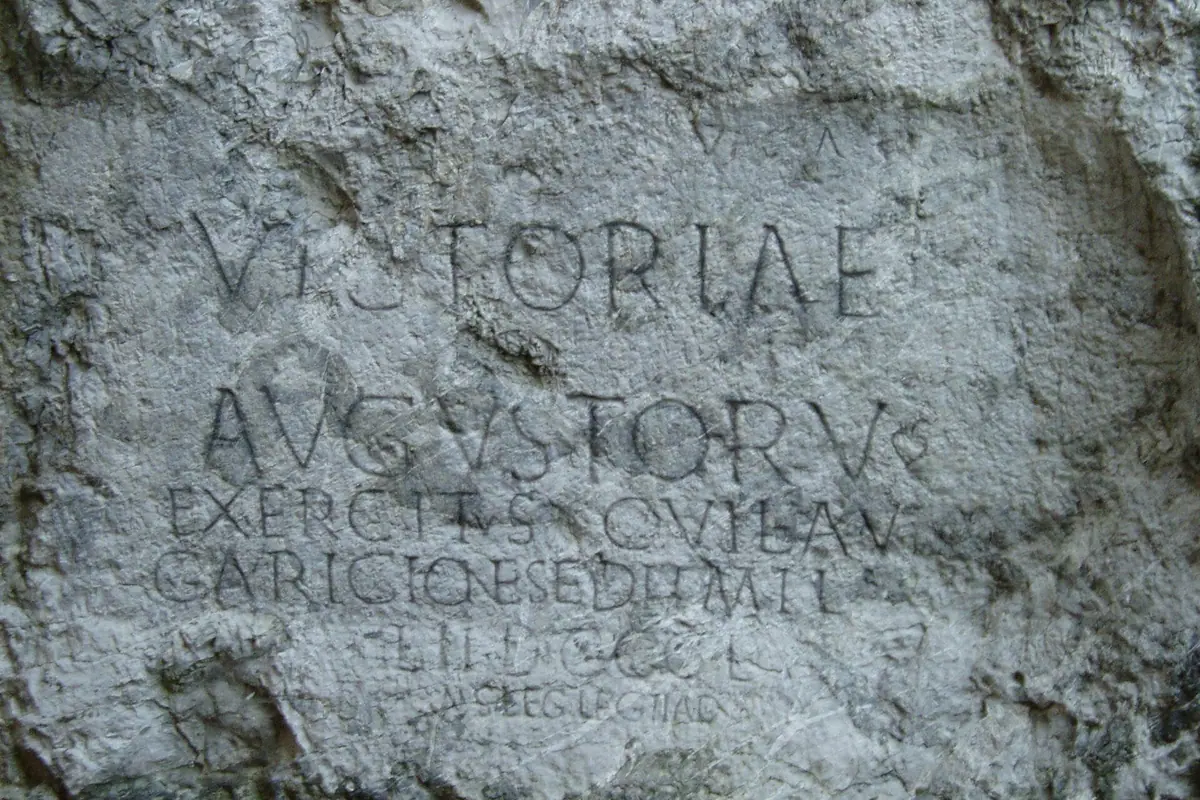
Castle lovers can string together an extraordinary route. Trenčín Castle looms over its town from a limestone crag already inscribed with a Roman legionary inscription; Bojnice Castle, with its turrets, moat and romantic interiors, is the country's most photographed; and Orava Castle clings to a rock above the river, so dramatic that early filmmakers used it as a stand-in for a vampire's castle. For a quieter stop, Beckov and Čachtice offer ruins with legends attached and few crowds.
Between castles, add the small cities that rarely make the shortlist. Trnava, sometimes called the little Rome of Slovakia, has a dense cluster of churches behind its walls, and Nitra holds a hilltop cathedral complex with views across the Danubian lowland. In all of these towns the hotel stock is modest but well kept — expect family-run guesthouses, wellness hotels with saunas and pools, and restaurants serving bryndzové halušky, the national potato dumpling dish with sheep's cheese.
Banská Štiavnica and Central Slovakia's Mining Heritage
Banská Štiavnica may be the most atmospheric place to sleep in the country. The whole town is a UNESCO World Heritage site, a tangle of Renaissance and Baroque houses, churches and mining works built on the slopes of an extinct volcano. Landmarks include the Old Castle, the New Castle with its watchtower, the Holy Trinity Column on the main square and the baroque Calvary. An open-air mining museum lets you go underground in a miner's coat and lamp. Small boutique hotels and pension-style houses occupy the old burgher buildings, and evenings are quiet enough to hear the church bells echo.
Banská Bystrica, an hour away, is a lively university city with a long, sloping main square and the Slovak National Uprising Museum, plus easy access to the Low Tatras. From here you can reach the Jasná ski area around Chopok, and the Demänovská caves — one an ice cave, one a limestone cave with coloured formations — both open seasonally to visitors.
Village stays are another option entirely. Vlkolínec, near Ružomberok, is a preserved settlement of timber houses and bell tower that feels like a step into the nineteenth century, and the Carpathian wooden churches scattered across the north and east are among the country's most moving monuments. Rural guesthouses with home cooking and a sauna are common, and they make a fine counterpoint to city hotels.
Practical Slovakia: When to Go, Getting Around and Booking Smart
For cities, castles and hiking, May, June and September are the sweet spots: mild weather, longer daylight and manageable crowds. July and August are warm and lively but the Tatras and Bratislava's old town fill up, so book well ahead for those months. Winter, roughly December to March, belongs to skiers and to Christmas-market season in Bratislava and Košice. If you want mountain views without snow gear, aim for late September, when the larch turns gold.
Getting around is straightforward by train, with Bratislava to Poprad taking about three and a half hours and the run to Košice around four and a half. Buses reach smaller spa towns and villages, but a rental car is far more convenient for castles like Spiš, Orava and Beckov, and for Vlkolínec. Be aware that historic centres are often pedestrian-only or short-stay parking zones, and many hotels cannot offer on-site parking — ask before you book if you are driving.
On accommodation: mountain huts and Tatra spa hotels sell out first for ski season and public holidays, sometimes months in advance, while city hotels rarely need booking far ahead outside Christmas. City tax is charged per person per night in most Slovak towns on top of your rate, and breakfast is not always included. Finally, if you're comparing spa resorts, look at what treatments and half-board options are bundled in; the headline room price tells only part of the story.
Frequently asked questions
How many days do you need in Slovakia?
Most visitors do well with five to seven days: two or three nights in Bratislava, one or two in the High Tatras or a spa town, and a night or two in the east around Košice and Spiš Castle. Ten days lets you add Banská Štiavnica, the Low Tatras caves and a rural village stay without rushing.
Where should first-time visitors stay in Bratislava?
Stay in or immediately beside the pedestrian old town, within walking distance of Hlavné námestie, Michalská brána and St. Martin's Cathedral. It is compact, safe to walk at night and puts Bratislava Castle and the Danube embankment within a fifteen-minute stroll.
When is the best time to visit the High Tatras?
June to September is prime hiking season, with July and August busiest and afternoon storms common. Late September and early October offer golden larch forests and quieter trails. December to March is best for skiing and winter walking, when cable cars, snowshoes and proper winter clothing are essential.
Do you need a car to see Slovakia's castles and sights?
Not for Bratislava, Košice or the Tatra resorts, which are well served by trains and buses. A rental car helps a lot for Spiš Castle, Orava Castle, Beckov, Vlkolínec and smaller spa towns, but expect limited parking and pedestrian-only historic centres, so confirm parking with your hotel in advance.
Are hotels in Slovakia good value?
Yes, generally — family-run guesthouses, spa hotels and converted townhouses often cost noticeably less than comparable stays in neighbouring Austria or the Czech Republic. Watch for the per-person city tax added on arrival, and check whether breakfast, spa access or half-board is bundled, since packages can change the real value considerably.
Sort the rest of your trip
Everything for Slovakia, in one place
Transfer in Slovakia
Private driver waiting on arrival — no queues, no surprises.
Book a transfer
Things to do in Slovakia
Skip-the-line tickets, guided tours and standout experiences.
See experiences
Stay online in Slovakia
Travel eSIM — data the moment you land, no roaming bills.
Get an eSIMMore guides in Slovakia
Slovakia Food, Culture and Local Experiences: A Tour Through Kolibas, Castles and Wine Cellars
Top Things to Do in Slovakia: Castles, Tatras and Cave Country
One-Week Slovakia Itinerary: Bratislava, Castle Country and the High Tatras