Slovakia packs glacier-carved peaks, UNESCO castle ruins and candlelit mining towns into a country you can cross in a single day of driving. It is a land where a morning cable-car ride to a cloud-level summit ends with dumplings and sheep cheese in a wooden mountain hut by late afternoon. Here is where to go, when to go, and what actually deserves your time.
Bratislava: A Danube Capital Made for Walking
Slovakia's capital is small enough to explore on foot in a day but layered enough to hold you for two. Start on the hill at Bratislava Castle, the white, four-towered blockhouse that dominates the skyline above the Danube, and wander down through the cobbled lanes of the Old Town to Michael's Gate — the last surviving tower of the medieval fortifications, topped with a green copper onion dome and a baroque statue of St Michael. Just off the main square, St Martin's Cathedral is where Hungarian kings were crowned for centuries, and the pink-and-gold Primate's Palace next door hides a set of rare English tapestries inside.
The Danube itself is the other half of the story. Walk the riverside embankment under the UFO-style observation deck of the SNP Bridge, then take a short bus ride east to Devín Castle, a ruined fortress perched on a cliff where the Morava and Danube rivers collide below. For something quirkier, the blue-and-white Church of St Elizabeth, painted with pastel majolica-style ornament, sits quietly in the suburbs.
Give the city a full day for the historic core and another half day for Devín, with an evening in the cellar bars around the Old Town. Most sights cluster within 15 minutes of each other, which makes Bratislava an unusually relaxed first stop before you head east.
The High Tatras: Alpine Hiking Without the Alpine Crowds
The High Tatras are the smallest alpine range in Europe and, arguably, the most rewarding per kilometre. The classic entry point is Štrbské Pleso, where a glassy glacial lake reflects pine slopes and the jagged ridge behind it; from there a marked trail climbs to Popradské pleso and onward toward the 2,499-metre summit of Rysy. On the eastern side, a cable car runs from Tatranská Lomnica via Skalnaté pleso to Lomnický štít, one of the highest cable-car stations in Europe, where you step out into thin air above the cloud line.
For gentler walking, take the funicular from Starý Smokovec to Hrebienok and follow the green trail to the Studený potok waterfalls, a staircase of cascades that freezes into an ice wall in winter. Serious hikers push on to Zbojnícka chata, a hiker's hut at 1,960 metres where bunk beds and lentil soup reward a long ascent. Gerlachovský štít, the country's highest peak at 2,655 metres, requires a certified guide, so it is a goal rather than a stroll.
Base yourself in Poprad for transport links, or in Tatranská Lomnica, Starý Smokovec or Štrbské Pleso to sleep under the peaks. Trails are marked but weather turns fast — start early, carry a rain shell even in July, and note that high routes close above the huts from 1 November to mid-June for chamois protection.
Slovak Paradise and the Caves of the Low Tatras
South-east of the Tatras lies Slovenský raj, or Slovak Paradise, a karst plateau laced with gorges that you climb using iron ladders, chains, wooden footbridges and rock steps bolted directly into the walls. The Suchá Belá gorge is the signature route — expect wet boots, borrowed gloves and about four hours of scrambling past waterfalls. Higher up, the meadow clearing of Kláštorisko holds the foundations of a medieval Carthusian monastery and a simple mountain lodge.
The underground counterpart is just as dramatic. Dobšinská Ice Cave in the Slovak Paradise holds one of Europe's largest ice fills, with floors and chambers that stay frozen year-round; bring a jacket even in August, since the guided tour runs about 30 minutes at temperatures close to freezing. Further west, the Demänovská Cave of Liberty and the Demänovská Ice Cave open into the limestone of the Low Tatras, part of a cave system that stretches for kilometres underground.
Above those caves, the Low Tatras ridge offers the country's biggest ski area around Jasná and Chopok, with groomed runs in winter and ridge walks along the tatranská magistrála in summer. The valley towns of Liptovský Mikuláš and Ružomberok make practical, affordable bases, and the thermal pools scattered through the Liptov region are the standard remedy for sore hiking legs.
Spiš Castle, Levoča and the Gothic East
Eastern Slovakia holds the country's most spectacular single sight: Spiš Castle, an immense ruined fortress spread across a limestone hilltop, listed as a UNESCO World Heritage Site and among the largest castle complexes in central Europe. Give it three hours to walk the ramparts, climb the tower and look down over the villages below. Ten minutes away, the town of Spišské Podhradie and the surreal, whitewashed Spiš Chapter House sit at the foot of the hill.
Nearby Levoča is a perfectly preserved medieval town ringed by walls, with a main square of Renaissance and Gothic burgher houses and the Basilica of St James, home to the tallest wooden altar in the world, carved by Master Pavol of Levoča. Kežmarok's castle and its wooden articular church — an entirely timber Protestant church from 1717 — are an easy add-on, as is the Gothic basilica of St Elizabeth and the Singing Fountain in Košice, Slovakia's second city.
Push further east and north to Bardejov, another UNESCO town with a fortified church square, and to the wooden churches of the Carpathians, including the tiny painted church at Hervartov. This region rewards a car: buses connect the towns but are slow, and the best rural churches sit at the end of narrow valley roads.
Castles, Spa Towns and Mining Heritage in the West
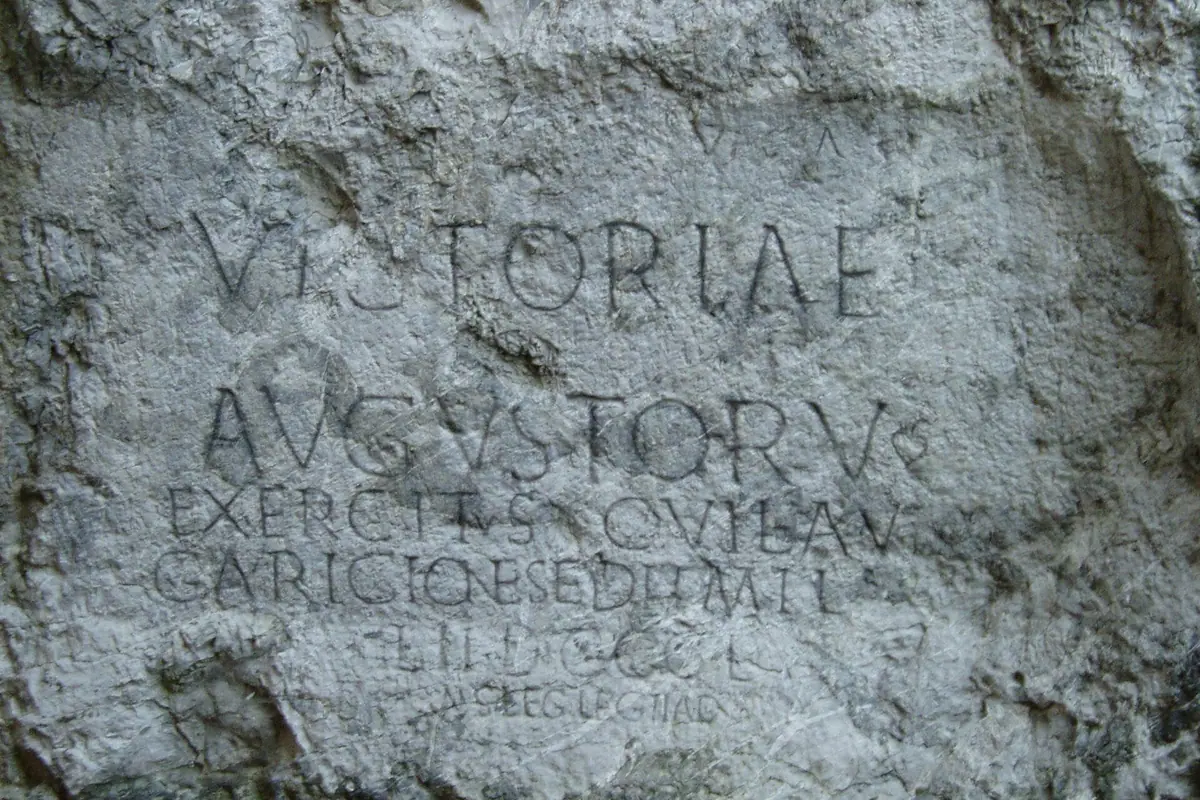
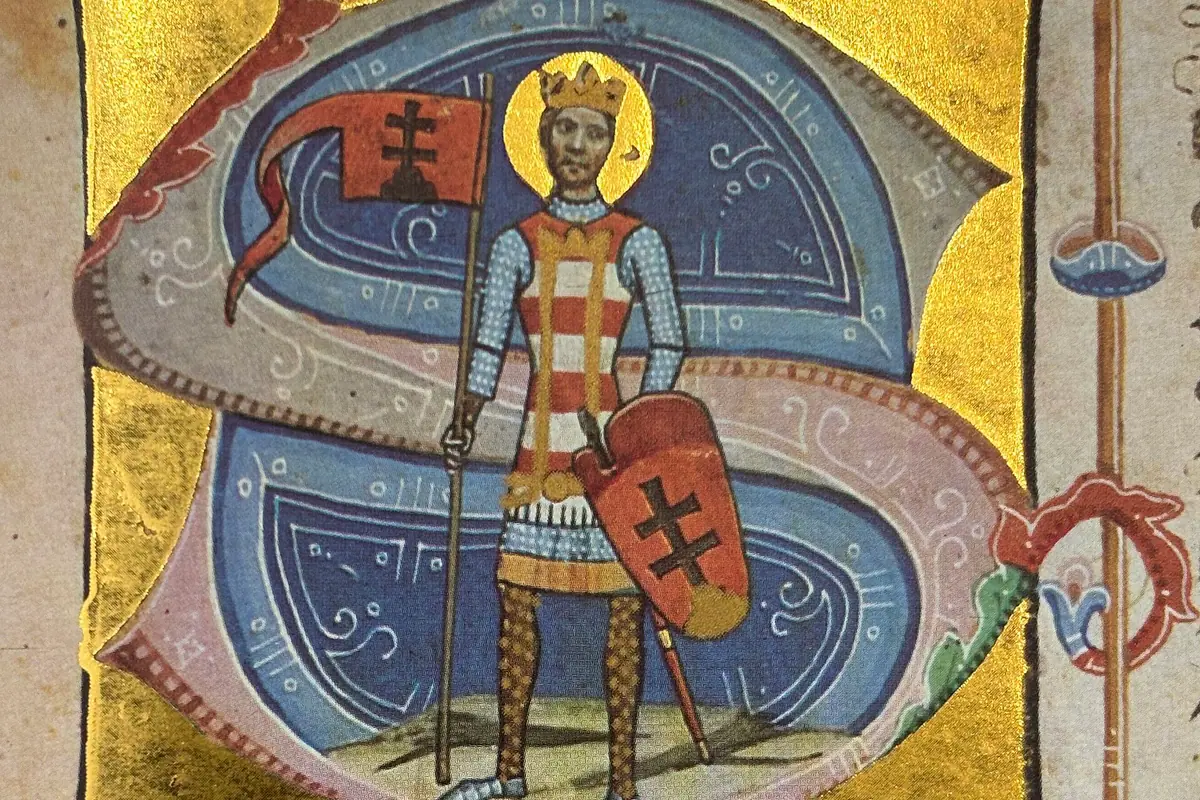
Western and central Slovakia is castle country. Bojnice Castle is the fairy-tale one — a romantic turreted palace with a moat, a boating lake and a collection of ornate interiors that leans heavily into legend. Trenčín Castle broods over the Váh river with a Roman inscription carved into the rock beneath it, Orava Castle clings to a cliff above the Orava river like something from a silent film, and the ruins of Čachtice Castle sit on a lonely ridge tied to the story of Elizabeth Báthory.
For heritage of a different kind, head to Banská Štiavnica, a UNESCO-listed former silver-mining town built into a volcanic caldera, with Baroque squares, a Calvary hill and mine tunnels you can tour underground. Nearby Vlkolínec is a preserved folk village of timber houses still lived in, and Čičmany is famous for the white geometric patterns painted across its wooden cottages.
When your legs give out, Slovakia's spa culture takes over. Piešťany has been drawing visitors to its warm mineral springs and sulphurous mud for two centuries, and the thermal parks of the Liptov and Dunajská Streda regions offer outdoor pools warm enough for winter soaking.
When to Go, What to Eat and How to Get Around
May, June and September are the sweet spots: trails in the High Tatras are open, the caves run their full schedule and the towns are busy but not overwhelmed. July and August bring the warmest weather and the heaviest crowds in the Tatras and Slovak Paradise, so start hikes by 7am. Late September into October turns the beech forests gold and is arguably the best time for castle hopping. Winter belongs to skiers at Jasná and the Tatras resorts, plus the Christmas markets in Bratislava and Košice.
Eat locally: bryndzové halušky, potato dumplings folded through sheep's cheese and topped with bacon, is the national dish; look also for kapustnica (sour cabbage soup), lokše potato flatbreads, and sheep-cheese spreads with rye bread. In the mountains, hiker's huts serve hearty, inexpensive one-pot meals, and small family-run penzióny are the standard accommodation outside the cities.
Trains handle the main corridors — Bratislava to Poprad, Košice and Žilina — while buses reach the villages the rails miss. A car gives you real freedom for Spiš, Bardejov and the wooden churches, and roads are generally quiet and well maintained. Allow three days for Bratislava and the west, three to four days for the Tatras and caves, and two days for the eastern castles.
Frequently asked questions
How many days do you need to see Slovakia properly?
A week is the minimum for a satisfying loop: two days in Bratislava and the surrounding castles, two or three days in the High Tatras and Slovak Paradise, and two days for Spiš Castle, Levoča and Košice. Ten days lets you add Banská Štiavnica, Bojnice and the eastern wooden churches without rushing.
What is the best time of year to visit the High Tatras?
Mid-June to mid-September for high-altitude hiking, with late June and September offering the best balance of open trails and smaller crowds. Winter (December to March) suits skiers around Jasná and Tatranská Lomnica. Many high trails above the mountain huts stay closed from November until mid-June.
Which castles in Slovakia should not be missed?
Spiš Castle for sheer scale, Bojnice Castle for romantic architecture and interiors, Orava Castle for its cliff-top drama, Trenčín Castle for Roman history carved into the rock, and Devín Castle for its riverside setting near Bratislava. Banská Štiavnica's old town and Vlkolínec's timber village round out the UNESCO list.
Is Slovakia easy to travel without a car?
Yes along the main spine — trains link Bratislava, Žilina, Poprad and Košice frequently, and buses and mountain trams serve the Tatras resorts well. A car becomes genuinely useful for Spiš Castle, Bardejov, Čičmany and the scattered wooden churches, where public transport is slow and infrequent.
Do you need a guide to climb Gerlachovský štít or hike Slovak Paradise?
Gerlachovský štít, Slovakia's highest peak, legally requires a certified mountain guide, and the same applies to a few strictly protected Tatras routes. Slovak Paradise's gorge trails are open to independent hikers, but they involve ladders, chains and wet rock, so bring grippy shoes, gloves and a head for heights.
Plan it — experiences in Slovakia
Live search, booked directly with trusted providers.
Sort the rest of your trip
Everything for Slovakia, in one place
Stay in Slovakia
Hotels, guesthouses and apartments — compared in one search.
Search hotels
Transfer in Slovakia
Private driver waiting on arrival — no queues, no surprises.
Book a transfer
Stay online in Slovakia
Travel eSIM — data the moment you land, no roaming bills.
Get an eSIMMore guides in Slovakia
Where to Stay in Slovakia: Hotels and Must-See Sights from Bratislava to the High Tatras
Slovakia Food, Culture and Local Experiences: A Tour Through Kolibas, Castles and Wine Cellars
Top Things to Do in Slovakia: Castles, Tatras and Cave Country