Saint Vincent and the Grenadines is a necklace of thirty-odd islands scattered across the eastern Caribbean, close enough together that you can hop between them by tiny aircraft in less time than it takes to finish a rum punch. This one-week itinerary uses those short inter-island flights as its spine, pairing volcano country on St Vincent with the yacht-filled anchorages of Bequia, the discreet glamour of Mustique and the turtle-filled shallows of the Tobago Cays.
Flights First: Arriving and Understanding Island-Hopping
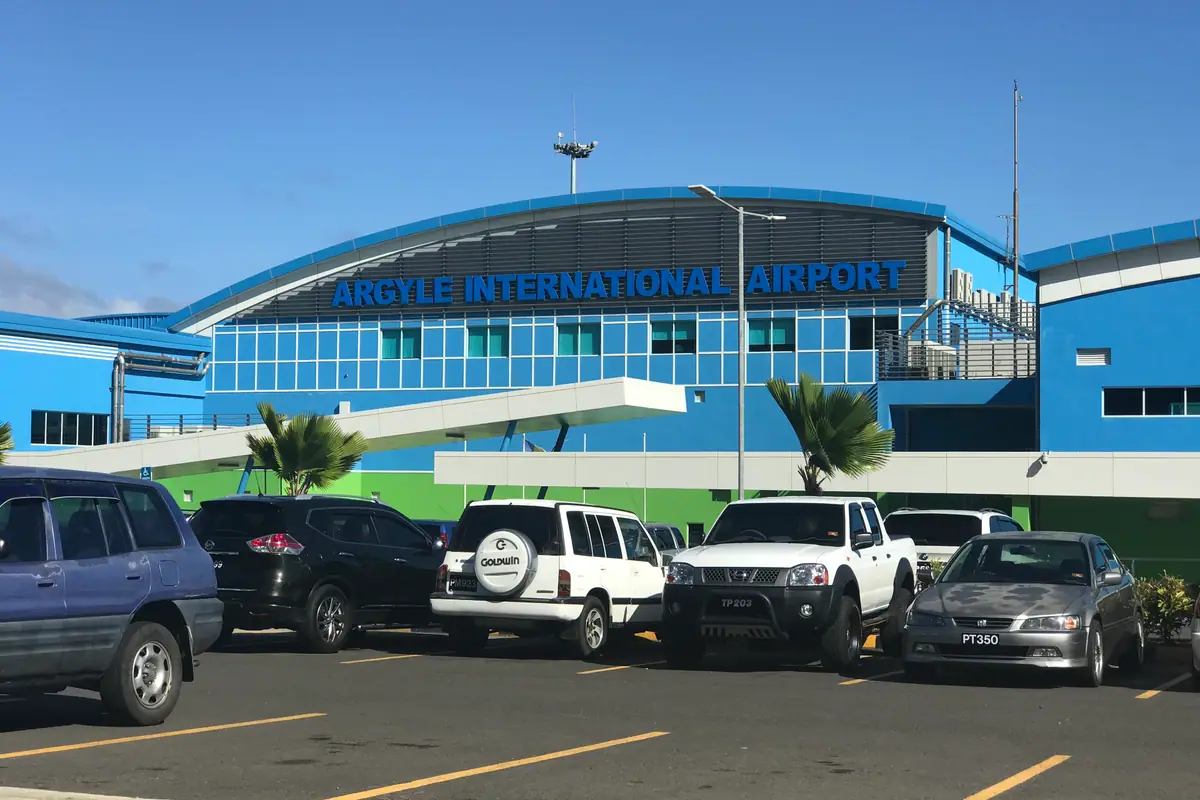
Almost every trip begins at Argyle International Airport, which sits on St Vincent's windward coast about a 25 to 30-minute drive from Kingstown over the ridge. It receives direct long-haul arrivals from North America and Europe as well as regional connections through neighbouring Caribbean hubs. Beyond it, the Grenadines are served by small airstrips — Bequia's J.F. Mitchell field, Mustique, Canouan and Union Island — so you can often land and fly onward the same afternoon.
Inter-island hops use small twin-engine aircraft carrying a dozen or so passengers, and the flights are delightfully short: roughly ten minutes to Bequia or Mustique, fifteen to Canouan, twenty to Union Island. Hold baggage is weighed and usually capped around 30 pounds per person, and soft-sided bags are far easier to stow. Weather can shuffle schedules, so favour morning departures and keep a buffer before any onward international flight.
Ferries are the cheaper, slower alternative: the Kingstown to Bequia crossing takes about an hour, and fast ferries run several times weekly to Canouan and Union Island. A smart compromise is to fly outbound to maximise daylight and sail back. Aim for the dry season between December and April, and book early if your dates collide with the Bequia Easter Regatta or Vincy Mas carnival in July.
Days 1–2: Kingstown, Fort Charlotte and the Leeward Road
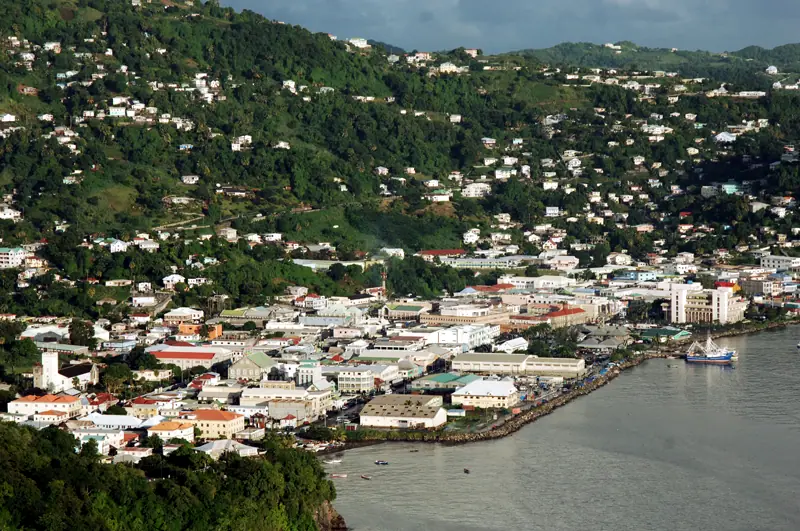
Give the capital a full day before you leave St Vincent. Kingstown is compact and walkable, with the twin-towered St George's Cathedral, its stained-glass windows glowing above Grenville Street, and a produce market that hums loudest on Saturday mornings with breadfruit, plantains, nutmeg and cocoa. Do not miss the St Vincent Botanical Gardens, founded in 1765 and the oldest of its kind in the western hemisphere, where towering palms shelter descendants of the breadfruit trees brought here in the 18th century.
Above the town, Fort Charlotte was completed in 1806 on a ridge some 600 feet over the harbour. The restored ramparts, old cannons and interpretive signs are worth half an hour, but the real draw is the panorama: Kingstown's red roofs below, the Grenadines strung out to the south and, on a clear day, Bequia on the horizon. Entry is modest and it is quietest in the early morning.
Spend the afternoon driving the leeward coast. Dark View Falls tumbles in twin cascades behind a bamboo footbridge, reached by a ten-minute walk, and nearby Wallilabou Bay mixes fishing boats with the weathered remains of an old film set. Further north, the Falls of Baleine can only be reached by boat, so charter a small craft if you want to swim beneath the 80-foot drop before checking into a guesthouse around Layou or Barrouallie.
Day 3: La Soufrière and the Windward Coast
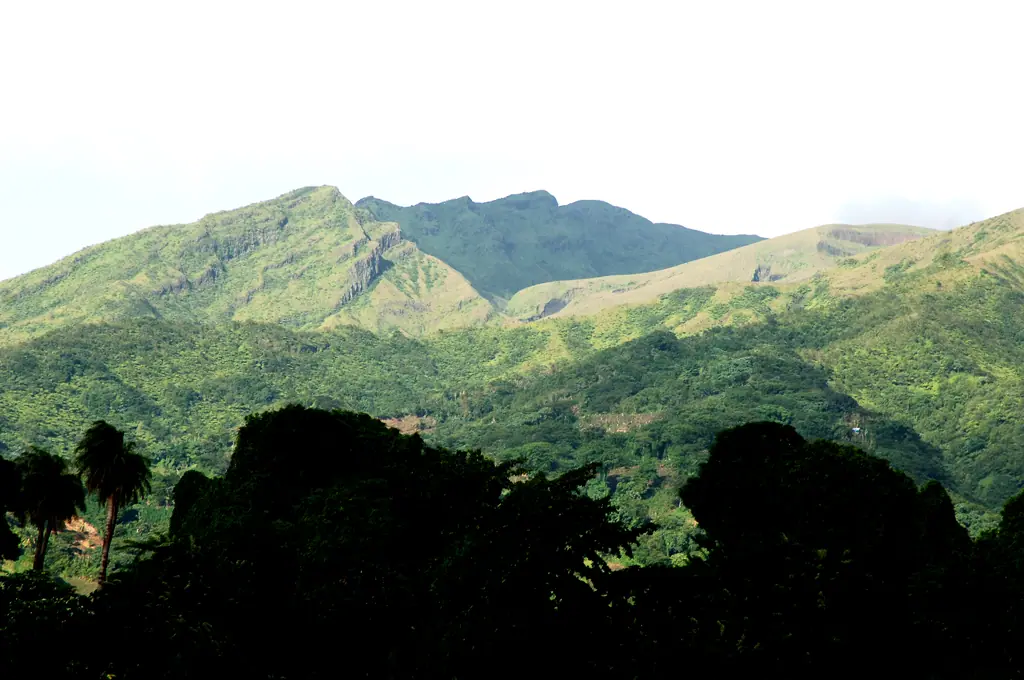
St Vincent's highest point is La Soufrière, a live volcano rising to 4,049 feet. The most direct route is the Rabacca trail on the windward side, roughly four to five hours round trip with a local guide arranged in Georgetown. Start at first light to beat the heat, wear shoes you don't mind ruining, and expect loose ash, sulphurous steam and a crater rim that was dramatically reshaped by the 2021 eruption — the surrounding slopes are already greening back.
Coming down, follow the coast through Owia, where the Owia Salt Pond forms a natural tidal rock pool ringed by black volcanic boulders. The drive back via Mesopotamia, the island's so-called breadbasket, rolls past nutmeg, cocoa and banana plots and rewards you with views into deep green valleys.
If the volcano sounds too strenuous, swap it for the Vermont Nature Trail instead. This two-mile loop through rainforest takes about 90 minutes to two hours and is your best chance of spotting the endemic St Vincent parrot, along with the whistling warbler. Go early, take water and hire a guide at the trailhead for the sharpest eyes.
Days 4–5: Bequia by Air or Sea
Ten minutes in the air or an hour on the ferry brings you to Bequia, the largest of the Grenadines and the easiest to love. Port Elizabeth curls around Admiralty Bay, where schooners and catamarans swing at anchor and workshops still turn out hand-carved model boats. The Belmont Walkway traces the waterfront from town to Princess Margaret Beach and on to Lower Bay, which many visitors rate as the best swimming on the island.
In Park Bay, the Old Hegg Turtle Sanctuary raises hawksbill hatchlings and releases them, and a small donation buys you a genuinely informative visit. Divers and snorkellers should ask locally about the reefs off Devil's Table and the curious stone arches at Moonhole, a private but photogenic settlement on the wilder west coast.
April brings the island's famous Easter Regatta, when the bay fills with racing yachts and the whole place parties. Outside that week, December to April offers the steadiest sunshine. Base yourself in or near Port Elizabeth so you can walk to dinner, and use taxis or water taxis for the outlying beaches.
Days 5–6: Mustique, Canouan and Mayreau
Another short flight lands you on Mustique, a 1,400-acre private island where the airstrip, the cottages and the beaches are all carefully managed. Day access has to be arranged in advance, and casual wandering isn't the point — this is a place to settle into a lounger at Macaroni Beach, swim in Britannia Bay and watch the sunset with a sundowner before flying out.
Canouan feels calmer and more accessible, a three-and-a-half-square-mile island with a jet-capable airstrip, a striking golf course on the hills and the long, sheltered sweep of Godahl Bay. Climb to Mount Royal for the view, snorkel the reefs on the Atlantic side in settled weather, and appreciate how empty the roads feel compared with St Vincent.
Mayreau is the smallest inhabited island in the chain, home to a few hundred people and no airstrip, so you reach it by boat from Canouan or Union Island. Saltwhistle Bay is the postcard: a crescent of sand with palms leaning over both sides of a narrow neck of land. Walk up to the church at Station Hill for a panorama over the Tobago Cays.
Days 6–7: Tobago Cays, Union Island and the Flight Home
Save the best for last. The Tobago Cays Marine Park protects five uninhabited cays inside a horseshoe reef, and the water between them is the colour of a swimming pool. Day trips by boat or catamaran run from Union Island and Mayreau, and the snorkelling over the shallows regularly turns up green turtles, rays and shoals of sergeant majors. There is no accommodation on the cays, so plan it as a day out and bring reef-safe sunscreen and cash for park fees.
Union Island itself is worth an afternoon: Clifton Harbour is the busy little hub, Ashton on the Atlantic side is a kite-surfing magnet, and Chatham Bay offers a quiet, hilly hike between the two. If your timing is lucky, Easterval in April fills the island with music, sailing and a lively regatta atmosphere. Offshore, the man-made Happy Island is a famously photogenic spot for a sunset drink.
From Union Island the flight back to Argyle takes about twenty minutes, but leave a full day's buffer before any international departure — small planes and afternoon showers don't always cooperate. Check in well ahead, keep bags soft and light, and spend your last hours on St Vincent revisiting the Botanic Gardens or picking up spices in Kingstown market.
Frequently asked questions
How do you travel between the islands of Saint Vincent and the Grenadines?
Small twin-engine aircraft link St Vincent's Argyle International Airport with Bequia, Mustique, Canouan and Union Island in hops of roughly ten to twenty minutes. Ferries are slower and cheaper — about an hour from Kingstown to Bequia — with fast ferries running several times a week to Canouan and Union Island. Many travellers fly one way and return by sea.
When is the best time to visit Saint Vincent and the Grenadines?
December to April is the dry season, with steady trade winds and the most reliable sunshine. It is also the busiest period, especially around the Bequia Easter Regatta in April. June to November is hotter and wetter, with hurricane risk at its highest between August and October, though prices and crowds drop noticeably.
Do I need to book inter-island flights in advance?
Yes, particularly between December and April. Aircraft are small, seats are limited and services fill up around regattas and holidays. Baggage is weighed and usually capped at around 30 pounds per person, so pack soft-sided bags and be ready for schedule changes if showers roll through.
How hard is the hike up La Soufrière?
The Rabacca trail is the most direct route and takes most reasonably fit walkers four to five hours round trip. There is loose volcanic ash, steep sections and little shade, so start at dawn, carry at least two litres of water and hire a local guide, who will also know the current conditions on the crater rim.
How many islands can I realistically see in one week?
Four to five works well without feeling rushed: St Vincent for two days, then Bequia, one of Mustique or Canouan, and a day trip to the Tobago Cays from Union Island. Trying to add more islands usually means losing beach time to airports, ferries and check-in desks.
Plan it — flights in Saint Vincent and the Grenadines
Live search, booked directly with trusted providers.
Sort the rest of your trip
Everything for Saint Vincent and the Grenadines, in one place
Stay in Saint Vincent and the Grenadines
Hotels, guesthouses and apartments — compared in one search.
Search hotels
Transfer in Saint Vincent and the Grenadines
Private driver waiting on arrival — no queues, no surprises.
Book a transfer
Travel insurance
Medical cover, delays and lost baggage — sorted before you go.
Get covered