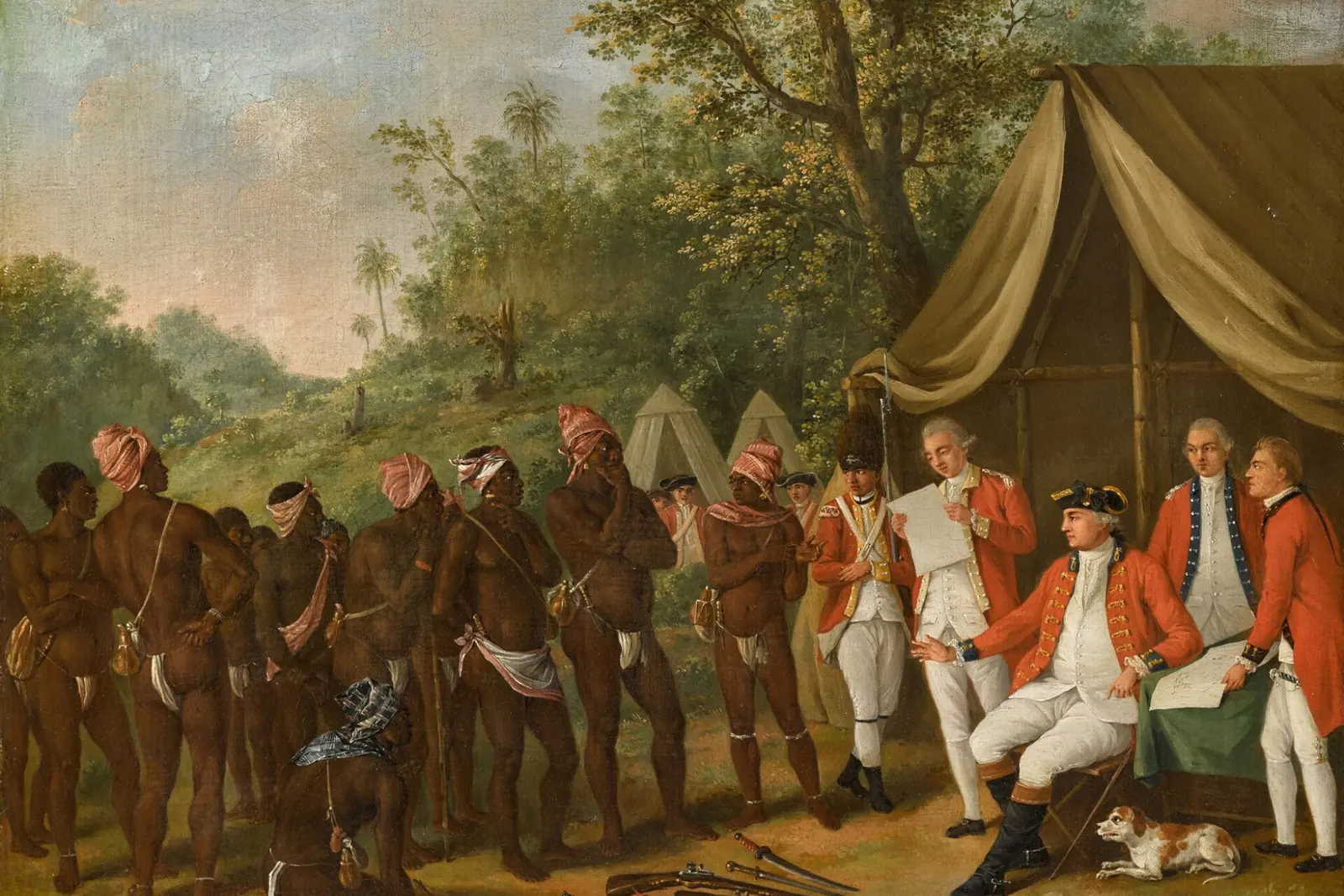
St Vincent and the Grenadines is a chain of roughly thirty-two islands and cays strung like green beads between the Atlantic and the Caribbean, and only a handful of them are inhabited. It is a country where you can eat roasted breadfruit at a roadside stall at noon, watch turtles drift over a coral reef by afternoon, and end the night in a rum shop with a domino table and a calypso on the radio. This guide is about the table, the festivals and the small everyday rituals that make a Vincy trip different from any other island holiday.
The Vincy Table: Breadfruit, Callaloo and Arrowroot
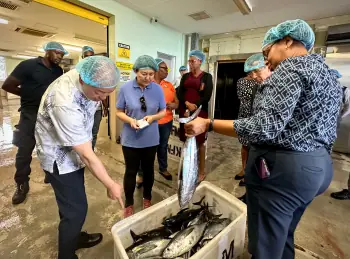
Start at the public market in Kingstown on a Saturday morning, when growers from the Mesopotamia valley and the Marriaqua hills fill the upper floor with produce. You will find breadfruit stacked like cannonballs, bundles of callaloo leaves, green figs (unripe bananas), plantains, pawpaw, soursop and, from June into August, mangoes sold by the bag. Somewhere among the yams and thyme you will also spot sacks of pale arrowroot starch — St Vincent has long been one of the world's leading producers of it, grown on the leeward side of the island and used to thicken porridge, biscuits and sauces.
The national dishes are built on what grows here. Roast jack is breadfruit cooked over an open fire until the skin blackens, then peeled and served in thick slices; you'll see fried jack, the same fruit sliced and pan-fried, alongside almost everything. Callaloo soup simmers the leaves with okra, coconut milk and salted meat; ducana is a dense, slightly sweet dumpling of grated sweet potato and coconut, wrapped in a banana leaf and boiled. Add saltfish, fried plantain and rice and you have a Sunday plate. On the leeward coast, the fishing village of Barrouallie is known for blackfish, a centuries-old catch that locals cook into rich stews, while Bequia's cooks do conch fritters and grilled lobster better than anywhere else in the Grenadines.
To drink, look for sea moss blended with milk and spices, mauby brewed from tree bark, ginger beer so strong it makes your eyes water, and sorrel, the deep red Christmas drink steeped with clove and orange peel. Coconuts are opened at roadside stalls with a machete. And the rum shops — small, brightly painted, usually with a domino table and a chorus of laughter — are the real social heart of every village. Order overproof rum, take your time, and you'll be talking to strangers within ten minutes.
Kingstown and the Leeward Coast: Arches, Gardens and Forts
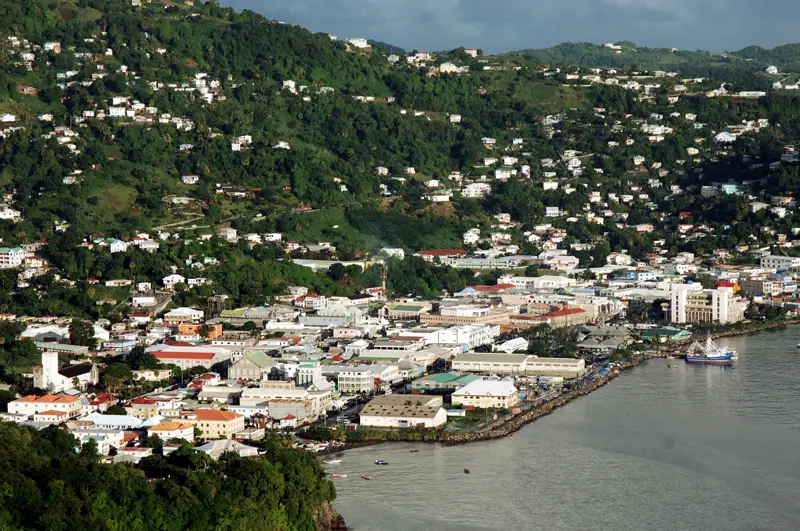
Kingstown is nicknamed the city of arches, and once you walk its narrow streets you understand why: stone buildings with arched arcades lean over the pavements, sheltering shoppers from sun and sudden rain. The Anglican cathedral with its windows of stained glass and the Roman Catholic cathedral nearby sit a few minutes apart on the hillside, and the harbourfront leads straight to the ferry terminal where boats leave for the Grenadines and the smaller bays of the leeward coast.
The St Vincent Botanical Gardens, founded in 1765, are among the oldest in the Western Hemisphere and still free to wander. Look for the descendant breadfruit trees grown from the stock brought here in the 1790s — a single plant that reshaped the diet of the entire Caribbean — along with nutmeg, mahogany and a shaded aviary holding the island's own parrot. Just above town, Fort Charlotte commands the ridge at roughly 600 feet, with old cannons, a dry moat and a view that on a clear day stretches across the water to Bequia and the Grenadines. Further south, Fort Duvernette sits atop a volcanic plug near Calliaqua, reached by a steep flight of steps and best approached by boat.
For a proper local day, take a dollar van along the Leeward Highway and stop where the fancy takes you: at Belmont Lookout for the green sweep of the Mesopotamia valley, at Layou for the river and the black-sand bay, at Buccament for a swim. These shared minibuses are cheap, frequent and cheerfully loud, and riding one is its own small cultural education.
La Soufrière, Rainforest and the Wild Atlantic Coast
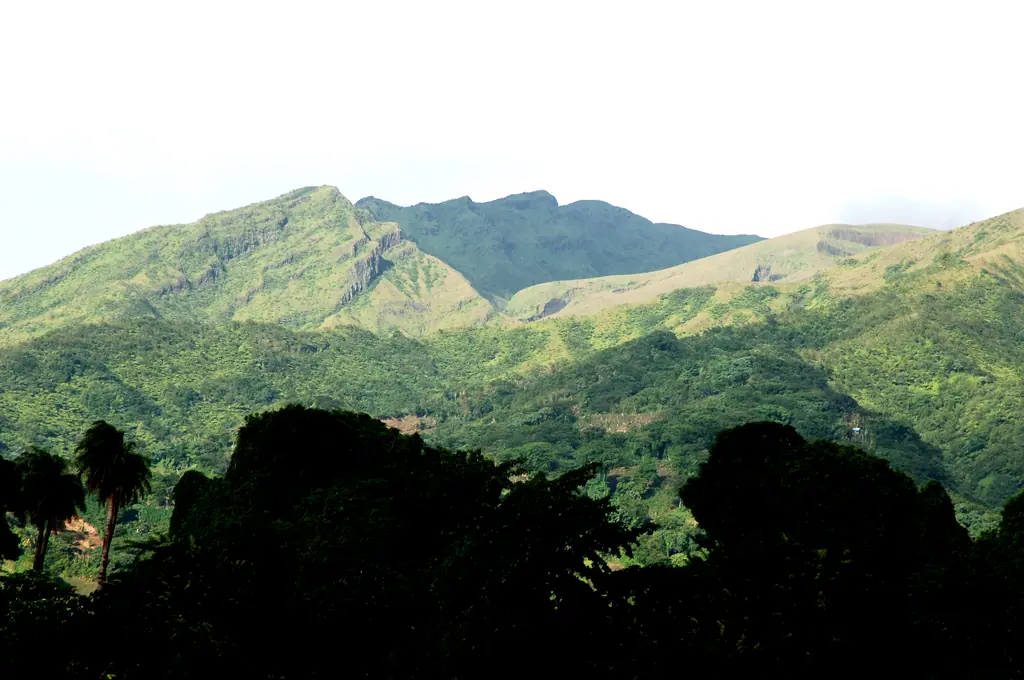
La Soufrière rises to about 1,234 metres at the northern end of St Vincent and remains active — its most recent major eruption, in April 2021, dusted the whole island in ash and reshaped parts of the windward coast. Hiking it is the country's signature adventure: a guided trek from the Rabacca side near Georgetown usually takes four to six hours round trip, starting before dawn to beat the heat and the cloud. The upper slopes smell of sulphur, the ground is warm in places, and on a clear morning the Grenadines appear as a line of blue-green stepping stones on the horizon.
For wildlife rather than geology, head for the Vermont Nature Trail in the hills above the Mesopotamia valley. The loop of a few kilometres threads through rainforest and old plantation land, and it is the best place to look for the St Vincent parrot, a spectacular green, blue, yellow and bronze bird found nowhere else on earth. Early morning gives the best odds, and local guides at the trailhead know the calls and the fruiting trees worth watching.
The Atlantic side is where the island turns dramatic. Dark View Falls near Richmond drops in two tiers, reached by a short walk and a bamboo bridge over the river. The Falls of Baleine at the far northern tip can only be reached by boat, and you swim into a cool, fern-hung gorge. Nearby you'll find Owia Salt Pond, a cluster of volcanic rock pools refreshed by the waves, and Wallilabou Bay, whose old stone wharf, arches and tumbled waterfront give it the look of a film set. Black-sand beaches such as Brighton and Cumberland line this coast, and the contrast with the calm, grey-blue Caribbean on the other side of the island is the thing that surprises visitors most.
Bequia: Model Boats, Whaling Heritage and the Easter Regatta
Bequia is the largest of the Grenadines at around seven square miles, an easy ferry hop from Kingstown — roughly an hour on the fast service, longer and far more atmospheric on the cargo boat that carries chickens, drums of fuel and island gossip. Everything gathers around Admiralty Bay and the tidy waterfront of Port Elizabeth, where dive shops, bakeries and rum bars share the shore with fishing boats.
The island's identity is bound up with the sea. Bequia has a long whaling tradition, carried out from small open boats under a limited permitted catch, and the little maritime museum in Port Elizabeth explains it with harpoons, photographs and hand-carved scrimshaw. The same boatbuilding skill shows up in the model boats sold in workshops around the harbour, and in the wooden sloops that race in the Easter Regatta, held over the Easter weekend since the late 1970s and still the biggest party in the Grenadines. Beaches are within walking distance of town: Princess Margaret Beach, reachable by a cliffside path from Port Elizabeth, and Lower Bay, where wooden bars open onto the sand and Sunday evenings bring drumming and dancing. At Park Bay on the Atlantic side, the Old Hegg Turtle Sanctuary raises hawksbill hatchlings for release, and boat trips to spot humpback whales run from January into April.
The Tobago Cays, Mayreau and the Far Grenadines
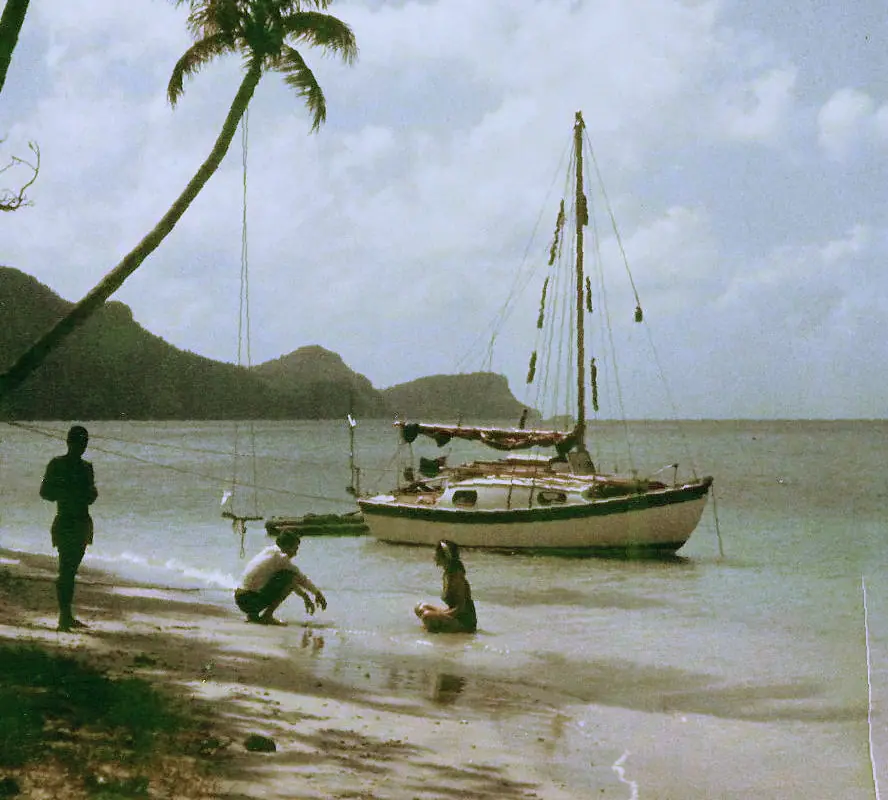
The Tobago Cays are the postcard that everyone carries home: five uninhabited cays — Petit Rameau, Petit Bateau, Baradal, Jamesby and Petit Tabac — ringed by a horseshoe reef and protected as a marine park. Boats moor rather than anchor on the coral, which keeps the water gin-clear, and snorkelling in the turtle sanctuary off Baradal puts you nose to shell with green turtles and the occasional stingray. Day sails run from Union Island, Mayreau and Canouan; bring reef-safe sunscreen, cash for park fees and a dry bag, because the crossing can be splashy.
Mayreau is the smallest inhabited island in the chain, with a few hundred residents, one village perched on the hill and Saltwhistle Bay, a perfect curve of sand split by a palm-covered spine. There is no airport, so you arrive by boat — a detail that keeps it blissfully quiet. Union Island is the southern hub, with the busy harbour of Clifton, the village of Ashton and the long, empty sweep of Chatham Bay; its steady trade winds have made it one of the region's kitesurfing addresses.
Further north, Mustique is a private island of rolling green hills and the famously beautiful Macaroni Beach, while Canouan offers quiet anchorages and a championship golf course, and tiny Petit St Vincent is little more than a hill and a beach. Reach them by small inter-island flights, by water taxi, or by the scheduled ferries that thread from Kingstown through Bequia, Canouan, Mayreau and Union. Schedules are seasonal and thin, so plan the return leg before you leave.
Festivals, Seasons and Moving Between the Islands
Vincy Mas is the country's carnival, running from late June into early July, and it takes over everything: calypso and soca monarch competitions in the weeks before, J'Ouvert in the pre-dawn dark with oil, paint and steel pan, then the costumed parade on Mardi Gras. December brings Nine Mornings, a uniquely Vincentian custom of pre-dawn concerts, street parties and sea baths held across the nine mornings before Christmas, along with sorrel, black cake and ham. On Bequia, the Easter Regatta and the January music festival draw sailors and musicians from across the Caribbean.
Weather-wise, the dry season from December to May is the sweet spot, with January and February the coolest and breeziest months — ideal for hiking La Soufrière, walking the Vermont Nature Trail and sailing. The wetter, hotter stretch runs from June to November, which overlaps with hurricane season; rain often arrives in short, heavy bursts, and prices and crowds both drop. Mosquito repellent, reef-safe sunscreen and a light rain jacket cover most eventualities year-round.
Getting around is half the fun and half the challenge. Ferries link Kingstown with Bequia, Canouan, Mayreau and Union; water taxis fill the gaps between the smaller islands; small planes serve Canouan, Mustique and Union. The channel between the islands can be choppy in the windy months, so take motion sickness tablets if you are prone. Carry East Caribbean dollars in cash for ferries, market stalls and rum shops, keep small notes handy, and expect Sundays to be slow — many places close or keep island hours.
Frequently asked questions
What food should I try first in St Vincent and the Grenadines?
Begin with a Vincy Sunday plate: callaloo soup, roast or fried breadfruit (roast jack), ducana dumpling and saltfish, with fried plantain on the side. In the Grenadines, order conch fritters and grilled lobster; in Barrouallie, try blackfish stew. Finish with tamarind balls, coconut drops or an arrowroot-thickened porridge for breakfast.
How do I travel between the islands?
Scheduled ferries run from Kingstown to Bequia, Canouan, Mayreau and Union, with the crossing to Bequia taking about an hour on the fast service. Water taxis connect the smaller islands, and small aircraft serve Canouan, Mustique and Union. Schedules are seasonal and can fill up around the Easter Regatta and Vincy Mas, so book ahead and always confirm your return leg.
When is the best time to visit?
December to May is the dry season, with January and February coolest and breeziest — best for hiking and sailing. June to November is hotter and wetter, overlapping hurricane season, but offers lower prices and thinner crowds. Time a visit to late June or early July for Vincy Mas, to December for Nine Mornings, or to Easter for the Bequia Regatta.
Can I hike La Soufrière on my own?
It's strongly advised to go with a local guide, both for safety on an active volcano and for navigation through cloud and ash. The trek from the Rabacca trailhead near Georgetown takes four to six hours round trip, so start before dawn, carry plenty of water, and wear shoes with good grip. The dry season gives the clearest views.
Where can I see the St Vincent parrot?
The Vermont Nature Trail in the hills above the Mesopotamia valley is the most reliable place to look. The loop takes a couple of hours at an easy pace, and going early in the morning with a local guide greatly improves your chances of spotting this endemic green, blue and bronze parrot, along with hummingbirds and the whistling warbler.
Plan it — tours in Saint Vincent and the Grenadines
Live search, booked directly with trusted providers.
Sort the rest of your trip
Everything for Saint Vincent and the Grenadines, in one place
Stay in Saint Vincent and the Grenadines
Hotels, guesthouses and apartments — compared in one search.
Search hotels
Transfer in Saint Vincent and the Grenadines
Private driver waiting on arrival — no queues, no surprises.
Book a transfer
Stay online in Saint Vincent and the Grenadines
Travel eSIM — data the moment you land, no roaming bills.
Get an eSIMMore guides in Saint Vincent and the Grenadines
Where to Stay in Saint Vincent and the Grenadines: Island-by-Island Hotel Guide
Best Time to Visit Saint Vincent and the Grenadines: A Season-by-Season Hotel Guide
Top Things to Do in Saint Vincent and the Grenadines: Landmarks, Volcanoes and Island-Hopping