Thirty-two islands, one ferry network and a climate that swings from bone-dry reef-fringed cays to rainforest-drenched volcanic peaks — timing your stay here changes everything. Pick the right window and you get steady trade winds, glassy anchorages and a room you actually wanted; pick the wrong one and you find your guesthouse shuttered for the season.
Why the Calendar Matters More Here Than Almost Anywhere
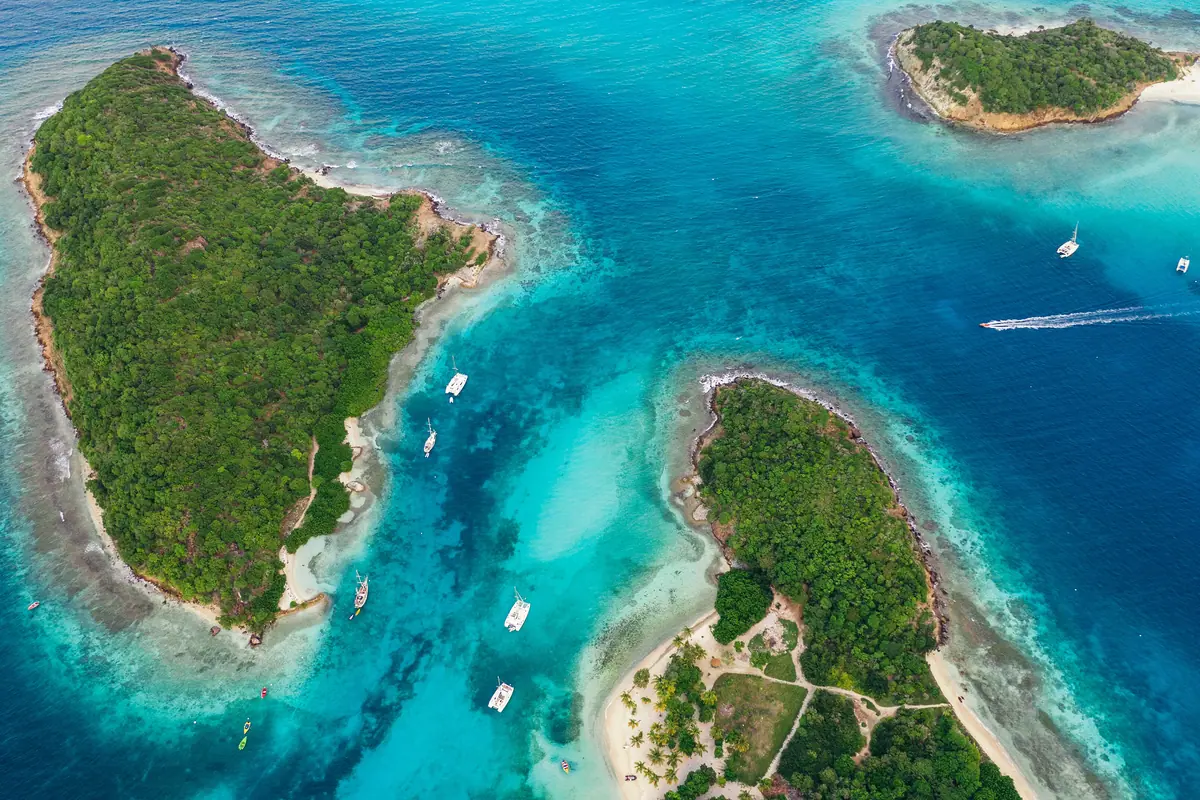
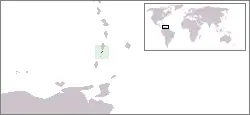
Saint Vincent and the Grenadines is really two destinations stitched together. Saint Vincent itself is a rugged volcanic island, all ridgelines, banana valleys and the brooding cone of La Soufrière, which soaks up rainfall and stays green year-round. The Grenadines — Bequia, Mustique, Canouan, Mayreau, Union Island and the Tobago Cays — are low, scrubby and dry, with reefs so shallow and clear that the water reads like a paint chart. Sail fifteen minutes between them and you can cross from drizzle to full sun.
Temperatures barely move all year: expect roughly 24°C to 31°C, cooled by northeast trade winds and sea that hovers between 26°C and 29°C. What changes is rain. The dry season runs roughly from December into May, while June to November brings the wetter months and, from August to October especially, genuine hurricane risk. Even in the wet season, showers tend to arrive in short, dramatic bursts rather than settling in for days, except in the island's mountainous interior.
That rhythm dictates hotel supply. These are small islands with a limited number of rooms — boutique resorts measured in dozens of keys, family-run guesthouses in Kingstown and Port Elizabeth, and villas on Mustique that are booked a year out. Several private-island and Grenadine properties close entirely in September and October, many dive shops and boat operators stand down, and inter-island ferry timetables thin out. Book around the season, not against it.
December to April: Dry Season, Steady Winds and the Classic Grenadines
This is the postcard window. The Christmas trade winds arrive crisp and reliable, visibility underwater peaks, and the Tobago Cays Marine Park — a protected cluster of five uninhabited cays inside Horseshoe Reef — becomes the centrepiece of every sailing itinerary. Turtles graze the seagrass off Baradal, and the sandbar at Petit Tabac, where part of the Pirates of the Caribbean films was shot, is the kind of place people plan entire charters around.
It is also peak season, with peak prices and the tightest availability. The Bequia Easter Regatta fills Admiralty Bay with yachts and pushes Port Elizabeth guesthouses to capacity weeks in advance; the Mustique Blues Festival in January and February draws a stylish crowd to the island's hilltop bars. If you want a specific villa or a waterfront room on Bequia's Lower Bay or Princess Margaret Beach, book three to six months ahead, and expect minimum-stay rules over Christmas and New Year.
Conditions favour boat-based exploring: the Falls of Baleine, a waterfall that tumbles straight into the sea at Saint Vincent's northern tip, is best reached by boat, and calmer seas make the run north from Kingstown far more comfortable. Days are bright, humidity is lower, and mosquito pressure eases on the dry Grenadine cays. It is the most expensive time to visit and, for most first-timers, still the right one.
May to August: Shoulder Season, Vincy Mas and Softer Rates
May and June are the sweet spot many repeat visitors quietly guard. The dry season's pattern lingers, the sea is bath-warm, and room rates start to slip before the summer lull. Rain becomes more likely — typically a heavy afternoon shower that clears within the hour — while the Grenadines stay noticeably drier than Saint Vincent's windward coast. Ferries still run on their fuller schedules, and snorkelling off Princess Margaret Beach or around Sandy Island remains excellent.
Then comes Vincy Mas, Saint Vincent's carnival, which erupts across late June and early July in Kingstown. Expect J'Ouvert morning, calypso and soca tents, elaborate costume bands and a city that stays awake for days. It is one of the great Caribbean carnivals, and it fills every guesthouse in the capital and pushes prices up in the Villa and Indian Bay areas. Book months ahead if carnival is the reason for your trip.
July and August turn hot and humid, and the official hurricane season has begun, though early-season activity is usually modest. The compensation is value: rates in this window can fall well below high-season levels, particularly on Mustique and Canouan, and you will have beaches like Industry Bay or Friendship Bay largely to yourself. Pack light rain gear for the Vermont Nature Trail, where the forest is at its most alive.
September to November: The Quiet, Cheap, Rainy Window
September and October are the statistical peak of the Atlantic hurricane season, and the islands respond by going quiet. A number of Grenadine resorts, dive operators and restaurants close for maintenance, some ferry services reduce frequency, and the rhythm of daily life slows. If your trip depends on a specific restaurant or boat charter, check it is actually open before you commit.
What you get in return is the lowest pricing of the year, emptier anchorages and a landscape at its most lush. Saint Vincent's waterfalls are at full volume — Dark View Falls, where two cascades drop over a bamboo-fringed cliff, and Trinity Falls in the interior both run powerfully after sustained rain. The Owia Salt Pond on the windward coast, a natural tidal pool carved into volcanic rock, is dramatic in heavier surf.
November is the pivot. Rain begins to taper, the Christmas winds start to build, and rates climb back towards high-season levels without quite reaching them. It is a genuinely good compromise month for travellers who want dry-season conditions but not dry-season pricing. Whatever you choose in this window, buy comprehensive travel insurance that covers weather disruption, and stay flexible on inter-island connections.
Where to Base Yourself: Island-by-Island Hotel Notes
On Saint Vincent, most visitors stay in or near Kingstown, the capital, where colonial-era streets, the stone arches of the Kingstown Botanic Gardens and the market all sit within walking distance of small guesthouses. Quieter options cluster around Indian Bay and Villa, close to the beach and a short drive from the airport at Argyle. Tiny Young Island, just offshore, offers the feeling of a private-island stay within a five-minute boat ride of the mainland.
Bequia is the classic second stop: Port Elizabeth and Admiralty Bay have the widest choice of guesthouses, inns and waterside rooms, while Lower Bay and Friendship Bay trade convenience for calm. Mustique is villa territory, almost entirely private rentals with a handful of small hotels, and it operates on its own discreet rhythm. Canouan leans upmarket, Union Island is the budget-minded hub for trips out to the Tobago Cays, and Mayreau is tiny enough that most stays are simple guesthouses above Saltwhistle Bay.
A practical rule: match the island to the season. In the wetter months, base yourself in the drier Grenadines rather than the volcanic interior of Saint Vincent. In peak season, lock in Bequia and Mustique early, because those two islands absorb most of the demand. Inter-island travel is by ferry from Kingstown or by small aircraft linking the Grenadines, so build a buffer day on either side of any flight home.
Landmarks Worth Building Your Trip Around
Start on Saint Vincent. Fort Charlotte, perched above Kingstown, gives you the classic panorama over the bay and was built to defend it; the Kingstown Botanic Gardens below are among the oldest in the Western Hemisphere, with a breadfruit tree descended from the original eighteenth-century introduction. Inland, the Vermont Nature Trail is the best chance to hear the endemic Saint Vincent parrot, and the climb up La Soufrière — a half-day hike to a steaming crater rim — is the island's signature adventure.
On the coast, Wallilabou Bay's half-sunken film set and towering cliffs make a memorable boat stop, while the Falls of Baleine reward anyone willing to make the northern run. Over in the Grenadines, the Tobago Cays Marine Park is the must-see: horseshoe reef, turquoise shallows, turtles and uninhabited cays including Petit Tabac and Baradal. On Mayreau, Saltwhistle Bay is one of the most photographed anchorages in the Caribbean, and on Bequia, Princess Margaret Beach and the Old Hegg Turtle Sanctuary give you both the classic swim and a glimpse of local conservation work.
Allow real time for these. A Tobago Cays day trip from Union Island needs a full day, the La Souffrière hike takes most of a morning, and Bequia's beaches and turtle sanctuary fill an easy afternoon. Pair a couple of nights in Kingstown with a week among the Grenadines and you cover both the volcanic and the coral side of the country.
Quick Answers for Planning Your Stay
Most travellers aim for December to April for reliable sunshine, calm seas and full access to the Grenadines, accepting higher rates and tighter availability. If value matters more than certainty, May, June and November offer a strong middle ground: good conditions, fewer crowds and noticeably lower hotel prices. September and October are cheapest of all, but come with closed properties and real weather risk.
Whatever month you choose, book accommodation before you book anything else. Room supply across these islands is genuinely limited, ferries and small inter-island flights sell out around holidays and carnival, and the best-positioned guesthouses — waterfront rooms on Admiralty Bay, hillside villas on Mustique, beachfront stays near Saltwhistle Bay — go first. A little calendar discipline is the difference between a good trip and the one you pictured.
Frequently asked questions
What is the best month to visit Saint Vincent and the Grenadines?
February to April is the most reliable window: dry days, steady trade winds, warm sea and calm conditions for sailing out to the Tobago Cays. December and January are also excellent but busier and pricier, with holiday minimum-stay rules at many properties.
When is the cheapest time to stay in Saint Vincent and the Grenadines?
September and October are by far the cheapest, with the deepest discounts on villas and resorts. The trade-off is that some hotels, dive shops and restaurants close for the season, ferry schedules thin out and hurricane risk peaks. November offers a better balance of low prices and improving weather.
Is hurricane season a real concern for a hotel booking?
Yes — the season runs from June to November, with the highest risk from August to October. Many small properties simply shut during September and October for this reason. If you travel then, choose accommodation with flexible cancellation and buy travel insurance that covers weather disruption.
Which island should I base myself on for a first visit?
Split your stay. Spend two or three nights in or near Kingstown on Saint Vincent for Fort Charlotte, the Botanic Gardens, La Soufrière and the Vermont Nature Trail, then move to Bequia for the classic Grenadine experience. Add Union Island or Mayreau if you want easy access to the Tobago Cays.
How far ahead should I book hotels for carnival or the Easter Regatta?
Three to six months minimum. Vincy Mas in late June and early July fills Kingstown, and the Bequia Easter Regatta fills Admiralty Bay and Port Elizabeth. Christmas and New Year on Mustique and Bequia often require booking six to twelve months ahead.
Plan it — hotels in Saint Vincent and the Grenadines
Live search, booked directly with trusted providers.
Sort the rest of your trip
Everything for Saint Vincent and the Grenadines, in one place
Transfer in Saint Vincent and the Grenadines
Private driver waiting on arrival — no queues, no surprises.
Book a transfer
Things to do in Saint Vincent and the Grenadines
Skip-the-line tickets, guided tours and standout experiences.
See experiences
Stay online in Saint Vincent and the Grenadines
Travel eSIM — data the moment you land, no roaming bills.
Get an eSIM