Niger is a country of sudden, enormous landscapes — ochre mud-brick minarets rising out of the Sahel, giraffes moving through acacia scrub at dawn, and desert caravan routes that have been walked for a thousand years. Where you sleep shapes how much of it you actually see, because the good rooms sit in the same handful of towns as the great sights. This guide walks you through the country's accommodation, from riverside hotels in Niamey to courtyard auberges in Agadez.
Niamey: The Capital's Hotels and Its Riverside Landmarks
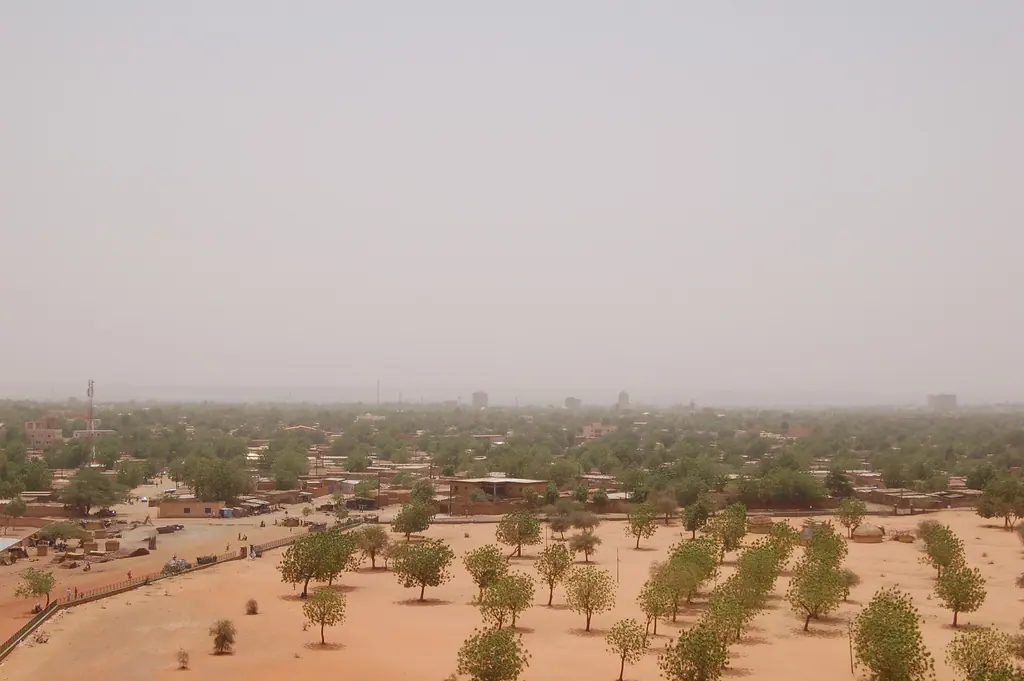
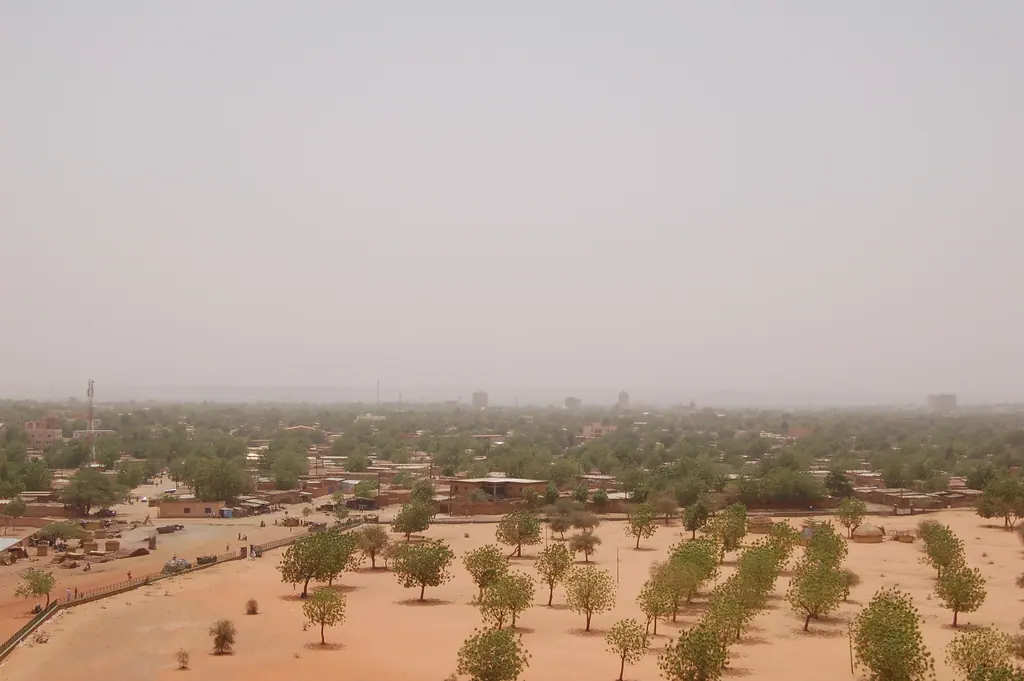
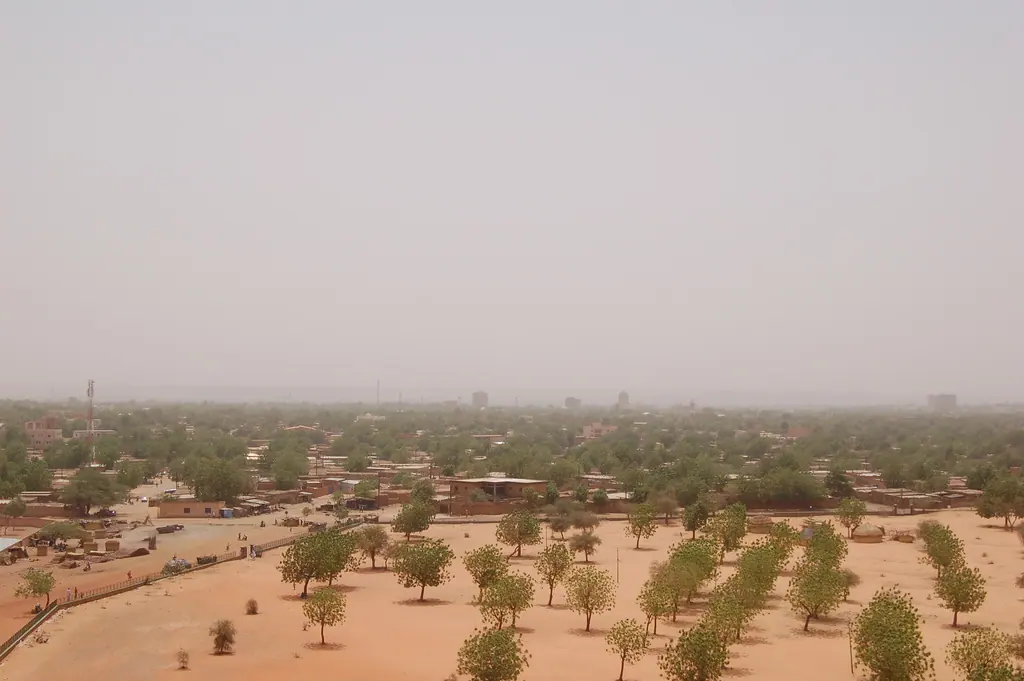
Almost every trip to Niger begins and ends in Niamey, and the capital holds by far the widest spread of places to sleep. International-standard hotels with swimming pools, gyms and their own generators cluster along the Niger River near the Kennedy Bridge and the government quarter; comfortable mid-range options occupy Quartier Terminus and the Plateau; and small family-run guesthouses fill the lanes around the Grand Marché. Standards are generally clean and simple — the real dividing line between one room and the next is air conditioning and reliable power, so ask before you commit.
Niamey rewards a couple of unhurried days. The Musée National Boubou Hama is the obvious first stop: a sprawling compound of pavilions, a small zoo and a reconstructed traditional village that gives you the whole country in miniature, complete with a craft centre where Tuareg silversmiths work. From there, walk the Grand Marché for leatherwork, indigo cloth and silver crosses, admire the green-and-white Grand Mosque of Niamey, and cross the Kennedy Bridge at sunset when the river turns copper and pirogues drift home. On Sundays, head to the Hippodrome for horse racing, or take a boat across to Boubon, a pottery village on the far bank.
Distances are short and taxis are cheap, so a hotel near the centre puts almost everything within fifteen minutes. Note that the city fills up fast for regional conferences and summits, and again during the cool season — book well ahead for those windows.
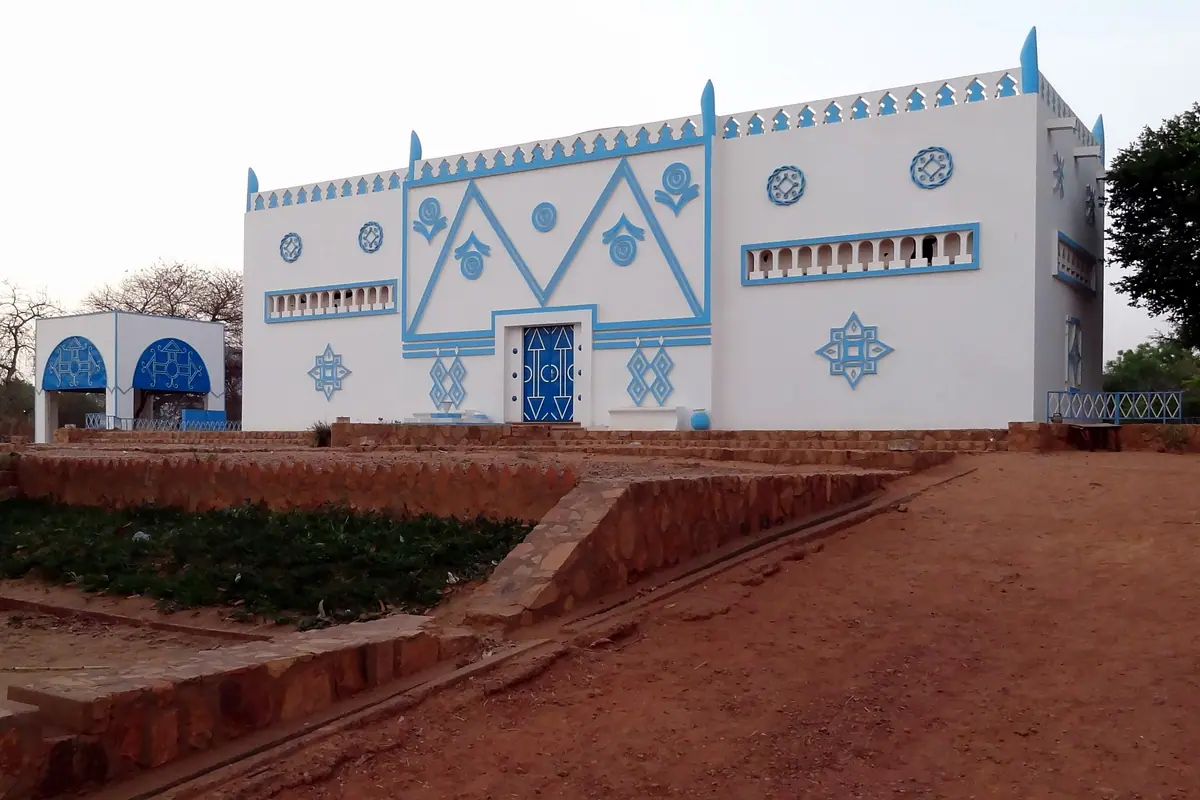
Agadez: Mud-Brick Auberges at the Gate of the Sahara
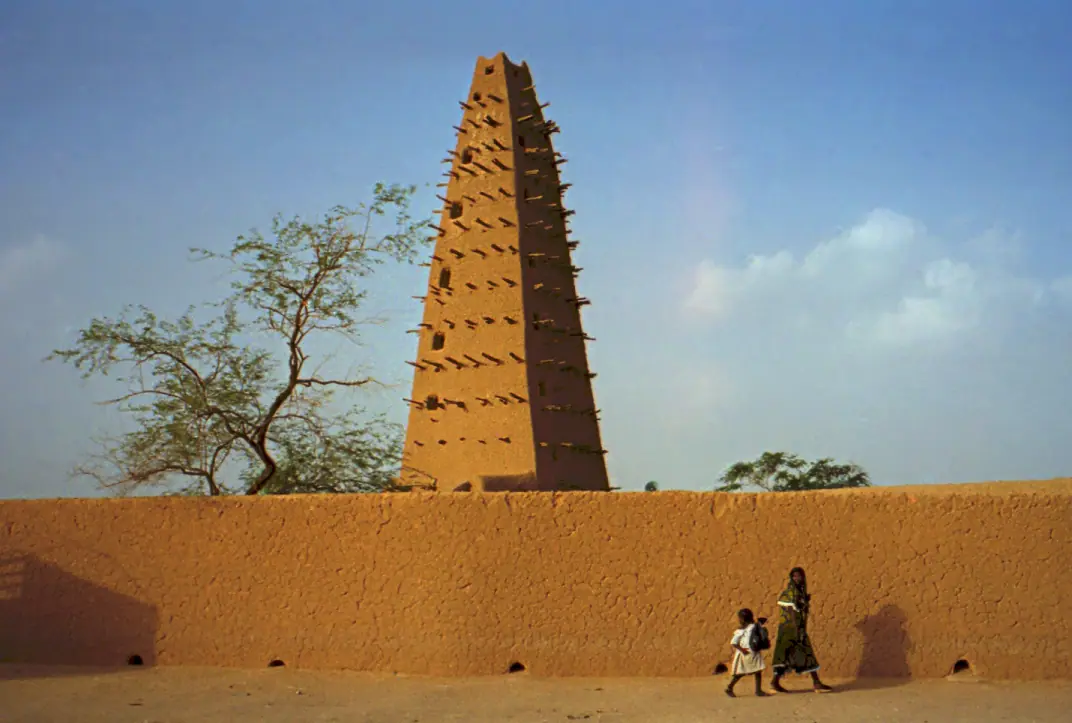
Around 900 kilometres northeast of the capital, Agadez is the country's second travel city and its most beautiful. The World Heritage-listed old town is a maze of ochre banco walls, carved wooden doors and narrow alleys, dominated by the Grand Mosque and its extraordinary tapering mud minaret, which rises some 27 metres above the rooftops and has been rebuilt and restored across five centuries. Beside it stands the Sultan's Palace, still the ceremonial heart of the region, and on the edge of town the camel market draws herders from across the desert — one of the largest in West Africa and best visited in the cool early morning.
Accommodation here mirrors the architecture: low courtyard auberges built from the same earth as the old town, with shaded terraces for tea, fans in the rooms and a handful of more comfortable hotels with air conditioning and small pools. Courtyard design keeps interiors genuinely cool, which matters more than any rating. Roofs are the social life of the place — sit up there at dusk and the whole Aïr range turns violet behind the minaret.
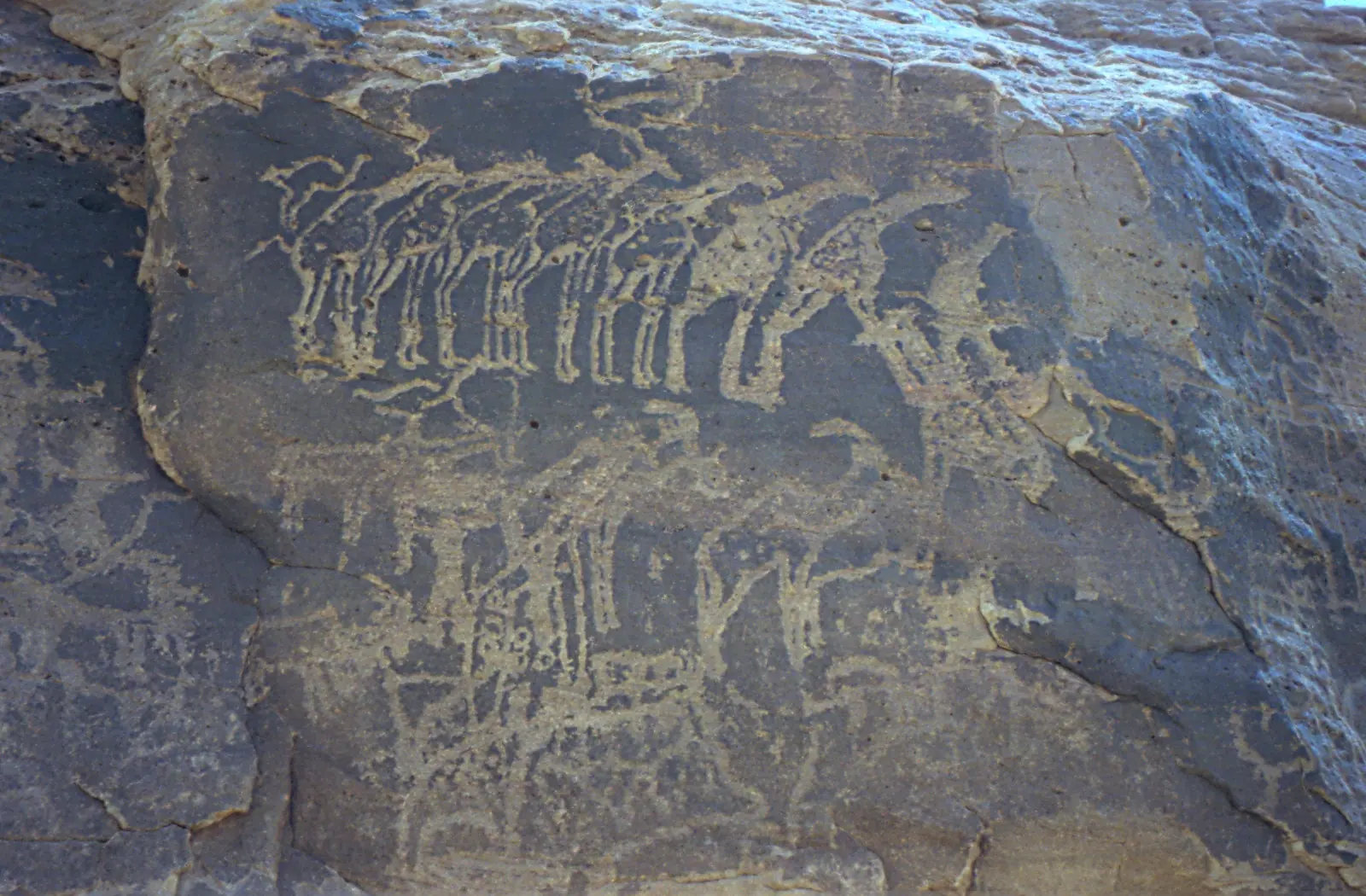
Agadez is the launch point for the sights that define northern Niger: the Aïr Mountains with their granite spires and wadis, the Ténéré desert beyond them, the dunes at Tchintoulousene, the memorial to the lone acacia known as the Tree of Ténéré, the ancient rock carvings at Dabous, and the salt caravans that still crawl south from Bilma across the Kaouar oases. Reaching any of these requires a 4x4, a local guide and official permits — and you must check the current security situation for the region before planning anything, as several governments advise against travel here.
Zinder, Dosso and the River Towns: Fewer Rooms, Deeper History
Zinder, the old colonial capital in the east, is the country's most rewarding architectural detour. The walled Birni quarter is a dense knot of Hausa compounds and decorated doorways, with the Sultan's Palace and lively Grand Marché at its centre, and a crumbling old fort on the hill surveying the whole scene. Hotels here are limited to a couple of simple establishments and guesthouses, so most travellers reach the city by road or a domestic flight and treat it as a two-night stop rather than a base.
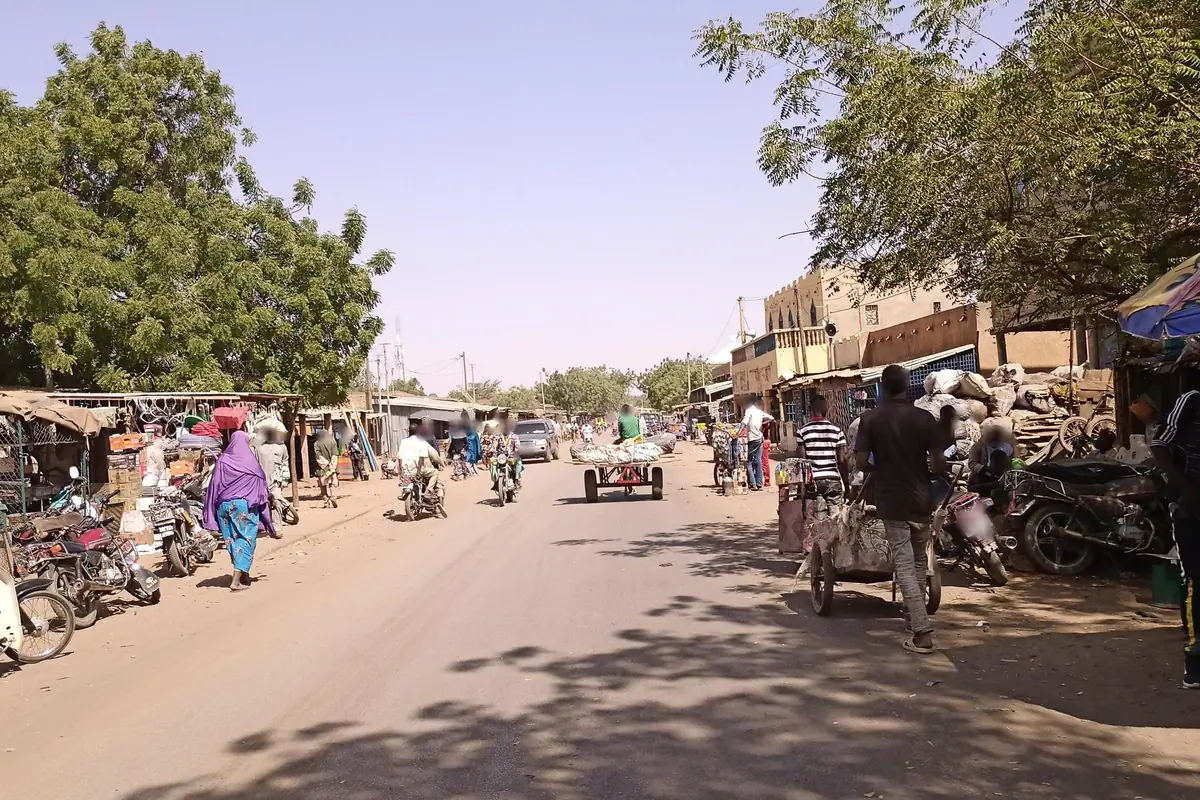
Closer to Niamey, Dosso makes an easy overnight or day trip, largely for the Djermakoye Palace — a striking ceremonial residence — and its busy market. Farther northwest along the river, Ayorou is a wonderfully slow riverside town known for its Sunday market, where farmers and herders cross by pirogue, and for hippos wallowing in the shallows just offshore. Accommodation in these smaller towns is genuinely basic: a handful of rooms, shared bathrooms in the cheapest tier, firm mattresses and a fan.
In commercial centres such as Maradi and Tahoua you will find government rest houses and modest guesthouses used mostly by domestic travellers, often with a restaurant serving rice, grilled chicken and tea. Bring cash in West African CFA francs — card machines exist in Niamey's larger hotels and almost nowhere else — and don't expect English beyond the front desk of the biggest properties; French, Hausa and Zarma carry you much further.
Wildlife Stays: W National Park and the Kouré Giraffes
Niger's flagship wildlife destination is W National Park in the far southwest, a vast transboundary reserve where the Niger River loops in a shape that gave the park its name. Elephants, buffalo, hippos, antelope and hundreds of bird species move through the savanna and gallery forest, and the dry season from December to April is the time to see them: the vegetation thins, water sources shrink and animals concentrate. Access is via the La Tapoa area, where you can stay in rustic lodges and tented camps just outside the park gate, and explore by 4x4 or by pirogue on the river.
Much closer to the capital, roughly an hour's drive southeast of Niamey, the Kouré giraffe zone protects the last wild population of West African giraffe anywhere on earth. Community guides lead visitors on foot at dawn and dusk to within a safe distance of the herd as it browses acacia — a quietly magical hour, and easily done as a day trip if you set off early. Simple guesthouses in the area allow an overnight stay if you want both a sunrise and a sunset session.
Both destinations need local arrangements: guides, park fees and, for longer excursions, a vehicle with a driver who knows the tracks. In the rainy months of July and August, some routes turn to mud and are best avoided.

What a Night in a Niger Hotel Actually Feels Like
Expect comfort with caveats. Power cuts are a fact of life, so the best hotels run generators and inverters; check that your room has air conditioning plus a fan as backup, and that the water is hot in the morning rather than theoretically hot. Wi-Fi is usually available in Niamey's larger hotels and rarely anywhere else. Mosquito nets are standard in the mid-range and budget tiers — use them, particularly along the river and in the greener south.
Food is rarely a problem. Most hotels include a simple breakfast of bread, omelette, coffee and sometimes fruit, and many have a restaurant turning out grilled fish from the river, brochettes, rice dishes and salads. Alcohol is served in some hotel bars in Niamey and larger towns but not everywhere, since Niger is a predominantly Muslim country; ask rather than assume. Tipping is modest and appreciated, particularly for drivers and guides who accompany you for a full day.
Security shapes hotel design more visibly than in most countries. Larger properties have gated compounds, guards and bag checks at the entrance; smaller guesthouses simply have a night watchman and a locked gate. Keep a photocopy of your passport and visa with you, register your details at check-in as required, and treat your hotel's front desk as the best source of current local advice.
Timing Your Trip: Seasons, Festivals and Booking Ahead
Niger has three distinct seasons and they change everything about a stay. From November to February the country is cool and dry — daytime temperatures around 30°C, cold desert nights in the Aïr that can approach freezing in January, and the most comfortable conditions for travelling and sleeping. March to May is fiercely hot, with afternoons climbing past 40°C and hotel air conditioning working overtime. June to September brings the rains: the Sahel turns green, humidity rises, roads in the south can flood, and the desert edge becomes cooler and clearer.
The most memorable time to visit is the tail of the rainy season, when the Cure Salée gathering draws Wodaabe and Tuareg herders to the salt pastures near In-Gall, north of Tahoua. It is famous for the Wodaabe men's Guérewol dances — an extraordinary beauty contest of painted faces, feathers and chanting — and it makes accommodation in the region extremely scarce. When conditions allow, Agadez also hosts a desert culture festival that fills its auberges with musicians, artisans and camel racers.
Book Niamey and Agadez well in advance for the cool months and any festival period, and accept that outside these cities you may be choosing between two or three rooms. Before you travel, check your own government's current travel advice and the permit rules for leaving the Niamey region, since authorisation is often required for journeys to other parts of the country. Travelling with a local operator for desert and park routes is not just easier — it is usually the only practical way to go.
Frequently asked questions
What types of hotels are available in Niger?
Niamey offers international-standard hotels with pools and generators alongside mid-range options and small guesthouses. Agadez has atmospheric courtyard auberges in mud-brick style plus a few more comfortable hotels. Elsewhere — Zinder, Dosso, Ayorou, Maradi — you are choosing between a handful of simple hotels, guesthouses and government rest houses.
Do I need a permit to travel outside Niamey in Niger?
Very often, yes. Journeys beyond the capital region typically require an authorisation arranged through the authorities, and desert routes into the Aïr and Ténéré need both permits and a local guide. Rules change, so confirm the current requirements before you book and always check your government's travel advice for the specific region.
What is the best time of year to visit Niger?
November to February is the most comfortable window, with dry days around 30°C and cool nights, though the desert can be genuinely cold in January. March to May is extremely hot, and June to September brings rain and humidity to the south. Late in the rainy season is the best time for the Cure Salée gathering near In-Gall.
Should I pay for Niger hotels in cash?
Yes, plan on cash in West African CFA francs. Larger hotels in Niamey usually accept cards, but outside the capital card machines are rare or nonexistent, and ATMs are scarce away from the main cities. Carry enough cash to cover your accommodation, meals and guides.
Can hotels in Niger arrange desert trips and guides?
Auberges in Agadez and the larger Niamey hotels regularly help arrange 4x4 vehicles, drivers and guides for the Aïr, Ténéré, W National Park and the Kouré giraffe zone. Book through your accommodation rather than independently, and allow time for permits to be processed.
Sort the rest of your trip
Everything for Niger, in one place
Transfer in Niger
Private driver waiting on arrival — no queues, no surprises.
Book a transfer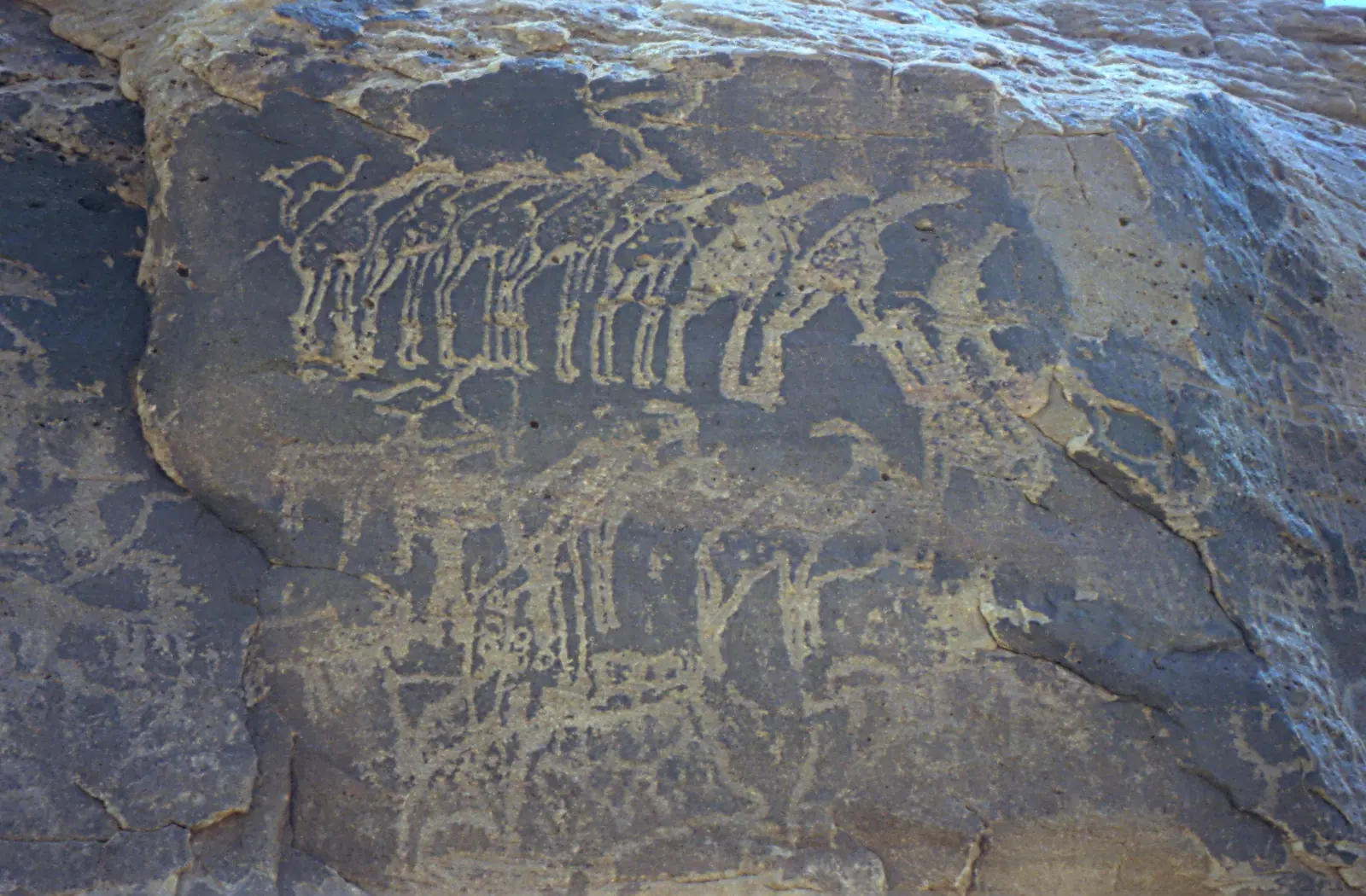
Things to do in Niger
Skip-the-line tickets, guided tours and standout experiences.
See experiences
Stay online in Niger
Travel eSIM — data the moment you land, no roaming bills.
Get an eSIM