Niger is a country of two worlds — the endless sand and stone of the Sahara in the north, and the green ribbon of the Niger River in the south — and the difference between a magical trip and a gruelling one is almost entirely about timing. Choose your months well and you get cool desert nights, clear skies over the Aïr Mountains and a bed with a breeze; choose badly and you get 45°C afternoons and dust in everything you own.
Niger's Travel Calendar, Decoded
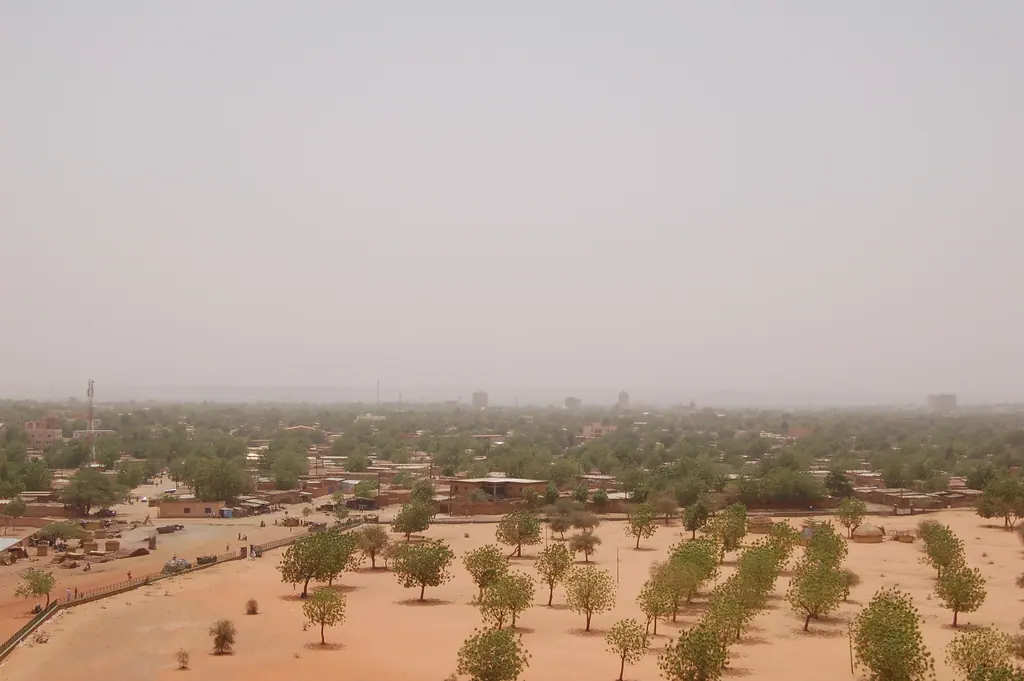
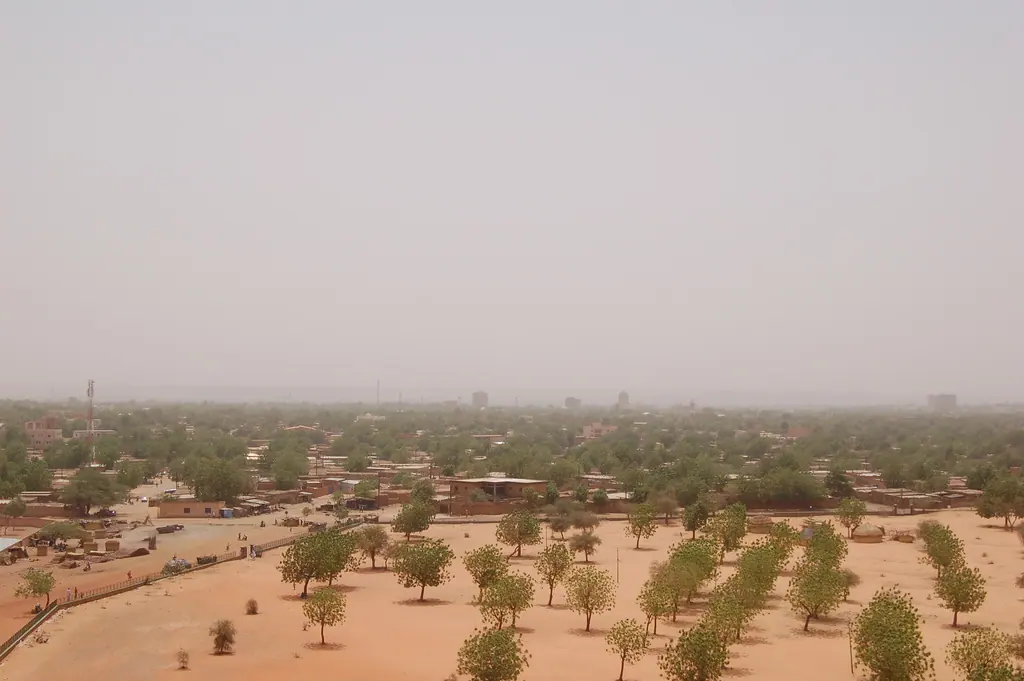
Niger sits in the Sahel and Sahara, so its year splits into three practical seasons rather than four. From roughly November to February the country enjoys a cool, dry window with the Harmattan trade winds blowing fine dust south from the desert; days are warm and nights genuinely cold in the north. From March to June the heat builds relentlessly, peaking just before the rains arrive. Then from late June to September, a short rainy season sweeps across the southern belt around Niamey, Dosso and the W National Park, turning the Sahel green while the far north stays largely dry.
Where you plan to sleep shapes which season suits you best. In the Aïr Mountains and around Agadez, campements and small guesthouses often close or thin out during the hottest months, when daytime temperatures can push past 40°C and shade is a luxury. In Niamey, air-conditioned riverside hotels operate year-round, but the humid rainy-season months make walking the markets a sweaty business. The comfortable overlap for both halves of the country is the cool dry season.
It also pays to think about the Islamic calendar, since Ramadan shifts earlier each year and affects opening hours, restaurant service and the rhythm of market towns. Add the Cure Salée nomad gathering at In-Gall to your planning if you want to see Wodaabe herders and dancers, and remember that the country's best-known sights are spread over enormous distances — internal flights and long drives eat into your days, so a two-week trip is far more rewarding than a rushed week.
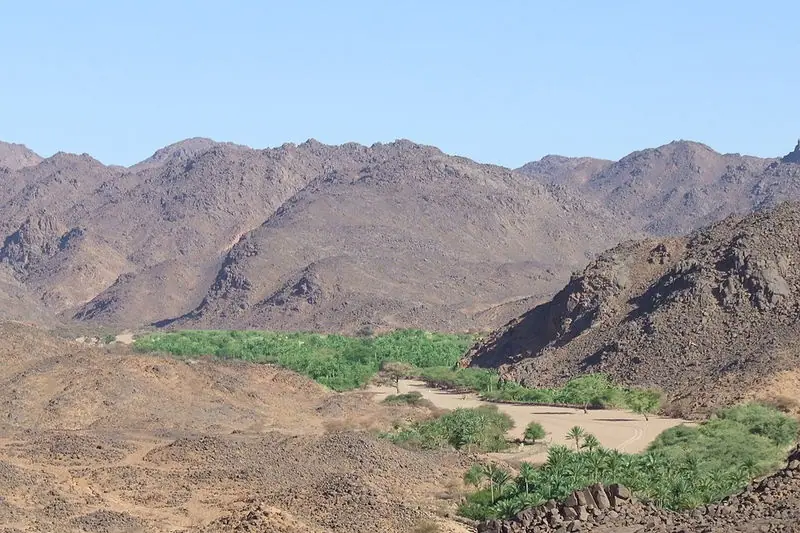
November to February: The Cool, Clear Sweet Spot
This is the window almost every seasoned traveller to Niger aims for. Daytime temperatures in Niamey and along the river hover in the comfortable high twenties to low thirties, the skies are reliably clear, and the desert nights are cold enough that you will be glad of a thick blanket in a campement. December and January are the coolest, and in the Aïr highlands around Timia and Iferouane, overnight lows can dip close to freezing — pack a fleece and a windproof layer even though you are in the Sahara.
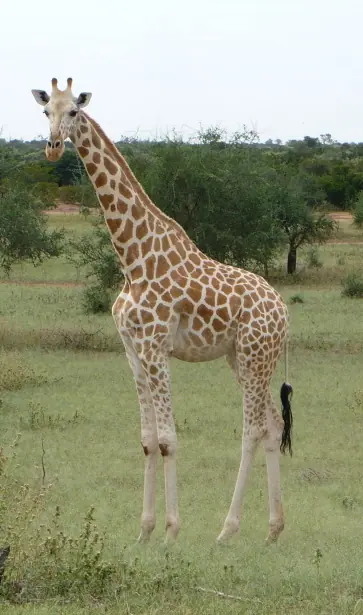
It is also the best time for the experiences people come for: trekking and 4x4 routes through the Aïr and Ténéré, the dunes and rock art of the far north, and the West African giraffes that gather near Kouré, an easy day trip from Niamey. Wildlife viewing in W National Park improves as vegetation thins and animals concentrate around water, making February and March especially rewarding for antelope, elephants and birdlife along the river.
The catch is supply. Cool-season demand from tour groups and NGO and diplomatic visitors fills the small number of decent rooms in Agadez, so book guesthouse space weeks or months ahead if your itinerary includes the north. Ask specifically about heating, extra blankets and hot water, and confirm whether your host runs a generator at night — off-grid guesthouses often cut power after a certain hour.
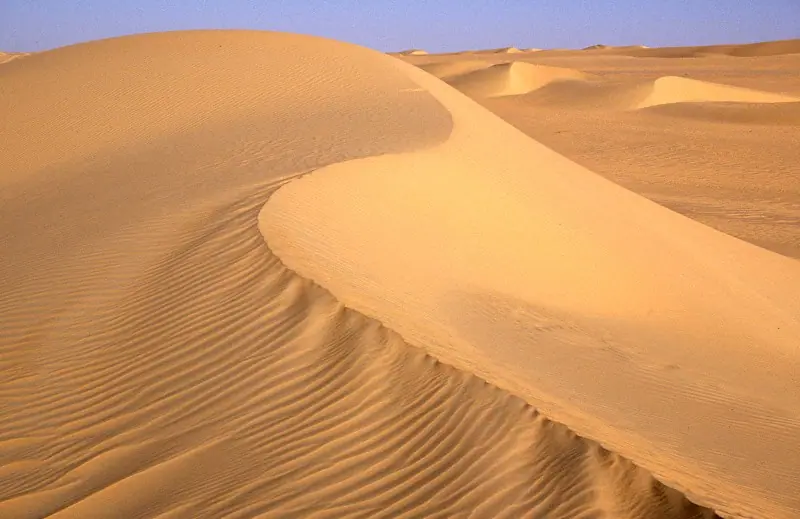
March to June: Heat, Dust and Empty Dunes
From March the mercury climbs steadily, and by April and May the plains around Agadez and the Ténéré can be punishing, with afternoon highs well above 40°C and a dry, abrasive wind. This is not the season for long desert drives or midday walking. If you must travel now, structure days around dawn and dusk, keep two to three litres of water per person per hour of activity, and choose accommodation with real air conditioning rather than a fan.
The compensation is solitude and value. Campements, viewpoints and the tracks to the great dunes are far quieter, and lodge rates soften outside the peak. Photographers sometimes favour the harsh light and dust haze for dramatic desert images, though the Harmattan can turn the sky milky and obscure distant horizons for days at a time.
Health and comfort deserve extra attention in this stretch. Dust aggravates asthma and allergies, so bring a scarf or buff, saline nose spray and eye drops. Air conditioning units strain under the load, so ask your hotel whether they have a backup generator and water storage; in Niamey, power cuts are common in the hottest weeks. Early morning is also the only sane time to explore the Grand Marché or the National Museum of Niger in the capital.
July to September: Green Sahel, Rain and the Cure Salée
The rains arrive in the south between late June and September, heaviest in July and August around Niamey and the parklands of the southwest. Roads to W National Park can become muddy and slow, river levels rise, and humidity makes the air heavy. In exchange, the Sahel turns vivid green, migratory birds arrive, and the landscape is at its most photogenic for those willing to tolerate afternoon downpours.
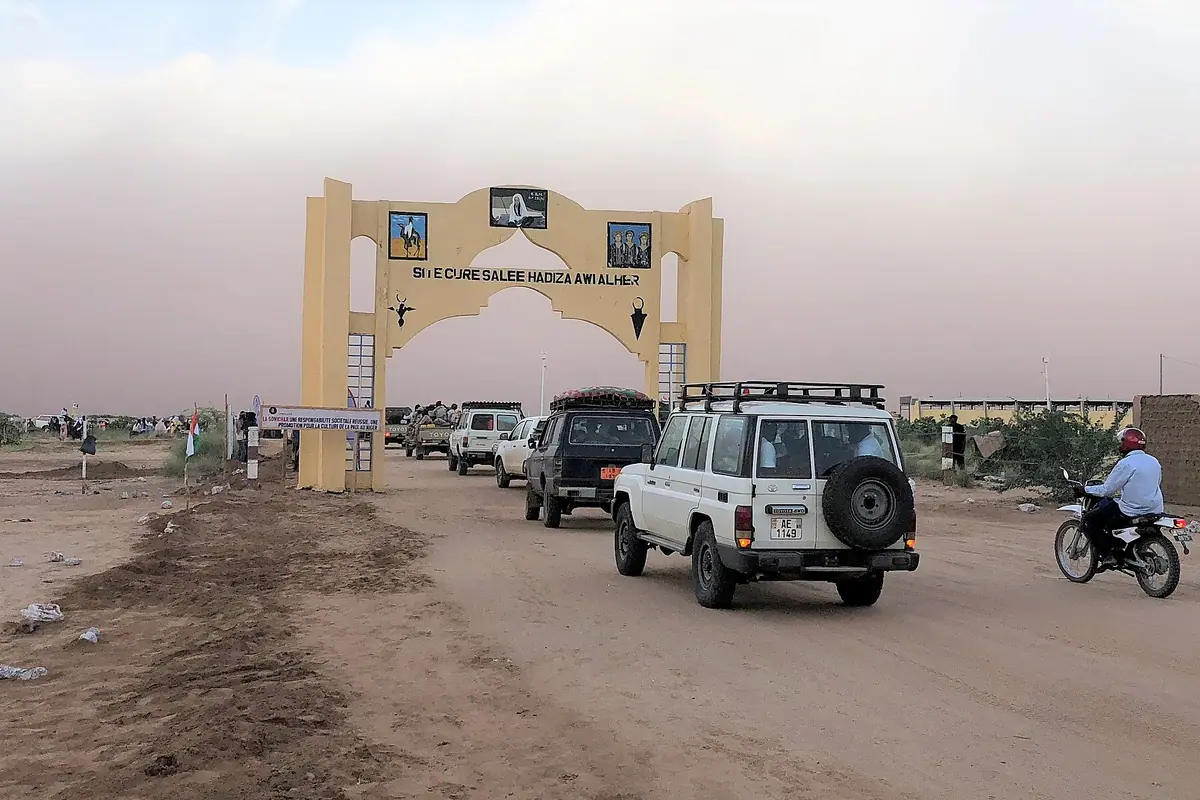
September brings one of Niger's great cultural events: the Cure Salée, a gathering of nomadic herders near In-Gall, north-east of Niamey, where Wodaabe men perform the striking Guérewol dance. Lodging around In-Gall is basic and mostly tented or hosted by local families, so arrange your stay through a local operator well in advance and expect simple mattresses, shared washing facilities and early starts.
In the Aïr and Ténéré, brief rains in July and August can make desert tracks slippery or temporarily impassable, and some camps close entirely. Travel north in this period only with experienced local drivers who know the wadis. In Niamey, choose a hotel with covered parking and good drainage, and keep a light rain shell handy for sudden evening storms.
Where You'll Sleep: Niamey Hotels to Aïr Campements
Niger's accommodation falls into four rough tiers. In Niamey, international-standard hotels cluster near the Kennedy Bridge and the riverfront, with pools, reliable air conditioning and security; mid-range guesthouses in the city centre offer simpler rooms, better prices and easy access to the Grand Marché and the National Museum of Niger. Book river-view rooms for sunsets over the water, and ask whether airport transfers are included, since late-night arrivals are common.
In Agadez, the pleasure is staying inside the old town, within walking distance of the Grand Mosque of Agadez, whose tapering mud-brick minaret is the emblem of the city, and the Sultan's Palace. Guesthouses here are often restored courtyard houses with rooftop terraces where you eat under the stars; rooms are simple, fans or air conditioning vary, and shared bathrooms are normal. Confirm before booking whether your host provides meals, as restaurant options are limited.
Further north, the Aïr and Ténéré are served by campements and desert camps — woven shelters and mattresses in places like Timia, Iferouane and along the routes toward the great dunes. These are the most atmospheric nights of any Niger trip, but they are seasonal, spartan and dependent on local arrangements. Near Kouré, ecolodges and simple guesthouses cater to giraffe-watchers, while lodges on the edge of W National Park are the base for river safaris. Always confirm availability directly, ask about mosquito nets in the southern belt, and carry cash, as card payment is rare outside the capital's larger hotels.
Must-See Sights to Anchor Your Dates
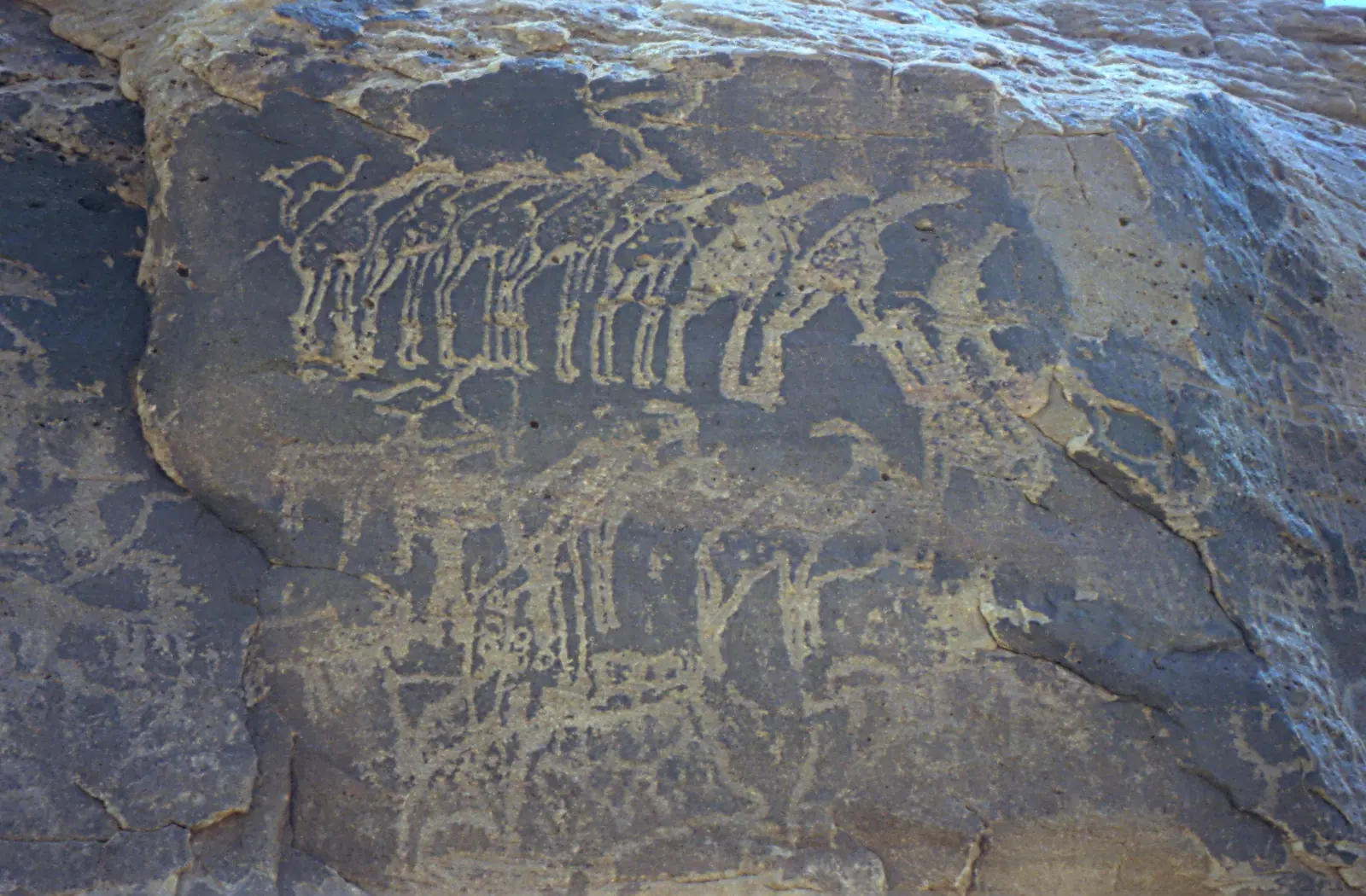
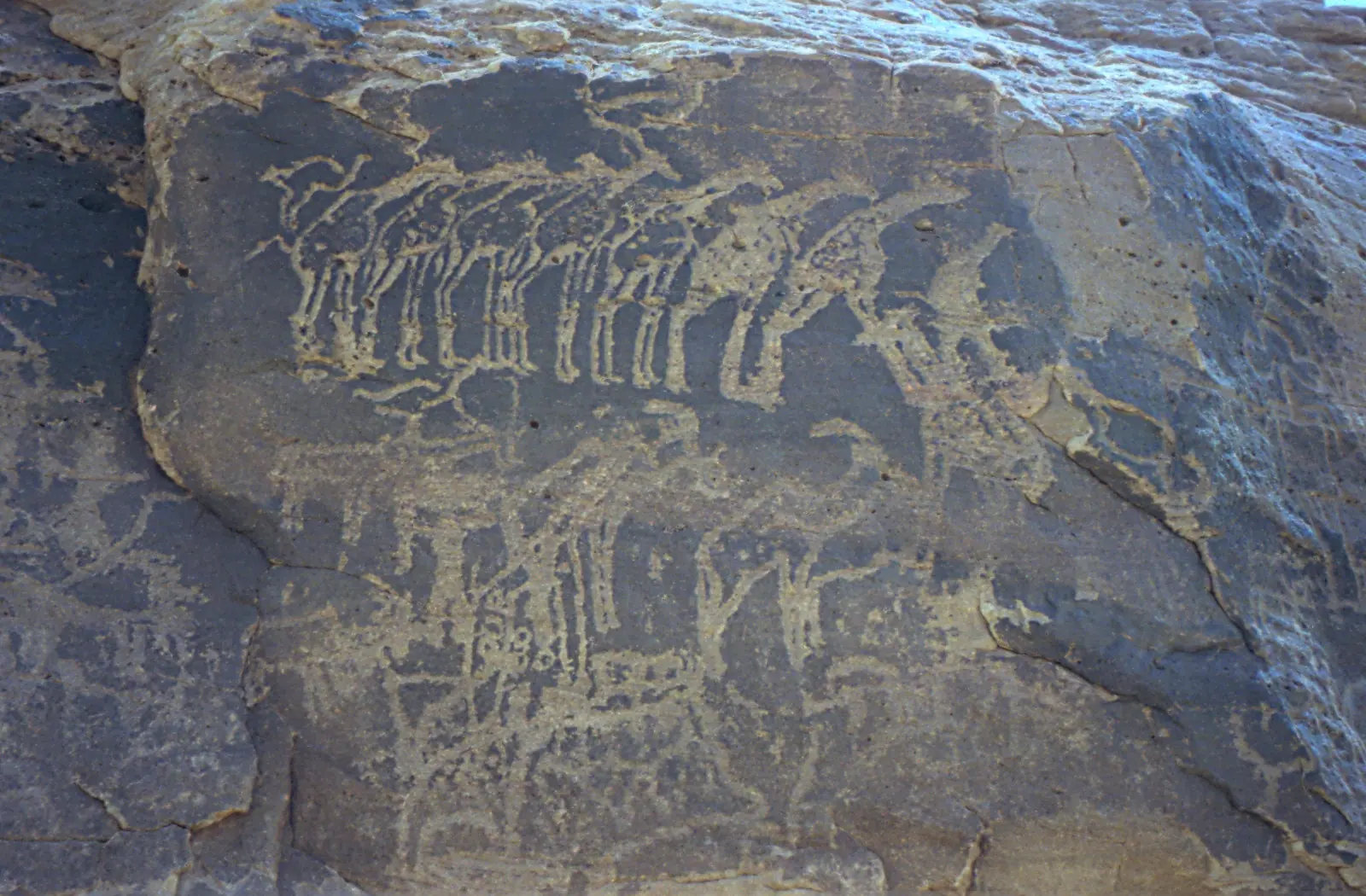
The Grand Mosque of Agadez, with its 27-metre mud-and-timber minaret, and the neighbouring Sultan's Palace are the historic heart of the north and are best visited in the cool months when the old town's alleys are pleasant to wander. Agadez is also the gateway to the Aïr and Ténéré National Nature Reserve, a vast protected landscape of volcanic peaks, canyons and sand seas that includes the celebrated Dabous giraffe petroglyph, one of the finest rock carvings in the Sahara, and the lonely site of the Tree of Ténéré, the acacia that was once the most isolated tree on earth.
South of Agadez, the oasis of Timia rewards the long drive with palm gardens, a seasonal waterfall and dramatic granite scenery; further east, the Bilma salt caravans still move along ancient routes if you time your visit with the cool season departures. Mount Idoukal-n-Taghès, Niger's highest point in the Aïr, is a serious hike for fit travellers with a local guide.
In the south, the star attractions are the West African giraffes around Kouré — most easily seen in the dry season from November to March — and W National Park, a transboundary reserve along the Niger River where you can spot elephants, hippos, buffalo and hundreds of bird species. In Niamey itself, don't miss the National Museum of Niger with its zoo and craft pavilions, the riverside Kennedy Bridge at sunset and a pirogue ride past the pottery village of Boubon. In the east, the old Birni quarter of Zinder and its Sultan's Palace offer a very different, Hausa-influenced historic stop.
Frequently asked questions
What is the best month to visit Niger?
December and January are the most comfortable overall, with warm, clear days and cold desert nights. November and February are close runners-up. This window suits both the northern desert routes and the southern parks, though it is also the busiest period for the limited guesthouse rooms in Agadez.
How cold does it get in the Sahara at night in Niger?
Between December and February, desert camps and Aïr campements can drop to near freezing overnight, and highland spots like Timia are even colder. Bring a warm fleece, hat, socks and a windproof layer, and ask your host for extra blankets in advance.
When is the Cure Salée festival held near In-Gall?
It usually falls in September, at the end of the rainy season, when nomadic herders gather near In-Gall and Wodaabe men perform the Guérewol dance. Accommodation is tented and very basic, so arrange everything through a local operator months ahead.
Should I book Niger hotels in advance?
Yes, especially for the north. Agadez has a small number of good guesthouses and they fill quickly from November to February. Niamey has more choice across budget and mid-range tiers, but book riverfront rooms early and confirm air conditioning, generator backup and airport transfers.
Can I visit the Aïr and Ténéré during the rainy season?
It is possible but risky. Brief July and August rains can make desert tracks and wadis impassable, and some camps close. Go only with experienced local drivers and guides, and build flexibility into your itinerary for delays.
Sort the rest of your trip
Everything for Niger, in one place
Transfer in Niger
Private driver waiting on arrival — no queues, no surprises.
Book a transfer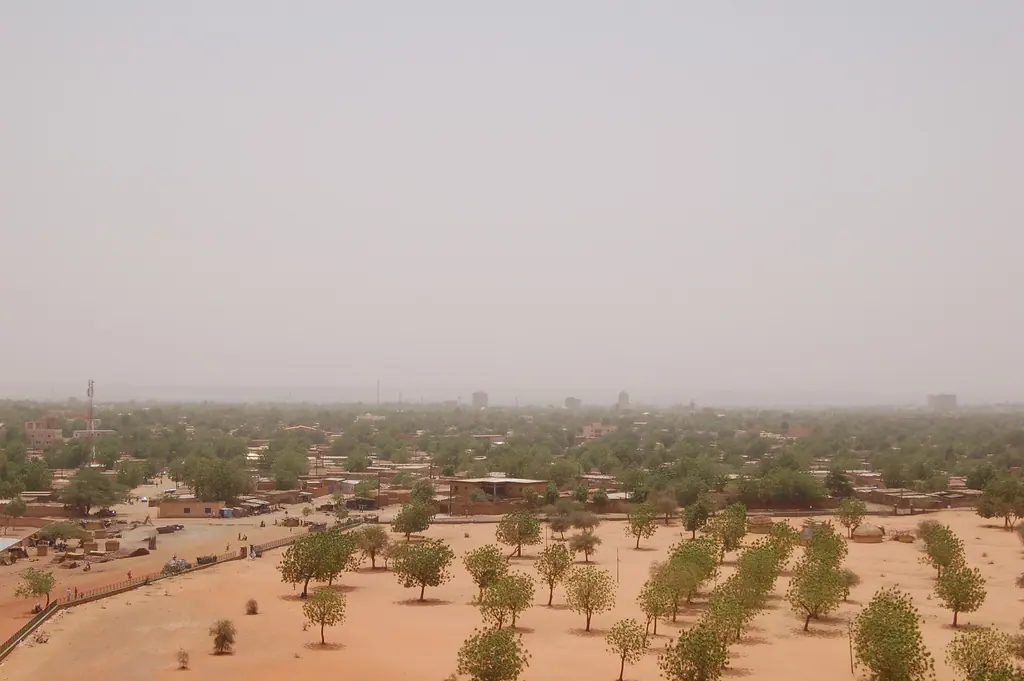
Things to do in Niger
Skip-the-line tickets, guided tours and standout experiences.
See experiences
Stay online in Niger
Travel eSIM — data the moment you land, no roaming bills.
Get an eSIM