Niger is enormous, sun-bleached and quietly astonishing — a country where a one-hour flight can replace a fourteen-hour drive and where the Sahara begins just beyond the last mud-brick street. This seven-day route stitches together the river life of Niamey, the caravanserai city of Agadez, the granite peaks of the Aïr and the last wild giraffes in West Africa.
A Week in Niger: How Flights and Seasons Shape the Route
Almost every Niger trip begins at Niamey's international airport, where the heat hits you the moment the doors open and the smell of dust and diesel sets the tone. Distances here are brutal: Agadez sits roughly a thousand kilometres northeast of the capital, a tarmac haul of twelve hours or more once you factor in checkpoints, tea stops and the sheer size of the country. Zinder, the old eastern capital, is nearly as far again. That is why flying between cities is not a luxury in Niger — it is the difference between a holiday and an endurance test.
Domestic services link Niamey with Agadez and Zinder a few times a week, usually on small turboprop aircraft that leave at dawn to beat the heat. Seats are limited, baggage allowances are tight (often 15–20 kg), and schedules shift with demand and the season, so build a buffer day at each end and reconfirm your flight the day before. From Agadez onward, everything moves by four-wheel drive, and the roads are only as good as the last rains allowed.
Timing matters more than almost anywhere else. November to February is the sweet spot: dry, dusty and bearable, with nights in the desert cold enough for a fleece and daytime highs in the low thirties. March to May is furnace season, when temperatures push past 40°C and travel should be limited to early mornings. The rains arrive roughly June to September and turn the Sahel improbably green — this is also when the Cure Salée gathering draws Wodaabe and Tuareg herders to the salt flats near In-Gall, a spectacle worth rearranging a whole trip for.
Days 1–2: Niamey, the National Museum and the Niger River
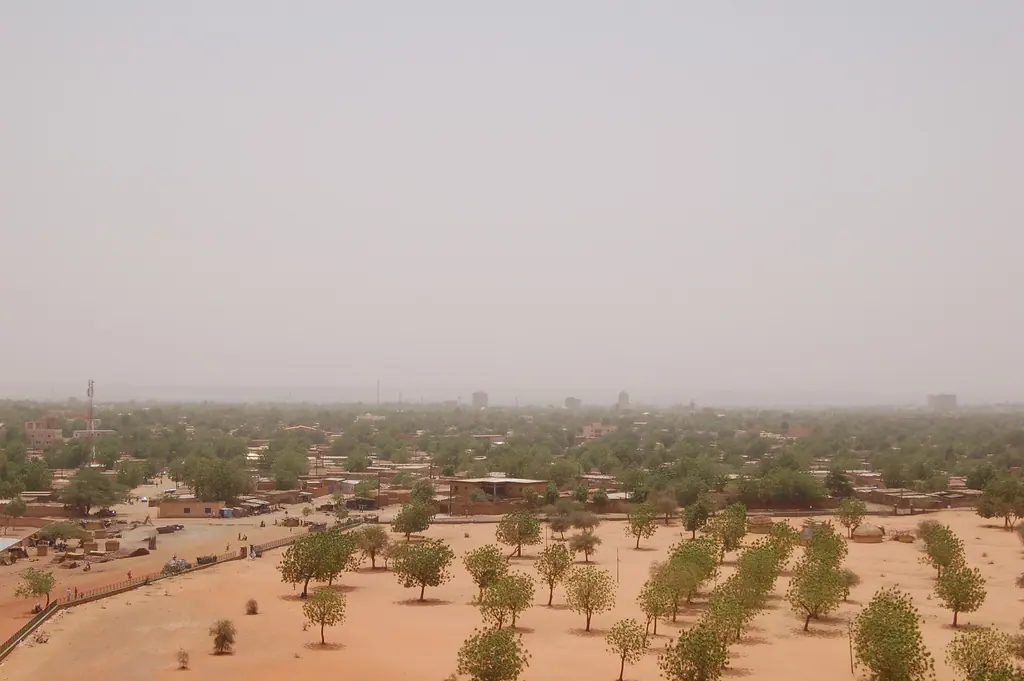
Ease into the country in Niamey, a low-rise capital that unfolds along the banks of the Niger River. Start at the Grand Marché, a two-storey maze of indigo cloth, leatherwork, Tuareg silver crosses and enamel teapots, then wander to the smaller Petit Marché for food and fabric. In the late afternoon, cross the Kennedy Bridge and watch pirogues and car ferries slide past, or hire a boat for a sunset loop on the water — the light on the river is the best in the city.
The Musée National Boubou Hama is the essential Niamey stop: a sprawling open-air complex of reconstructed traditional dwellings from across the country, a small zoo, an artisans' village where you can watch weavers and silversmiths at work, and a palaeontology hall displaying fossils pulled from the Ténéré. Give it half a day. Nearby, the Grand Mosque of Niamey and the wide avenues of the administrative quarter make for an easy walk back toward the river.
Eat like a local: kilishi, paper-thin spiced dried beef sold at roadside grills; dambou, a steamed millet and moringa dish; chargrilled brochettes with onion and mustard; and endless glasses of sweet ataya tea poured from a height. In the evening, small venues around the city host Nigerien musicians playing desert blues and Zarma rhythms — a low-key, generous scene that pairs perfectly with a first night in the country.
Day 3: The Flight North to Agadez and Its Mud-Brick Minaret
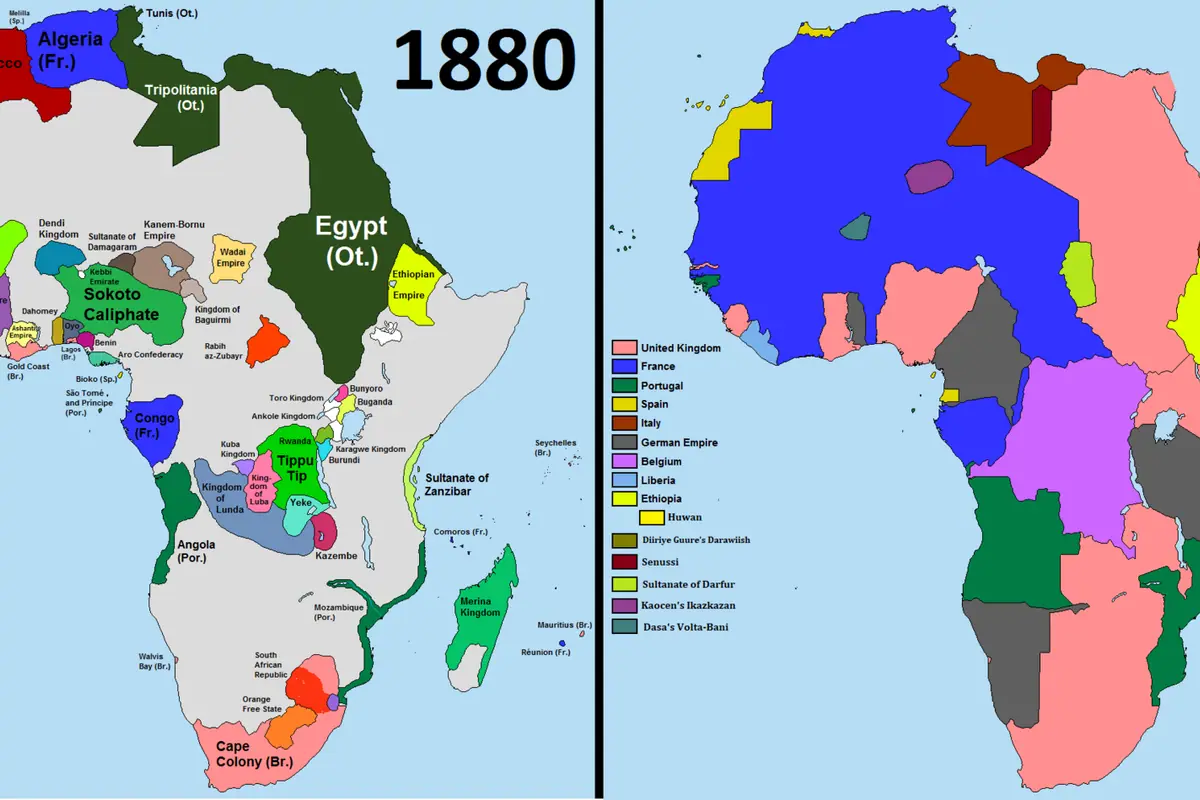
The hop to Agadez takes under two hours and lands you in a different world: Saharan air, sand-coloured streets and the taper of the city's great minaret rising above the rooftops. Agadez's old town is recognised as a World Heritage site, and it earns the status. Its alleys, courtyards and crumbling earthen walls once anchored the trans-Saharan caravan trade, and the town still feels like a place where journeys begin rather than end.
The Grand Mosque of Agadez and its minaret are the image everyone carries home. Built of banco — mud and straw — and studded with projecting wooden beams, the tower is one of the tallest mud-brick structures in the region and has been repaired by the same guild of masons for generations. Access inside is limited and varies, so ask locally and respect what you are told. From there, walk to the Sultan's Palace, a walled compound that remains the ceremonial heart of the city, and then lose yourself in the neighbourhoods of the smiths, where Tuareg silversmiths hammer out crosses and amulets on open forges.
Do not skip the camel market on the edge of town, held in the cool of the morning, where herders from the surrounding desert bring animals in for sale. Spend the afternoon arranging your onward 4x4, guide and permits, buying a cheche (the long scarf every desert traveller ends up wearing) and eating grilled meat in the shadow of the mosque. Sleep early — tomorrow starts before sunrise.
Days 4–5: The Aïr Mountains, Timia Oasis and the Edge of the Ténéré
Heading north from Agadez, the road passes through Tchirozérine and El Meki before the Aïr Mountains begin in earnest — a range of dark granite peaks and dry wadis that rises abruptly out of the sand. Timia is the classic destination: an oasis of doum palms, citrus and vegetable gardens fed by springs, where you can swim in a rock pool, climb to a ruined hilltop fort and drink tea with farmers who have worked these terraces for centuries. The contrast between the green gardens and the bare mountains around them is startling.
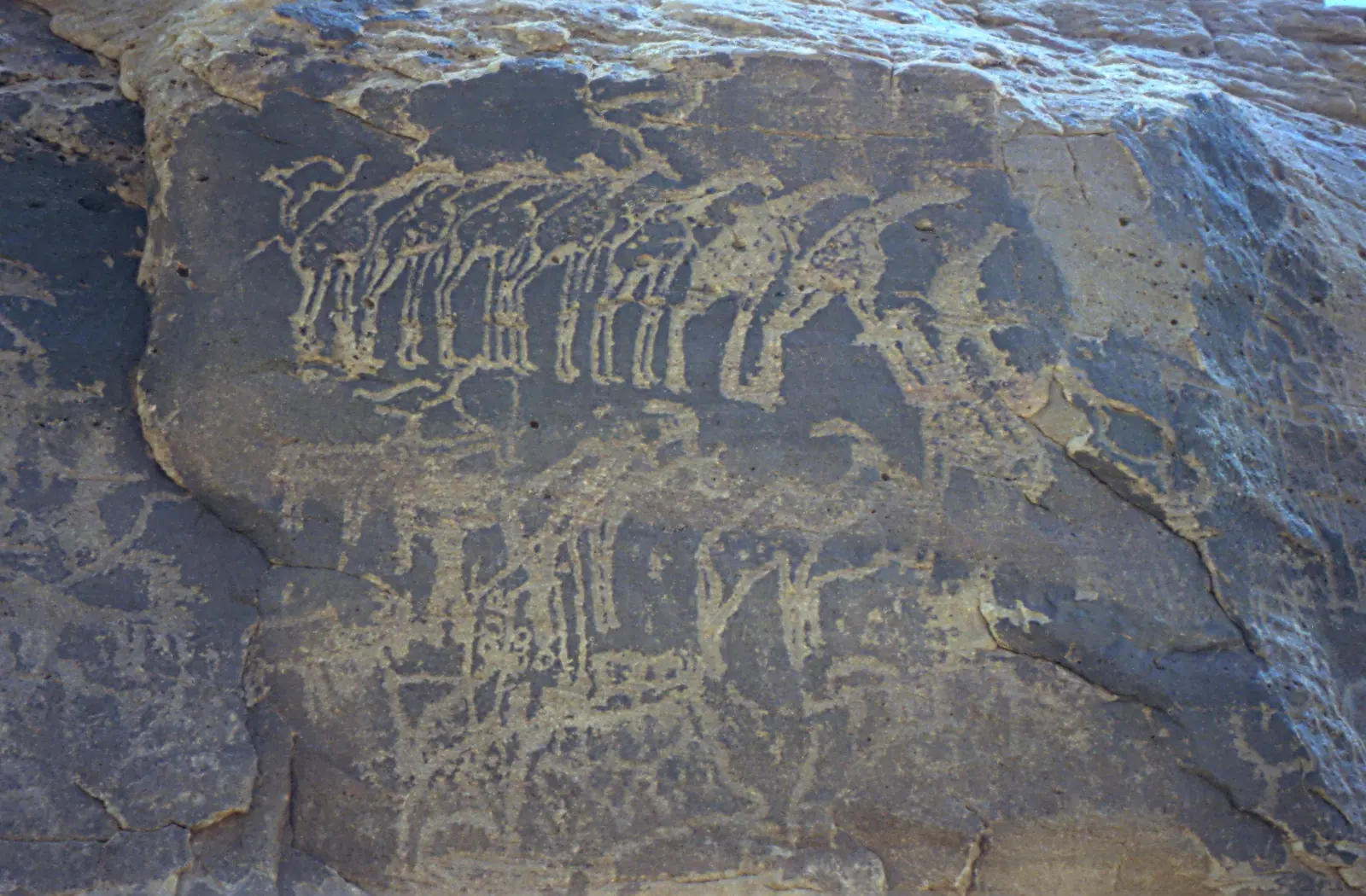
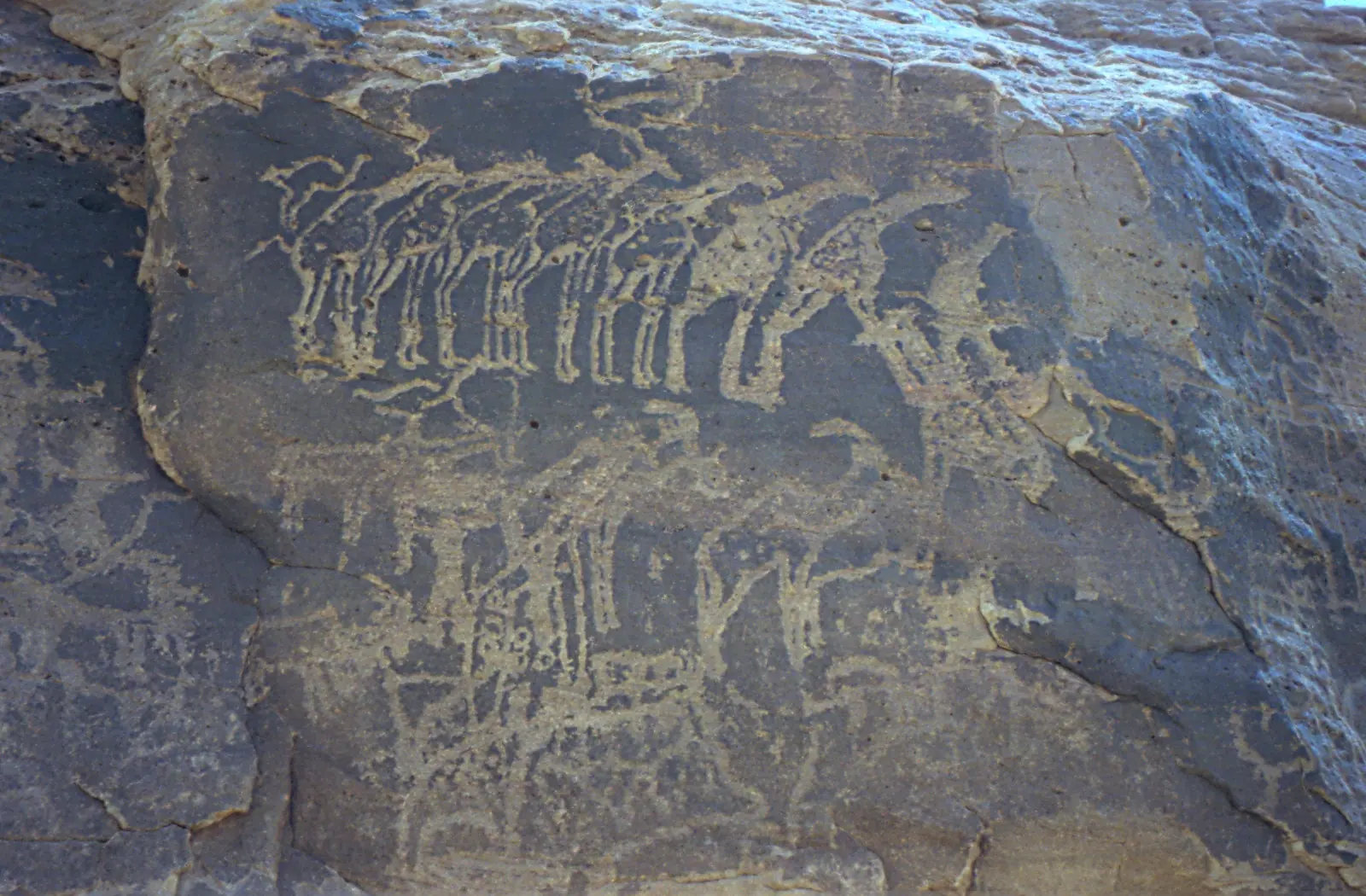
Beyond the oases lies the Ténéré, the great gravel plain that gives the Sahara its reputation. With a licensed guide and a well-prepared vehicle you can reach the dunes at Temet, the stark memorial that marks the spot of the once-famous lone acacia known as the Tree of Ténéré, and the rock engravings of Dabous, where two life-size giraffes carved into a sandstone outcrop survive from a time when this desert was grassland. Much of the area falls within the Aïr and Ténéré National Nature Reserve, one of the largest protected areas in Africa.
Two days is a taster, not a crossing. Expect long, corrugated drives, fierce daytime heat and nights cold enough for a down jacket, and expect to camp — simple mattresses under a sky so thick with stars it looks artificial. Carry more water than you think you need, keep a head torch handy, and listen to your guide on routing and timing. Permits and authorised operators are mandatory for this region, and independent travel north of Agadez is not realistic.
Day 6: Kouré's Last Giraffes and the River Road to Ayorou
Fly back to Niamey and point the car southeast to Kouré, about an hour's drive from the capital, where the last wild population of West African giraffes survives in a mosaic of farmland and scrub. Numbers are in the hundreds, recovering from a few dozen in the 1990s, and local guides track them on foot each morning. You will walk, quietly and usually for an hour or two, before finding a small group browsing acacia at close range — one of the most memorable wildlife encounters in West Africa, and one that requires no jeep and no fence.
Continue to Ayorou on the Niger River, a market town of pirogues, river islands and mud-brick houses where hippos surface at dusk and fishermen pole home past the evening light. The market draws traders from Mali and Burkina Faso, and the surrounding villages are known for pottery and woven mats. If you have time, push on to the Niger side of W National Park near La Tapoa, a transboundary reserve of savannah and gallery forest where elephants, buffalo, lions and antelope are best seen in the dry months from December to March.
Back in Niamey for the evening, head to the riverbank for grilled fish and a final sunset over the bridge. This is the moment to sort souvenirs — indigo textiles, leatherwork, silver — and to swap contact details with the guides who made the week work.
Day 7 and Extensions: Zinder's Old Quarter or a Second Desert Night
If you have a seventh full day and the flights line up, take the morning service east to Zinder, Niger's second city and its former capital. The Birni is the old walled quarter, a tight knot of earthen houses and narrow lanes, and the Sultan's Palace still functions as a residence and ceremonial seat. Across the seasonal riverbed, the Hausa quarter of Zengou is famous for its exuberantly decorated house facades, geometric reliefs pressed into the mud walls. Add the colonial-era fort on the hill and you have a compact, half-day walk through a very different Niger.
The alternative is to spend the day where the trip began, slowing down. Niamey rewards a little idleness: mornings at the Grand Marché when the cloth sellers are still setting out, lunch of rice and sauce at a neighbourhood maquis, an afternoon at the national museum you rushed through on day one, and a final boat on the river as the sun drops behind the far bank.
Whichever you choose, travel in Niger demands preparation. Carry cash in West African CFA francs, since cards and ATMs are unreliable outside the capital; pack loose long clothing for sun and modesty; bring oral rehydration salts, a water filter and a dust mask for harmattan season; and make sure your yellow fever vaccination and malaria precautions are sorted well before departure. French is the official language, Hausa and Zarma are widely spoken, and a few words of greeting in either will open more doors than any amount of planning.
Frequently asked questions
Is it safe to travel in Niger?
Parts of Niger, especially the far north and the borders with Mali, Burkina Faso and Libya, carry serious security risks and are subject to travel warnings from several governments. Niamey, the Kouré giraffe zone, Ayorou and the W National Park area are generally visited with a normal degree of caution. Travel to Agadez and the Aïr Mountains requires a licensed operator, permits and a local guide, and conditions can change quickly — check your government's current travel advice and register your trip before booking anything non-refundable.
How do I get between cities in Niger?
Domestic flights connect Niamey with Agadez and Zinder several times a week on small aircraft, usually departing at dawn. They save a twelve-hour-plus drive, but seats are limited, baggage allowances are tight and schedules can change, so allow a buffer day. Elsewhere you travel by private 4x4 with a driver-guide, which is the only practical way to reach the Aïr, the Ténéré and the more remote river villages.
When is the best time of year to visit Niger?
November to February offers dry, relatively cool weather and is the best window for the desert and for wildlife in W National Park. March to May is extremely hot, with daytime temperatures above 40°C. The rainy season from roughly June to September turns the Sahel green and brings the Cure Salée gathering near In-Gall in September, though some desert tracks become harder to negotiate.
Do I need a permit or a guide for Agadez and the Aïr Mountains?
Yes. Travel north of Agadez, including the Aïr Mountains, Timia, the Ténéré and the Dabous rock engravings, is subject to official authorisation and must be arranged through a licensed local operator. You will travel with a registered guide and driver, in a properly equipped 4x4, and your permits will be checked at checkpoints along the way. Independent desert travel is neither permitted nor advisable.
What should I pack and what practicalities should I plan for?
Pack light, loose, long-sleeved clothing for sun and modesty, a wide-brimmed hat, a scarf for dust, a head torch, a water filter or purification tablets, rehydration salts and a warm layer for cold desert nights. Bring cash in West African CFA francs, as ATMs and card payments are unreliable outside Niamey. Arrange yellow fever vaccination and malaria prophylaxis in advance, and carry a photocopy of your passport and visa separately from the originals.