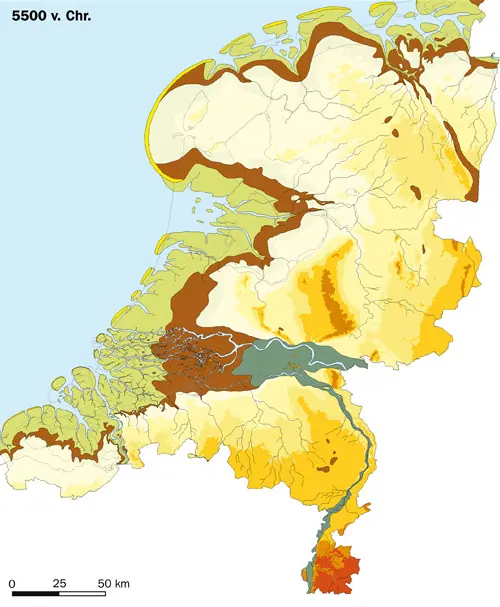
The Netherlands fits a surprising amount of country into a small space — windmills within cycling distance of world-class museums, medieval squares an hour from glassy modern skylines. Choosing the right base, and the right kind of Dutch hotel, makes the difference between a whirlwind of train rides and a trip that actually breathes.
How to Choose Where to Sleep in the Netherlands
Almost everything worth seeing sits within a two-and-a-half-hour train ride of everything else, so the real question is not distance but rhythm. Many visitors settle into one base — usually Amsterdam — and take day trips to Haarlem, Delft, Utrecht or the windmills at Kinderdijk. Others split the trip in two: a few nights in the canal-ringed west, then a slower stay in Maastricht, Groningen or on a Wadden Island. Staying outside the biggest city and commuting in is often quieter, cheaper and unexpectedly pleasant; Dutch stations are central, and trains run every ten to thirty minutes on main lines.
Dutch accommodation vocabulary rewards a little homework. A 'hotel' may be anything from a grand 19th-century establishment to a six-room canal house with no lift. 'Bed and breakfast' and 'guesthouse' usually mean a family-run place with a shared staircase and a generous breakfast of bread, cheese, boiled eggs and strong coffee. 'Holiday park' covers the bungalow villages popular with Dutch families, often beside a lake or forest. Whatever you book, expect narrow stairs, compact rooms and windows that actually open — plus a tourism tax added per person, per night, which varies from city to city and is normally charged on arrival.
Book early for the last week of April and the first half of May, when tulip season, spring school holidays and King's Day collide. Late September and October bring lower rates, softer light and museums you can walk straight into. November through February is the bargain window, especially outside Amsterdam, with Christmas markets and city light festivals filling the short, dark days.
Amsterdam: Canal-Ring Bases and Sights on Your Doorstep
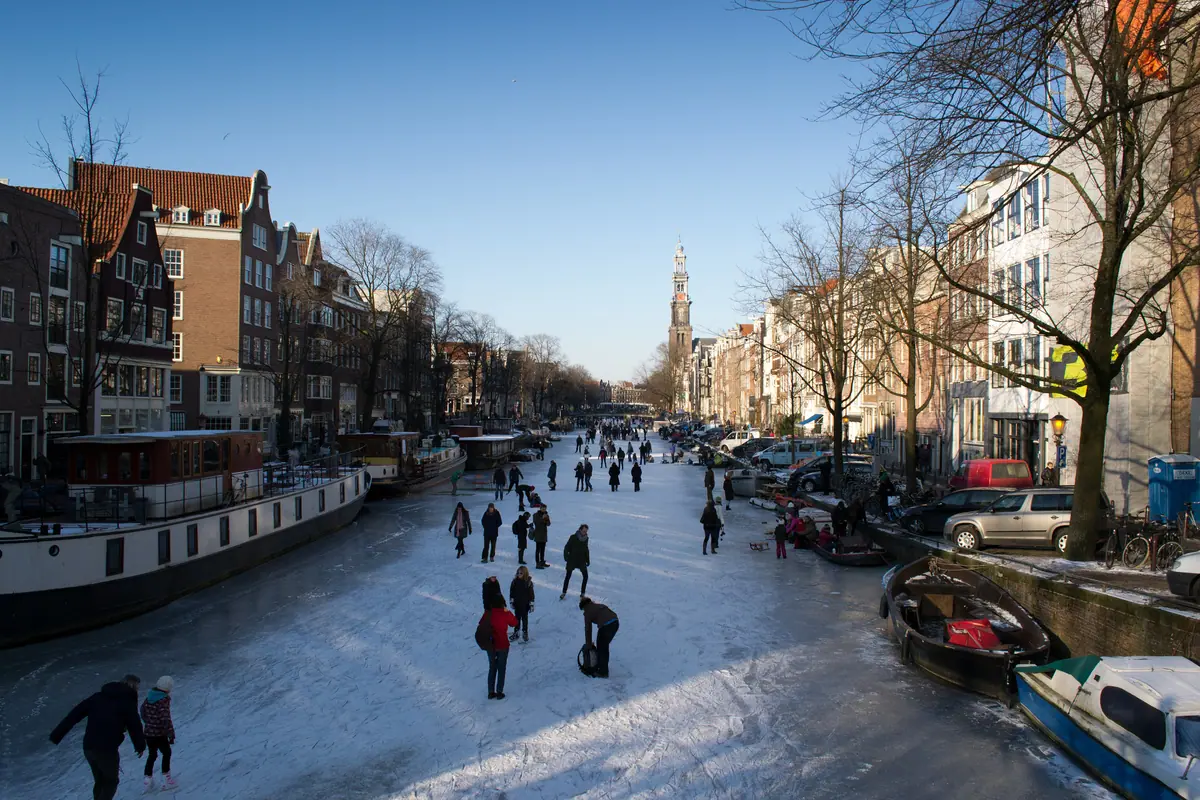
Amsterdam's UNESCO-listed Canal Ring is the postcard, but where you sleep within it changes your trip. The Jordaan, west of the centre, is the quietest choice: narrow streets, brown cafés, small galleries, and the Noordermarkt on Saturdays. The Museum Quarter puts you minutes from the Rijksmuseum, the Van Gogh Museum and the Stedelijk Museum, with Vondelpark for morning runs. De Pijp is livelier and cheaper, anchored by the Albert Cuyp Market, while staying in Amsterdam-Noord across the water — reached by free ferries — trades canal views for space, calm and quick access to the NDSM wharf.
Book a canal-view room and you may be paying for a sliver of water between two houseboats; book a courtyard room and you will sleep better. Many canal houses have no lift and stairs like ladders, so ask for a lower floor if you have heavy bags or limited mobility. Boutique hotels in converted warehouses and former schools are plentiful, as are small B&Bs with three or four rooms. If you want a splurge, the grand dames along the canals and near Museumplein deliver history, doormen and proper bathtubs.
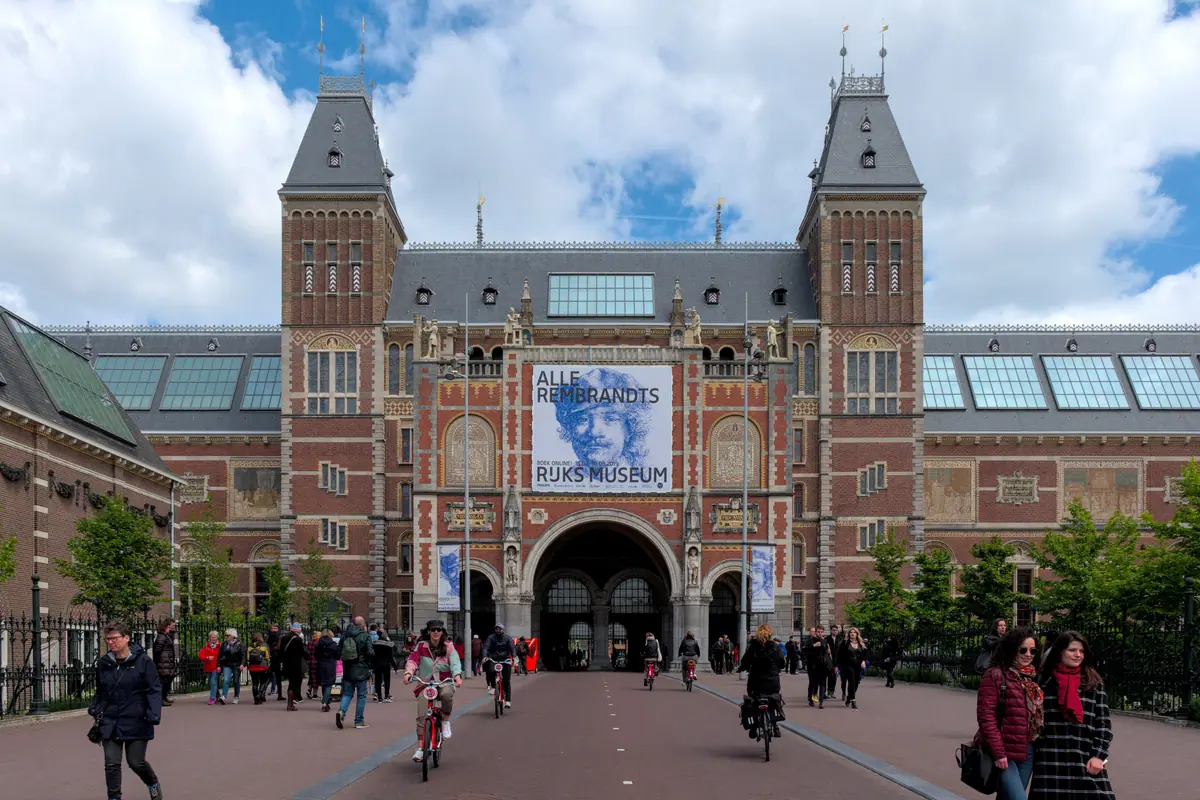
From any of these bases the essential sights stack up neatly: the Rijksmuseum's Golden Age galleries, the Van Gogh Museum, the Anne Frank House on the Prinsengracht (timed tickets only, booked well ahead), the Rembrandt House Museum, and Dam Square with the Royal Palace. Wander the Bloemenmarkt flower stalls, cross the Magere Brug, and take a canal cruise at dusk when the bridges light up. Reserve at least two full days; three is better if you add the Nine Streets' boutiques and a bike ride out to the Amsterdamse Bos.
Rotterdam and The Hague: Modern Skylines and Royal Streets
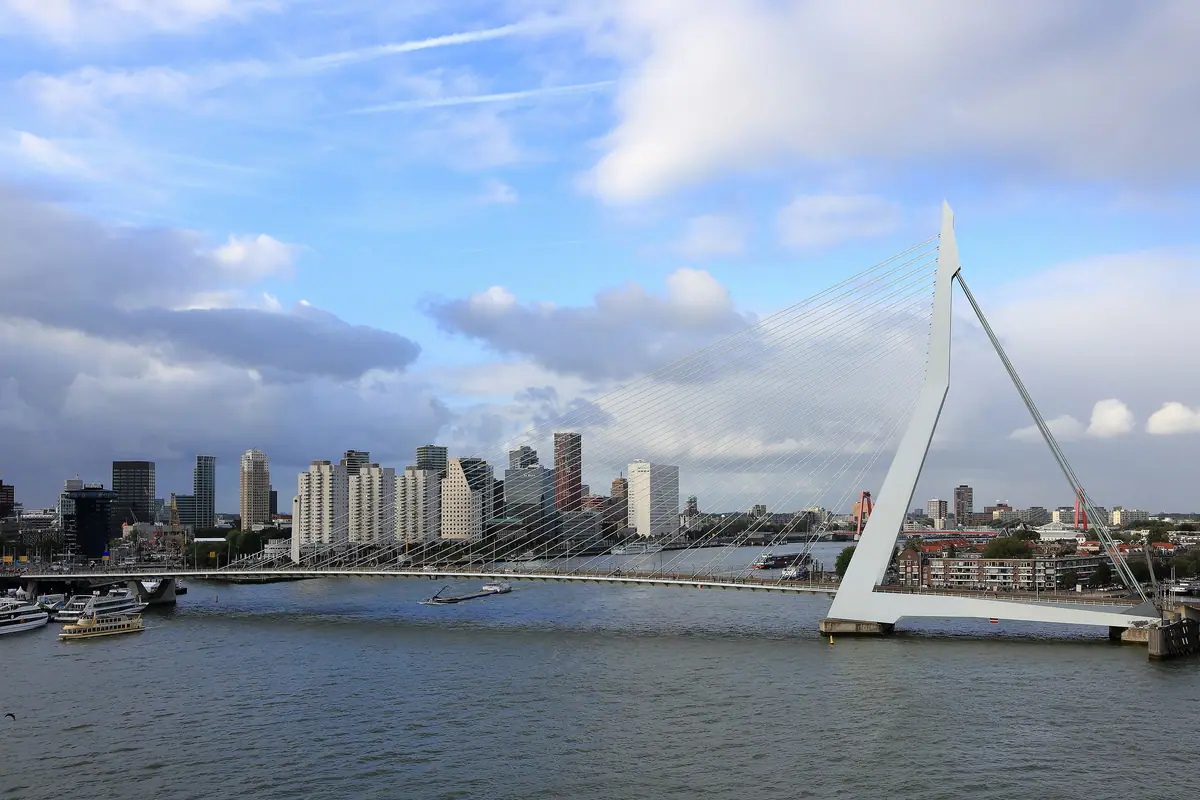
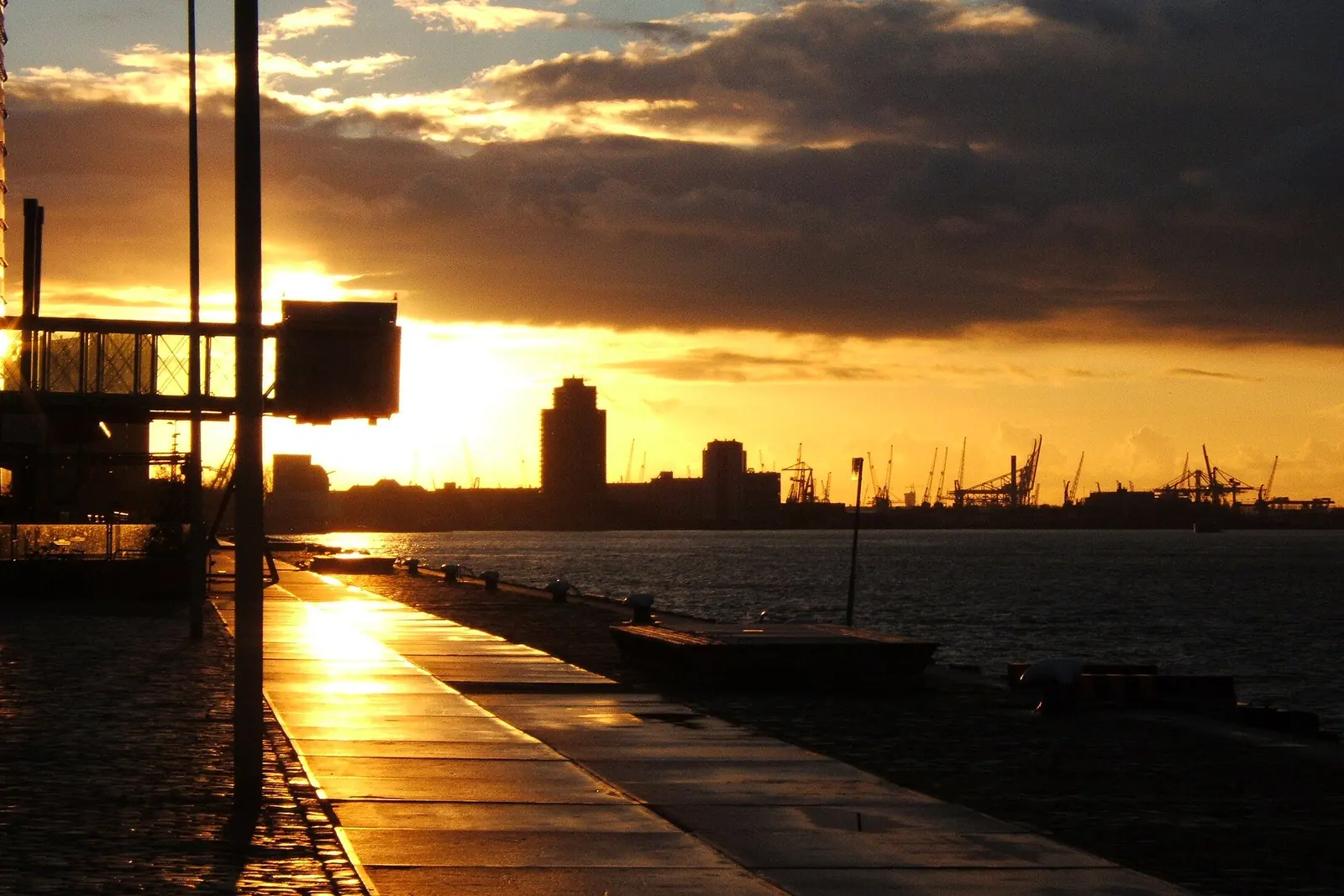
Rotterdam rebuilt itself after the Second World War and wears its architecture proudly. Base yourself around Witte de Withstraat for bars and galleries, or on Kop van Zuid for river views and quick access to the Erasmus Bridge. The Markthal's arched food hall, the tilted Cube Houses, the Euromast observation tower and the open-air maritime museum harbour are all walkable from the centre, and the city's grid makes cycling genuinely easy. Hotels here lean design-forward, with converted warehouses, former office towers and riverfront rooms that cost noticeably less than equivalent space in Amsterdam.
The Hague, half an hour away by train, is a different mood: stately, green and royal. Stay near the city centre for the Mauritshuis — home to Vermeer's Girl with a Pearl Earring and Fabritius's The Goldfinch — the historic Binnenhof parliament complex and the Peace Palace, or head to Scheveningen for a beachfront hotel with a pier, promenade and North Sea sunsets. Families often prefer Scheveningen or the leafy Statenkwartier; museum-goers do better in the centre, where the Escher Museum and the Panorama Mesdag sit within a short stroll of each other.
Consider a two-city stay: three nights in Rotterdam for architecture and nightlife, two in The Hague for art and coast. Both are within forty minutes of Amsterdam by intercity train, so day-tripping works too — but the evening atmosphere in each city rewards staying put.
Utrecht, Haarlem and Delft: Small Cities, Big Charm
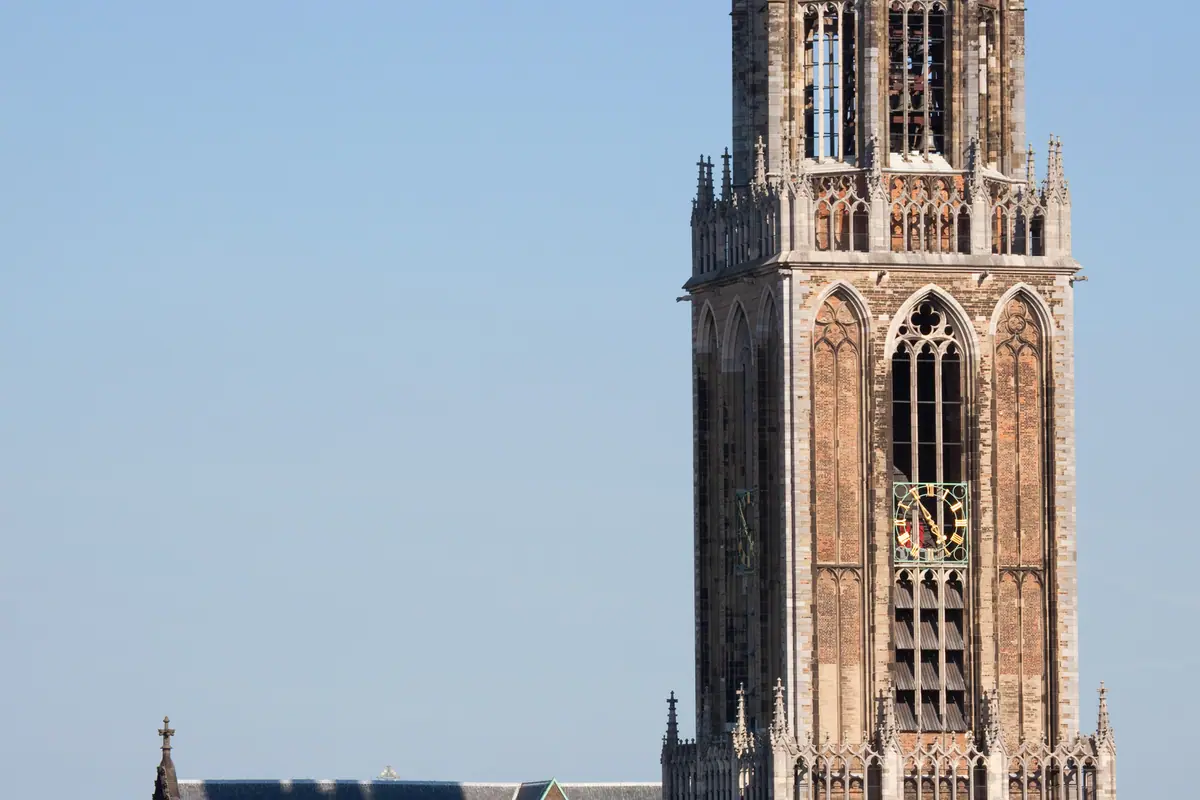
Utrecht is the country's compact darling: a medieval centre wrapped around the Dom Tower, the tallest church tower in the Netherlands, with two-level wharf cellars along the Oudegracht that now hold cafés, studios and small hotels. Stay near the Domplein or along the wharves for the best of it, and don't miss the Museum Speelklok's self-playing instruments or the Rietveld Schröder House, a De Stijl icon on the city's edge. Trains from Amsterdam take about half an hour, which makes Utrecht a comfortable alternative base for the whole western Netherlands.
Haarlem, twenty minutes from Amsterdam and fifteen from the coast, feels like a miniature of the capital without the crowds. The Grote Markt, framed by the Church of St. Bavo and the old town hall, is the place to stay, with the Frans Hals Museum and the wonderfully eccentric Teylers Museum nearby. Delft, in the south, offers canals, the Markt with its Nieuwe Kerk, the leaning Oude Kerk tower and workshops where the town's famous blue-and-white pottery is still made and painted by hand. Both cities have small, characterful hotels in 17th-century buildings — book early, as room counts are tiny.
Add Leiden if you have time: canals, a venerable university, the National Museum of Antiquities and a working windmill you can climb. These smaller cities are ideal for travellers who want Dutch life rather than a Dutch theme park, and they make excellent, low-stress bases with fast rail links in every direction.
Beyond the Randstad: Maastricht, Giethoorn, Kinderdijk and the Wadden Islands
In the far south, Maastricht is the country's oldest-feeling city, with Roman layers, the lively Vrijthof square, the Basilica of Saint Servatius and the Bonnefantenmuseum across the Maas. The limestone caves and fortifications of Sint-Pietersberg are a superb half-day outing; Below the city, guided walks reveal chalk drawings and cool tunnels. Hotels range from boutique stays in medieval townhouses to country estates in the surrounding hills, and the food culture here — Limburgish pastries, regional wines, long dinners — is the best in the Netherlands.
Further north, Giethoorn's car-free canals are explored by punt, canoe or whisper boat, with farmhouse B&Bs and waterside cottages that fill fast in summer. Kinderdijk's nineteen windmills, a UNESCO site near Rotterdam, are best visited early morning or late afternoon when tour groups thin out. In spring, the Keukenhof gardens near Lisse open for roughly eight weeks from mid-March to mid-May, and hotel rooms within cycling distance sell out months ahead. The Hoge Veluwe National Park, with its white bikes and the Kröller-Müller Museum's Van Gogh collection, deserves an overnight stay in nearby Otterlo or Arnhem.
For something entirely different, take the ferry to the Wadden Islands. Texel offers broad beaches, seal spotting and family hotels; Schiermonnikoog is car-free, with dunes, mudflat walks and a single village. Book well ahead for summer weekends, and pack for wind whatever the forecast says.
When to Go, What to Expect and How to Book Smart
The sweet spots are late April to June, when the trees are full and the days long, and September to early October, when the crowds thin and prices dip. July and August are warm, busy and pricey, especially in Amsterdam. Winter suits museum lovers and city-breakers: shorter queues, lower rates and cosy cafés, though daylight is brief and some coastal hotels close. Tulip-watchers should aim for mid-April; King's Day on 27 April turns every city orange and fills hotels a year in advance.
Getting around is simple without a car. Intercity trains link Amsterdam, Schiphol, Utrecht, Rotterdam, The Hague and Eindhoven frequently, with Utrecht around 30 minutes from Amsterdam and Rotterdam about 40. Buy tickets before boarding, tap in and out with a contactless card where accepted, and remember that bikes have priority — never stand or walk in a red cycle lane. Many smaller hotels sit a fifteen-minute walk from the station, so check the map before hauling luggage over cobbles.
Expect small rooms, steep stairs, check-in around 15:00 and check-out around 11:00, and breakfast that is usually worth paying for. Ask about lifts, ground-floor rooms and luggage storage if you arrive early. Cards are accepted almost everywhere, tipping is optional, and the tourism tax is added per person per night. Finally, book direct with small guesthouses where you can — the owners often hold the best rooms and the most useful local tips.
Frequently asked questions
How many days do you need in the Netherlands?
Four to five days covers Amsterdam properly plus day trips to Haarlem, Delft or Kinderdijk. A week lets you add Utrecht, Rotterdam and The Hague, or head south to Maastricht or north to the Wadden Islands. Ten days is comfortable for a multi-city trip without rushing.
Where should first-time visitors stay in Amsterdam?
The Canal Ring and Jordaan suit those who want atmosphere, cafés and walkable sights. The Museum Quarter is best for art lovers, De Pijp for markets and value, and Amsterdam-Noord for space and cheaper rooms with a short free ferry ride into the centre.
What is the best time of year to visit the Netherlands?
Late April to June and September to early October offer the best mix of weather, daylight and manageable crowds. Mid-April is peak tulip season. November to February brings low hotel rates, quiet museums and short days, plus Christmas markets and light festivals.
Do I need a car to travel between Dutch cities?
No. Frequent intercity trains connect Amsterdam, Schiphol, Utrecht, Rotterdam, The Hague, Eindhoven, Maastricht and Groningen. Buses and ferries fill the gaps, and bikes or trams work best inside cities. A car is only useful for rural areas like the Veluwe or the Wadden coast.
What should I know about Dutch hotel rooms?
Rooms are compact, stairs are steep and narrow, and lifts are rare in historic canal buildings. Check-in is typically around 15:00 and check-out around 11:00. A tourism tax is charged per person per night, and breakfast is often included but sometimes costs extra — worth confirming when you book.
Plan it — hotels in Netherlands
Live search, booked directly with trusted providers.
Sort the rest of your trip
Everything for Netherlands, in one place
Transfer in Netherlands
Private driver waiting on arrival — no queues, no surprises.
Book a transfer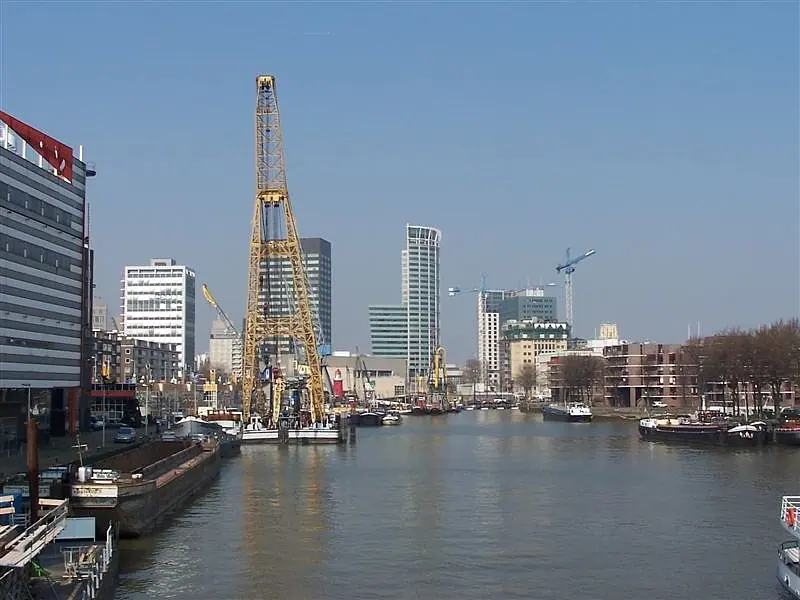
Things to do in Netherlands
Skip-the-line tickets, guided tours and standout experiences.
See experiences
Stay online in Netherlands
Travel eSIM — data the moment you land, no roaming bills.
Get an eSIMMore guides in Netherlands
Best Time to Visit the Netherlands: Seasons, Crowds and Where to Stay
Top Things to Do in the Netherlands: Must-See Landmarks and Experiences
Best Places to Visit in the Netherlands: Canals, Windmills and Tulip Fields