Few countries change character with the calendar as dramatically as the Netherlands. One month it is a patchwork of flowering bulbs, canal-side terraces and bicycles ringing through the morning, the next it is a fog-wrapped landscape of glowing bridges and warm museum halls. Deciding when to go shapes not only what you see, but how much a room costs and how far ahead you need to reserve it.
Spring: The Tulip Window and the Year's Tightest Hotel Market
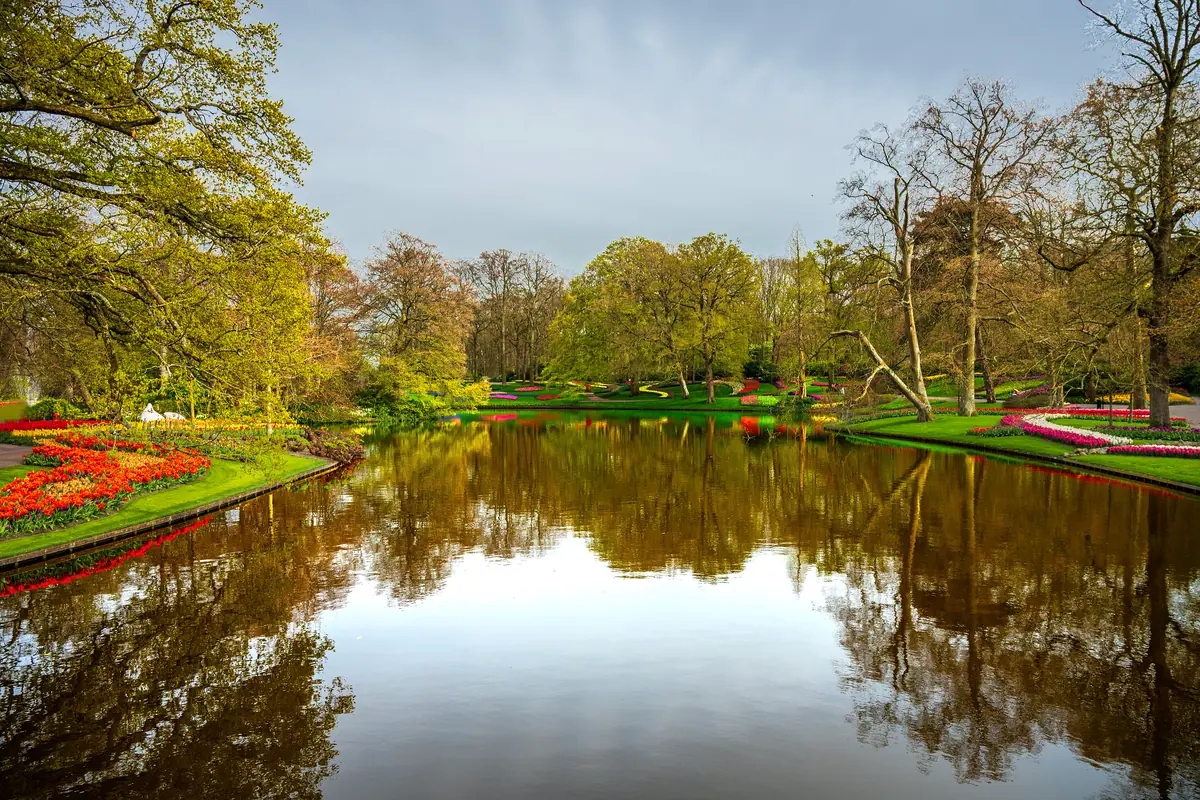
Spring is the Netherlands at its most photographed. Keukenhof, the vast bulb garden at Lisse, opens roughly from mid-March to mid-May, with the colour peaking in the second half of April, when the surrounding Bollenstreek fields stripe the horizon in red, yellow and violet. Amsterdam's Canal Ring and the Jordaan district fill with blossom, the terraces reopen, and the Rijksmuseum and Van Gogh Museum absorb their longest queues of the year. Temperatures hover between 8°C and 15°C, sunshine and sharp showers trade places within an hour, and layers plus a waterproof jacket are the only sensible packing strategy.
Two dates dominate calendars. King's Day on 27 April turns Amsterdam into a city-wide flea market and street party, while the bulb region stages a flower parade in the same period. Hotel rooms in the capital and in Leiden, Haarlem and Delft sell out months ahead, and many small guesthouses impose minimum stays. The smart play is to book four to six months in advance, or to exploit the shoulder weeks: early March is cheap and quiet, and the second half of May still offers long daylight with rooms far easier to find.
Summer: Long Evenings, Open-Air Festivals and Peak Rates
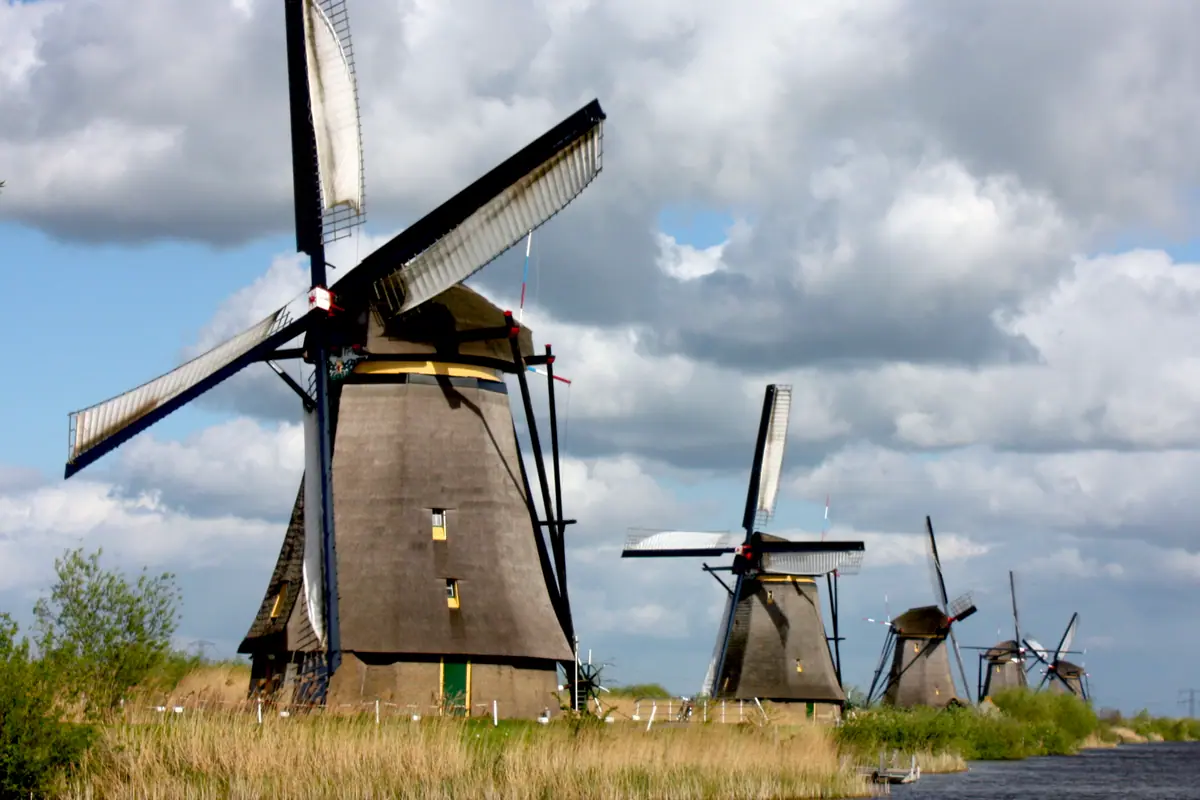
From June to August daylight stretches past 22:00, and the whole country moves outdoors. Vondelpark fills with picnics, canal boats drift until dusk, and the North Sea beaches at Scheveningen and Zandvoort get genuinely warm enough for swimming. This is the season for day trips to Zaanse Schans with its working windmills, to Kinderdijk's nineteen eighteenth-century mills, to the car-free village of Giethoorn, and to the Wadden Islands such as Texel, where mudflat walking and seal-spotting excursions run daily.
It is also peak season, and Amsterdam's hotel prices reflect it. Festivals crowd the calendar: the Grachtenfestival brings classical concerts onto the canals, Pride Amsterdam fills the waterways with boats in early August, and Rotterdam hosts its summer jazz gathering. Expect 20–23°C on a typical day, occasional humid spells above 30°C, and sudden thunderstorms. Because the Rijksmuseum, Anne Frank House and Van Gogh Museum sell timed-entry slots, reserve tickets days ahead and consider basing yourself in Utrecht, Haarlem or Rotterdam, all within a short train ride of the capital and noticeably cheaper.
Autumn: Golden Light, Museum Season and Softer Prices
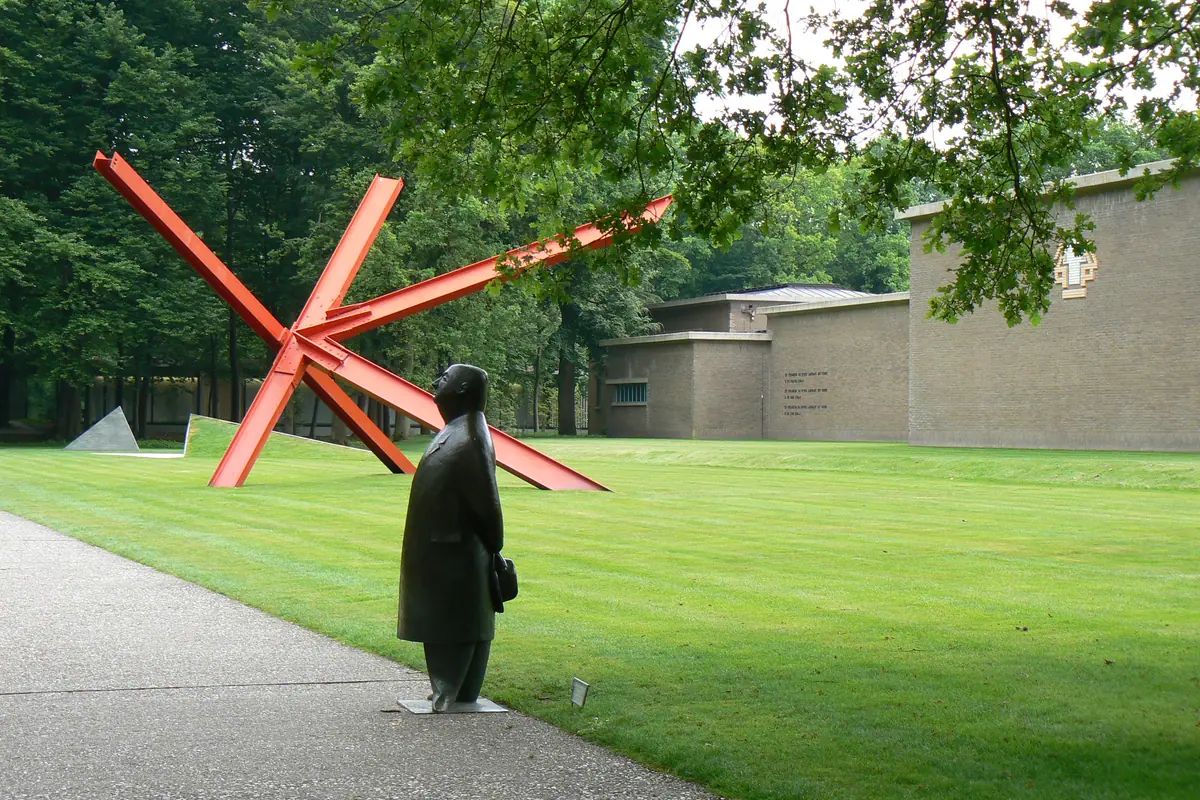
September and October are the connoisseur's months. The summer crowds thin after the first week of September, room rates fall steadily, and the light turns golden over the canals and the polder. Hoge Veluwe National Park, near Arnhem, is spectacular as the beech woods turn and the heather glows purple, and the Kröller-Müller Museum at its heart holds one of Europe's great painting collections alongside a sculpture garden. In The Hague, the Mauritshuis and the Binnenhof are at their most comfortable, with the miniature city of Madurodam nearby.
November is the wettest, greyest stretch and the quietest for tourism, which makes it excellent value for city breaks built around interiors: the Dom Tower in Utrecht, the Markthal and Erasmus Bridge in Rotterdam, the museums of Leiden, and the historic centre of Delft. Book directly with small hotels and you will often find flexible cancellation and lower midweek rates. Pack a proper rain jacket and shoes that tolerate wet cobbles, and treat the short days as an invitation to linger over long lunches and early dinners.
Winter: Light Festivals, Low Rates and Cosy Museum Days
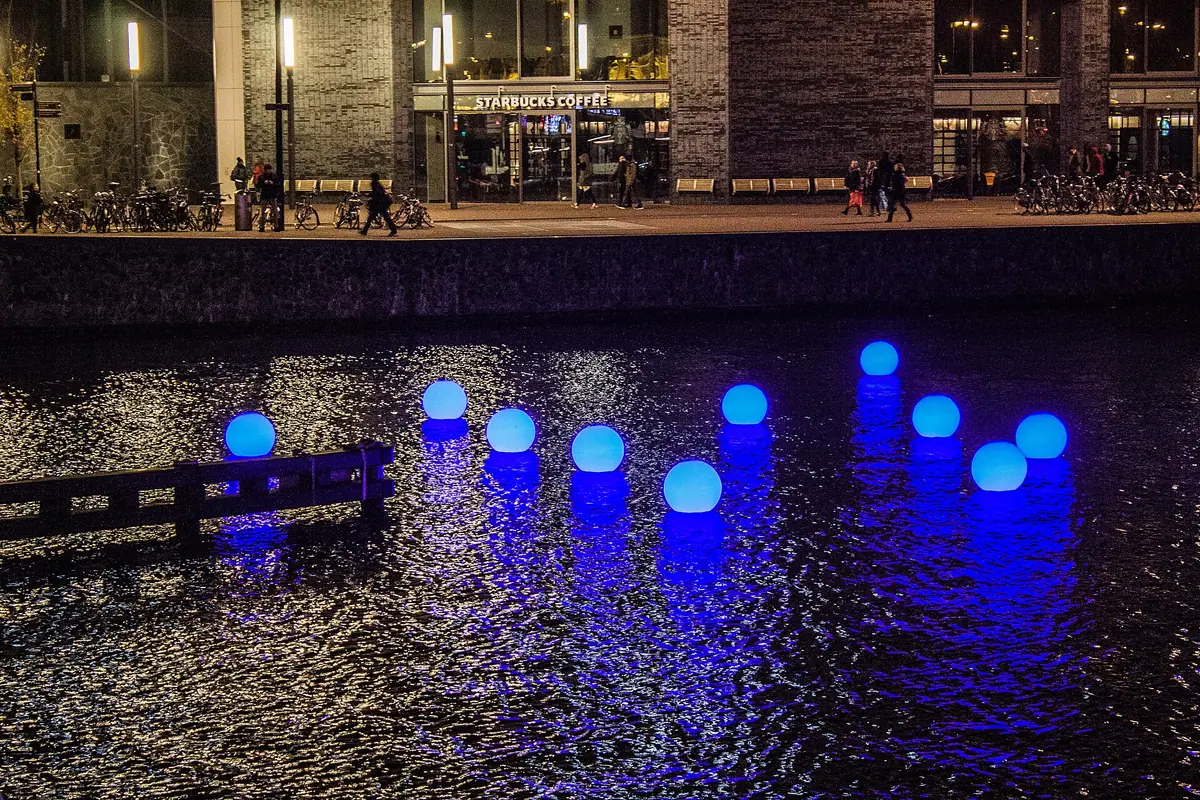
Winter divides opinion, but its compensations are real. From late November into January the Amsterdam Light Festival installs illuminated artworks along the canals, best seen on an evening boat or a slow walk between bridges. Christmas markets appear in Dordrecht, Delft and on Maastricht's Vrijthof square, Sinterklaas arrives on 5 December, and when the temperature drops far enough, locals lace up skates on frozen water. The Wadden Sea islands turn wild and empty in the best sense.
Expect 2–6°C, a biting wind off the North Sea, and daylight shrinking to under eight hours around the solstice. Ferries, museums and restaurants keep normal hours, Keukenhof is closed, and the countryside looks austere rather than charming. Yet January and February bring the year's lowest hotel rates outside the Christmas, New Year and light-festival weekends, and you can walk straight into the Rijksmuseum or the Van Gogh Museum without a queue. Book your room two to four weeks out, but book the light-festival period far earlier.
Choosing Your Base: Where to Stay by Season and Style
In Amsterdam, the Canal Ring and Jordaan put you within walking distance of the Anne Frank House, the Nine Streets and the Museum Quarter, and command the highest rates. De Pijp, around the Albert Cuyp market, is livelier and slightly cheaper, while Oud-West and Amsterdam-Noord offer better value a short tram or ferry ride away. Spring and summer require the longest lead times; autumn and winter open up townhouses and boutique canal hotels that would otherwise be out of reach.
Beyond the capital, Rotterdam's architecture around the Markthal and Erasmus Bridge makes a strong year-round alternative with plentiful midweek availability. Utrecht, wrapped around the Dom Tower, is compact, pretty and half an hour by train from Amsterdam. The Hague pairs the Mauritshuis and Binnenhof with the beach at Scheveningen, ideal from June to September. Maastricht is best during carnival season in February or March and again in autumn, when the Vrijthof cafes stay warm under heaters. On the Wadden Islands, summer bookings should be made by early spring; winter visits suit those who want solitude and storms.
Practical Pointers for Each Season
Rain falls in every month, so plan around it rather than hoping to avoid it: mornings for outdoor sights, afternoons in museums, and a flexible schedule if you are cycling. Bicycles are the finest way to see the country from April through September, when paths are dry and hire shops are everywhere; in winter, stick to trains, trams and the metro, where contactless bank cards now tap in on almost all services.
Book accommodation with a clear pattern in mind. Reserve four to six months ahead for the tulip peak in April and the school-holiday weeks of July and August, two to three months for May, June, September and October, and as little as a fortnight for late January and February. King's Day, the light-festival weekends and carnival are exceptions that sell out regardless of season. Always check minimum-stay rules at small guesthouses before confirming.
Finally, match your itinerary to daylight. In June you can fit a morning at Zaanse Schans, an afternoon in Haarlem's Grote Markt and an evening canal cruise into one day. In December, with under eight hours of light, choose one anchor sight and build the day around it, finishing in a brown cafe or a museum restaurant. If your priority is Keukenhof, book spring; if it is museums and low rates, come in January.
Frequently asked questions
What is the best month to see the tulips in the Netherlands?
Mid-April to early May is the sweet spot. Keukenhof is usually open from mid-March to mid-May, but the surrounding bulb fields in the Bollenstreek reach full colour in the second half of April. Late March is quieter but patchier; mid-May often still has blooms and far calmer hotels.
When are hotels in the Netherlands cheapest?
Late January and February, plus most of November, bring the softest rates outside the Christmas, New Year, Amsterdam Light Festival and carnival weekends. Midweek stays in Rotterdam, Utrecht and The Hague are noticeably cheaper than Amsterdam at any time of year.
How far in advance should I book a hotel in Amsterdam?
Four to six months for the April tulip peak and the July–August school holidays, two to three months for May, June, September and October, and two to four weeks in deep winter. King's Day on 27 April and light-festival weekends sell out almost regardless of when you start looking.
Is winter a good time to visit the Netherlands?
Yes, if you accept short days of under eight hours of light and a cold North Sea wind. In exchange you get illuminated canal festivals, Christmas markets in Dordrecht, Delft and Maastricht, near-empty museums, and the year's lowest room rates.
Do I need to book museum tickets in advance?
For the Anne Frank House, Van Gogh Museum and Rijksmuseum, yes — timed slots in spring and summer routinely sell out days ahead. In November, January and February you can often walk up, but reserving online still saves time.
Plan it — hotels in Netherlands
Live search, booked directly with trusted providers.
Sort the rest of your trip
Everything for Netherlands, in one place
Transfer in Netherlands
Private driver waiting on arrival — no queues, no surprises.
Book a transfer
Things to do in Netherlands
Skip-the-line tickets, guided tours and standout experiences.
See experiences
Stay online in Netherlands
Travel eSIM — data the moment you land, no roaming bills.
Get an eSIMMore guides in Netherlands
Where to Stay in the Netherlands: Best Cities, Neighbourhoods and Hotels for Every Trip
Top Things to Do in the Netherlands: Must-See Landmarks and Experiences
Best Places to Visit in the Netherlands: Canals, Windmills and Tulip Fields