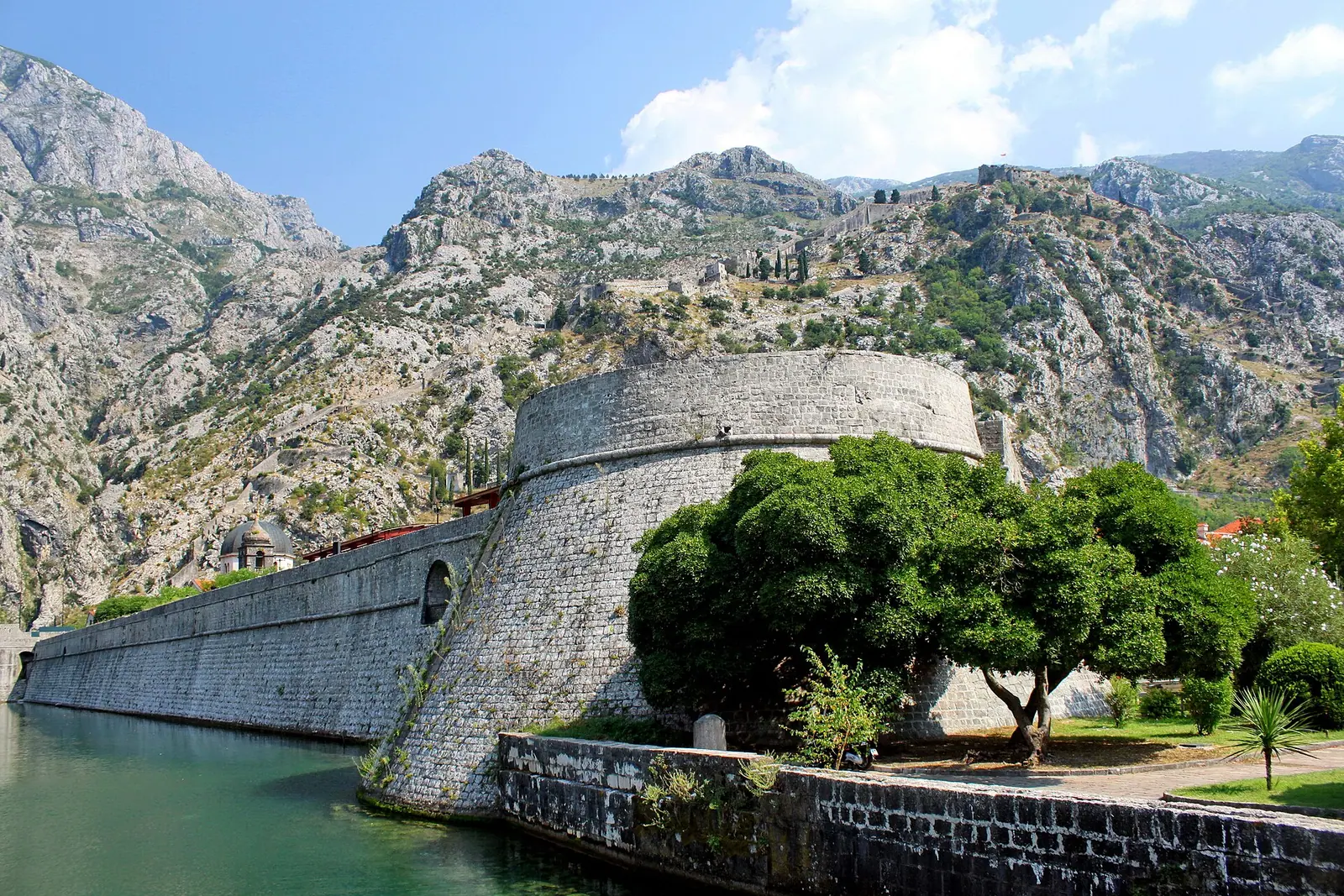
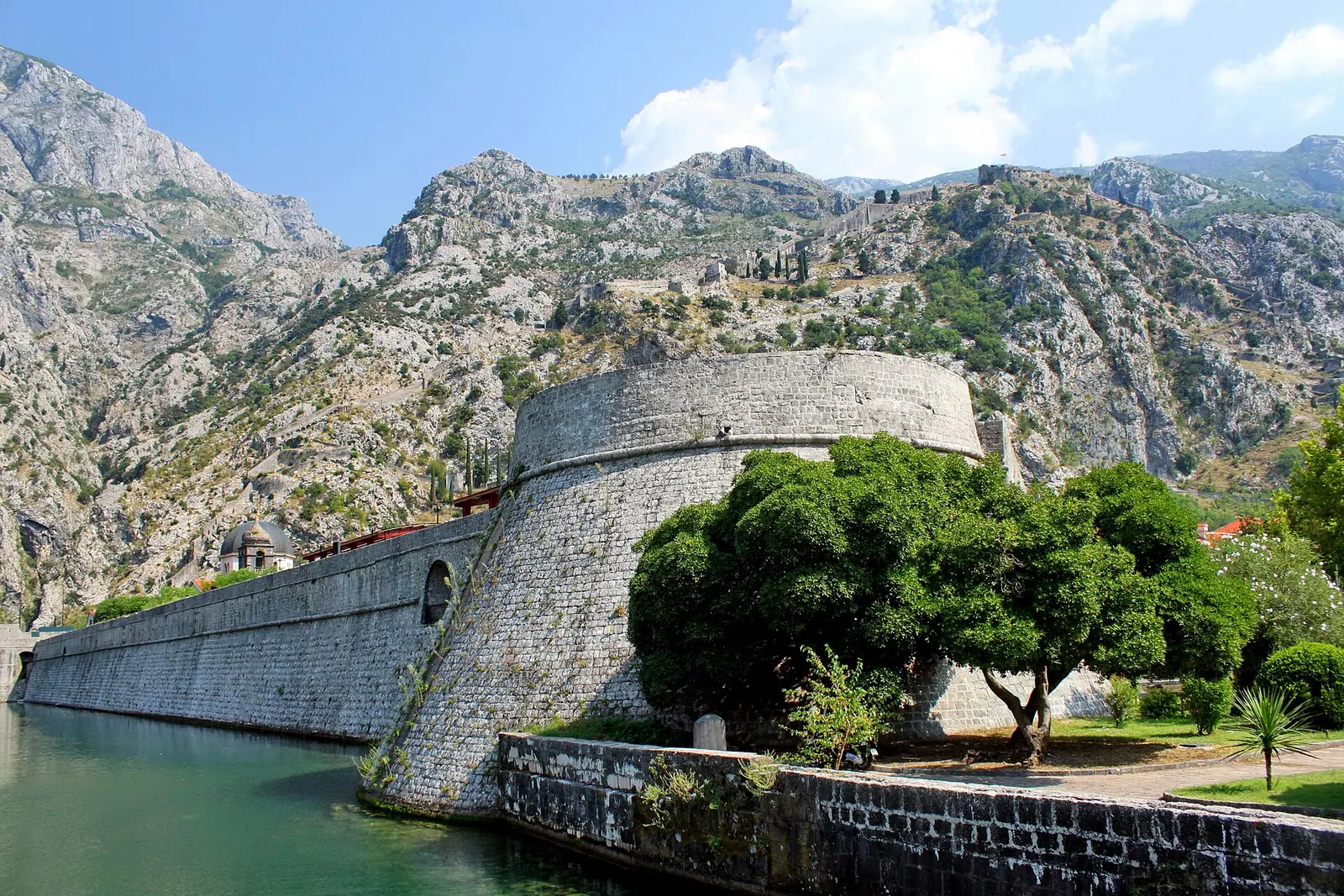
Montenegro squeezes a continent into a country you can drive across in an afternoon: fjord-like bays, Venetian stone towns, a sandy southern coast and a limestone massif where wolves still cross the tracks. Where you sleep decides what kind of trip you get — a swim-and-cocktails holiday, a hiking base, or a slow wander between medieval walls and candlelit squares. This guide maps the country's best hotel bases, and the landmarks you'll wake up beside.
Choosing Your Base: Coast, Bay or Mountain?
Montenegro covers under 14,000 square kilometres, yet two hours of driving separates an Adriatic swim from alpine air. The hotel clusters are easy to picture: the Bay of Kotor (Kotor, Dobrota, Perast, Herceg Novi, Tivat), the Budva Riviera (Budva, Bečići, Pržno, Petrovac), the long sandy south around Ulcinj, and the northern mountains around Žabljak and Kolašin. Inland, Podgorica and the old royal capital of Cetinje offer a different, more everyday Montenegro. For a first visit, split your stay — four nights on the bay or riviera, two or three in Durmitor National Park — and you'll see both faces of the country without ever driving more than three hours.
Match the property to the place rather than chasing stars. In Kotor you want a room inside the walls, even if the staircase is steep and the windows are small; in Perast, a baroque house with a water-facing terrace. On the Budva Riviera, a pool and a lift matter more than charm. In Žabljak, look for a timber lodge with a wood stove and a host who can point you to the trailhead before breakfast. The same country, three entirely different holidays.
Timing shapes both crowds and comfort. Mid-May to early July and September to mid-October bring warm sea, quiet lanes and far more sensible rates. July and August are hot, busy and expensive, and Kotor's old town fills with day visitors between roughly nine in the morning and five in the afternoon — stay overnight and you get the place almost to yourself at dusk. Winter empties much of the coast, with many konobas and beach bars shuttered, but turns the north into a snow-shoe and ski destination.
Kotor and the Inner Bay: Sleeping Inside a Venetian Postcard
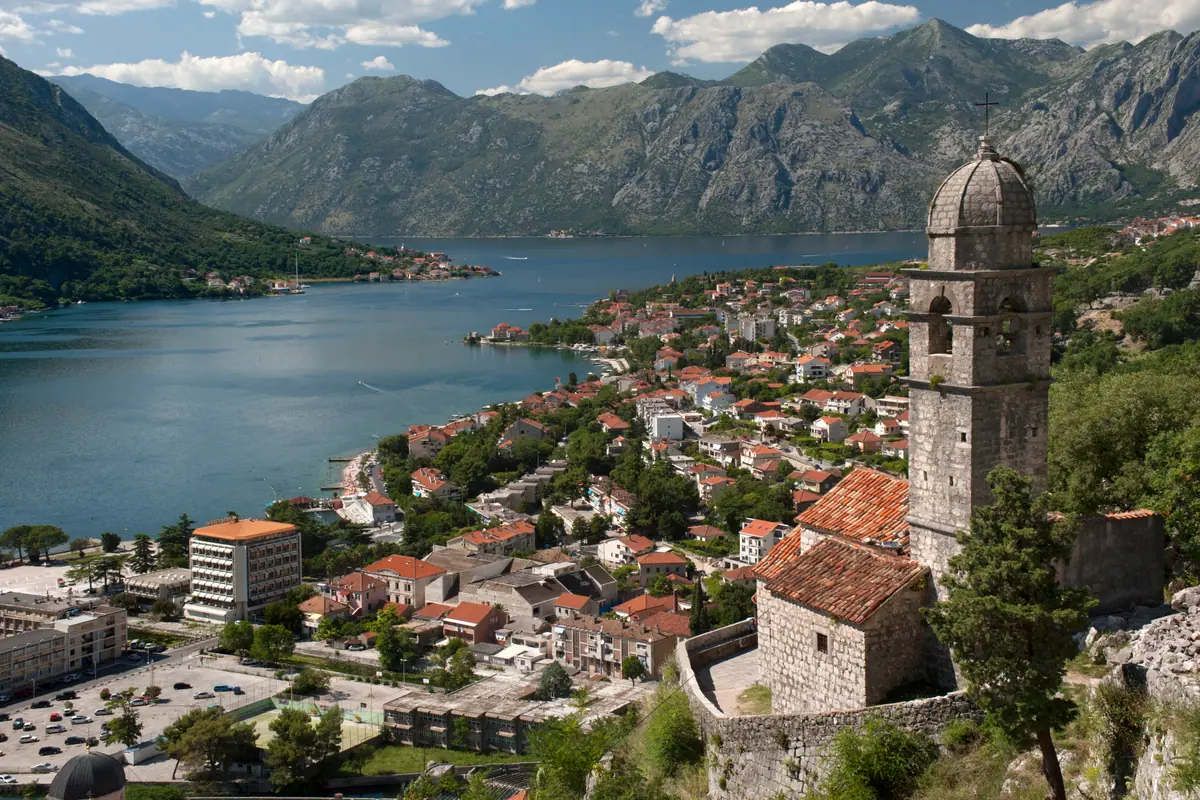
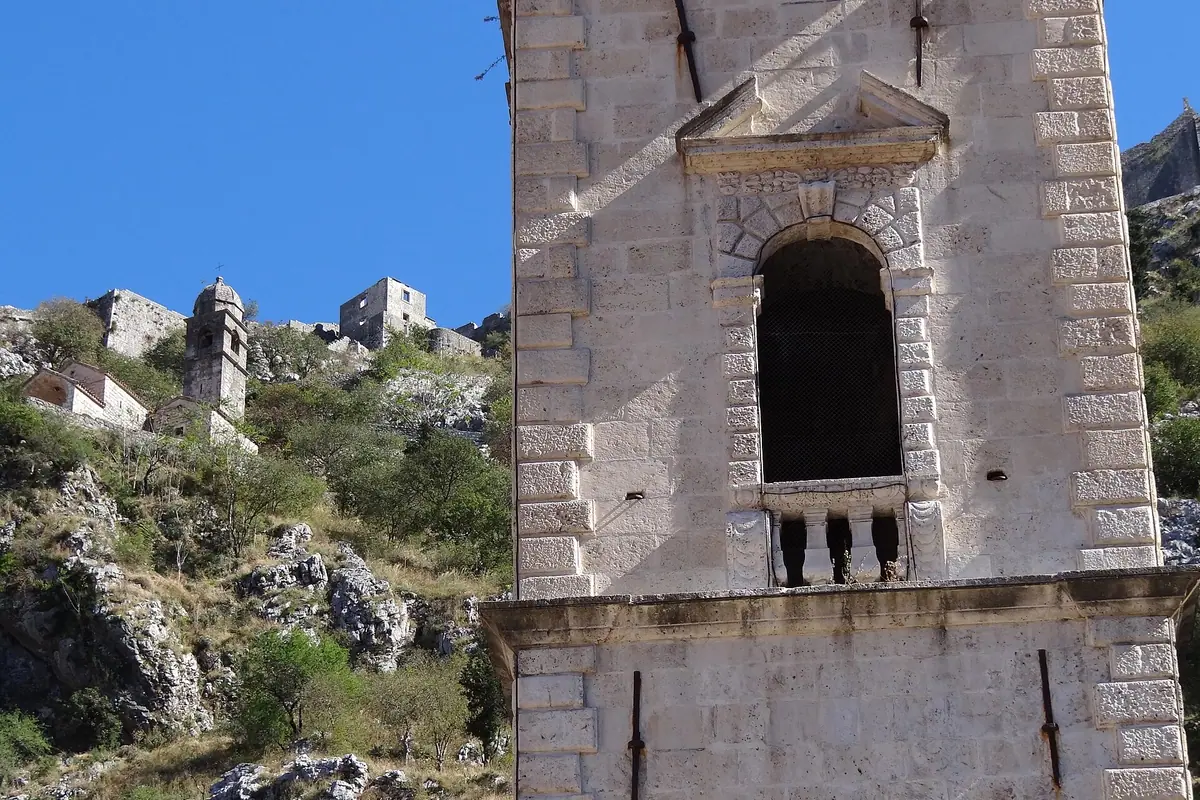
Kotor is the country's showpiece and its most atmospheric place to stay. The UNESCO-listed Old Town is a knot of squares and lanes behind the Sea Gate, with the Romanesque Cathedral of Saint Tryphon at its heart and a small, much-loved cat museum tucked nearby. Hotels here occupy converted palazzos and merchants' houses, often with exposed stone, shutters and rooftop terraces looking up at the San Giovanni fortress walls. Climbing to that fortress — roughly 1,350 steps up a switchback trail — is the classic early-morning or late-afternoon outing, and doing it before breakfast from a bed inside the walls is one of the great small luxuries in the Balkans.
Just along the shore, Dobrota is a ribbon of former captains' villas turned guesthouses, quieter and with better swimming, while the bay's calm water makes kayaking and stand-up paddleboarding genuinely easy for beginners. Kotor also works as a base for the wider bay: the Blue Cave near the Luštica peninsula, the island of Mamula at the mouth of the inlet, and the baroque village of Perast, all reachable by boat in an hour or less.
Practicalities matter here more than elsewhere. Parking inside the walls is essentially impossible, so ask your hotel about a reserved space or a garage before you arrive; many properties sit within pedestrian-only lanes and require a short walk with luggage. Because Kotor is a cruise call, rooms are scarcer than the town's size suggests — book two to three months ahead for July and August, and longer for the peak weeks around major festivals. Tivat airport is about twenty minutes away by road, Budva about thirty.
The Budva Riviera and Sveti Stefan: Sand, Nightlife and the Country's Poster Image
If you want a beach holiday with a town attached, this is the stretch. Budva's Old Town is a compact Venetian-walled peninsula with churches, galleries and a citadel, wedged between the sheltered cove of Mogren — reached through a short tunnel and a rock arch — and the long pebble sweep of Slovenska plaža. Behind it, Bečići and Rafailovići run a near-continuous line of resort hotels, apartment blocks and beach clubs, which makes this the most family-friendly and most nightlife-heavy part of the coast.
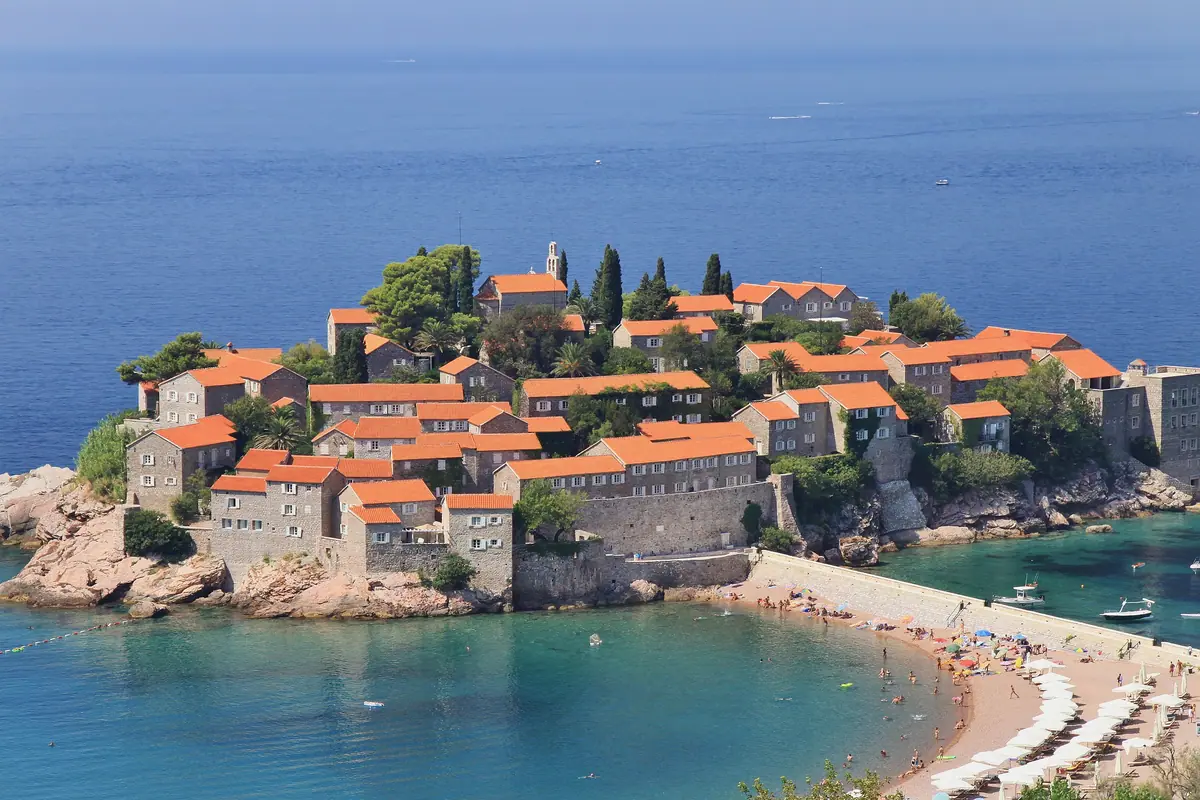
The region's defining landmark is Sveti Stefan, a fortified islet village lashed to the mainland by a causeway. The islet itself is largely given over to a private resort, so most travellers photograph it from the causeway or from the shore at Miločer, where a royal-era park of pines and cypresses shades the water. South of there, Pržno and Petrovac offer smaller-scale hotels and calmer evenings, and the broad, unbuilt beach at Buljarica is the local secret for anyone who dislikes sunbed rows.
Staying here means accepting summer noise: traffic on the coastal road thickens from late June, and beach clubs run late. Choose a hotel set back from the main artery or up on the hillside if you value quiet, and expect the best-value weeks to be the last in May, the first in June and all of September. For a romantic trip, one or two nights here is plenty; the scenery reward is higher further north.
The Quiet Coast: Herceg Novi, Perast, Luštica and Ulcinj
Herceg Novi sits at the bay's entrance, a town of long staircases tumbling down to the sea, with the Kanli Kula fortress and the Forte Mare citadel framing a palm-lined promenade. Its hotels are a mix of Habsburg-era villas, spa properties and modern seafront blocks, and its microclimate is famously mild — mimosa blooms here in February. It's a good base for slow travellers who want swimming, a weekly market and easy day trips, without Budva's volume.
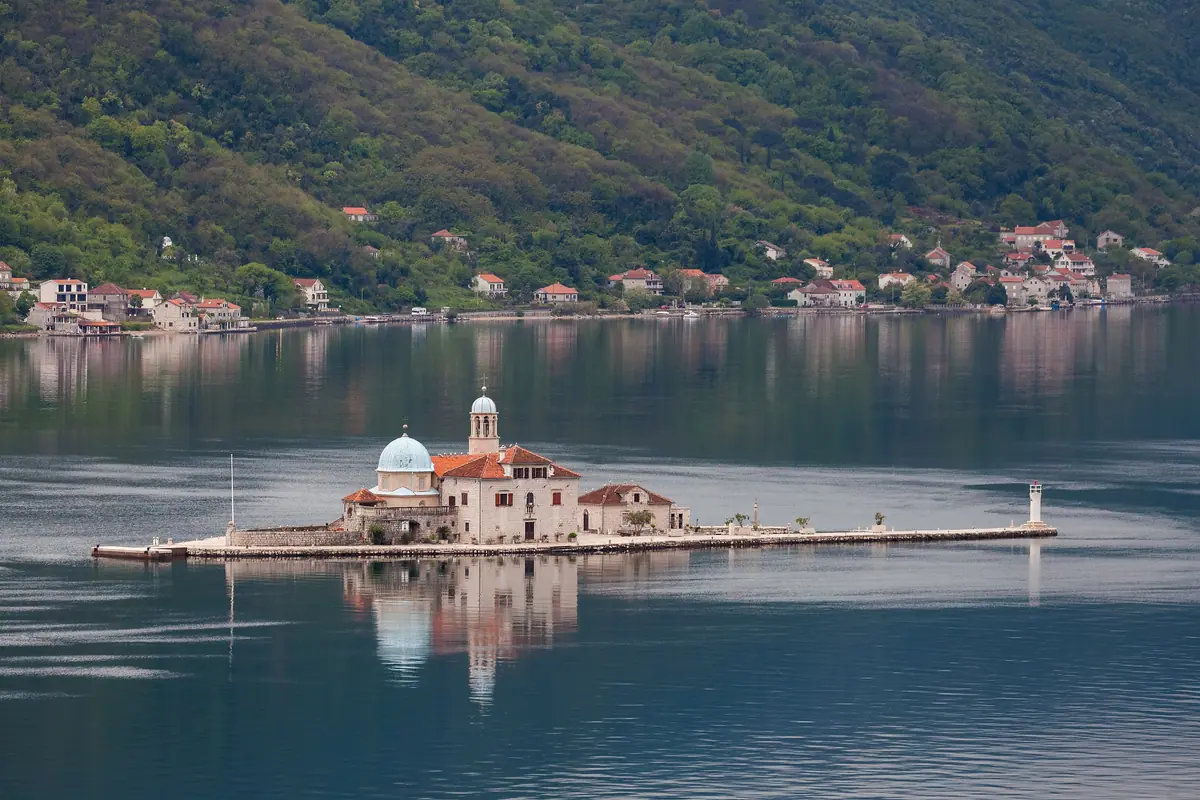
Perast is the bay's jewel: one street of Baroque palaces and bell towers facing two tiny islands, Our Lady of the Rocks and Sveti Đorđe. Hotels are small, expensive for what they are and utterly worth it for the light at dusk. Across the water, Tivat's marina quarter and the olive-covered Luštica peninsula have become the coast's polished corner, with design hotels and beach clubs set among old fishing villages.
Further south, Ulcinj feels like a different country — Ottoman-influenced, Albanian-speaking and sandy rather than pebbly, with the 12-kilometre Velika plaža and the naturist island of Ada Bojana at its tip. Its Old Town, perched on a rocky headland above the water, hides several small boutique stays. Bar, in between, is more workaday but handy for the Belgrade road and the old town of Stari Bar beneath Mount Rumija.
Durmitor, Tara Canyon and the Mountain Lodges of the North
Two hours from the coast the landscape turns severe and beautiful. Žabljak, at around 1,450 metres, is the base for Durmitor National Park, and its hotels range from well-equipped alpine-style properties to family-run lodges and village katuns with sheepskin rugs and homemade rakija. The walk around Crno Jezero — Black Lake — is the gentle introduction: a flat, pine-ringed circuit of about an hour and a half that most guests do on their first morning. From there the park opens up to Bobotov Kuk, its highest summit, and the Sedlo pass road, one of the most dramatic drives in the Balkans.
The Tara Canyon, carved to depths of roughly 1,300 metres, is western Europe's deepest river gorge, and the Đurđevića Tara Bridge is its postcard. Rafting trips run from spring melt through early autumn, with April to June offering the biggest water; zip lines cross the gorge in summer. Hiking season runs from June to late September, when wildflowers cover the meadows, while winter brings snow, ski lifts and access to backcountry touring from the town's edge.
Book mountain accommodation early for the New Year period and February half-term, when domestic demand is fierce and lodges sell out months ahead. Otherwise, late June and early September are ideal: warm days, cold nights, few crowds. Bring cash for small village guesthouses and expect driving on narrow, unfenced roads — a car with decent clearance makes the side valleys far more rewarding.
Lake Skadar, Cetinje and Ostrog: Inland Montenegro's Storybook Stays
Lake Skadar, the largest lake in southern Europe and shared with Albania, is a world of water lilies, reed beds and pelicans. Base yourself in Virpazar, a tiny stone town where guesthouses arrange boat trips to the ruined island fortress of Grmožur and through channels thick with birds. A short drive away, the village of Rijeka Crnojevića and the hairpin viewpoint at Pavlova Strana deliver the classic horseshoe bend of the river below — the single most photographed inland view in the country.
Cetinje, the old royal capital, is small, leafy and full of history: King Nikola's Palace, the Cipur church and the former embassies that once made this a diplomatic town. Above it rises Mount Lovćen, crowned by the Njegoš Mausoleum, reached by a long staircase through cloud and stone. Staying in Cetinje puts you between the bay and the mountains, an hour from both, with far lower room rates than the coast.
Finally, Ostrog Monastery, carved improbably into a sheer cliff face, draws pilgrims of all faiths and is one of the most striking sights in the region; modest guest accommodation is available nearby, though most visitors come on a day trip from Podgorica or the coast. Podgorica itself, with its Millennium Bridge, riverfront and old Ribnica quarter, is best used as a comfortable final-night stop before an early flight — a practical, modern contrast to the rest of a trip that is anything but.
Frequently asked questions
Which town in Montenegro is the best base for a first trip?
Kotor is the strongest single base: it is atmospheric enough to justify a stay, compact enough to explore on foot, and within an hour of Perast, Budva, Sveti Stefan and Lovćen. If you prefer beaches and nightlife over architecture, Budva or Bečići works better. Most travellers do best splitting four nights on the bay and two or three in the Durmitor mountains around Žabljak.
When is the best time of year to visit Montenegro and book a hotel?
Late May to early July and September to mid-October offer warm sea, comfortable hiking weather and much calmer streets. July and August are hot, crowded and often twice the shoulder-season rate, and Kotor's old town is busiest during the daytime hours when day visitors arrive. Winter suits the mountains and ski resorts but shuts down much of the coast's restaurant and beach-bar scene.
How far ahead should I reserve accommodation?
For July and August, book coastal hotels two to three months ahead — Kotor, Perast and Sveti Stefan properties are limited and cruise traffic tightens supply. Mountain lodges around Žabljak sell out even earlier for the New Year holiday and February school breaks. Shoulder-season stays can usually be arranged a few weeks out, though small family guesthouses at Lake Skadar are wise to confirm in advance.
Do I need a car to reach Montenegro's main attractions?
A car makes the country far easier, especially for Tara Canyon, Lake Skadar, Lovćen and Ostrog Monastery, where buses are slow and infrequent. Coastal towns are connected by regular buses, and you can combine those with boat trips around the Bay of Kotor. If you do drive, expect narrow mountain roads, limited parking inside walled towns, and pre-arranged hotel parking in Kotor and Budva.
Is it worth splitting a trip between the coast and the mountains?
Absolutely. The drive from Kotor to Žabljak takes about two and a half to three hours and changes the scenery completely, from salt air and Venetian stone to pine forests, glacial lakes and the Tara Canyon. Two or three nights in the north gives you time for Black Lake, a rafting or zip-line outing and at least one serious hike or viewpoint drive.
Plan it — hotels in Montenegro
Live search, booked directly with trusted providers.
Sort the rest of your trip
Everything for Montenegro, in one place
Transfer in Montenegro
Private driver waiting on arrival — no queues, no surprises.
Book a transfer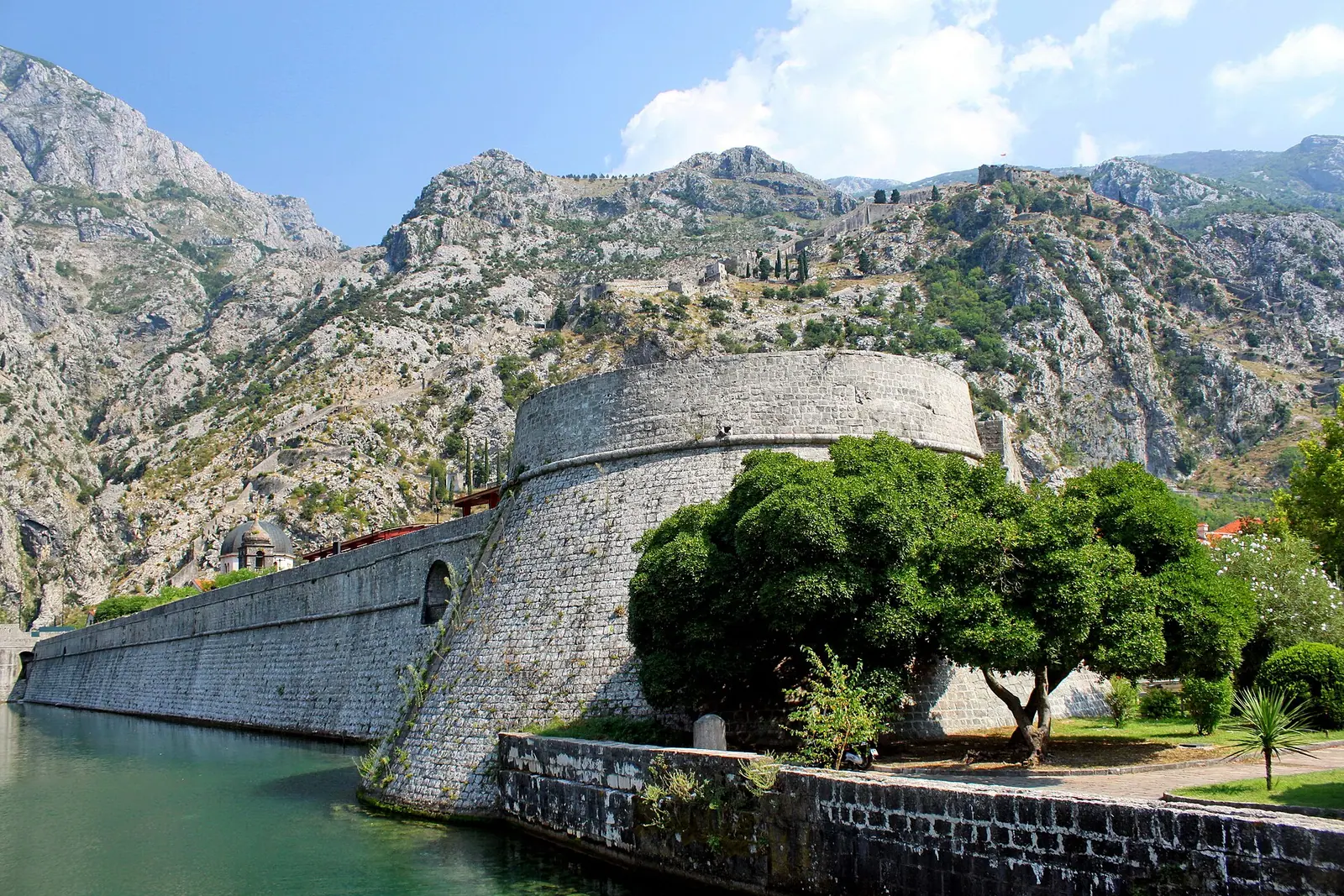
Things to do in Montenegro
Skip-the-line tickets, guided tours and standout experiences.
See experiences
Stay online in Montenegro
Travel eSIM — data the moment you land, no roaming bills.
Get an eSIM