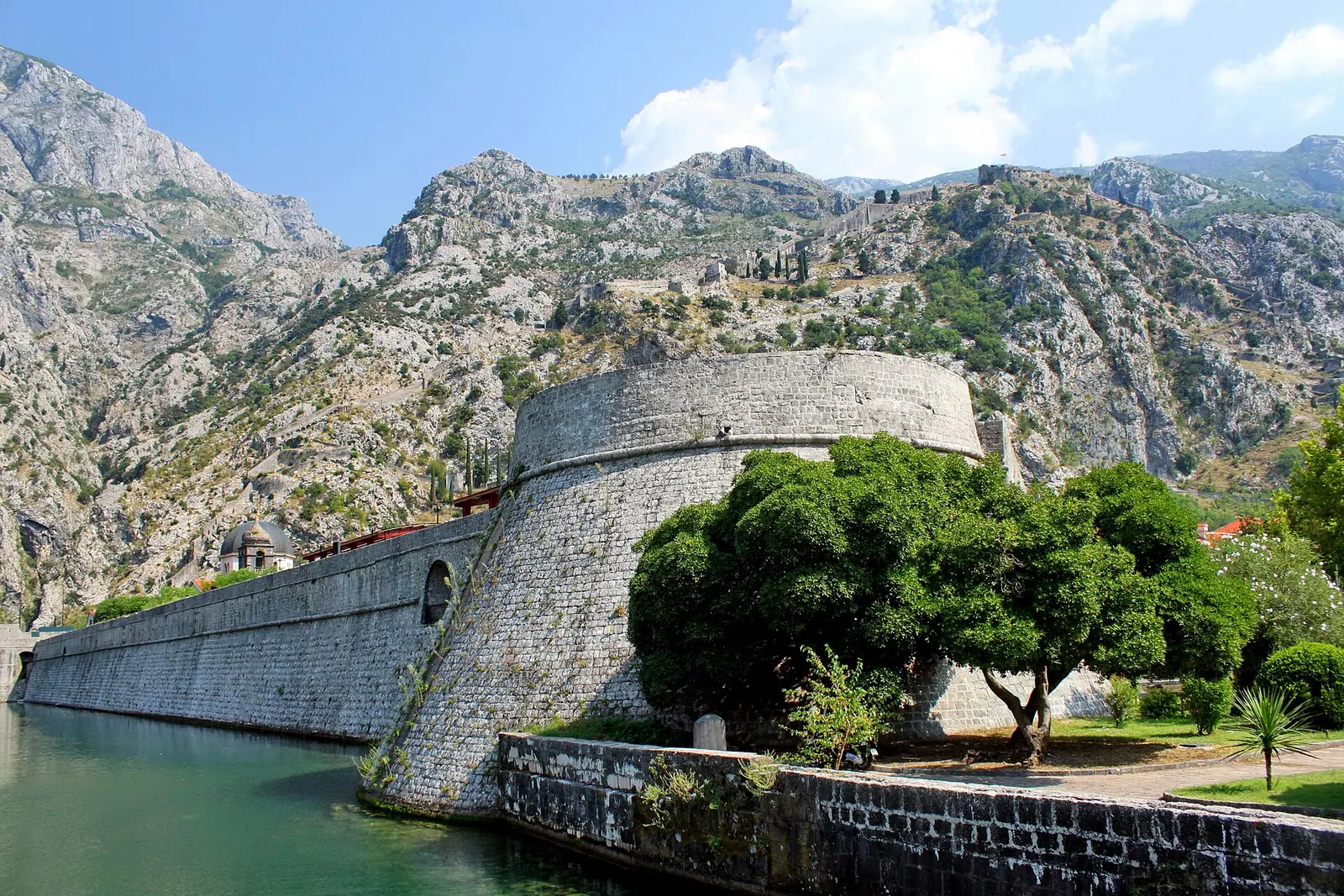
Montenegro packs a continent's worth of scenery into a country you can cross in a morning: a fjord-like bay wrapped around Venetian stone towns, a canyon deeper than anything in Europe, and pine forests that smell of resin in the summer heat. Fly in, pick up a car, and one week is enough to see the coast, the mountains and the monastery carved into a cliff face.
Landing in Montenegro: Airports, Seasons and Getting a Car
Two airports take the bulk of international arrivals, and where you land shapes your first day. Tivat Airport sits minutes from the Bay of Kotor, which makes it the natural gateway for a coastal start — but its runway is short and its flight schedule is heavily seasonal, thinning out between late October and April. Podgorica Airport, inland and open year-round, is the steadier choice in winter and puts you roughly an hour from the coast and two hours from the mountains.
The single most useful decision you will make is hiring a car at the airport. Distances look tiny on a map and are genuinely short — the whole coast from Herceg Novi to Ulcinj is under two hours of driving — but buses between the smaller coastal towns run infrequently, and the mountain roads north to Durmitor reward the freedom to stop at a viewpoint. Book an automatic well ahead for July and August, and check whether your rental agreement permits the P11 and P14 mountain routes, which some companies restrict.
Timing matters more here than in most of Europe. May, June, September and early October give warm sea, quiet old towns and room to park; July and August bring 35°C afternoons, packed beaches around Budva and slow traffic through Kotor. Winter is for the mountains and for Podgorica, not for swimming — the Bay of Kotor turns grey and beautiful, and ski lifts run above Žabljak when snow allows.
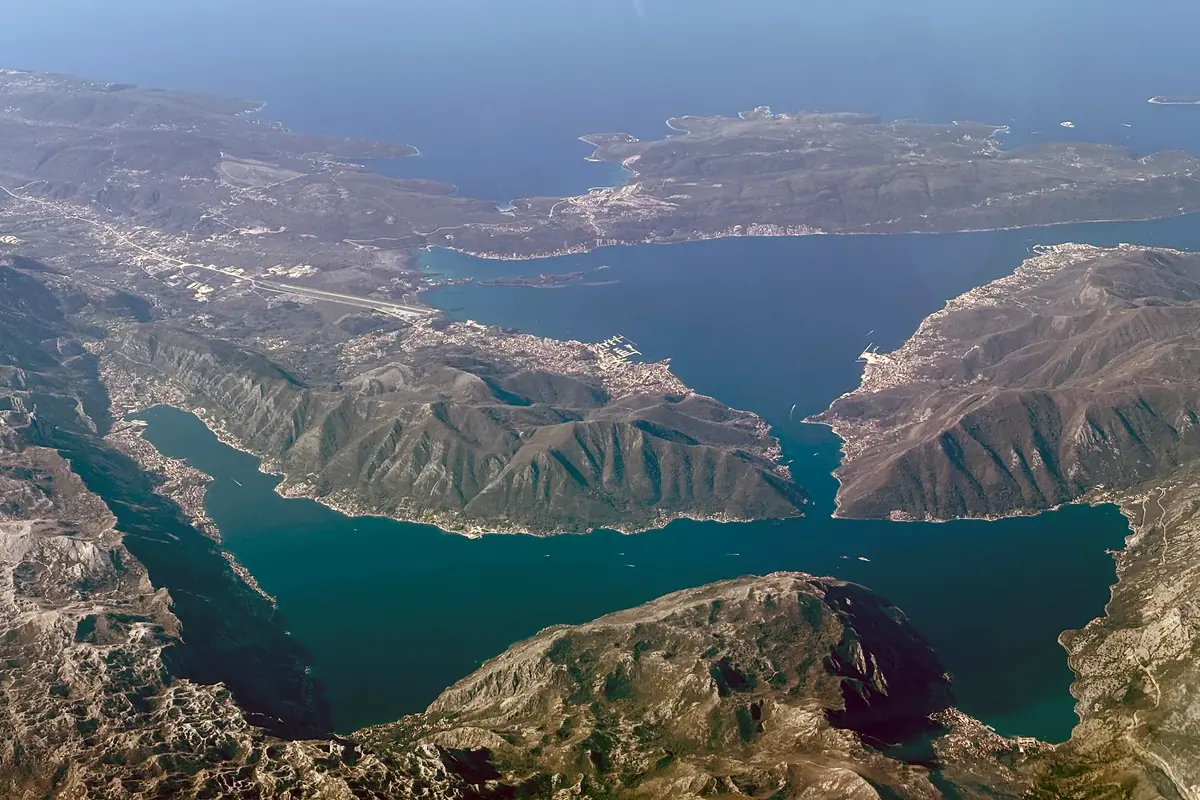
Days 1–2: The Bay of Kotor, Perast and Our Lady of the Rocks
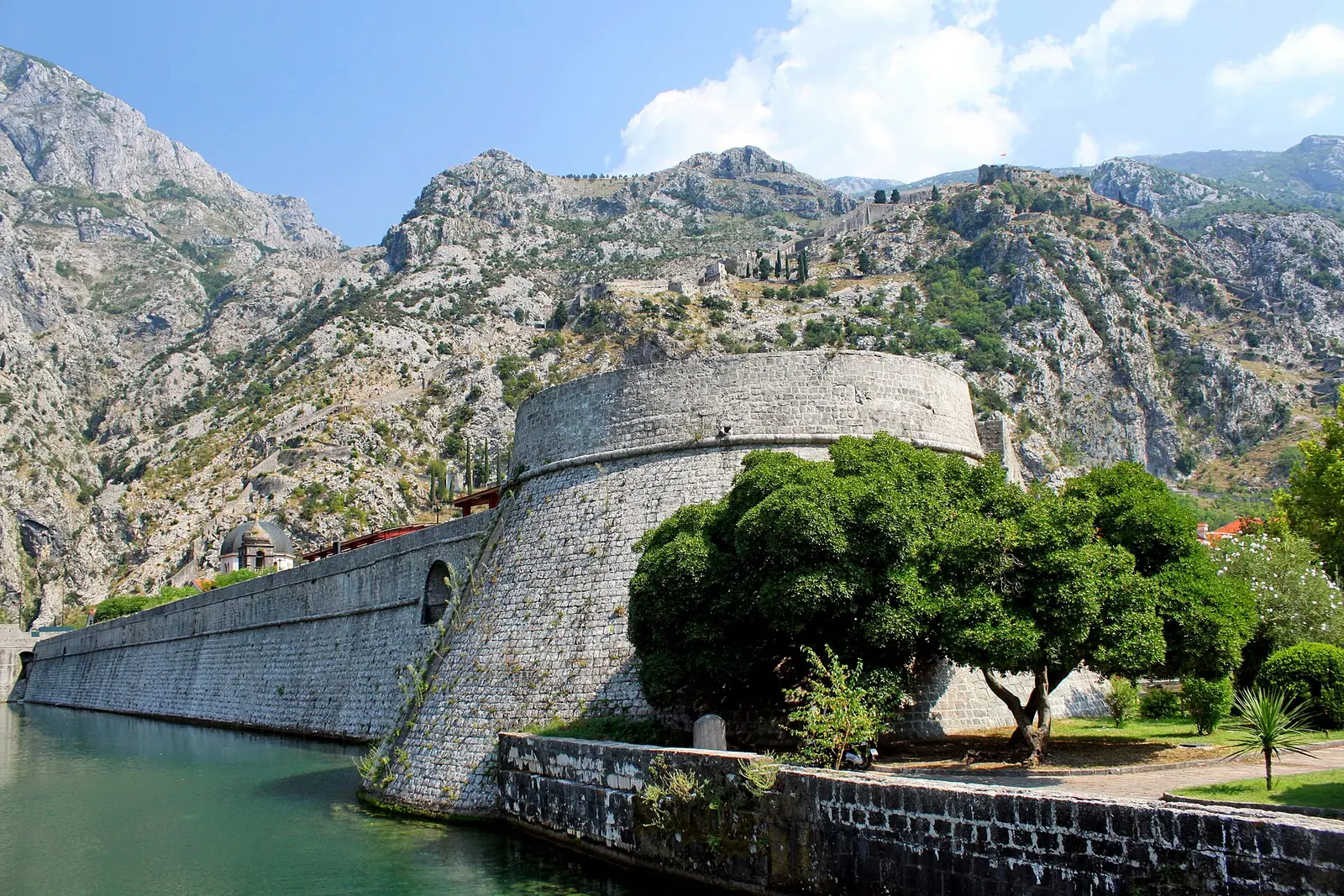
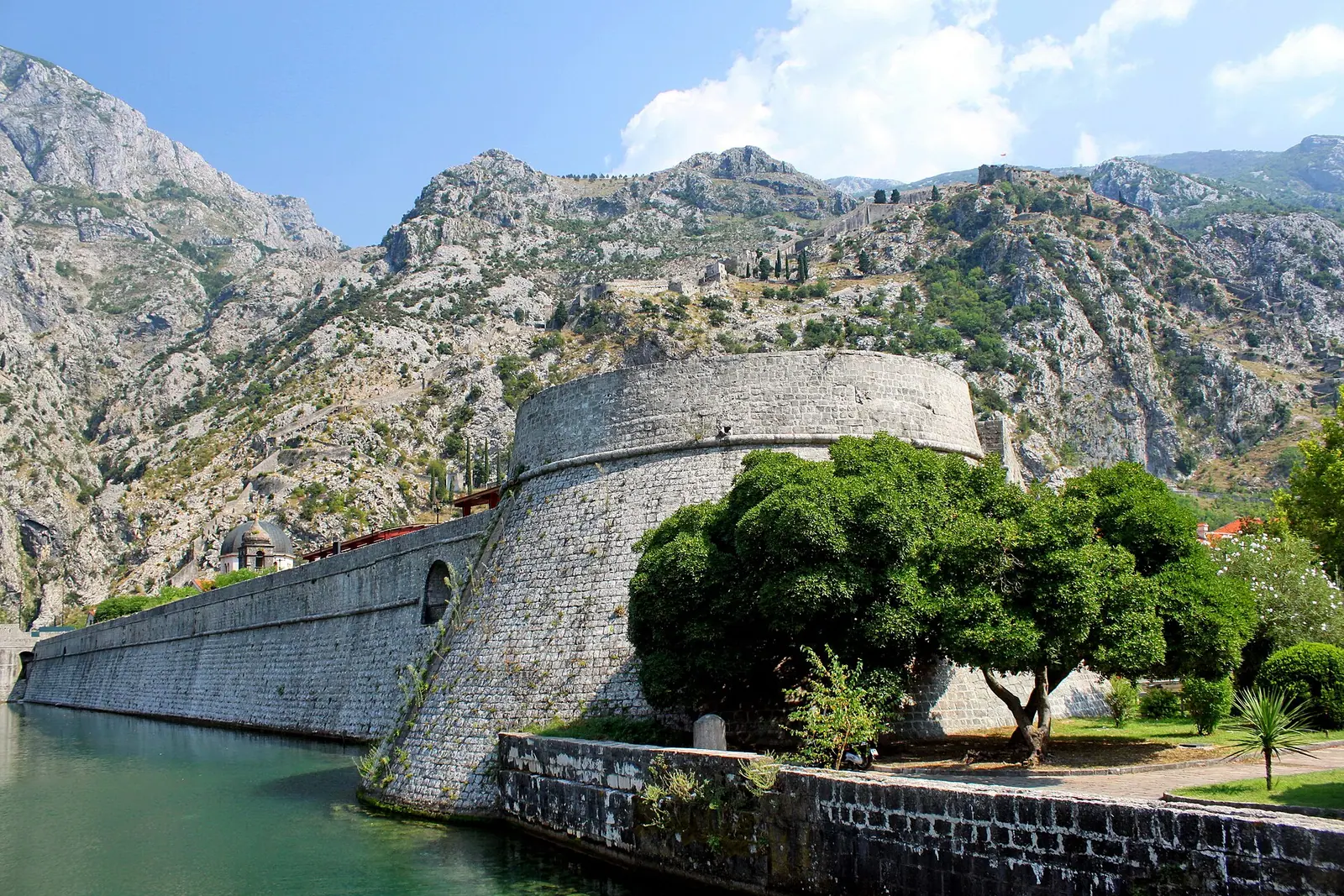
Start where the scenery is most theatrical. Kotor's Old Town is a labyrinth of marble-paved squares squeezed between the bay and the sheer wall of Mount Lovćen, entered through the Sea Gate and anchored by St. Tryphon's Cathedral, whose pale stone towers have survived centuries of earthquakes. Walk the city walls early, before the heat and the crowds, and allow two to three hours to climb the 1,350 steps to the fortress of San Giovanni for the view that sells the whole country in a single photograph.
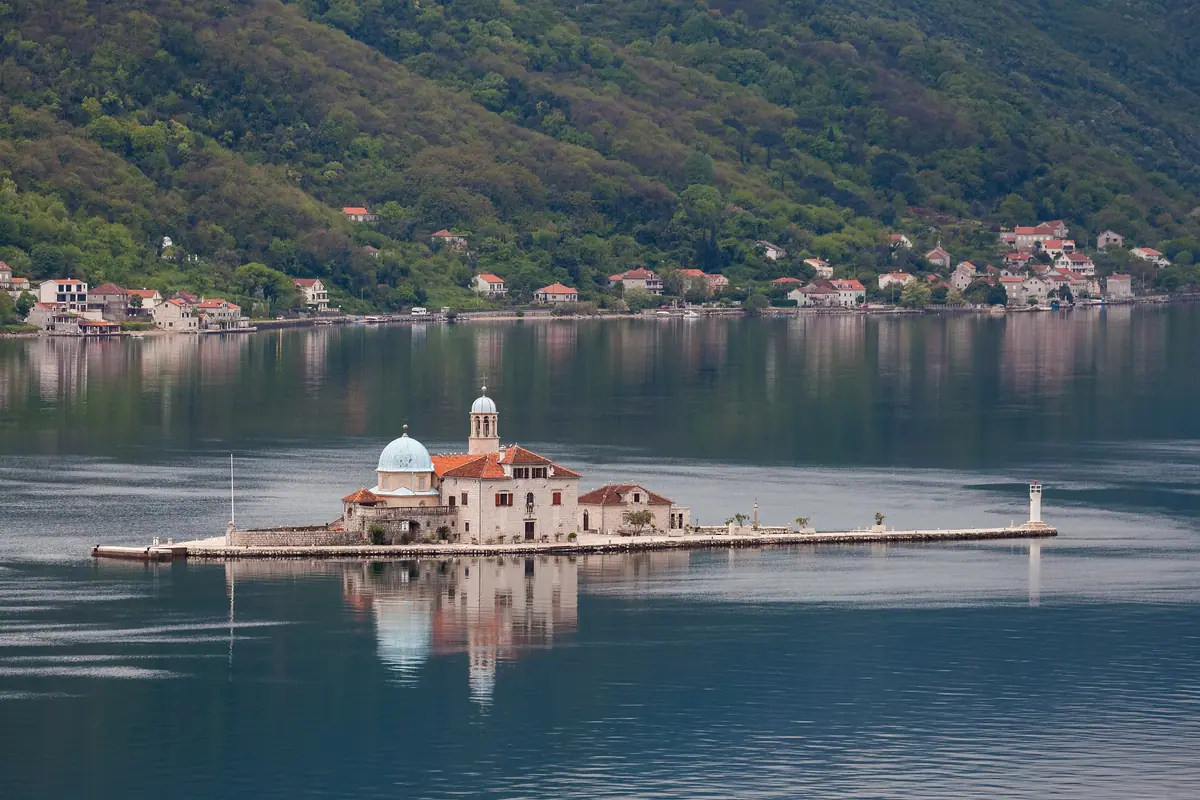
Devote the second day to the water. Perast, twenty minutes up the bay, is a baroque village of shuttered palaces with almost nothing to do but look wonderful — and offshore sit the two islets that define the bay. Our Lady of the Rocks is the larger, built on a man-made reef of sunk ships and thrown stones, with a chapel interior covered in silver votive plaques left by sailors. Boatmen shuttle visitors out from Perast's waterfront every few minutes in season; go before ten in the morning to have the island half to yourself.
If you want one more day on the water, small boats run from Kotor and Herceg Novi to the Blue Cave, where sunlight turns the water an electric turquoise inside a sea cavern, usually paired with a pass by the abandoned island fortress of Mamula at the bay's entrance. Back on land, Herceg Novi's stepped old town and its Forte Mare make an easy late-afternoon stop, and the seafood in the villages around the bay — grilled squid, black risotto, mussels from the nearby beds — is the best you will eat all week.
Day 3: Lovćen, Cetinje and the Budva Riviera
Climb out of the bay by the old serpentine road — 25 hairpins, each one opening a wider view over the water — into Lovćen National Park. At the summit sits the Njegoš Mausoleum, the burial place of Montenegro's poet-prince, reached by a tunnel and 461 steps through the rock. The view from the terrace takes in the entire bay, the Adriatic and, on a clear day, the mountains of Albania. Bring a jacket; it is often ten degrees cooler up there than in Kotor.
Descend to Cetinje, the old royal capital, a small-town museum piece of embassies and pastel façades where the Cetinje Monastery holds relics and the former royal palace is now a museum of court life. It is a quiet, half-hour stop that explains a great deal about the country's stubborn sense of itself. From there the road drops to the coast and Budva, whose Venetian old town is a compact peninsula of churches, squares and a citadel — busier and more commercial than Kotor, but superb at sunset.
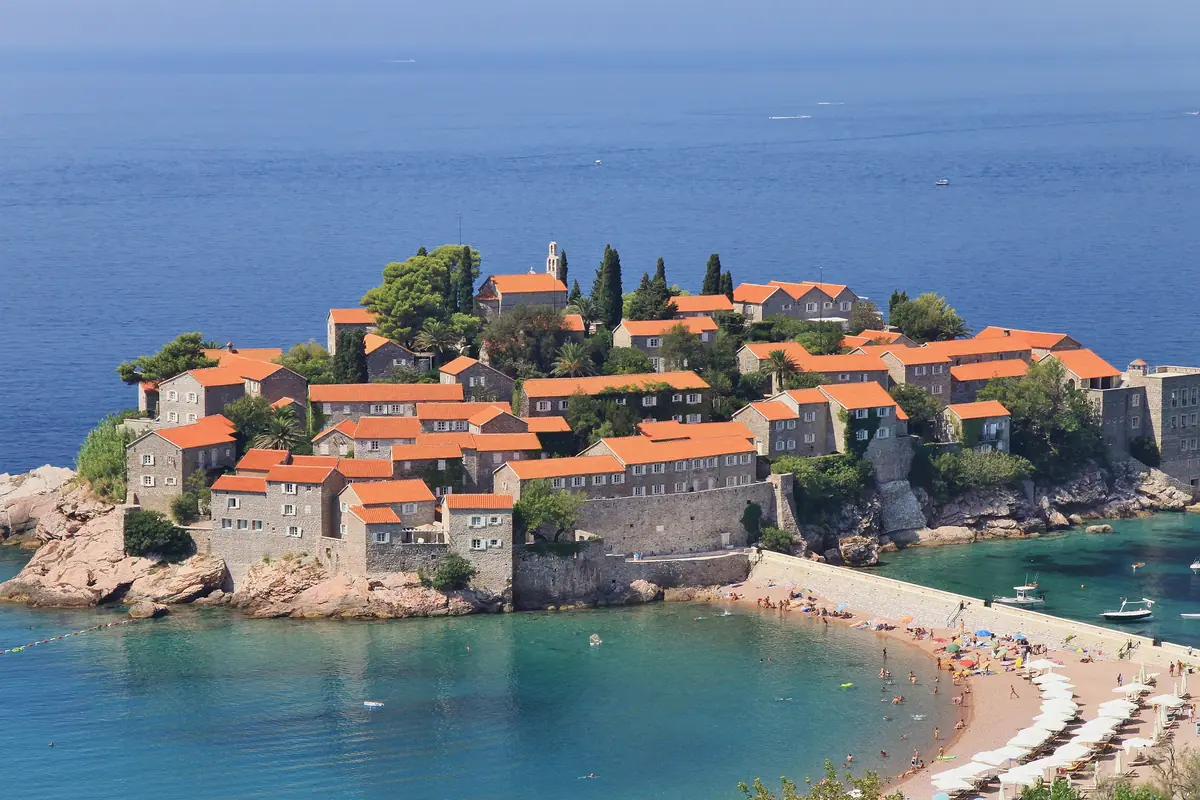
End the day at the viewpoint above Sveti Stefan, the islet village tethered to the mainland by a sandy causeway that has become Montenegro's signature image. The islet itself is a private resort and not open to casual visitors, but the surrounding beaches — Miločer, Kraljičina Plaža — are public, and the walk down for a swim with the island silhouetted behind you is worth the day's detour.
Day 4: Lake Skadar, Rijeka Crnojevića and the Southern Coast
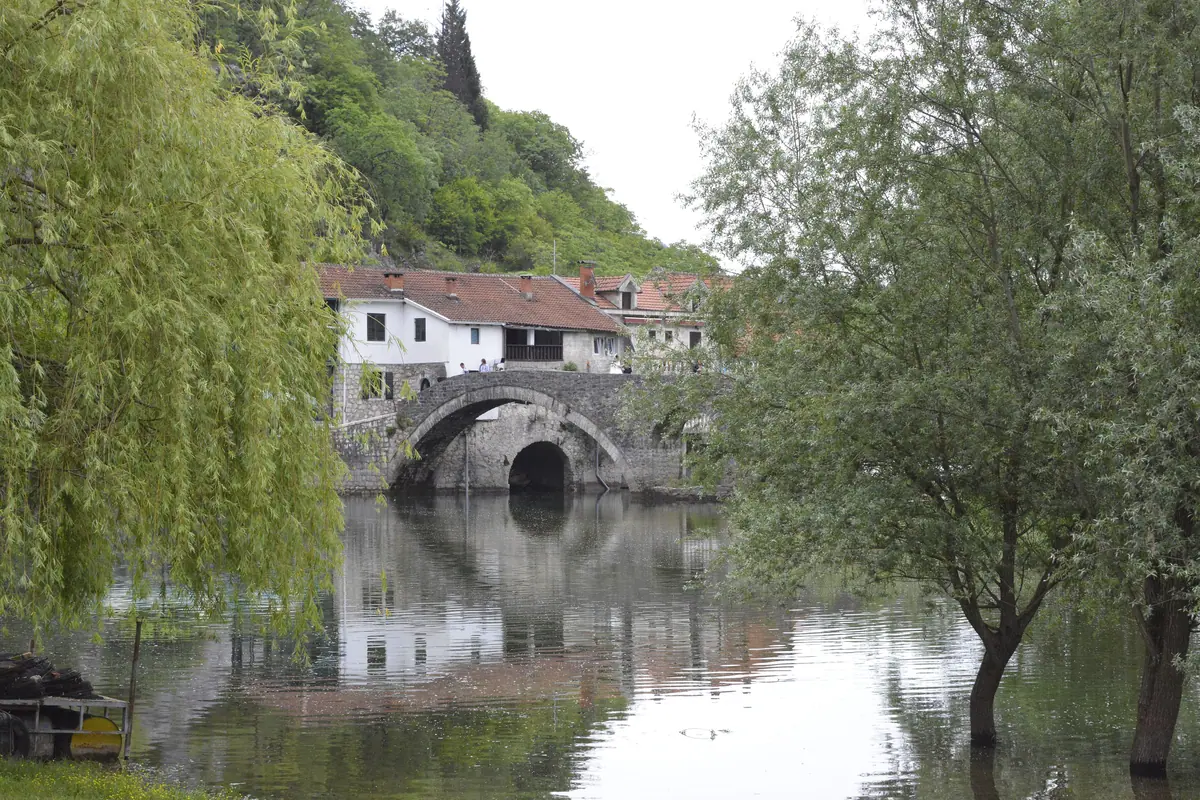
Head inland to Lake Skadar, the largest lake in southern Europe and a national park shared with Albania. Roughly two-thirds of it lies in Montenegro, and its shallow, reed-fringed water holds hundreds of bird species, including Dalmatian pelicans. Small boats leave from Virpazar and from the hamlet of Rijeka Crnojevića, gliding through lily pads and drowned willow groves past half-submerged fortresses and monasteries on the waterline. A two-hour cruise is the standard trip; longer ones reach the open lake and its pelican colonies.
The drive between Rijeka Crnojevića and Pavlova Strana is one of the finest stretches of road in the Balkans — a narrow, curving shelf above a horseshoe bend in the river that drains the lake. Stop at the roadside viewpoint, order a plate of smoked carp or eel at one of the village restaurants, and give yourself a slow afternoon. This is also wine country: the Crmnica valley around Virpazar produces a robust red worth carrying home.
If you still have appetite for the coast, push south to Ulcinj, where the old town clings to a headland above a Muslim-majority town with a distinctly eastern feel, and further to Ada Bojana, a river island of sand and nudist beaches at the Albanian border. Along the way, the ruins of Stari Bar, scattered across a hillside above the modern town of Bar, are among the most atmospheric and least visited sites in the country.
Days 5–6: Durmitor, the Tara Canyon and Ostrog Monastery
Drive north on the Piva canyon road, and the country changes completely: limestone walls, emerald river water and tunnels cut straight through the rock. Base yourself in Žabljak, the highest town in the Balkans at around 1,450 metres, on the edge of Durmitor National Park. Day one here belongs to Crno Jezero, the Black Lake, an easy circular walk through pine forest to a pair of glacial lakes that reflect the peaks — and to the Sedlo Pass, a high mountain road with views across the massif toward Bobotov Kuk, the park's highest summit at 2,523 metres.
Day two is the Tara Canyon, the deepest gorge in Europe and a UNESCO-listed landscape. The Đurđevića Tara Bridge spans it on five concrete arches, and the zip line beside it delivers the canyon in eleven seconds of pure adrenaline. Rafting trips run the river between April and October, with spring meltwater giving the biggest rapids; even a short float shows you why the water is such an improbable shade of blue-green.
Break the journey south at Ostrog Monastery, a whitewashed complex built into a vertical cliff face above the Bjelopavlića plain. It is the most visited pilgrimage site in the country, reachable by a steep road or a pilgrim path, and free to enter — dress modestly, since this is an active monastery. From there it is an hour to Podgorica, where the old quarter of Stara Varoš, its clock tower and the Morača river gorge make a worthwhile final evening.
Day 7: Departure Day and Practical Logistics
Keep the last day loose. If you fly out of Tivat, spend the morning back on the bay — a swim at Dobrota, coffee on Kotor's Arms Square, a last look at the walls from the water. If your flight leaves Podgorica, Ostrog or a slow loop through Cetinje fits neatly on the way. Allow three hours before departure in July and August: the coastal road between Budva and Tivat can crawl, and the border queues if you are returning a car across a frontier are unpredictable.
Mountain roads here are spectacular but slow — reckon on 50 km/h averages north of Podgorica, and more in summer traffic. Fuel stations are plentiful on the coast and along the main north–south route but sparse in Durmitor, so fill up in Žabljak or Plužine. Carry some euros in cash for small guesthouses, konoba restaurants and national park entrances, and note that many rural places close from November to March.
As for what to pack: sturdy shoes for the Kotor walls and Durmitor trails, a light rain shell even in August, modest clothing for monasteries, and swimwear you can reach without unpacking — on this itinerary you will be in the sea and on a mountain summit within the same twenty-four hours.
Frequently asked questions
Which airport should I fly into for a one-week Montenegro trip?
Tivat for a coastal itinerary — it is minutes from Kotor and Budva — and Podgorica for year-round flights or a trip that starts in the mountains. Tivat's schedule is strongly seasonal, so winter travellers usually route through Podgorica.
Do I need a car, and is driving in Montenegro difficult?
A car makes this itinerary far easier, especially in the north where buses are limited. Main coastal roads are straightforward; mountain routes such as the Piva canyon and Sedlo Pass are narrow, winding and slow, and some rental companies restrict them, so confirm before booking.
What is the best time of year for this route?
May, June, September and early October offer warm swimming water, open roads and manageable crowds. July and August are hot and busy on the coast, while Durmitor and the Tara canyon are best from late spring to early autumn for rafting.
How much driving is involved across the week?
The coast is compact — under two hours end to end — but the run from Kotor to Žabljak takes roughly four hours and Ostrog to Podgorica about an hour. Plan on 50 km/h averages in the mountains and avoid long transfers on departure day.
Can I visit Sveti Stefan and Ostrog Monastery?
Ostrog is open to visitors daily and free to enter; dress modestly as it is a working monastery. Sveti Stefan itself is a private resort and not open to non-guests, but the causeway, Miločer beach and the classic viewpoint above it are all publicly accessible.
Plan it — flights in Montenegro
Live search, booked directly with trusted providers.
Sort the rest of your trip
Everything for Montenegro, in one place
Stay in Montenegro
Hotels, guesthouses and apartments — compared in one search.
Search hotels
Transfer in Montenegro
Private driver waiting on arrival — no queues, no surprises.
Book a transfer
Travel insurance
Medical cover, delays and lost baggage — sorted before you go.
Get coveredMore guides in Montenegro
Montenegro Food, Culture and Local Experiences: A Tour of Coast, Karst and Mountain
Best Time to Visit Montenegro: Seasons, Crowds and Where to Stay
Where to Stay in Montenegro: Hotels by the Bay, the Budva Riviera and the Durmitor Mountains