Montenegro is small enough to cross in a long afternoon and layered enough to keep a curious eater busy for weeks. Between the Venetian stone of Kotor, the shepherd huts of Durmitor and the olive groves around Ulcinj, every valley has its own salt, smoke and sweetness. This is a guide to the table, the rituals and the landmarks that make those flavours make sense.
Three Kitchens Inside One Small Border
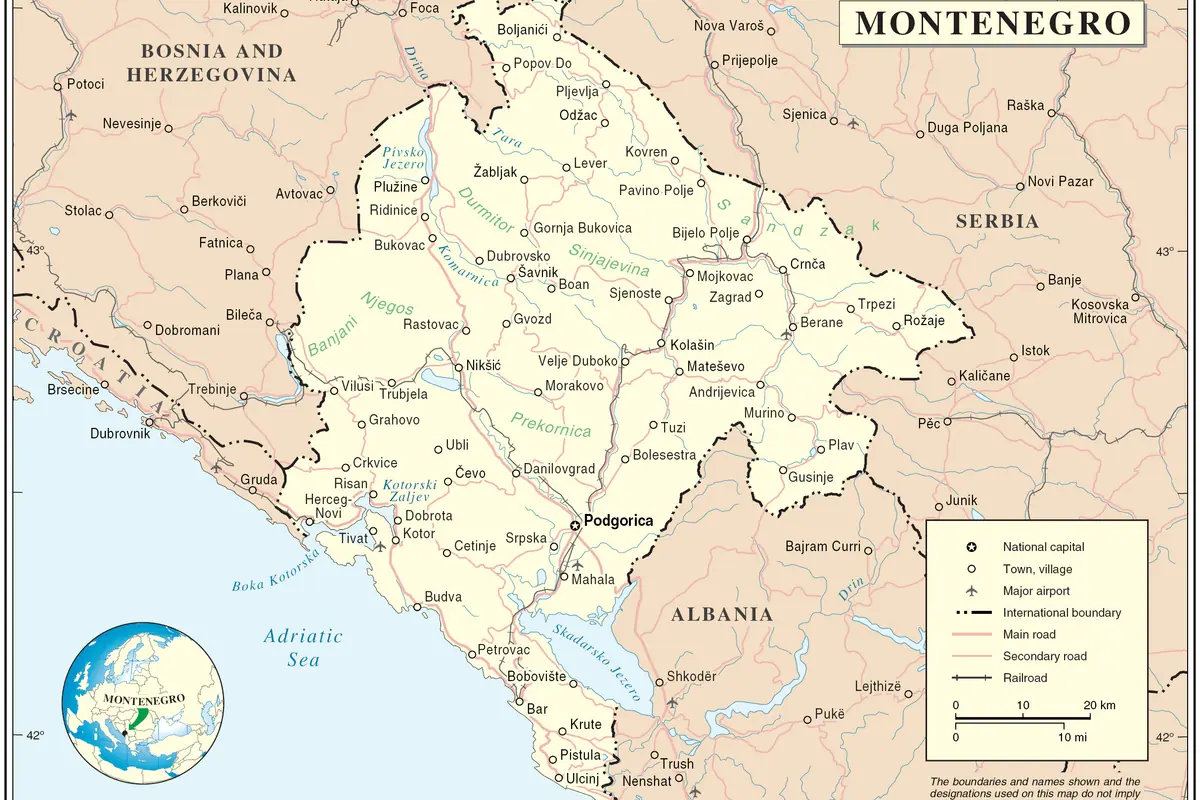
Look at a map and Montenegro seems modest: roughly 100 kilometres of Adriatic coast, a limestone hinterland that buckles upward into peaks over 2,500 metres, and a northern plateau of pine, glacier lakes and canyons. That compressed geography is exactly why the food changes so dramatically over a two-hour drive. On the coast you eat like the Mediterranean — grilled fish, mussels, olive oil, wild greens, tomatoes dried on roof tiles. Climb the karst behind Kotor and you enter a smoked-meat and dairy world. Continue north to Žabljak and Pljevlja and the plate turns to lamb, potatoes, cornmeal and cream.
History did the seasoning. Venetian rule along the Bay of Kotor left a taste for seafood stews and aromatic herbs. Centuries of Ottoman presence inland and in the south brought stuffed vegetables, syrupy pastries and slow-baked lamb. Austro-Hungarian administration added Central European habits of curing, smoking and baking bread in communal ovens. Montenegrin cooks absorbed all of it without ever losing the mountain logic underneath: food had to survive winter, feed guests generously, and taste best eaten outdoors.
So do not treat the coast as the whole country. The single best food decision you can make on a Montenegrin tour is to leave the seaside for a day and climb into the villages above it, where the same families have been curing ham and pressing cheese for generations.
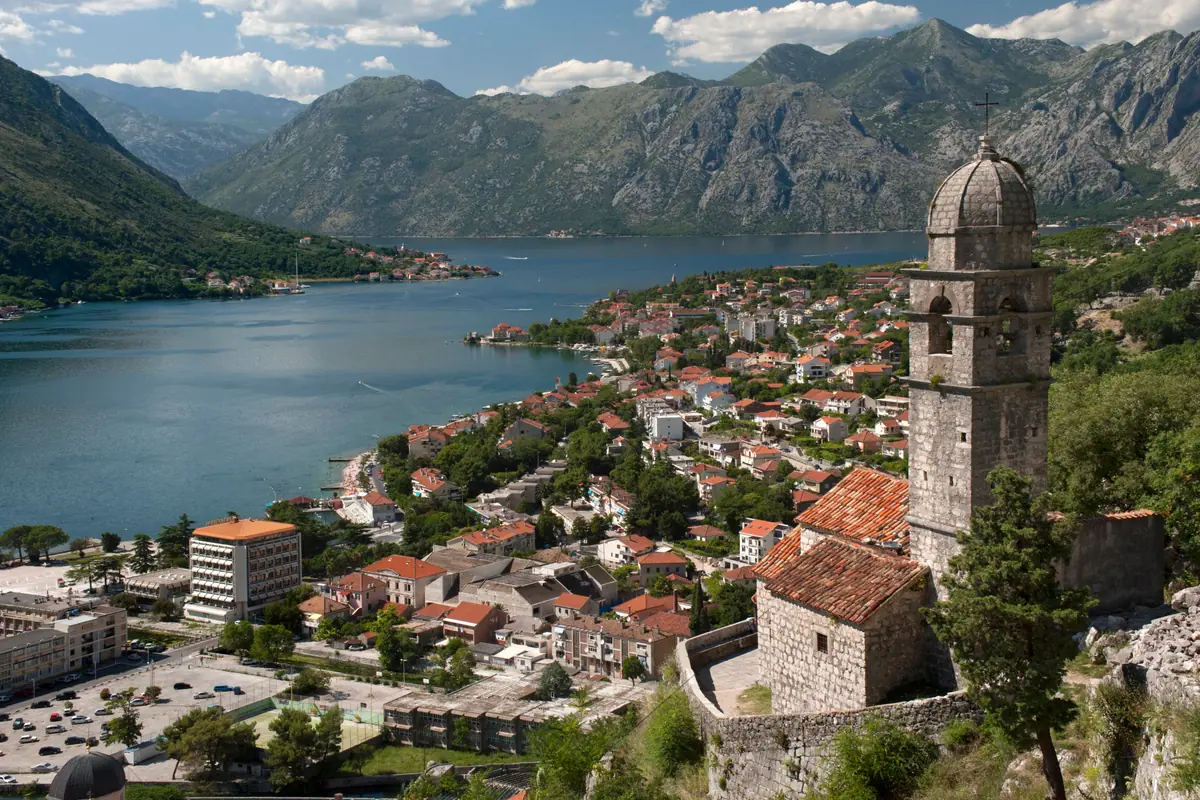
Kotor, Perast and the Boka: Seafood, Sailors and Stone Squares
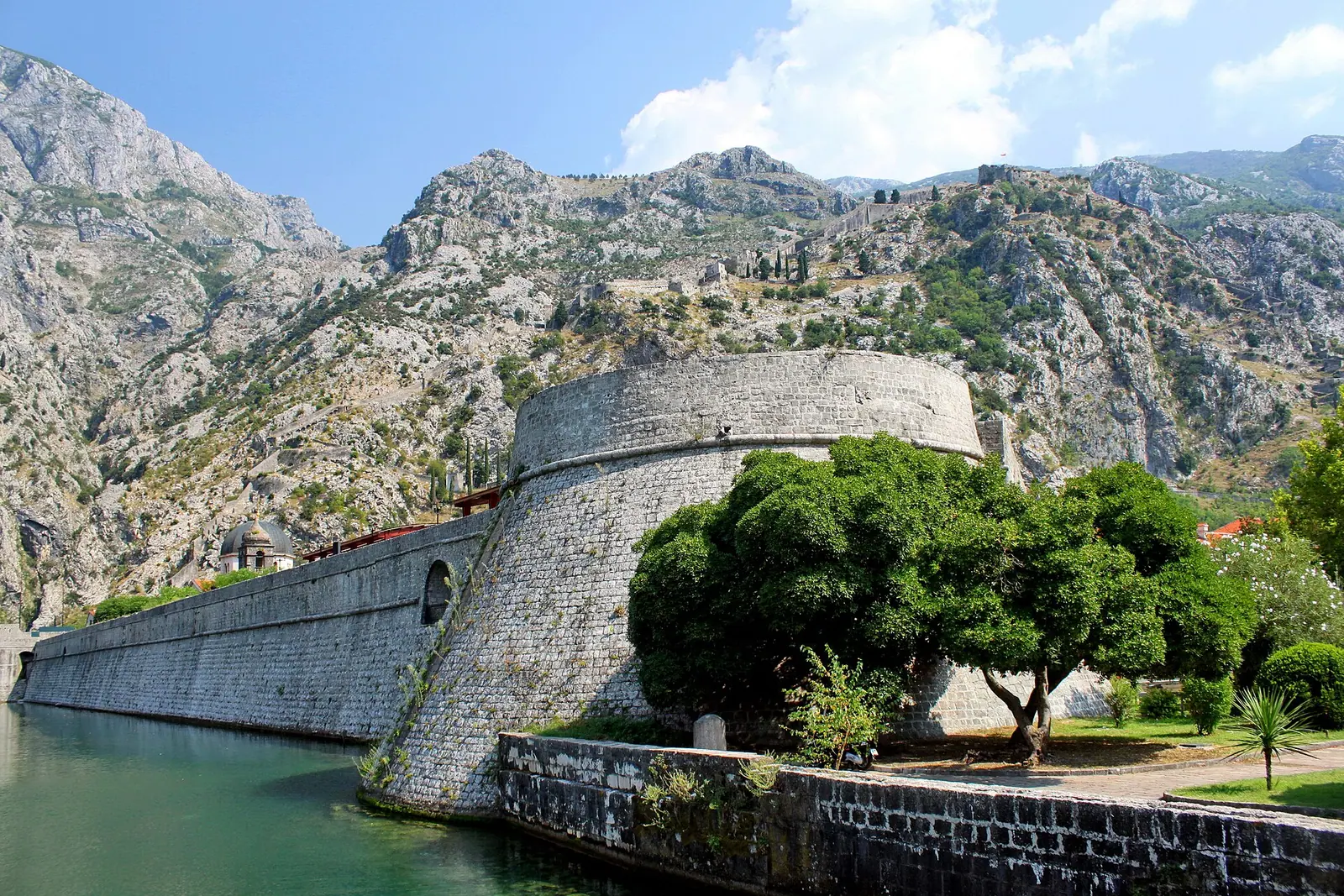
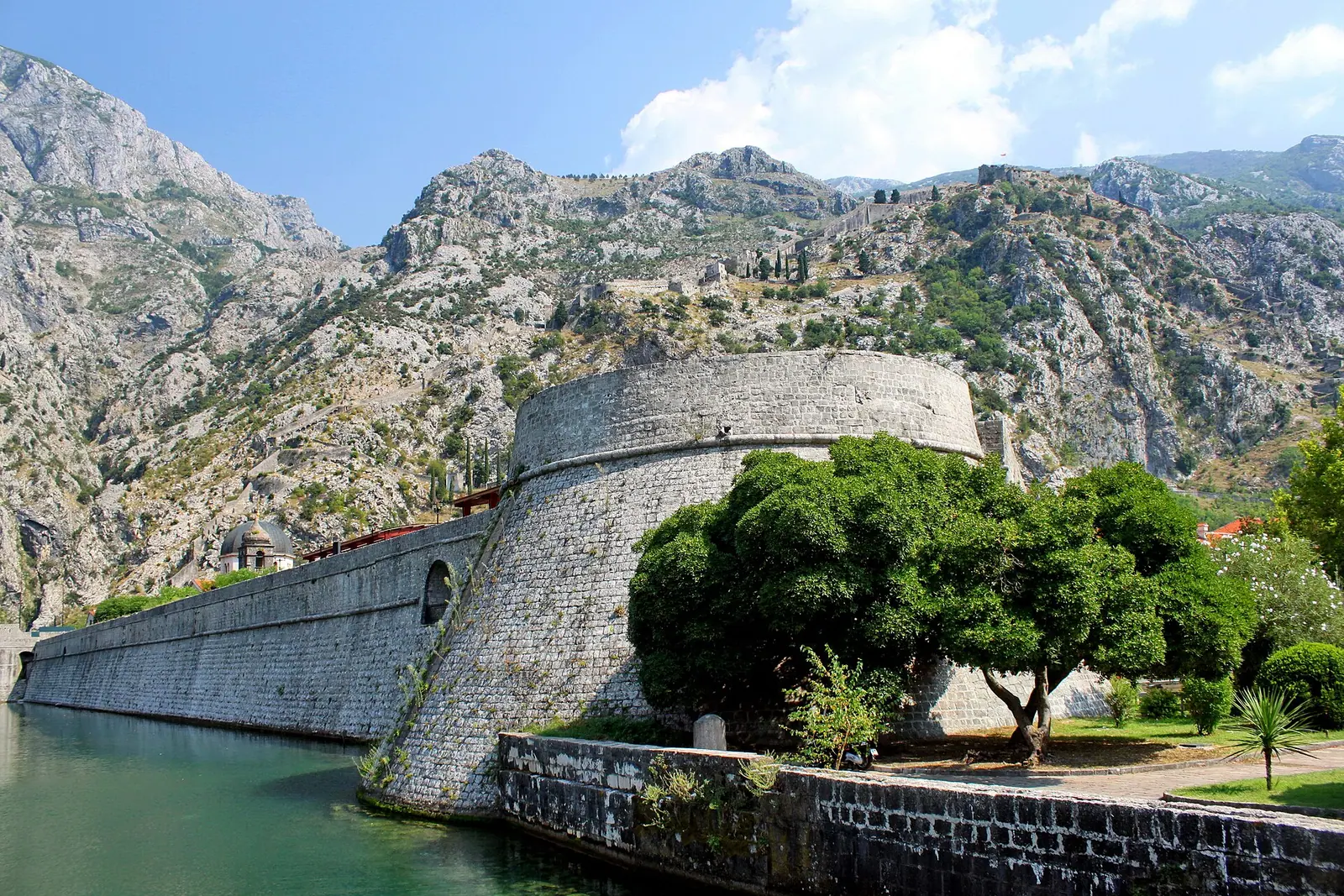
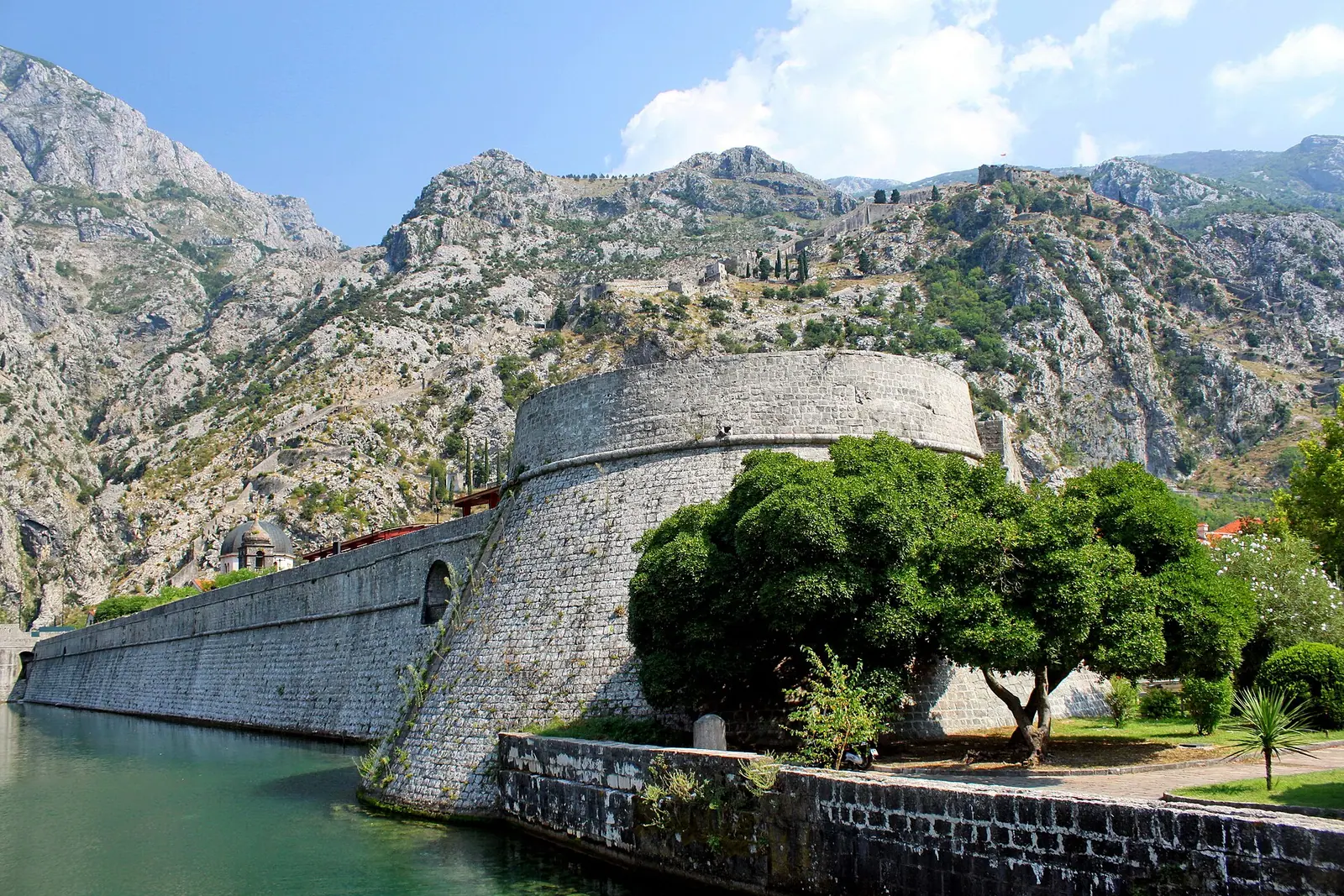
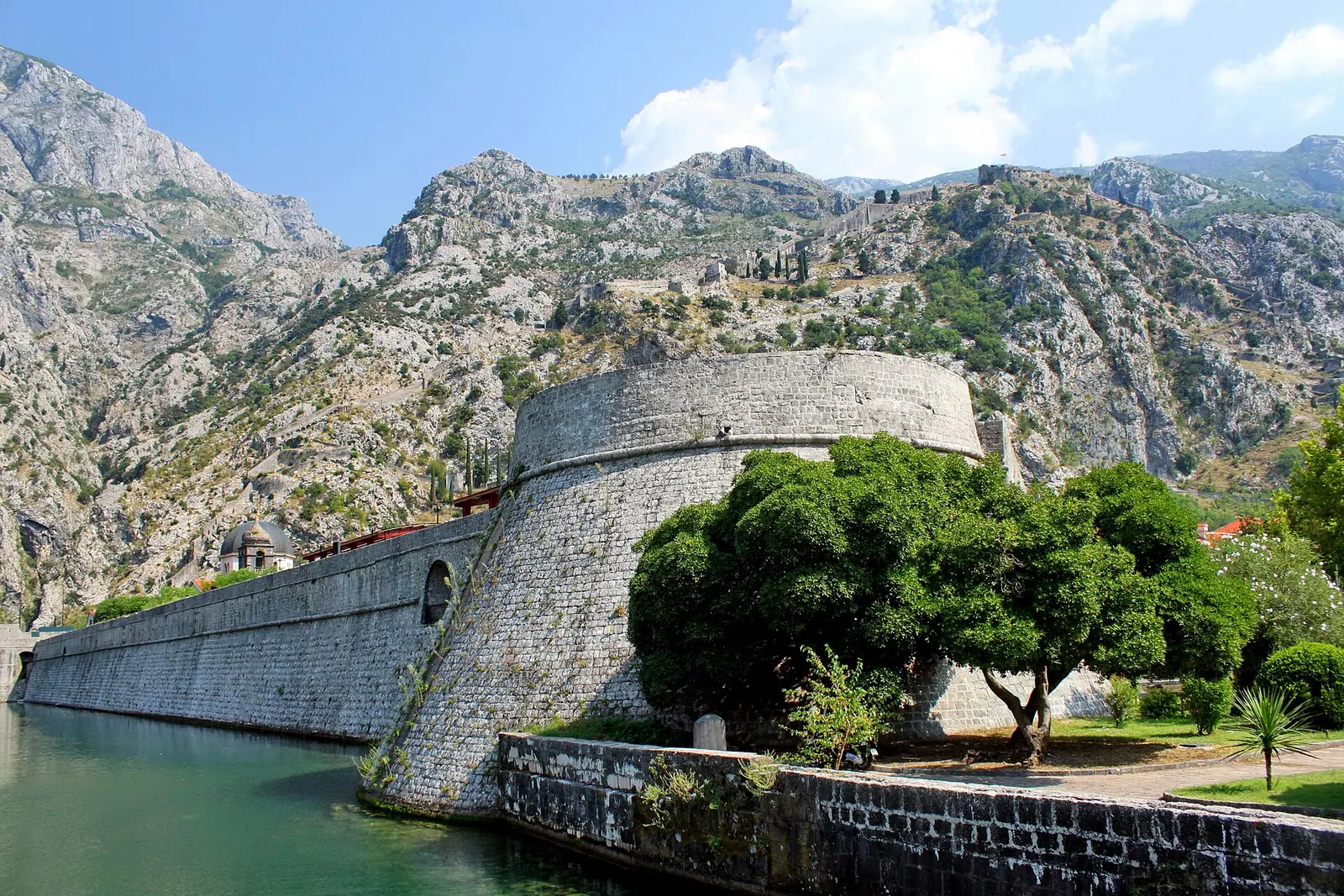
Kotor's Old Town is a UNESCO-listed maze of squares and lanes pressed against the mountain, and eating here is a matter of timing. The morning market just outside the Sea Gate is where locals buy peaches, chard, honey and small cheeses before the cruise crowds arrive; by midday the squares fill and prices climb. Duck into the courtyards off Arms Square or the lanes near St. Tryphon's Cathedral, where konobas — the traditional taverns — serve buzara, a garlicky white-wine shellfish stew, and crni rižot, jet-black cuttlefish risotto. Boka mussels, farmed in the bay's brackish water, are sweet and cheap; order them simply steamed with a squeeze of lemon. Lunch here routinely stretches to two hours, and nobody minds.
A short drive west, Perast is a single street of baroque palaces facing two tiny islands: Sveti Đorđe, thick with cypress, and Gospa od Škrpjela, the Lady of the Rocks, built on stones dumped by sailors over centuries. Every 22 July, boats still row out to continue that tradition at the Fašinada, one of the country's loveliest local rites. Arrive by mid-morning, take a boat across to the island church, then eat grilled octopus on the waterfront while the light softens.
In early February Kotor celebrates its patron saint with a procession of the Boka Navy, a centuries-old guild of sailors in period uniform — a reminder that this town's identity was always maritime, not touristic. Kotor also keeps a quiet craft tradition of filigree silverwork, and small workshops near the flour square still sell it. Come in May, June or September for warm water and human-scale crowds.
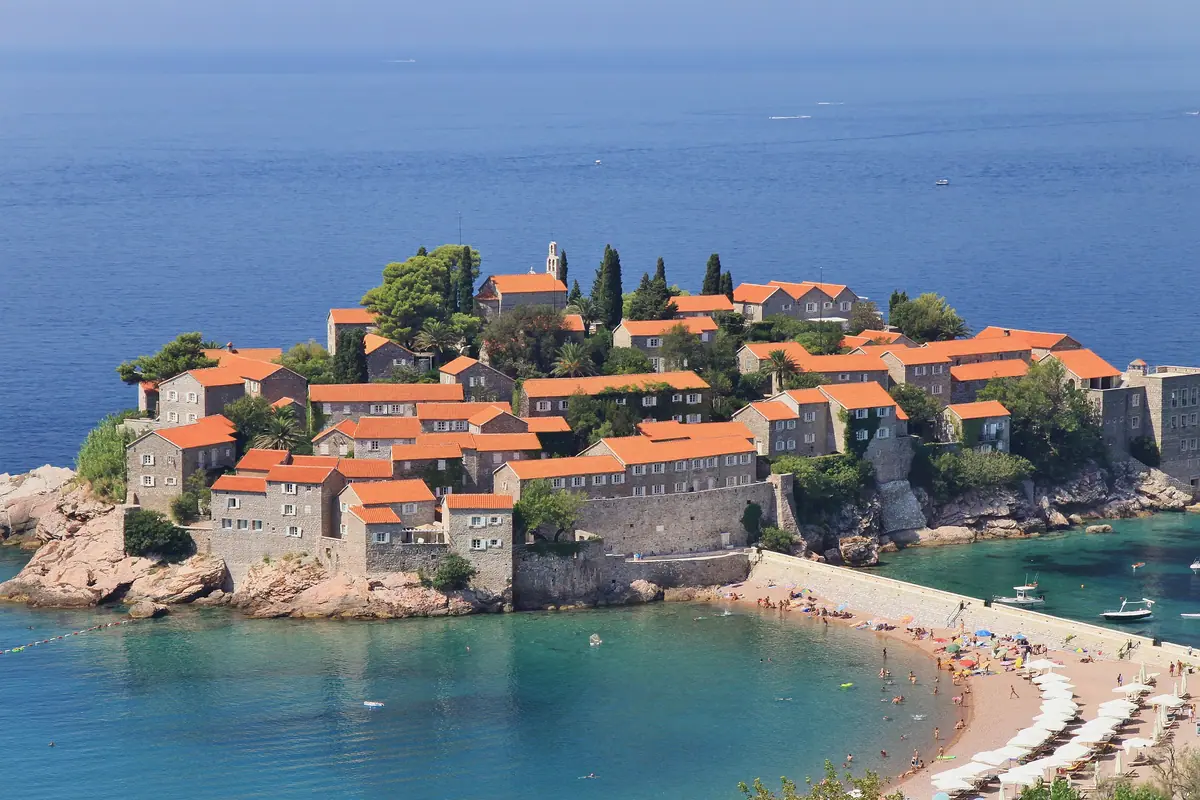
Budva, Sveti Stefan and the Southern Coast: Beach Food and Ottoman Sweetness
Budva's Old Town is a walled Venetian pocket of cafés and churches, and its beaches are the busiest in the country. The local eating is uncomplicated and best done barefoot: girice, tiny fried fish eaten whole; hobotnica ispod sača, octopus baked under a metal bell with potatoes and herbs; and pastrmka or brancin grilled over charcoal and dressed with nothing but oil, lemon and parsley. A few kilometres south, the fortified islet of Sveti Stefan is Montenegro's most photographed sight, linked to the mainland by a narrow causeway — stop at the viewpoint above it, then eat on a terrace facing the sea.
Keep going south through Bar, where the ruined hilltop town of Stari Bar sits beneath Mount Rumija, and the olive groves start in earnest. This is the country's olive heartland: small producers in Bar and Ulcinj press oil sold in unlabelled bottles at roadside stands, and an autumn visit means you can watch the harvest. Continue to Ulcinj and the cuisine shifts again toward Albanian-Montenegrin cooking — baklava and tulumbe soaked in syrup, japraci (stuffed chard rolls), sarma, and slow-baked lamb with yoghurt.
Ulcinj's Old Town climbs above a rocky swimming spot, while Velika Plaža and the island village of Ada Bojana stretch south in a long ribbon of sand and kite-surfer wind — a perfect late-afternoon stop for grilled fish after a swim. Just inland, Lake Skadar, the largest lake in Southern Europe, supplies a completely different menu: carp, eel and ukljeva, the tiny fish dried and fried as a snack in lakeside villages around Rijeka Crnojevića.
Njeguši, Cetinje and Lovćen: The Mountain Table
Above Kotor, the old road corkscrews through 25 serpentine bends to Njeguši, a village of stone houses where smoke drifts from sheds all winter. Njeguški pršut — ham dry-cured in sea salt and wind, then smoked over beech — is the country's proudest food, sliced thin alongside Njeguški sir, a hard sheep's cheese, and rakija made from grapes. Stop at a family farm, sit under a vine, and let them feed you. This is the single best-value meal on any Montenegrin itinerary.
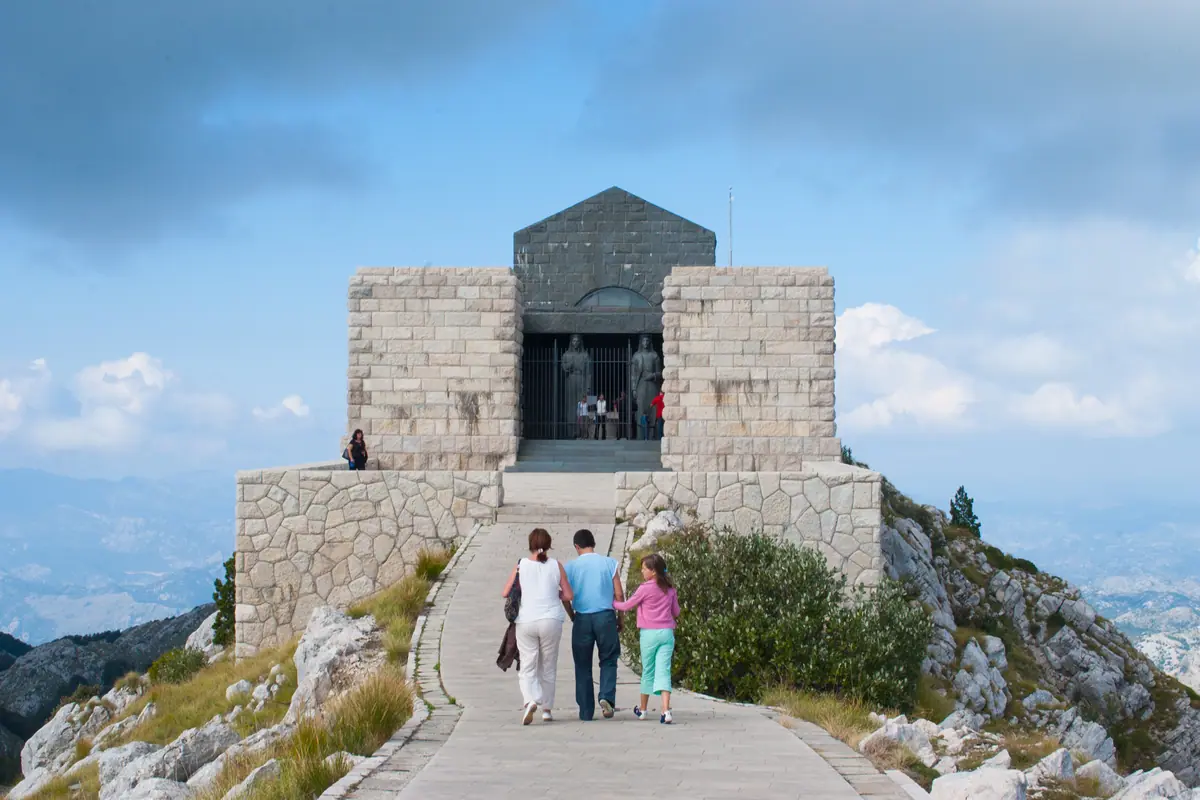
Nearby, Lovćen National Park holds the Njegoš Mausoleum, reached by a tunnel and 461 steps to a summit with a view across the whole country; on a clear day you can see both the bay and the Albanian Alps. Just below lies Cetinje, the old royal capital, home to the Cetinje Monastery, the Biljarda residence and King Nikola's Museum. Its taverns serve the mountain repertoire: kačamak, a soft cornmeal porridge stirred with cheese and potato; cicvara, richer with cream; priganice, fried dough balls eaten with honey; popara, bread soaked in milk or cheese; and raštan, a kale stew with smoked meat. Lamb roasted ispod sača, under an iron bell buried in embers, is the celebration dish.
An hour's drive inland, Ostrog Monastery is carved white into a vertical cliff and draws pilgrims of all faiths, many of whom walk up barefoot. Modest dress and quiet are expected; simple meals and lodging are offered to pilgrims on the lower terrace. Even for non-believers, it is one of the most arresting places in the Balkans.
Durmitor, Tara and the Northern Katuns: Cheese, Lamb and Glacier Lakes
The north is another country. Durmitor National Park, a UNESCO site, holds the Black Lake — Crno jezero — a glassy glacier lake ringed by pine that is a 40-minute walk from Žabljak. Nearby, the Tara Canyon, one of Europe's deepest, is crossed by the concrete arch of the Đurđevića Tara Bridge, with rafting from April to October and zip lines running above the gorge in summer. In the east, Biogradska Gora shelters one of the continent's last old-growth forests, saved by royal decree long before national parks existed.
Summer brings the katuns — clusters of wooden shepherd huts on the high pastures of Sinjajevina and Bjelasica — back to life. Families move up with flocks in June and stay until September, making cheese, kajmak and skorup on the spot. Some katuns welcome guests for a meal or an overnight, usually arranged by word of mouth or through a local guide; if you are invited, bring small gifts, be ready to drink rakija, and do not refuse food. Pljevaljski sir, a brined cheese from the town of Pljevlja, and smoked lamb are staples here, with fresh trout from mountain streams.
Nights are cool even in August, so pack a fleece. July to September is the reliable window for hiking; winter turns Žabljak and the slopes above Kolašin into a ski destination, with hearty food to match the temperatures. Distances look short on the map but mountain roads are slow — allow three hours from the coast to Žabljak and treat the drive as part of the day.
Markets, Festivals and the Right Season to Eat Well
Montenegrin food culture lives in its markets. Podgorica's morning market is the country's biggest, heaped with peppers, figs, dried herbs and village cheese; Kotor's market by the Sea Gate and Budva's smaller stalls fill the same role on the coast. Buy in the morning, and you will often be handed a taste before you decide. Wine is worth seeking out too: the Crmnica valley behind Lake Skadar and the flat plains outside Podgorica produce Vranac, a dark, peppery red, and Krstač, a fresh white, and small family cellars welcome visitors during the September harvest.
Festivals bring the calendar to life. Herceg Novi's Mimosa Festival in February fills the town with yellow blossoms, parades and street food; the Boka Navy procession animates Kotor in early February; the Fašinada rowing ritual in Perast falls on 22 July; and summer carnivals bring gusle players — the one-stringed instrument behind Montenegrin epic poetry — into town squares. Autumn is the season for olive pressing around Bar and Ulcinj and for grape picking in Crmnica, when taverns roll out lamb and heavy red wine.
Timing makes the difference. May, June, September and early October give warm sea, open markets and tables you can actually sit at; late July and August are hot, crowded and more expensive; the mountains peak from July to September and lie under snow by January. Expect dinner late, from 20:00 onward, lunch to take longer than planned, and cash to be useful in village farms and small konobas. Learn three phrases — 'hvala' (thank you), 'živjeli' (cheers) and 'prijatno' (enjoy your meal) — and doors open wider wherever you go.
Frequently asked questions
What food should I try first in Montenegro?
Start with Njeguški pršut and Njeguški sir in the village of Njeguši above Kotor, then move to the coast for buzara or crni rižot in a Kotor konoba. Inland, order kačamak, cicvara and lamb ispod sača; in the south around Ulcinj, try baklava and japraci. Finish every meal with rakija and, in autumn, priganice with honey.
When is the best time to visit Montenegro for food and local festivals?
May, June, September and early October balance warm weather with quieter towns and full markets. February brings the Mimosa Festival in Herceg Novi and the Boka Navy procession in Kotor; 22 July is the Fašinada rowing ritual at Perast; September is grape harvest in Crmnica and October to November is olive pressing around Bar and Ulcinj. July and August are hottest and busiest, while the mountains are best from July to September.
How do I get between the coast and the mountains on a Montenegro tour?
Mountain roads are slow, so plan generously: about two hours from Kotor to Cetinje and Lovćen, three hours from the coast to Žabljak in Durmitor, and roughly two hours from Podgorica to Lake Skadar. Renting a car gives you the freedom to stop at village farms and katuns, but consider a local driver-guide for the serpentine road above Kotor and the Tara Canyon area.
Do konobas, markets and village farms accept cards in Montenegro?
Larger restaurants, hotels and supermarkets on the coast generally accept cards, but small konobas, market stalls, mountain katuns and roadside olive oil sellers often prefer cash. Carry euros in small notes, and keep some coins for parking and ferry crossings. Tipping around five to ten percent is appreciated but never demanded.
Is Montenegro easy for vegetarians and curious eaters?
Yes, with some planning. Grilled vegetables, raštan, sarma, cheeses, kajmak, olives, bread and salads are everywhere, and coastal kitchens happily prepare grilled vegetables and pasta. Inland menus lean heavily on meat, so ask for kačamak without smoked pork, or request a cheese and vegetable plate. Markets are your best friend for picnic lunches, especially around Lake Skadar and Durmitor.
Sort the rest of your trip
Everything for Montenegro, in one place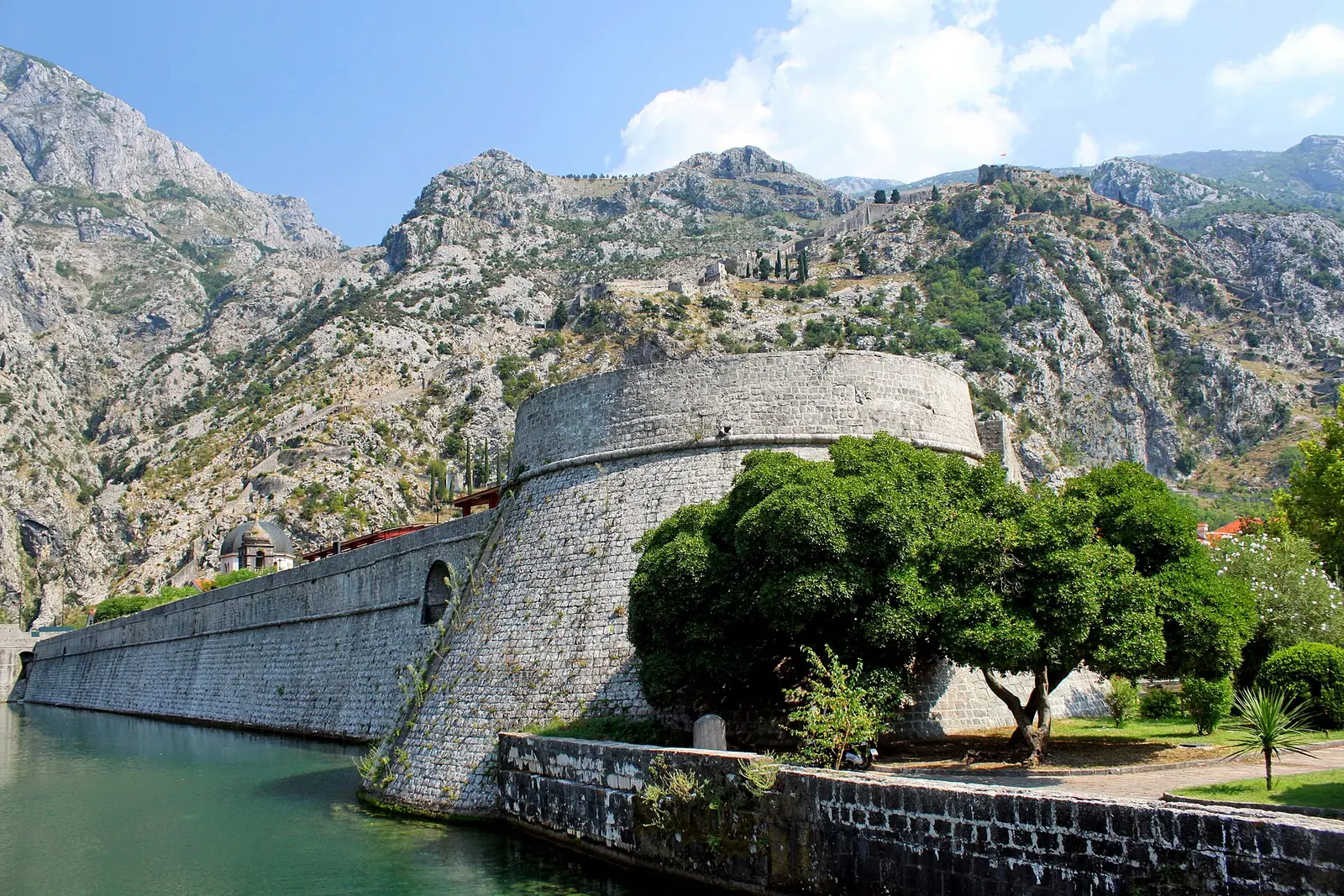
Stay in Montenegro
Hotels, guesthouses and apartments — compared in one search.
Search hotels
Transfer in Montenegro
Private driver waiting on arrival — no queues, no surprises.
Book a transfer
Stay online in Montenegro
Travel eSIM — data the moment you land, no roaming bills.
Get an eSIM