Montenegro packs a Mediterranean riviera and a rugged alpine north into a country you can cross in a morning, which means the 'best' time to go depends entirely on whether you're chasing warm water off Budva or snow under the peaks of Durmitor. Get the season right and you'll have the Bay of Kotor glowing at golden hour with barely a soul on the waterfront. Get it wrong and you'll be shuffling through July crowds or staring at shuttered hotels in February.
One Country, Two Travel Seasons
Montenegro's geography splits its calendar in half. The coast — Herceg Novi, Kotor, Budva, Petrovac, Bar and Ulcinj — runs on a Mediterranean rhythm, with hotel doors opening around Easter and locking up again in late October. Roughly 100 kilometres inland and a vertical kilometre higher, the Durmitor, Bjelasica and Prokletije massifs run on a continental rhythm instead: summer for hiking around Crno Jezero (Black Lake) and rafting the Tara Canyon, winter for skiing at Žabljak and Kolašin.
That split is the single most useful thing to understand before you book. If your trip is beaches, old towns and boat trips to Our Lady of the Rocks off Perast, you want May to early October. If it's mountain trails, canyons and rafting, late June through September is your window, with January to March as a second, snowbound season. Podgorica and the central plains sit somewhere in between, baking in July and mild enough for a coffee outside in December.
Because the country is so compact, a single trip in the right month can combine both worlds — a morning swim at Sveti Stefan and an afternoon at the Njegoš Mausoleum on Lovćen, or a day on the Bay of Kotor followed by a drive up to Black Lake. That's the real argument for the shoulder months: you can move between climate zones without either one being uncomfortable.
Spring: Wildflowers, Empty Old Towns and the Year's Best Value (April–June)
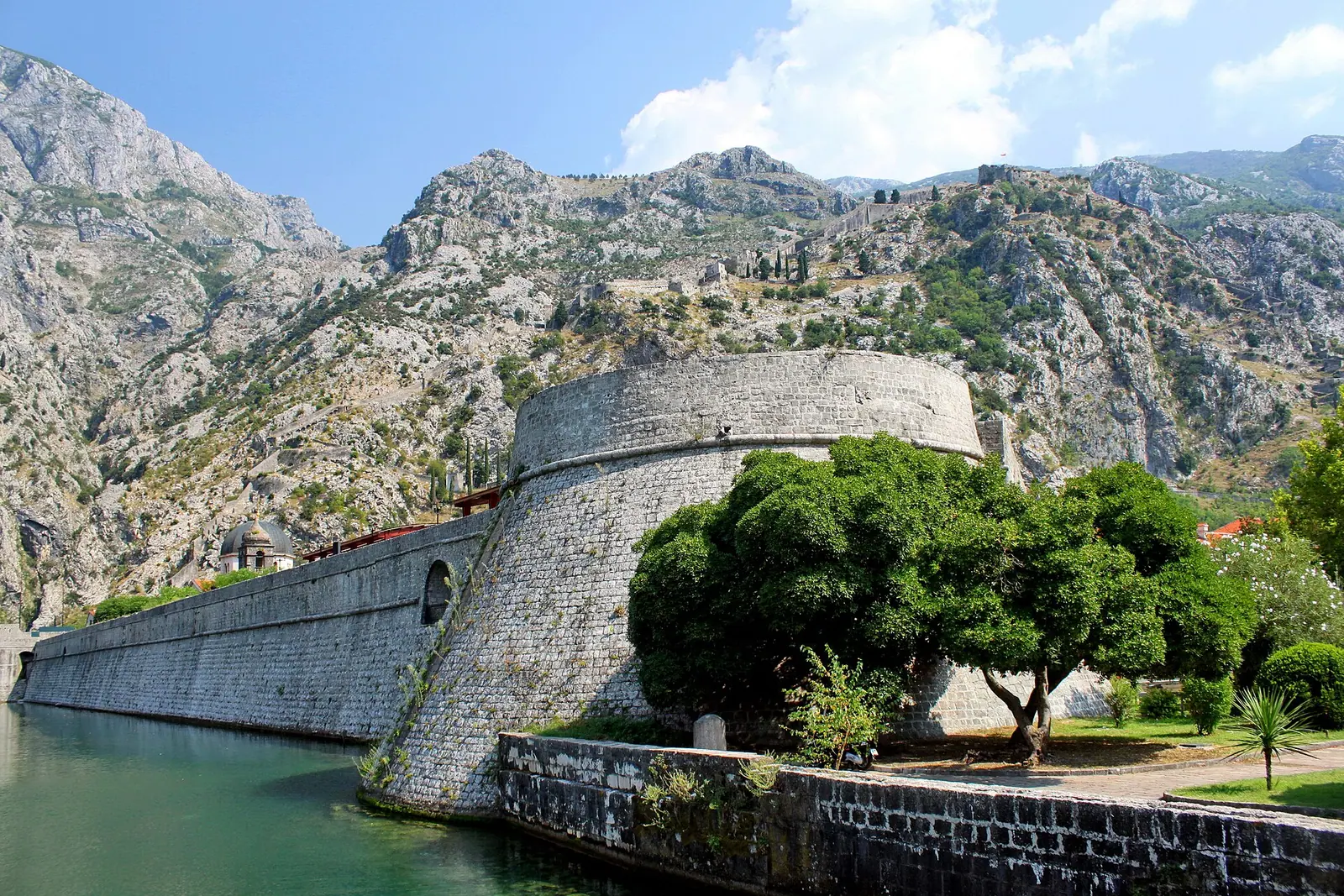
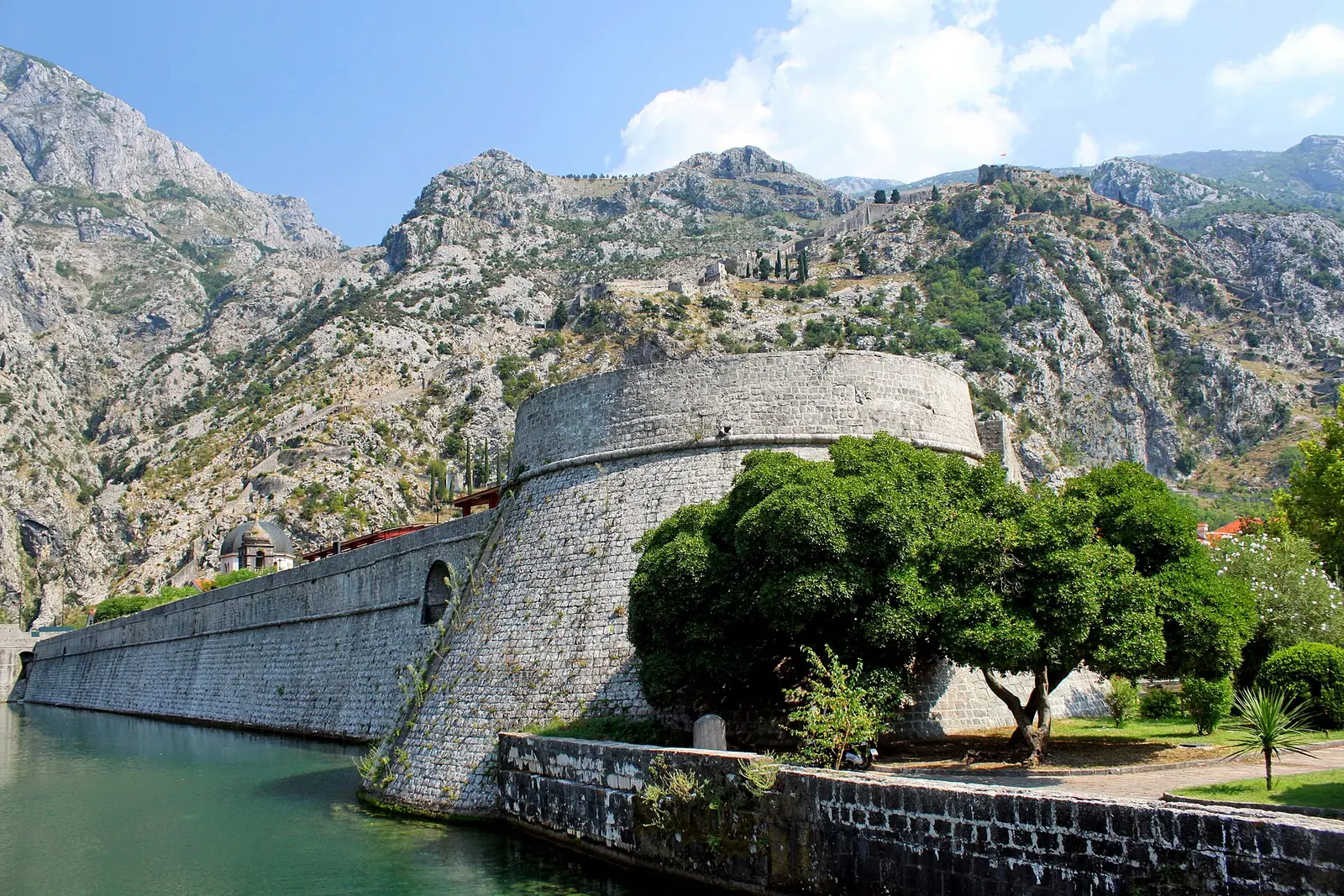
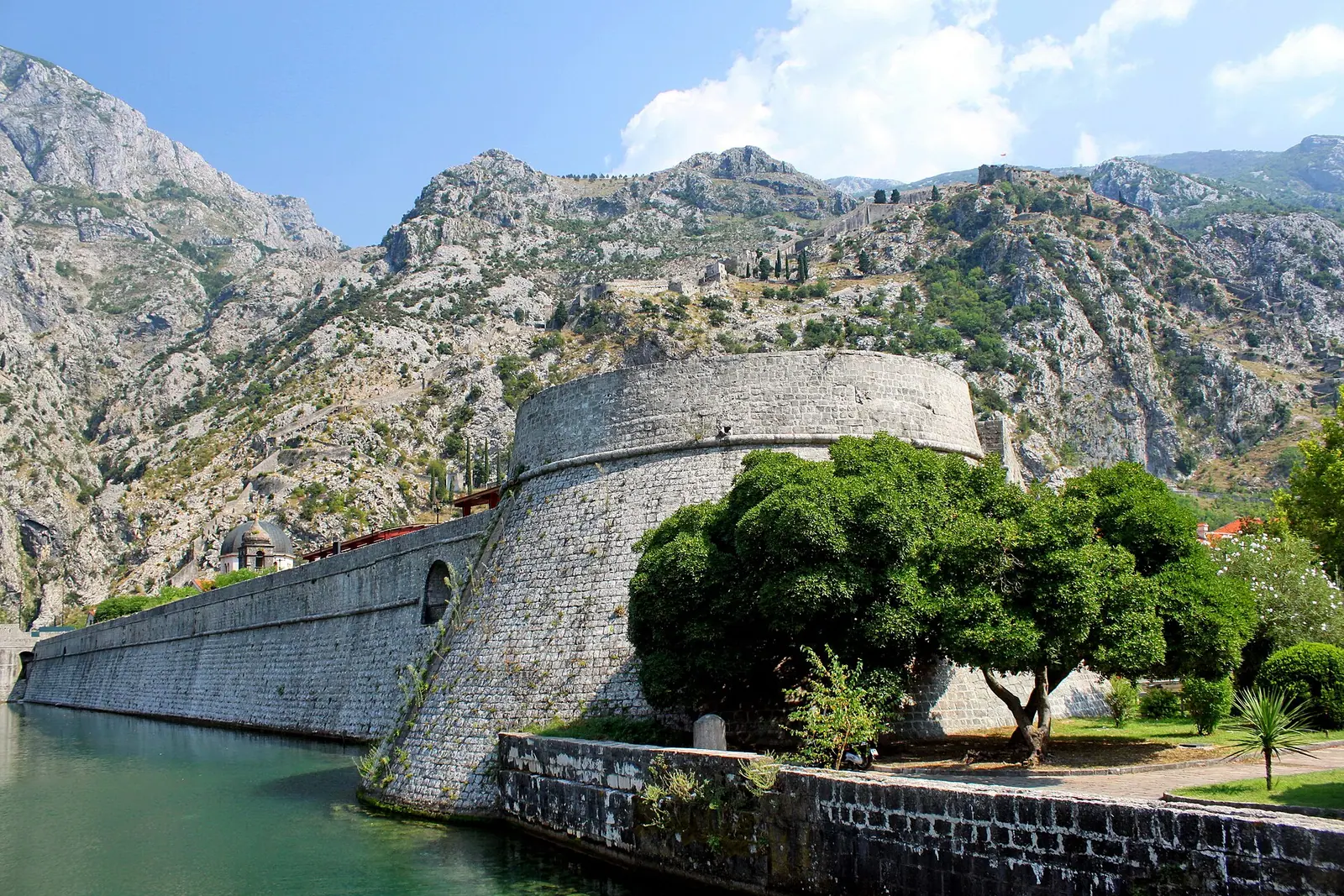
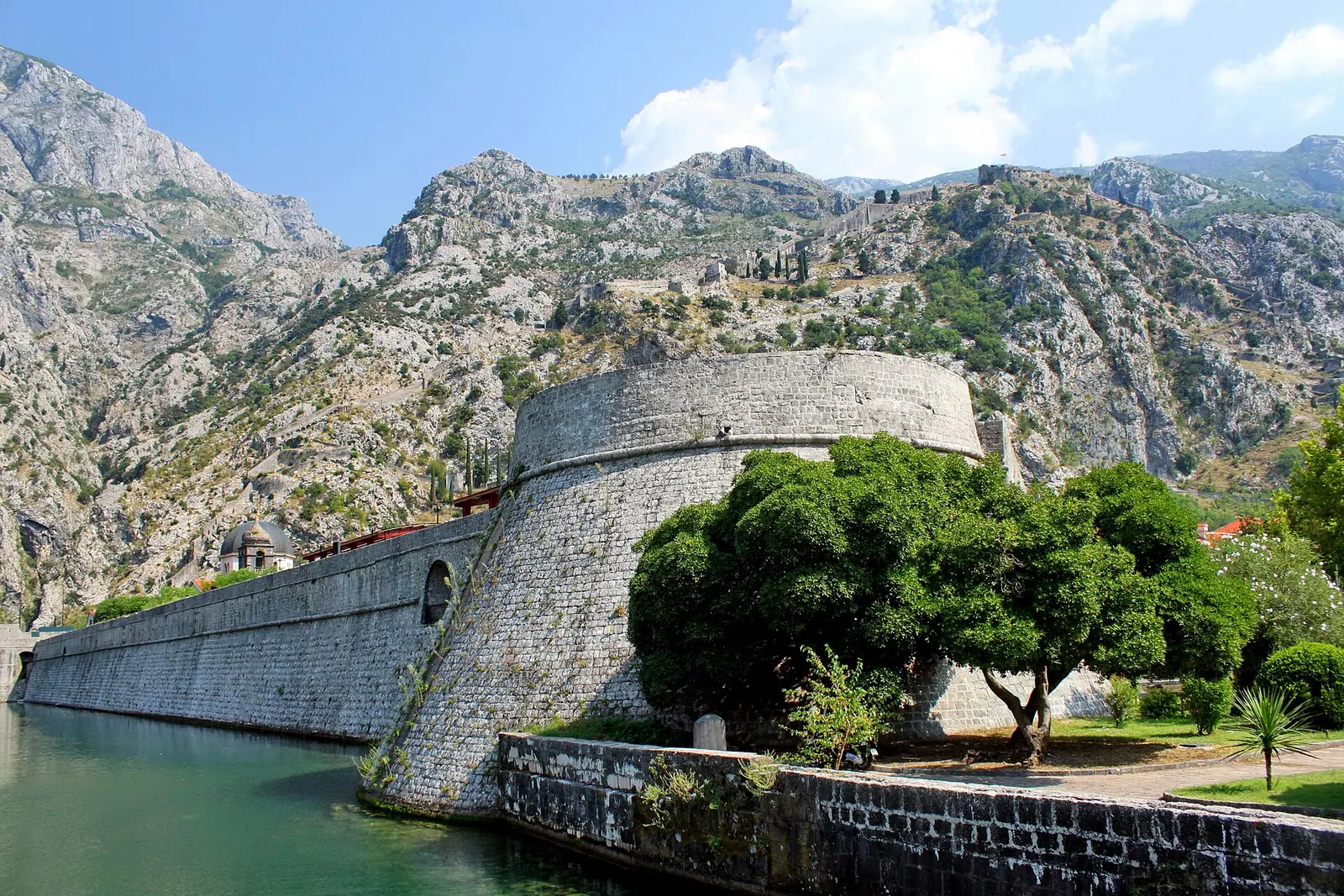
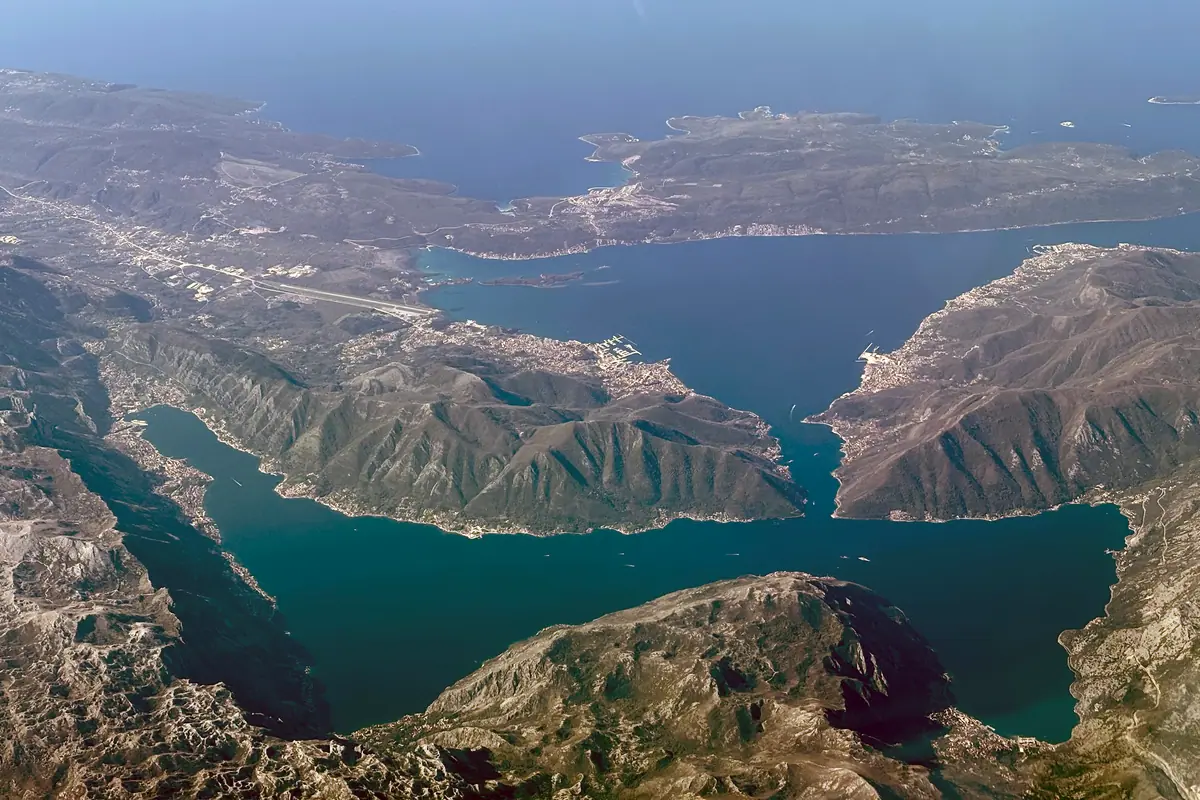
April and May are when Montenegro feels like a secret. The coastal hotels are open but not full, the stone lanes of Kotor Old Town are walkable without dodging tour groups, and the climb up the San Giovanni fortress walls above the town is a pleasure rather than a midday punishment. Sea temperatures lag behind the air — expect around 17–20°C in June — so this is swimming-with-a-gasp territory rather than lazy floating.
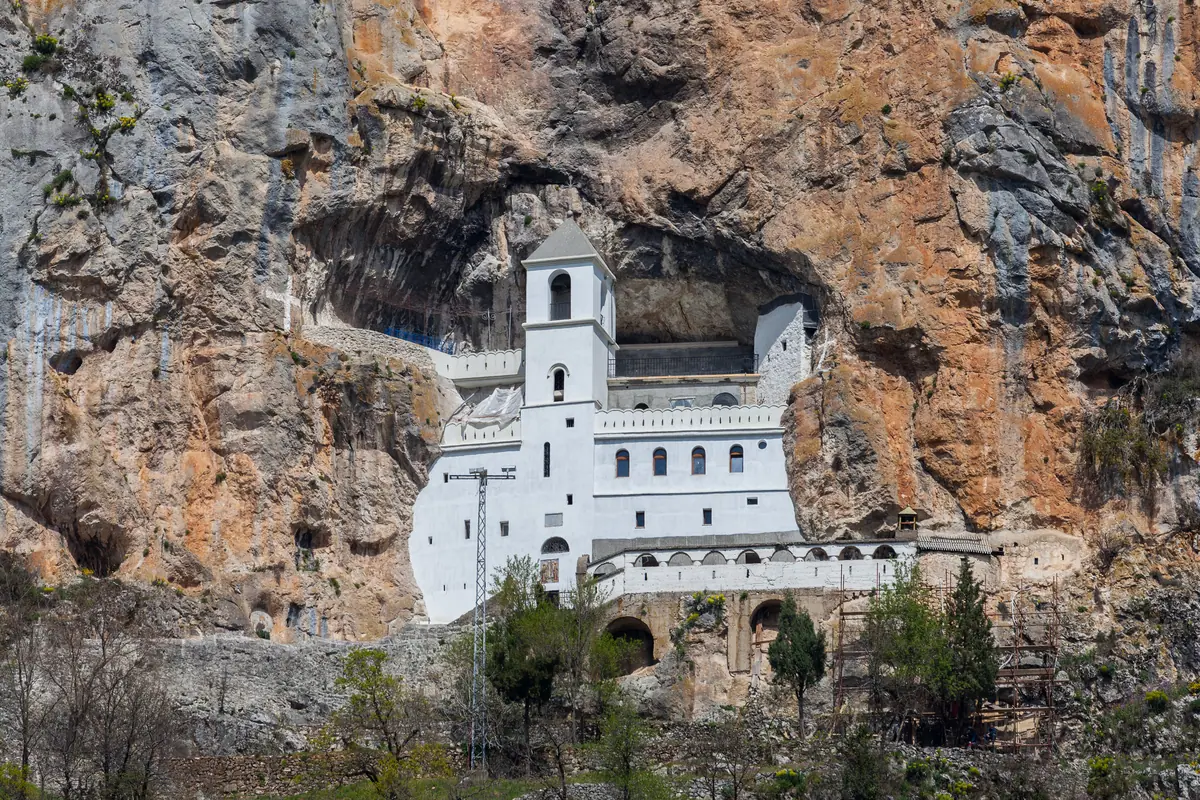
Inland, spring is arguably the most beautiful season of all. Lake Skadar, shared with Albania and ringed by fishing villages and ruined fortresses, is at its most alive with birds and lily pads. Ostrog Monastery, the whitewashed cliff-carved pilgrimage site in the mountains above Danilovgrad, is quieter and cooler than in high summer. Wildflowers carpet the slopes around Cetinje, the old royal capital, and the drive over Lovćen's serpentine road is spectacular.
The trade-off is rain. May can be showery, and mountain passes occasionally stay closed into April. Hotel-wise, this is the sweet spot: coastal properties in Budva and Herceg Novi are often on shoulder-season rates, and you'll have your pick of rooms rather than competing for them. Book a few weeks ahead for June, when early-season beach demand begins to build.
Summer: The Adriatic at Full Volume (July–August)
Peak summer in Montenegro is hot, bright and loud. Budva becomes the country's party capital, its Old Town walls and Slovenska Beach packed from morning until the small hours. The sea finally hits 24–26°C, the Blue Cave near Herceg Novi fills with excursion boats, and the long sands of Velika Plaža near Ulcinj and Ada Bojana, at the very southern tip, are at their best for windsurfing and kitesurfing.
The costs are crowds and heat. Kotor's narrow streets can feel like a queue between 10am and 2pm when day-trippers arrive; the smarter move is to explore early or late and spend the middle of the day on the water. Coastal hotel rates roughly double between mid-July and mid-August, and the best-located places in Budva, Petrovac and Perast sell out two to three months in advance. If you want a sea-view balcony in August, book in spring.
Relief is always within reach. Head north to Durmitor National Park, where Black Lake sits at around 1,400 metres and evening temperatures drop to a jumper-friendly 10–12°C. Žabljak makes an ideal mountain base for hiking, canyoning and the Tara Canyon, whose 1,300-metre depth makes the view from Đurđevića Tara Bridge one of the country's great set pieces.
Autumn: Warm Water, Quiet Bays and the Mountain Hiking Window (September–October)
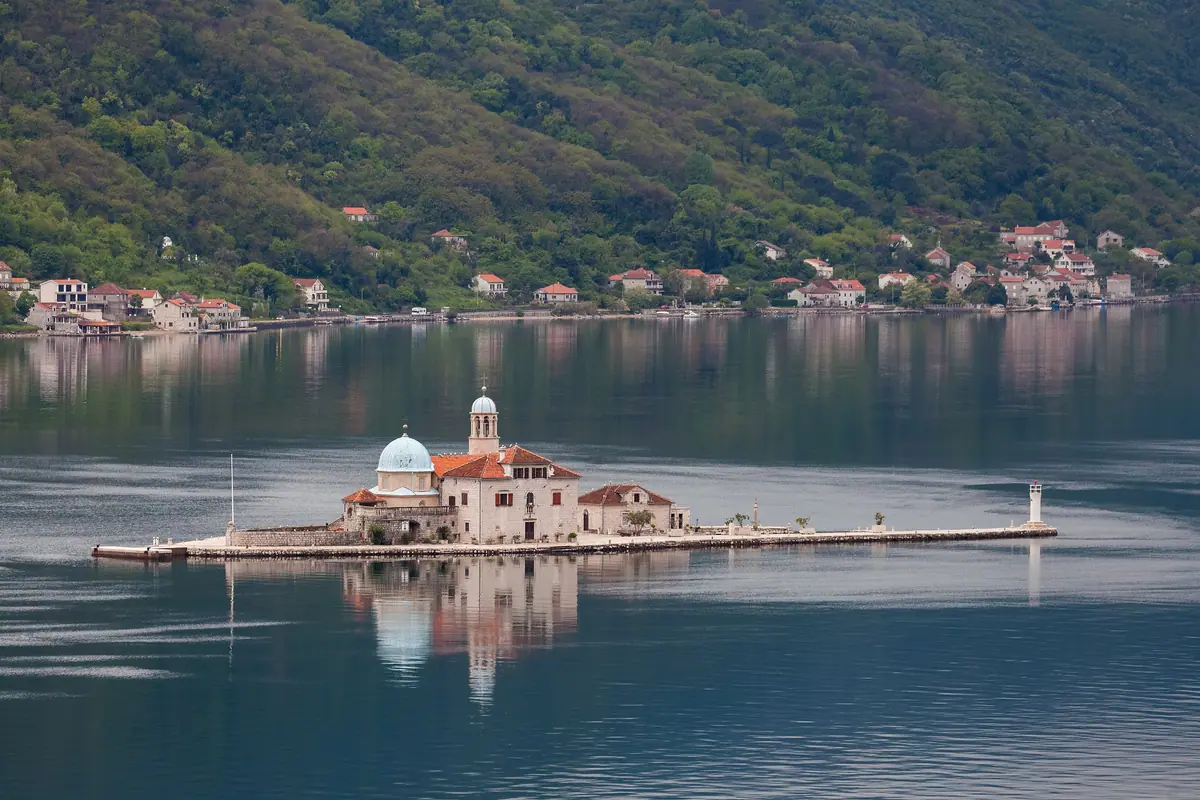
Ask anyone who knows Montenegro well and they'll often name September as the best month of the year. The sea retains the summer's heat well into the month, air temperatures settle into the comfortable mid-20s, and the August crowds evaporate the moment school holidays end. The Bay of Kotor at this time — the light on the water, the bell towers of Perast, the two tiny islets of Our Lady of the Rocks and Sveti Đorđe — is the postcard you came for, minus the elbows.
October is quieter still, and it's the month for the interior. Durmitor's trails around Black Lake and the Sedlo Pass are crisp and clear, rafting on the Tara typically runs into early October, and the wine country around Lake Skadar and the Crmnica hills is in harvest. Days are shorter, and some coastal hotels in smaller towns wind down towards the end of the month, so check opening dates before committing to a late-October seaside stay.
Culturally, autumn is rich: harvest festivals, olive oil pressing on the Bar and Ulcinj coast, and theatrical, food-focused evenings in Kotor and Budva without the summer crush. It's also the best value window of the year for four-star coastal accommodation — you're often paying shoulder-season rates for beach weather.
Winter: Ski Slopes in the North and Empty Stone Towns by the Sea (November–March)
Winter splits Montenegro again, and more dramatically. In the north, snow settles on Durmitor from December, and Žabljak and the Kolašin area become the country's ski bases, with runs suited to beginners and intermediates rather than hardcore off-piste. It's a small, friendly scene: wooden guesthouses with open fires, snowfall that can bury the road to Sedlo Pass, and the eerie frozen quiet of Black Lake.
On the coast, winter means closure and calm. Many seaside hotels shut until spring, particularly in Budva and Petrovac, but Kotor, Herceg Novi and Tivat keep enough open to make a quiet, atmospheric short break. Herceg Novi holds its mimosa festival in February, when the hillsides turn yellow, and Kotor's old town in the rain — slick stone, lit cafés, cruise ships gone — is arguably more romantic than in August.
Pack for both worlds if you're travelling in the depths of winter. Podgorica sees mild, damp days, Cetinje can be under snow, and the coastal strip is usually 10–14°C. Crucially, the road over Lovćen and some mountain routes can close after heavy snowfall, so build flexibility into any north–south itinerary.
Where to Base Yourself, Season by Season
The right base changes with the month. For sightseeing, Kotor is unbeatable from April to October: old-town guesthouses put you a few minutes from the Sea Gate, the walls and the boats to Perast. In July and August, though, consider staying in Dobrota or Prčanj along the bay instead — you get the same water views, easier parking and a quieter night's sleep, with Kotor a short drive or bus ride away.
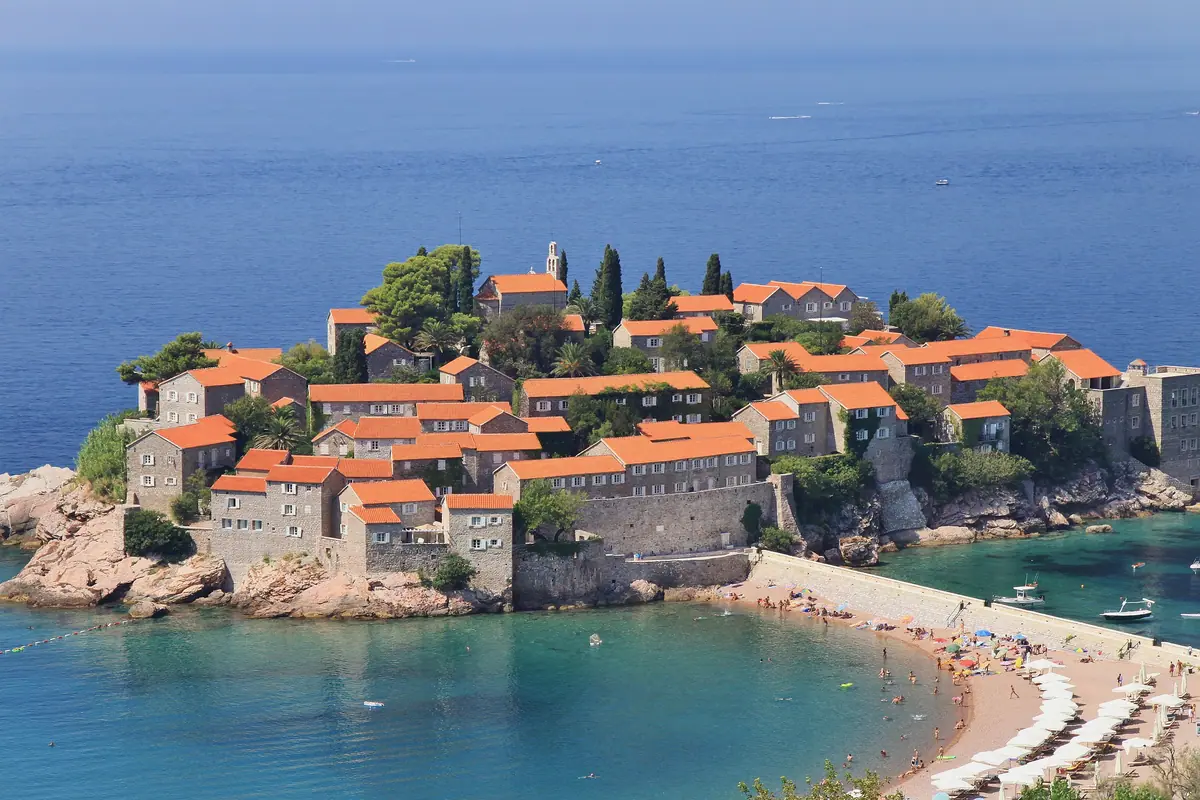
For beach-first trips, Budva's Slovenska Beach strip and the quieter coves around Petrovac are your main booking pools, supplemented by Ulcinj in the far south, where Velika Plaža and Ada Bojana give you a longer, sandier, less developed coastline. Perast and Herceg Novi suit couples and shoulder-season travellers; Sveti Stefan's islet views are best admired from Miločer beach rather than booked, since the islet itself is largely private.
For mountains, base yourself in Žabljak for Durmitor and the Tara Canyon, or Kolašin for Bjelasica and Biogradska Gora, one of Europe's last remaining primeval forests. These are year-round towns, but note that many small guesthouses close in the deep off-season between November and mid-December and again in April. Whenever you go, book July and August accommodation two to three months ahead, and for the rest of the year a few weeks is usually plenty.
Frequently asked questions
What is the best month to visit Montenegro?
September is the standout: the Adriatic is still warm enough for comfortable swimming, daytime temperatures sit in the mid-20s, and the August crowds have thinned. Late May and early June are a close second for sightseeing, with lush scenery and quieter old towns, though the sea is cooler.
Is Montenegro worth visiting in winter?
Yes, if you choose the right region. The north around Žabljak and Kolašin offers skiing and snow-covered national park scenery from December to March, while Kotor, Herceg Novi and Tivat stay open for quiet, atmospheric city breaks. Many smaller coastal resort hotels close between November and April.
How warm is the sea in Montenegro?
The Adriatic typically reaches 24–26°C in July and August, holds that warmth into early September, and sits around 17–20°C in June and October. Swimming in May is possible but brisk, usually 16–18°C, and most people prefer a wetsuit or a short dip.
When should I book hotels for peak summer?
For July and August, reserve two to three months ahead — sea-view rooms in Budva, Perast and Petrovac sell out first. For June, September and October, a few weeks' notice is generally enough, and you'll often find better rates outside the middle two weeks of August.
Can I see both the coast and the mountains in one trip?
Easily. The drive from Kotor to Žabljak takes around three to four hours, so you can swim in the Bay of Kotor one day and hike around Black Lake in Durmitor National Park the next. Allow at least four or five days to do both without rushing, and check mountain road conditions if travelling outside summer.
Plan it — hotels in Montenegro
Live search, booked directly with trusted providers.
Sort the rest of your trip
Everything for Montenegro, in one place
Transfer in Montenegro
Private driver waiting on arrival — no queues, no surprises.
Book a transfer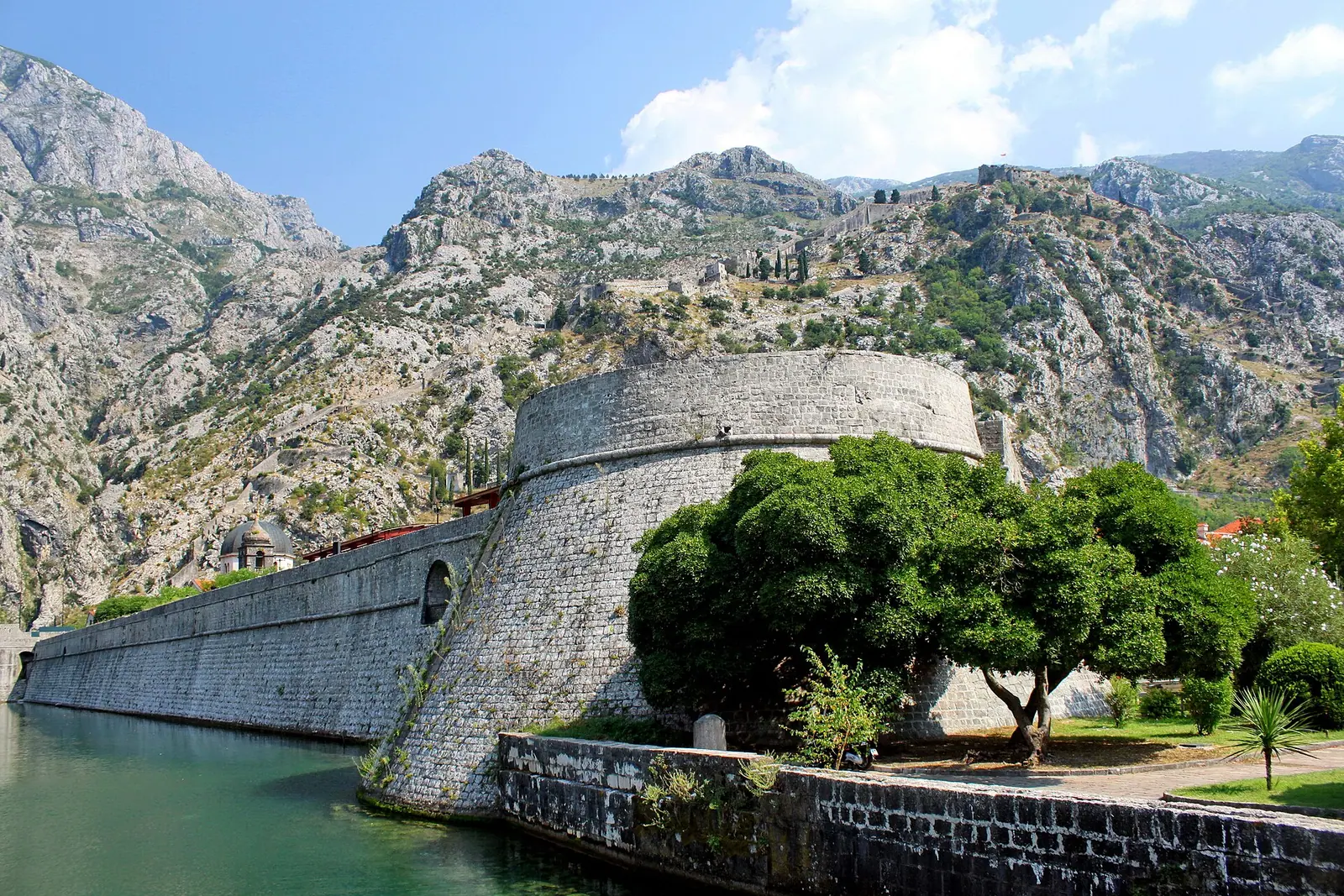
Things to do in Montenegro
Skip-the-line tickets, guided tours and standout experiences.
See experiences
Stay online in Montenegro
Travel eSIM — data the moment you land, no roaming bills.
Get an eSIM