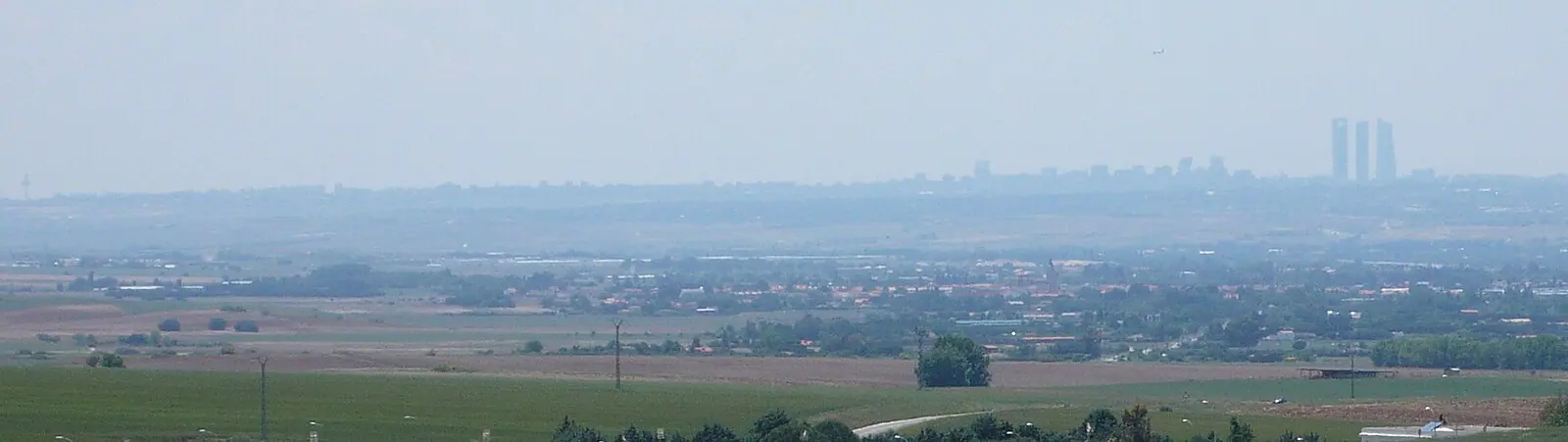
Mexico is a country you fall for slowly, region by region, and the bed you choose shapes the whole trip. Sleep in a courtyard hacienda in the colonial heartland, a rooftop room above Mexico City's Roma, or a palapa steps from the Caribbean — then let the ruins, markets and coastlines do the rest.
One Country, a Dozen Completely Different Holidays
Mexico runs from the Sonoran desert to cloud forest, from Caribbean reef to highland cities built on top of older civilisations. That scale means the right hotel depends entirely on which Mexico you are chasing: a beach all-inclusive in Cancún or Los Cabos, a stone-walled hacienda in the Bajío, a design-driven townhouse in Mexico City's Roma or Condesa, a bamboo cabaña on the Oaxaca coast. Choosing the region first and the property second saves more money and stress than any clever booking trick.
Distances are deceptive. Mexico City to Oaxaca is roughly six hours by long-distance coach, Cancún to Mérida about four, and the Baja peninsula stretches some 1,200 kilometres tip to tip. A five-cities-in-ten-days plan collapses fast. Two well-chosen bases with day trips will always beat four with your suitcase permanently unzipped.
Rates swing more with the calendar than with quality. Dry-season weeks from November through April are peak, with Christmas, New Year and Semana Santa commanding the highest prices of the year, while the green months of May to October bring afternoon showers, lush landscapes and markedly softer room rates outside the Caribbean hurricane window.
Mexico City: Base Yourself in Roma, Condesa or Polanco
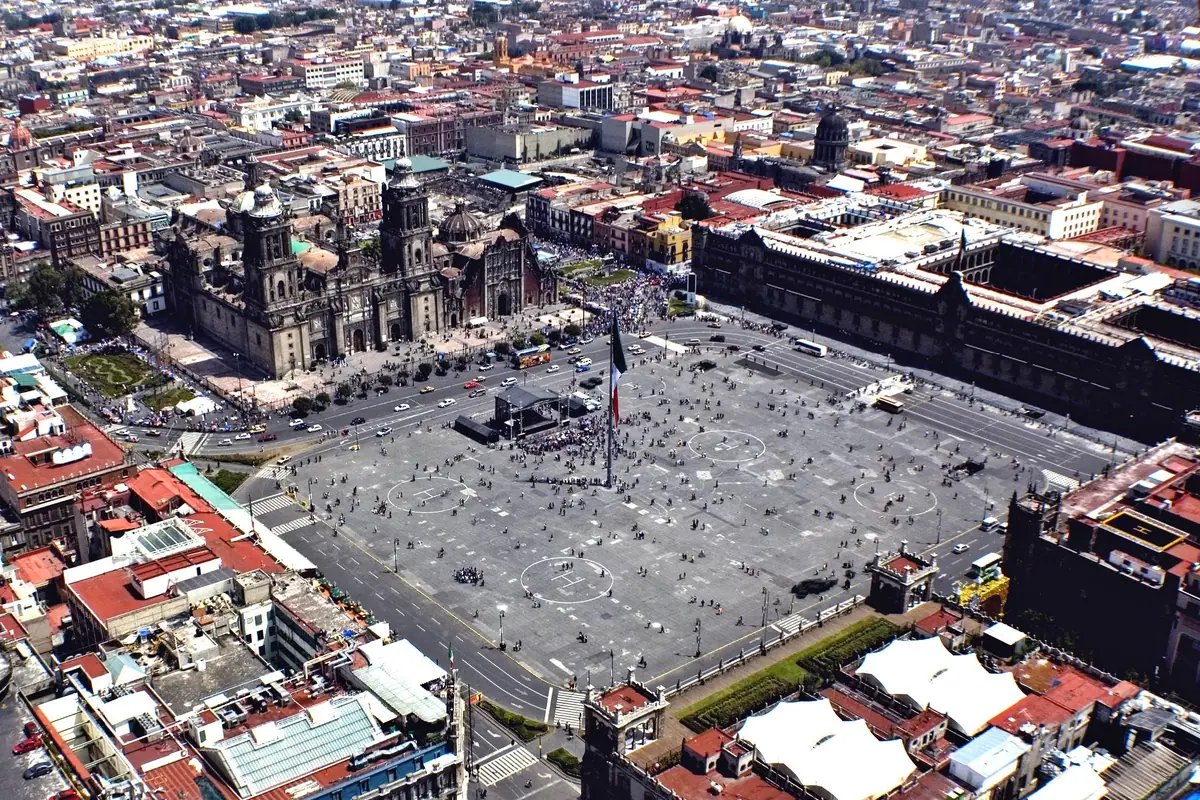
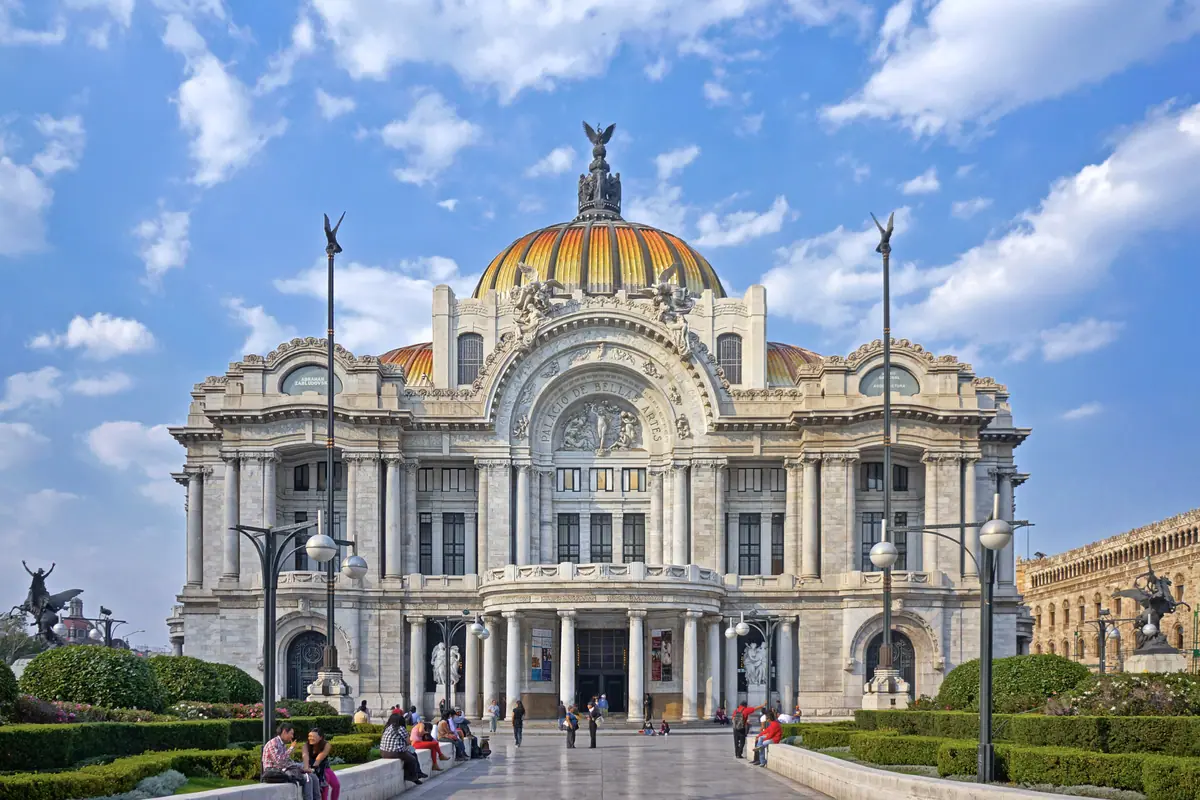
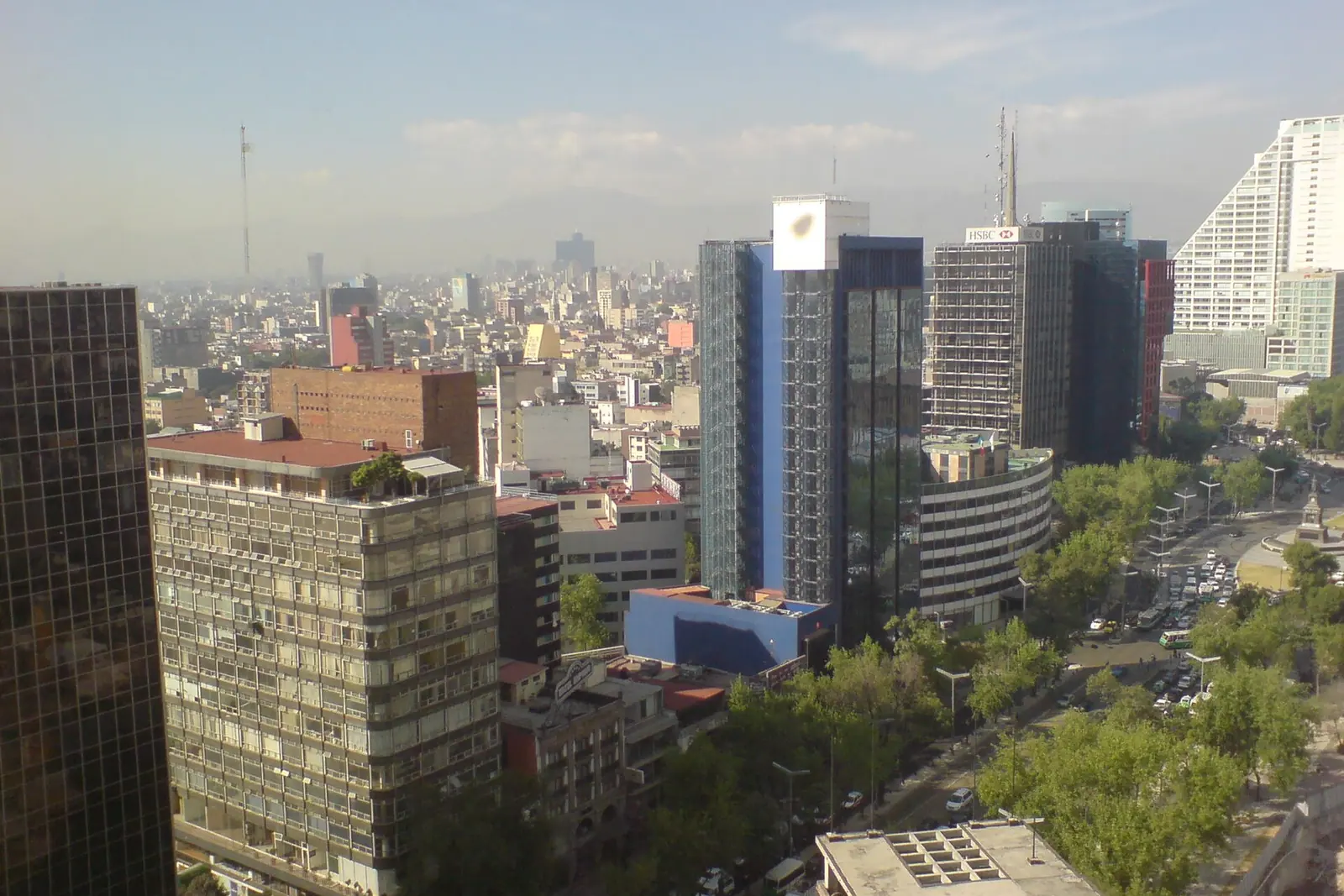
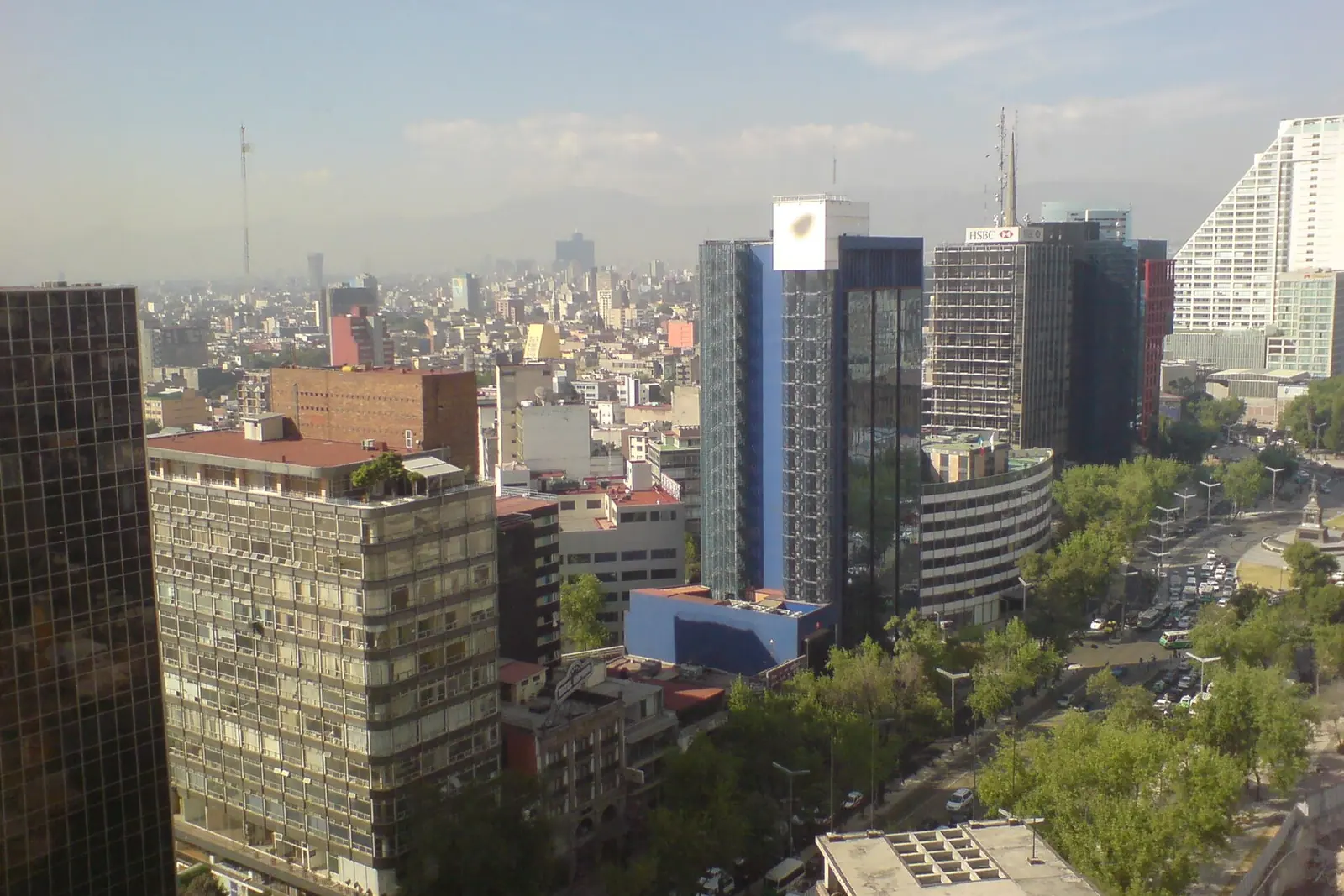
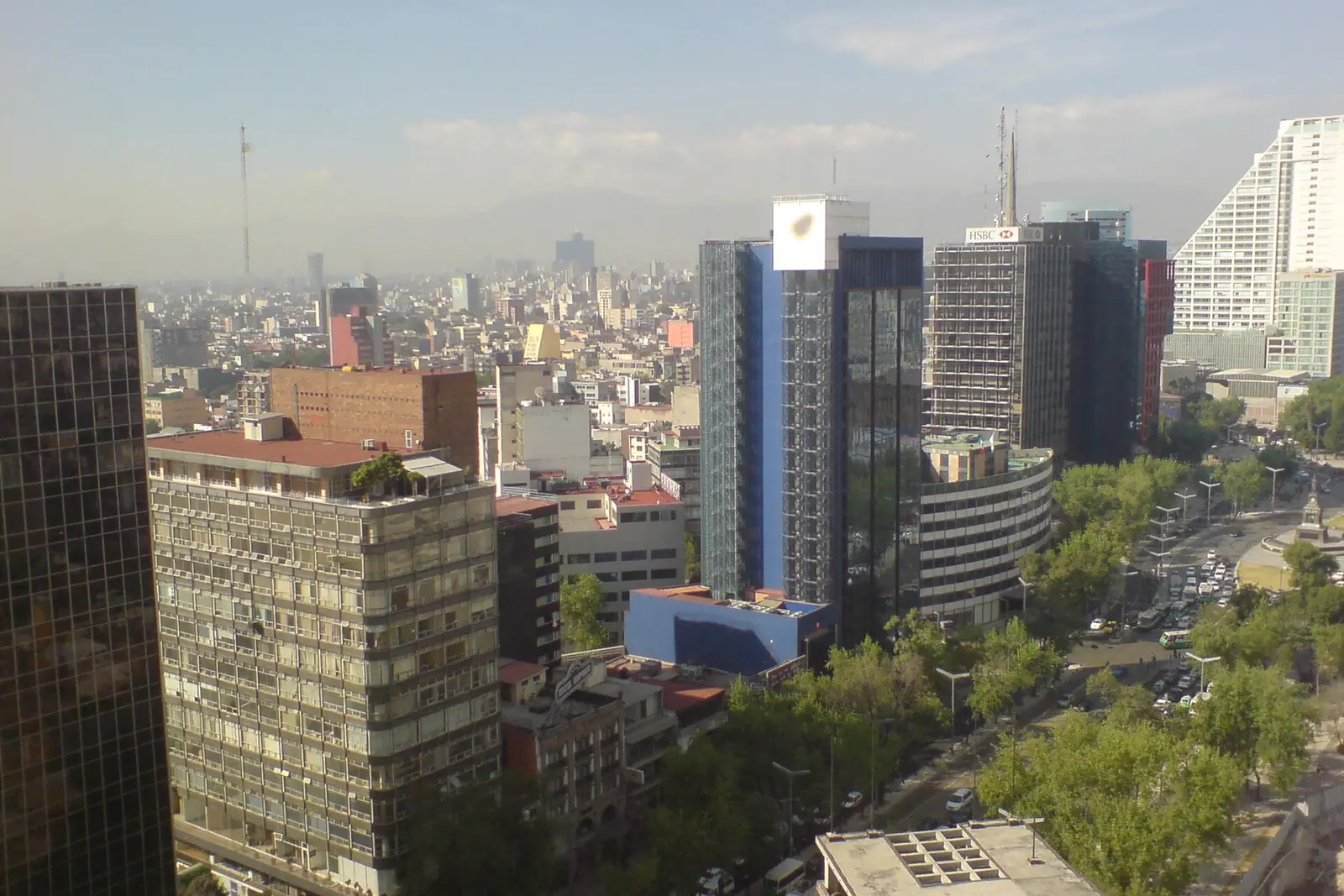
The capital sits at about 2,240 metres, so give yourself a gentle first day. Stay in the Centro Histórico to walk to the vast Zócalo, the Metropolitan Cathedral, the Templo Mayor ruins and the marble halls of the Palacio de Bellas Artes. Roma and Condesa offer tree-lined art nouveau streets, coffee bars and boutique rooms in converted townhouses; Polanco puts you beside Chapultepec Park and the Museo Nacional de Antropología; Coyoacán is quieter and closest to the Frida Kahlo Museum, known as the Casa Azul.
The unmissable sights deserve real time. The anthropology museum alone can swallow half a day, Chapultepec Castle rewards the climb for its city views, and Xochimilco's painted trajineras boats are best on a Sunday when local families flood the canals. For Teotihuacán, home to the Pyramid of the Sun and Pyramid of the Moon, arrive at opening to beat both the heat and the tour coaches — a large share of the city's museums close on Mondays, so plan around it.
Where you sleep changes the trip. Polanco and Reforma suit first-timers who want polish and easy transport; Roma and Condesa suit food-focused travellers; Centro is the most walkable and the best value; Coyoacán feels like a village inside a megacity. Book Casa Azul tickets in timed slots well ahead, and expect traffic at almost any hour — the metro and ride-hailing apps are usually faster than a taxi at rush hour.
The Yucatán and Riviera Maya: Ruins, Cenotes and Reef
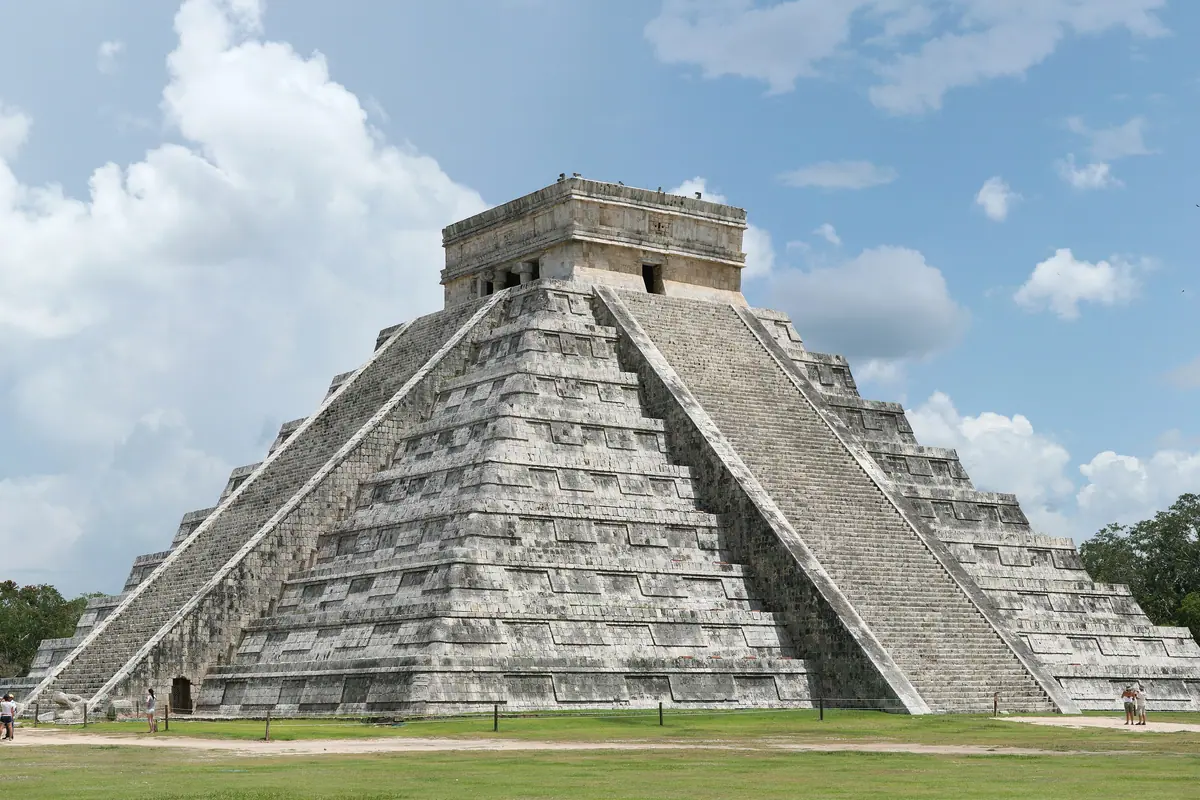
Chichén Itzá and its stepped El Castillo pyramid are the headline act, and they are transformed by timing: arrive at opening, when the light is soft and the vendors are still unfolding their stalls. Uxmal's rounded Puuc architecture is quieter and, for many travellers, more beautiful. Tulum's clifftop ruins above the turquoise water and the jungle-covered pyramids of Cobá round out an easy loop that also takes in the colonial mansions along Mérida's Paseo de Montejo and the cenotes near Valladolid, including Ik Kil and Zací.
Sleeping options split sharply by mood. Cancún's hotel zone is all high-rise all-inclusives; Playa del Carmen is walkable and full of restaurants; Tulum's beach zone is boutique and expensive, with taxis the only practical way around. Inland, Valladolid and Mérida offer courtyard colonial hotels for a fraction of beach prices, while Isla Mujeres, Holbox and the freshwater lagoon at Bacalar trade resorts for slow island nights and hammocks.
Two practical notes: sargassum seaweed can pile up on some Caribbean beaches between May and August, so check recent conditions if you are beach-first, and cenotes are best visited before 9am, when the water is clear and the groups have not arrived. Hurricane season runs June to November, peaking in September and October, which is worth weighing against the discounts.
Colonial Heartland: San Miguel de Allende, Guanajuato, Oaxaca and Puebla
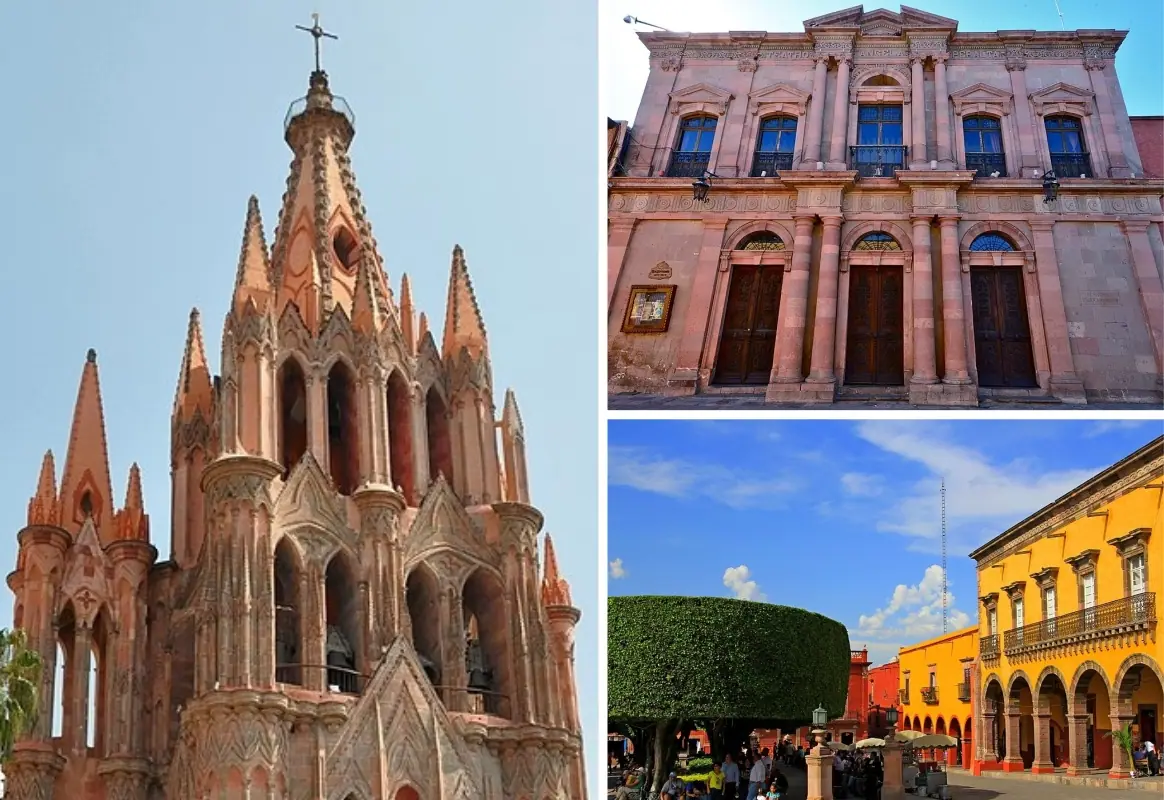
This is Mexico's most photogenic interior. San Miguel de Allende is defined by the candy-pink spires of the Parroquia de San Miguel Arcángel, with sunset views from El Mirador; nearby Guanajuato tumbles down a ravine past the Teatro Juárez, the impossibly narrow Callejón del Beso and the famously macabre Museo de las Momias. Oaxaca pairs the Zapotec ruins of Monte Albán, the gold-leaf interior of the Santo Domingo church and the petrified waterfalls of Hierve el Agua with the country's richest food scene, from mole to tlayudas.
Puebla adds the tiled domes of the Capilla del Rosario, the Talavera pottery workshops and the Zócalo, with the enormous pyramid of Cholula just outside town. Between these cities, the Bajío countryside hides converted haciendas — thick stone walls, arcaded courtyards, fountains — that cost far less than a comparable stay on the coast.
Book well ahead if your dates touch Day of the Dead in early November or the Guelaguetza celebrations in Oaxaca in July, when the city fills and rates climb. Easter week empties hotel rooms onto the beaches and fills them inland, so reserve early either way.
Pacific Coast, Baja and the Wild South
In Baja, the granite arch at Land's End — El Arco — marks the meeting of the Sea of Cortez and the Pacific, and the surrounding waters host grey and humpback whales between January and March. Cabo Pulmo protects one of the region's healthiest reefs, Todos Santos has a laid-back artist colony feel, and La Paz offers quieter beaches. On the mainland Pacific, Puerto Vallarta's Malecón boardwalk and Zona Romántica draw a long-staying crowd, while Sayulita trades resorts for surf and street food.
Further south, Oaxaca's coast ranges from the sheltered bays of Huatulco to surf-heavy Puerto Escondido and the sleepy eco-communities around Mazunte. In Chiapas, San Cristóbal de las Casas sits in cool highland air, the Sumidero Canyon is explored by boat, and the ruins of Palenque rise out of dense jungle. Northern Mexico counters with the Copper Canyon, deeper and wider than its famous American cousin, served by a scenic railway and rim-edge cabins. From November to March, the monarch butterfly reserves of Michoacán fill with orange clouds of wings.
Lodging here is varied: surfing hostels, beach eco-lodges with solar power and no air conditioning, canyon-rim cabins and jungle bungalows. Whale season and butterfly season are short, so book two to three months out if those are your reasons for coming.
Booking Smart: Seasons, Water and Small Print
November to April is the dry, reliable window across most of the country. May to October is the green season: afternoons often turn stormy, but mornings are bright, landscapes are dramatic and prices drop, particularly in colonial cities. If you want heat without heavy rain, late April to May and October to November are the sweet spots. Altitude is a real factor in Mexico City and San Cristóbal de las Casas — take the first day slowly, drink more water than you think you need, and go easy on alcohol.
Tap water is not for drinking; hotels supply purified jugs or bottles, and ice in established restaurants is generally fine. Tipping of 10 to 15 per cent is standard in restaurants. When comparing rates, check whether taxes, airport transfers and premium drinks are included in an all-inclusive, whether a beachfront property charges a resort fee, and whether your room has air conditioning — many colonial buildings rely on thick walls and ceiling fans, which is charming until a May heatwave.
Finally, reserve popular boutique properties three to six months ahead for Christmas, New Year, Day of the Dead and Easter, and read cancellation terms carefully, since many small inns require deposits. For everything else, a few weeks' notice is usually enough outside those holiday spikes.
Frequently asked questions
When is the best time to visit Mexico?
November through April is the driest and most dependable stretch nationwide, and it is also peak season, with Christmas and New Year the most expensive dates. May to October brings afternoon rain, greener scenery and lower rates, but the Caribbean coast carries a hurricane risk from June to November, peaking in September and October. Shoulder weeks in late April to May and October to November offer the best balance.
Should I stay in an all-inclusive resort or a city hotel?
It depends on the trip you want. All-inclusives in Cancún, Playa del Carmen and Los Cabos make beach days effortless and suit families and groups, but they can insulate you from the country. City and colonial hotels — in Mexico City's Roma or Condesa, or a courtyard hacienda in San Miguel de Allende or Oaxaca — put markets, ruins and restaurants on your doorstep. Many travellers split a trip between both.
How many places should a first-timer visit in ten days?
Two, occasionally three. A classic pairing is Mexico City with Oaxaca, using coaches or short flights between them. The other is a Yucatán loop: Cancún or Playa del Carmen for the coast, Valladolid or Mérida as a colonial base, and day trips to Chichén Itzá, Uxmal and the cenotes. Adding more cities usually means spending your holiday in transit.
Is altitude a problem in Mexico City?
The capital sits around 2,240 metres, and San Cristóbal de las Casas is comparably high, so some visitors feel breathless, headachy or unusually tired on the first day. Take it easy on arrival, hydrate consistently, avoid heavy drinking and rich late meals, and give yourself 24 to 48 hours before tackling long walking days or the climb up the Pyramid of the Sun at Teotihuacán.
When do hotels in Mexico sell out?
Christmas, New Year, Semana Santa and Easter week are the tightest dates, along with Day of the Dead in late October and early November, when colonial cities such as Oaxaca and San Miguel de Allende fill completely. Whale-watching season in Baja from January to March and the monarch butterfly reserves from November to March also book up early. Reserve three to six months ahead for those periods.
Sort the rest of your trip
Everything for Mexico, in one place
Transfer in Mexico
Private driver waiting on arrival — no queues, no surprises.
Book a transfer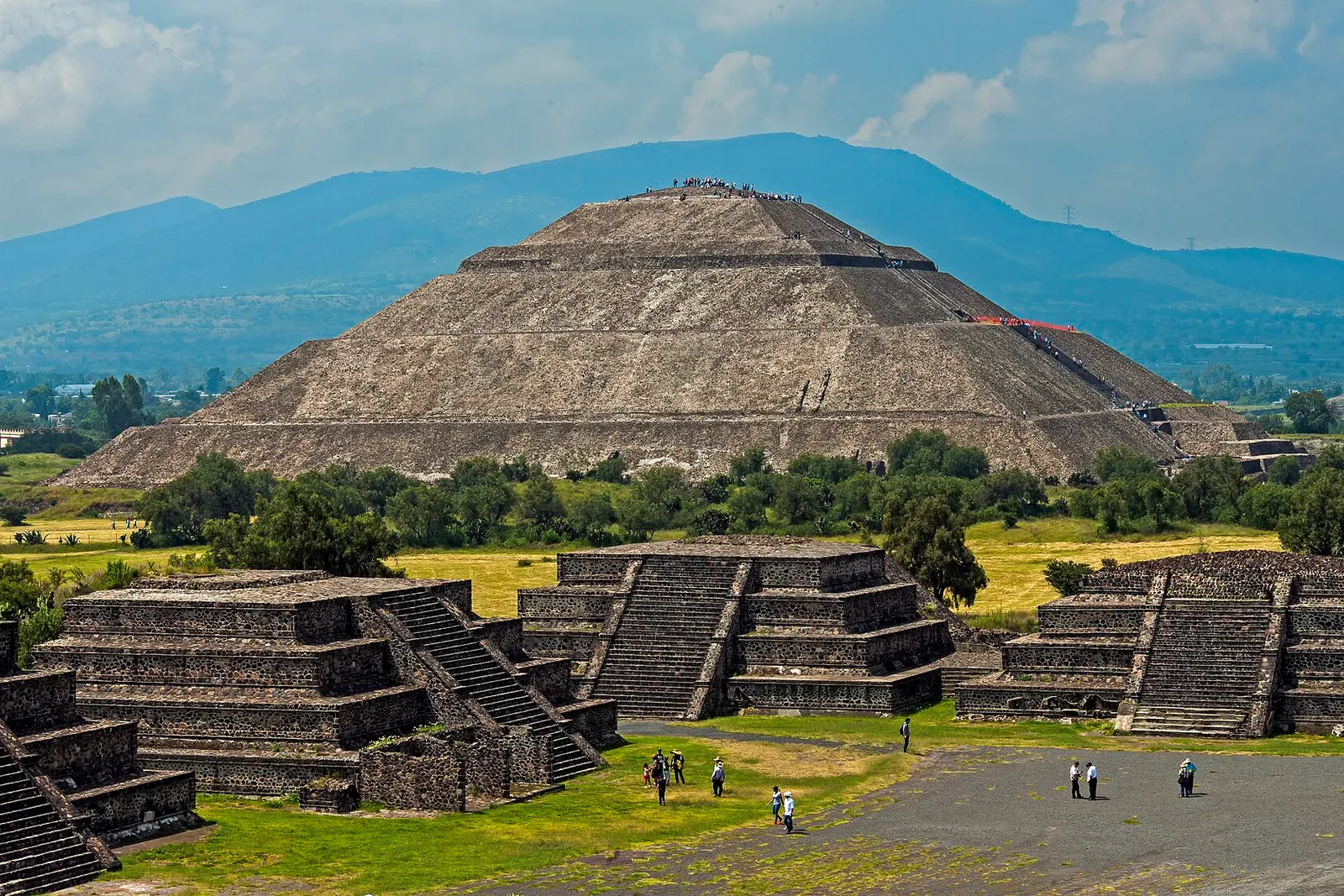
Things to do in Mexico
Skip-the-line tickets, guided tours and standout experiences.
See experiences
Stay online in Mexico
Travel eSIM — data the moment you land, no roaming bills.
Get an eSIMMore guides in Mexico
Mexico City Food and Culture Guide: Markets, Landmarks and Local Rituals
The Best Time to Visit Mexico: A Season-by-Season Guide to Weather, Crowds and Hotel Rates
A One-Week Mexico Itinerary by Air: Mexico City, Oaxaca and the Yucatán
Things to Do in Mexico: Must-See Landmarks, Ruins and Natural Wonders