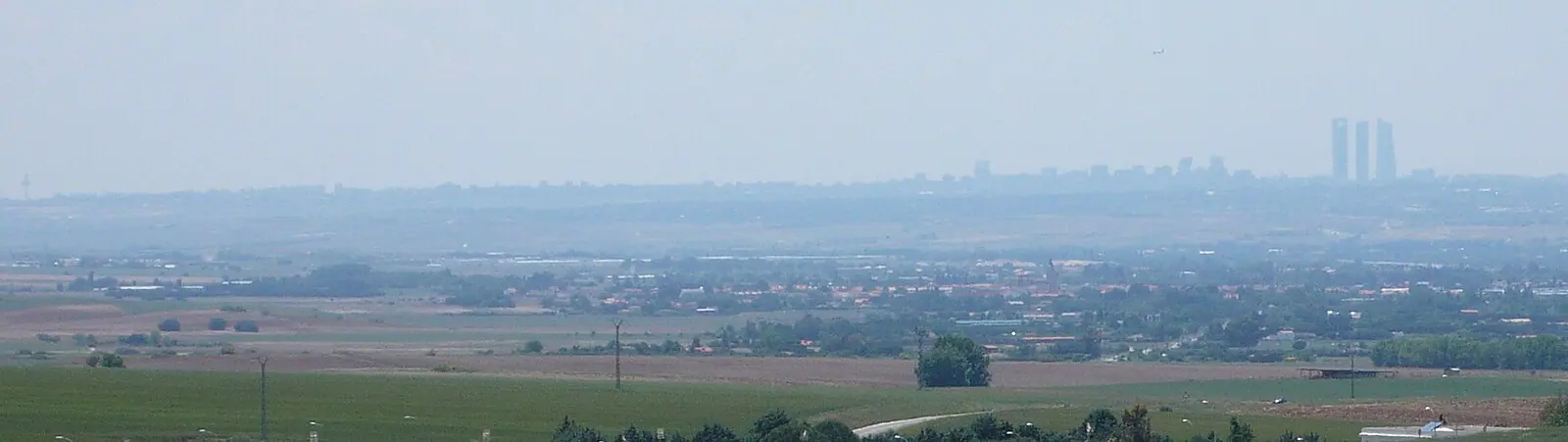
Mexico City hits all at once: charcoal smoke curling off a corner spit of pork, church bells tumbling across the Zócalo, mariachi trumpets bleeding through the wall of a cantina at midnight. This is a capital built on a drained lake, layered with Aztec stone, colonial tile and neon, and the fastest way to understand it is to eat your way across it. Bring an appetite, comfortable shoes and a willingness to sit down at a plastic stool beside strangers.
Mexico City's Table: How the Capital Eats
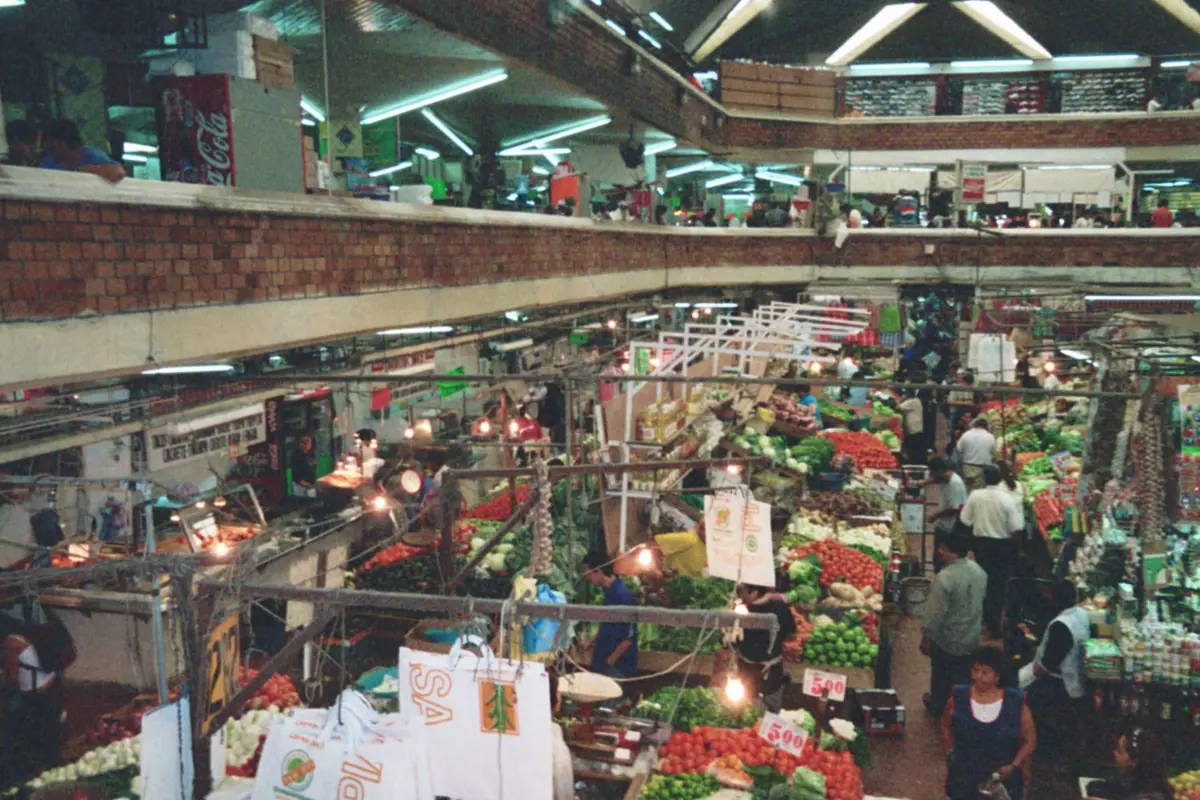
Breakfast in this city is a serious, unhurried affair. Street vendors steam tamales in banana leaves and ladle out atole, a warm corn drink thickened with masa, while diners tuck into chilaquiles drowned in green or red salsa and capped with crema and queso fresco. Bakeries called panaderías turn out trays of conchas and orejas that you scoop up with tongs and pay for at the register, best washed down with café de olla, coffee simmered with cinnamon and piloncillo. Lunch, the main meal, lands sometime between two and four in the afternoon, and the comida corrida at market food stalls delivers soup, rice, a main and a drink for the price of a coffee back home.
Tacos are the city's lingua franca, and the al pastor version is its anthem: achiote-marinated pork shaved off a vertical trompo, caught with grilled pineapple, onion and cilantro on a doubled corn tortilla. Branch out to suadero, carnitas, longaniza and canasta, or hunt down barbacoa on weekend mornings, when families queue for lamb steamed overnight and folded into tortillas with a squeeze of lime. Mole, pozole, tlayudas and Yucatecan cochinita pibil all have devoted neighbourhoods and hours, so plan your eating around the clock rather than the map.
For a single market education, start at Mercado de San Juan, where vendors sell huitlacoche, chapulines, exotic mushrooms, cheeses and dried chiles with proud, opinionated commentary. Mercado de la Merced is the vast wholesale heart of the centre, while Mercado de Medellín in Roma Sur channels Oaxacan and Veracruzana cooking into a compact hall. Rule of thumb: eat where the queue is, because turnover keeps food fresh, and drink bottled or purified water everywhere.
The Historic Core: Zócalo, Templo Mayor and the Cathedral
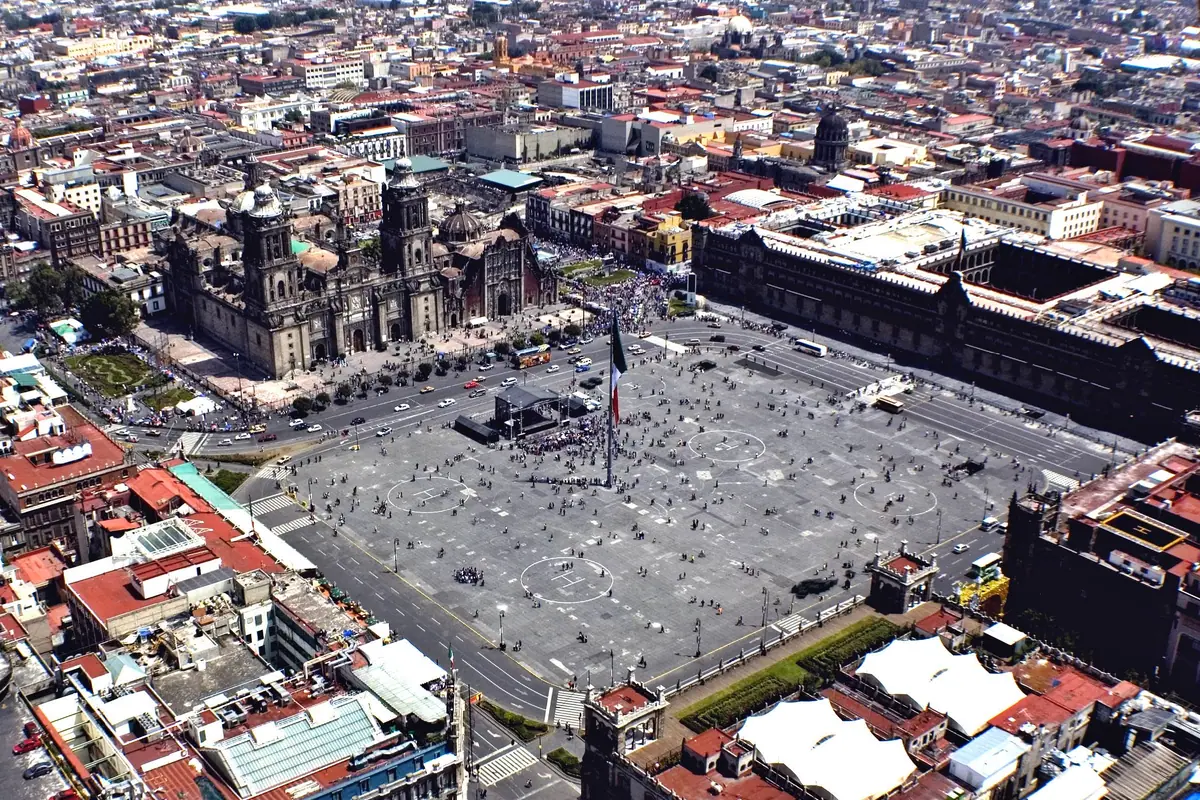
Everything in the centro histórico radiates from the Zócalo, one of the largest city squares on earth, flanked by the Metropolitan Cathedral and the National Palace, whose stairways carry sweeping Diego Rivera murals tracing Mexican history from pre-Hispanic markets to revolution. Walk a few steps north-east and you are standing over the Templo Mayor, the excavated main temple of the Mexica capital of Tenochtitlan, where you can look down on serpent heads, sacrificial stones and the layered platforms the Spanish built directly on top of.
The Metropolitan Cathedral took nearly three centuries to finish, mixing baroque, neoclassical and churrigueresque flourishes, and its sagging floor and tilting towers are a monument to building a church on a soft lakebed. Nearby, the tiled façade of the Casa de los Azulejos and the print-sellers of Plaza Santo Domingo give the centre its lived-in texture. Mornings are cool and comparatively quiet; by midday the square belongs to organ grinders, balloon sellers and protest marches.
Give the whole area the better part of a day, moving slowly and ducking into courtyards. The pedestrianised streets around Madero are the easiest spine to follow, and the terrace cafés facing the cathedral are worth one overpriced drink purely for the view. Many of the small colonial-era museums in the centre close one day a week, usually Monday, so build flexibility into your plan.
Masterpieces and Museums: Bellas Artes to Chapultepec
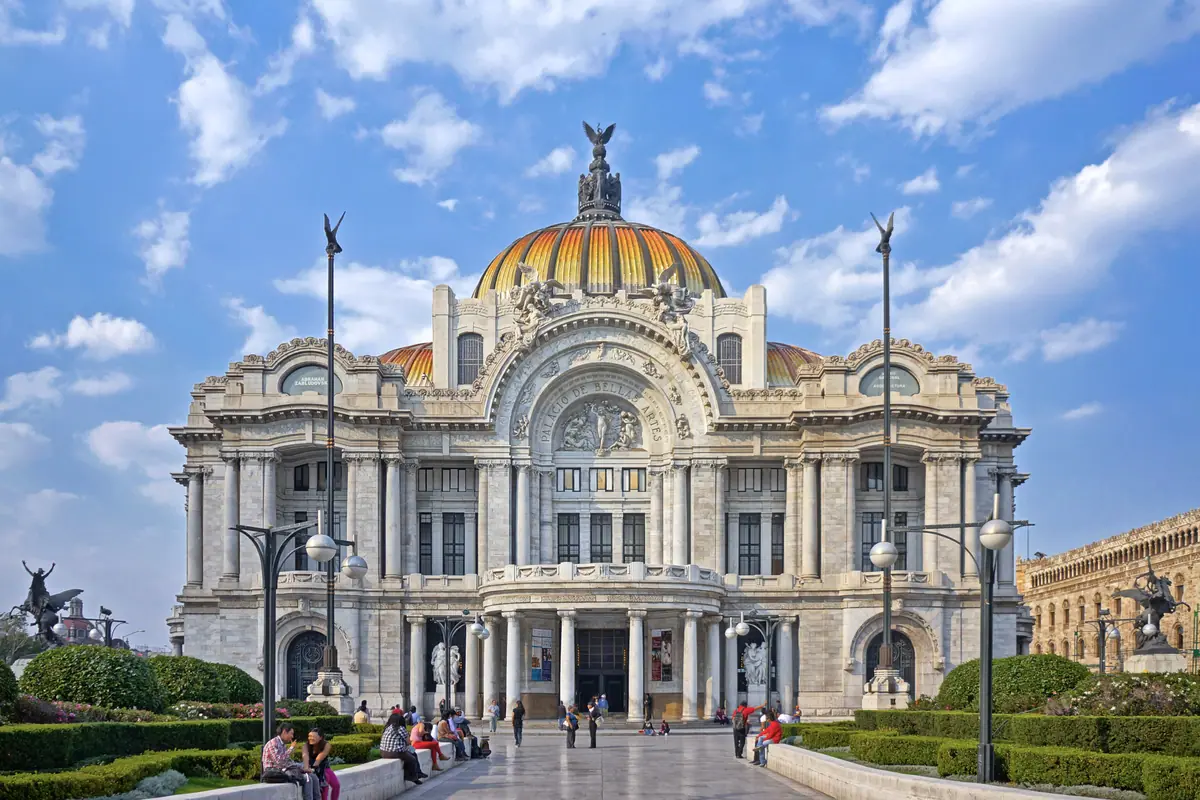
The Palacio de Bellas Artes is the city's grandest cultural building, a white marble palace with a soaring orange-domed roof, murals by Rivera, Siqueiros and Orozco inside, and a folkloric dance company that performs there on selected evenings. Even if you skip a performance, the upper floors and the views down the golden foyer are worth the modest entry. From there it is a short walk to the Museum of Modern Art and the postal palace, another wedding-cake interior of gilded staircases.
The single most rewarding museum for a first visit is the National Museum of Anthropology in Chapultepec Park, a labyrinth of halls built around a giant stone umbrella fountain. The Aztec Sun Stone, Olmec colossal heads, Maya stelae and a reconstruction of a Maya tomb can easily absorb three hours or more, and the ethnographic rooms upstairs explain the living cultures behind the objects. Combine it with Chapultepec Castle on the wooded hill above, the only royal palace in the Americas, where the Niños Héroes monument and the terrace views back over the city are the real highlights.
Wear comfortable shoes and expect a lot of walking; the park itself stretches for kilometres and hides lakes, a zoo and weekend food stalls. Pair the museums with a late lunch in nearby Condesa or Roma Norte, where the pace softens into leafy streets, coffee counters and small kitchens turning out contemporary Mexican cooking.
Coyoacán, San Ángel and the Canals of Xochimilco
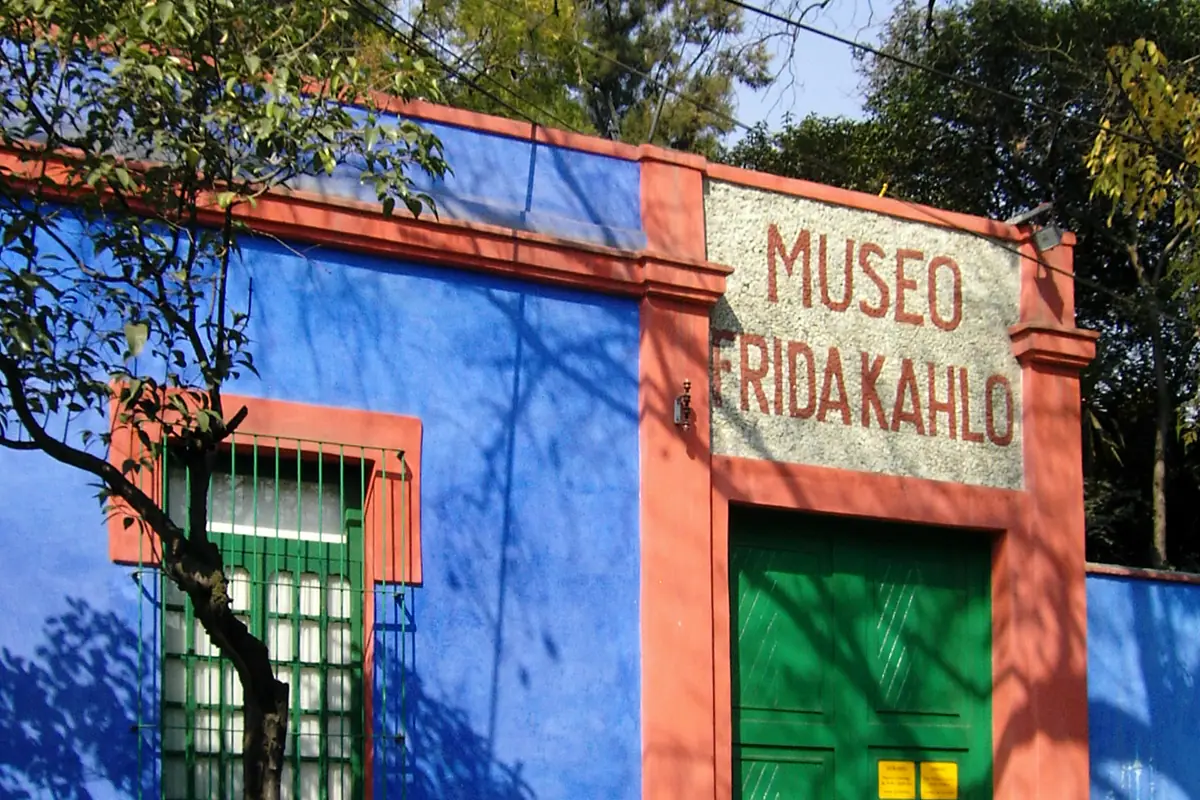
Coyoacán is the city's most photogenic neighbourhood, cobblestone lanes fringed with jacaranda trees, and the reason most people come is the Frida Kahlo Museum, the blue-walled Casa Azul where the painter was born, lived and died. Timed entry sells out well in advance, particularly on weekends, so reserve a slot and arrive early to see the kitchen, studio and garden without the crush. The Leon Trotsky house museum is a few blocks away, and the neighbourhood market serves excellent tostadas and aguas frescas.
South of the centre, San Ángel keeps a Saturday crafts market and a slow colonial charm, while Xochimilco's canals offer the strangest and most joyful half-day in the city. Colourful trajineras, flat-bottomed boats poled by local families, drift past chinampas, the artificial islands where farmers still grow flowers and vegetables on the water. Expect mariachi bands, food vendors and floating vendors selling tamales and micheladas; a ride typically runs two to four hours, and weekday mornings are far calmer than Sunday afternoons.
Book these three as a loose southern day: Coyoacán in the morning, San Ángel for lunch, Xochimilco for the afternoon. Transport between them is straightforward by rideshare or metro plus light rail, but allow for traffic, which is a genuine force of nature in this city.
Ancient Wonders: Teotihuacán and the Basilica of Guadalupe
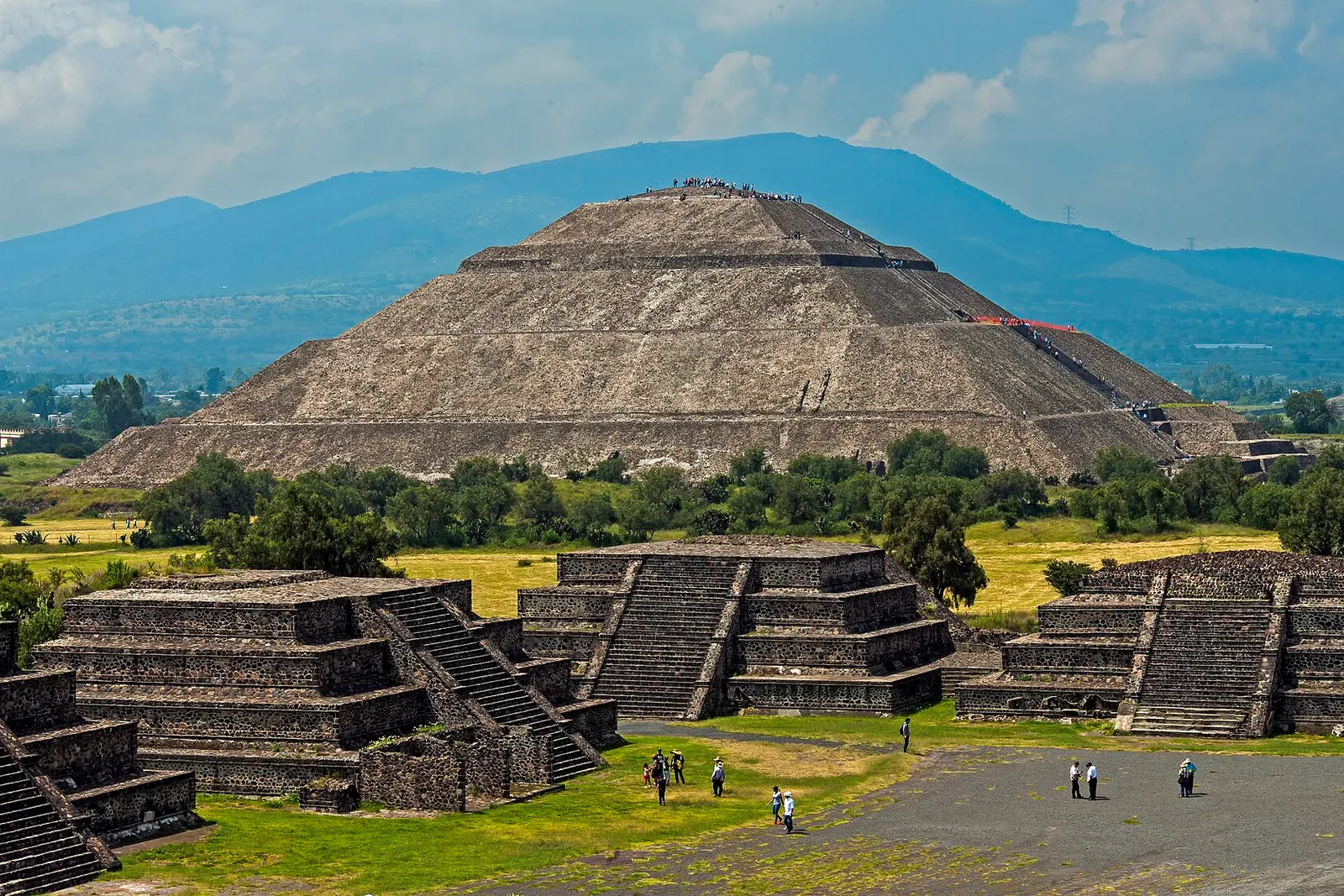
Teotihuacán, north-east of the city, is the must-see archaeological site of central Mexico: the Pyramid of the Sun, the Pyramid of the Moon, the Avenue of the Dead and the Temple of the Feathered Serpent spread across a plain that once held one of the largest cities in the ancient world. Arrive at opening, ideally on a weekday, to climb before the heat and crowds build, and give it a full morning or a half-day at minimum. Vendors around the site sell obsidian, and nearby workshops sometimes offer pulque tastings, an agave drink with a sour, yeasty tang.
Back toward the city, the Basilica of Our Lady of Guadalupe draws pilgrims from across the country, with its tilma image, moving walkways past the altar and a hillside chapel whose gardens offer sweeping views. On 12 December, the feast day, the plaza fills with dancers, flower offerings and families who have travelled for days; visiting then is unforgettable but crowded. At other times it is calm enough to walk the atrium slowly.
Both sites pair well as a single long day trip north of the centre, but do not try to combine them with downtown sightseeing. Altitude sits at roughly 2,240 metres, and climbing pyramids after a short night will remind you of it; hydrate and pace yourself on day one.
Local Rituals: Lucha Libre, Pulque and Día de Muertos
An evening at a lucha libre arena is theatre, sport and national folklore in one: masked técnicos against rule-breaking rudos, aerial holds, and a crowd that heckles with real expertise. Tuesday, Friday and Sunday nights are traditional, tickets are cheap, and you should sit lower for the atmosphere even if the view is better from the cheap seats up top. Bring small notes, keep your phone close and do not photograph the masks too aggressively in the street.
Before or after, drink like a local. Pulquerías serve pulque, the milky fermented agave sap, in flavours ranging from plain to guava and oatmeal, and cantinas pour beer with free botanas while old jukeboxes play boleros. Mezcal bars in Roma and Condesa run guided flights that explain the difference between espadín, tobalá and other agave varieties, and a good bartender will steer you without ceremony.
The biggest cultural set piece of the year is Día de Muertos in late October and early November, when marigolds, papel picado and sugar skulls appear on altars, bakeries sell pan de muerto and families keep overnight vigils in cemeteries. The village of San Andrés Mixquic is famous for its candlelit alumbrada, while the city mounts a themed parade along Paseo de la Reforma. If you want dry weather and blooming jacarandas instead, aim for March to May; June to September brings dramatic afternoon rain that clears by evening.
Frequently asked questions
How many days do you need in Mexico City?
Four to five full days lets you cover the historic centre, the anthropology museum and Chapultepec, Coyoacán and Xochimilco, and a day trip to Teotihuacán, with a night left over for lucha libre or mezcal bars. A week allows slower eating, San Ángel and a side trip to Puebla or Taxco.
When is the best time to visit Mexico City?
March to May is the sweet spot: dry, warm, jacarandas in bloom and long evenings. Late October to early November is spectacular for Día de Muertos but busy and pricier. June to September is the rainy season, with heavy afternoon showers and lower hotel rates; December to February is cool and clear.
Is street food in Mexico City safe to eat?
Generally yes, if you choose busy stalls with high turnover and watch the food cooked in front of you. Stick to bottled or purified water, be cautious with raw salads and unpeeled fruit, and go easy on very spicy salsa on your first day while your stomach adjusts.
Do I need to book tickets in advance for the main sights?
The Frida Kahlo Museum uses timed entry and sells out days or weeks ahead, so reserve before you fly. Other sites such as the anthropology museum and Teotihuacán are easier, but arriving at opening avoids both queues and midday heat.
Does the altitude cause problems?
At around 2,240 metres some visitors feel breathless, headachy or unusually tired on the first day. Take it slow, drink plenty of water, limit alcohol on arrival and save the pyramid climbing for your second or third day.
Sort the rest of your trip
Everything for Mexico, in one place
Stay in Mexico
Hotels, guesthouses and apartments — compared in one search.
Search hotels
Transfer in Mexico
Private driver waiting on arrival — no queues, no surprises.
Book a transfer
Stay online in Mexico
Travel eSIM — data the moment you land, no roaming bills.
Get an eSIMMore guides in Mexico
Hotels in Mexico: Where to Stay for the Country's Best Cities and Sights
The Best Time to Visit Mexico: A Season-by-Season Guide to Weather, Crowds and Hotel Rates
A One-Week Mexico Itinerary by Air: Mexico City, Oaxaca and the Yucatán
Things to Do in Mexico: Must-See Landmarks, Ruins and Natural Wonders