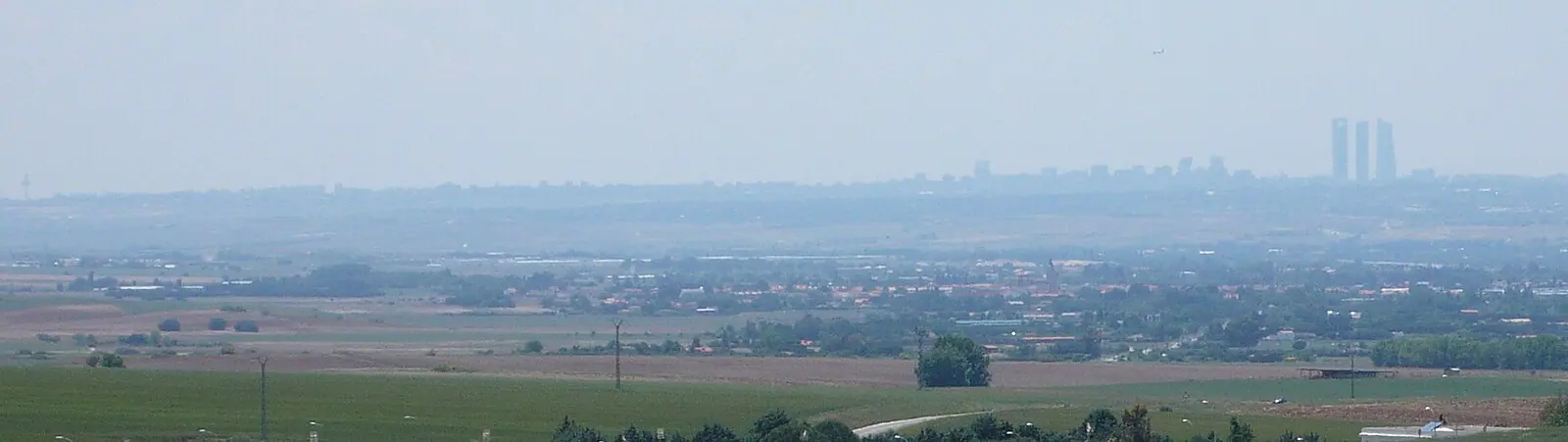
Mexico is not one climate but a dozen stitched together — Caribbean heat in Tulum, thin cool air over Mexico City, desert nights in Chihuahua and Pacific surf towns that live on a different calendar altogether. Pick the right month and the whole country opens up; pick the wrong one and you'll be dodging afternoon downpours or paying holiday-week rates for a sun lounger. Here's how the seasons really behave, and how to time your booking around them.
Mexico's Two Seasons — And Why the Calendar Only Tells Half the Story
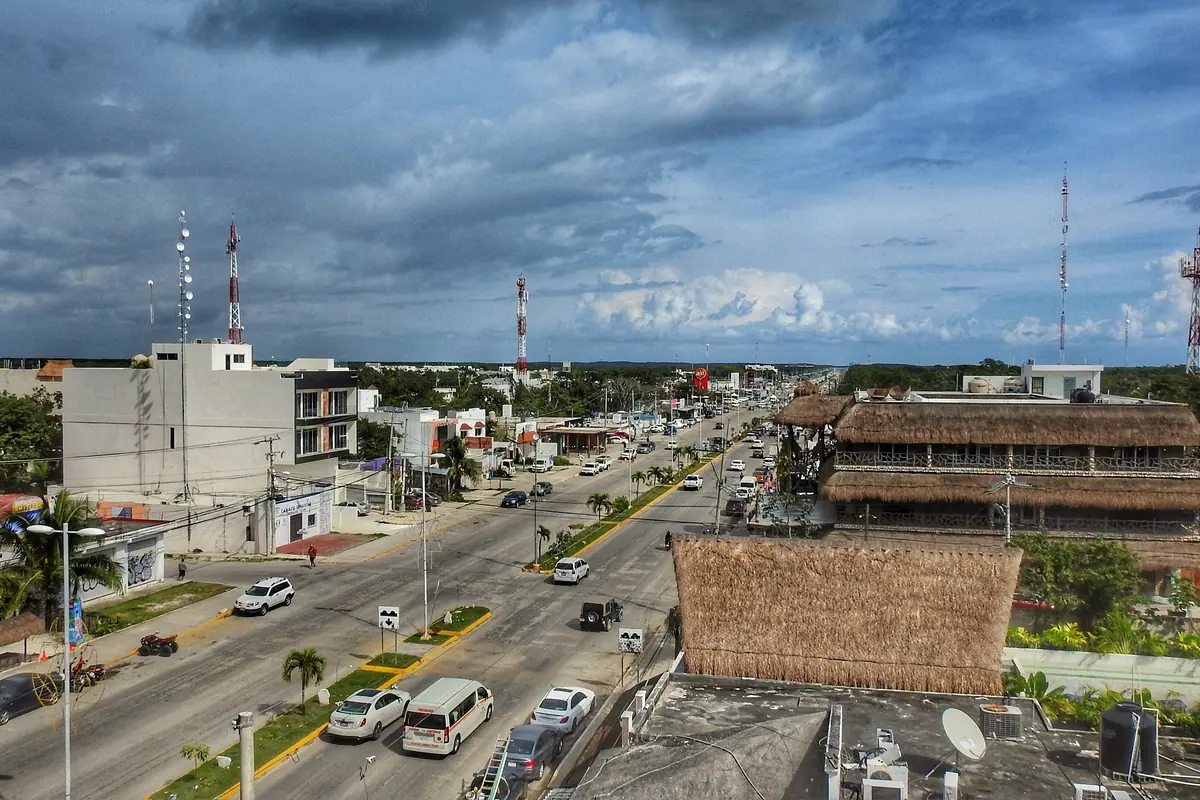
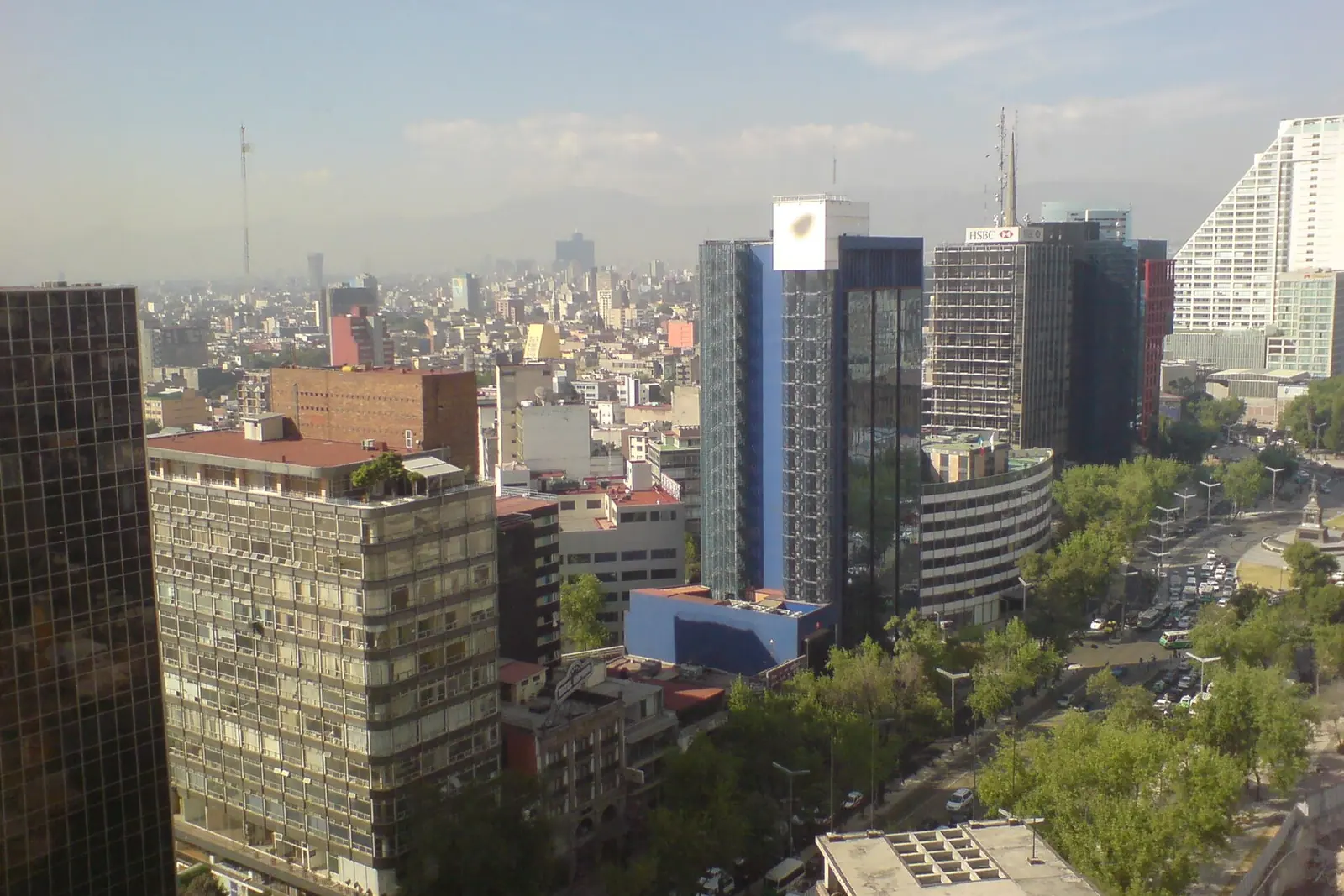
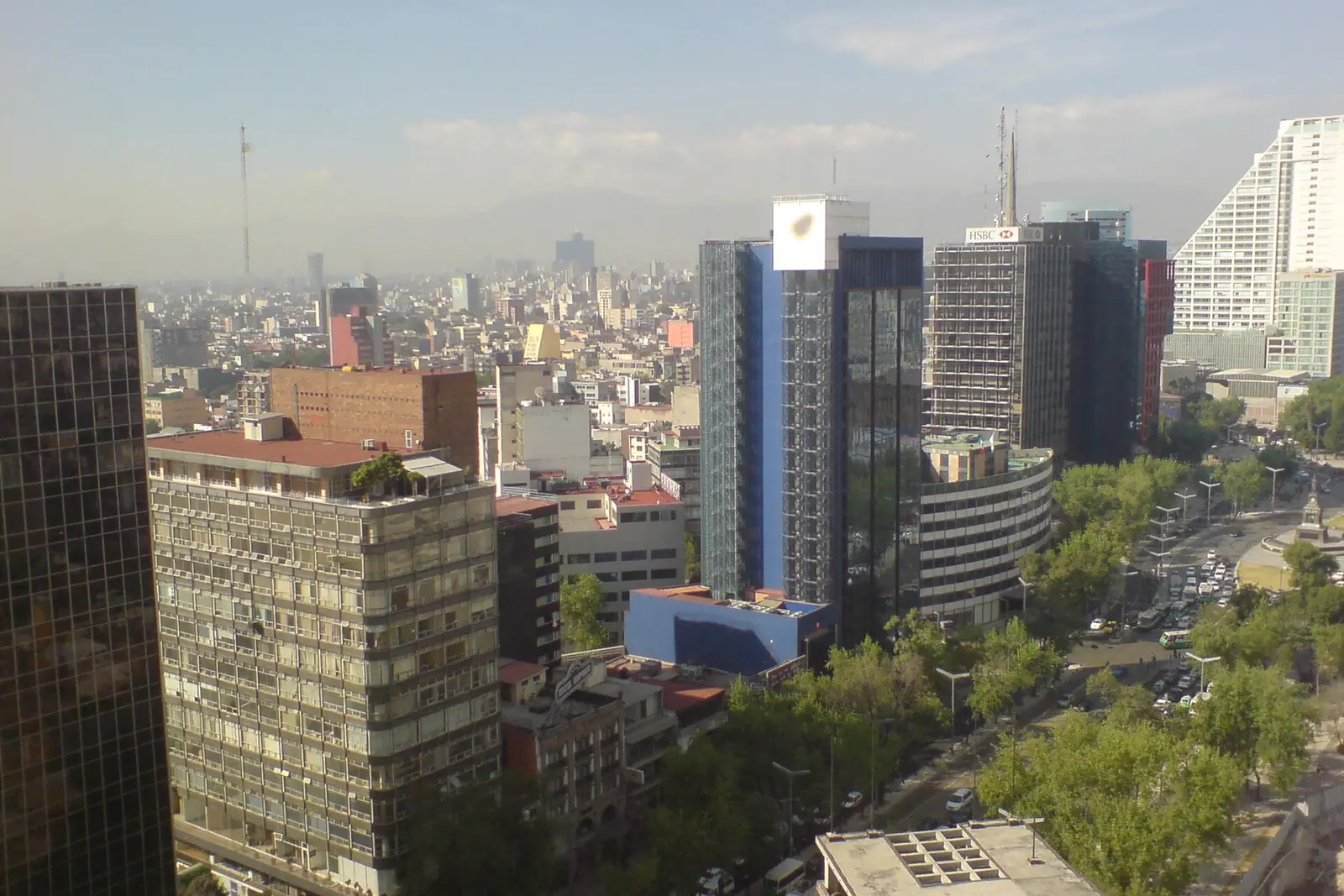
Most of Mexico divides into a dry season that runs roughly November through May and a rainy season from June into October. That single rule covers a startling amount of ground, but the country's size and elevation mean the month matters less than the map. The Yucatán Peninsula bakes at 28–33°C almost year-round, while Mexico City sits at around 2,240 metres, where mornings are crisp, afternoons mild and evenings genuinely cold in December and January. Head north to the Copper Canyon or Chihuahua's high desert and winter nights can drop near freezing even as the Caribbean is having its best beach weather.
The rainy season is also badly misunderstood. Outside of storm systems, it usually means clear, bright mornings followed by a heavy burst in the late afternoon or evening, then a clean, cool night. That rhythm is why the green months are a gift for anyone chasing water: the cenotes of the Yucatán run full and luminous, the Agua Azul and Misol-Há cascades near Palenque thunder at full volume, and Hierve el Agua outside Oaxaca turns its petrified falls bright against the hills. It's also why low-season hotel rates are so much kinder — resort towns empty out even as the landscape looks its most photogenic.
What matters most is understanding whose holidays you're travelling alongside. Mexican families travel hard during Semana Santa, the Christmas–New Year stretch and the long summer break, and North American and European visitors pile in from December through March. Line those two calendars up and you get the busiest, priciest weeks of the year; slip between them and the same destinations feel entirely different.
High Season: December to April, When the Sun Draws Everyone South
This is Mexico at its most reliably golden. Cancún, Playa del Carmen, Tulum, Los Cabos and Puerto Vallarta all hit peak occupancy, with the two weeks around Christmas and New Year and the Semana Santa week before Easter commanding the highest rates of the year — often with minimum-night stays and prepayment conditions attached. Colonial favourites such as San Miguel de Allende and Oaxaca's historic centre fill with long-stay visitors escaping northern winters, and boutique rooms there are the first to go.
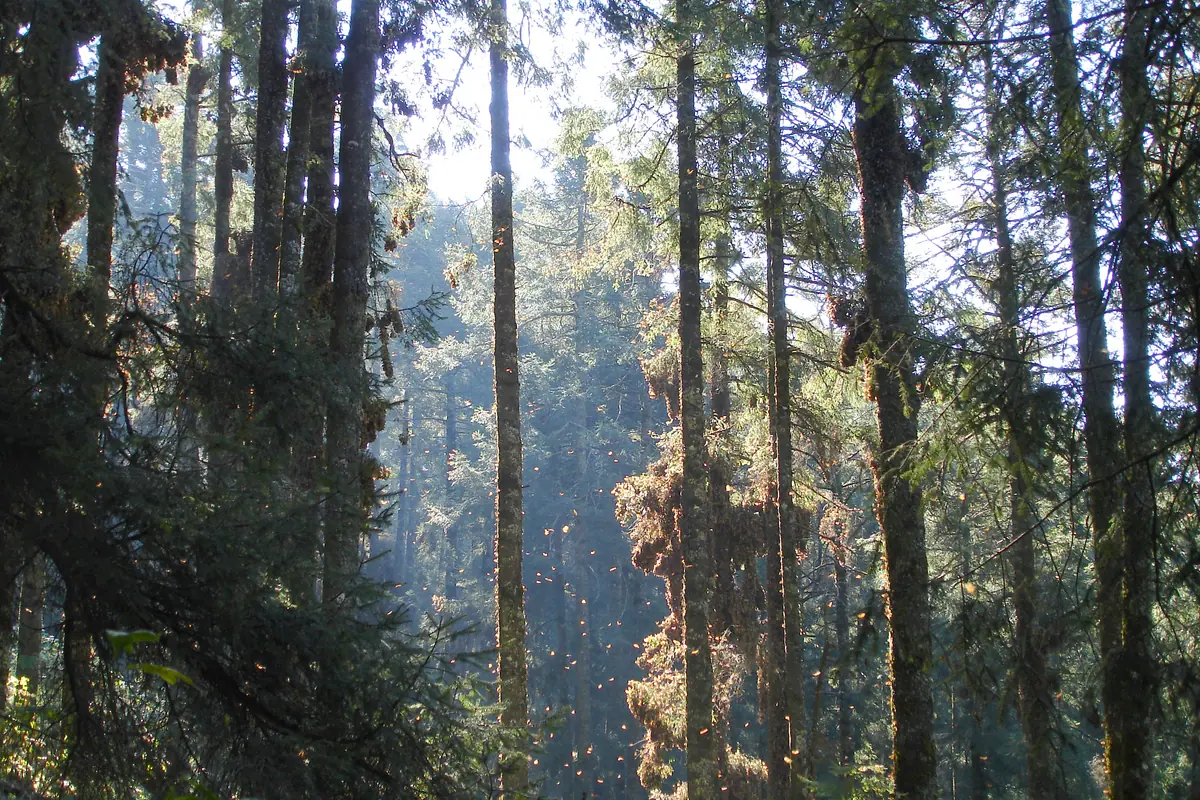
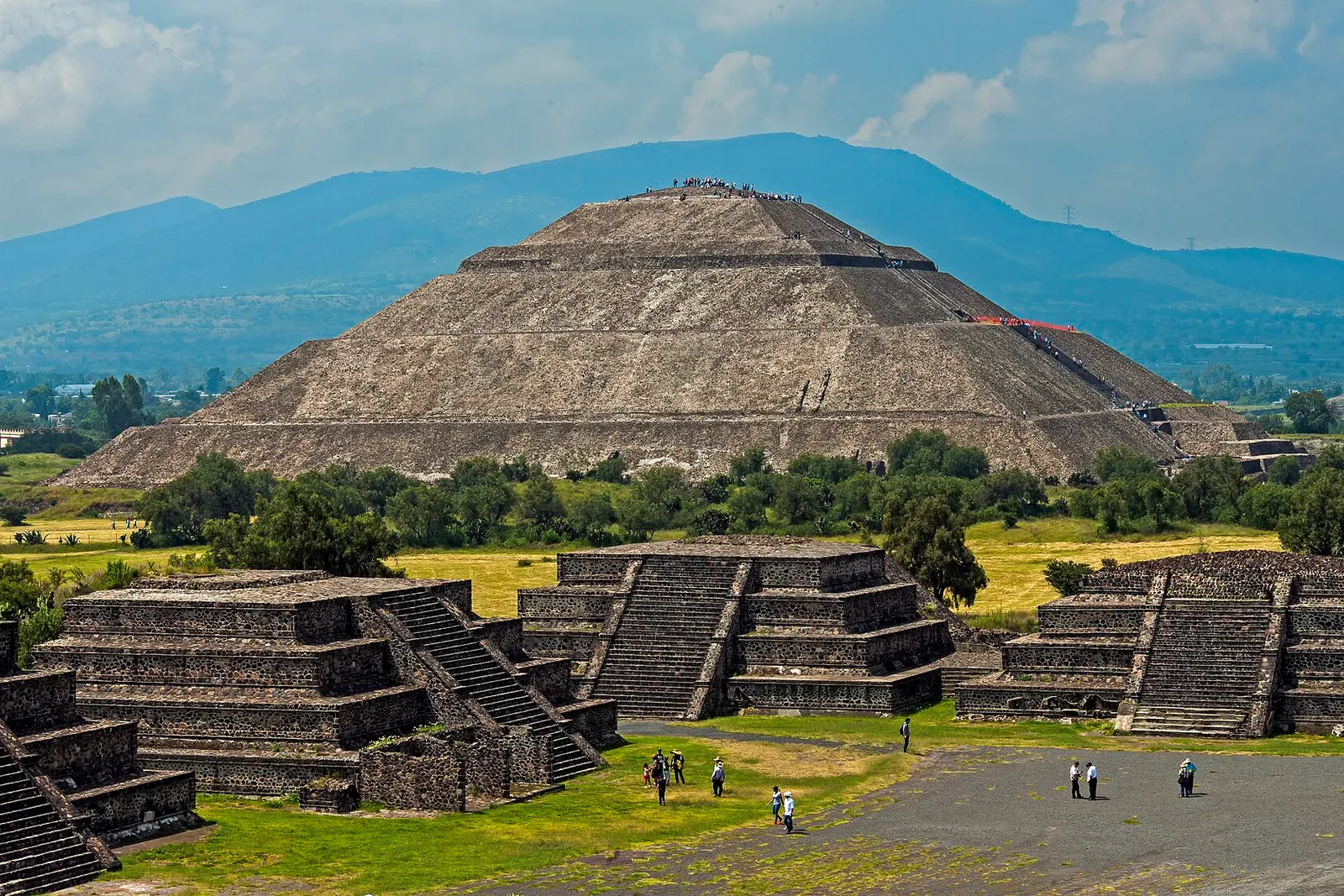
The dry months are also when Mexico's wildlife calendar peaks. Grey whales arrive in the lagoons of Baja California and along the Bahía de Banderas from roughly December to March, and boats leave Loreto and Guerrero Negro daily for close encounters. Farther inland, the Monarch Butterfly Biosphere Reserve in Michoacán hosts millions of overwintering butterflies from November into March, an experience so specific to the season that it defines the trip. On the archaeological trail, this is the dry, comfortable window for Teotihuacán's Pyramid of the Sun, Chichén Itzá's El Castillo, Uxmal's Puuc palaces and the clifftop ruins at Tulum.
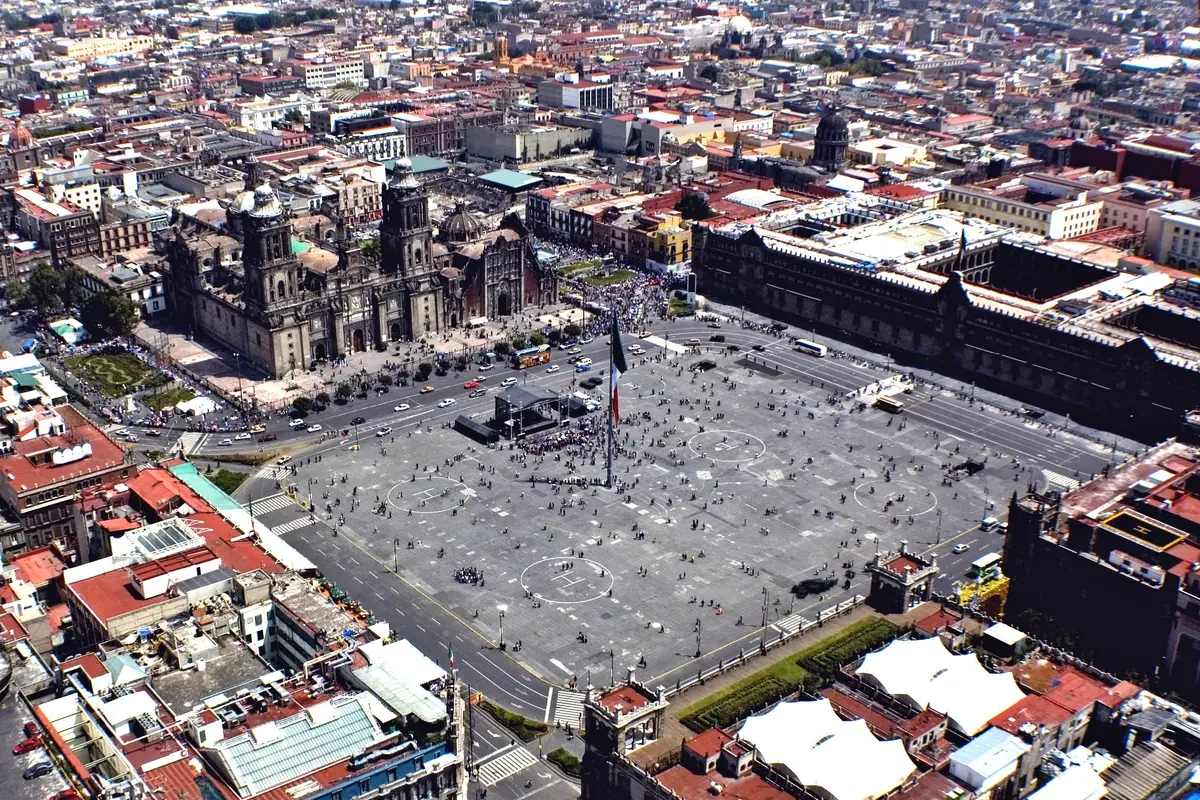
The trade-off is price and polish. If your heart is set on a beachfront room over the holidays, book four to six months ahead and be flexible about which town you choose. If you can shift into the first half of December or the second half of April, you get nearly the same weather with noticeably gentler rates and space to move. In the highlands, pack layers regardless — Guanajuato's callejones and Mexico City's Zócalo are lovely in winter sun but genuinely chilly once the light goes.
Shoulder Season: May, June and November, the Sweet Spot
May is the sleeper month. The dry season is winding down, the heat is building along the coasts, and the crowds have thinned dramatically — yet mornings at the Tulum ruins and the cenotes around Valladolid are still reliably sunny, and hotel rates soften outside holiday weekends. It's hot, but it's the kind of heat that makes a plunge into a cenote or a late-afternoon hammock feel like the whole point of the trip.
June marks the return of the rains, but it also opens one of the coast's great spectacles: whale sharks gather off Isla Mujeres, Holbox and Isla Contoy from around May through September, and swimming beside them is one of the few wildlife encounters that justifies planning an entire trip around it. That same stretch brings sea turtle nesting to Pacific beaches near Mazunte and Puerto Escondido, with hatchling releases running into autumn.
November may be the single best all-round month. The rains have finished, the countryside is still green, the December crowds haven't arrived and the light is soft and clear. It's also when Day of the Dead transforms Oaxaca, Pátzcuaro and Mexico City's Zócalo with ofrendas, marigolds and candlelit processions — a genuinely moving few days rather than a staged spectacle. Book that week well ahead, because everyone else has the same idea. Note too that Oaxaca fills to bursting for the Guelaguetza festivities in July, when hotel space in the city becomes scarce and expensive.
The Green Season: July to October and Its Hidden Rewards
Let's be straight about the risks. Hurricane season officially runs from the start of June to the end of November, with the highest likelihood generally falling in September and October. The Pacific coast and Baja California Sur carry the greatest exposure, the Caribbean side somewhat less. The sensible response isn't to avoid the season but to travel with flexible, refundable bookings where you can, keep an eye on forecasts as your dates approach, and build a little slack into any itinerary that depends on boats or domestic flights.
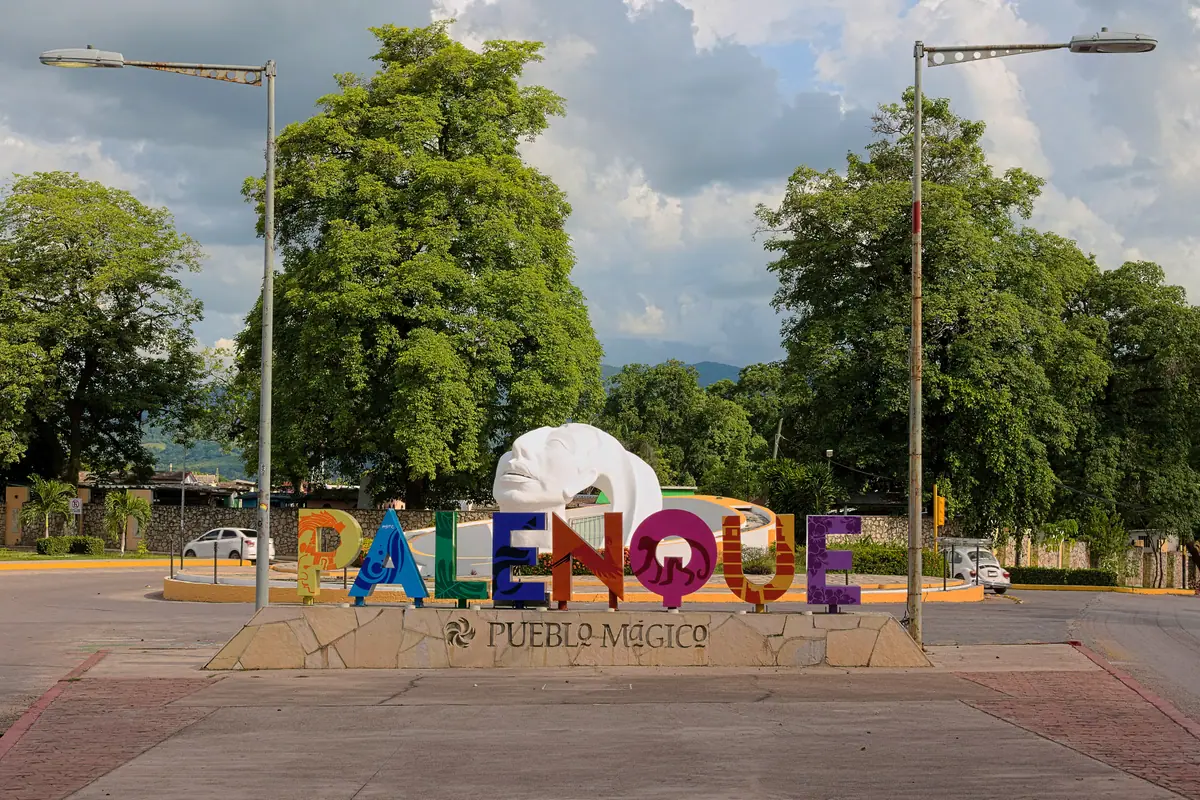
What you get in return is a Mexico that most visitors never see. The rainforest around Palenque and San Cristóbal de las Casas is at its most alive, the Sumidero Canyon walls glow green above the river, and the lagoon at Bacalar shifts through absurd shades of blue in the wet-season light. Rain usually arrives as a distinct afternoon event rather than a grey all-day drizzle, so mornings are yours: start early at Chichén Itzá, Uxmal or Monte Albán and you'll often have the stones almost to yourself.
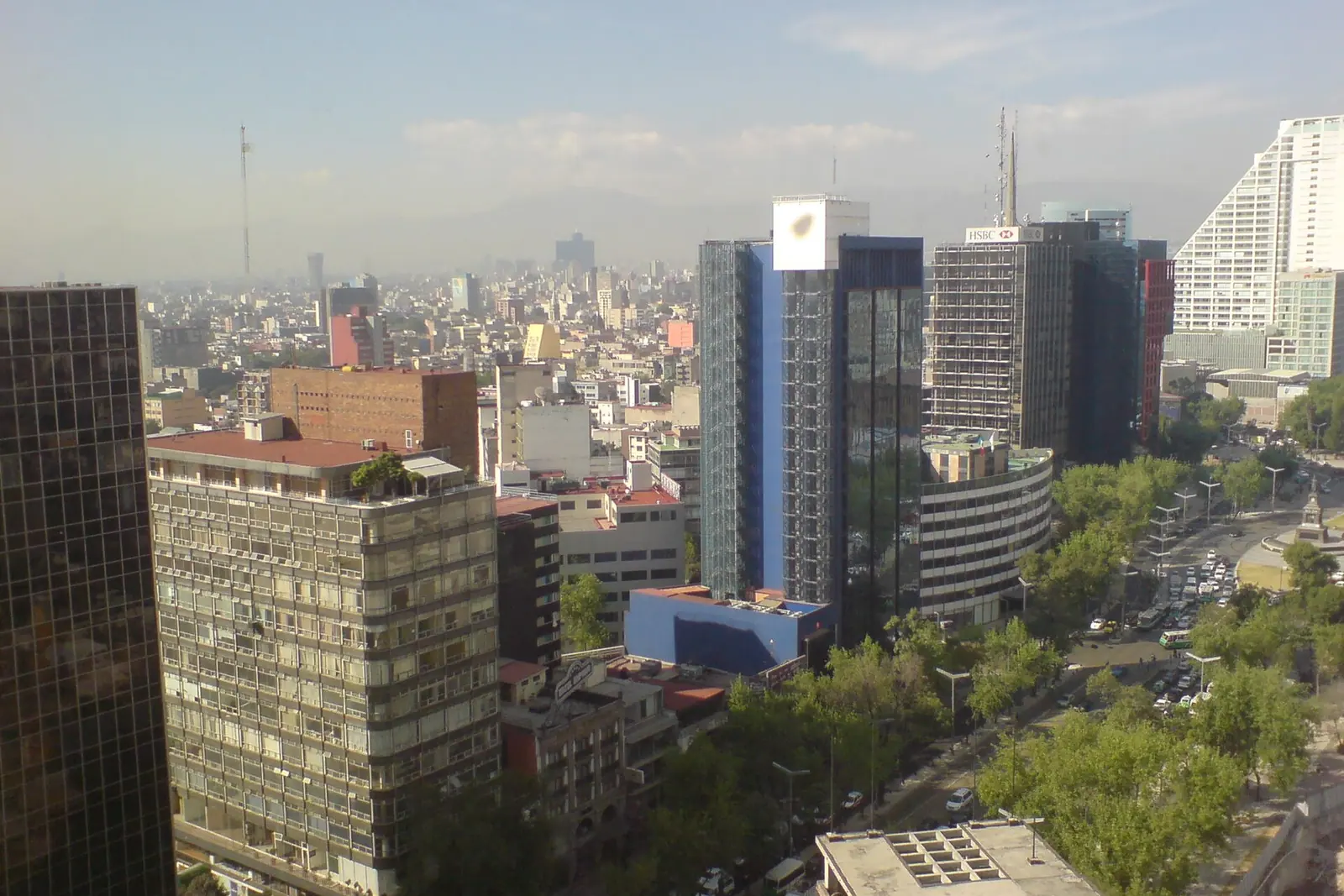
Cities cope beautifully with the weather. Mexico City's downpours make an afternoon indoors feel like a reward, which is exactly the excuse you need for the Museo Nacional de Antropología, Chapultepec Castle and the Frida Kahlo Museum in Coyoacán — all of which reward booking timed entry in advance. Low-season rates make it possible to stay in neighbourhoods and boutique properties that would be out of reach in February. For travellers who value atmosphere over guaranteed sunshine, this is the most rewarding stretch of the year.
Why the Region You Choose Matters as Much as the Month
Mexico's climates don't move in step, so the best month depends entirely on where you're pointing. The Copper Canyon and the northern sierra are most comfortable from October through March, when the days are cool and clear; summer there is hot and wet, and the canyon railway is at its most scenic in the dry months. Baja splits in two, with Cabo San Lucas's El Arco and the party coast running warm and dry most of the year while the Sea of Cortez side, around La Paz, enjoys calmer water and superb diving in late spring and autumn.
The highlands march to their own drum. Mexico City, San Cristóbal de las Casas, Guanajuato and Puebla are pleasant year-round but never truly hot, and the driest, clearest months — March, April into May, then October and November — are the ones to aim for. Winter brings cold nights and, in Puebla and Mexico City, the occasional surprise. The Pacific beach towns of Oaxaca and Guerrero, by contrast, are warm throughout, with the heaviest rain between June and September and their most dependable weather from November to April.
Altitude is the detail people forget. A single trip that combines Mexico City, Oaxaca and the Chiapas highlands can swing from cool mornings to humid jungle afternoons inside a few days, so pack in layers rather than for a single climate. And if a beach is non-negotiable, decide early whether you want Caribbean turquoise, Pacific surf or the Sea of Cortez — because the right month for each is not the same month.
Festivals, Holidays and How to Time Your Booking
Mexico's own holiday calendar dictates hotel demand more than the weather does. Semana Santa empties cities and fills beaches; Independence Day around 15 and 16 September packs plazas and towns; the pilgrimage to the Basílica de Guadalupe in Mexico City on 12 December draws enormous crowds; and the Christmas to New Year week is the single most expensive stretch on the coast. Day of the Dead on 1 and 2 November is now an international draw, with Oaxaca and Pátzcuaro booked out months in advance. Carnival, in the days before Lent, brings similar surges to Veracruz and Mazatlán.
As a rule of thumb, reserve four to six months ahead for high-season beach and boutique stays, and as much as nine to twelve months ahead for Christmas week or Day of the Dead in Oaxaca. Outside those peaks, shoulder months let you book later without pain. If you're travelling during hurricane season, prioritise properties with flexible cancellation and consider staying inland or in the Yucatán, where the risk is lower and the rewards — empty ruins, full cenotes, softer rates — are considerable.
Finally, let one landmark anchor the trip and work backwards from there. Sunrise at Teotihuacán before the crowds arrive, Chichén Itzá at opening time, the terraces of Monte Albán in the dry-season clarity of November, the Parroquia de San Miguel Arcángel glowing pink at dusk in San Miguel de Allende — each has a season and an hour when it's at its best. Match the month to the moment, and Mexico stops being a destination you visit and becomes one you time perfectly.
Frequently asked questions
What is the best month to visit Mexico overall?
November and the stretch from March into early April are the strongest all-round choices. You get dry, clear weather across most of the country, the landscape is still green from the rains in November, and you avoid the peak Christmas, New Year and Semana Santa crowds and rates.
Is hurricane season a reason to avoid Mexico?
Not necessarily, but it's a reason to plan carefully. The season runs June to November, with September and October the riskiest months, especially on the Pacific and Baja coasts. Choose refundable bookings, stay flexible on coastal boat trips and consider inland destinations or the Yucatán, where the odds are better and the low-season rates are far kinder.
When should I book hotels for Day of the Dead or Christmas in Mexico?
For Day of the Dead in Oaxaca, Pátzcuaro or Mexico City, book three to six months ahead — the best central rooms go early. For the Christmas and New Year weeks, aim for six to twelve months, and expect minimum-night stays and prepayment terms at beach resorts.
Does the rainy season ruin a trip to Mexico's Mayan ruins?
Rarely. Rain typically falls in a heavy afternoon burst rather than all day, so visiting Chichén Itzá, Uxmal or Palenque right at opening gives you cooler temperatures and thinner crowds. Expect humidity, slippery stone steps and dramatic green jungle backdrops, and pack a light rain shell.
Which parts of Mexico have the best weather in winter?
The Caribbean coast from Tulum to Cancún, the Pacific resorts of Puerto Vallarta and Los Cabos, and the Baja peninsula all deliver warm, dry days from December through March. Mexico City and the colonial highlands are sunny but cool, with genuinely cold evenings, so bring layers.
Sort the rest of your trip
Everything for Mexico, in one place
Transfer in Mexico
Private driver waiting on arrival — no queues, no surprises.
Book a transfer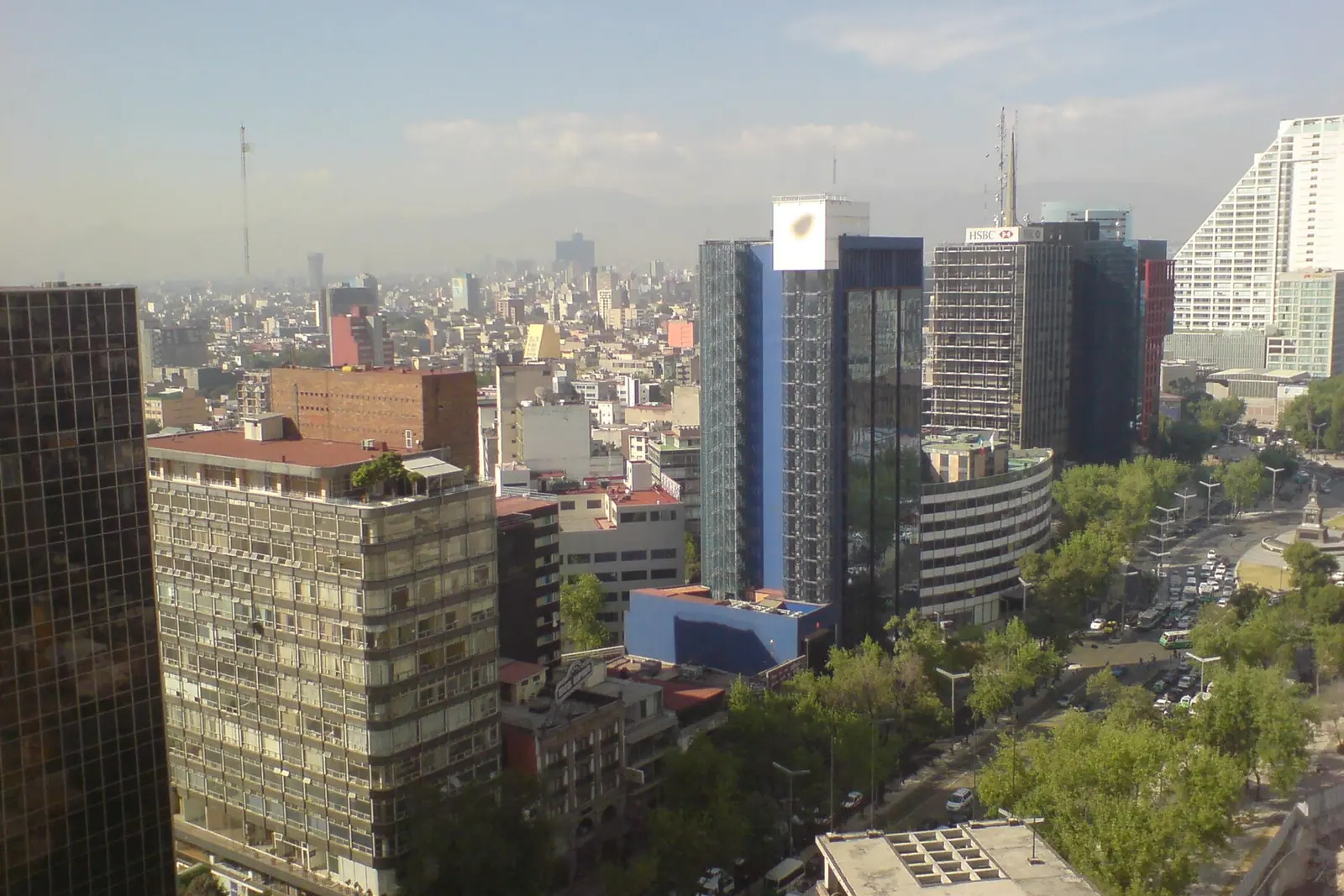
Things to do in Mexico
Skip-the-line tickets, guided tours and standout experiences.
See experiences
Stay online in Mexico
Travel eSIM — data the moment you land, no roaming bills.
Get an eSIMMore guides in Mexico
Mexico City Food and Culture Guide: Markets, Landmarks and Local Rituals
Hotels in Mexico: Where to Stay for the Country's Best Cities and Sights
A One-Week Mexico Itinerary by Air: Mexico City, Oaxaca and the Yucatán
Things to Do in Mexico: Must-See Landmarks, Ruins and Natural Wonders