Kosovo is small enough to cross in a morning and layered enough to fill a week: Ottoman bazaars, Byzantine monasteries behind garden walls, glacial lakes above a limestone canyon, and a capital that runs on macchiatos and long conversation. Fly into Pristina, pick up a car, and loop south to Prizren, west to Gjakova and Peja, then back through the hills — a route that hits the country's essential landmarks without ever feeling rushed.
Arriving at Pristina Airport and Your First Evening in the Capital
Pristina's Adem Jashari International Airport is Kosovo's only international gateway, set roughly 15 kilometres southwest of the city on a flat, straight road that takes about 20 to 25 minutes to drive. It is a compact, single-terminal airport: flights land from dozens of European cities through the day, passport control is usually quick, and bags tend to appear fast. Public buses connect the terminal with the city centre, but after a late arrival the least stressful option is a pre-arranged transfer or a rental car collected on site — having your own wheels from day one makes the rest of this itinerary far easier.
Kosovo uses the euro, so there is no awkward currency shuffle at arrivals; ATMs and card payments cover almost everything in the capital. Pick up a local SIM card at the terminal or in town for cheap data, since mountain roads and monastery villages have patchy signal and you will want offline maps. The drive in passes petrol stations, car washes and half-built houses before the skyline of Pristina appears — low-rise, cranes, minarets and a lot of cafes.
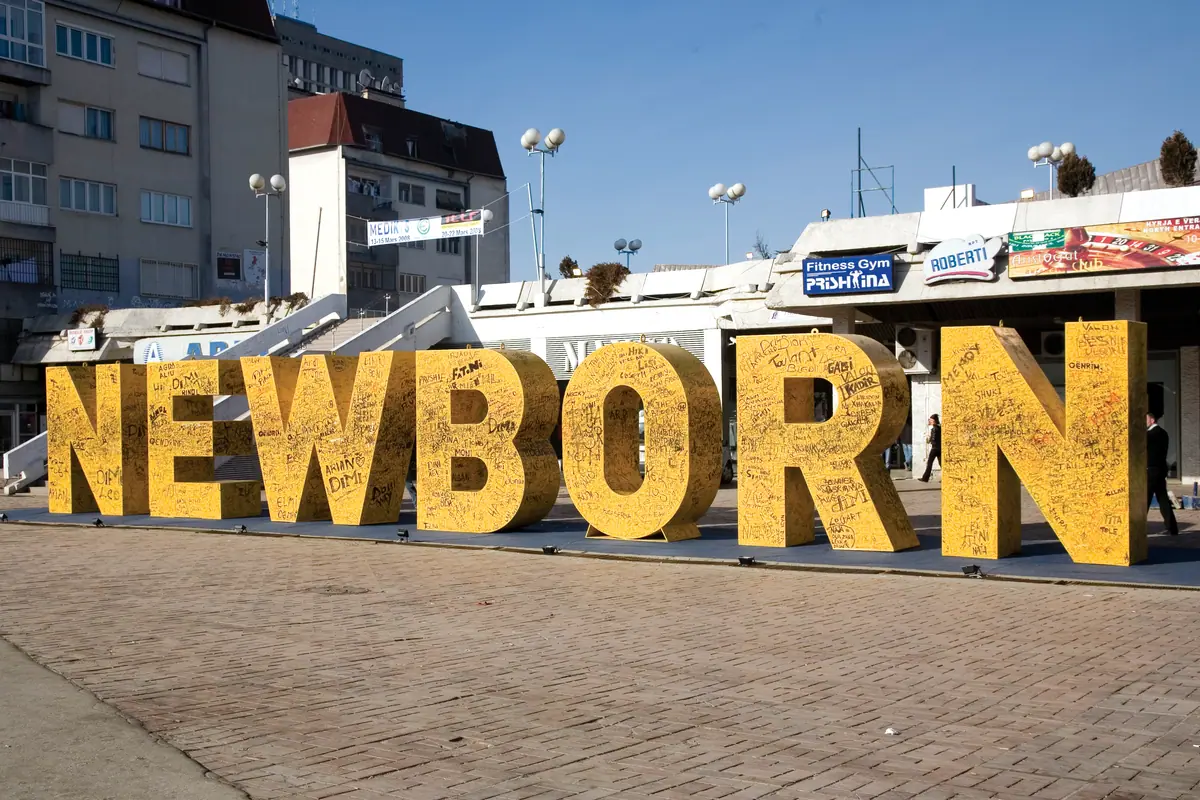
Spend your first evening gently. Walk Mother Teresa Boulevard, where the Newborn Monument — unveiled when the country declared independence in 2008 and repainted with a new design each anniversary — anchors the city's favourite meeting point. A few minutes away, Skanderbeg Square holds the equestrian statue of the national hero, and the old clock tower and Great Hammam sit at the edge of the bazaar quarter. Order a macchiato, sit outside, and watch the evening promenade; this is one of the youngest populations in Europe and it shows. Dinner should be traditional: flija, grilled meats, tavë kosi and a glass of rakia.
Days 1–2: Pristina's Landmarks, Museums and Green Escapes
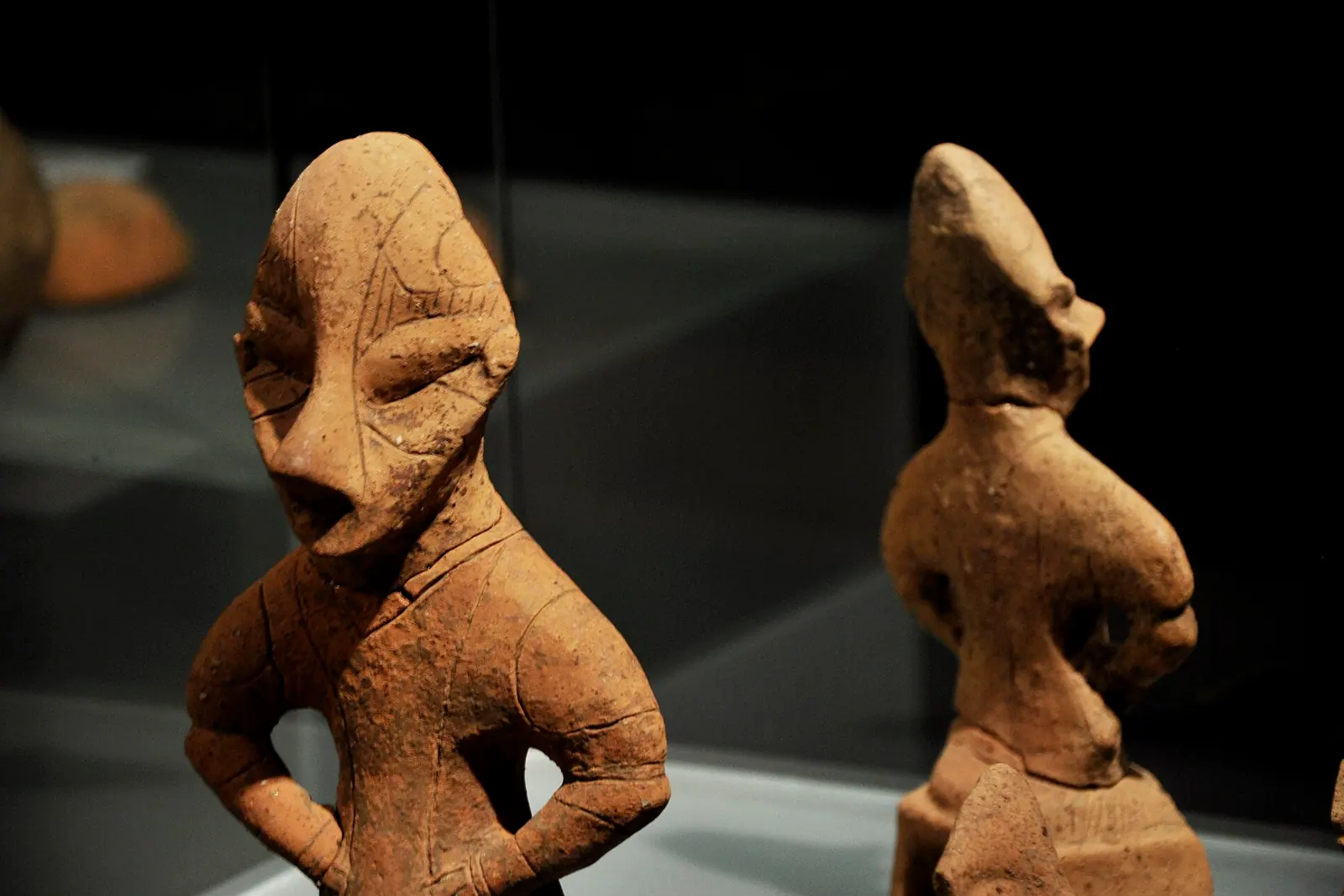
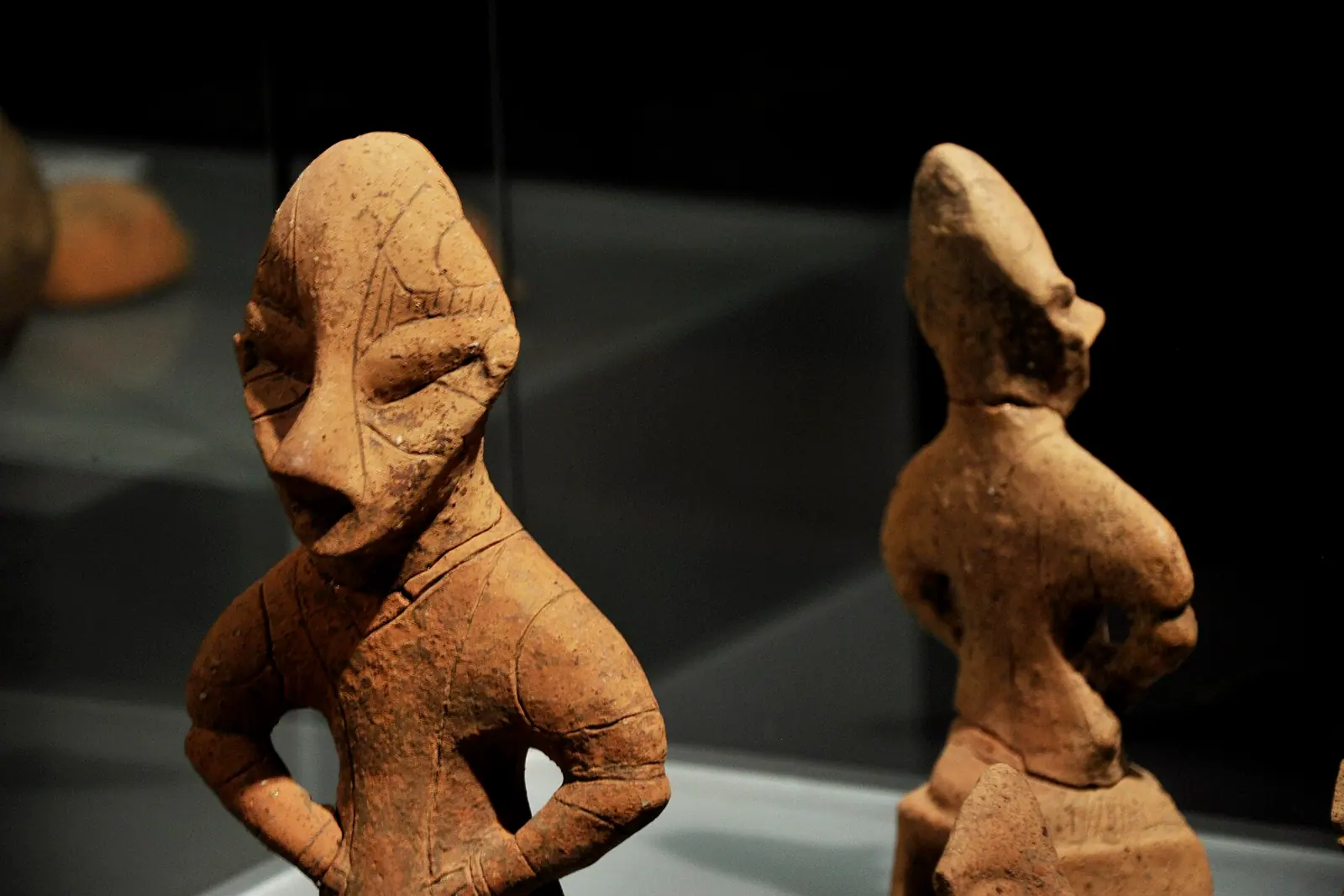
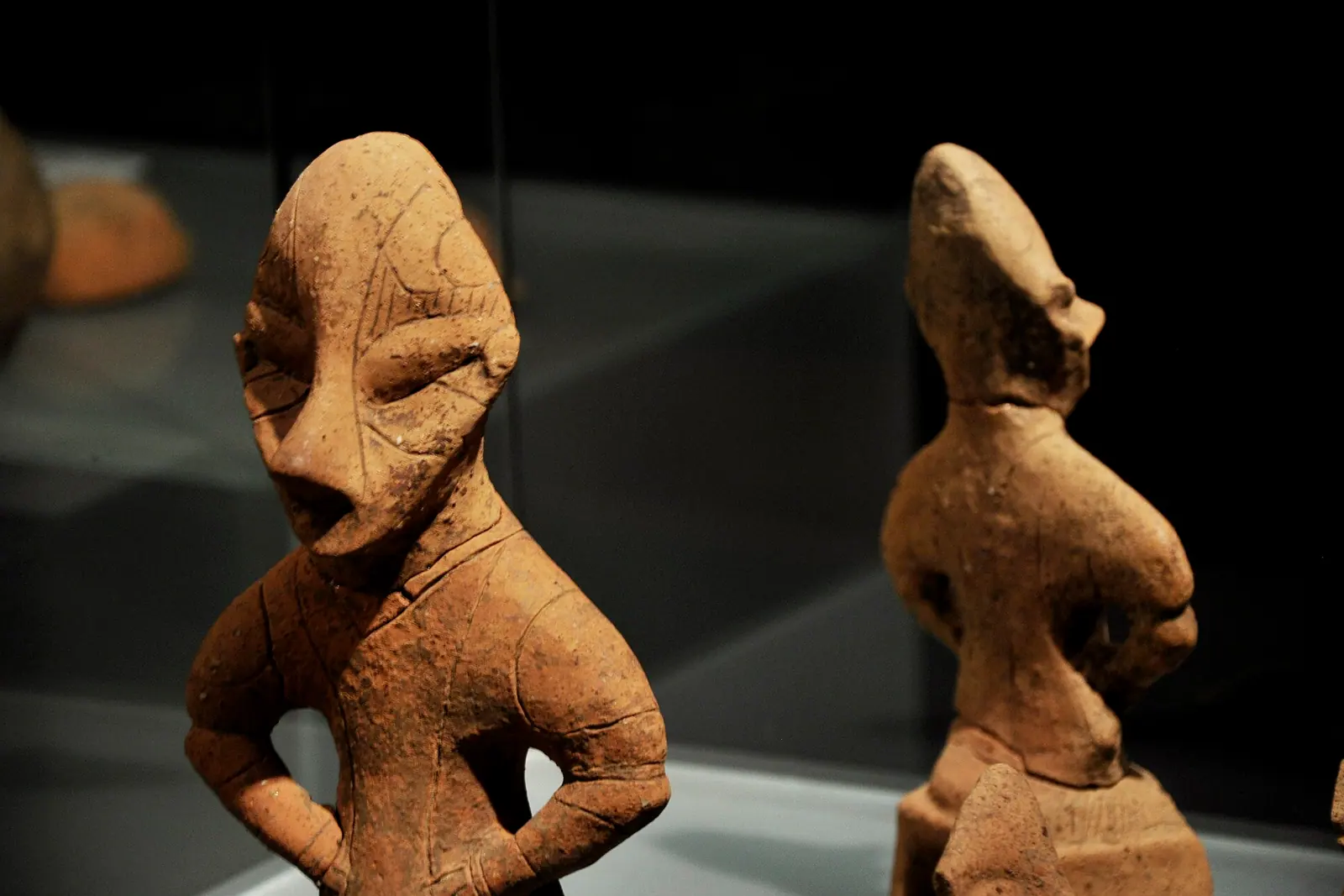
Give the capital two full days. Start at the Kosovo Museum, where the terracotta Goddess on the Throne figurine — the country's most famous prehistoric find — is the headline act, alongside Illyrian and Roman collections. Next door, the Ethnographic Museum occupies the stone-and-timber Emin Gjiku complex, a preserved Ottoman courtyard house where you can see how a wealthy Kosovo family lived, worked leather and ground coffee. Then walk to the National Library, a startling piece of architecture wrapped in metal lattice and white domes — love it or hate it, it is the most photographed building in the city.
The bazaar quarter is where Pristina feels least polished and most itself: the Great Mosque, the clock tower, barbers, spice stalls, sacks of dried peppers and old men selling rakia by the litre. A short walk away is Germia Park, a protected forest of more than a thousand hectares on the city's edge, with kilometres of shaded trails, picnic lawns and a large outdoor pool that fills every summer afternoon. It is reachable by city bus and makes a perfect antidote to the traffic.
On day two, drive north-east to the Bear Sanctuary, a hillside refuge for brown bears rescued from appalling captivity, where guided walks explain the animals' stories; go early, as the bears are most active before the heat builds. On the way back, stop for lake views and grilled fish at Batlava. End with a slow dinner in the city, because tomorrow you head south.
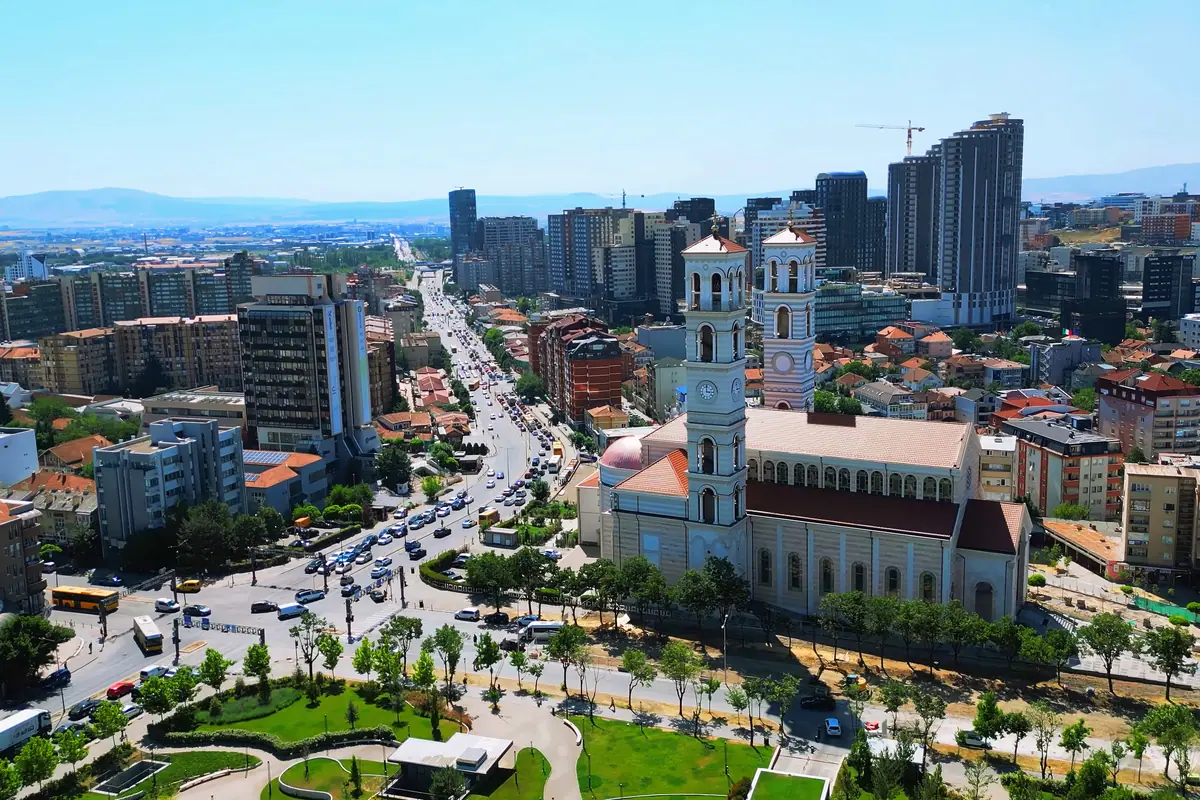
Day 3: Prizren — Ottoman Streets and a Hilltop Fortress
Prizren is about 85 kilometres from the capital, an easy hour and a quarter on the motorway, and it is the single place most visitors fall for. The old town climbs a slope above the Bistrica river in a jumble of cobbles, red-tiled roofs and minarets. Shadervan Square is the heart of it, ringed by cafes under trees and loud with conversation until late. From there you cross the Ottoman Stone Bridge to the Sinan Pasha Mosque, whose slender minaret and painted interior date to the early 17th century, and pass the vaulted Gazi Mehmet Pasha Hammam.
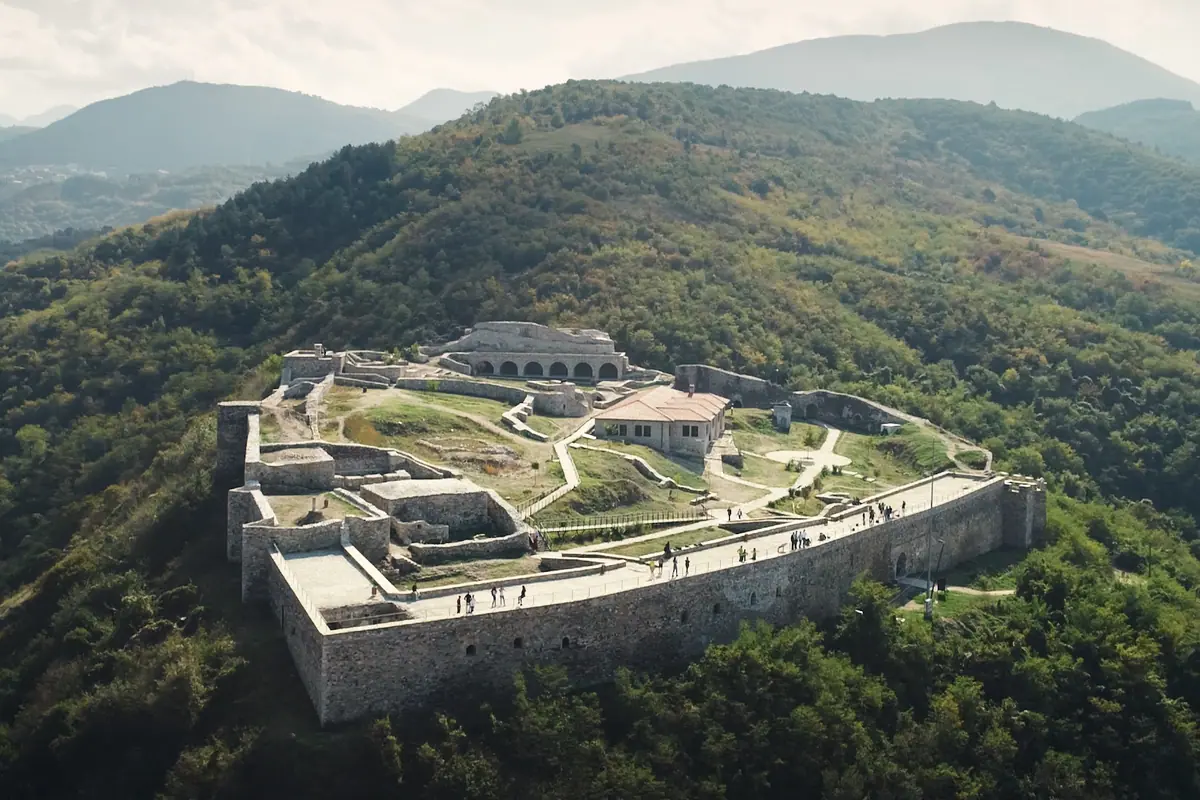
Above everything sits Prizren Fortress, the Kalaja. The climb from the old town takes 15 to 20 minutes on a steep paved path and rewards you with the best view in Kosovo: the whole town, the river gorge and the Sharri mountains behind. Go an hour before sunset. Below the walls, the Church of Our Lady of Ljeviš is a 14th-century World Heritage site with extraordinary frescoes, and the League of Prizren complex marks where Albanian delegates gathered in 1878.
Stay overnight rather than day-tripping — Prizren after dark, when the day crowds thin and the call to prayer echoes off the stone, is the memory people take home. If you visit in August, a well-known documentary film festival takes over the town's courtyards and screens; book rooms weeks ahead. Otherwise, browse the filigree workshops in the side streets and eat on a terrace above the water.
Day 4: Gjakova's Grand Bazaar and the Deçan Monastery
Head west through the Drini valley to Gjakova, roughly 40 minutes from Prizren. Its Grand Bazaar — Çarshia e Madhe — is the largest surviving Ottoman bazaar in the Balkans: a long, low street of wooden shopfronts and stone roofs, lovingly rebuilt after being burned in 1999. Craftsmen still work here in wood, copper and filigree, and the smell of coffee and grilled meat drifts between the doorways. The 16th-century Hadum Mosque and its library stand at the centre, and the elegant, humpbacked Terzijski Bridge, built by medieval guilds, spans the Erenik river just outside town.
From Gjakova it is a half-hour drive to Deçan and the Visoki Deçani Monastery, one of the most important Orthodox sites in the Balkans and a World Heritage listing. Founded in the 14th century, it centres on a marble church filled with frescoes in near-perfect condition, still home to a small monastic brotherhood who make wine, cheese and honey. There are security checks at the gate, so bring your passport, and dress respectfully: shoulders and knees covered, women offered headscarves at the entrance. Photography inside the church is restricted.
If time allows, loop up towards Junik and the Albanian border for mountain scenery, or stop at Radoniq Lake for a swim in summer. Sleep in Gjakova's guesthouses, or push on to Peja so that you wake up beside the mountains.
Day 5: Peja, the Patriarchate and the Rugova Canyon
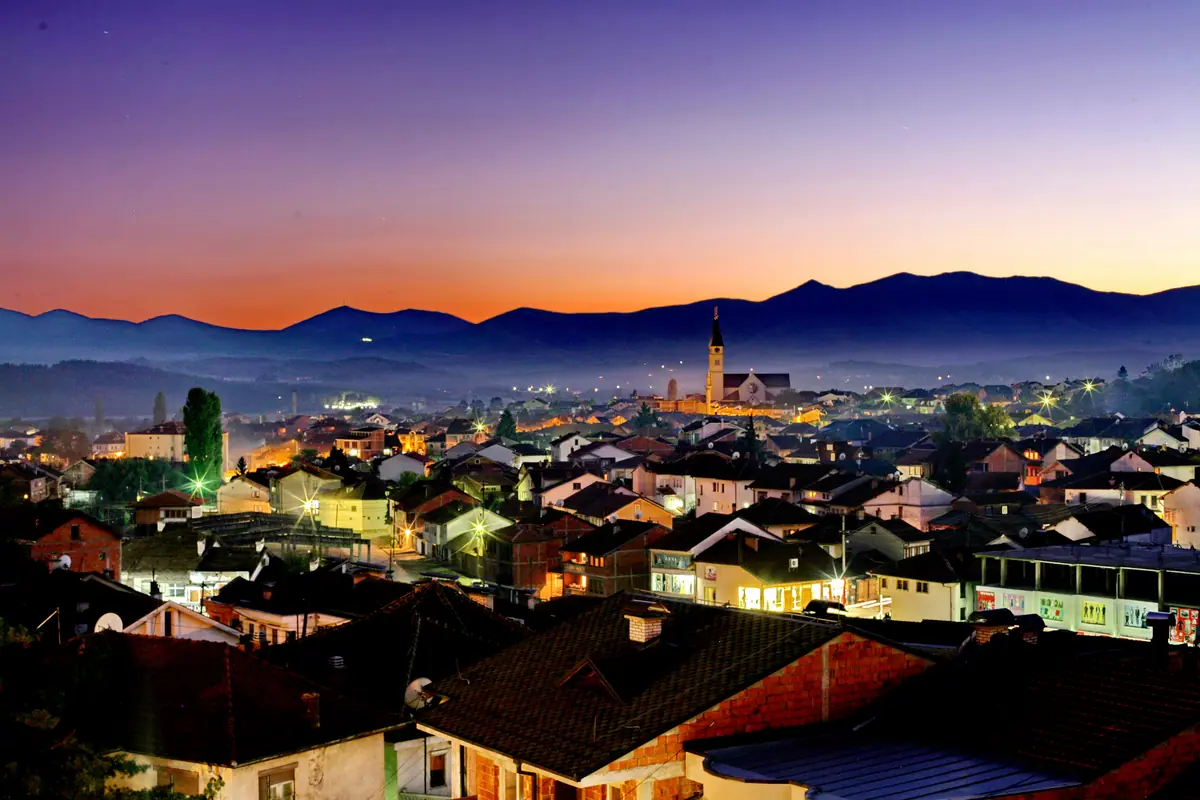
Peja — Peć in Serbian — is the gateway to the Accursed Mountains, and its old bazaar is quieter and more authentic than Pristina's, with a handsome Bajrakli Mosque at its centre. At the mouth of the Rugova gorge, the Patriarchate of Peć is a walled complex of three connected churches dating from the 13th and 14th centuries, the historic seat of the Serbian Orthodox church and another World Heritage site. Entry requires photo ID, dress is modest, and the atmosphere inside the frescoed chapels is worth the detour alone.
Then comes the drive everyone remembers: the Rugova Canyon, a limestone gorge about 25 kilometres long with walls that rise to a thousand metres in places. Viewpoints, tunnels and roadside restaurants hang off the cliff edge; adventure operators run a zipline and a guided via ferrata on the canyon walls that takes a few hours and needs no prior experience. Near Radavc, a short walk leads to the White Drin waterfall, where the river bursts out of the rock in a single green curtain.
Higher up, the road reaches Kuqishtë and the trailhead for the Liqenat glacial lakes, a two-to-three-hour round trip through beech forest that is best from June to October — snow can linger into May. Sleep in a family guesthouse in the villages up the valley, where dinner is lamb, peppers, flija and homemade cheese, and the night sky is genuinely dark.
Days 6–7: Gračanica, Mirusha Waterfalls and a Final Mountain Fix
Work your way back east, stopping first at Gračanica Monastery, only ten minutes from central Pristina. Built in 1321, it is the high point of late Byzantine architecture in the region, with frescoes, a serene courtyard and a small community of nuns who sell wine and candles. Nearby, the Ulpiana archaeological park preserves the ruins of a Roman and Byzantine city on the road between two ancient capitals, and further north-east the hilltop fortress of Novo Brdo recalls the medieval silver-mining town that once minted coins for half the Balkans.
For your last full day, choose water or mountains. The Mirusha Waterfalls, roughly 45 minutes west of the capital near Klina, are a chain of pools and cascades carved into a limestone canyon, with a 22-metre main fall — best after snowmelt in May and June, when the water is loud and cold, and slippery underfoot, so wear proper shoes. Alternatively, the Marble Cave near Lipjan offers a guided 30-to-40-minute walk through chambers at a constant 11°C; bring a jacket no matter how hot it is outside.
In winter, spend day seven instead at Brezovica on the Sharr mountains, about an hour from Pristina, where the snow runs from December to March, lift passes are cheap and the off-piste powder is legendary among those who know. In summer, the pine forests of Prevalla are the place for a short hike and a picnic. Either way, end with a final night in Pristina: dinner, rakia, and one last macchiato on the boulevard.
Frequently asked questions
Which airport do I fly into for Kosovo?
Pristina's Adem Jashari International Airport is the country's only international airport, about 15 kilometres southwest of the centre — a 20 to 25 minute drive. Some travellers fly into Skopje or Tirana instead and drive across the border, which takes roughly 1.5 to 3 hours depending on the route, but Pristina is far simpler for a one-week loop.
What is the best time of year to visit Kosovo?
May, June, September and October are ideal: warm days, green valleys and waterfalls still running. July and August are hot in Pristina, often above 30°C, though the mountains stay comfortable. Winter means snow from December to March and decent skiing at Brezovica, but high trails in the Rugova valley can stay snowbound until May.
Do I need to rent a car?
Not strictly — buses connect Pristina, Prizren, Gjakova and Peja, and the towns themselves are walkable. But the monasteries, Mirusha waterfalls, Gadime cave and Rugova trailheads are much easier with your own car, and a rental makes the seven-day loop realistic. Roads are generally good; expect narrow switchbacks in the mountains and drive cautiously at dusk.
What should I know about visiting the monasteries?
Bring your passport for the gate checks at Deçani and Peć, and dress modestly: shoulders and knees covered, with headscarves usually available for women at the entrance. Photography is restricted inside the churches. These are living religious communities, so keep voices low, and remember that some sites are reached along roads with occasional security presence — it is routine, not alarming.
Is Kosovo safe, and what about money?
Violent crime is rare and the main towns are comfortable to walk day and night, though normal precautions apply. The currency is the euro, and cards work in hotels, larger restaurants and supermarkets, but carry cash for bazaars, guesthouses, taxis and monastery shops. Tap water is generally drinkable in cities; in the mountains, stick to bottled.
Sort the rest of your trip
Everything for Kosovo, in one place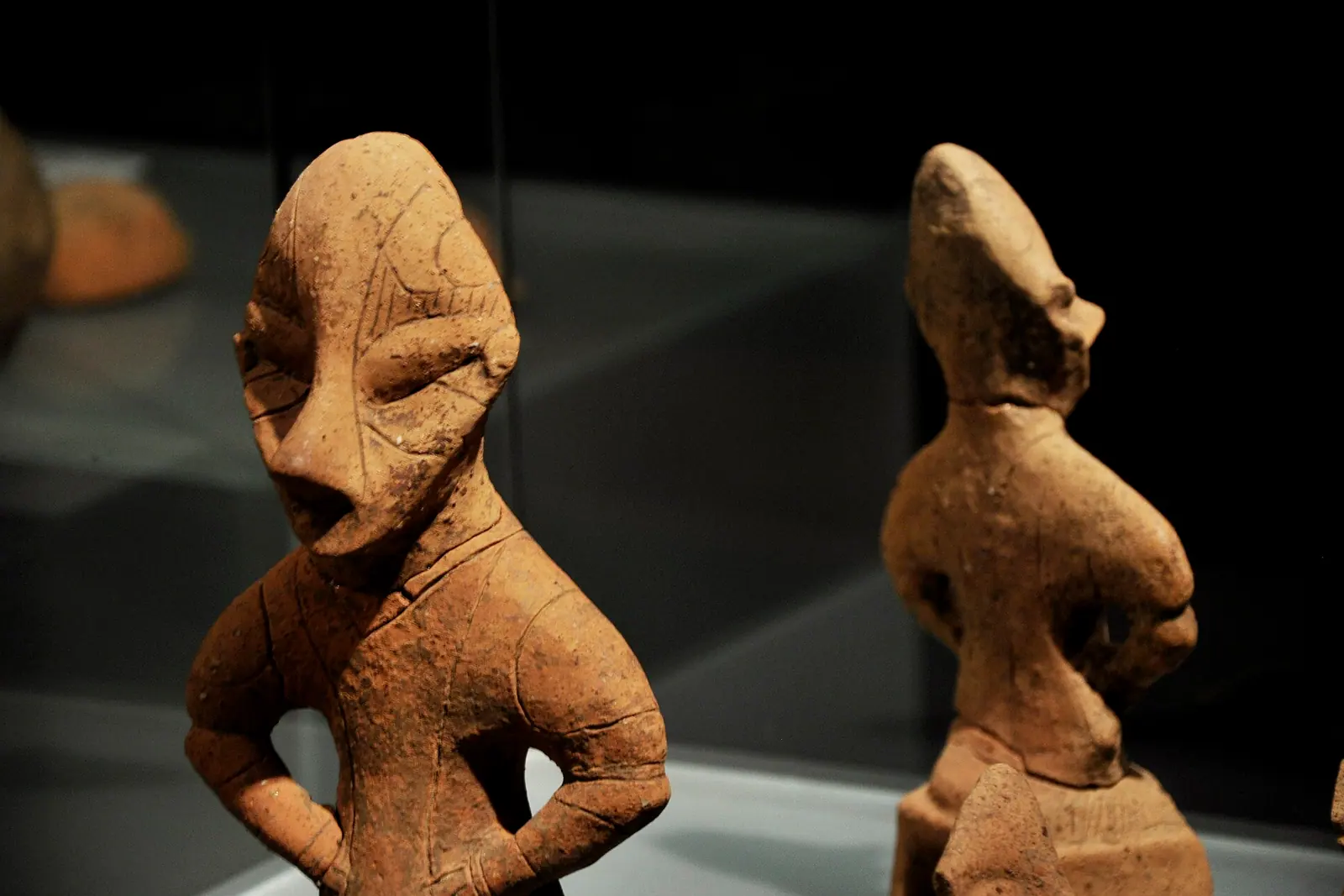
Stay in Kosovo
Hotels, guesthouses and apartments — compared in one search.
Search hotels
Transfer in Kosovo
Private driver waiting on arrival — no queues, no surprises.
Book a transfer
Travel insurance
Medical cover, delays and lost baggage — sorted before you go.
Get covered