Kosovo is small enough to cross in a long afternoon and layered enough to fill a fortnight. It is a country of Ottoman bazaars, fortress sunsets, piping-hot flija, mountainside shepherds and coffee that is never rushed. This guide maps the tours, tastes and towns that make it unforgettable.
Prishtina: Coffee Rituals, Concrete Icons and the Morning Burek Run
Most Kosovo tours start in Prishtina, and the capital sets the tone early. By seven in the morning the cafés spilling off Mother Teresa Boulevard are full — tiny macchiatos, glasses of cold yogurt, trays of coiled burek pulled hot from the oven. Coffee here is a social contract rather than a caffeine hit: nobody brings the bill until you ask, and a single cup can stretch into a two-hour conversation about politics, football or the price of peppers at the market.
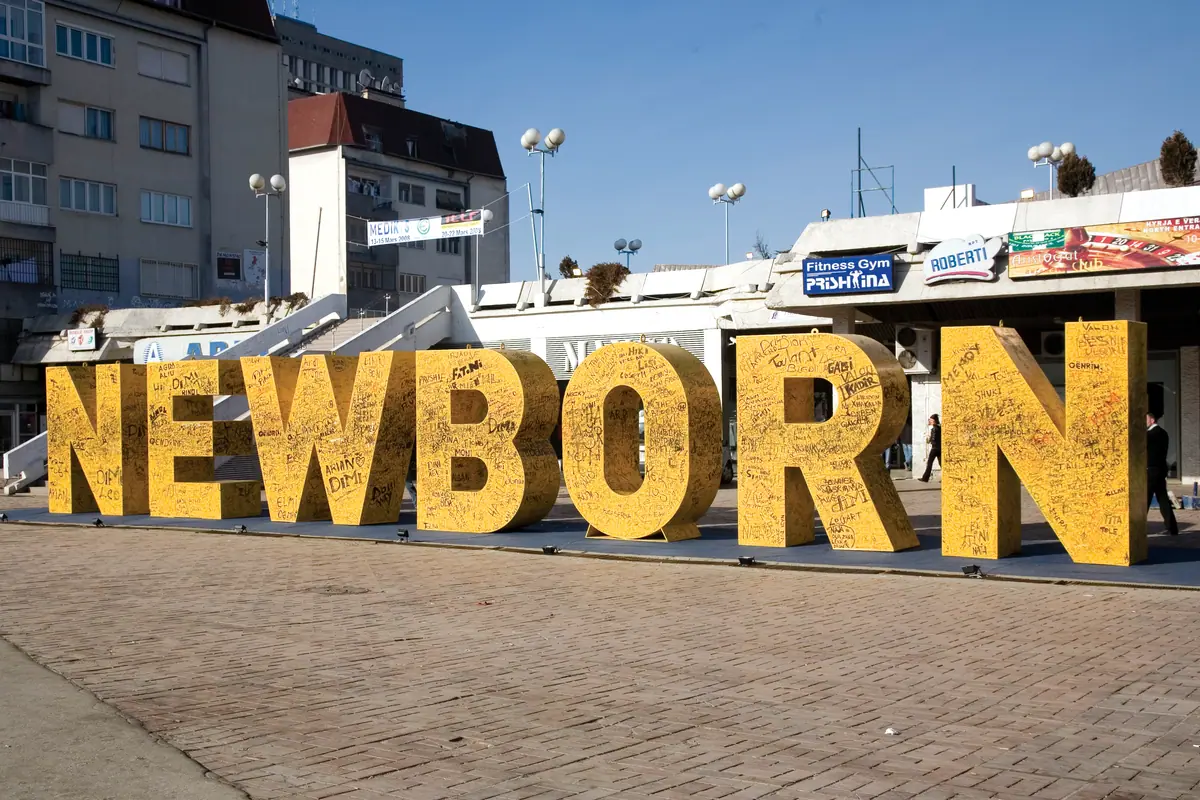
The city's landmarks are a short walk apart and refreshingly unfussy. The Newborn Monument, unveiled when Kosovo declared independence in 2008 and repainted every February, sits beside the pale lattice of the National Library of Kosovo, a 1980s concrete-and-metal structure that photographers either adore or find bewildering. Nearby, the unfinished-looking Mother Teresa Cathedral offers a quiet terrace, while Germia Park, ten minutes further out, is where locals jog, picnic and escape the summer heat. Just south of the city, the Roman ruins of Ulpiana add a first-century layer to the picture.
Come evening, wander the lanes behind the main boulevard, where small grills serve qebapa with flatbread and raw onion, and backstreet bars pour home-distilled rakia alongside local wine. The mood is young, loud and genuinely mixed — students, diaspora returnees and families with children all sharing the same pavement tables. Budget two full days in Prishtina, more if you like your mornings slow.
Prizren: Ottoman Alleys, a Fortress Climb and Riverside Evenings
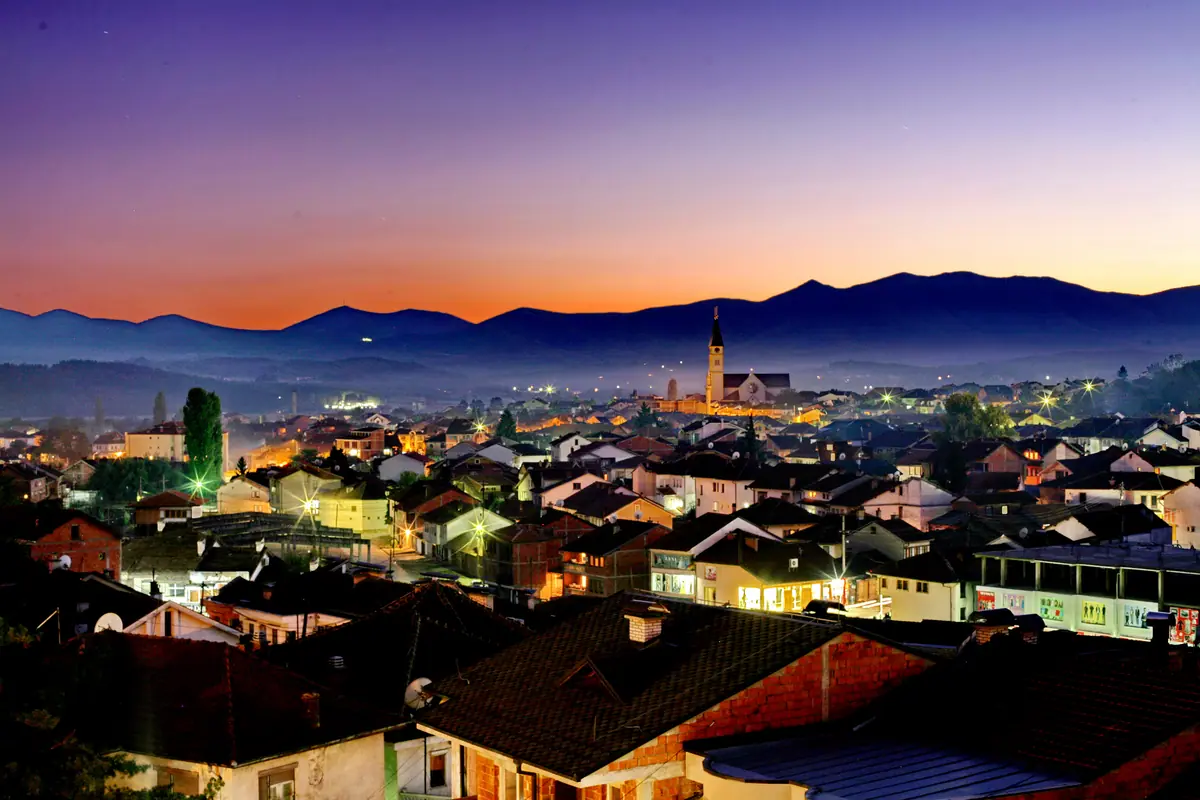
An hour and a half of easy driving south brings you to Prizren, the country's most photogenic town and the heart of most cultural itineraries. Shadervan Square anchors everything: a fountain in the middle, cobbles underfoot, the 17th-century Sinan Pasha Mosque rising above the rooftops, and the Bistrica river chattering past a low stone bridge. Tea gardens and ice-cream vendors crowd the edges, and in the evening the whole square becomes one long, cheerful promenade.
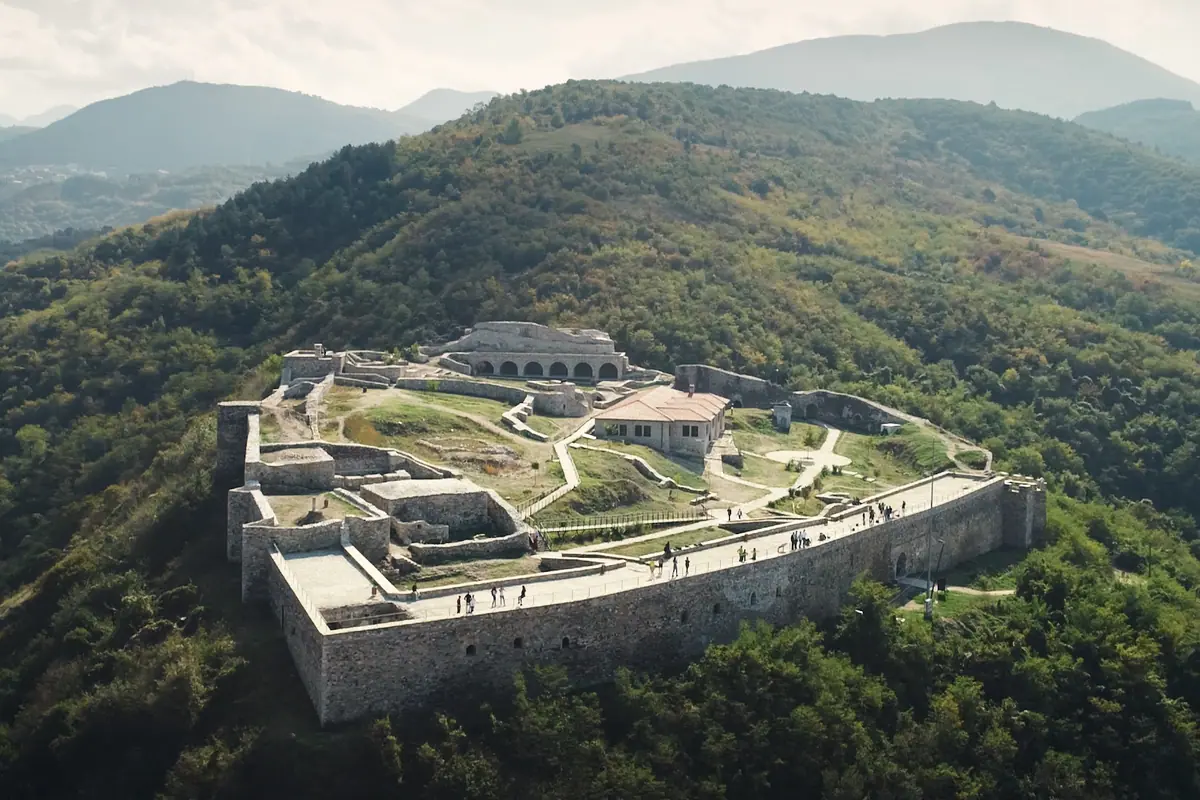
Above the town, the Prizren Fortress is the essential climb — a rough 15 to 20 minute uphill path through ruins that rewards you with a postcard view of minarets, church towers and red roofs as the light turns gold. Back down in the alleyways, the Church of Our Lady of Ljeviš, a 14th-century building with remarkable frescoes, stands as a reminder of the town's layered Byzantine and Ottoman past, while the house where the League of Prizren first met in 1878 is now a museum of Albanian national history. Craft workshops still make fine filigree silver jewellery, and in August the town hosts a documentary film festival that fills every courtyard with visitors.
Eat along the river: grilled lamb, spinach or cheese pite, stuffed peppers and syrupy sheqerpare for dessert, all served under vines. Late spring and early autumn are ideal, when days are warm and the stone streets aren't packed. Prizren is worth at least one overnight — day-trippers miss the moment the square empties and the town exhales.
Westward: Gjakova's Bazaar, Peja and the Rugova Canyon
Gjakova's Grand Bazaar, the Çarshia e Madhe, is the oldest and largest in Kosovo, a grid of low wooden shopfronts and cobbled lanes that once housed hundreds of craftsmen and was painstakingly rebuilt after being destroyed in 1999. Today saddlers, silversmiths, clock repairers and coffee grinders still open their shutters each morning, and the nearby Terzijski Bridge, a 15th-century stone span over the Erenik river, makes a fine walk on a warm afternoon.
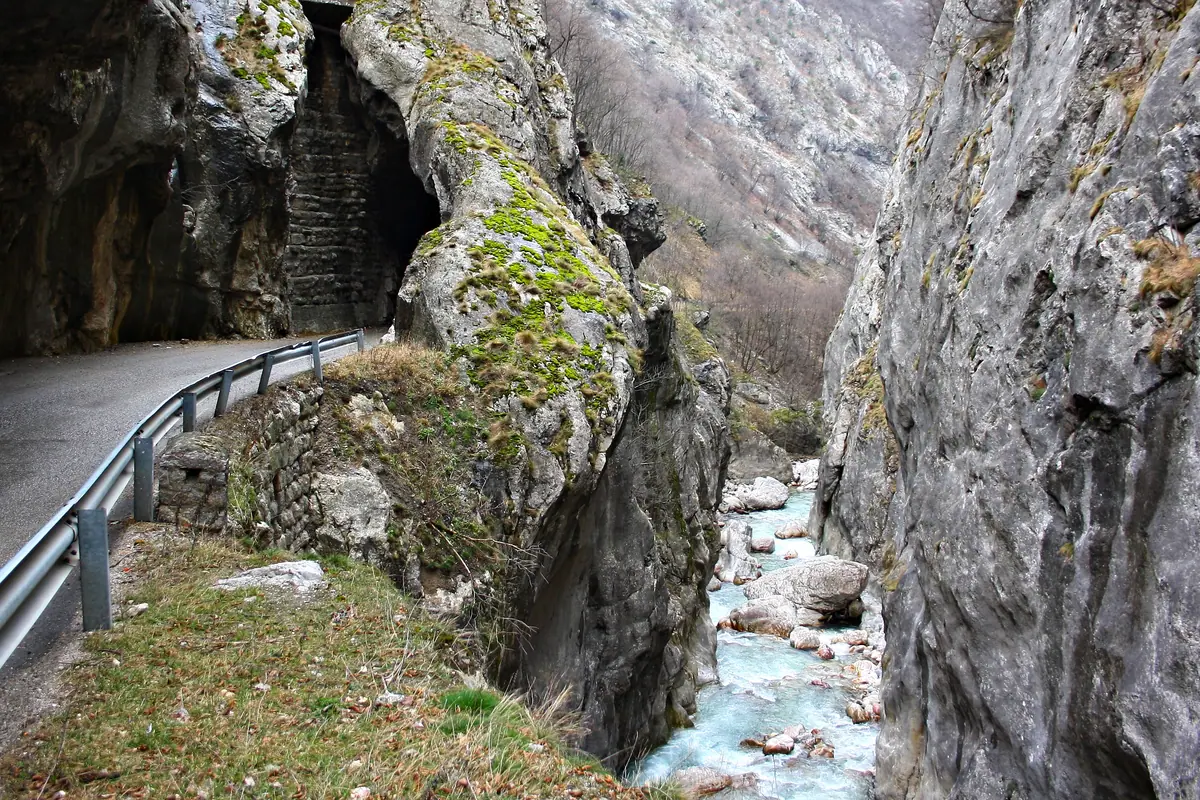
From there, the road climbs to Peja, gateway to the Rugova gorge. At the mouth of the canyon sits the Patriarchate of Peć, a walled complex of medieval churches whose dark, incense-stained frescoes rank among the finest religious art in the Balkans; modest dress and quiet voices are expected. Further up is Rugova Canyon itself, a dramatic limestone slash around 25 kilometres long, laced with hiking trails, a via ferrata bolted to the rock, and a short walk to the White Drin waterfall at Radavc, where the river bursts out of the cliff.
This is the region for rural stays. Village guesthouses in the Rugova highlands serve mountain honey, sheep's cheese, wild-herb tea and whatever the season dictates, and in summer you can join shepherds moving flocks to high pasture. Snow closes the upper roads from December to March, when attention shifts to skiing on the Sharr mountains in the south — so build the west into the warmer half of your trip.
The Table: Flija, Qebapa and Mountain Dairy
Kosovo's signature dish is flija, and it is as much an event as a meal. Batter is painted layer by layer onto a domed metal lid propped over an open fire, each thin sheet cooked before the next is added, sometimes for two hours or more. The result is a golden, pleated stack served with kajmak, yogurt or honey, traditionally made for family gatherings and celebrations. If you're invited to a home to watch one being made, say yes — it's the single best introduction to local hospitality.
Everyday eating is hearty and meat-forward. Qebapa, diminutive grilled rolls of minced beef and lamb, arrive with warm somun bread, chopped onion and ajvar; tavë kosi bakes lamb in a tangy yogurt-and-egg custard; sarma, groshë bean stew, stuffed peppers and pite with spinach, cheese or pumpkin fill out the table. High in the Sharr and Rugova mountains, sheep's cheese, kajmak and honey are produced in tiny dairies and sold at roadside stalls.
Sweets run to baklava, trileçe, krempita and sutliash rice pudding, washed down with boza or thick Turkish-style coffee and a cube of lokum. Autumn is the great food season: from September, courtyards across the country fill with the smell of roasting peppers for ajvar, and jars of pickles and preserves line balconies. In the wine valley around Rahovec, family cellars pour Vranac and crisp local whites; rakia, distilled from grape, quince, pear or walnut, is offered at every meal, and a toast of 'gëzuar' is expected. Buy honey, cheese and rakia in village markets and you're directly supporting the people who make it.
Monasteries, Wine Cellars and the Wild South
A short drive from Prishtina, Gračanica Monastery is a 14th-century church with a tiered roof and frescoes that glow deep red and blue in candlelight — an easy half-day add-on that most visitors overlook. Further west, near the town of Deçan, Visoki Dečani sits in a chestnut grove beneath the mountains, its marble church and painted interior protected as world heritage. Together with the Patriarchate of Peć, these three sites form the core of Kosovo's medieval religious heritage.
South and west of Prishtina, the countryside opens into vine-covered hills around Rahovec, where small wineries offer tastings from August through October harvest. Stop at the Mirusha Waterfalls, a chain of pools and cascades cut into a limestone gorge with a swimmable plunge at the top of the trail, and at Gadime Cave, where guided walks pass through chambers of crystal formations.
For altitude, head to the Sharr Mountains: Brezovica offers the country's main ski slopes from December to March, while Prevalla and the surrounding pastures turn into prime hiking country from June to September, with wildflower meadows and long views into North Macedonia. Near Prishtina, a bear sanctuary rescues animals kept in captivity in restaurants, and is a favourite with families. Allow a full day for any of these if you're driving yourself.
When to Go, How Tours Move and How to Behave Well
The sweet spots are May to June and September to October, when temperatures sit comfortably in the twenties and the markets are full without the crush. July and August push Prishtina toward 35°C, but that's peak season for mountain hiking and for Prizren's August festival, when rooms should be booked well ahead. Winter is quiet and cold, with snow in the highlands and skiing at Brezovica.
Kosovo uses the euro, which makes budgeting refreshingly simple, and distances are short: Prishtina to Prizren is roughly 90 minutes, Prishtina to Peja about the same, and Prizren to Peja around two hours. Guided day tours run from Prishtina to each of these towns, but a four- to five-day itinerary covering Prishtina, Prizren, Gjakova and Peja is the minimum to taste the country properly; add three more days for hiking, wine and monasteries. Renting a car gives the most freedom, though mountain roads are narrow and unlit at night.
Small courtesies go a long way. Accept at least a sip of rakia and a second coffee, take your shoes off in homes, dress modestly at monasteries and use cash for bazaar craftsmen and village stalls, which rarely take cards. Learn a few words of Albanian — 'faleminderit' for thank you gets a warm smile — and don't rush the meal. In Kosovo, the table is the itinerary.
Frequently asked questions
How many days do you need for a Kosovo tour?
Four to five days is enough for the essentials — Prishtina, Prizren, Gjakova and Peja with the Rugova gorge. Give it seven to ten days if you want hiking in the Sharr mountains, wine tastings around Rahovec, and monastery visits without rushing.
What food should I not leave Kosovo without trying?
Flija, the slow-baked layered pastry served with kajmak or honey, is the one to seek out. After that: qebapa with somun bread and ajvar, tavë kosi, sarma, spinach or cheese pite, and local baklava or trileçe, all finished with rakia and thick coffee.
When is the best time to visit Kosovo?
May, June, September and October offer the best balance of mild weather, full markets and open mountain roads. July and August suit hikers and festival-goers but can be very hot in Prishtina, while December to March is ski season at Brezovica in the Sharr mountains.
Is Kosovo easy to travel around without a guide?
Yes. The country is small, the currency is the euro, and driving times between major towns are short — Prishtina to Prizren takes about 90 minutes. Guided day tours depart from Prishtina if you'd rather not drive, and locals are quick to help with directions.
What should I know about local etiquette?
Accept the coffee and the rakia, and don't be surprised if a meal stretches for hours. Remove your shoes in homes, dress modestly when visiting monasteries and churches, and carry cash for bazaar workshops and village food stalls, many of which don't accept cards.
Sort the rest of your trip
Everything for Kosovo, in one place
Stay in Kosovo
Hotels, guesthouses and apartments — compared in one search.
Search hotels
Transfer in Kosovo
Private driver waiting on arrival — no queues, no surprises.
Book a transfer
Stay online in Kosovo
Travel eSIM — data the moment you land, no roaming bills.
Get an eSIM