Kosovo is small enough to cross in a single morning and varied enough to feel like three countries folded into one: Ottoman-era bazaars, Byzantine monasteries with frescoes still glowing, and limestone peaks that keep snow until June. The trick is knowing which Kosovo you want, because the lowlands around Pristina and the alpine valleys of the west live on completely different calendars. This guide walks you through each season, the must-see sights that shine in it, and how the timing shapes where you sleep.
Kosovo Through the Seasons: What Actually Changes
Kosovo sits in a continental pocket of the Balkans, which means two distinct weather personalities. The central and eastern lowlands, where Pristina, Gjakova and Ferizaj sit at roughly 500-600 metres, get hot, dry summers that push into the low thirties Celsius in July and August, and cold winters that dip below freezing for weeks at a time. The west and south, along the Sharr mountains and the Rugova valley near Peja, behave like the Alps: heavy snow from December into March, wildflower meadows in June, and thunderstorms that roll through on summer afternoons.
Rainfall patterns matter more than most visitors expect. Late spring, particularly May, and late autumn in November are the wettest stretches, while July and August in the east are reliably dry and bright. The mountains stay snowbound well into May, and high trails such as those leading up to Gjeravica, Kosovo's highest peak at 2,656 metres, are usually only comfortably passable from late June through early October.
The good news is scale. Pristina to Prizren is about an hour and a half by road, and Pristina to Peja is roughly the same, so you are never far from a completely different climate. Plan on four to six days for a first visit, splitting them between the capital, the Ottoman south, and one mountain valley. That way a rainy day in one region becomes a museum day in another rather than a washout.
Spring: Blossom, Bazaars and Waterfalls (March to May)
March in Kosovo is transitional and often muddy, but by early April the fruit orchards around Peja and Rahovec are in bloom and café terraces in Pristina start filling again. May is the sweet spot of the season: daytime temperatures settle around 20-24 degrees Celsius, the countryside is intensely green, and the mountain snowmelt sends water thundering through the region's waterfalls. Mirusha Waterfalls, a series of carved pools and cascades about an hour from Pristina, is at its most dramatic in late April and May.
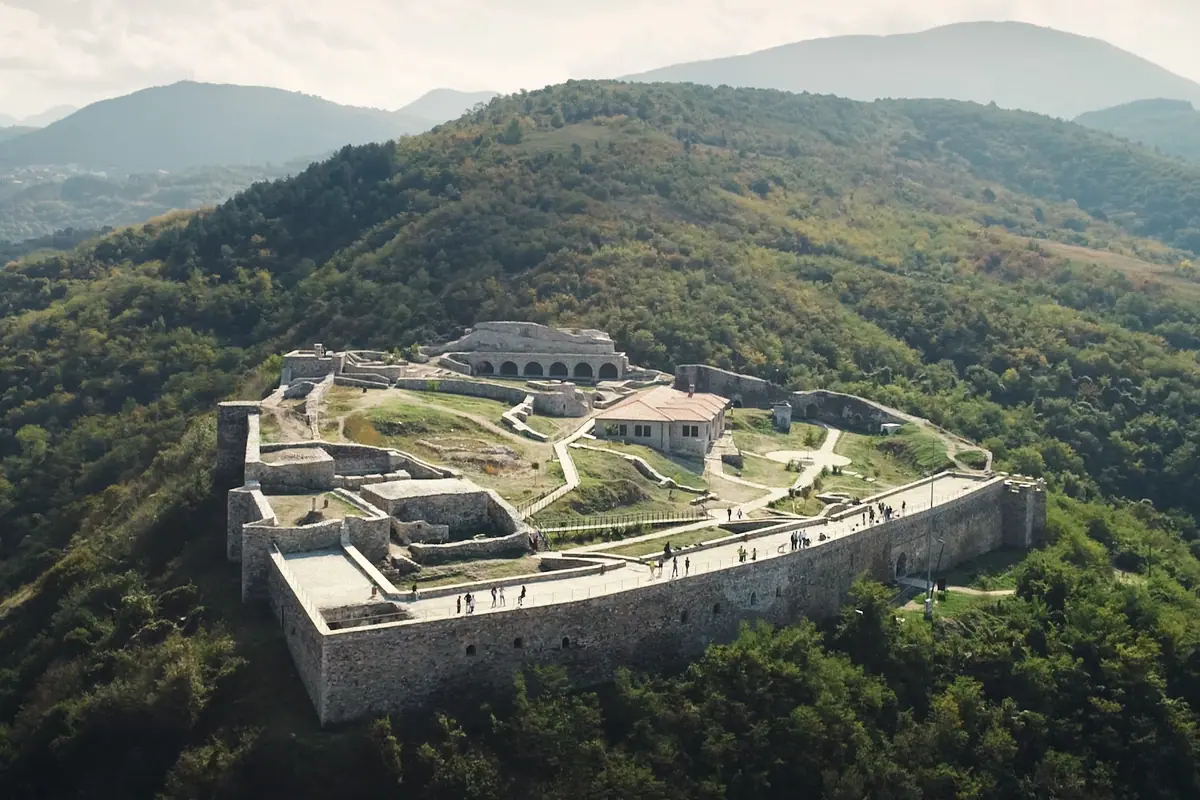
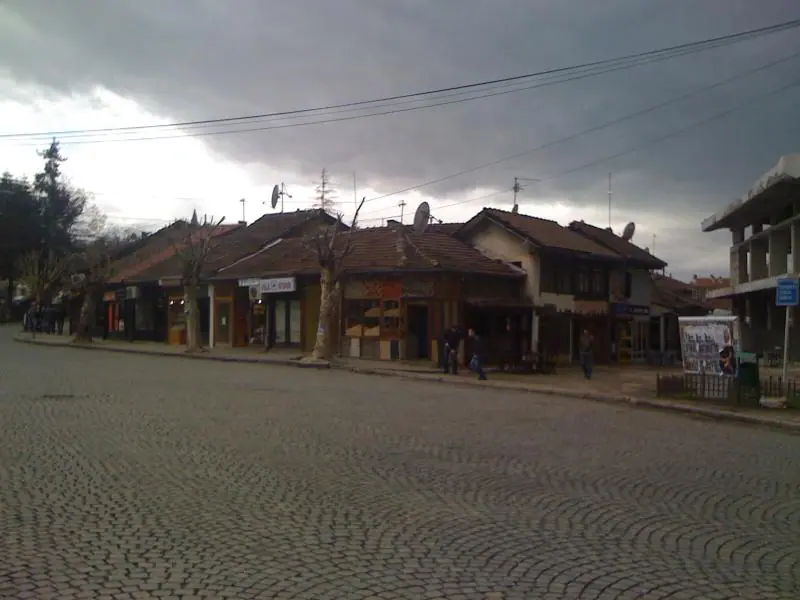
This is also the best window for the historic towns before the summer crowds arrive. In Prizren, walk the cobbles of Shadervan Square in the early morning, cross the old stone bridge, and look inside the Sinan Pasha Mosque before tackling the steep 20-minute climb to Prizren Fortress, which rewards you with a view over the whole town and the river gorge below. In Gjakova, the restored Grand Bazaar is a low-key, atmospheric place to drink macchiato and browse filigree jewellery.
Spring rain does mean a packed rain shell and shoes with grip, especially on the fortress paths at Novo Brdo or the stepped lanes of Prizren. Accommodation is still priced at shoulder-season levels in March and April, though boutique guesthouses in Prizren's old town and the wooden cabins of the Rugova valley fill up quickly on sunny weekends, so book a week or two ahead. If you are sensitive to pollen, note that the poplar and grass season here is short but intense in May.
Summer: Festivals, High Trails and Lake Swims (June to August)
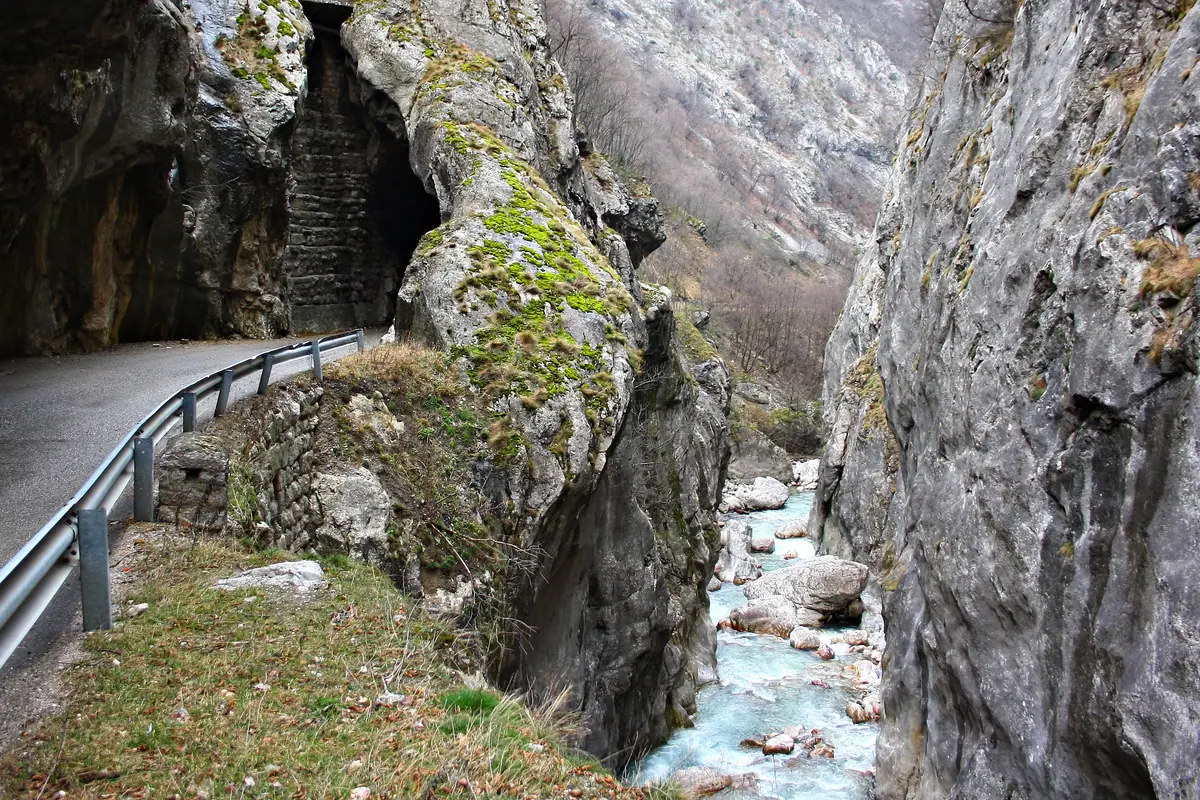
By mid-June the high country opens up, and this is when Kosovo's hiking comes into its own. The Rugova valley outside Peja offers everything from an hour-long stroll past the White Drin Waterfall to multi-day traverses along the Sharr range towards Brezovica. Long, bright days mean you can start at seven in the morning and be back for a late lunch of flija and mountain cheese. Carry more water than you think you need: there is little shade above the treeline, and afternoon storms build fast.
In the cities, August belongs to Prizren. The town's international documentary film festival takes over the riverside squares and fortress terraces for a week, turning the whole place into an open-air cinema, and rooms sell out weeks in advance. July and August also bring large numbers of diaspora families back for the holidays, which lifts hotel rates in Pristina and Prizren and fills the beaches at Batlava Lake and the pools along the Drin.
If heat is your enemy, summer is the season to retreat uphill. Pristina can hit the mid-thirties, so locals escape to Germia Forest Park on the edge of the capital for shaded walking trails and picnic spots, or drive 40 minutes to the bear sanctuary near Prishtina, where rescued brown bears live in a wooded enclosure. Museums and the National Library are best saved for the middle of the day, while the Newborn Monument and the central boulevards are livelier after sunset, when the cafés stay busy until midnight.
Autumn: Golden Light, Harvest and the Monastery Circuit (September to November)
Ask anyone who has spent years travelling through the Balkans and many will name September and October as the finest months in Kosovo. The crowds thin after the first week of September, temperatures hover in the comfortable low twenties, and the beech forests above Peja and Decan turn copper and gold. It is ideal walking weather: dry underfoot, cool enough to climb the path up to Prizren Fortress at midday, and clear enough for long views across the Sharr range.
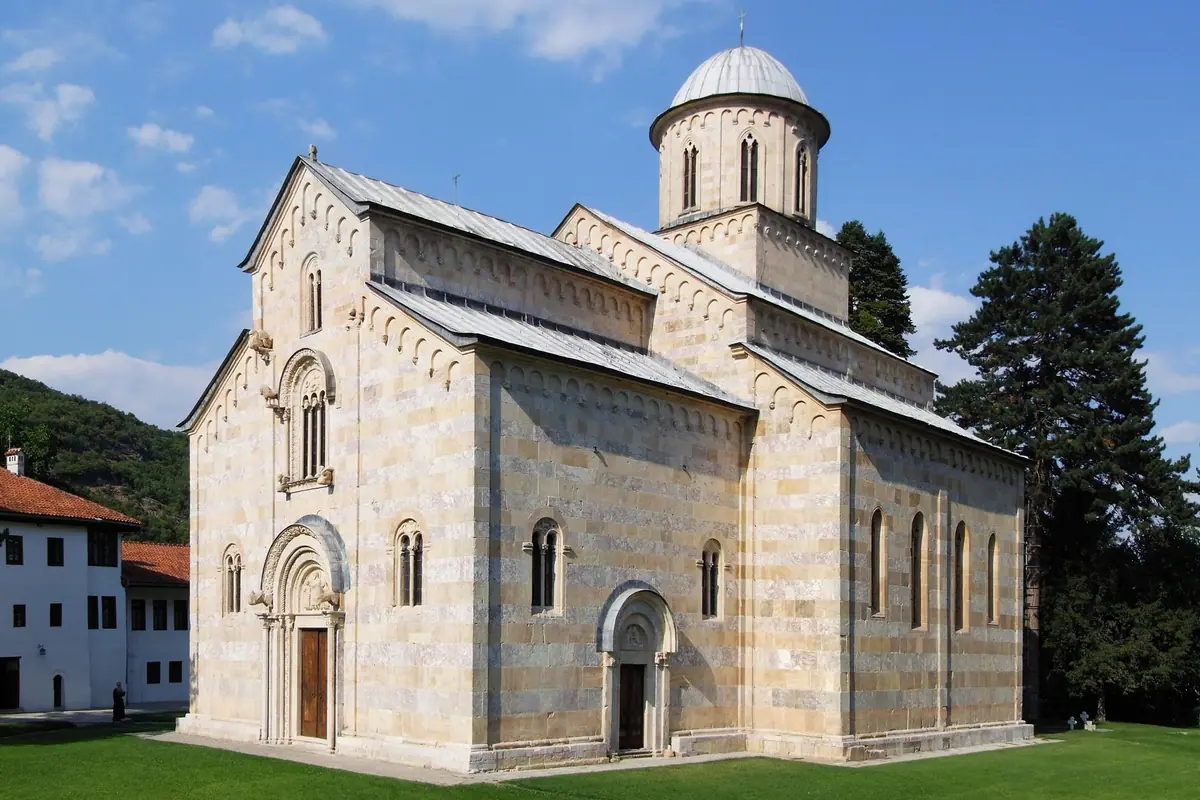
Autumn is also harvest time in the wine country around Rahovec and the village of Velika Hoca, where small family cellars press native varieties and pour generously for anyone who turns up curious. Pair that with the region's medieval monuments: the monastery at Visoki Decani, with its marble church and candlelit frescoes, the Patriarchate of Pec tucked into a gorge at the entrance to the Rugova valley, and Gracanica Monastery just outside Pristina. All three are UNESCO-listed, free or donation-based to enter, and require modest dress: shoulders and knees covered.
By November the weather turns damp, foggy and short on daylight, with rain arriving in earnest. This is still a perfectly workable month if you shift your plans indoors, swapping mountain trails for the Kosovo Museum and the Ethnographic Museum in Pristina, the old stone houses of Gjakova, and the constant 12 degrees Celsius of Gadime Cave, which stays cool and dry whatever the sky is doing. Hotel prices drop noticeably from mid-October onwards, making it the best-value stretch of the year for city stays.
Winter: Snow, Skiing and City Culture (December to February)
Winter in Kosovo is genuinely cold rather than merely cool. Pristina averages around zero in January, the mountain valleys drop well below minus ten, and snow can lie on the Sharr range from December until April. That makes it the season for Brezovica, the country's main ski area about two hours south of Pristina, where the lift-served slopes typically operate from late December into March, depending on snowfall. It is a compact, unpretentious resort with a handful of hotels and apartments and very little queuing.
Snow also creates problems worth planning around. The road through the Rugova gorge towards the mountain villages can close after heavy falls, and the high passes linking Kosovo to Montenegro and Albania may be impassable for days. If you are hiring a car, ask for winter tyres and keep your plans flexible; local buses between Pristina, Prizren and Peja run year-round and are a reliable fallback. Snowshoes and guided winter walks are increasingly available out of Peja for those who want the mountains without the ski lifts.
The cities, meanwhile, are at their most atmospheric. Pristina's café culture runs at full steam whatever the temperature, with wood-panelled rooms serving macchiatos and rakia all day. The Newborn Monument and the striking National Library are quick stops between warming breaks, and there is a real festive season in December: Christmas is a public holiday on both 25 December and 7 January, and New Year's Eve brings fireworks and street celebrations across the capital. January and February are the cheapest months for city hotels, with the exception of the New Year week itself.
How the Season Shapes Where You Stay
Kosovo's accommodation is small-scale and regionally distinct, and the best choice often depends on the month as much as the location. In Pristina you will find modern business hotels and apartment rentals clustered around the centre, with the widest availability and lowest rates from mid-January to March and again in November. In Prizren, the appeal is Ottoman-style guesthouses in the old town within walking distance of Shadervan Square and the fortress path; these are charming but limited in number, so from April to September, and especially during the August film festival, reserve well ahead.
For mountain country, the Rugova valley near Peja has a growing supply of timber cabins and family-run guesthouses, some open year-round and some only from spring to autumn, so confirm before booking. Around Brezovica, expect simple apartments and small hotels within a short drive of the lifts; ski weekends in January and February book out first. In Gjakova and Gjakova's bazaar quarter, restored stone houses offer a quieter alternative base for exploring western Kosovo.
A few practical notes apply all year. Kosovo uses the euro, but many rural guesthouses and family restaurants still prefer cash, so keep some on you. Always check that heating works in winter stays and that air conditioning is available for July and August, since both make a real difference to comfort. And because distances are short, you can change your base every couple of nights without losing a day to travel, which is the best way to follow the weather rather than fight it.
Frequently asked questions
What is the best month to visit Kosovo?
May, June, September and October are the standout months. May brings green valleys and powerful waterfalls, June opens the high trails, and September and October offer warm, dry days with golden forests, harvest wine and far fewer visitors.
Is Kosovo worth visiting in winter?
Yes, if you plan around the cold. Brezovica offers skiing from late December into March, and Pristina's cafés, museums and festive season are lively in December. Expect some mountain roads to close after heavy snow, so keep your itinerary flexible.
How many days do you need in Kosovo?
Four to six days covers the highlights comfortably: two days in Pristina, two in Prizren with a side trip to Gjakova, and one or two in Peja and the Rugova valley. Add a day or two for hiking or skiing if the mountains are your priority.
When is the ski season in Brezovica?
The season generally runs from late December to March, depending on snowfall. January and February usually offer the most reliable cover, and weekends are busier, so book ski-area accommodation a few weeks in advance.
Do you need a car to get around Kosovo?
Not strictly. Regular buses link Pristina, Prizren, Peja and Gjakova, and taxis are inexpensive. A car makes a big difference for mountain valleys, monasteries and waterfalls, but in winter check road conditions and make sure your rental has winter tyres.
Sort the rest of your trip
Everything for Kosovo, in one place
Transfer in Kosovo
Private driver waiting on arrival — no queues, no surprises.
Book a transfer
Things to do in Kosovo
Skip-the-line tickets, guided tours and standout experiences.
See experiences
Stay online in Kosovo
Travel eSIM — data the moment you land, no roaming bills.
Get an eSIM