Jamaica squeezes an improbable amount into one island: cobalt bays, cloud-wrapped coffee mountains, plantation great houses and a soundtrack that seems to rise straight out of the ground. The real decision isn't whether to go, but where to plant yourself — resort strip, cliffside village or cool green hills — and which landmarks justify the drive. Here's how the island's main hotel regions compare, and what to see from each.
Choosing Where to Stay in Jamaica: Coast, Cliffs, City and Country
Jamaica looks small on a map, but the winding coastal roads make distances feel much bigger. Montego Bay to Negril takes about an hour and a half, the airport at Montego Bay to Ocho Rios runs one and a half to two hours, Kingston to Ocho Rios is roughly two hours over the mountains, and Kingston to Port Antonio adds another half hour on top. The practical rule is to pick one or two bases rather than five, then treat the rest of the island as day trips. Hotel styles cluster neatly: big all-inclusive resorts along the north coast from Montego Bay through Runaway Bay and Ocho Rios, boutique cliffside inns on Negril's West End, family-run guesthouses and villas in Port Antonio and Treasure Beach, high-rise business hotels in New Kingston, and cool hillside retreats in the Blue Mountains above Irish Town and Newcastle.
Timing shapes both price and weather. The dry season from mid-December to mid-April brings the most reliable sunshine, daytime temperatures of roughly 24–32°C and the highest rates — Christmas, New Year and spring break need booking three to six months ahead. May, June and November are the sweet spot for value: fewer crowds, warm water and only brief showers. Hurricane season officially runs from June to the end of November, with September and October the wettest and cheapest months; anyone travelling then should buy insurance that explicitly covers weather disruption. The south coast around Treasure Beach and Kingston is noticeably drier than the rain-fed northeast, so Portland can be drizzly while Negril is baking.
Once you're there, a few local habits smooth everything. US dollars are accepted almost everywhere, though change often comes back in Jamaican dollars, so keep small notes for roadside vendors. Tipping of around 10–15 percent is expected where service isn't already included. Driving is on the left, roads are narrow and potholed in places, and resort transfers from the airport can take anywhere from half an hour to two hours depending on which coast you've chosen.
Montego Bay and the North Coast: Jamaica's Resort Heartland
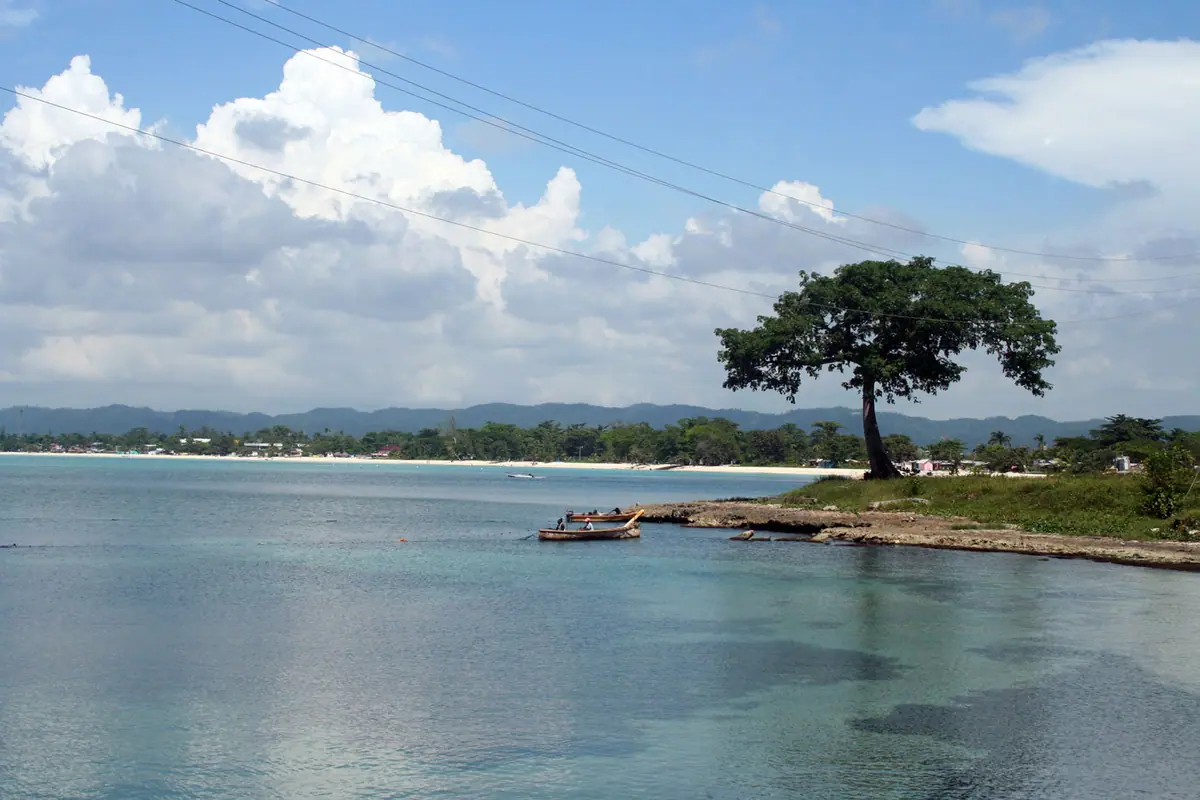
Montego Bay is where most international flights land and where the island's hotel density is highest. The Hip Strip along Gloucester Avenue sits behind Doctor's Cave Beach, the calm, glass-clear stretch of water that first turned the town into a destination a century ago; there's a modest entry fee, changing rooms and plenty of shade, and it remains the easiest morning swim in the city. Accommodation ranges from self-catering apartments above the bay to polished all-inclusive resorts strung east along the Rose Hall corridor, many of them with their own beaches and watersports.
The area's showpiece sight is Rose Hall Great House, a restored Georgian plantation home with mahogany staircases, period furnishings and the much-retold legend of Annie Palmer; candlelit evening tours give it a theatrical edge. Inland, the Rocklands Bird Sanctuary lets visitors hand-feed hummingbirds, while twenty minutes east the old port town of Falmouth pairs a Georgian waterfront with the Martha Brae River, where bamboo rafts drift downstream for about an hour through dense green. After dark, the Luminous Lagoon near Falmouth glows an eerie blue-green wherever you stir the water — best on a moonless night.
Food is part of the itinerary here. Roadside jerk pits smoking pork and chicken over pimento wood, served with festival and bammy, are the island's definitive street meal, and the north coast has some of the best. Do check cruise-ship schedules: on heavy port days the popular beaches, craft markets and waterfall tours fill up fast, so plan those for quieter mornings.
Negril: Seven Mile Beach and the West End Cliffs
Negril splits into two very different halves, and your hotel choice decides which one you wake up to. Seven Mile Beach — closer to eleven kilometres if you count neighbouring Bloody Bay — is a broad ribbon of pale sand and shallow turquoise water, calm and swimmable along Long Bay and noticeably quieter at the northern end. Sunsets here are the island's signature postcard, and the beach stays lively well into the evening with beach bars and grilled-fish shacks.
The West End is the opposite mood: limestone cliffs where small hotels are built into the rock, with ladders and diving platforms leading straight into deep water. This is the place for snorkelling, cliff-edge cocktails and Negril Point Lighthouse, which marks the island's western tip. Rick's Café, perched on the cliffs, is the famous sunset stop where local divers leap from the rocks — arrive early for a spot at the rail. Inland, Mayfield Falls offers a cooler alternative to the coast, with a series of terraced pools and mineral springs you can wade through with a guide.
Choose the beach side if you're travelling with children, want easy swimming and long walks on sand; choose the cliffs if you're after sunsets, snorkelling and adults-only calm. Bloody Bay suits bigger resort stays, while West End guesthouses keep budgets down without losing the view. Negril is about a ninety-minute drive from Montego Bay's airport, and February through April fills up fastest.
Ocho Rios and Runaway Bay: Waterfalls, Gardens and Rainforest
Dunn's River Falls is the sight that defines this stretch of coast: a terraced cascade tumbling roughly 180 metres straight into the sea, climbed in a hand-holding chain with guides who know exactly where to put your feet. Go at opening time to beat the tour buses, bring water shoes or rent them on site, and expect to get thoroughly soaked. Nearby, the Blue Hole — also called Irie Blue Hole — is a smaller, wilder set of turquoise pools and falls with rope swings, best visited with a local guide.
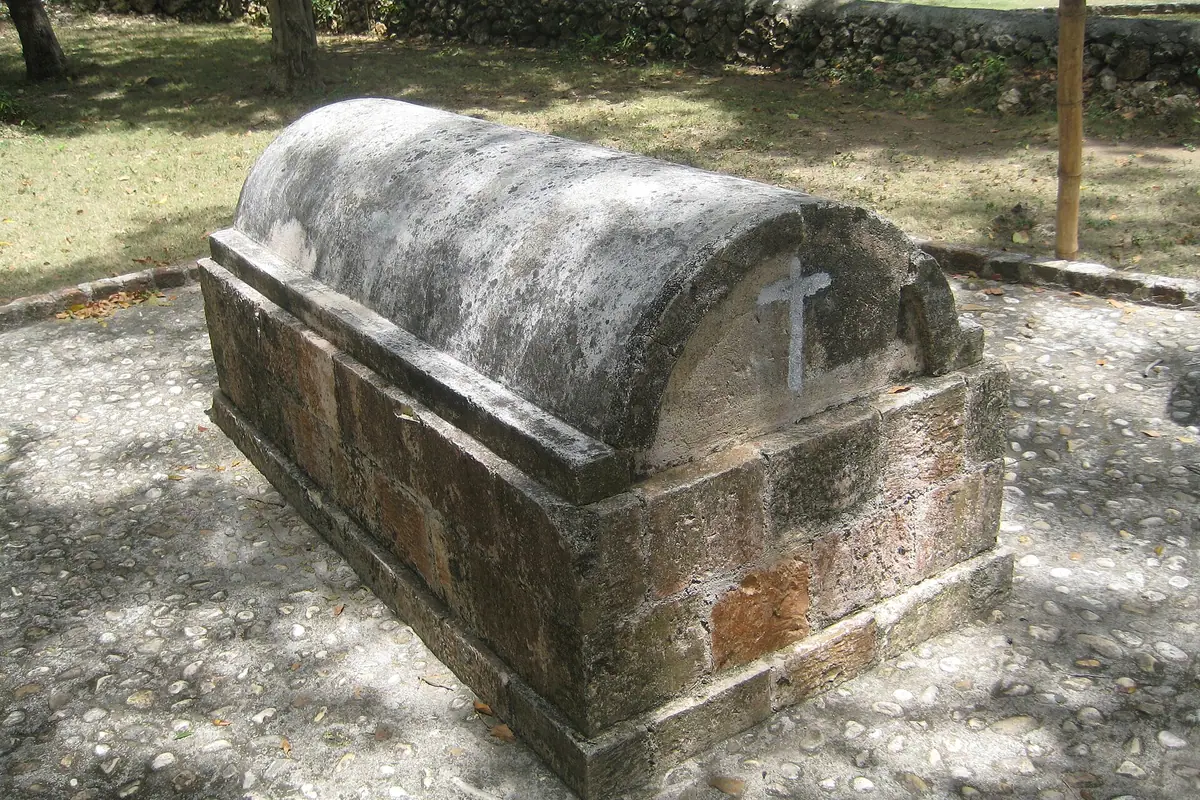
Inland from Ocho Rios, Mystic Mountain runs a chairlift up through the rainforest canopy to a bobsled-style ride and zip lines, while Shaw Park Botanical Gardens offers a gentler hour among orchids and old-growth trees. Further west near Runaway Bay, the Green Grotto Caves burrow underground with a subterranean lake, and on the coast road towards Port Maria you'll find Firefly, the clifftop home of playwright Noël Coward, with sweeping views down the shoreline. Deep in the hills above Browns Town, Nine Mile — Bob Marley's birthplace — draws pilgrims and music fans for guided tours of the small house and mausoleum.
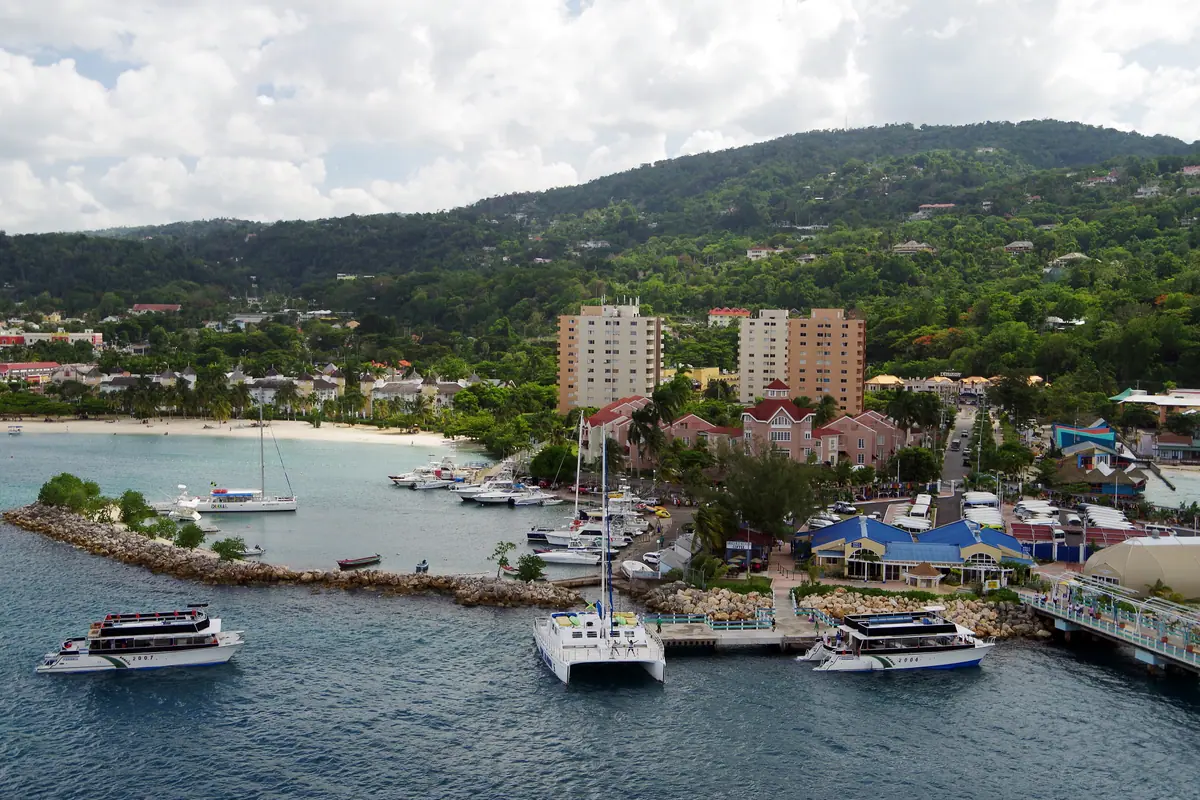
Hotels here follow the terrain: large all-inclusive resorts line Runaway Bay, about twenty minutes west of Ocho Rios and noticeably quieter, while Ocho Rios itself buzzes whenever a cruise ship is in port. Villas tucked into the hills above town trade beach access for breeze, birdsong and privacy.
Kingston and the Blue Mountains: City Stays and Cool Highlands
Kingston is often skipped by beach-focused travellers, which is a shame, because it holds much of the island's culture. Base yourself in New Kingston for business-style comfort and easy restaurants, uptown near Devon House for walkable boutique stays, or up in the hills around Irish Town and Newcastle where the air cools by several degrees at night. The Bob Marley Museum on Hope Road occupies the singer's former home and is the city's most visited attraction, with guided tours through the recording room, his bedroom and the garden.
Elsewhere in the capital, Devon House is a handsome Georgian mansion set in courtyards and lawns, famous island-wide for its ice cream; Emancipation Park is the green lung where joggers circle at dawn; and the National Gallery of Jamaica holds the island's strongest collection of Caribbean art. At the mouth of the harbour, Port Royal was once the wealthiest — and most notorious — pirate city in the Caribbean before an earthquake sent much of it underwater; today Fort Charles and a handful of museums sit in a sleepy fishing village. Trench Town Culture Yard marks the neighbourhood that shaped reggae, and Hope Botanical Gardens spreads out at the foot of the mountains.
The Blue Mountains rise directly behind the city. The classic hike to Blue Mountain Peak (2,256 metres) starts around 2 a.m. from the trailhead above Holywell so you reach the summit for sunrise — roughly eleven kilometres round trip and six to eight hours, with a local guide strongly recommended. Shorter alternatives include the trails and picnic lawns at Holywell Recreation Area and tours of the coffee farms whose beans are among the world's most prized. From Kingston, Port Antonio is a scenic two-and-a-half-hour drive through the mountains.
Port Antonio, Treasure Beach and the South: Jamaica's Quiet Side
Portland parish in the northeast is the island's greenest, wettest and least developed corner, and that's precisely its appeal. Frenchman's Cove is the postcard: a river meeting the sea between two sheltered coves, with a freshwater stream running across the sand. The Blue Lagoon nearby shifts from jade to deep navy depending on the light, and the Rio Grande carries bamboo rafts downstream through jungle for a couple of hours. Further east, Reach Falls tumbles through limestone into cool pools, while Boston Bay is the acknowledged home of jerk cooking, with smoky roadside stands that have been at it for generations.
The south coast moves at an even slower pace. Treasure Beach is a scattering of fishing villages, small guesthouses and quiet coves where you're more likely to chat with a fisherman than a tour rep; offshore, the Pelican Bar sits on a sandbank in open water, reached by boat and worth the trip for a beer at sunset. Inland, YS Falls drops in seven tiers through cattle country, and the Black River Great Morass is explored by boat — crocodiles, herons and mangroves included. Lover's Leap, a sheer cliff above the sea, offers one of the island's finest coastal views.
These are the places to stay if you want slow mornings and local cooking rather than a resort strip. Come between November and April for the driest weather; Portland can be damp in October and November, so pack a light rain jacket. Because distances here are long — Montego Bay to Treasure Beach is around three hours — most travellers pair the south with Kingston rather than the north coast.
Frequently asked questions
When is the best time to visit Jamaica?
Mid-December to mid-April offers the most dependable sunshine and the liveliest atmosphere, but it's also peak season with the highest hotel rates. May, June and November give you warm water, fewer crowds and much better value, while September and October are the wettest and cheapest months of the year and sit squarely in hurricane season — buy insurance that covers weather disruption if you travel then.
Is an all-inclusive hotel worth it in Jamaica?
It depends on how you like to eat and move. All-inclusives suit families, groups and first-time visitors who want meals, drinks and watersports handled in one bill, and they're common along the north coast from Montego Bay to Ocho Rios. If you'd rather eat your way around jerk pits, fish shacks and local markets, a guesthouse or villa in places like Negril's West End, Port Antonio or Treasure Beach is usually cheaper and far more interesting.
Do I need to rent a car in Jamaica?
Not necessarily. Driving is on the left, roads are narrow and often potholed, and signage is patchy, so many visitors rely on resort transfers, licensed taxis or private drivers for day trips. That said, a car gives you real freedom on the south coast and in Portland, where attractions are spread out and public transport is slow.
How many days should I spend in Jamaica?
Five to seven nights works well for a single base — enough time for the beach plus two or three excursions such as Dunn's River Falls, Rose Hall Great House or a Negril sunset on the West End cliffs. Give yourself ten days to two weeks if you want to add Kingston, the Blue Mountains and the quiet northeast around Port Antonio, since road journeys between coasts eat up half a day each way.
Which is better for a first trip: Negril, Montego Bay or Ocho Rios?
Montego Bay is the most convenient, with the shortest airport transfers and the widest hotel choice. Negril wins on beaches and sunsets, with Seven Mile Beach on one side and the West End cliffs on the other. Ocho Rios is the pick if waterfalls, rainforest and adventure activities matter more to you than long stretches of sand — though it does get busy when cruise ships dock.
Sort the rest of your trip
Everything for Jamaica, in one place
Transfer in Jamaica
Private driver waiting on arrival — no queues, no surprises.
Book a transfer
Things to do in Jamaica
Skip-the-line tickets, guided tours and standout experiences.
See experiences
Stay online in Jamaica
Travel eSIM — data the moment you land, no roaming bills.
Get an eSIMMore guides in Jamaica

Best Things to Do in Jamaica: Waterfalls, Reefs and Blue Mountain Sunrises

7 Days in Jamaica: A Week-Long Island Itinerary from Montego Bay to Kingston

Jamaica Food and Culture Guide: Tours, Local Experiences and Must-See Sights