Jamaica is more than a coastline of resorts—it's an island of smoky jerk pits, mountain coffee farms, Maroon villages and sound systems that shake the ground. This guide points you to the food, culture and local experiences that make a tour here feel like a conversation rather than a checklist.
Tasting Jamaica: From Boston Bay Jerk Pits to Sunday Oxtail
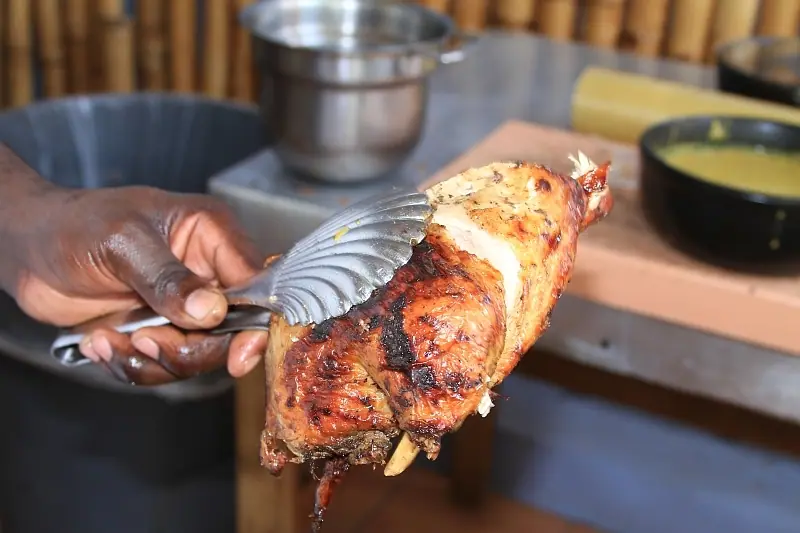
Jamaica's food is an argument for traveling hungry. The island's signature dish—jerk—was born in the hills of Portland Parish around Boston Bay, where pork and chicken are marinated for hours in Scotch bonnet, pimento, thyme and scallion, then smoked low over pimento wood. The roadside pits along the A4 between Port Antonio and Manchioneal still do it best: order a quarter-pound, ask for festival or bammy on the side, and let the smoke settle into your clothes. It's messy, slow and unforgettable.
Beyond jerk, Jamaica eats in layers. Breakfast might be ackee and saltfish with boiled green banana and fried dumplings; lunch could be a beef patty in coco bread from a village bakery. On Sundays, families gather for curry goat, oxtail braised with butter beans, or escovitch fish on the coast. Rum bars serve mannish water—a peppery goat soup—and ice-cold bottles of grapefruit soda. Blue Mountain coffee, grown above 2,000 feet, is worth drinking black.
For a deeper taste, head to Coronation Market in Kingston on a Saturday morning, or the Falmouth market on the north coast. Vendors will hand you naseberry, star apple, guinep, soursop and jackfruit, often for a few dollars. Cooking classes in Negril, Ocho Rios or Port Antonio teach you to build rundown (a coconut-milk stew), toast pimento, and fold a perfect patty. Come with an appetite and small bills.
Kingston's Cultural Core: Bob Marley Museum, Trench Town and Devon House
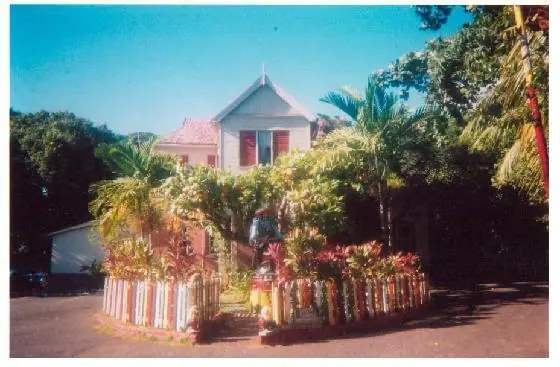
Kingston is the island's cultural engine, and its music history is written into specific streets. The Bob Marley Museum on Hope Road occupies the singer's former home, complete with the bullet holes from a 1976 assassination attempt and a room of gold records. A few miles away, Trench Town Culture Yard marks the government tenement where Marley learned to play and where ska, rocksteady and reggae took shape. Guides here are often musicians themselves.
Pair those visits with the National Gallery of Jamaica, which holds major works by Jamaican artists, and Devon House, a beautifully restored 19th-century mansion with craft shops, gardens and legendary ice cream. On Sunday afternoons, Emancipation Park fills with families, drummers and vendors. For live music, ask your guesthouse about sound-system nights in Papine or a hillside venue overlooking the city—Kingston's bass is best felt, not described.
If your timing is right, Jamaica Carnival in April turns Kingston into a parade of soca, feathers and street food. In July, Reggae Sumfest draws crowds to Montego Bay. Both are excellent reasons to plan a trip around music rather than simply stumble into it.
Beyond the Beach: Dunn's River Falls, Blue Mountain Peak and the Island's Wild Heart
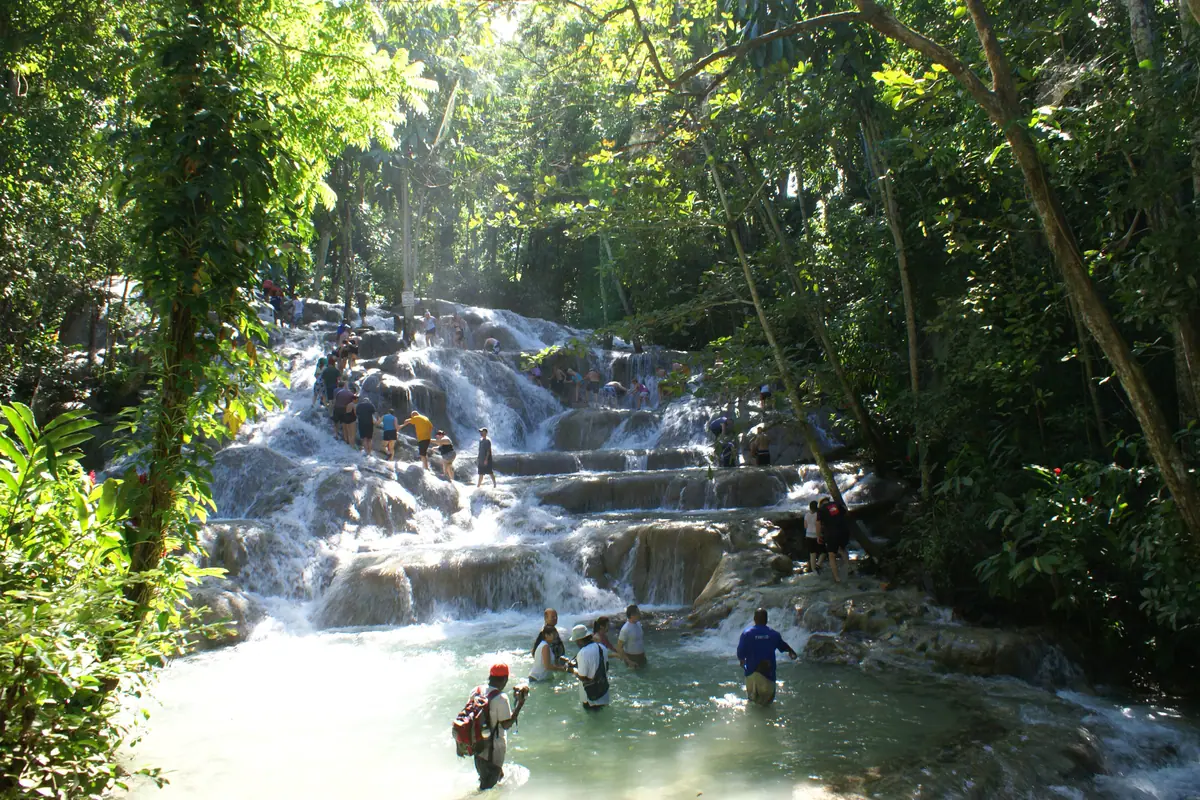
Dunn's River Falls near Ocho Rios is Jamaica's most famous natural attraction—a terraced limestone cascade that you climb hand-in-hand with a guide, usually in 90 minutes or less. Arrive by 8am or after 3pm to dodge the cruise-ship crowds. Less crowded alternatives include YS Falls in St. Elizabeth, where you can swing into a spring-fed pool, and Reach Falls in Portland, a jungle waterfall with natural jacuzzis.
For a different kind of pilgrimage, hike Blue Mountain Peak, Jamaica's highest point at 2,256 metres. Most hikers leave trailheads near Penlyne Castle around 1am to reach the summit for sunrise, walking seven miles each way through coffee farms, tree ferns and cloud forest. On clear mornings you can see Cuba. It's cold at the top—bring layers, a headlamp and a guide, and book the hike between December and April.
Other wild wonders: the Green Grotto Caves near Discovery Bay, the Black River, where boat tours search for crocodiles, and the Luminous Lagoon at Falmouth, where microscopic organisms glow blue when the water is disturbed. In Negril, the West End cliffs draw sunset crowds for cliff diving, while Seven Mile Beach remains one of the Caribbean's great long walks.
Great Houses, Maroon Villages and the Deep History of the Plantation Coast
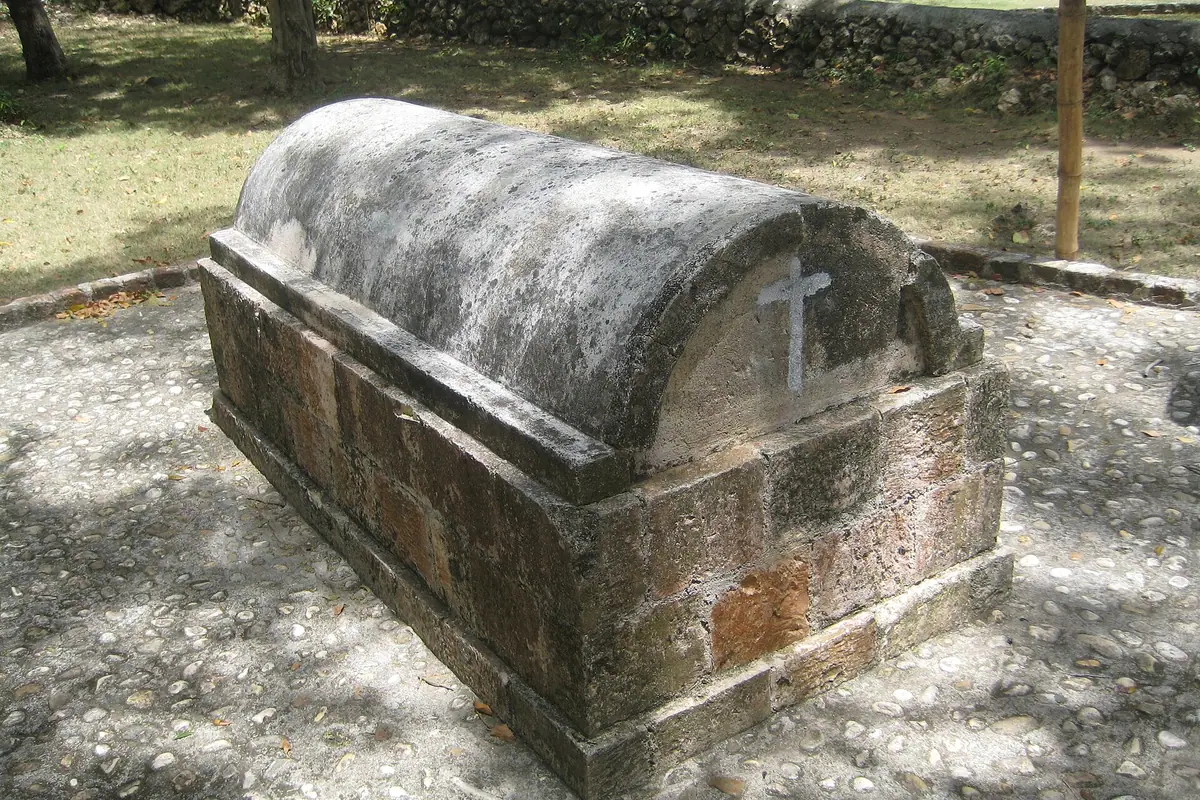
Jamaica's plantation past is preserved in its great houses, and Rose Hall Great House near Montego Bay is the most theatrical of them—an 18th-century mansion wrapped in the legend of Annie Palmer, the so-called White Witch. Guided tours walk you through furnished rooms and slave quarters, telling a story of sugar, cruelty and resistance. Greenwood Great House, nearby, offers a quieter, more literary version of the same history.
For a counter-narrative, visit Port Royal, once branded the 'wickedest city on earth' before an earthquake sent much of it into the sea in 1692. Fort Charles still stands, and the small museum explains the city's pirate era and its later role as a British naval base. Spanish Town, the old capital, adds Georgian architecture and a striking cathedral.
The Maroons—communities of escaped enslaved people who won their freedom through guerrilla warfare—are central to Jamaican identity. Accompong in St. Elizabeth hosts a large annual celebration on January 6, while Moore Town and Charles Town in Portland offer cultural tours by arrangement. These are living villages, not attractions: go with a local guide, ask before photographing, and listen more than you talk.
Market Days, River Rafts and Village Nights: Local Experiences Worth Planning Around
A bamboo raft trip down the Martha Brae River near Falmouth is one of Jamaica's gentlest pleasures. Local raft captains pole you through three miles of greenery for about an hour, pointing out birds and medicinal plants, and often carving a small souvenir from a leaf. The Rio Grande in Portland offers a longer, wilder version, with stops for fruit and rum punch.
Village life rewards curiosity. Join a cooking class to make jerk, patties or rundown; take a drumming or dancehall lesson; or sit at a rum bar and learn the rules of dominoes—loud, fast and full of trash talk. If you're invited to a Nine Night, a traditional wake held on the ninth night after a death, go with respect. It's a night of food, hymns, storytelling and community.
Community tourism is strongest in Treasure Beach, a low-key fishing village in St. Elizabeth with small guesthouses and a literary festival, and along Portland's Long Road, where you can hike into the Blue Mountains with local guides. Christmas brings Jonkonnu parades—masked dancers, drums and ancestral characters. Sunday church, with its soaring harmonies, is open to visitors who dress modestly and arrive on time.
When to Go, What to Pack and How to Travel Respectfully
The best months for food, culture and hiking are mid-December to mid-April, when the dry season keeps trails firm and roads open. May and November are shoulder months with fewer crowds and lower rates. Hurricane season runs June 1 to November 30, with the wettest weeks usually in September and October. Temperatures hover between 24°C and 32°C year-round, but Blue Mountain nights can drop below 10°C.
Pack light cottons, a rain jacket, reef-safe sunscreen, insect repellent and sturdy shoes for waterfall climbs and mountain trails. Bring modest clothing for church and rural visits, and small bills for market vendors and guides. Tipping runs 10–15% in restaurants; a few dollars is standard for tour guides and raft captains. Learn a few Patois phrases—'Wah gwaan?' (What's going on?), 'Mi soon come' (I'll be right back), 'Respect'—and use them.
Travel respectfully: greet people before asking for directions, ask before taking photos, and buy directly from artisans rather than through intermediaries. Use licensed guides for Dunn's River Falls, Blue Mountain Peak and Maroon village visits, and follow local rules about coral, turtle shells and protected areas. Jamaica rewards travelers who slow down, eat what's offered, and let the island set the pace.
Frequently asked questions
What is the best time to visit Jamaica for food and culture tours?
Mid-December to mid-April is the dry season and the best window for hiking Blue Mountain Peak and river rafting. For festivals, come in April for Jamaica Carnival in Kingston or July for Reggae Sumfest in Montego Bay. Hurricane season runs June to November, with September and October typically the wettest.
Where can I try authentic Jamaican jerk?
Boston Bay in Portland Parish is the birthplace of jerk, and the roadside pits along the A4 between Port Antonio and Manchioneal still smoke meat over pimento wood. Jerk centres in Ocho Rios, Montego Bay and Falmouth also do excellent versions. Ask for festival or bammy on the side, and specify how much pepper you can handle.
Do I need a guide to climb Dunn's River Falls or Blue Mountain Peak?
At Dunn's River Falls you join a guided climb, which is included in the entry fee. For Blue Mountain Peak, a local guide is strongly recommended for the pre-dawn hike; guesthouses in Kingston, Irish Town and Mavis Bank can arrange transport and guides. Start around 1am to reach the summit for sunrise.
How do I visit a Maroon community respectfully?
Accompong in St. Elizabeth welcomes visitors, especially for the January 6 celebrations, but it is a living community, not a theme park. Go with a local guide, ask before taking photos, and buy crafts directly. Moore Town and Charles Town in Portland also offer cultural tours by arrangement.
What should I pack for a Jamaica food and culture tour?
Lightweight cottons, a rain jacket, reef-safe sunscreen, insect repellent, sturdy shoes for waterfall and mountain trails, and modest clothing for church or village visits. Bring small bills for market vendors and tips. A reusable water bottle is useful; bottled water is widely available in rural areas.
Sort the rest of your trip
Everything for Jamaica, in one place
Stay in Jamaica
Hotels, guesthouses and apartments — compared in one search.
Search hotels
Transfer in Jamaica
Private driver waiting on arrival — no queues, no surprises.
Book a transfer
Stay online in Jamaica
Travel eSIM — data the moment you land, no roaming bills.
Get an eSIM