Jamaica is not a place you watch from a lounger — it is an island that expects you to climb, swim, hike and eat with your fingers. From the terraced cascades of Dunn's River Falls to the pre-dawn trail up Blue Mountain Peak, the best days here are the ones that leave you salt-crusted and slightly out of breath. This is where to go, what to do, and when the weather and the crowds will treat you best.
Ocho Rios and the North Coast: Waterfalls, Blue Holes and Canopy Rides
Ocho Rios is the adrenaline capital of the north coast, and everything radiates from one landmark: Dunn's River Falls. It is a 180-metre staircase of travertine terraces pouring directly into the sea, and the drill is to climb it — hand in hand with your group, thigh-deep in cool rushing water, guided by local climbers who know exactly which rocks bite and which slide. Water shoes are non-negotiable. So is timing: arrive before 9am and you have the lower pools almost to yourself, with soft morning light and no queue for the entry gate. Budget 90 minutes to two hours for the full climb and a swim at the beach below.
Twenty minutes inland, the Blue Hole (also called Island Gully Falls) is the antidote to the crowds. It is a series of deep limestone pools fed by a jungle river, with rope swings, a five-metre jump most people manage and a ten-metre ledge that most people don't. Local guides will show you the safe lines and hold your bag while you decide how brave you are feeling. Combine it with a stop at the nearby Konoko Falls and gardens for a gentler wander through ferns and aviaries.
If you would rather ride than scramble, Mystic Mountain runs a chairlift up through the rainforest canopy to a bobsled track that drops you back down on rails through the trees, plus a zipline and a pool at the summit with a view over the cruise-ship harbour. Farther east near Runaway Bay, the Green Grotto Caves offer a cooler, quieter contrast: a guided underground walk past stalactites, a jade-coloured subterranean lake and chambers that once hid runaway slaves and, later, served as a film set.
Montego Bay to Negril: Great Houses, Glowing Lagoons and Sunset Cliffs
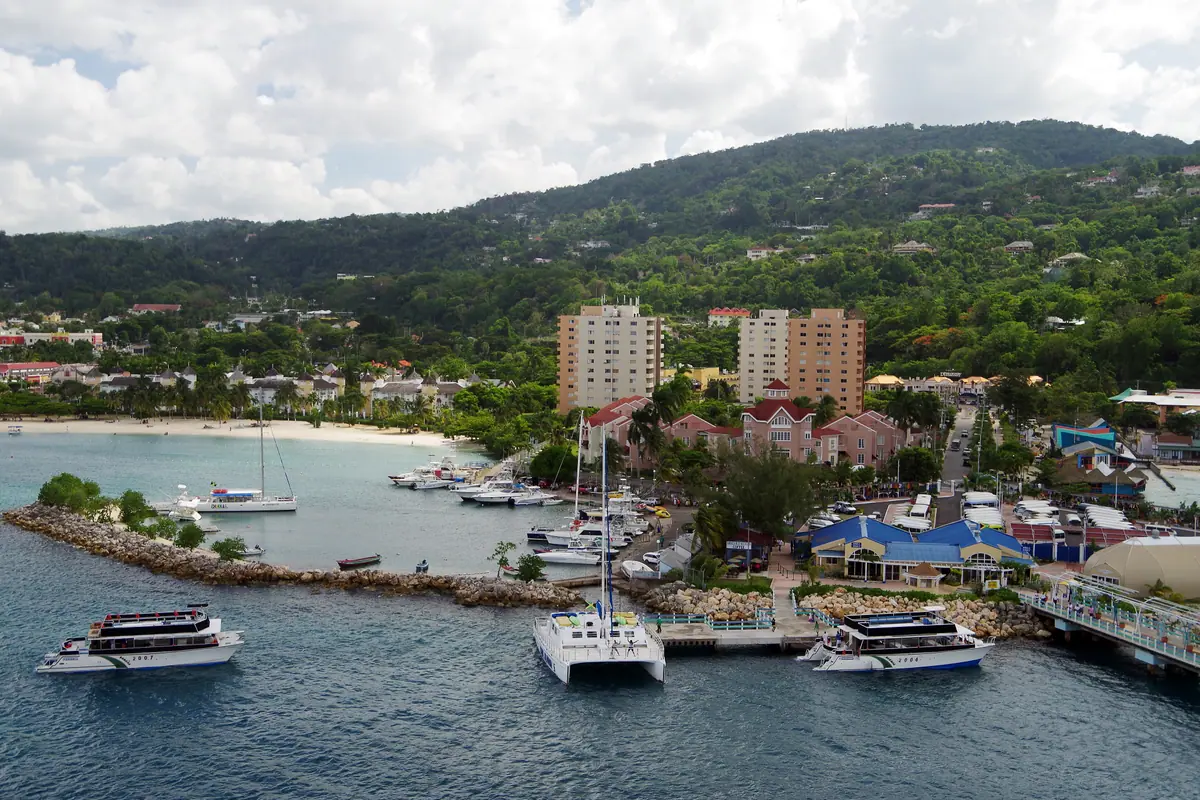
Montego Bay is the island's busiest gateway, but its best asset is watery: Doctor's Cave Beach, a curve of powder sand with water so clear it was once famously declared therapeutic, sitting inside the Montego Bay Marine Park. Snorkel a few strokes offshore and you are over coral and reef fish; the beach has changing rooms, lifeguards and a calm, sheltered swim that suits families. Inland, Rose Hall Great House is the region's essential history stop — a restored Georgian plantation house with mahogany floors, sea views from the upper veranda and the enduring legend of Annie Palmer. Candlelit evening tours add a shiver that daytime visits don't.
Half an hour east in Falmouth, Martha Brae River rafting is the slow-motion counterpoint to every cliff jump on the island. You sit on a thirty-foot bamboo raft poled by a licensed raftsman, gliding three miles through tunnels of bamboo and vine, roughly an hour of near-silence broken only by birdsong and the pole knocking the riverbed. Bring cash for the raft hands and a waterproof bag for your phone. After dark, the Luminous Lagoon nearby glows blue when you move through it — millions of microscopic organisms light up with every stroke of your hand or oar. Go on a moonless night for the strongest effect.
Farther west, Negril splits into two moods. Seven Mile Beach is the long, shallow, bathtub-warm swim with beach bars and sunset sails. The West End cliffs are the wilder half: Rick's Cafe draws the crowds for its sunset cliff divers, but nearby Negril Lighthouse and the smaller cliff bars give you the same view with fewer elbows. Bloody Bay, just north of the beach, is the calmest snorkelling and diving access on this coast, with reef close enough to shore for a short swim.
Kingston and the Blue Mountains: Reggae, Rum and a Pre-Dawn Summit
Kingston rewards the traveller who treats it as a city rather than a transit stop. Start at the Bob Marley Museum on Hope Road, housed in the singer's former home — the bullet holes in the wall, the recording studio and the kitchen are all intact, and guided tours run through the day. Nearby, Devon House is a restored nineteenth-century mansion with lawns, craft shops and a legendary ice cream counter that queues around the courtyard on weekends. Round out a Kingston day with Emancipation Park, the National Gallery and the Royal Botanic Gardens at Hope, where tropicbirds and Jamaican todies flit through the oldest botanical collection in the Western Hemisphere.
Then set an alarm. Blue Mountain Peak is the island's highest point at 2,256 metres, and the classic route is to start walking around 2am from the trailhead above Mavis Bank so you reach the summit for sunrise. It is roughly eleven kilometres each way on a rough jeep road and rocky path, taking six to eight hours round trip — steady rather than technical, but genuinely tiring, and cold at the top. Register with the rangers, hire a local guide if you are unsure of the forks, and bring a fleece, water and a head torch. On a clear morning you can see both the Caribbean and, on the horizon, the outline of Cuba.
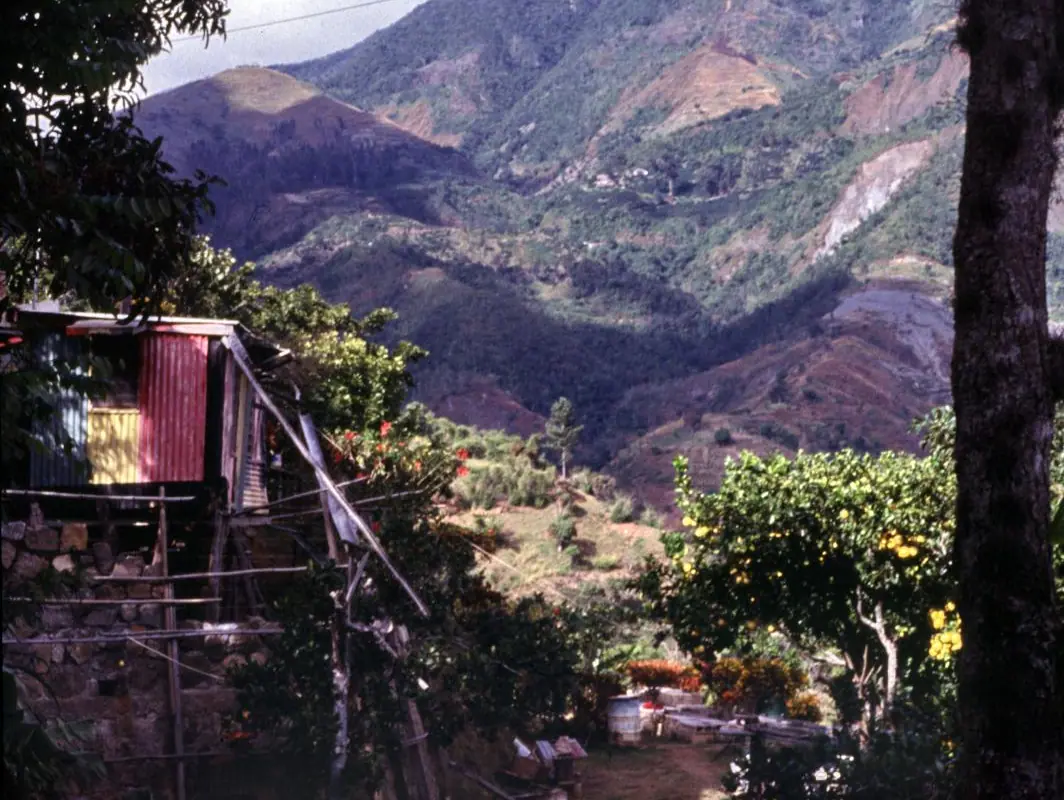
The lower slopes are coffee country, where small farms produce the island's famous Blue Mountain beans on terraces that often welcome visitors for tastings and walks. Combine the hike with a stop at Port Royal, the once-notorious pirate port on the harbour mouth, where Fort Charles still stands and a small museum tells the story of the earthquake that sank half the town beneath the sea.
The South Coast: Black River, YS Falls and a Sandbar Bar
The south coast moves at a different pace — drier in the early months, greener in the rainy season, and noticeably emptier than the north. Black River is the longest navigable river on the island, and the boat safari here is a genuine wildlife trip rather than a scenic float: within minutes you are drifting past mangroves and watching Jamaican crocodiles sunning on the banks, along with herons, egrets and the occasional manatee in the lower reaches. Tours last around ninety minutes and run throughout daylight hours.
Inland, YS Falls is the island's most civilised waterfall. Seven cascades drop through fern-covered limestone, and a tractor-drawn jitney takes you up to the pools, where you can swim, swing on a rope into deep water or ride a canopy zipline straight over the falls. Because it is private, maintained and spread out, it rarely feels crowded even when cruise ships are in port — a fair trade for a slightly higher entry fee than Dunn's River.
Carry on west to Treasure Beach, a string of fishing villages where the pace is set by lobster boats and the road ends at a bar built on a sandbar in the middle of the sea, reachable only by boat. Inland, the Nassau Valley holds a rum estate where you can walk the cane fields, watch molasses bubble through copper stills and taste the aged results. Stop on the way at Bamboo Avenue, a two-mile tunnel of giant bamboo planted in the eighteenth century to shade the road.
Portland and the Far East: Bamboo Rafting, Reefs and the Home of Jerk
Portland parish is where Jamaicans go on holiday, and it feels like a different island: rainforest pressed to the coast, waterfalls you can have to yourself, and a roadside food culture that is the envy of the Caribbean. The signature activity is Rio Grande rafting, a tradition running for over a century — two passengers per long bamboo raft, poled by a standing raftsman from Berrydale down to Rafters' Rest, roughly ninety minutes of drifting through jungle so thick the light turns green. Ask for a stop at one of the riverbank shacks for a cold drink and a swim.
Reach Falls, in the John Crow Mountains near Manchioneal, is a set of terraced cascades and natural jacuzzi pools reached by a short walk through rainforest — quieter and wilder than anything on the north coast. Closer to Port Antonio, Frenchman's Cove is regularly named among the island's most beautiful beaches, a river meeting the sea between two headlands, while the Blue Lagoon glows with an impossible gradient of blue and offers boat trips and snorkelling. Winnifred Beach, run by the local community, is the low-key alternative with the best food shacks.
You cannot leave Portland without eating jerk where it started. Boston Bay, just east of Port Antonio, is lined with roadside jerk pits where pimento wood smoke does the work; go for jerk pork, festival and a cold drink, and expect to eat standing up. Boston Beach next door is also one of the island's few reliable surf breaks, with board rental and surf schools for beginners. If you have a spare morning, boat trips around Navy Island and the Errol Flynn Marina round out the area nicely.
When to Go and How to Build Your Jamaica Days
The driest, coolest and busiest window runs from mid-December to mid-April, when daytime temperatures sit in the high twenties and rain is short-lived. This is prime time for the Blue Mountain hike, the Black River safari and long beach days, so book guided hikes and popular waterfall entries a day or two ahead and start early. May, June and November are the sweet spot for value: fewer people, softer prices, warm water and rain that usually arrives in a fierce afternoon hour rather than all day. Hurricane season officially runs June to November, with the highest risk from August to October — worth watching forecasts if you are travelling then.
Two bases will cover most of what you want. Base yourself in Ocho Rios or Runaway Bay for Dunn's River, the Blue Hole, Mystic Mountain and the Green Grotto Caves, then move west to Negril for the cliffs and Seven Mile Beach. Alternatively, split a trip between Kingston and Port Antonio: the Blue Mountains, Port Royal and the Bob Marley Museum on one end, Rio Grande rafting, Reach Falls and Boston Bay jerk on the other. Driving is on the left, main highways are good but mountain roads are slow and winding, so treat a two-hour estimate as three.
Pack for water, not for a resort: quick-drying clothes, reef-safe sunscreen, water shoes with grip, a dry bag and small US dollar bills for raft hands, guides and jerk shacks. Cash still rules at roadside stalls and river landings. Most activities are best done between 8am and 11am before heat, cruise crowds and afternoon showers build — a simple rule that transforms a Jamaica itinerary from crowded to memorable.
Frequently asked questions
What is the best time of year to visit Jamaica for outdoor activities?
Mid-December to mid-April is the driest, coolest and clearest stretch, ideal for hiking Blue Mountain Peak, river safaris and long beach days — but it is also the busiest. May, June and November offer warm water, fewer crowds and afternoon showers rather than all-day rain. Hurricane season runs June to November, with the highest risk between August and October.
Should I climb Dunn's River Falls or visit YS Falls instead?
They offer different experiences. Dunn's River Falls near Ocho Rios is the iconic guided climb up terraced cascades into the sea — thrilling but busy, so arrive before 9am. YS Falls on the south coast is a more relaxed, private estate with seven cascades, a tractor jitney up to the pools, rope swings and a zipline, and it rarely feels crowded even on port days.
How difficult is the Blue Mountain Peak hike?
It is roughly eleven kilometres each way, taking six to eight hours round trip, starting around 2am to catch sunrise. The trail is rocky and rough rather than technical, but the altitude and cold at the 2,256-metre summit catch people out. Bring layers, a head torch, water and snacks, register with the rangers and consider hiring a local guide.
Do I need a rental car in Jamaica?
Not necessarily — guided tours and private drivers cover most major attractions comfortably. If you do drive, remember traffic keeps left, highways are decent but mountain roads are slow and winding, so add an hour to most estimates. Many travellers split their stay between two bases, such as Ocho Rios and Negril, or Kingston and Port Antonio.
Where can I see the glowing water and the best wildlife in Jamaica?
The Luminous Lagoon near Falmouth glows blue at night when disturbed; go on a moonless night for the strongest effect. For wildlife, the Black River in the south offers crocodile, mangrove and birdlife on ninety-minute boat safaris, and the John Crow Mountains around Reach Falls are excellent for rainforest walks.
Plan it — experiences in Jamaica
Live search, booked directly with trusted providers.
Sort the rest of your trip
Everything for Jamaica, in one place
Stay in Jamaica
Hotels, guesthouses and apartments — compared in one search.
Search hotels
Transfer in Jamaica
Private driver waiting on arrival — no queues, no surprises.
Book a transfer
Stay online in Jamaica
Travel eSIM — data the moment you land, no roaming bills.
Get an eSIM