Jamaica is only about 230 kilometres end to end, but a week here barely scratches it — reef, rainforest, rum bars, and a mountain range that catches cloud before most people have finished breakfast. This seven-day route threads the island's greatest hits together with sensible driving times, domestic flight hops and the seasonal rhythm that decides whether you spend your afternoons swimming or sheltering.
Landing in Jamaica: Airports, Flights and How to Move Between Coasts
Almost everyone arrives at Sangster International in Montego Bay, the island's busiest gateway and the natural starting point for a west-to-east loop. Norman Manley International serves Kingston on the south coast, while a small third airport near Boscobel handles a handful of seasonal services for travellers heading straight to Ocho Rios. Direct flying times are short and painless from North America — roughly three and a half to four hours from Miami or New York — while European departures run around nine to ten hours, usually overnight with a morning touchdown that gifts you a full first day.
The island looks compact on a map and is anything but on the road. Montego Bay to Negril takes about an hour and a half on the coastal highway, Montego Bay to Ocho Rios roughly two hours, and Ocho Rios to Kingston another two and a half to three on the tolled north-south artery. If you would rather not spend a third of your week in a car, note that a domestic hop between Montego Bay and Kingston takes about thirty-five minutes and turns a half-day drive into a coffee break — a genuinely useful trick for a seven-day trip.
Do your inter-city transfers in daylight, keep small bills for roadside jerk stalls, and treat the island's punctuality as relaxed rather than rude. A pre-arranged driver for the long legs and a rental car for the short ones is the combination most first-timers end up preferring.
Days 1–2: Montego Bay, Rose Hall and the Glowing Waters of Falmouth
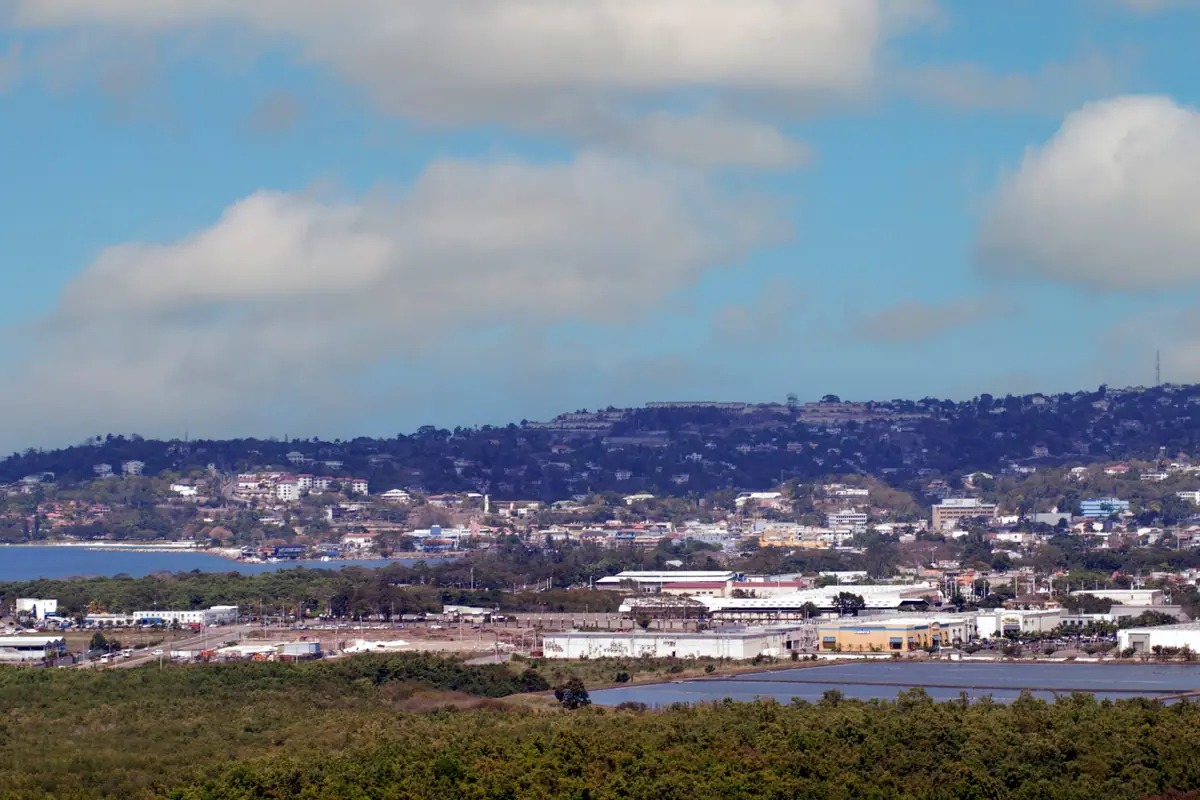
Give Montego Bay a full day before you leave it. Doctor's Cave Beach, in the heart of the old resort strip, has the clearest swimming water in the city and a compact, sheltered bay that stays calm when the north swell picks up elsewhere. Behind it, the 'Hip Strip' is all patty shops, craft markets and rum punch, while the quieter coves past the airport reward anyone willing to walk ten minutes further than the crowds.
On day two, head east along the coast to Rose Hall Great House, a restored plantation mansion with a whitewashed stone face and a legend lurid enough to fill an hour's tour. Continue to Falmouth for a raft trip down the Martha Brae River — a two-person bamboo raft poled by a local guide through tunnels of green, taking roughly an hour and moving at exactly the speed of a holiday. As dusk falls, the Luminous Lagoon near Falmouth does its trick: microscopic organisms in the brackish water flare blue-white when you swim, splash or drag a hand over the side. Night boats go out for about an hour, and it is worth timing your visit to a moonless evening.
Sleep in Montego Bay or push on to Negril so that day three starts with your feet already in the west.
Days 3–4: Negril's Seven Mile Beach and the Sunset at Rick's Café
Negril is two different towns stitched together: a long, pale sweep of sand on one side and a jagged limestone cliff on the other. Seven Mile Beach does exactly what its name promises, with shallow, bathtub-warm water and enough bars along the shoreline that you can wander for hours without ever putting on shoes. Mornings here are glassy and peaceful; by late afternoon the beach volleyball and the sound systems start up in earnest.
The cliffs are the reason most people come back. Rick's Café, perched at the western tip, is the island's most famous sunset perch, and crowds gather from about 5pm to watch local divers leap from ledges into the sea below. If the crush feels too much, the neighbouring cliff bars offer the same sunset with a chair and considerably more elbow room. Book a snorkel or dive trip out toward the reef, where the coral starts within a short swim of shore.
Two nights is the right dose. On your final Negril morning, take the short drive south to the fishing village of Treasure Beach if you have time, or simply stay put — this is the part of the itinerary where doing nothing is the correct itinerary.

Day 5: Ocho Rios, Dunn's River Falls and the Green Grotto Caves
The drive east from Negril back through Montego Bay and on to Ocho Rios takes around four hours including a lunch stop, so leave early. Your reward is Dunn's River Falls, the terraced limestone cascade that is Jamaica's signature postcard. Visitors climb the 180-metre stairway of rock in a linked human chain, guided by local hands that know exactly which footholds hold and which stone is slick. Go first thing in the morning or after 3pm, when the day-trippers thin out and the water feels like your own private river; water shoes are non-negotiable.
Inland, Fern Gully swallows the road in a tunnel of giant ferns and overhanging trees, a cool, dark, seven-kilometre detour worth doing slowly with the windows down. Nearby, the Green Grotto Caves run for more than a kilometre underground, past a subterranean lake and the limestone chambers that once hid runaway slaves and, later, smugglers' cargo. Tours last under an hour and stay a steady, pleasant temperature regardless of the heat outside.
If you have energy left, Mystic Mountain's rainforest chairlift climbs above the canopy for views back over the town and bay. Stay overnight in Ocho Rios or its quieter neighbour along the coast.
Day 6: Kingston, Bob Marley and the Blue Mountains
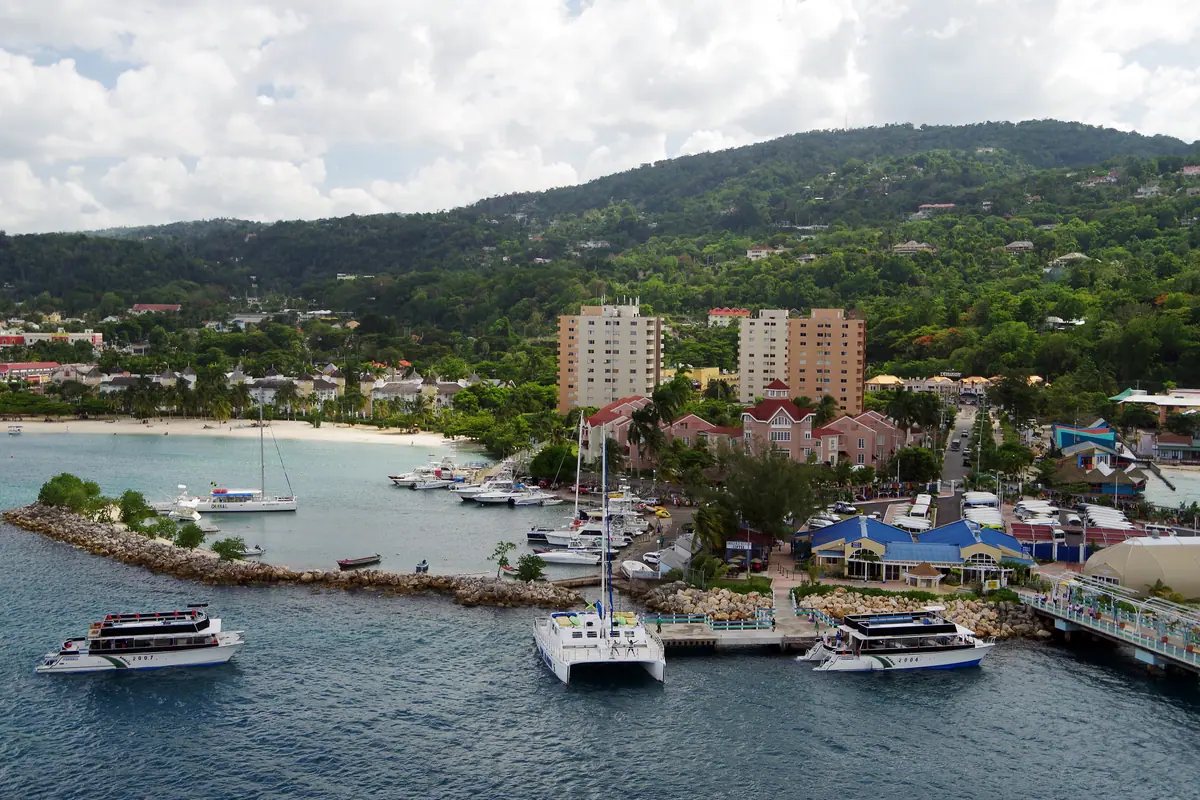
Cross the island to Kingston, either by a short domestic flight from Montego Bay or by road via the north-south highway. The capital is loud, hot and unfairly skipped by beach-focused travellers. Start at the Bob Marley Museum on Hope Road, the singer's former home, where guided tours run through the recording studio, the bullet-scarred wall and a garden of memorabilia — book ahead, as timed slots fill quickly. A short drive away, the Trench Town Culture Yard gives the grittier, more moving version of the same story.
Downtown, the waterfront has been reimagined as a walkable strip of craft markets and seafood grills, while Devon House, a handsome 19th-century merchant's mansion, is the city's favourite spot for ice cream eaten under old trees. Emancipation Park offers a green pause in the middle of New Kingston, and Port Royal, at the end of the harbour causeway, pairs the eerie sunken-city legend with Fort Charles, a 17th-century stone fort where you can still walk the battlements.
If you have a spare half-day and strong legs, the Blue Mountains rise an hour north of the city. Blue Mountain Peak, Jamaica's highest point at 2,256 metres, is usually climbed by jeep to a trailhead and then on foot for the final two hours before dawn — the reward is sunrise over the entire island, with Cuba a rumour on the horizon. Coffee tours on the lower slopes are a gentler alternative and smell extraordinary.
Day 7: Port Antonio's Blue Lagoon or the South Coast's Waterfalls
Use your last day according to your appetite. East of Kingston, Port Antonio is the island's most beautiful and least developed corner: the Blue Lagoon, a startling deep-blue inlet fed by cold springs, and the tiered cascade of Reach Falls, set in rainforest a short drive inland. The Rio Grande offers the island's other great rafting experience, a two-hour drift on a bamboo raft through jungle that feels genuinely remote.
Alternatively, head south-west from Kingston into the parish of St Elizabeth. YS Falls tumbles across seven tiers in a landscaped garden setting, the Black River Safari runs boat trips past crocodiles and mangroves, and the Pelican Bar — a driftwood shack built on a sandbar out at sea — is worth the boat ride for the rum punch alone. Food-wise, no trip is complete without stopping at Boston Bay near Port Antonio, the birthplace of Jamaican jerk, where the pimento-smoked chicken and pork are grilled over open drums by the roadside.
Build in a buffer: aim to be back near your departure airport the night before you fly. Domestic and international connections on the island are reliable but not immune to weather, and a relaxed final morning beats a frantic one.
Frequently asked questions
What is the best time of year for a week in Jamaica?
December through April is the dry season, with lower humidity and the most dependable beach weather, though it is also peak season and the busiest. May, June and November are quieter and cheaper shoulder months with warm sea temperatures. Hurricane season runs from June to November and peaks in September and October, when heavy rain and storm risk are highest.
Which airport should I fly into for this itinerary?
Sangster International in Montego Bay is the best arrival point because it sits at the western end of the loop, letting you work eastward through Negril, Ocho Rios and finally Kingston. Norman Manley in Kingston suits travellers who want to start with the Blue Mountains and the capital. A short domestic flight connects the two, which saves roughly four hours of driving.
Do I need to rent a car in Jamaica?
For the long transfers, a hired driver is usually easier and less stressful than self-driving, especially given left-hand traffic and winding mountain roads. A rental car makes sense for short local hops around Negril or Ocho Rios, where you want the freedom to stop at roadside jerk stalls and viewpoints without a schedule.
How much of Jamaica can I realistically see in seven days?
A comfortable week covers three or four bases: Montego Bay, Negril, Ocho Rios and Kingston, with a day trip into the Blue Mountains or out to Port Antonio. Trying to add the far south coast as well means spending most of your trip in transit. Choose either the north coast beaches or the south coast's waterfalls and fishing villages, not both.
What should I pack and know before I go?
Bring water shoes for Dunn's River Falls and YS Falls, reef-safe sunscreen, insect repellent for evening rainforest and lagoon trips, and a light rain jacket if you are travelling between June and November. Cash in small denominations is useful for markets, raft guides and jerk stands, and it is polite to tip guides for rafting, cave tours and waterfall climbs.
Sort the rest of your trip
Everything for Jamaica, in one place
Stay in Jamaica
Hotels, guesthouses and apartments — compared in one search.
Search hotels
Transfer in Jamaica
Private driver waiting on arrival — no queues, no surprises.
Book a transfer
Travel insurance
Medical cover, delays and lost baggage — sorted before you go.
Get covered