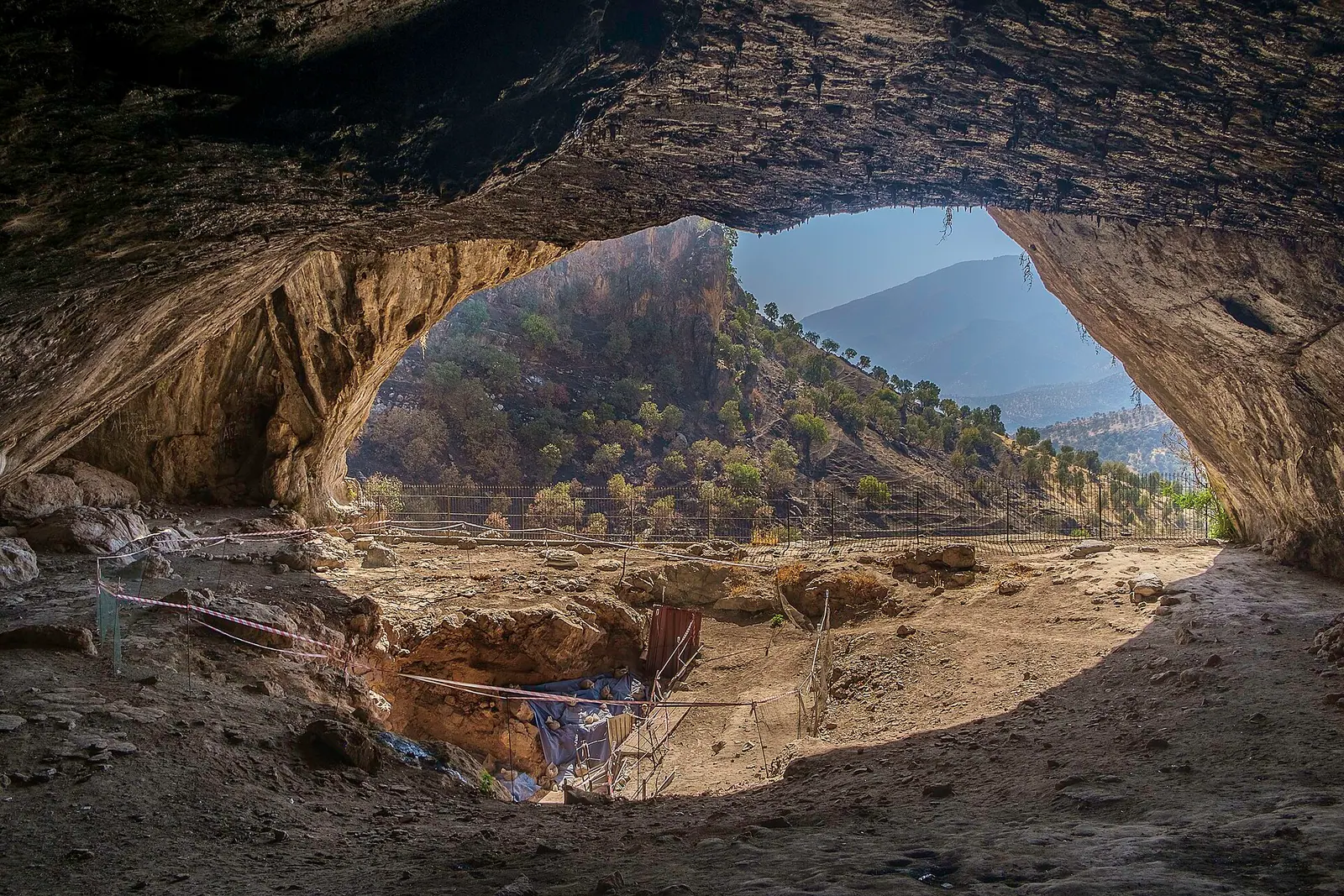
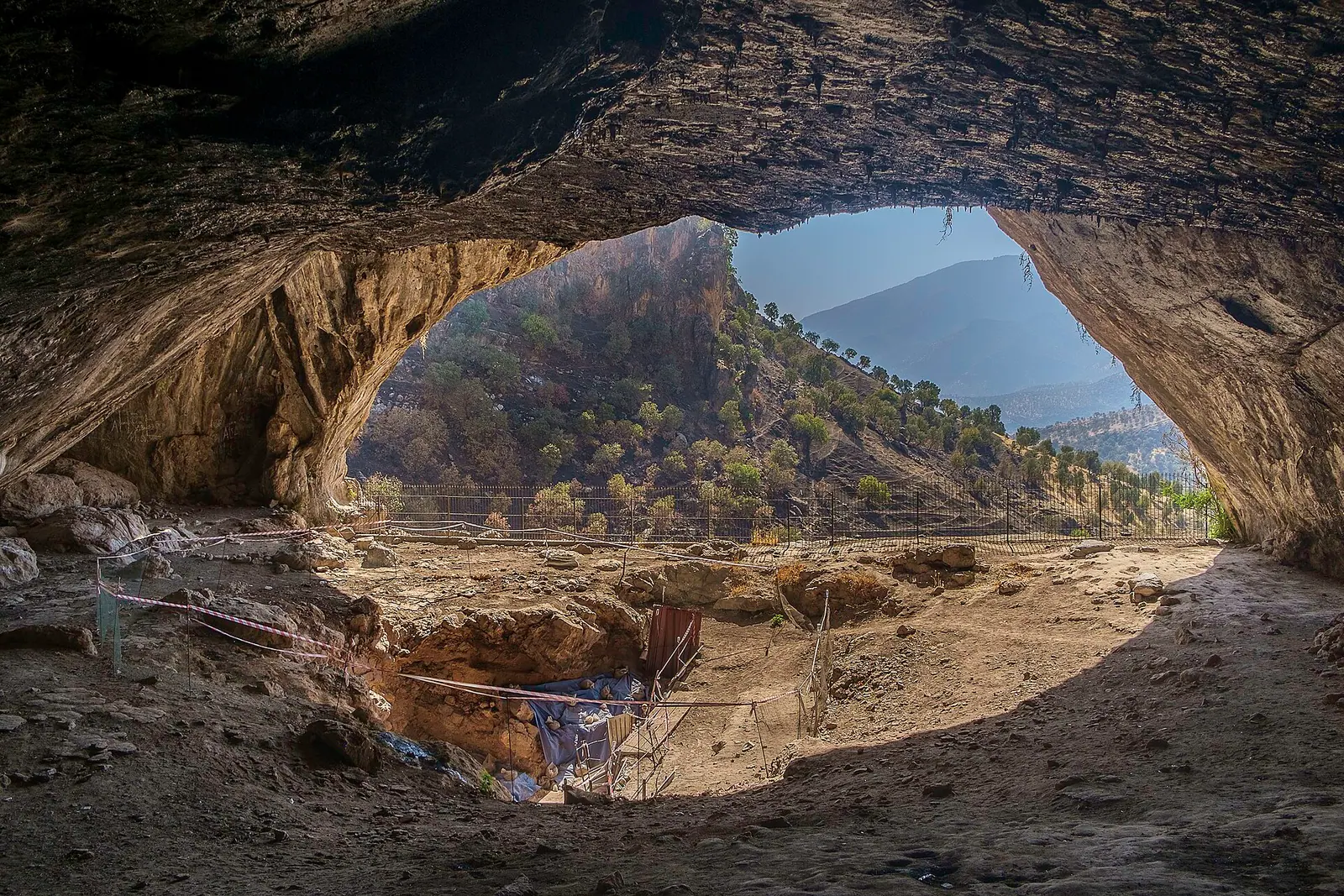
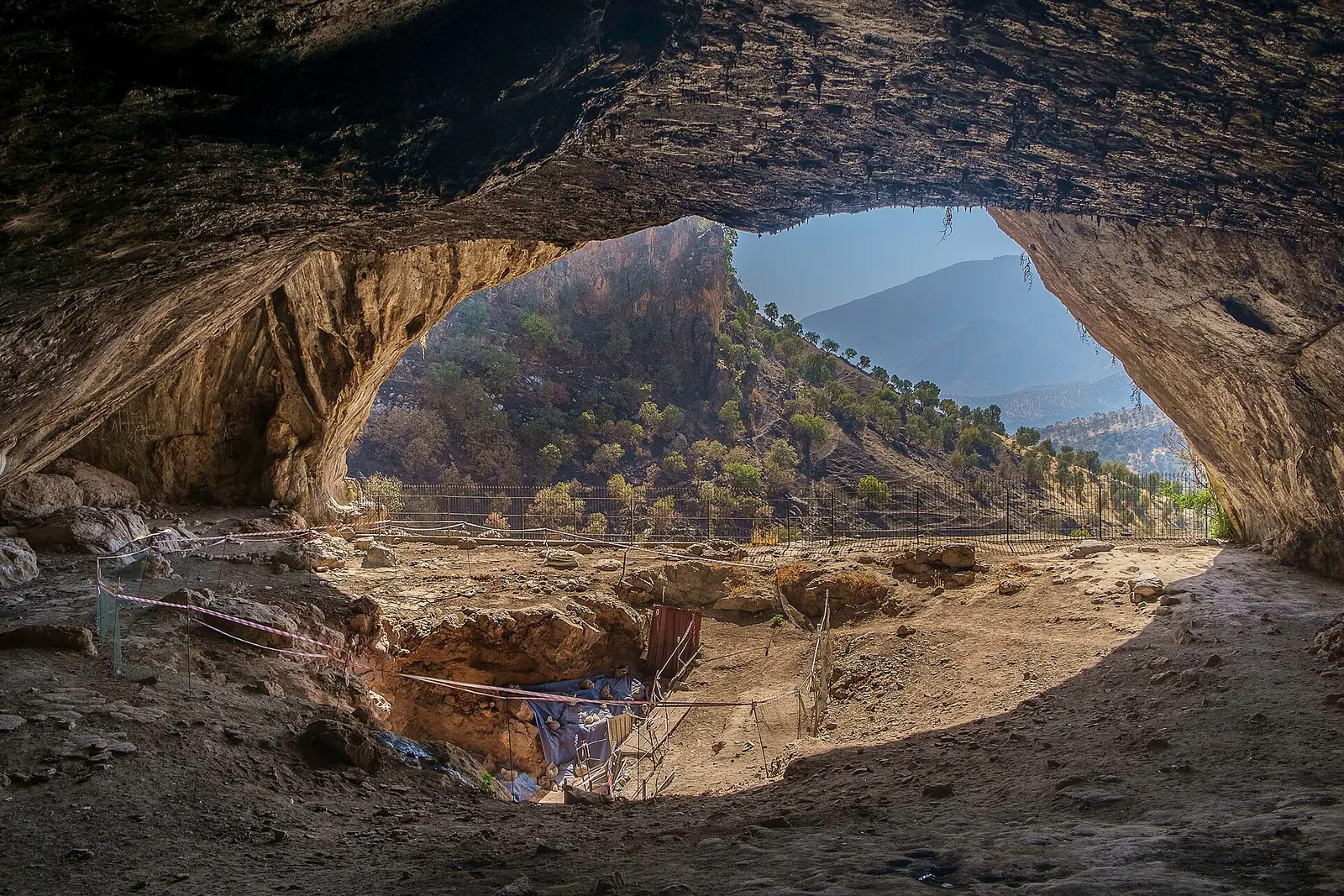
Iraq is one of the most rewarding places a traveller can go right now, and the choice of where to sleep shapes the whole trip — a tower hotel in Erbil, a pilgrim guesthouse a few steps from a golden shrine in Karbala, or a quiet Baghdad property within walking distance of thousand-year-old booksellers' streets. This guide maps the country's main bases and the landmarks that make each one worth the journey.
Choosing Your Base: How Iraq's Hotel Scene Actually Works
Iraq divides, for practical travel purposes, into the Kurdistan Region in the north and federal Iraq everywhere else, and the hotel landscape reflects that split. Erbil, Sulaymaniyah and Duhok have the deepest stock of international-standard hotels, business towers, serviced apartments and family-run guesthouses, all of them straightforward to reserve ahead and easy to reach from the airports. Baghdad, Basra, Najaf and Karbala have a growing but different mix: modern city hotels in the commercial districts, plus enormous numbers of modest pilgrim lodgings clustered around the holy sites.
In Baghdad, most visitors end up in Karrada, Jadriya, Mansour or near the international airport, where renovated mid-range hotels sit close to restaurants and coffee shops. Basra's hotels tend to be corporate, set along the Shatt al-Arab waterfront and the oil-industry districts. Mosul is the newest chapter: small guesthouses and restored family properties have reopened around the old city, and staying in one is one of the most direct ways to put money into local recovery.
Book early if your dates touch Arbaeen, the huge annual pilgrimage to Karbala, or the weeks around Nowruz in March when Kurdish families travel en masse. Outside those peaks, walk-in rates are often negotiable in the shrine cities, while Erbil's upscale towers fill up fast on weekends with domestic visitors from the south.
Baghdad: Hotels in the Shadow of Abbasid History
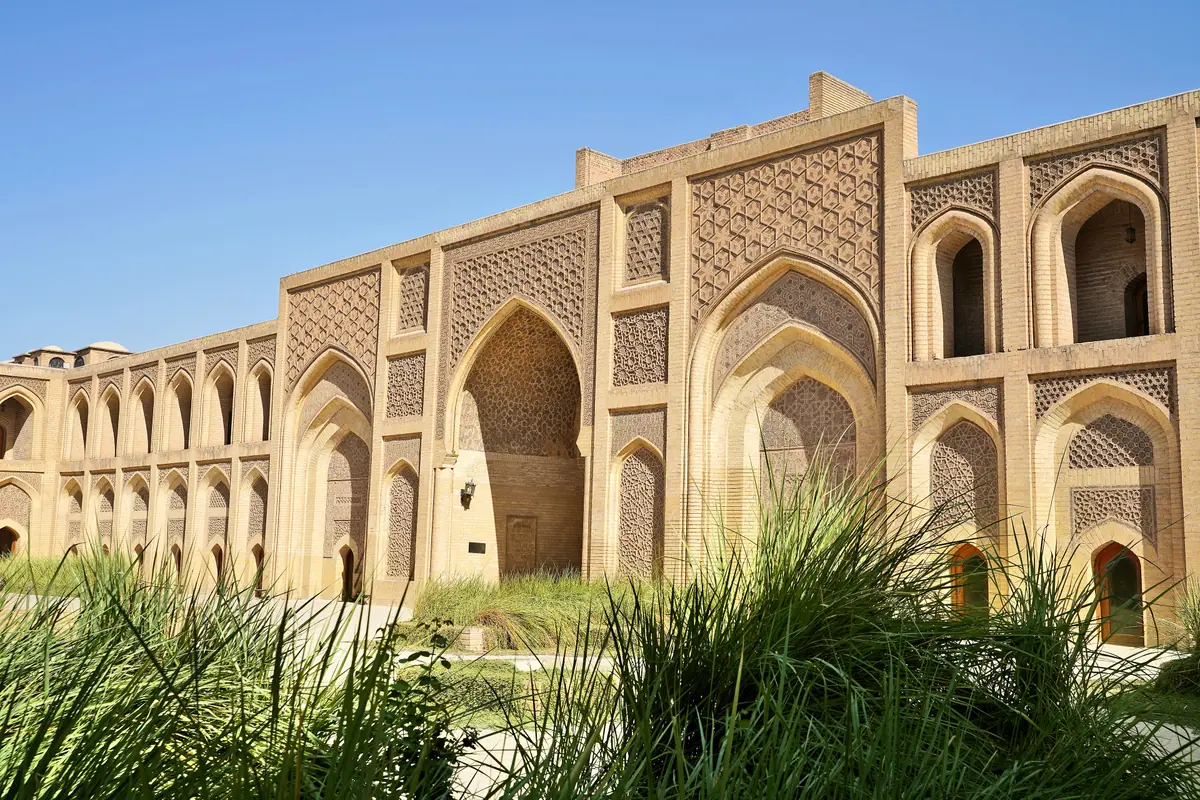
Baghdad rewards anyone who treats the hotel as a base rather than the destination. On the east bank, the 13th-century Al-Mustansiriya School, with its soaring muqarnas gateway and geometric brickwork, stands beside the Abbasid Palace and the riverside Qishla complex — a compact morning's walk through the city's intellectual golden age. Nearby, Mutanabbi Street remains the legendary booksellers' lane, and on Fridays it turns into an open-air market of poetry, prints and second-hand volumes.
Cross the Tigris to the National Museum of Iraq, whose Mesopotamian collections are among the finest on earth, then continue to the Al-Shaheed Monument, the split turquoise dome that commemorates the country's war dead and is one of the most photogenic structures in the Middle East. Tahrir Square anchors the downtown grid, and at dusk the corniche along the river fills with families, tea sellers and grilled fish stalls, a Baghdad ritual worth planning an evening around.
For shrines, stay in Kadhimiya in the north of the city, where the golden-domed Al-Kadhimiya Mosque draws pilgrims day and night, or in Adhamiyah around the Abu Hanifa Mosque. Hotels in these quarters are simple and pilgrim-oriented, and being within walking distance matters far more than room size.
Erbil and the Kurdistan Region: The Gentlest Introduction
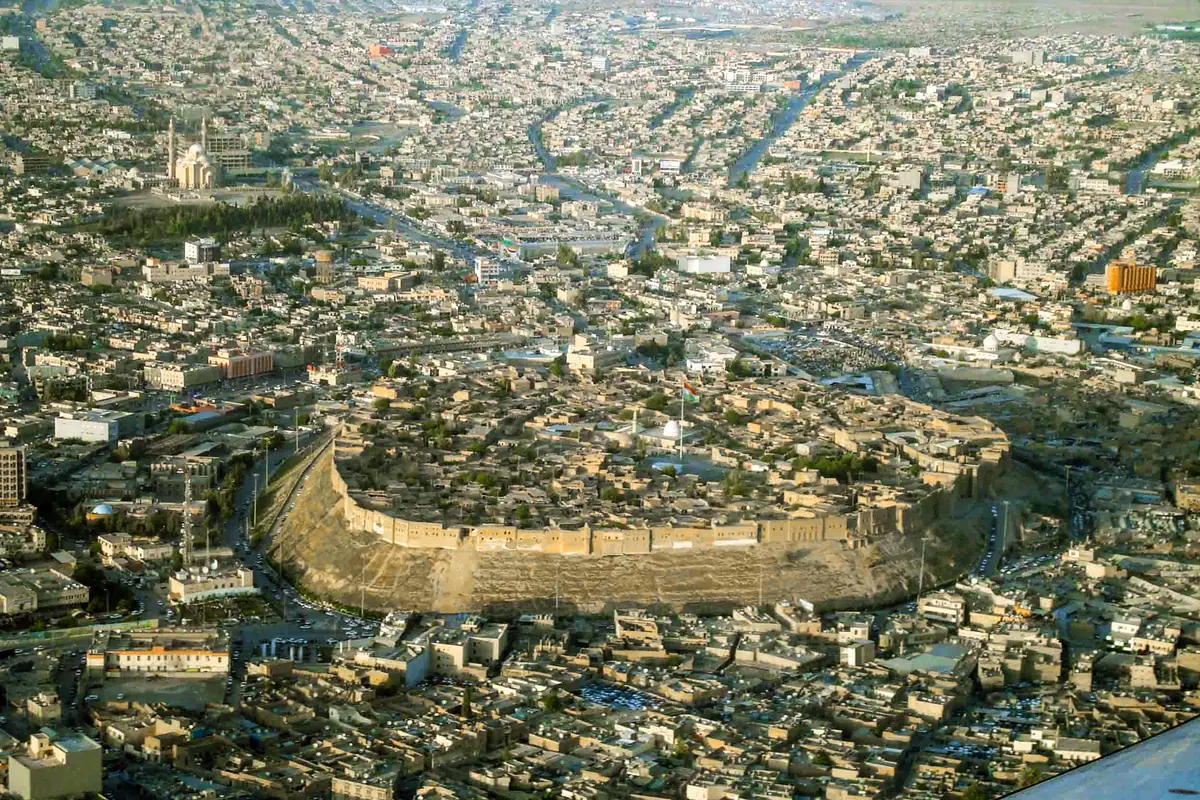
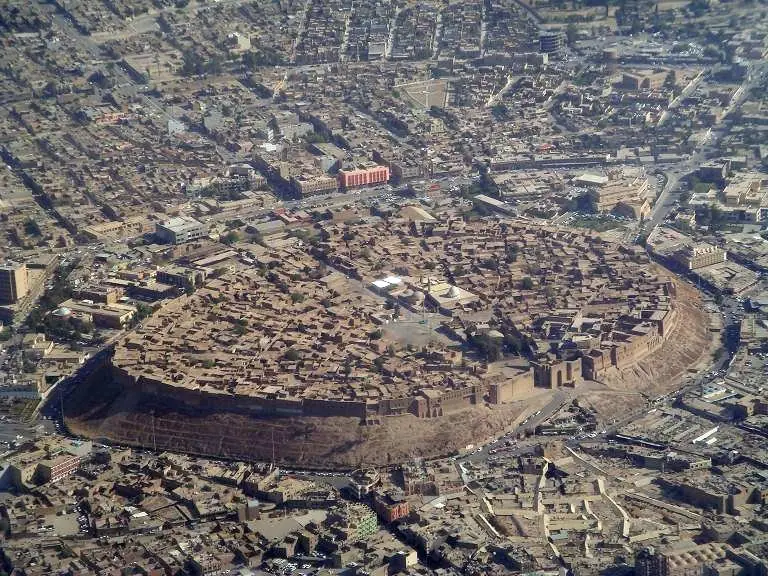
Erbil is where most first-time visitors land, and its centrepiece is the Erbil Citadel, a continuously inhabited mound rising above the city with a history measured in millennia. The citadel's lanes are being restored house by house, and the surrounding Qaysari Bazaar spills out below it with copperware, spices and Kurdish textiles. Hotels ring the citadel at every level, from boutique conversions in the old centre to large towers in Ainkawa, the Christian quarter known for its restaurants and easy-going evenings.
From Erbil, day trips define the region. Drive east to the Rawanduz Gorge and the Gali Ali Beg waterfall, where the road corkscrews through cliffs above a turquoise river, then continue to the Bekhal falls. Southeast of Erbil, the Dukan Lake reservoir offers boat trips and lakeside grills, while Amedi sits dramatically on a flat-topped plateau with views into the mountains in every direction.
Sulaymaniyah is the region's cultural capital, home to the Amna Suraka museum, once a notorious security prison and now a haunting memorial, and to Mount Goizha, whose cable car climbs above the city for sunset panoramas. Duhok is the base for Lalish, the sacred Yazidi temple with its conical spires, and for the green valleys along the Turkish border. Hotels here are inexpensive, and the pace is relaxed.
Najaf and Karbala: Staying Among the Golden Shrines
The two shrine cities of the south are the emotional heart of any trip to Iraq for many visitors, and both are built for pilgrims. Najaf's Imam Ali Mosque, crowned in gold and ringed by tiled arcades, is the spiritual centre of Shia Islam, and the vast Wadi al-Salam cemetery beside it is a city of the dead that stretches further than the eye can follow. Hotels and guesthouses pack the streets around the shrine, from basic rooms to comfortable modern blocks a ten-minute walk away.
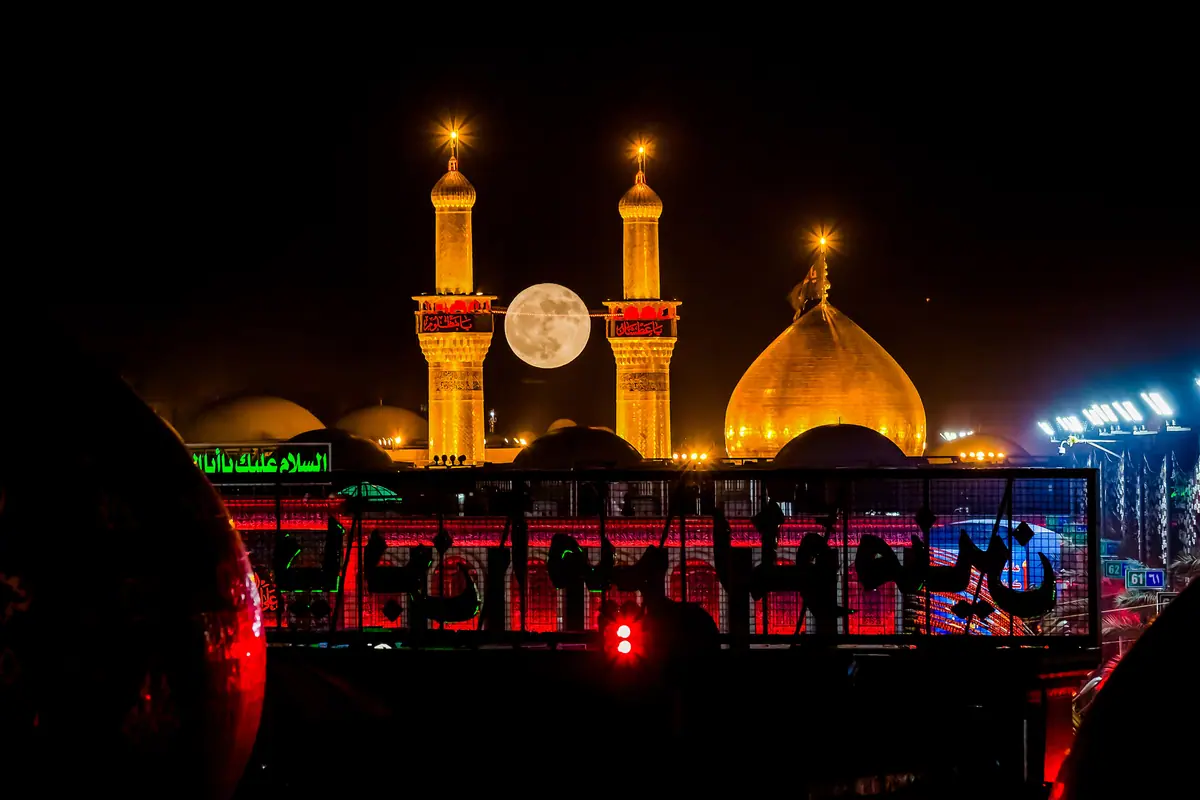
Karbala, roughly 80 kilometres north, holds the Imam Hussein Shrine and the Al-Abbas Mosque, two golden sanctuaries connected by a wide pedestrian avenue that floods with millions of pilgrims during Arbaeen. Outside pilgrimage seasons, the atmosphere is calmer and rates are modest, and it is worth staying overnight rather than day-tripping so you can see the shrines lit after dark.
Continue south to Basra for a different Iraq entirely: the Shatt al-Arab waterway, palm-lined Corniche, and the boat trips out toward the Mesopotamian Marshes around Chibayish, where reed houses, buffalo herds and marshland birdlife survive as they have for thousands of years. Basra's hotels are the most business-oriented in the south, making the city a comfortable final stop.
Mosul, Samarra and Mesopotamia's Ancient Wonders
Northern Iraq holds the country's most storied archaeology. In Mosul, the Al-Nuri Mosque and its leaning Al-Hadba minaret are rising again after destruction, the Al-Tahera Church and the old city's alleyways are being slowly revived, and the Mosul Museum once more displays Assyrian treasures from nearby Nimrud and Nineveh. Guesthouses in the old city put you within walking distance of all of it, and local guides are the difference between seeing ruins and understanding them.
South of Mosul, Samarra's Malwiya Minaret spirals 52 metres above the Great Mosque of Samarra, an Abbasid masterpiece you can see from kilometres away; the city's Al-Askari Shrine is another golden pilgrim destination. Further south still lie Hatra's stone temples, the ruins of Babylon near Hilla, and the vast Ziggurat of Ur, a stepped mud-brick mountain in the desert that is arguably the single most important ancient site in the country.
Near Baghdad, the Taq Kasra at Ctesiphon — a 30-metre brick arch, the largest single-span vault of the ancient world — makes an easy half-day excursion, as does the looped fortress of Ukhaidir. Most of these sites require a car and driver, and it is worth arranging them through your hotel, which is often the most reliable way to secure permits and a knowledgeable local guide.
When to Go, What to Expect and How to Book
October through April is the sweet spot: Baghdad and the southern cities sit in the twenties and low thirties Celsius, the marshes are green, and the Kurdish mountains are walkable. Summer is punishing, with Baghdad regularly exceeding 45°C, so if you travel between June and August, choose Erbil or Sulaymaniyah, where altitude keeps things bearable, and plan sightseeing for early morning and after sunset.
Expect warm, formal hospitality and a fairly conservative dress code away from Erbil's café districts: long trousers and covered shoulders for men, loose clothing and a headscarf for women when entering shrines. Carry cash in Iraqi dinars for smaller hotels and guesthouses, since card payment is patchy outside the big cities, and keep a photocopy of your passport and visa with you. Photography near government buildings, bridges and checkpoints is best avoided.
For booking, Erbil, Baghdad and Basra have plenty of properties listed with the usual online channels, but the shrine cities still work largely by phone, WhatsApp or through a local contact. If you are combining the Kurdistan Region with federal Iraq, a flexible itinerary helps: internal flights link Erbil, Baghdad and Basra, and overnight trains and long shared taxis fill the gaps.
Frequently asked questions
Do I need a visa to visit Iraq?
It depends where you enter. The Kurdistan Region in the north (Erbil, Sulaymaniyah, Duhok) is generally the easiest entry point, with visa-on-arrival available to many nationalities. Federal Iraq, including Baghdad, Basra, Najaf and Karbala, normally requires a visa arranged in advance. Rules and eligibility change often, so confirm current requirements with your nearest Iraqi embassy before booking flights.
Is it safe to stay in hotels in Iraq?
Millions of travellers, pilgrims and business visitors stay in Iraqi hotels every year, and major cities have a visible security presence. Conditions vary by region and can shift quickly, so check current government travel advice for the specific provinces you plan to visit, travel with a local guide or organised driver where recommended, and avoid unnecessary road travel after dark.
What is the difference between the Kurdistan Region and the rest of Iraq for travellers?
The Kurdistan Region functions as a largely self-governing area with its own visa rules, its own airports and the country's largest concentration of international-standard hotels. Federal Iraq covers Baghdad and the south and generally requires a national visa. Many trips combine both, flying into Erbil and out of Baghdad or Basra.
When is the best time to visit Iraq?
October to April offers the most comfortable weather for Baghdad, Babylon, Ur, the marshes and the shrine cities. March and April bring wildflowers and green hills to Kurdistan, though Nowruz crowds are heavy. High summer is best avoided in the south and centre; head for the northern mountains instead, or limit sightseeing to early mornings and evenings.
Where do most first-time visitors stay?
Erbil is the most common first base, thanks to its airport, hotel range and easy access to the citadel, Rawanduz and Lalish. Baghdad follows for its museums and Abbasid monuments, with Karbala and Najaf essential for anyone visiting the shrines. Mosul and Basra suit travellers with more time who want the north or the marshes.
Sort the rest of your trip
Everything for Iraq, in one place
Transfer in Iraq
Private driver waiting on arrival — no queues, no surprises.
Book a transfer
Things to do in Iraq
Skip-the-line tickets, guided tours and standout experiences.
See experiences
Stay online in Iraq
Travel eSIM — data the moment you land, no roaming bills.
Get an eSIM