Iraq is where cities, writing and irrigation were invented — and where a visitor is still handed a glass of tea before anyone asks a single question. A tour here runs from the ziggurat at Ur to Baghdad's book stalls, from shrine courtyards thronged with pilgrims to reed islands in the southern marshes, and from Kurdish mountain towns to masgouf grilled over an open fire beside the Tigris.
Iraq's Living Culture: Tea, Poetry and Open Doors
Hospitality is the first thing most travellers notice. Tea arrives in small tulip glasses, sweet and often spiked with cardamom, followed by coffee poured from a long-spouted pot into tiny cups. Refusing is not really an option, and three glasses is the polite norm. Evenings are spent talking, cracking sunflower seeds and listening to music: the classical maqam al-Iraqi, a sung-poetry tradition carried by oud and santur, still drifts out of café courtyards, and poetry remains ordinary conversation rather than something reserved for classrooms.
The country's cultural fabric is a mosaic. Arabs, Kurds, Turkmen, Assyrian Christians, Yazidis, Mandaeans and Marsh Arabs share the same cities, speaking Arabic, Kurdish, Turkmen and Syriac between them. Your itinerary can be shaped by the calendar: Ashura and the Arbaeen pilgrimage, long Ramadan evenings, Nowruz on 21 March in the north, Christmas in Erbil's Ankawa district, or the Yazidi ceremonies at Lalish. Around the biggest pilgrimages, hotel space vanishes, so book far ahead.
Etiquette is simple and goes a long way. Dress modestly — shoulders and knees covered, looser clothing in the shrine cities — and expect to be handed a chador or scarf at the entrance to major shrines, where you also remove your shoes. Ask before photographing people, especially women, and never photograph checkpoints or anything official. Accept the tea when it is offered; it takes ten seconds and reliably turns a transaction into a conversation. Alcohol is limited outside Christian and Kurdish areas, so drink accordingly.
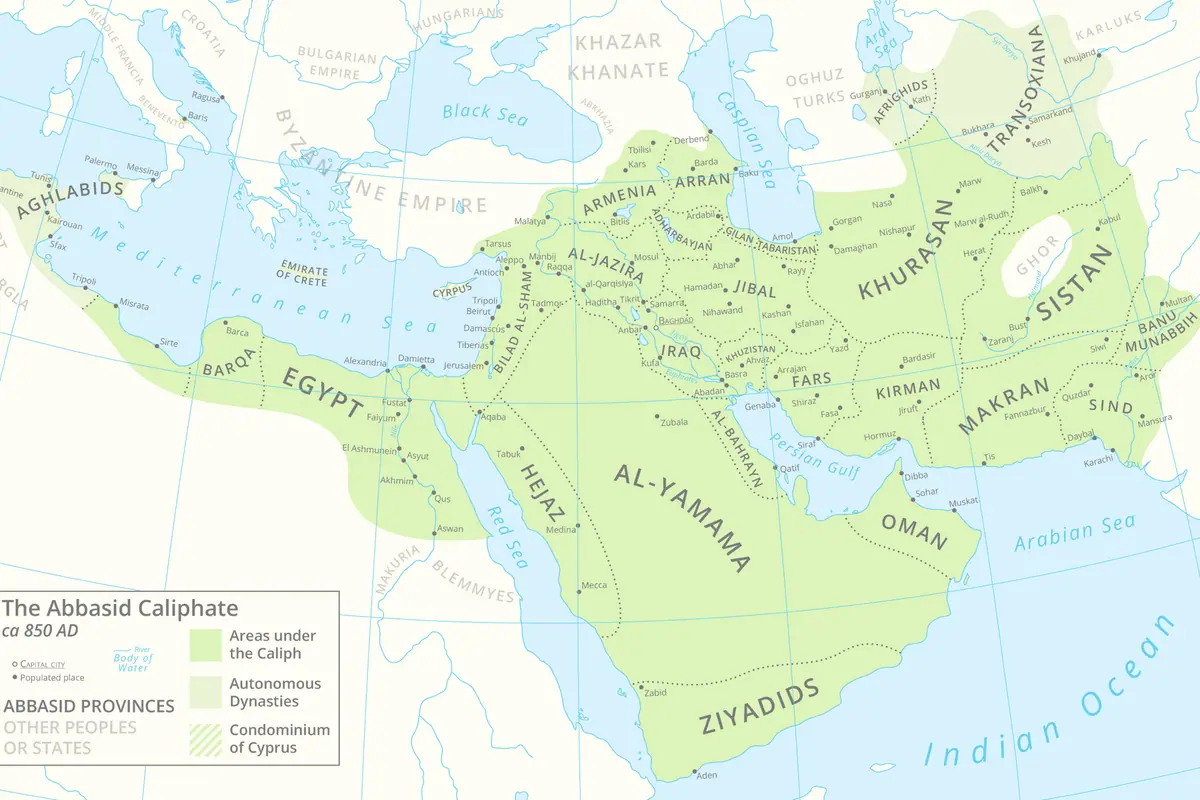
The Must-See Landmarks of Mesopotamia
Babylon remains the headline act, an hour or so south of Baghdad: the Lion of Babylon in dark basalt, the Processional Way, the foundations of Nebuchadnezzar's palace and a reconstructed Ishtar Gate whose original glazed panels are kept far from Iraq. Come early, because there is little shade and the site is sprawling. A guide matters here less for access than for interpretation — explaining which bricks are genuinely ancient, which are twentieth-century restoration, and how the city worked as a capital of law and astronomy.
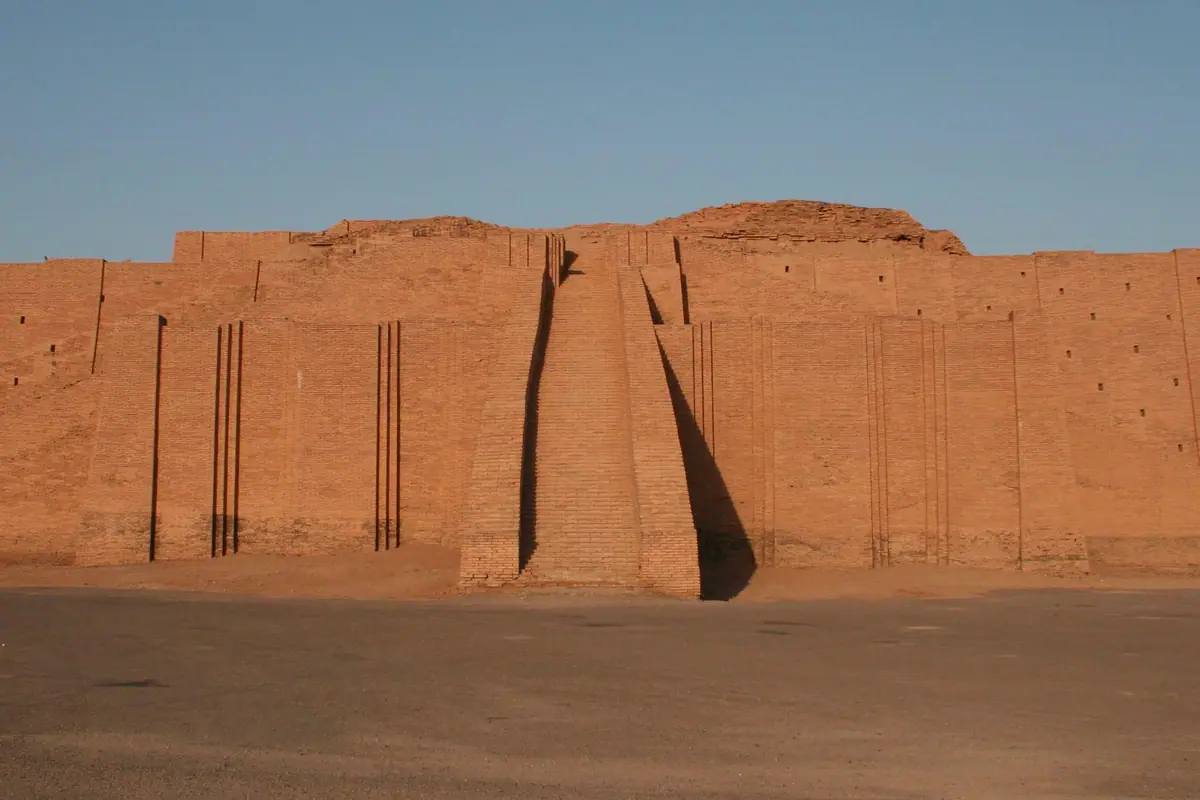
Further south, the Ziggurat of Ur rises out of the desert near Nasiriyah, its stepped terraces and battered brickwork still imposing after four thousand years, with the Royal Cemetery and the so-called House of Abraham a short walk away. Closer to Baghdad, the enormous brick arch of Taq Kasra at Ctesiphon and the ziggurat at Aqar Quf make easy half-day trips. Spring suits all three: mild daytime temperatures and soft desert light.
North of the capital, Samarra's Great Mosque is famous for the Malwiya, a spiral minaret you climb by walking around its outside, with the ruins of the Abbasid city spread below. Beyond that, Hatra's desert temples and the Assyrian sites of Nimrud and Nineveh lie near Mosul, where the leaning minaret of the Al-Nuri Mosque has returned to the skyline. Access to several of these places shifts with the security situation and often needs permits and an escort, so build flexibility into your plans rather than a rigid schedule.
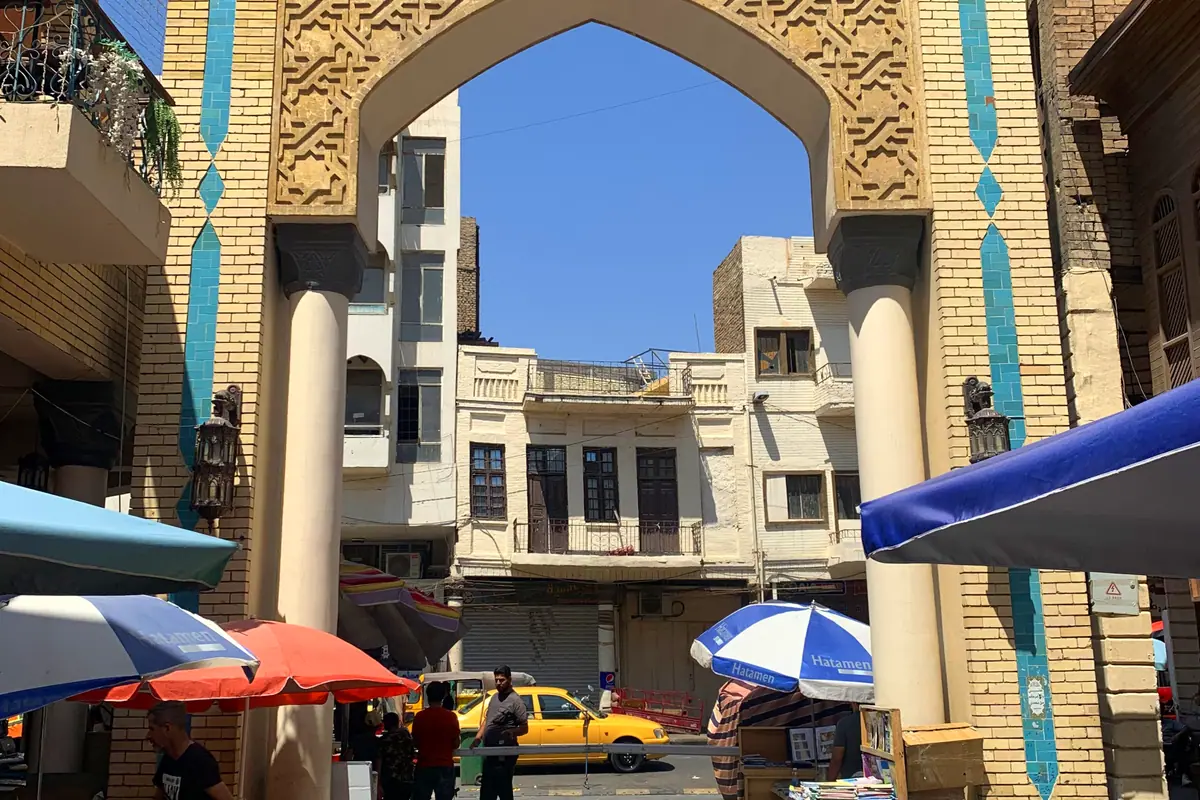
Baghdad: Al-Mutanabbi Street, the National Museum and Masgouf on the Tigris
Baghdad rewards slow mornings. Al-Mutanabbi Street, the historic booksellers' row, fills on Friday with stalls selling everything from poetry to engineering textbooks, and the Shabandar Café at its end has been pouring tea for generations. Nearby, Tahrir Square is dominated by the Freedom Monument, while the Al-Mustansiriya Madrasa and the Abbasid Palace offer fourteenth-century brickwork and quiet courtyards. The National Museum of Iraq is the essential stop, with Assyrian reliefs, cylinder seals and tomb treasures.
Across the river, the Kadhimiya district clusters around a golden-domed shrine, fed by a bazaar of sweets, prayer beads and fabric shops. The shrine of Sheikh Abdul Qadir al-Gilani is another anchor of the old city. As the light drops, head for the Abu Nuwas corniche, where families spread rugs on the grass, vendors sell corn and tea, and masgouf is butterflied and staked beside open fires. River boats push out into the current and the whole city seems to exhale.
Timing your days makes the difference. Museums and shrines are calmest mid-morning; Al-Mutanabbi Street is at its best early on Friday; the corniche and grill houses come alive after sunset. October, November, March and April bring the most comfortable weather, while July and August push past 45°C — which means splitting the day into a dawn outing and a long, shaded afternoon.
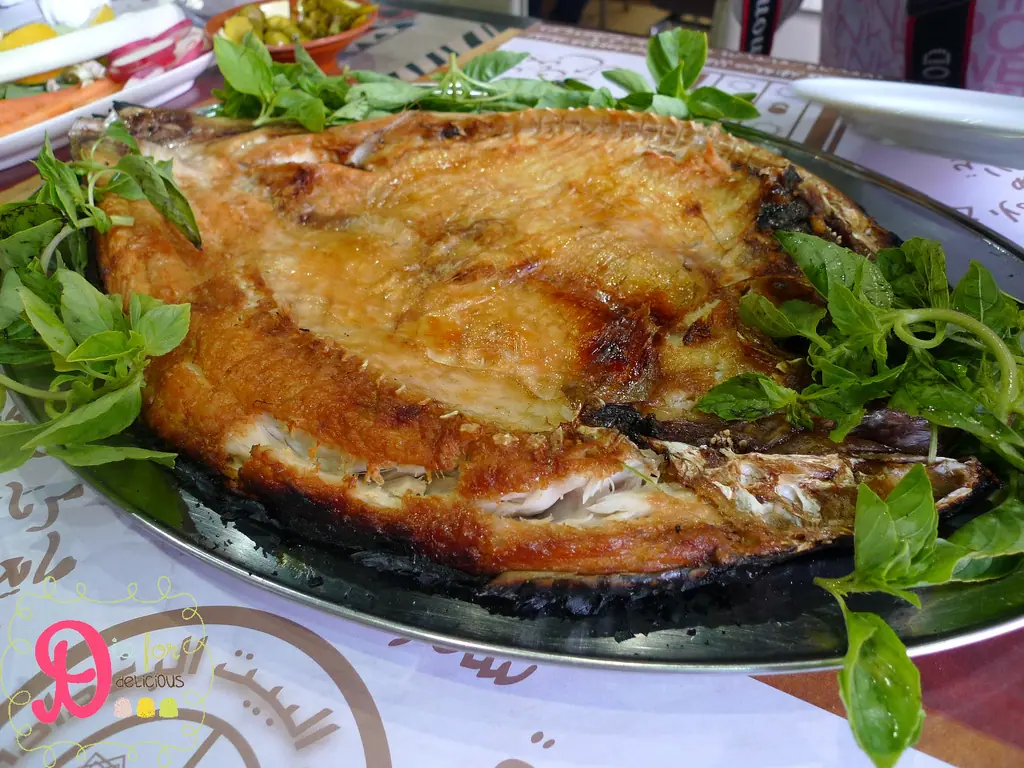
The Iraqi Table: Masgouf, Quzi, Kubba Mosul and Geymar
Masgouf is the signature dish and worth planning a day around: a whole carp, split and opened flat, seasoned with tamarind, salt and turmeric, then staked upright around a wood fire and cooked slowly until the skin blisters. It arrives with samoon bread, pickled vegetables, chopped tomato and onion salad, lemon and sumac. You eat it with your hands, tearing bread and fish together, and the best versions come from riverside restaurants where the grills face the water.
Beyond the fish, the repertoire is rich. Quzi — lamb slow-cooked over rice with almonds and raisins — anchors celebration meals. Kubba Mosul brings a flat, crisp bulgur shell around spiced minced meat, while dolma, tepsi baytinijan (aubergine baked with lamb and tomato), biryani and grilled kebabs fill out ordinary lunches. Look for pacha at breakfast, amba, a sharp mango pickle spooned over sandwiches, and shani, a beetroot-and-yoghurt drink sold around the shrine cities.
Breakfast deserves its own paragraph: kahi, flaky pastry soaked in syrup, with thick geymar clotted cream and honey, eaten with tea in Baghdad's older cafés. Sweet shops sell kleicha, date-filled cookies made in vast quantities for Eid, plus zalabia and halqoum. Vegetarians eat very well — meat-free dolma, fasolia and bagilla bean stews, rice dishes, falafel and grilled vegetables are everywhere. Basra's date plantations supply the fruit that ends most meals.
Najaf, Karbala, Basra and the Mesopotamian Marshes
Southern Iraq is where the country's spiritual life concentrates. In Najaf, the shrine of Imam Ali draws pilgrims from across the world into a courtyard of gold and mirror work that is busiest after dusk. The surrounding bazaar is worth hours, particularly for religious books and calligraphy, and the vast Wadi al-Salam cemetery beside it is among the largest burial grounds anywhere. Expect thorough security checks, a modest dress code and a genuine welcome from families who will insist you share their tea.
Karbala, an hour or so north, holds the shrines of Imam Hussein and his brother Al-Abbas, linked by a wide pedestrian way that never really empties. During Arbaeen, forty days after Ashura, millions walk the road from Najaf to Karbala over several days while roadside tents hand out food and water to anyone passing — one of the world's great acts of mass hospitality. If you want to witness it, book rooms months ahead or accept staying in a nearby town.
South again, Basra sits on the Shatt al-Arab, a humid city of corniches, old mosques and date palms. The real highlight is the Mesopotamian Marshes around Chibayish, where Marsh Arab communities live on reed islands reached by narrow mashoof canoes. You can sleep in a mudhif, the arched reed guesthouse, eat freshly churned buffalo geymar, watch water buffalo wade past and listen for the birdlife. October to March is the season; in high summer the water shrinks and the heat is punishing.
Kurdistan's North: Erbil Citadel, Lalish and Mountain Roads
Erbil is the easiest introduction to the north and a comfortable base. The Citadel, a continuously inhabited mound at the city's heart, has been restored into a small quarter of houses, museums and viewpoints, with the Qaysari bazaar spilling down beneath its walls — copper workers, spice sellers, fabric stalls and tea shops in the same alleys. The city has an unhurried café culture and, usefully for travellers, its own airport and simpler entry formalities than federal Iraq.
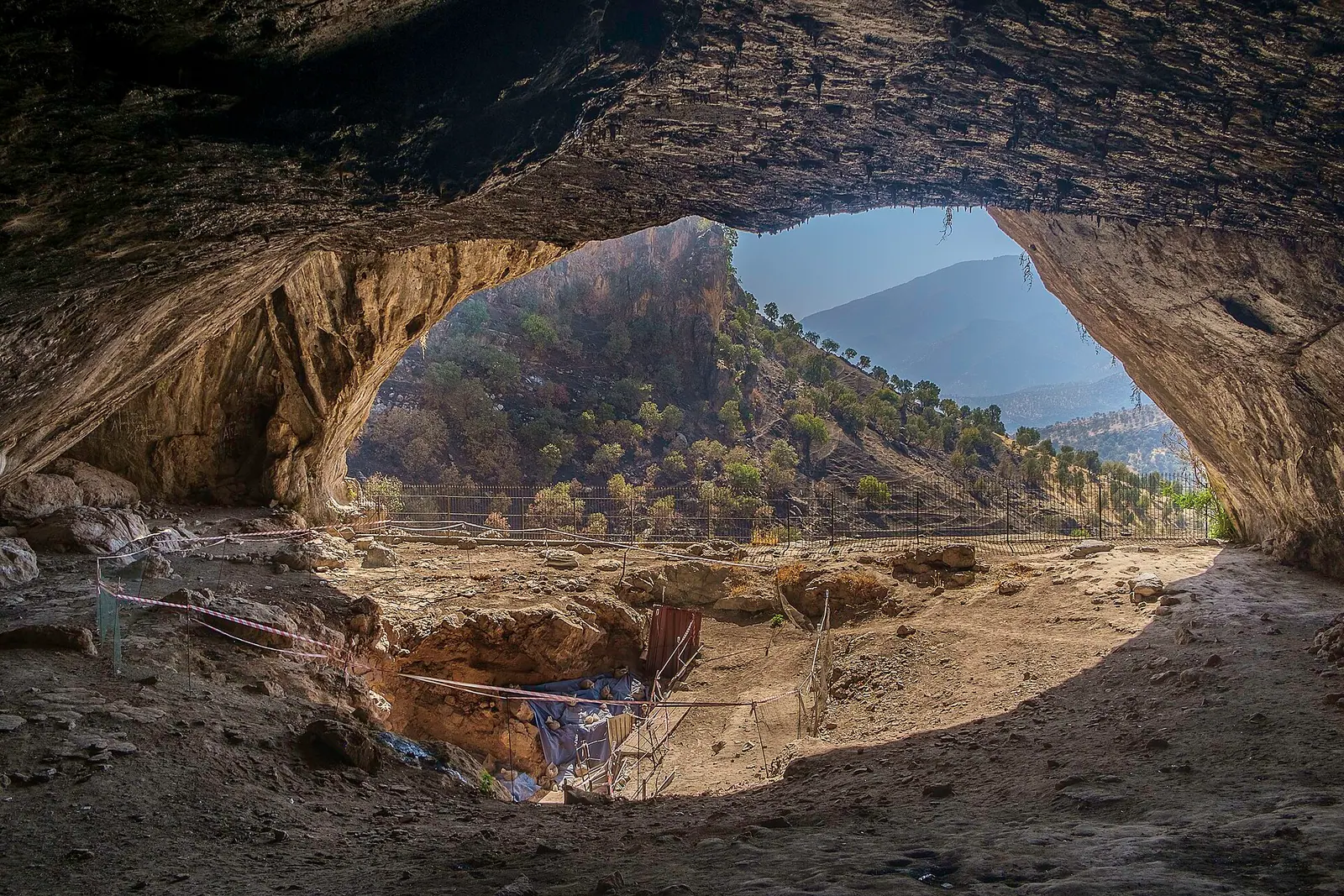
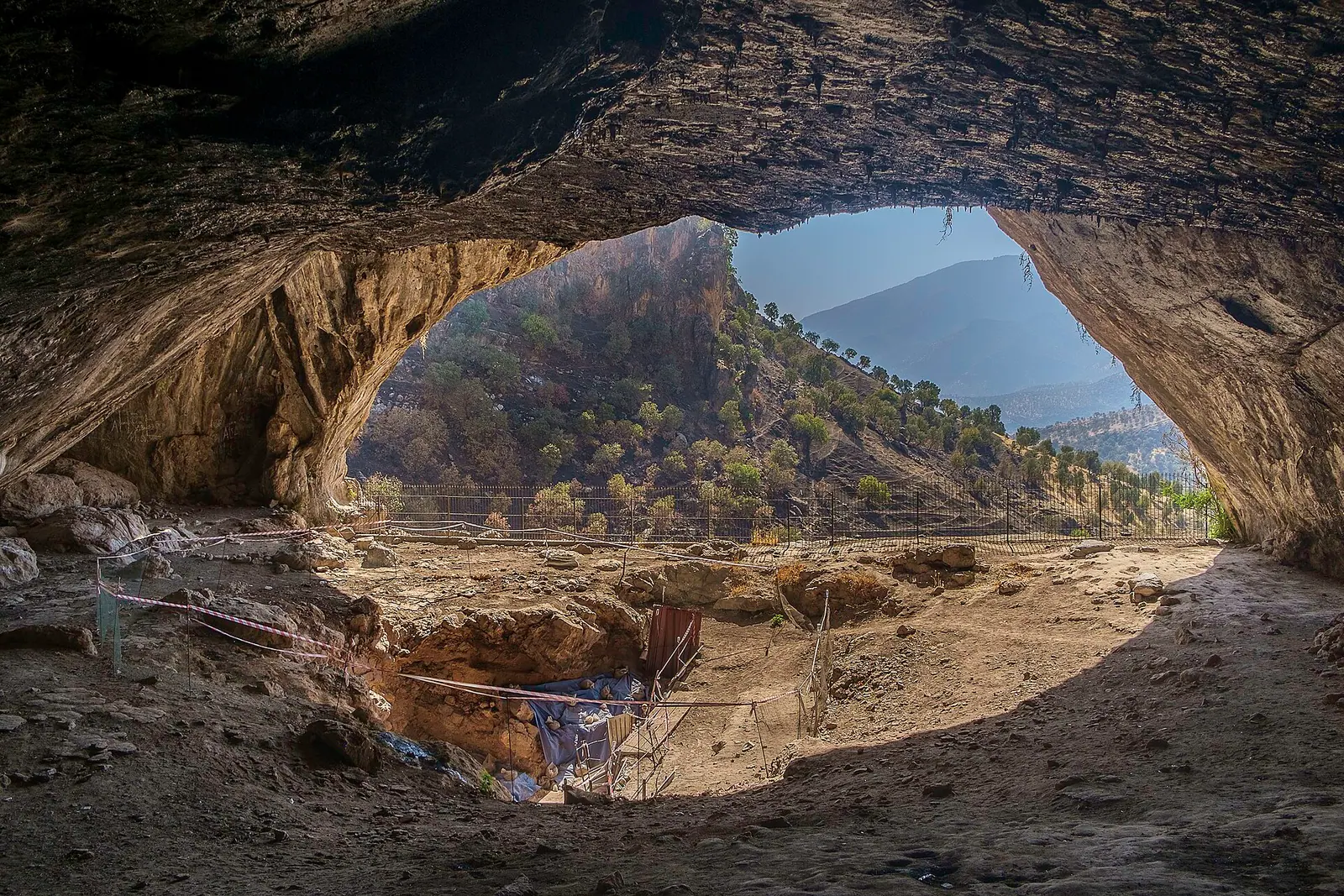
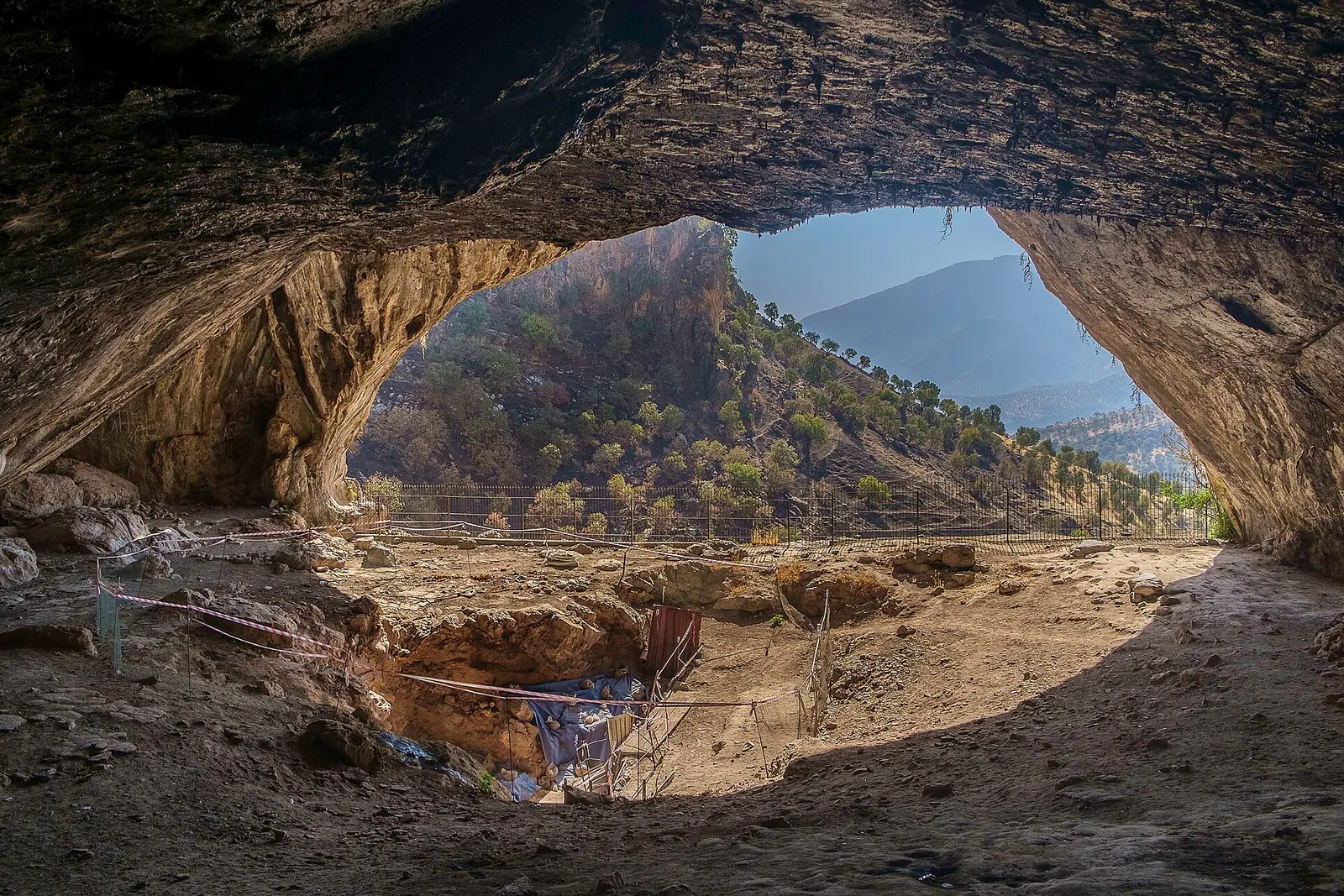
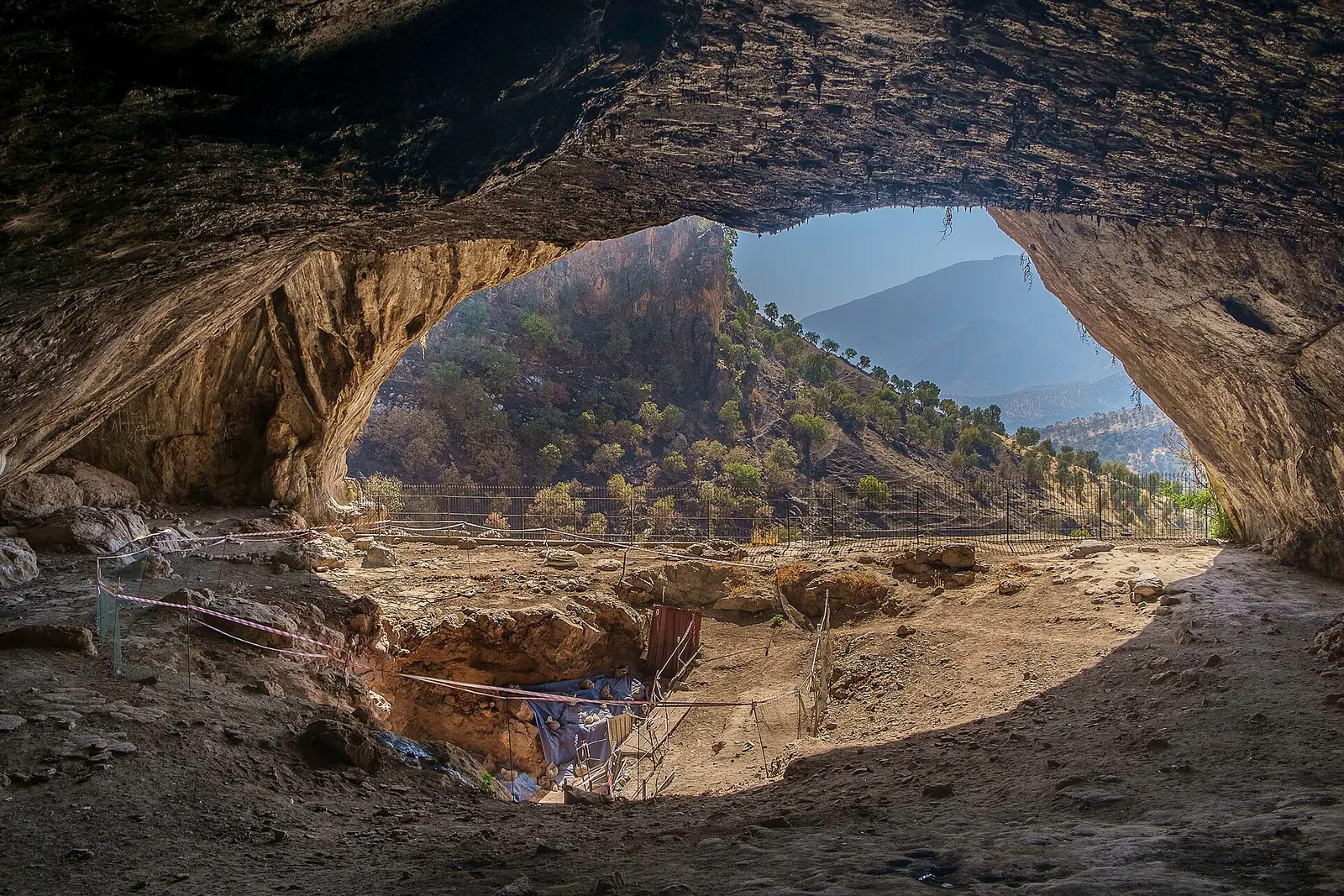
From Erbil, day trips reach Lalish, the Yazidi holy valley, where visitors cover their heads and remove their shoes before walking between conical shrines wrapped in white cloth. Further out, Amediye sits dramatically on a plateau, the Rawanduz gorge and Gali Ali Beg waterfall line the road toward the Iranian border, and Lake Dukan offers picnics and swimming. Sulaymaniyah has strong museums and coffee, while Mosul, roughly ninety minutes away, is worth a guided visit to see the old city rebuilding around the Al-Nuri Mosque.
Spring and autumn are the north's best windows: April to June and September to November bring mild days and green hills, with Nowruz on 21 March celebrated by bonfires on the slopes and picnics everywhere. Winter means snow and cold in the mountains; summer is hot but bearable at altitude. Hire a driver for mountain roads, keep your passport handy at checkpoints, and accept that itineraries in Iraq are living documents — a closed road or a permit that does not come through is normal, not a crisis.
Frequently asked questions
When is the best time to visit Iraq?
October to April is the comfortable window across most of the country, with mild days and cool evenings. In the Kurdistan Region, April to June and September to November are ideal, and March brings Nowruz celebrations and wildflowers. Avoid July and August if you can — temperatures pass 45°C in Baghdad and Basra, and the marshes shrink in the heat.
Do you need a guide and permits to travel around Iraq?
In practice, yes. Most visits run as a fixed itinerary with a licensed local guide, and certain archaeological sites and regions require permits and an escort arranged in advance. Checkpoints are part of daily travel, so keep documents handy and allow extra time. Entry rules vary by nationality and by entry point, and flying into Erbil in the Kurdistan Region usually involves simpler formalities than arriving in Baghdad.
How many days do you need for a tour of Iraq?
Eight to twelve days covers the classic route: Baghdad, Babylon, Samarra, Karbala and Najaf, plus the marshes around Chibayish. Add four or five days for the north — Erbil, Lalish, Amediye, Rawanduz and Mosul. Three weeks lets you slow down, include Ur and Ctesiphon properly, and spend a night in a marsh guesthouse.
What should I wear and how should I behave?
Choose loose, modest clothing that covers shoulders and knees, and bring a scarf. At major shrines women are usually given a chador to wear, and everyone removes shoes at the entrance. Ask before photographing people, avoid photographing anything official, eat and pass items with the right hand, and accept tea when it is offered. During Ramadan, avoid eating and drinking in public during daylight hours.
What food should I try, and is it easy to eat vegetarian?
Start with masgouf, the fire-grilled carp eaten beside the Tigris, then work through quzi, kubba Mosul, dolma, tepsi baytinijan and kebab, with kahi and geymar for breakfast and kleicha for sweets. Vegetarians are well served by bean stews such as fasolia and bagilla, meat-free dolma, rice dishes, falafel and grilled vegetables. Alcohol is limited outside Christian and Kurdish areas.