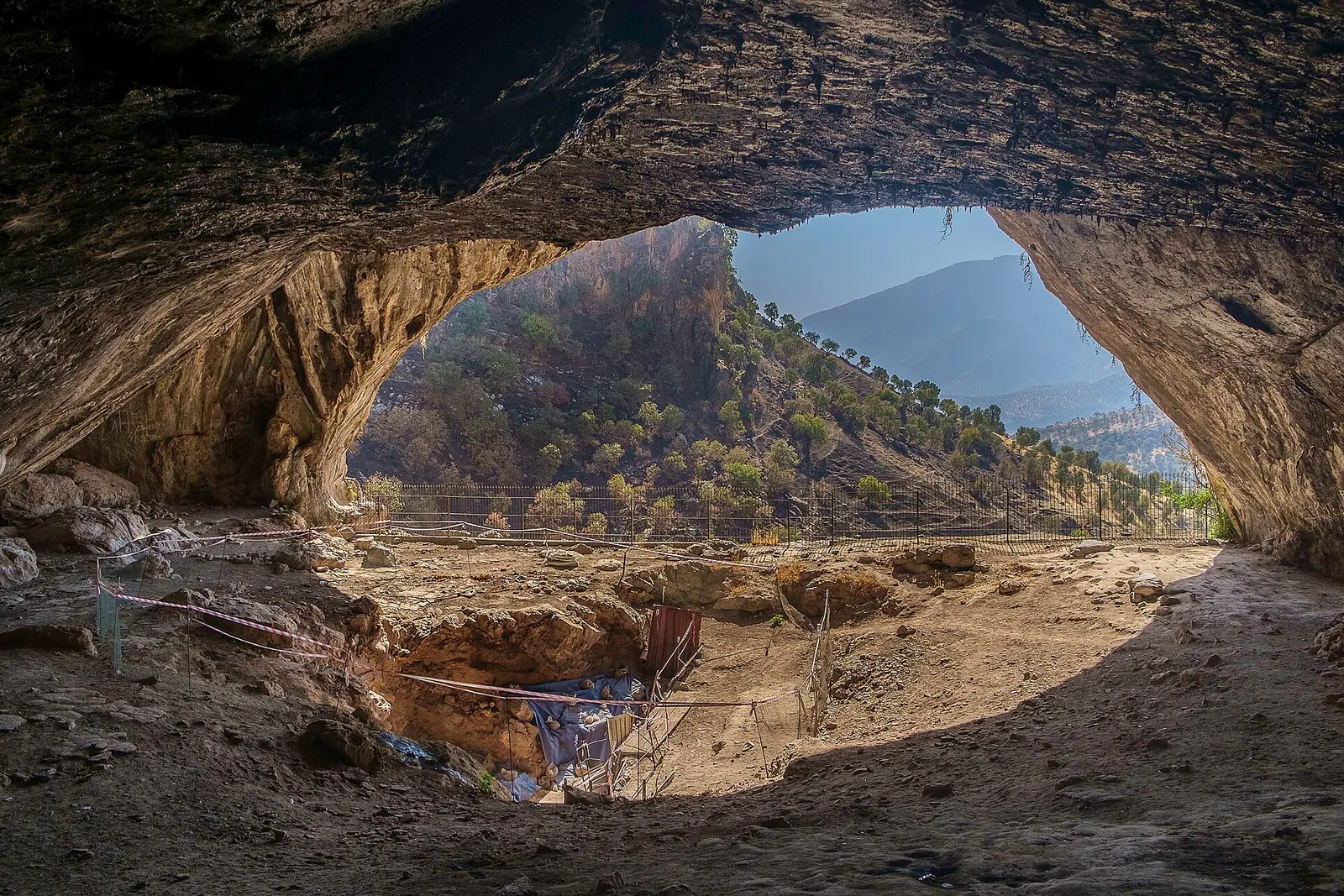
Iraq rewards travellers who read its calendar carefully: two narrow windows of gentle weather open the whole country, from the bookstalls of Baghdad to the ziggurat at Ur and the cool mountains above Erbil. Get the timing right and the heat, the dust and the pilgrimage crowds stop being obstacles and start being part of the story.
Iraq's Seasons at a Glance: The Two Windows Worth Planning Around
Iraq has a continental climate with a dramatic range, and that shapes everything about trip planning. The comfortable windows are short and specific: roughly mid-March to mid-May, and late September to mid-November. In those weeks Baghdad sits in the pleasant low-to-mid twenties to low thirties Celsius, evenings are cool enough for a rooftop meal beside the Tigris, and long days of walking through archaeological sites become genuinely enjoyable rather than an endurance test.
Summer is the season to plan around, not into. From June to early September, the Mesopotamian plain bakes, with afternoon highs commonly pushing into the mid-forties and occasionally beyond in Baghdad, Karbala and Basra. The southern city of Basra adds Gulf humidity on top of the heat, which makes midday feel far heavier than the thermometer suggests. Winter flips the problem: December to February is mild and often rainy in the centre and south, with Baghdad days around 15–18°C and cold nights, while the northern mountains see snow, sleet and occasional road closures over the passes.
This creates a useful split. If your dream trip is Babylon, Ur, the Mesopotamian Marshes and the shrine cities, aim for autumn or early spring. If it is Erbil, Sulaymaniyah, Amadiya and the Rawanduz gorge, late spring and early autumn are ideal, and even high summer works because the Kurdish north sits at altitude and cools down after dark. Hotel rates shift with these rhythms: rooms around the shrines spike during pilgrimage peaks, and northern mountain lodges fill fast on Kurdish holidays and the Nowruz new year around 21 March.
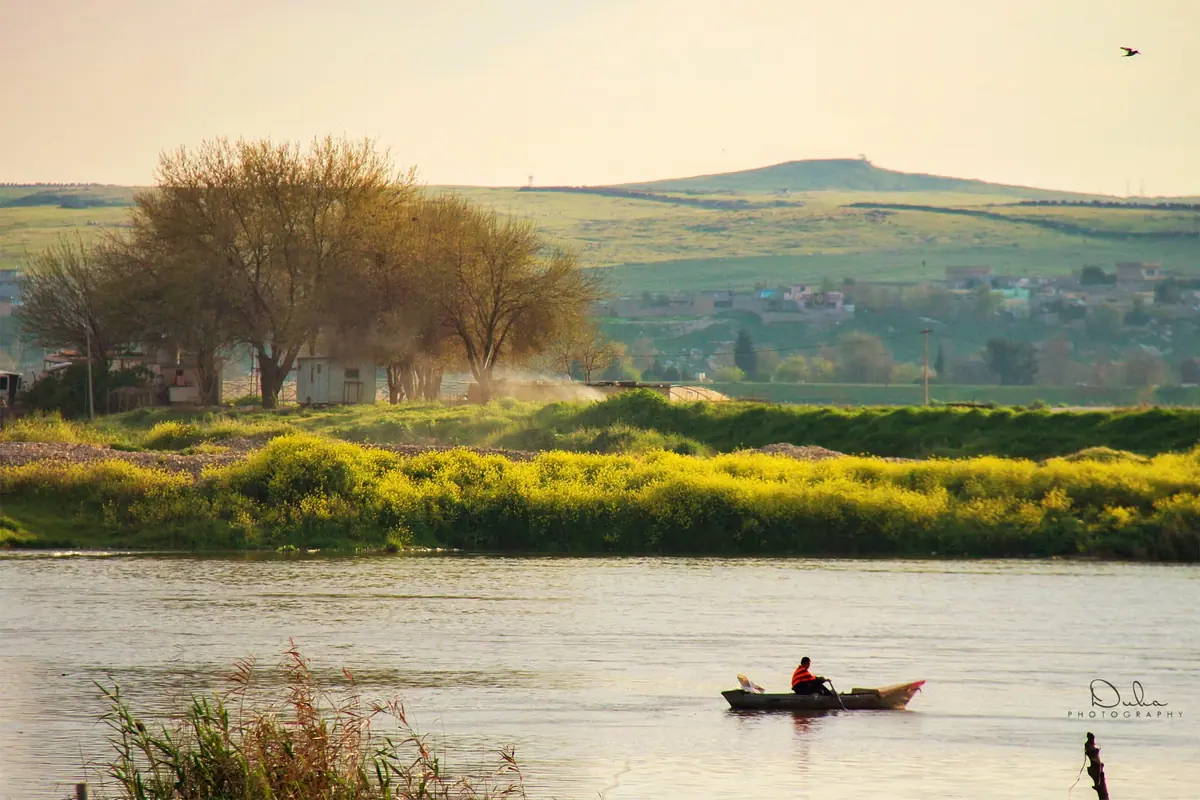
Spring in Baghdad, Samarra and the Tigris Heartland
Spring is when central Iraq is at its most photogenic. The plains turn green, wildflowers appear along the roads to Samarra, and the light on the brickwork of Abbasid monuments is soft and golden. Start in Baghdad, where the Iraq Museum holds one of the world's great collections of Mesopotamian sculpture and cuneiform, then walk the revived Mutanabbi Street book market, which is at its liveliest on Friday mornings when readers, poets and sellers crowd the lane down to the river.
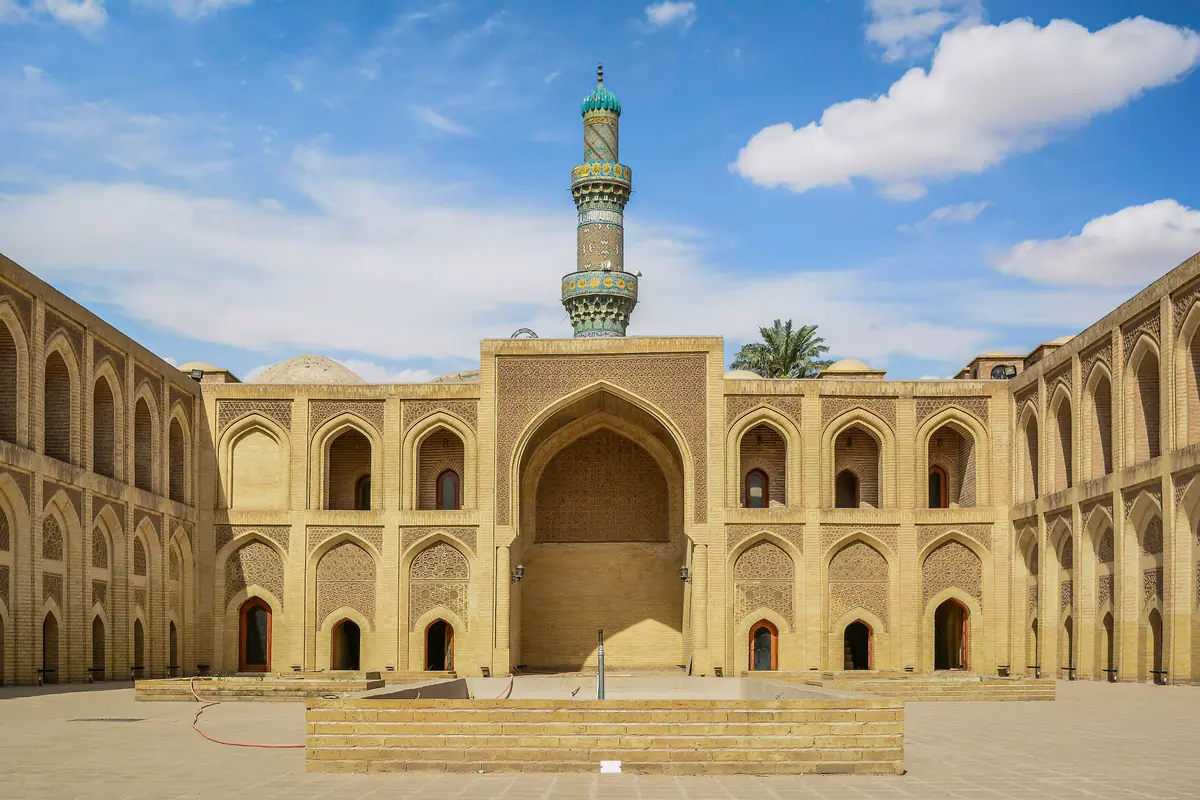
Nearby, the Al-Mustansiriya Madrasa and the Abbasid Palace on the east bank show what thirteenth-century Baghdad looked like, and Tahrir Square has become the city's informal gathering point and a landmark in its own right. A short drive south brings you to Taq Kasra at Ctesiphon, the colossal ruined arch of a Sasanian palace that still astonishes with its span. Further north, on the western edge of Baghdad, the Ziggurat of Aqar Quf rises from the plain, and beyond it lies Samarra with the spiral Malwiya Minaret and the vast ruins of the Great Mosque — an essential stop and one of the most recognisable silhouettes in the country.
Spring does have a catch: the sharqi winds can stir up dust storms in April and May, turning the sky a flat ochre and cutting visibility at open-air sites. Build flexibility into your itinerary so a dusty day can be swapped for a museum or bazaar visit. Hotel-wise, base yourself in Karrada, Jadriya or Mansour for easy access to the Tigris bridges and the main sights, and expect to spend two or three nights in Baghdad before pushing north or south.
Autumn: Babylon, Ur and the Shrines of the South
September still carries summer's sting, but from mid-October to late November the south becomes the most rewarding part of Iraq. Babylon, about ninety kilometres south of Baghdad, is the headline act: the reconstructed Ishtar Gate, the Lion of Babylon, the palace complex of Nebuchadnezzar and the Greek theatre on the mound of Amran ibn Ali give you a full morning or more. Nearby Borsippa's ruined ziggurat is a quieter, more atmospheric counterpoint.
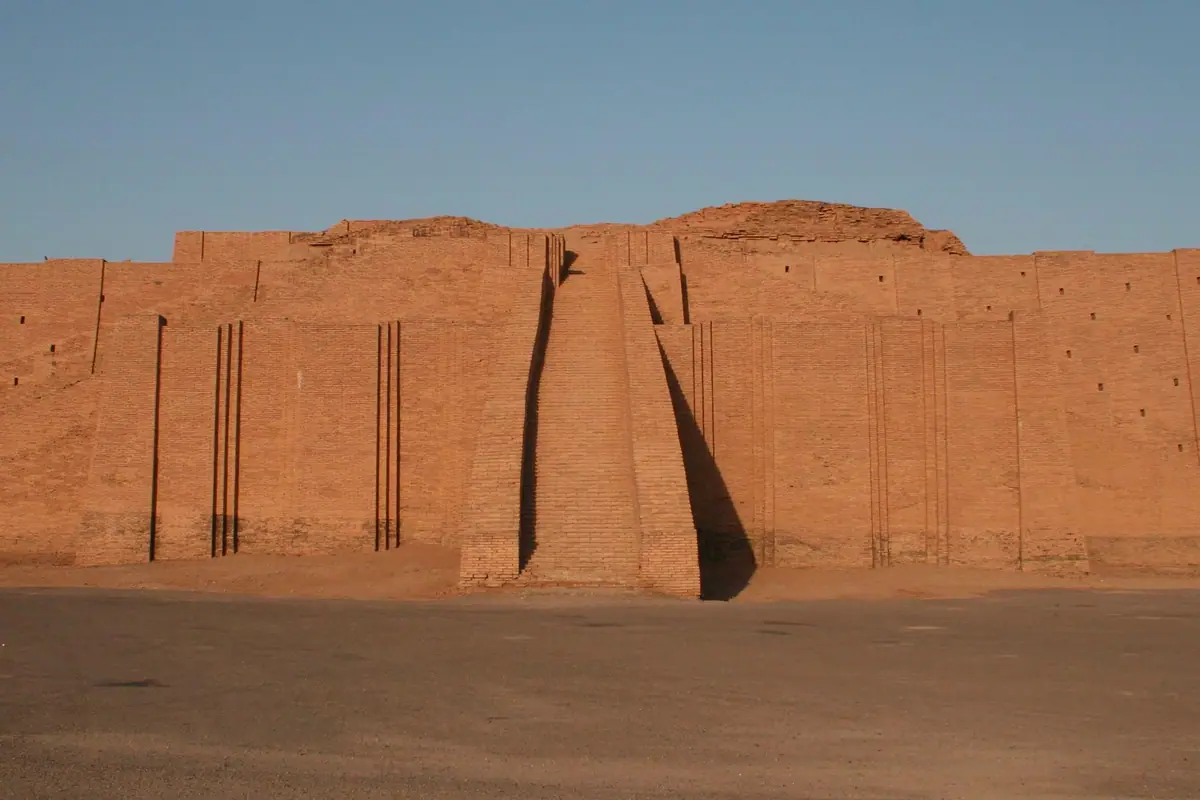
Continue south to Najaf for the gold-domed Imam Ali Shrine and the immense Wadi al-Salam cemetery, then to Karbala for the Imam Hussein Shrine and the Abbas Shrine, whose tiled courtyards glow after dark. The Great Mosque of Kufa, with its distinctive columns and arches, is within easy reach of Najaf. Further still lies the Ziggurat of Ur, a brilliantly reconstructed stepped tower beside the remains of a Sumerian city, and then the Mesopotamian Marshes around Chibayish, where you can take a small boat among the reeds and stay in a simple guesthouse. Basra, on the Shatt al-Arab, closes the loop with its waterfront corniche and date-palm-lined canals.
Timing here is everything because of religious travel. The shrines draw colossal crowds during Ashura and, even more so, Arbaeen, when millions walk to Karbala; the dates shift each year on the lunar calendar, so check before booking. Hotels in Najaf and Karbala that sit empty in July are booked out for those weeks months in advance. In Basra, note that autumn humidity lingers later than the calendar suggests — choose accommodation with reliable air conditioning and a pool if you plan to spend afternoons indoors.
The Kurdish North: Erbil, Sulaymaniyah and Mountain Summers
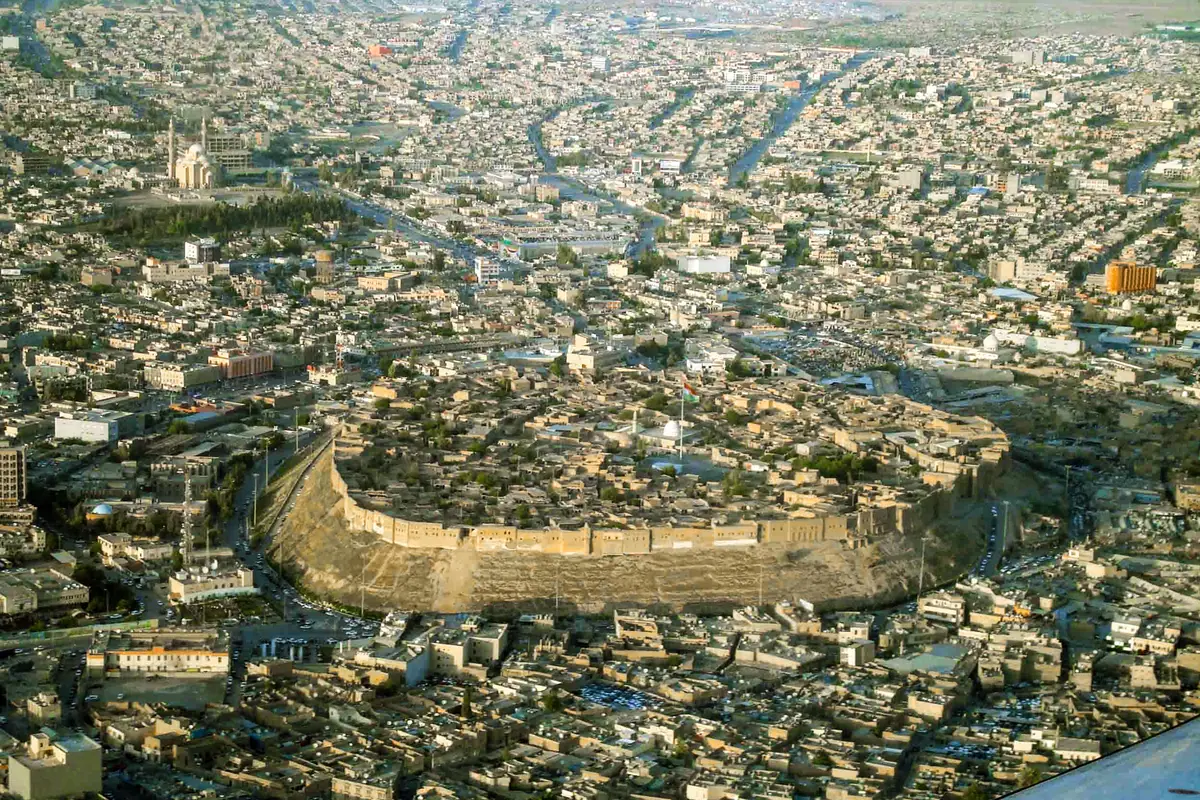
The Kurdistan Region runs on a different weather clock, and that makes it the country's most forgiving destination. Erbil works well from March to June and again from September to November, when the citadel — a UNESCO-listed tell of layered mud-brick houses at the city's heart — is comfortable to climb. Below it, the Qaysari Bazaar winds through textiles, spices and copper, while the Mudhafaria Minaret and Sami Abdulrahman Park offer easy landmarks within walking distance of the centre.
Summer here is a mountain season rather than a problem. Head to the Rawanduz gorge and the Bekhal waterfall, Korek and the Dukan Lake area, where families from Baghdad and Basra escape the heat and the air is noticeably thinner and cooler. Sulaymaniyah has museums, cafes and a relaxed evening promenade; Amadiya perches dramatically on its plateau near the Turkish border; Lalish, the sacred Yazidi temple complex in a wooded valley, is one of the most peaceful places in the country. Halgurd, Iraq's highest peak, draws trekkers in late spring and early autumn.
Winter, from December to February, brings snow to the higher passes and can close mountain roads for days, so keep to Erbil, Duhok and Sulaymaniyah if you travel then. In Erbil, the Ainkawa district is a relaxed base with cafes, restaurants and a good spread of mid-range hotels, while the citadel area suits travellers who want to walk to the sights. Heating matters more than cooling in these months — ask about it specifically, as not every guesthouse has adequate winter warmth.
Summer Heat and Winter Rain: Making the Extremes Work
If you must travel in July or August, restructure your days. Sightseeing in Baghdad, Babylon, Ur or Karbala should happen between first light and about nine in the morning, with midday and early afternoon reserved for the Iraq Museum, bazaars, or a hotel room with serious air conditioning. Evenings revive the cities — promenades along the Tigris and the shrine courtyards in Najaf and Karbala are often busiest after sunset. Carry more water than feels necessary, wear loose light clothing that still covers shoulders and knees, and expect electricity interruptions; most reputable hotels run backup generators, and it is fair to ask about this before booking.
Winter, by contrast, is underrated for the south. December and January bring rain and cool grey skies to Baghdad, but the marshes around Chibayish are full of migratory birds and the light is superb for photography, and Basra is mild enough for comfortable daytime wandering. In the north, snow turns Erbil and Duhok into something closer to a ski-country landscape, though you should not plan on crossing high passes without checking conditions locally.
Religious and civic calendars also affect what is open. During Ramadan, opening hours at museums and many restaurants compress and daytime eating in public becomes inappropriate; during Muharram and Arbaeen, roads to Karbala and Najaf can close to ordinary traffic. Conversely, the harvest season in the date-palm country around Basra and the Kurdish spring festivals are genuinely lovely times to be present. Check local dates before you finalise a hotel booking, not after.
Where to Stay and When to Book, Region by Region
In Baghdad, the most practical bases are Karrada, Jadriya and Mansour, which offer the widest choice of international-standard hotels with generators, security and reliable Wi-Fi. Expect to book two to four weeks ahead in spring and autumn, and much further ahead around major holidays. In Erbil and Duhok, Ainkawa and the areas around the citadel and the bazaar give you walkable access to the main sights; mountain lodges near Rawanduz, Dukan and Amadiya should be reserved early for the Kurdish new year and the summer escape season.
In the shrine cities, choose accommodation within walking distance of the Imam Ali Shrine in Najaf or the Imam Hussein Shrine in Karbala if you can — the atmosphere after dark is the real experience, and traffic is often closed to private cars. This is where advance planning matters most: during Arbaeen, rooms across both cities are effectively reserved months out, and prices reflect it. In Basra, look along the Shatt al-Arab corniche; in the marshes, family-run guesthouses in Chibayish are simple but memorable. Mosul's Old City has a small but growing number of guesthouses within reach of the Al-Nuri Mosque and its leaning minaret, the leaning Hadba, and the churches of the Nineveh plain.
Two practical habits make everything easier. First, carry cash in US dollars or Iraqi dinars — many smaller hotels and guesthouses do not take cards, and ATMs are unreliable outside major cities. Second, expect passport registration at check-in, which is routine. Internal flights link Baghdad, Erbil and Basra, but road journeys between cities can take much longer than the map suggests; build in buffer days so a delayed transfer never costs you your best weather window.
Frequently asked questions
What is the best month to visit Iraq overall?
March, April, October and November are the sweet spots. Temperatures are mild across Baghdad and the central plain, archaeological sites like Babylon and Ur are comfortable to explore, and the northern mountains around Erbil and Rawanduz are green and cool. Late October is arguably the single best week for combining the south and the north in one trip.
Is summer too hot to travel in Iraq?
In Baghdad, Karbala, Najaf and Basra, July and August are punishing, with highs in the mid-forties Celsius, so sightseeing has to be squeezed into early mornings and evenings. The Kurdistan Region is far more manageable at that time thanks to its altitude, making Erbil, Sulaymaniyah, Amadiya and the Dukan Lake area the sensible summer choice.
Do I need to book hotels in advance in Iraq?
Yes, especially in the shrine cities of Najaf and Karbala, where rooms are booked out months ahead for Ashura and Arbaeen. In Baghdad, Erbil and Basra, two to four weeks ahead is usually enough in spring and autumn, but allow more time around Nowruz in March and Kurdish public holidays.
What should I pack for Iraq given the seasons?
Layers work best. For spring and autumn, bring light clothing plus a warm layer for cool evenings and a dust scarf or mask for sharqi wind storms. For winter in Baghdad and Basra, add a rain jacket; for the northern mountains, add proper cold-weather gear and waterproof boots. Modest clothing covering shoulders and knees is expected at religious sites, and women should carry a headscarf for shrine visits.
Can I combine Baghdad, the south and Kurdistan in one trip?
Yes, and the best window is roughly late October to early November or late March to April. A workable shape is three or four nights in Baghdad with day trips to Samarra and Ctesiphon, then a run south to Babylon, Najaf and Karbala, followed by a short flight or long drive north to Erbil and the mountain valleys. Allow at least twelve to fourteen days to avoid rushing.
Sort the rest of your trip
Everything for Iraq, in one place
Transfer in Iraq
Private driver waiting on arrival — no queues, no surprises.
Book a transfer
Things to do in Iraq
Skip-the-line tickets, guided tours and standout experiences.
See experiences
Stay online in Iraq
Travel eSIM — data the moment you land, no roaming bills.
Get an eSIMMore guides in Iraq
Top Things to Do in Iraq: Landmarks, Ancient Cities and Must-See Sights
Best Places to Visit in Iraq: Ancient Cities, Golden Shrines and Kurdish Mountains
A Tour of Iraq: Food, Culture and Must-See Landmarks of Mesopotamia