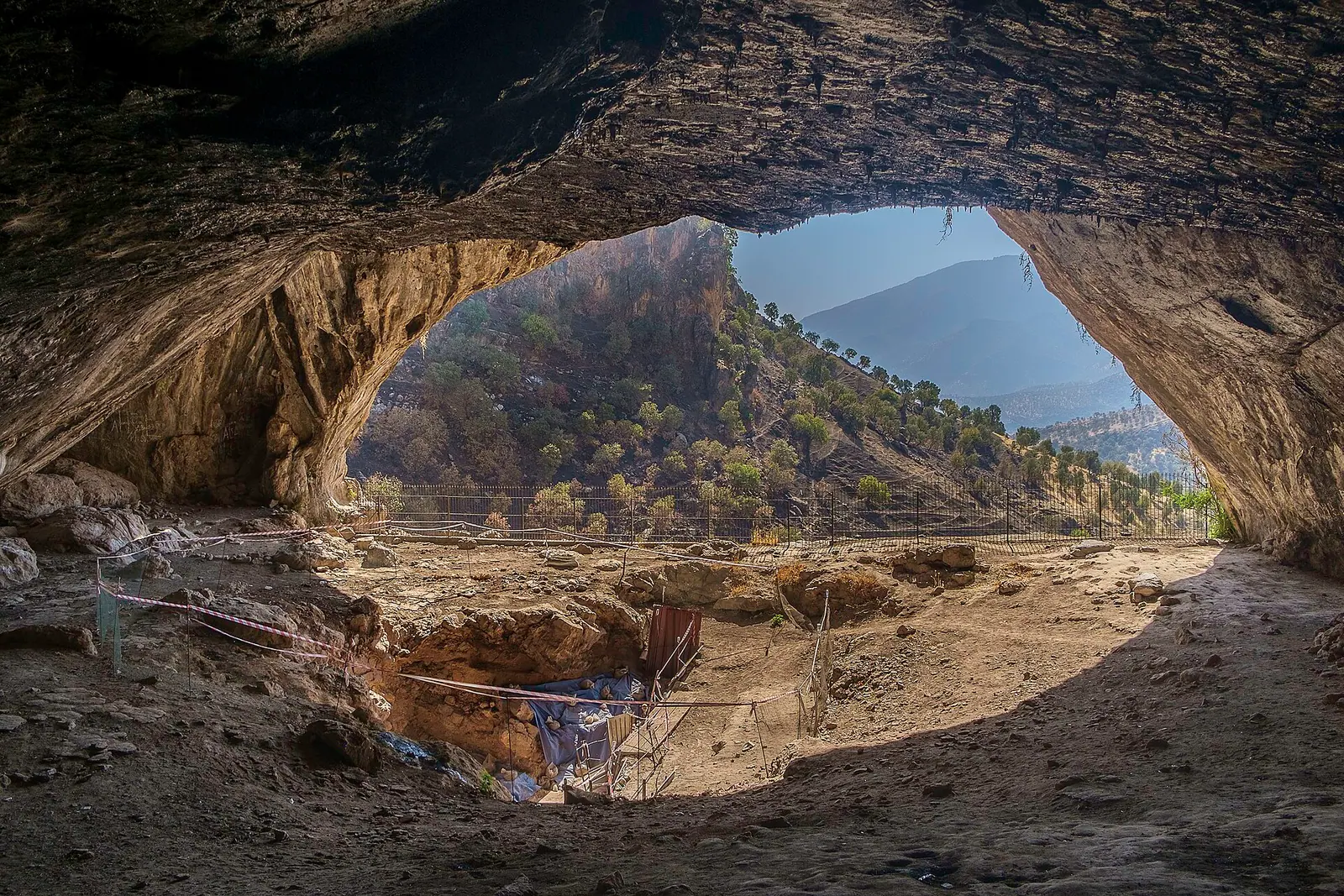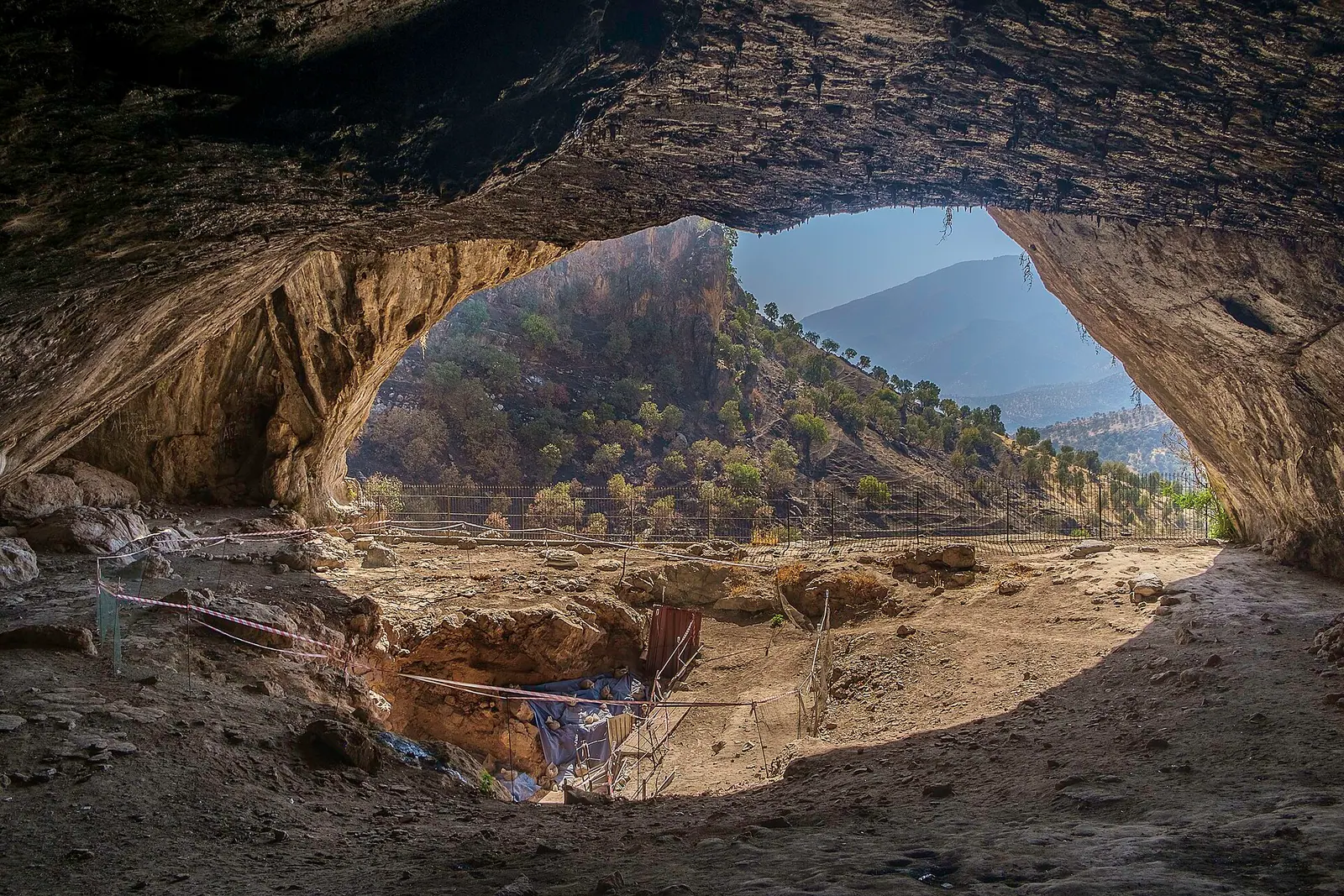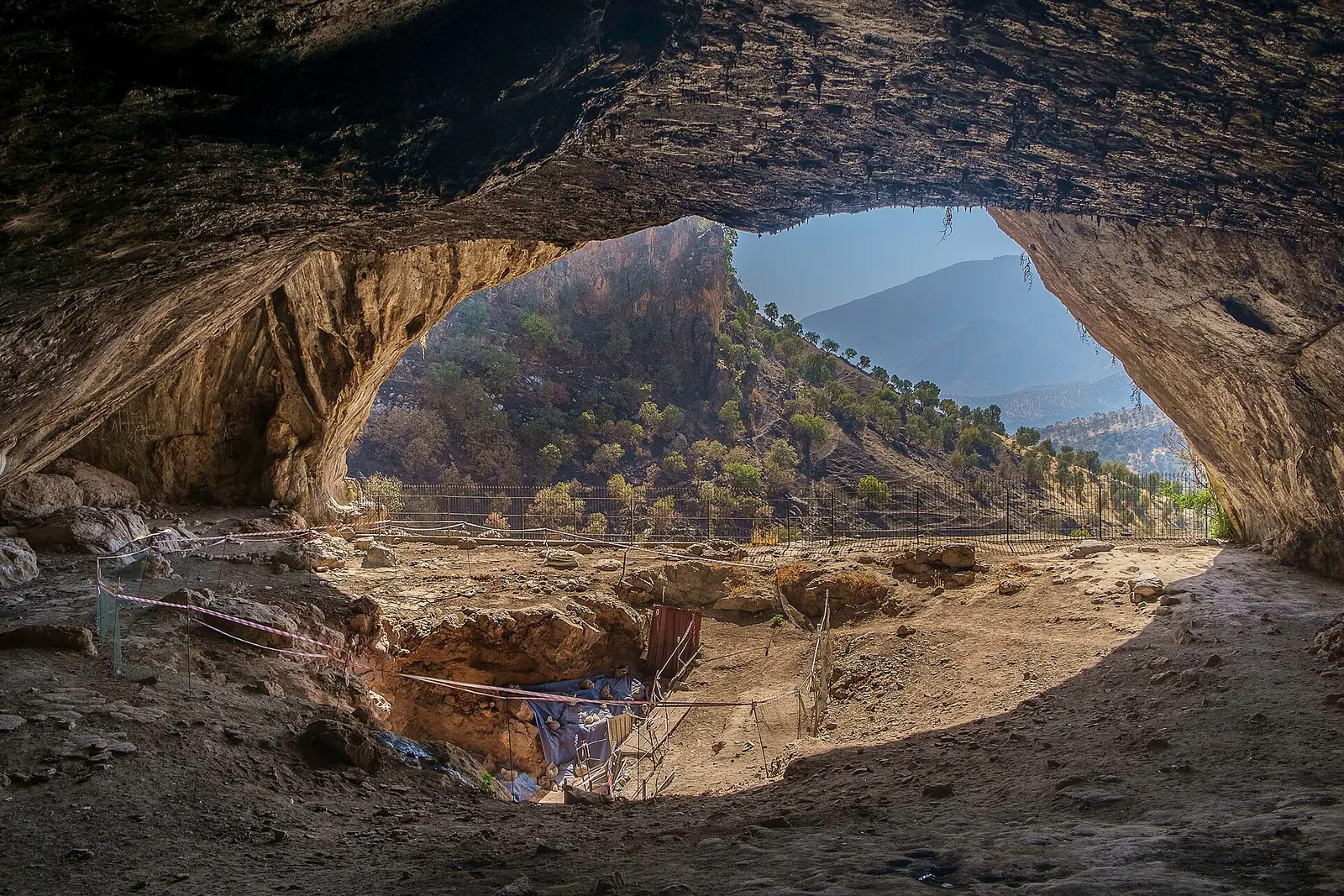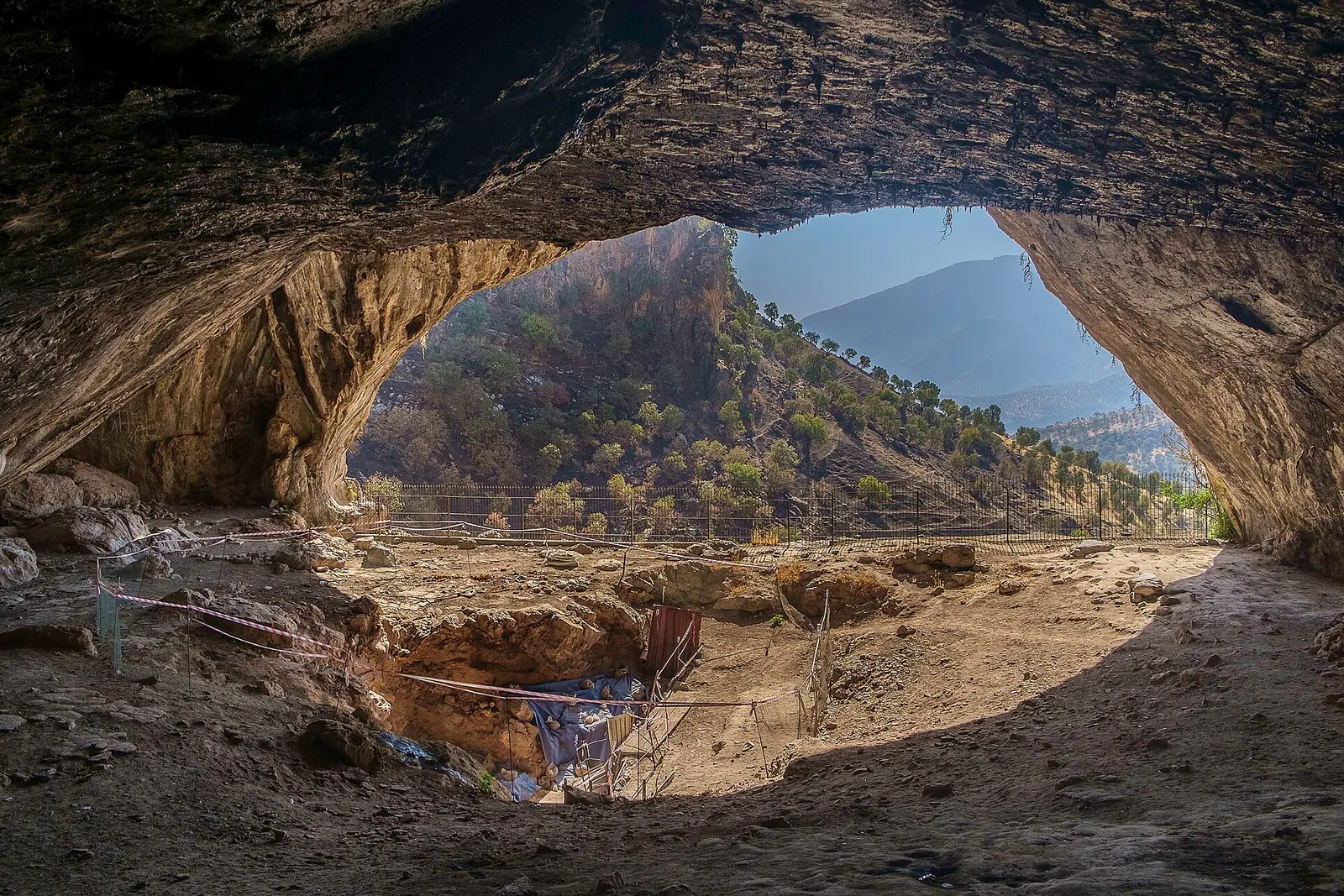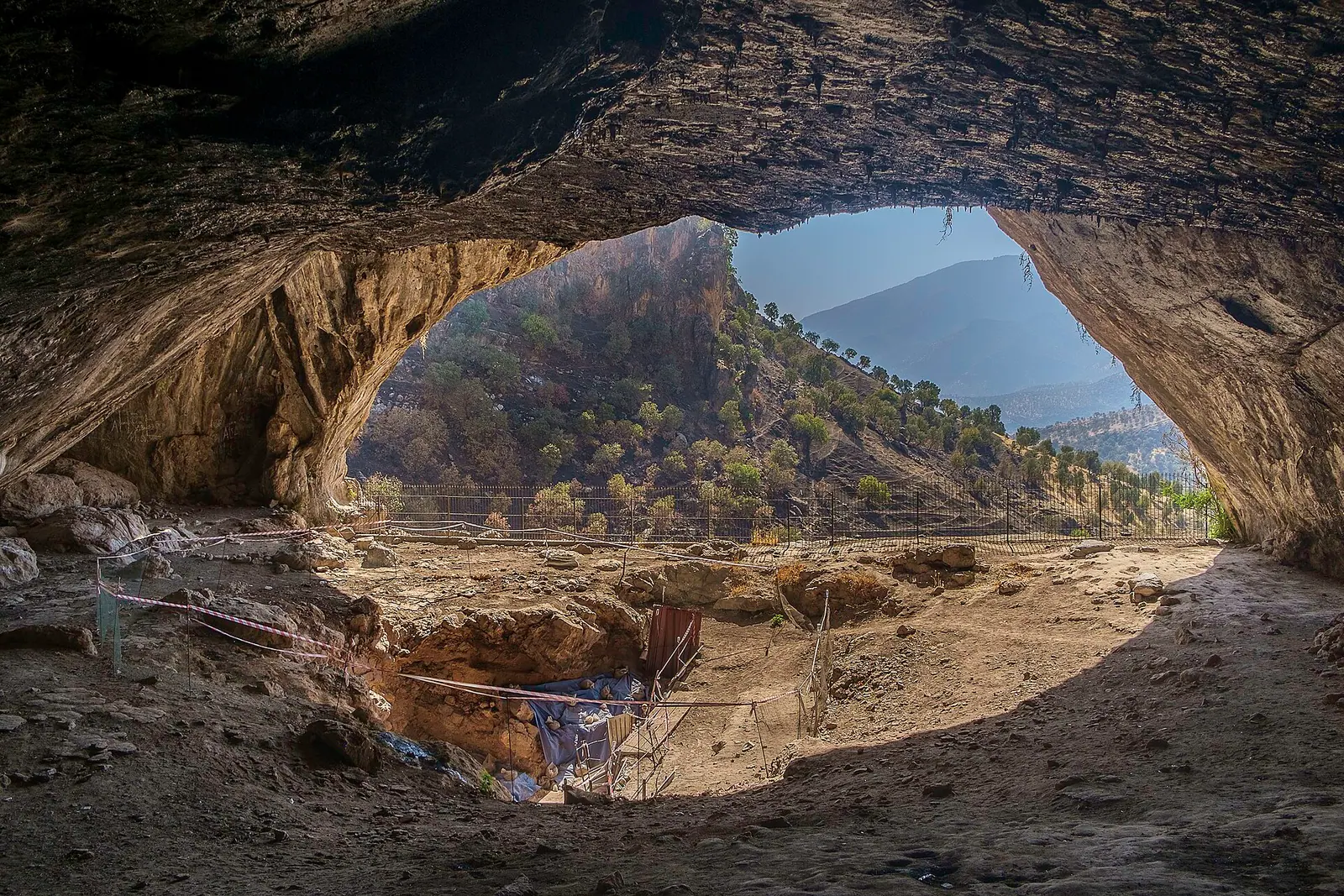
Iraq is where the first cities rose, the first laws were carved in stone and the first ziggurats reached for the sky — and it is also where golden-domed shrines draw millions of pilgrims, canyon roads cut through the Zagros and marshlands still ring with the sound of water buffalo and reed boats. Travel here asks for preparation, patience and a local guide, and in return it hands you some of the most staggering archaeology on earth, often with barely another visitor in sight.
Baghdad: Abbasid Palaces, Book Streets and Martyrs' Monuments
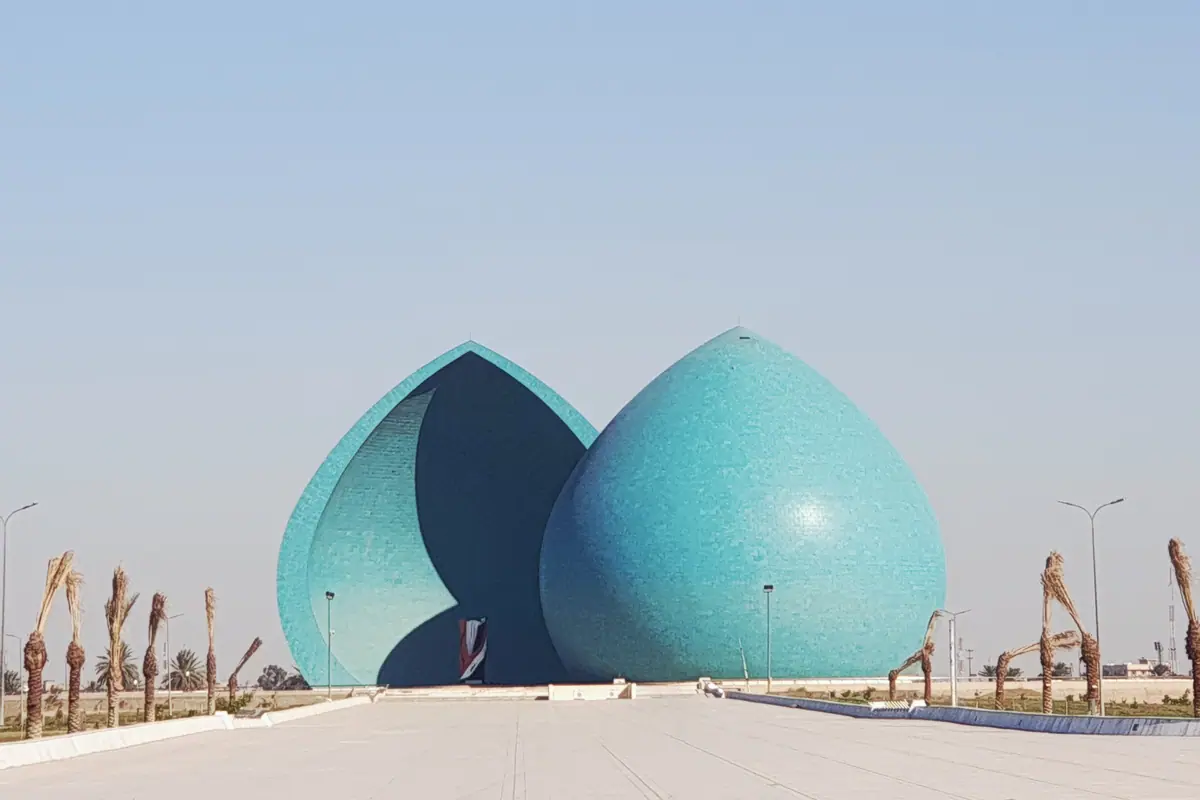
Baghdad announces itself with noise, heat and the wide brown sweep of the Tigris. Start in Tahrir Square, where the Freedom Monument's bronze figures seem to push out of the stone, then cross to Rusafa for the Martyrs' Monument, a turquoise split dome that floats above an underground gallery and looks finest in late-afternoon light. The riverside corniche of Abu Nuwas fills at dusk with families, tea sellers and the smell of grilled fish.
On the Karkh side, the Iraqi National Museum holds one of the deepest Mesopotamian collections anywhere: carved Assyrian reliefs, cuneiform tablets, cylinder seals and goldwork from royal tombs. Nearby stand two Abbasid survivors — the Mustansiriya School, a 13th-century college with muqarnas gateways and a courtyard of arched cells, and the Abbasid Palace on the river. Walk the copper souq of al-Safafeer, where craftsmen still hammer trays and pots, then follow Mutanabbi Street, the city's beloved book market, which spills onto the pavement every Friday morning and draws crowds of readers, poets and students.
Give Baghdad at least two full days. Mornings are best for museums, evenings for shrines and squares; Fridays shut many shops but bring the book market alive. For food, order masgouf — a whole carp split, spiced and grilled slowly beside the river — with pickles, flatbread and glasses of sweet tea. The golden shrine of al-Kadhimiya in the north-west and the Abu Hanifa mosque in Adhamiyah are both worth the drive, though dress modestly and expect bag checks at every entrance.
Babylon, Ctesiphon and Samarra: Four Thousand Years in a Day
About ninety kilometres south of the capital, Babylon unfolds across a dusty plain: the massive Lion of Babylon carved from black stone, the reconstructed Ishtar Gate and processional way, the foundations of Nebuchadnezzar's palace and a Greek theatre whose steps face the Euphrates. Palms and oleander soften the ruins, but shade is scarce, so arrive at opening time, carry water and hire one of the site guides who can point out the original brickwork stamped with royal inscriptions.
Halfway back towards Baghdad lies Ctesiphon, where the Taq Kasra — a Sassanid arch of fired brick, the widest single-span vault of its kind ever built — still stands beside the Tigris like a stranded whale. On the western edge of the city, the ziggurat of Aqar Quf rises in stepped layers above the farmland, a quiet spot that turns amber at sunset.
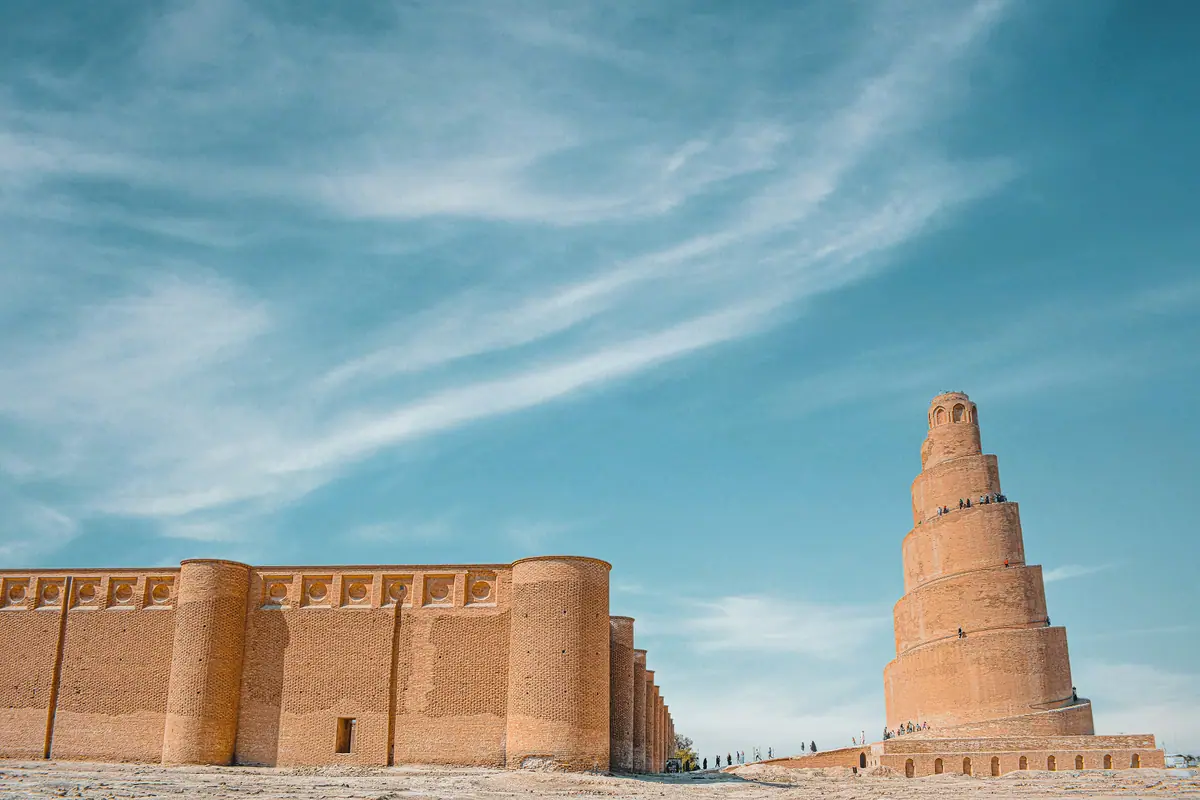
North of Baghdad, Samarra is the surprise of any Iraq itinerary. The ninth-century Great Mosque keeps only its outer walls, but at their centre spirals the Malwiya minaret, a cone-shaped ramp you can walk around for a sweeping view of the plain. The nearby Al-Askari shrine, with its tiled dome and mirrored interior courts, is one of the most important pilgrimage sites in the country. Further west, out along the desert road, the solitary fortress of Al-Ukhaidir sits behind a dry moat, its halls and mosque intact enough to feel freshly abandoned.
Karbala and Najaf: The Golden Shrines of the Pilgrim Roads
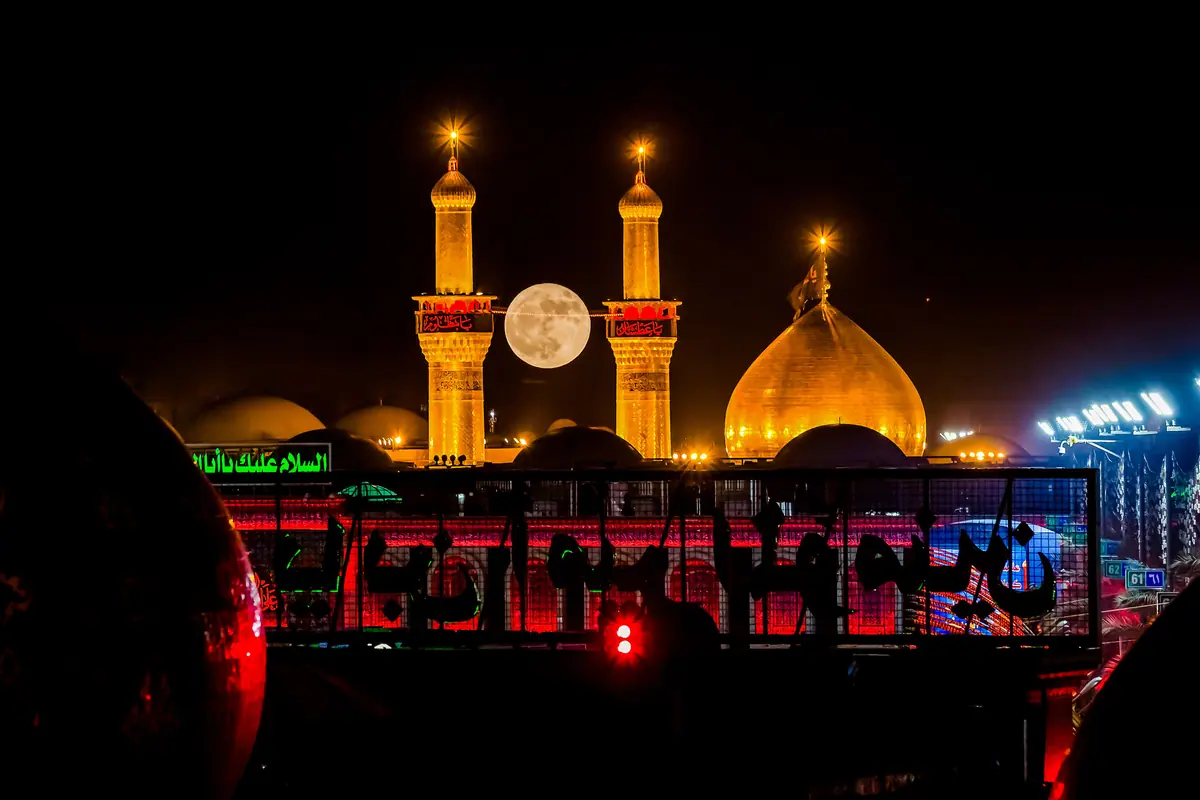
For millions of pilgrims, Iraq means two cities. In Karbala, the shrine of Imam Hussein rises in a blaze of gold and turquoise tile, mirrored inside and ringed day and night by crowds circling the tomb. A short walk away stands the shrine of his half-brother, al-Abbas, linked to it by a wide plaza filled with tea stalls, prayer mats and families who have travelled for days. If you come during Arbaeen, expect several million walkers on the roads from Basra and Najaf; if you want calm, visit in the quiet weeks between pilgrim seasons.
An hour or so south, Najaf holds the shrine of Imam Ali, its gilded dome and twin minarets visible across the city. Behind it stretches Wadi al-Salaam, a cemetery so vast it reads from above as a grey city of its own, holding the graves of scholars, soldiers and ordinary families over more than a thousand years. The seminary quarter around the shrine is a maze of libraries, cloister rooms and bookshops, and the nearby Kufa Mosque, with its austere arcades, is one of the oldest surviving Islamic buildings in Iraq.
Etiquette matters here. Wear long sleeves and trousers or a skirt, and women should carry a scarf; many shrine entrances lend loose abayas. Shoes come off at the threshold, photography is restricted inside, and the inner sanctuaries are generally reserved for Muslims, while the courtyards and outer halls welcome visitors of any faith. Evenings, when the domes are floodlit and the crowds thin, are the most atmospheric time to walk between the two shrines in Karbala.
Ur, the Marshes and Basra: Civilisation in the Deep South
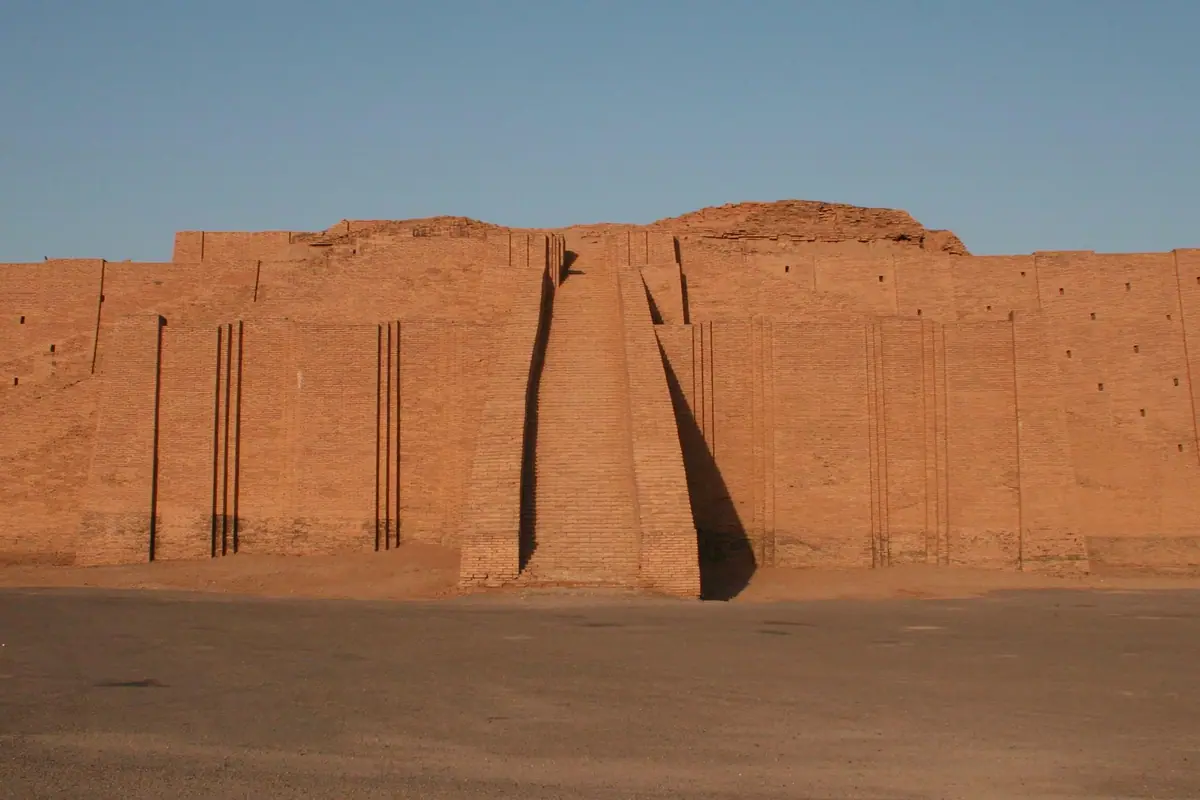
The great ziggurat of Ur lifts out of the desert near Nasiriyah, its baked-brick terraces and monumental staircase dedicated more than four thousand years ago to the moon god Nanna. It is one of the best-preserved structures of its age anywhere, and being there at sunrise, with nothing but sand and a lone flagpole for company, is the memory most travellers carry home. Bring water and sun protection; there is little shade and few facilities, so most visitors base themselves in Nasiriyah and pair the ziggurat with the royal tombs and the remains of the surrounding city.
East of there, the Mesopotamian marshes — the Ahwar — feel like another country. At Chibayish you can take a mashhuf, the long curved canoe of the marsh Arabs, through channels of reeds past buffalo wallows and floating islands of vegetation, and sleep in a mudhif, the vaulted reed guesthouse built entirely without nails. Winter is the season: from November to March the air is cool, the water is high and migratory birds crowd the shallows. Summer is punishing, and the water levels shrink.
Basra closes the loop. The Shatt al-Arab, where the Tigris and Euphrates finally meet, runs past a corniche busy with cafés and boats, the city's old merchant houses still show their carved wooden balconies, and the Basra Museum explains the region's trading past. Inland, the ruins of Eridu and Uruk — the city that gave writing to the world — sit quietly among date palms, reachable as day trips with a driver.
Mosul, Nimrud and Hatra: The North Under Reconstruction
Mosul's Old City is being pieced back together stone by stone, and walking its lanes is one of the most affecting experiences in the country. The al-Nuri Mosque has risen again with its famous leaning minaret, al-Hadba, rebuilt after its destruction; around it, the Qaysariyah market and the courtyards of al-Tahera church and the Mosul Museum are slowly reopening. Across the river, the low mounds of Nineveh mark the capital of the Assyrian empire, where carved slabs and winged bulls were first uncovered.
West of the city, Hatra is the north's showpiece: a 2,000-year-old desert city of limestone temples, colonnades and carved eagles, ringed by a defensive wall and once besieged by Roman legions. Further south, Nimrud's royal palaces and their colossal lamassu — human-headed winged bulls — remain among the great sculptures of the ancient world, even after years of deliberate damage. Both sites are remote, exposed and best reached with a knowledgeable local driver who knows the checkpoint routines.
Plan the north with flexibility. Security checks are frequent, roads can close without warning, and a guide is not optional in several districts. Many travellers base themselves in Erbil and take long day trips via Bashiqa to the Mar Mattai monastery, or detour east to Lalish, the serene Yazidi holy site of stone shrines and silk-covered tombs, where you remove your shoes before entering courtyards.
Iraqi Kurdistan: Erbil's Citadel, Rawanduz Gorge and the Zagros
Erbil is the easiest introduction to Iraq and the most relaxed city in the country. Its citadel sits on a tell that has been lived on for millennia, a tight knot of rebuilt houses, museums, a hammam and a cafe with views over the rooftops. Below, the Qaysari Bazaar winds through spice stalls, fabric shops and bakeries pulling long loaves of samoon from clay ovens; a couple of blocks away, the Erbil Civilization Museum lays out the region's prehistory and Islamic ceramics in cool, quiet rooms.
East of the city, the road climbs into the Zagros towards Rawanduz, cutting through a canyon of layered cliffs that widens into the Gali Ali Beg and Bekhal waterfalls and the green plateau of Korek. Spring transforms these valleys: from late March to May the slopes are thick with wildflowers, snow still caps the high ridges and the waterfalls run full. Winter brings snow to the passes, while summer heat makes the mountains a welcome escape from the plains.
South-east, Sulaymaniyah is a city of parks, bookshops and a bazaar that smells of cardamom and sheep's cheese. The Amna Suraka museum, housed in a former security headquarters, is a sobering but essential visit, and the Ahmad Awa waterfall and Dukan lake make easy day trips. Further north around Duhok, the plateau-top village of Amediye, the Yazidi shrine at Lalish and the olive-green shore of Duhok dam round out a region that rewards slow travel by car.
Frequently asked questions
What is the best time of year to visit Iraq?
October to April is comfortable across most of the country. March and April are ideal in Iraqi Kurdistan, when the Zagros valleys are green and full of wildflowers. Avoid July and August, when Baghdad and the southern plains routinely pass 45°C, and check pilgrimage calendars before booking Karbala or Najaf.
How much time do I need to see Iraq's highlights?
A week covers Baghdad, Babylon, Samarra and one of the shrine cities at a brisk pace. Two weeks lets you add Ur, the marshes and Basra, or fly north for Erbil, Rawanduz and Sulaymaniyah. Three weeks allows the north-western sites around Mosul and Hatra without rushing.
Do I need a guide and is it safe?
Security varies sharply by region and can change quickly, so check your own government's current travel advice before booking. Iraqi Kurdistan is generally calm and easy to travel independently; in federal Iraq a local guide or driver is strongly recommended and required for some sites, especially around Mosul, Hatra and Samarra.
What should I wear and how do I behave at shrines?
Modest, loose clothing covering arms and legs works everywhere. At the shrines in Karbala and Najaf, women should bring a headscarf and may be offered an abaya at the entrance; shoes come off at thresholds, photography inside is restricted, and inner sanctuaries are generally reserved for Muslims while courtyards remain open to all.
How do I get around Iraq?
Domestic flights link Baghdad, Erbil, Basra and Najaf, and are the fastest way to cover long distances. On the ground, private cars with drivers are the practical option; shared taxis run between Baghdad, Karbala and Najaf, and the northern mountain roads are best done as day trips from Erbil or Sulaymaniyah. Allow extra time for checkpoints.