Germany rewards travellers who treat their hotel as a base camp rather than a destination: pick the right quarter and the Brandenburg Gate, the Frauenkirche or a Rhine wine village is a tram ride away. From Berlin's design lofts to Bavarian family-run Gasthöfe with wood-panelled breakfast rooms, the country's accommodation is as varied as its landscapes. This guide maps the cities worth sleeping in, the landmarks you should not miss, and the practical details that make a German booking painless.
Choosing Your Base: How Hotels in Germany Differ by City and Region
Germany is not one hotel market but a dozen. In Berlin you can sleep in a converted factory in Kreuzberg or a grand pre-war building off Kurfürstendamm; in Munich the choice runs from business towers near the Hauptbahnhof to village inns under Alpine eaves an hour south; in Hamburg, glass-fronted rooms overlook the Elbe while the old warehouse district offers brick-and-beam conversions. Smaller historic towns such as Rothenburg ob der Tauber, Bamberg and Quedlinburg trade almost entirely on atmospheric guesthouses, where the building itself is part of the sightseeing.
The vocabulary is worth learning before you book. A Gasthof or Gasthaus is a traditional inn, often with a hearty regional restaurant downstairs; a Pension is a simpler family-run house with fewer rooms; a Hotel Garni serves breakfast only, with no evening meals. Expect the classic German setup of two mattresses pushed together under separate duvets, small lifts or none at all in older buildings, and rare air conditioning, which matters most in July and August. Breakfast, where included, is usually a generous cold buffet of rolls, cheeses, cured meats, boiled eggs and preserves rather than a hot cooked plate.
Location strategy in Germany is simple: staying within the old town or ring-road core buys you walkability, while staying near the main station buys you easy day trips. Trade-fair cities such as Frankfurt, Düsseldorf, Hanover and Leipzig see rates triple during major expos, so it is worth checking what is on before you commit. In most cities a small per-night tourist levy is added to your bill, sometimes collected in cash at check-in.
Berlin: Museums, Memorials and Neighbourhoods Worth Sleeping In
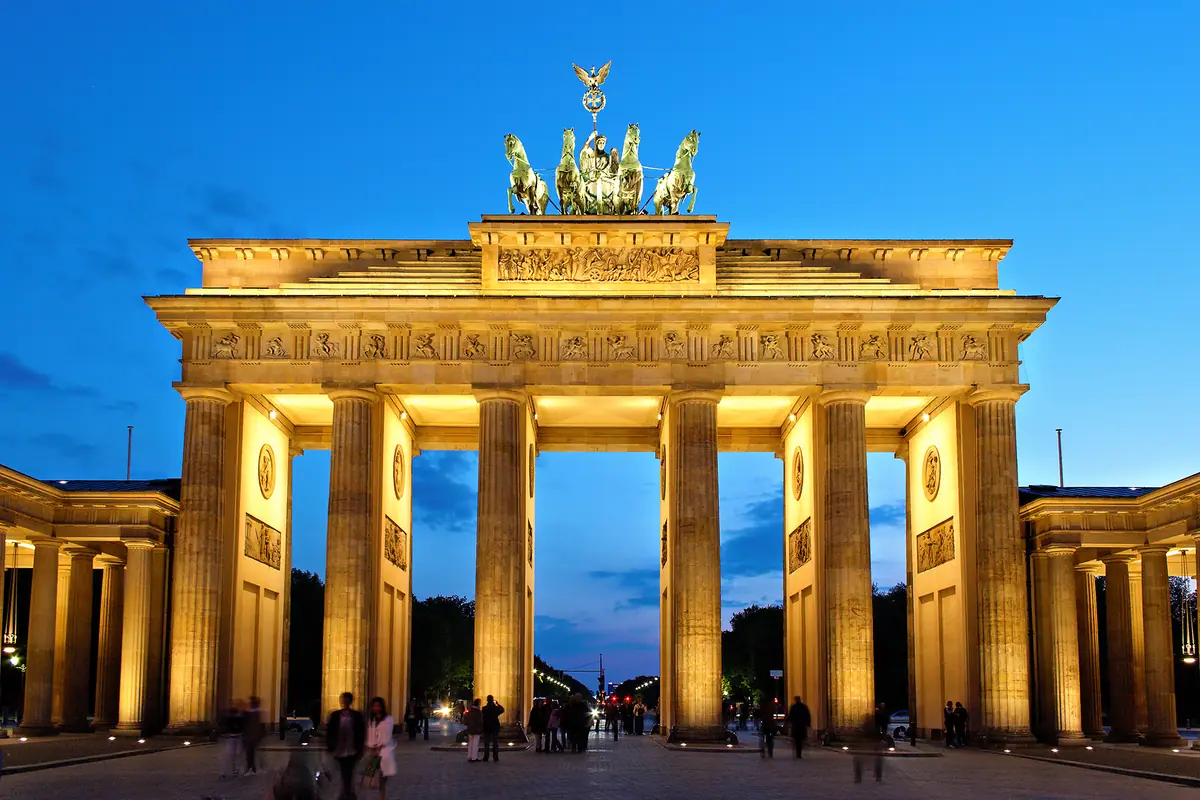
Berlin's headline sights cluster tightly enough to cover on foot. Start at the Brandenburg Gate and the glass dome of the Reichstag, then walk east along Unter den Linden to Museum Island, where the Pergamon and Neues museums hold world-class antiquities, and the Berlin Cathedral anchors the riverbank. The television tower at Alexanderplatz gives the city's best panorama, while the East Side Gallery preserves a stretch of the Wall as murals, and the Memorial to the Murdered Jews of Europe offers a sobering pause between the gate and Potsdamer Platz. Further west, Charlottenburg Palace and its formal gardens provide a full half-day of rococo interiors.
Where you sleep changes the trip. Mitte puts Museum Island, the gate and the cathedral on your doorstep and suits first-time visitors with three or four days; Prenzlauer Berg is quieter, with cobbled streets, playgrounds and excellent breakfast cafés; Kreuzberg and Neukölln hum with bars and canal-side terraces and stay busy until dawn; Charlottenburg is polished and calm, close to the Ku'damm shopping boulevard. If you plan rail trips to Potsdam's Sanssouci Palace or Dresden, a hotel beside the Hauptbahnhof is unbeatable for convenience.
Give Berlin at least four days, five if you want a Potsdam excursion. May to September brings beer gardens and lakeside swimming at Wannsee; December brings more than a hundred Christmas markets, from the festive sprawl at Alexanderplatz to the crafts stalls around the Gedächtniskirche. In winter, plan around short daylight hours and lean on the city's dense museum and concert calendar.
Munich and Bavaria: Beer Halls, Palaces and Alpine Day Trips
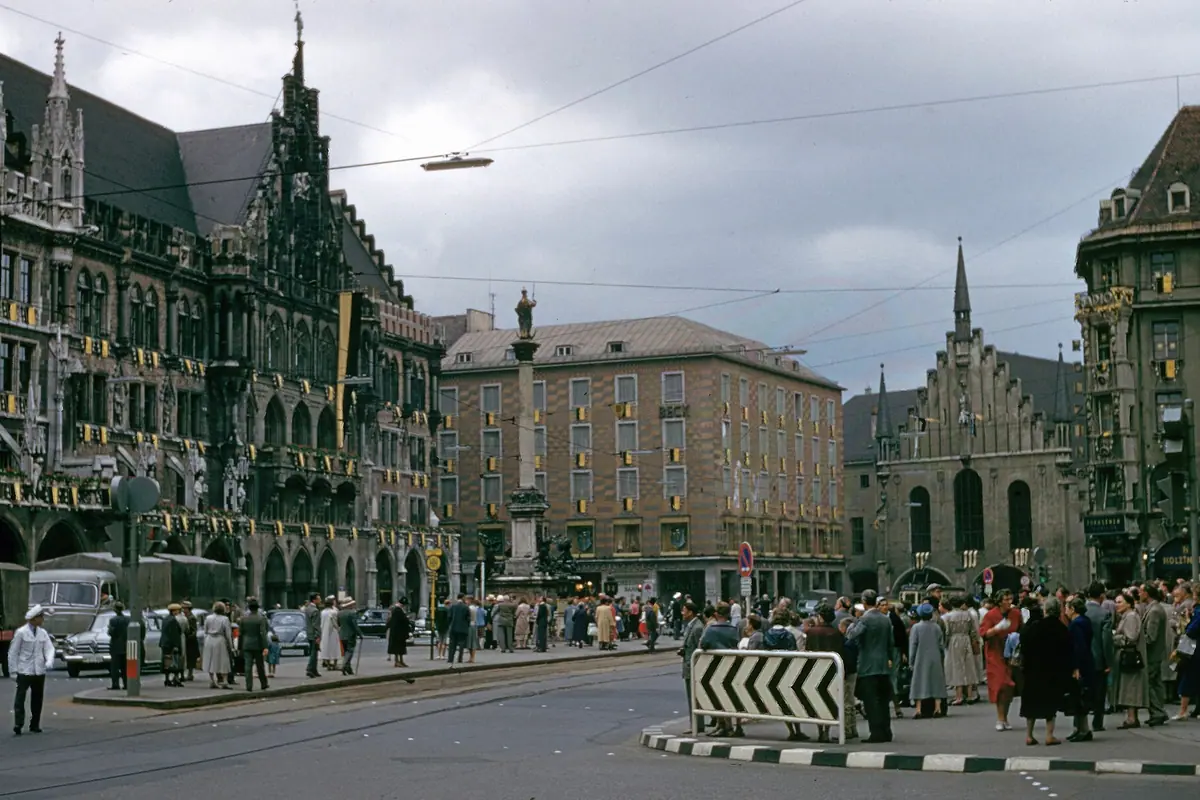
Munich is the gateway to everything travellers imagine about Germany. Marienplatz, the city's central square, draws crowds for the glockenspiel chiming in the New Town Hall tower, and the twin onion domes of the Frauenkirche rise just behind. A few minutes away, the Viktualienmarkt fills with cheese, sausage and flower stalls, and the cavernous Hofbräuhaus pours litres of beer beneath painted ceilings. The Residenz shows off centuries of Wittelsbach wealth, while Nymphenburg Palace and its park sit west of the centre. In the Englischer Garten, river surfers ride a standing wave within sight of the skyline.
Munich hotels divide neatly. The Altstadt and nearby Gärtnerplatz quarter put you inside the postcard and cost accordingly; Ludwigsvorstadt, around the main station, is practical and well connected; Schwabing is leafy, student-friendly and full of cafés. For a different trip entirely, base yourself in Garmisch-Partenkirchen beneath the Zugspitze or in Füssen, the small town below Neuschwanstein Castle, and use the car or regional trains to explore.
Three or four days covers Munich comfortably, with two more for the Alps. Late September and early October mean Oktoberfest, when the city's beds sell out many months ahead and rates spike; book half a year out or avoid those weeks entirely. June to September is prime hiking and lake weather, with Königssee and Berchtesgaden within reach, while December brings the Tollwood and Marienplatz markets. A valid regional rail pass makes spontaneous day trips easy and cheap.
Castles, the Rhine and the Romantic Road: Sleeping in Storybook Germany
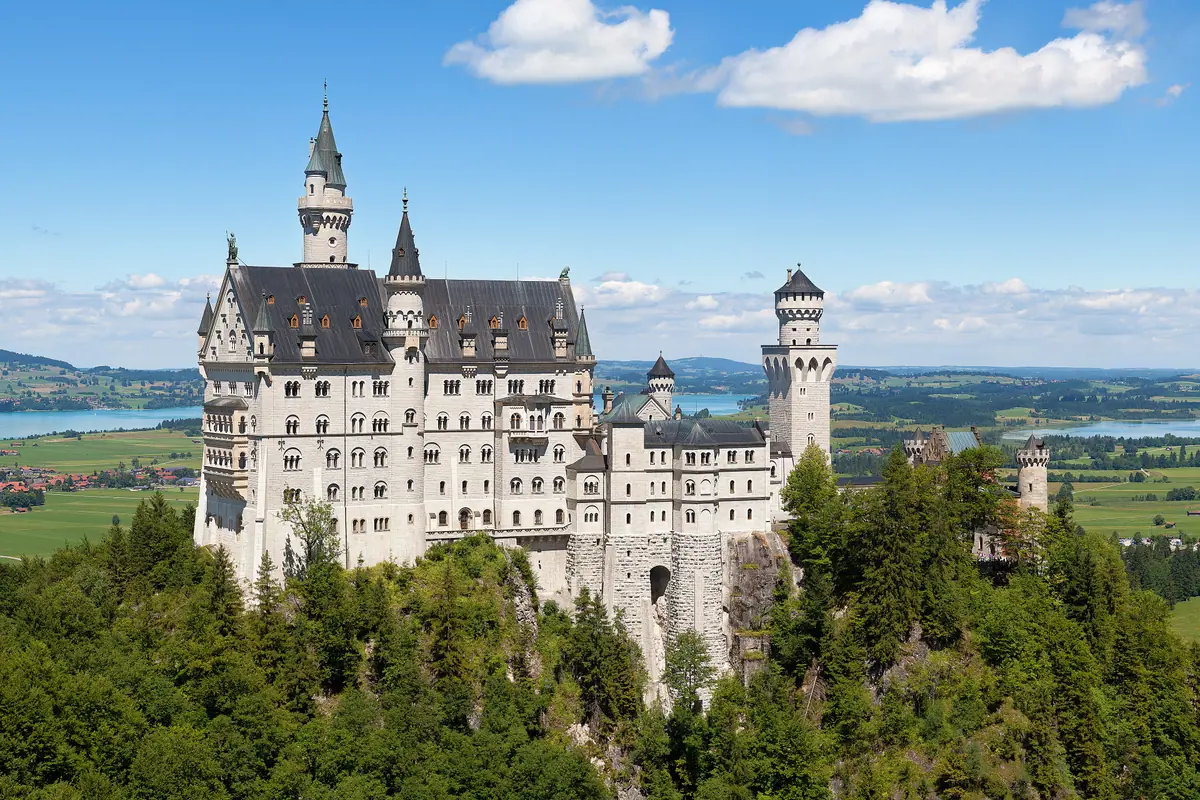
No first visit to Germany is complete without the castles. Neuschwanstein, the turreted fantasy above the Alpsee, is the country's most photographed building and one of its busiest, so arrive at opening or book a timed slot; Hohenzollern Castle, perched on a Swabian hilltop, is quieter and arguably more dramatic. Heidelberg pairs a ruined red sandstone castle with Germany's oldest university town, and Rothenburg ob der Tauber preserves a complete medieval wall, watchtowers and a Christmas market famous well beyond Bavaria.
The Rhine and Moselle valleys add wine to the picture. Cruising between Rüdesheim and Koblenz, you pass terraced vineyards, half-timbered river villages and the Lorelei rock, with hilltop fortresses such as Marksburg along the way. Sleeping options here are some of the most characterful in the country: wine-grower guesthouses with tasting rooms, castle hotels with four-poster beds, and thermal spa towns like Baden-Baden where the historic baths still steam. South of Freiburg, the Black Forest offers farm-stay guesthouses, cuckoo-clock workshops in Triberg and dense fir trails.
This region rewards a car, though the Romantic Road can also be strung together by train and bus with patience. Allow five to seven days to link Würzburg, Rothenburg, Neuschwanstein, the Rhine and Heidelberg without rushing. May and June bring green vines and long evenings; September and October bring grape harvest and low mist in the valleys. Small towns with wine festivals fill up fast, so book well ahead in those weeks.
Hamburg, Cologne and Dresden: Ports, Cathedrals and Baroque Skylines
Hamburg is Germany's northern counterweight to Munich: a working port, a red-brick skyline and a music city with attitude. The Elbphilharmonie concert hall rises above the water like a glass wave, the Speicherstadt warehouse district and neighbouring Kontorhaus quarter form a World Heritage-listed ensemble of canals and bridges, and Miniatur Wunderland's model world is one of the country's most visited attractions. Climb St. Michael's Church tower for the harbour panorama, take a public ferry from the Landungsbrücken piers for a cheap boat tour, and wander the Reeperbahn after dark if nightlife is on your list. HafenCity hotels are new and calm; St. Pauli and Altona are livelier and cheaper.
Cologne revolves around its cathedral, the Kölner Dom, whose twin blackened spires dominate the skyline and whose interior holds medieval stained glass and the golden shrine of the Magi. The Hohenzollern Bridge, covered in padlocks, leads to the Rhine promenade, and the old town's brewery taverns serve the local pale ale in small glasses that keep coming until you cover yours. Museums cover everything from Roman archaeology to chocolate, and the city's carnival in February is one of Europe's biggest street parties.
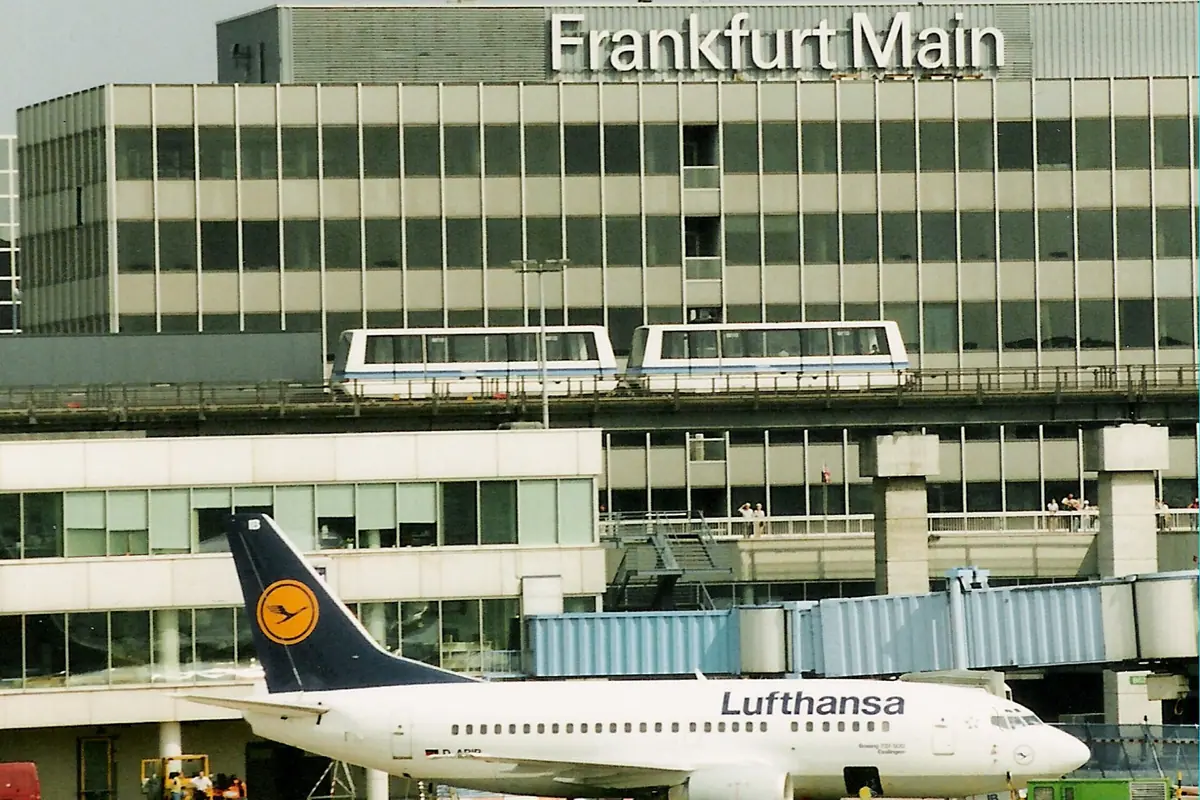
Dresden, rebuilt stone by stone after wartime destruction, offers one of Europe's most beautiful baroque centres: the Frauenkirche, the Zwinger palace complex, the Semperoper opera house and the Brühl's Terrace above the Elbe. Paddle steamers run upriver toward the sandstone towers of Saxon Switzerland. In Frankfurt, the half-timbered Römer square and the museum-lined riverbank make a good one-night stopover between trains. Each of these cities suits two to three nights; Dresden and Hamburg justify more.
Practical Tips: Seasons, Booking Windows and Getting Around
Germany's best all-round months are May, June and September, when days are long, terraces open and crowds are manageable. July and August are warm but busy in Berlin, Munich and the castles, and air conditioning is genuinely rare. December is peak season for Christmas markets in Nuremberg, Dresden, Cologne and Rothenburg, with hotel rates to match. Spring brings cherry blossom to Bonn and the Rhine, autumn turns the Black Forest and Bavarian Alps gold, and winter is best spent in cities with strong museum and concert programmes.
Book city hotels two to three months ahead for a decent choice; for Oktoberfest, major trade fairs or a Christmas market weekend in a small historic town, aim for six months or more. Sunday arrivals are fine, but shops close on Sundays and small guesthouses often shut their reception by early evening, so confirm how to collect a key if you arrive late. Parking is expensive in city centres, and a hotel near the main station usually beats a city-centre address if you are travelling by rail.
Germany's rail network makes car-free travel genuinely easy, with fast intercity trains linking the big cities in a few hours and regional passes covering slower routes. Keep a car for the Romantic Road, the Black Forest and rural Bavaria. Note that many smaller hotels still prefer cash, that lifts are absent in plenty of older buildings, and that a small overnight tourist tax is standard in most cities. Pack layers, comfortable shoes for cobblestones, and a swimsuit if your itinerary includes a spa town or an Alpine lake.
Frequently asked questions
Which German city should I choose for a first trip?
Berlin for history, museums and neighbourhood variety across four or five days; Munich for Bavarian culture plus Alps and castle day trips; Hamburg for harbour scenery and music; Cologne, Dresden or Heidelberg for a compact two- to three-night stop. Many first-timers combine Berlin and Munich by train in under four hours.
What is the best time of year to visit Germany?
May, June and September offer the best balance of weather and crowds, with long days and open beer gardens. December is unbeatable for Christmas markets but expensive and busy. July and August are warm and lively, while November and February are quiet, cheap and best suited to city museums and concerts.
Do German hotels include breakfast?
Many do, especially Gasthöfe, Pensions and mid-range city hotels, where a cold buffet of rolls, cheese, ham, eggs and preserves is standard. Hotels marked Garni serve breakfast only, with no restaurant. Larger business hotels often charge extra, so check before booking if breakfast matters to you.
Is it better to stay in the old town or near the main train station?
The old town wins for atmosphere, walkability and evening dining, but costs more and can be noisy. The area around the Hauptbahnhof is better for early trains, day trips and luggage, though it is often less charming. For a three-night city break, the old town usually gives the better experience.
How far ahead should I book hotels in Germany?
Two to three months is comfortable for ordinary city stays. Book six months or more ahead for Oktoberfest, big trade fairs in Frankfurt, Düsseldorf or Hanover, and Christmas market weekends in smaller towns like Rothenburg ob der Tauber, where rooms in the historic centre are limited.
Sort the rest of your trip
Everything for Germany, in one place
Transfer in Germany
Private driver waiting on arrival — no queues, no surprises.
Book a transfer
Things to do in Germany
Skip-the-line tickets, guided tours and standout experiences.
See experiences
Stay online in Germany
Travel eSIM — data the moment you land, no roaming bills.
Get an eSIM