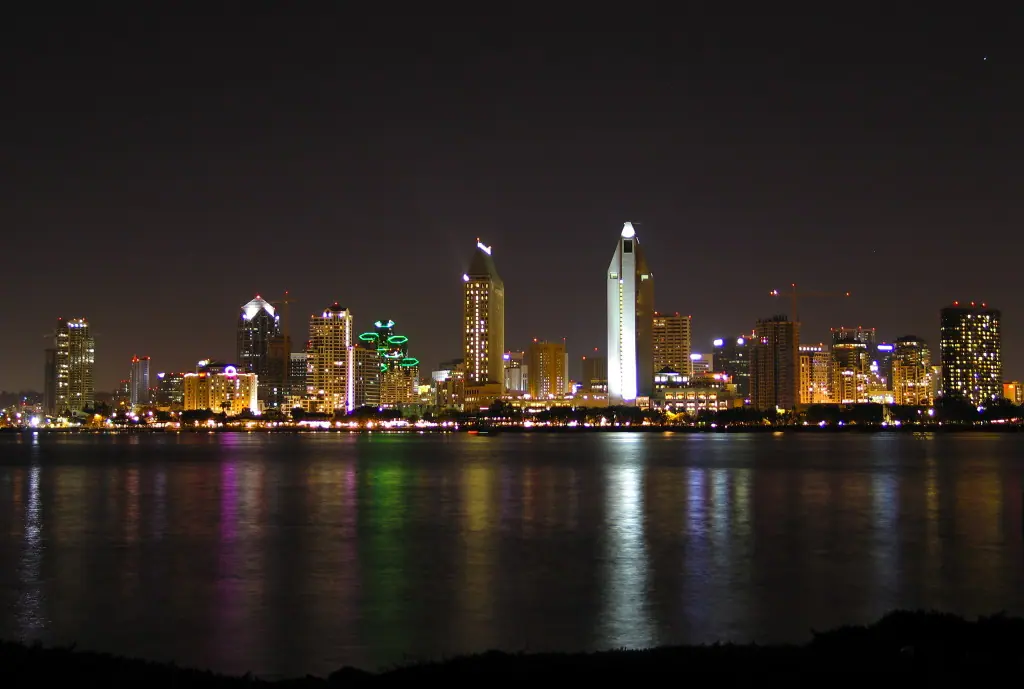
Germany is not one flavor but many: North Sea fish rolls, Bavarian pretzels, Rhineland Riesling and Berlin street snacks, all linked by efficient trains and a deep culture of local ritual. A great tour moves slowly between regions, letting food markets, beer gardens, wine taverns and seasonal festivals explain the place. From the Brandenburg Gate to Neuschwanstein Castle, the country's landmarks are grand, but its most memorable moments often happen at a crowded table.
Why Germany Rewards Slow, Regional Touring
Germany is a federation of landscapes and habits, so the best tours are regional rather than rushed. The north feels maritime: brick Gothic towns, wind-battered islands and fish sandwiches near harbor quays. The south shifts to Alpine foothills, baroque churches and beer gardens, while the west along the Rhine and Moselle is vineyard country. The east holds restored cities such as Dresden and Leipzig, where coffeehouse culture sits beside monumental squares.
The ideal months are May through October, when beer gardens open, wine festivals begin and hiking trails in the Black Forest and Bavarian Alps are clear. December is equally compelling for Christmas markets, though days are short and cold. Allow seven to ten days for two regions, or two weeks for Berlin, Bavaria and the Rhine together. Trains make car-free touring easy; base yourself in three places rather than changing hotels every night.
Landmarks That Anchor a First Germany Tour
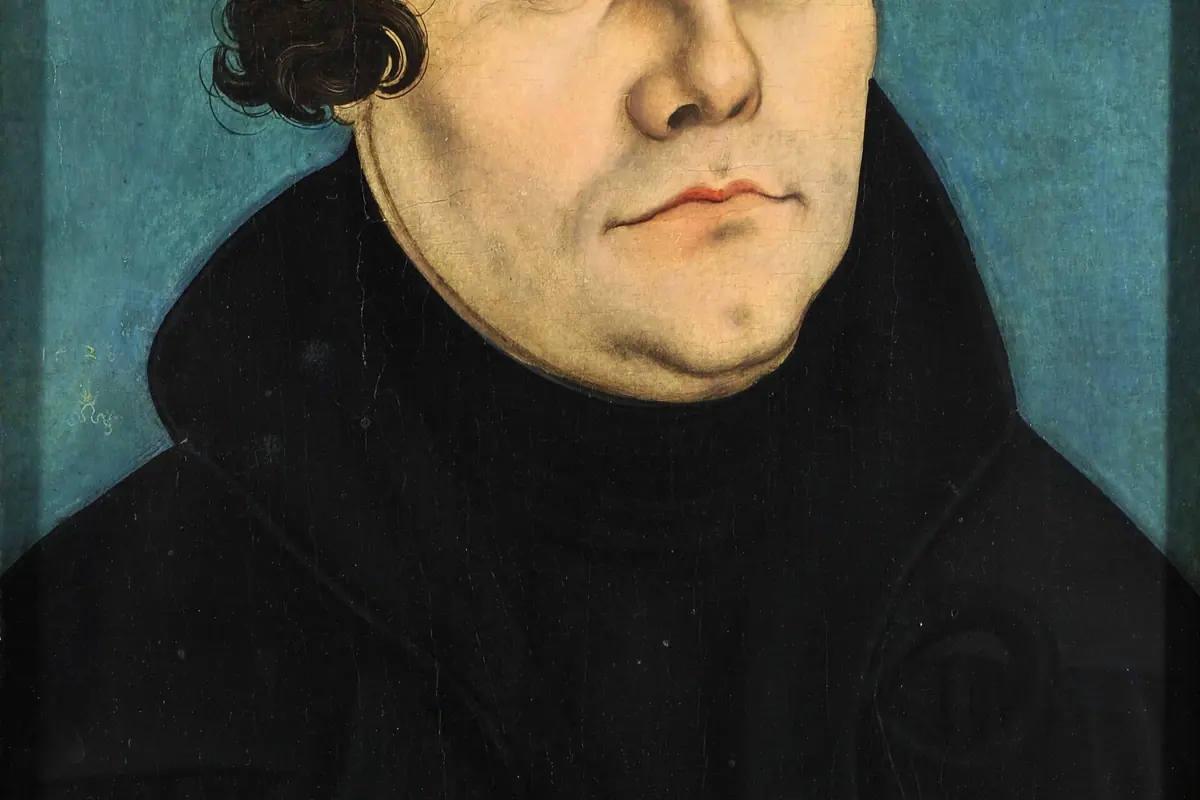
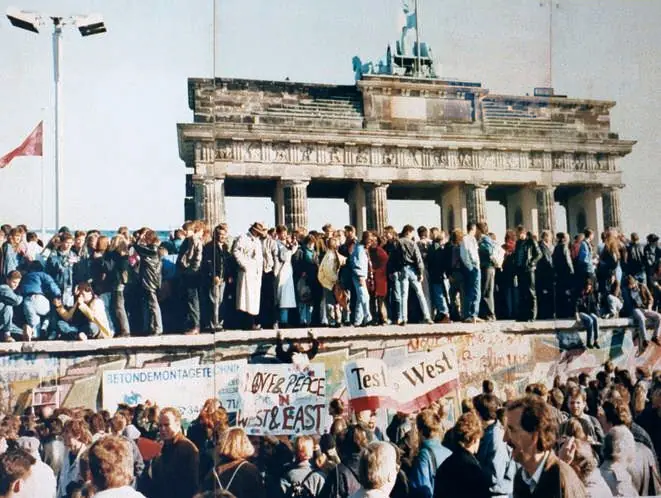
Berlin alone can fill three or four days: walk through the Brandenburg Gate, see the glass dome of the Reichstag Building, and cross to Museum Island, where five monumental museums hold everything from Egyptian busts to Byzantine mosaics. The East Side Gallery preserves a long stretch of the Berlin Wall as open-air art, while the Berlin Wall Memorial explains the divided city with sobering clarity.
Beyond Berlin, Cologne Cathedral dominates its Rhine-side old town, and the Romantic Road leads south through Rothenburg ob der Tauber, a walled medieval town, toward Neuschwanstein Castle in the Bavarian Alps. Heidelberg Castle overlooks the Neckar River; Dresden's Frauenkirche and Zwinger show baroque grandeur; Hamburg's Speicherstadt warehouses and Elbphilharmonie reveal a modern port city. Natural highlights include the Zugspitze and the sandstone towers of Saxon Switzerland.
Food That Tells You Where You Are
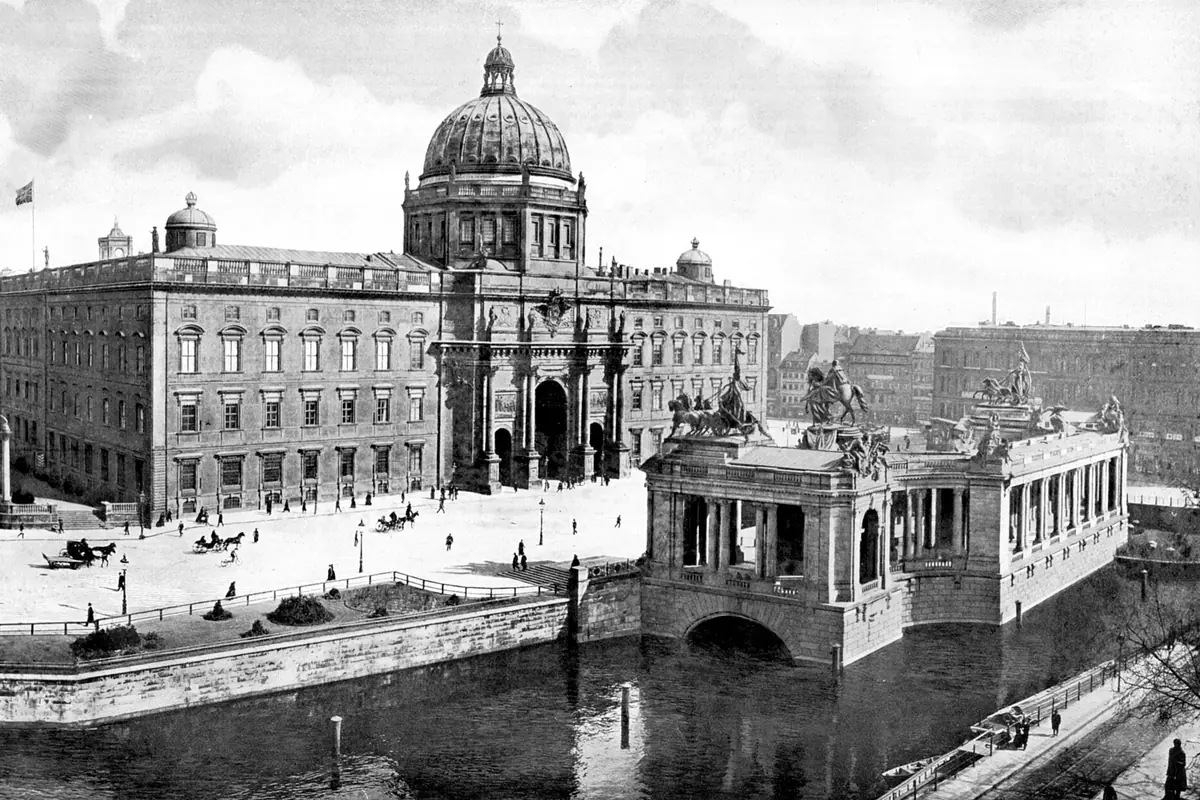
German food is deeply regional, so let the map guide your appetite. Berlin is currywurst territory, often eaten with fries and mayonnaise. Bavaria brings Weisswurst with sweet mustard and a pretzel, hearty Schweinshaxe, and the afternoon ritual of Kaffee und Kuchen. Swabia serves Maultaschen and Spätzle; the Rhineland pairs Sauerbraten with red cabbage; spring belongs to white asparagus, or Spargel, served with hollandaise and ham.
Markets are the best introduction: Munich's Viktualienmarkt is a year-round showcase of cheese, spices, flowers and beer-garden snacks, while Berlin's Markthalle Neun hosts street-food nights. Bakeries open early with rye breads and seed-crusted rolls; butcher shops sell Leberkäse and sausages ready to eat. In the Black Forest, order Black Forest cake made with kirsch and sour cherries, and along the Rhine, taste Riesling with river fish. Döner kebab is now part of everyday eating.
Beer Gardens, Wine Taverns and Cellar Culture
Beer culture is not just Oktoberfest. In Munich, the English Garden holds a famous beer garden around the Chinese Tower, where locals sit under chestnut trees with liter mugs and often bring their own food. Similar gardens line the Isar River and fill Bavarian towns. In Cologne, waiters carry small glasses of Kölsch until you cover your glass, while Düsseldorf pours altbier in wood-paneled brewhouses. Bamberg serves smoky Rauchbier; Frankfurt drinks apple wine from blue-gray jugs.
Wine lovers should head to the Rhine and Moselle valleys, where steep slate slopes produce Riesling, Pinot Noir and sparkling wines. Village taverns and winemaker cellars offer tastings, and autumn brings wine festivals with music, roasted meats and new wine. The German Wine Road in the Palatinate is a gentle route for cycling between vineyards. Ask what is local rather than what is famous.
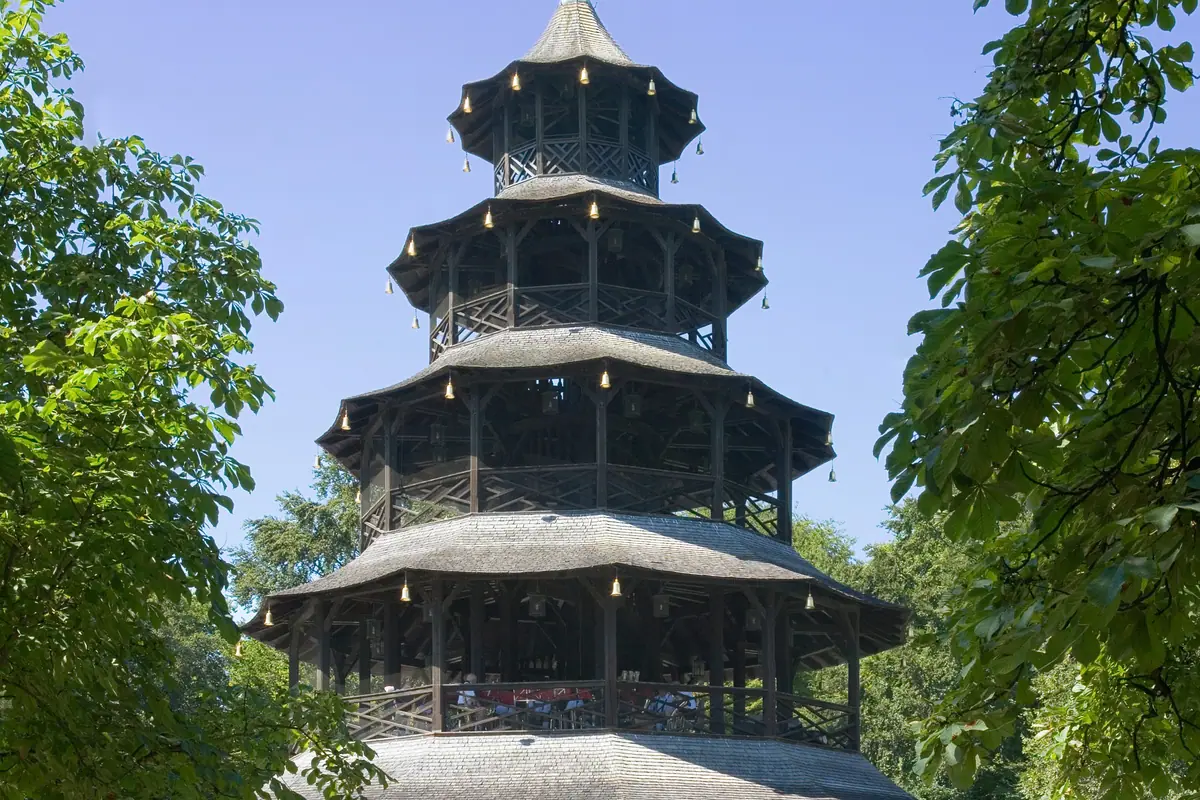
Seasonal Rituals: Markets, Carnival and Harvest
Christmas markets transform German squares from late November through December. Nuremberg's Christkindlesmarkt is the most storied, with its opening prologue, gingerbread and brass angels; Dresden's Striezelmarkt is one of the oldest, famous for stollen. Cologne, Munich and smaller towns such as Rothenburg ob der Tauber stage atmospheric markets where you can drink Glühwein from collectible mugs and buy carved wooden toys.
In February, Carnival season erupts in the Rhineland. Cologne's celebrations are legendary, with costumed parades, satirical floats and streets full of singing; Mainz and Düsseldorf have their own versions. Late September to early October brings Munich's Oktoberfest, with beer tents, brass bands and traditional dress. Spring means Spargel menus and May Day maypoles; autumn is for wine harvest festivals and chestnut stalls.
Practical Tips for Touring Germany
For a first tour, consider Berlin (3 days), Dresden (2 days), then Munich (3 days) with a day trip to Neuschwanstein Castle. Or combine Cologne Cathedral and the Rhine Valley with Heidelberg and the Black Forest. Trains are frequent and comfortable, with high-speed connections between major cities and regional lines reaching smaller towns. Book long-distance seats early for summer weekends and holidays.
Expect many shops to close on Sundays, especially outside big cities, and carry some cash for bakeries, markets and small taverns even though cards are widely accepted. Tipping is usually rounding up or adding five to ten percent. Learn a few words — Guten Tag, Danke, Bitte — and respect quiet hours in residential areas. Leave room for unplanned stops: a brewery tour, a local festival or a market breakfast can become the highlight of the trip.
Frequently asked questions
What is the best time of year to tour Germany?
May to early October offers mild weather, open beer gardens, hiking and wine festivals. Late November through December is best for Christmas markets. July and August are warm and busy, while winter is cold and quiet outside festive periods.
How many days do I need to see Germany's highlights?
Seven to ten days covers two regions comfortably, such as Berlin and Bavaria or the Rhine and Munich. Two weeks allows Berlin, Dresden, Cologne, the Rhine Valley and the Bavarian Alps without constant rushing.
What food should I try on a Germany tour?
Regional dishes matter: currywurst in Berlin, Weisswurst and pretzels in Bavaria, Sauerbraten in the Rhineland, Maultaschen in Swabia, Spargel in spring, Black Forest cake in Baden-Württemberg, and Riesling in the Rhine and Moselle valleys.
Is it easy to travel Germany without a car?
Yes. The rail network links major cities and many small towns, and regional trains reach wine villages and castle towns. Buses fill gaps, and bicycles are easy to rent in cities and along routes like the German Wine Road.
Do I need cash in Germany?
Cards are widely accepted, but small bakeries, market stalls, rural taverns and some beer gardens may prefer or only take cash. Carry a modest amount of euros and expect some Sunday closures.
Sort the rest of your trip
Everything for Germany, in one place
Stay in Germany
Hotels, guesthouses and apartments — compared in one search.
Search hotels
Transfer in Germany
Private driver waiting on arrival — no queues, no surprises.
Book a transfer
Stay online in Germany
Travel eSIM — data the moment you land, no roaming bills.
Get an eSIMMore guides in Germany
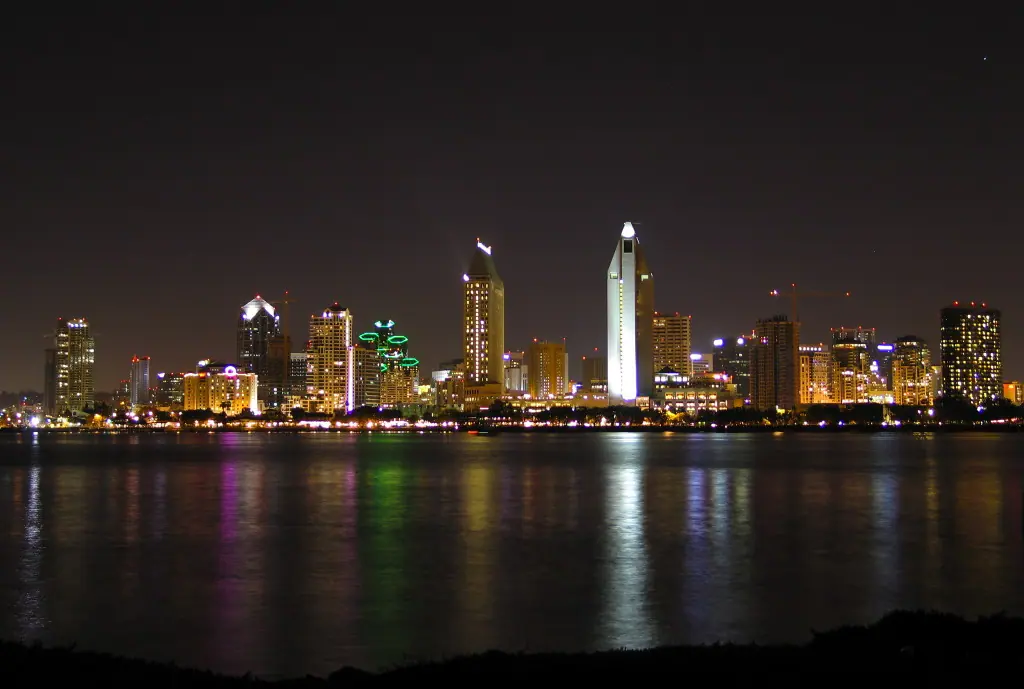
A One-Week Germany Itinerary by Flight: Berlin, Bavaria, Cologne and the Rhine
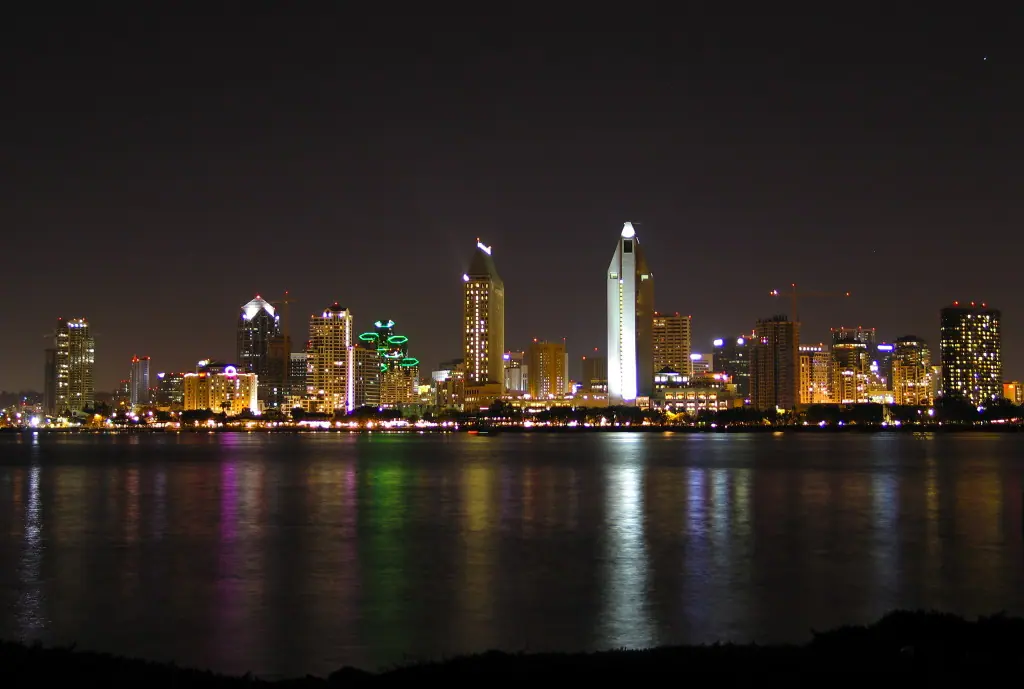
Hotels in Germany: Where to Stay and What to See in Berlin, Munich, Hamburg and Beyond
Best Places to Visit in Germany: Castles, Cathedrals and Coastal Cliffs