Germany changes character so completely between January and July that the month you choose decides what kind of holiday you get — a snow-dusted castle with a mug of glühwein, or a beer garden under linden trees at ten at night. Pick the season first, then pick the town, then book the room.
How Germany's Seasons Decide Where You Sleep
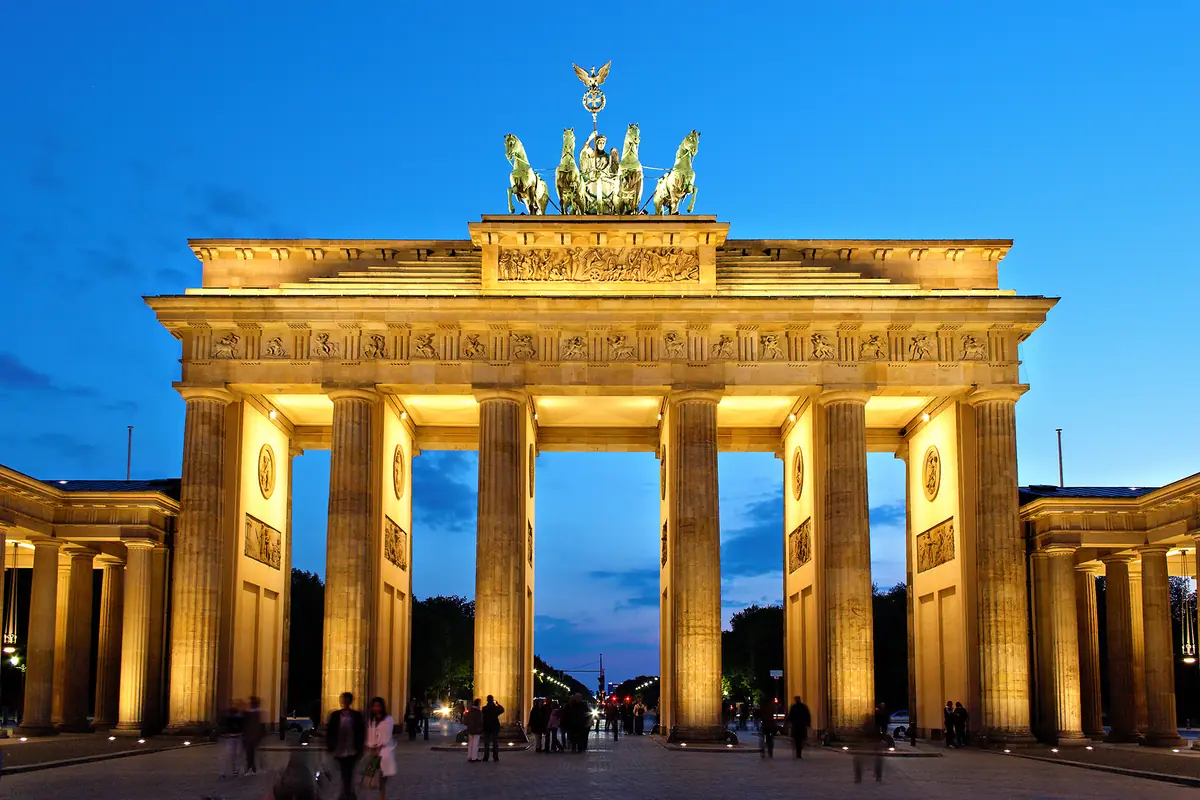
Germany sits in the temperate middle of Europe, which means four genuinely distinct seasons rather than a warm blur. Summer days in Berlin run past 9pm of usable daylight, while December afternoons fade by half past four. That single fact reshapes your itinerary: in June you can see the Brandenburg Gate, walk the East Side Gallery and still have energy for Museum Island; in December you will want a hotel within a few minutes' walk of the Christmas market so you can retreat indoors between stalls.
Hotel geography matters just as much as weather. German cities tend to have a compact historic core — Marienplatz in Munich, the cathedral quarter in Cologne, the Altstadt in Dresden — surrounded by quieter residential districts with better-value rooms and fast underground connections. Staying near the main station is convenient but often noisier and more expensive during trade fairs, when business travellers fill every mid-range room in Frankfurt, Düsseldorf or Munich and rates double for a few days.
As a rule of thumb, allow three to four nights for Berlin, two to three for Munich, and a night or two each for smaller gems like Heidelberg, Rothenburg ob der Tauber or Bamberg. That rhythm gives you time to reach the big sights without spending your holiday on regional trains.
Spring: Blossom, City Breaks and Room to Breathe (March to May)
Spring is the connoisseur's window. From late March the Rhine and Moselle valleys wake up, almond and cherry blossom flushes through the old towns, and beer gardens start setting out benches at the first reliable sunshine. April and May bring mild, changeable weather — pack a light rain shell — but also noticeably lower hotel rates than high summer and far shorter queues at the ticketed sights.
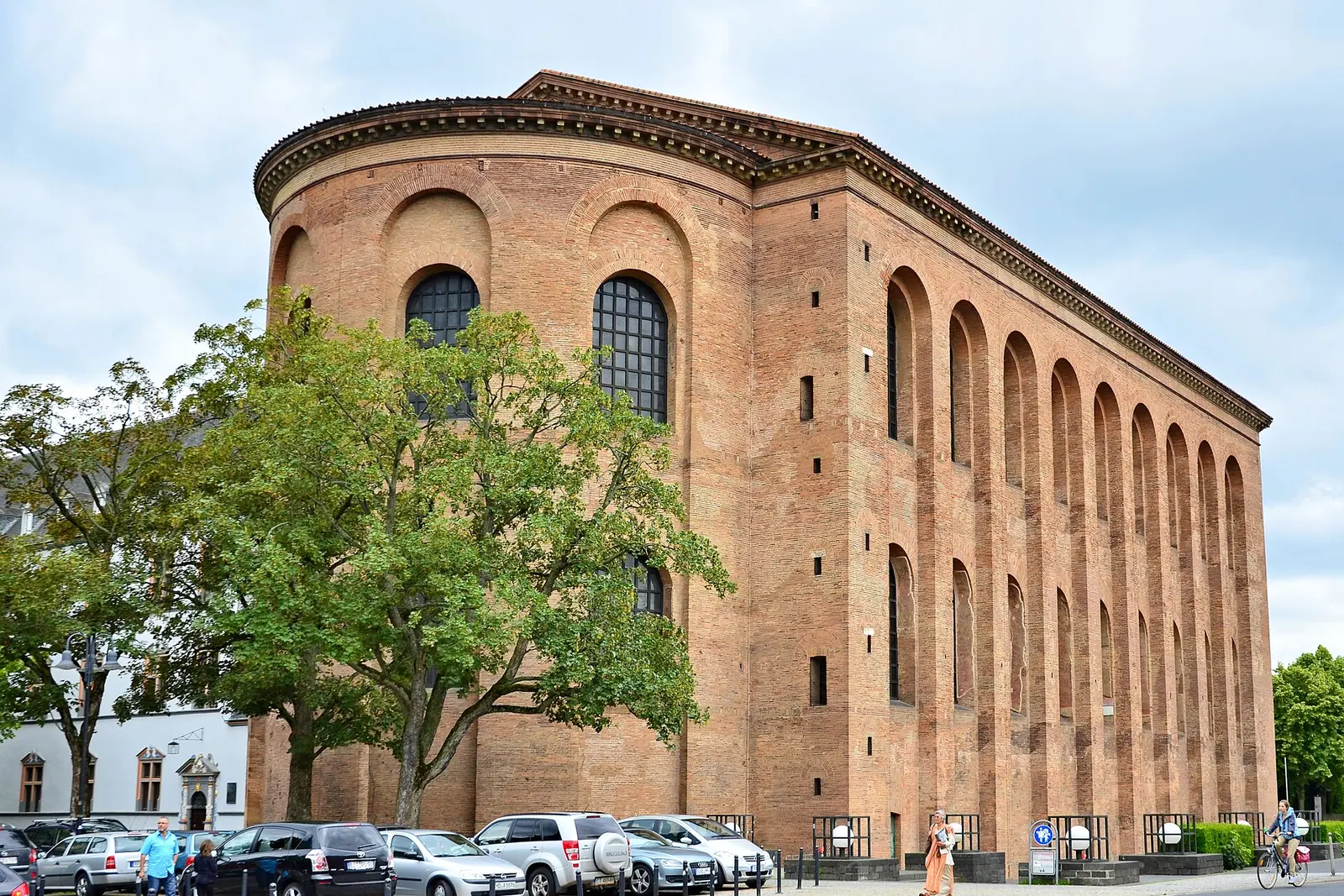
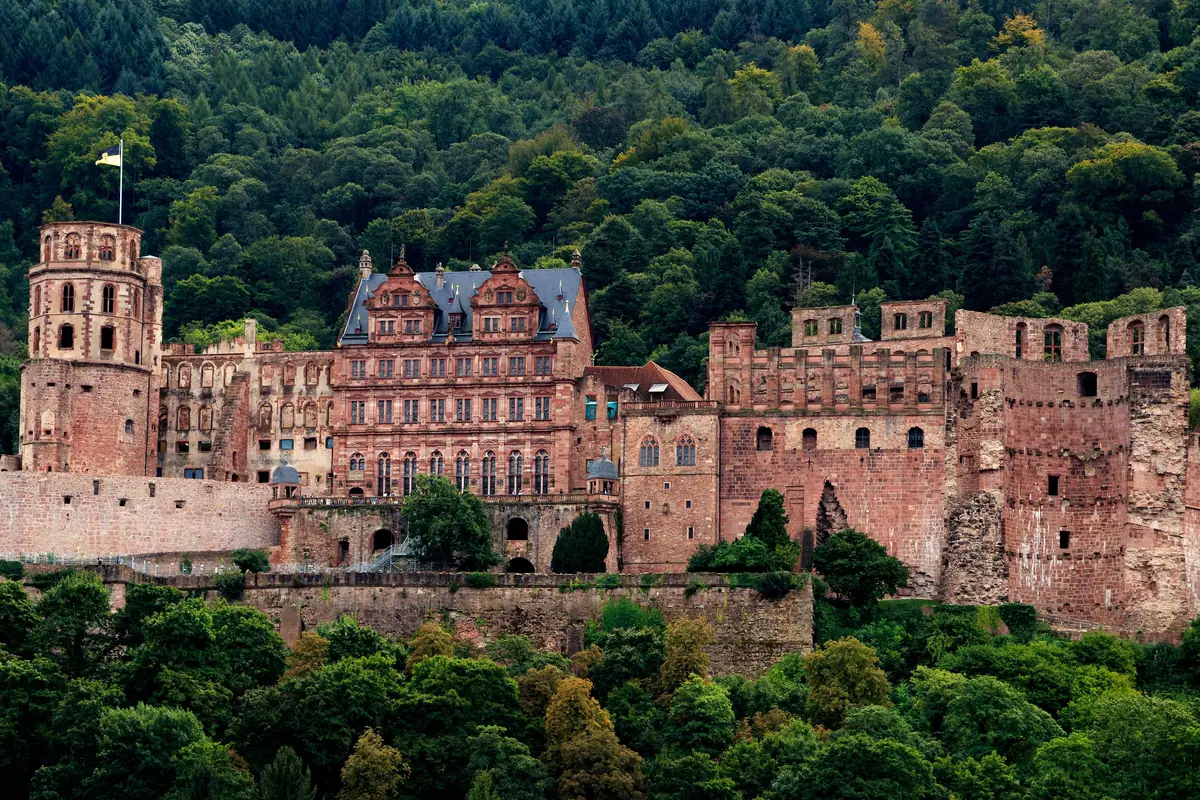
This is the ideal season for a cathedral-and-castle circuit. Cologne Cathedral, a Gothic giant whose twin spires dominated the skyline for six centuries, is pleasant to climb in May and unbearable in a July heatwave. Heidelberg Castle, the red sandstone ruin above the Neckar, looks its romantic best framed by fresh green woodland. Further east, Dresden's Frauenkirche and the terraces along the Elbe fill with locals rather than tour groups.
Two practical spring notes: Easter holidays and the long May weekends send German families to spa towns and lakes, so book those specific dates early, and the Rhine in late April still carries cool, misty mornings perfect for a river cruise past vineyard terraces and hilltop castles.
Summer: Long Light, Alpine Peaks and the Baltic Coast (June to August)
Summer is peak season, with everything that implies: warm to hot days, crowded trains, and the highest room rates of the year in Bavaria and along the coast. It is also the only reliable window for high-altitude hiking and lake swimming. June is the sweet spot — long evenings, wildflower meadows, and slightly softer demand than July and August.
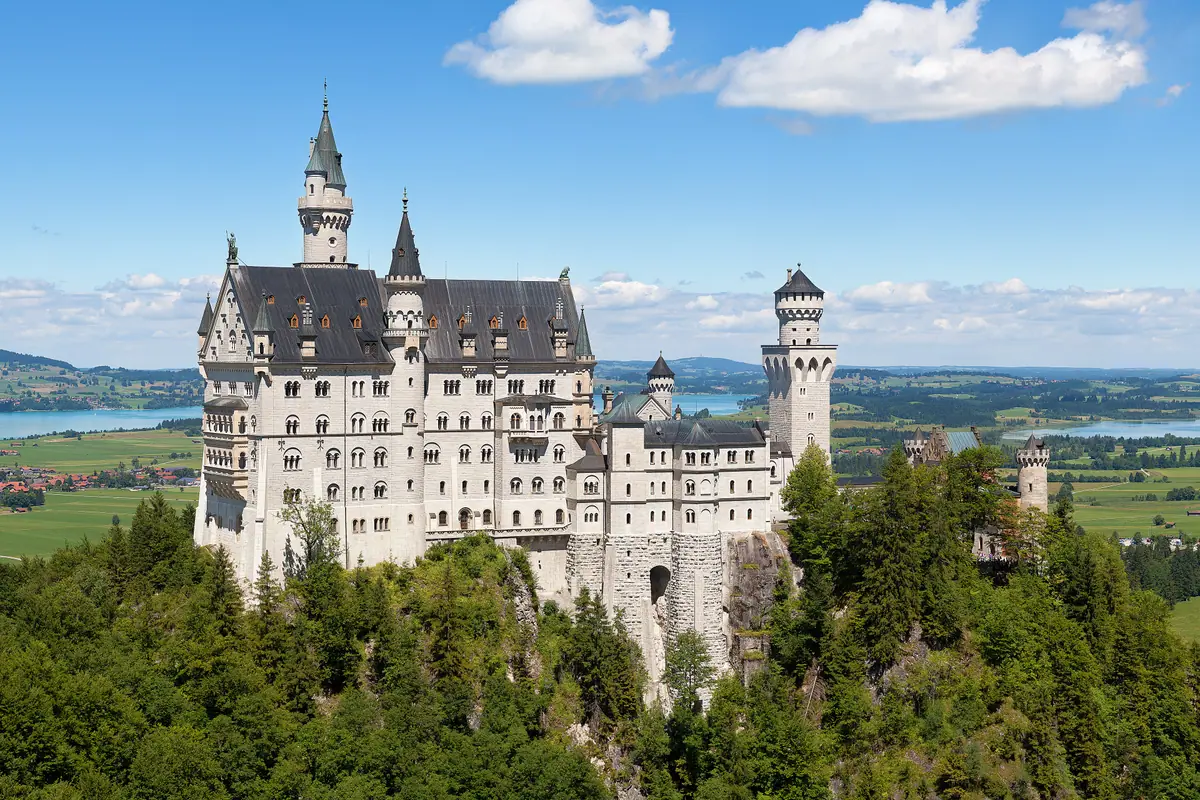
In the south, the fairy-tale silhouette of Neuschwanstein Castle draws enormous numbers; arrive at opening time or book a timed ticket well ahead, and treat the visit as a half-day trip from Munich or a stopover on the Romantic Road towards Füssen. The Zugspitze, Germany's highest summit, offers glacier views, cable-car access and snow even in August, while the Königssee near Berchtesgaden rewards an early boat across water so still it mirrors the cliffs.
Head north instead and you get the Baltic and North Sea coasts: Rügen's chalk cliffs, the Wadden Sea tidal flats, and breezy island hotels where a sea view costs a fraction of an Alpine suite. Wherever you go in July, reserve accommodation several weeks ahead and expect breakfast to be included as standard — a German habit that quietly saves money on family trips.
Autumn: Oktoberfest, Vineyards and Golden Forests (September to November)
September and early October are arguably the best all-round months to visit: settled weather, warm but not oppressive, and countryside turning gold. The Black Forest, Saxon Switzerland and the Bavarian Alps are at their most photogenic for hikers, and the wine villages of the Rhine and Mosel celebrate harvest with tastings in vaulted cellars.
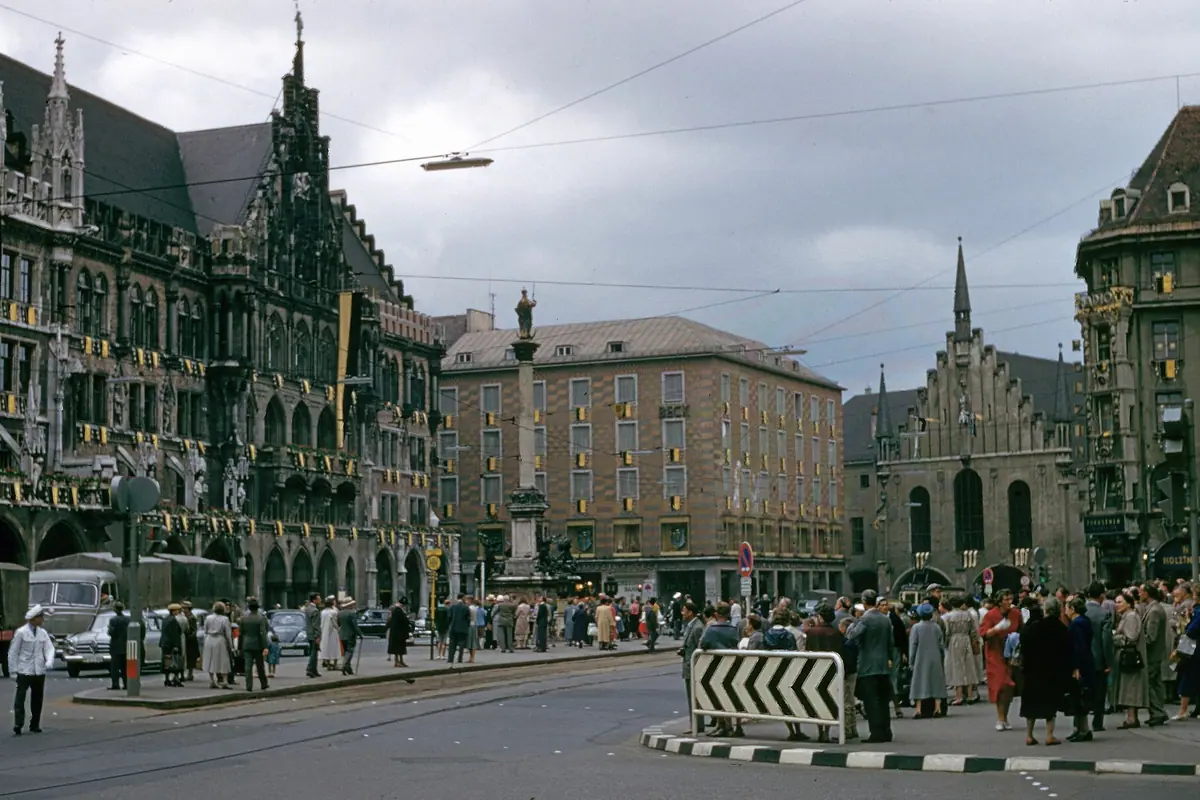
This is also the season of Munich's Oktoberfest, which transforms the city for roughly two and a half weeks from mid-September. Hotel rooms in Munich sell out months in advance and prices multiply, so either commit early or base yourself in a nearby town such as Augsburg, Regensburg or Garmisch-Partenkirchen and travel in by train. Even outside festival dates, Marienplatz, the Residenz and the Englischer Garten justify a stay.
Late November is the quietest, cheapest stretch of the German calendar — bare trees, grey skies, low prices — yet it is a good time for museum-heavy city breaks in Berlin, Hamburg's Speicherstadt and Elbphilharmonie district, or the baroque streets of Dresden, all of which need no sunshine to shine.
Winter: Christmas Markets, Spa Towns and Quiet Museums (December to February)
Germany invented the modern Christmas market, and December is when the country is at its most atmospheric. Nuremberg's Christkindlesmarkt, spread across the main square beneath the castle, is the most famous; Dresden's Striezelmarkt is one of the oldest; Cologne's stalls cluster beneath the cathedral; and smaller towns such as Rothenburg ob der Tauber look like a snow globe come to life. Days are short, so plan sightseeing for the morning and markets for the dark afternoons.
Cold weather is also spa weather. Baden-Baden, with its grand thermal baths and wooded Lichtentaler Allee, and Wiesbaden's historic bathing houses offer a warm refuge; castle hotels in the Rhine and Neckar valleys trade summer crowds for fireside calm and much lower rates. Pack proper insulated boots — cobblestones get genuinely icy.
By late January and February the markets have packed away and the country enters its cheapest, most local season. Ski resorts in the Bavarian Alps and the Harz mountains fill at weekends, but city hotels in Berlin, Hamburg and Leipzig are quiet and affordable, and museums such as Berlin's Museum Island and the Reichstag dome can be visited without the summer scrum.
Booking Strategy: Matching Hotels to Season and Place
Book direct with small guesthouses where you can, especially in the countryside: family-run pensions and Gasthöfe in Bavaria, the Black Forest and along the Romantic Road often include breakfast, offer bike or ski storage, and give better advice than any chain. For city stays, prioritise a location within walking distance of an U-Bahn or S-Bahn station — Berlin, Munich, Hamburg and Cologne all have fast, frequent networks that make a central address less necessary.
Timing your reservation follows a predictable pattern. Reserve six to nine months ahead for Oktoberfest, the Christmas-market weekends in Nuremberg, Dresden and Cologne, and any major trade-fair week in Frankfurt, Munich, Düsseldorf or Hanover. For spring and autumn city breaks, four to six weeks is usually enough; for January and February, you can often book a week out and still find good rooms at short notice.
Finally, think about what each season does to your days. Summer justifies a lakeside or Alpine base with a balcony; winter favours a spa hotel or a historic centre you can explore in short outdoor bursts; spring and autumn suit walkable old towns and wine regions. Match the room to the rhythm of the season and Germany rewards you with one of Europe's easiest, most comfortable travel experiences.
Frequently asked questions
What is the best month to visit Germany overall?
May, June and September are the strongest all-round choices: mild to warm weather, long daylight, open beer gardens and vineyards, and manageable crowds. June gives the longest evenings, while September combines settled weather with harvest atmosphere in the wine regions.
When are hotels in Germany cheapest?
Late January, February and the first half of March are generally the quietest and cheapest, outside ski resorts and trade-fair weeks. Late November is also good value. Rates climb sharply in July and August, during Oktoberfest in Munich, and across the Christmas-market period in Nuremberg, Dresden and Cologne.
How far ahead should I book for Oktoberfest or the Christmas markets?
For Oktoberfest in Munich, aim for six to nine months ahead, or stay in a nearby town and travel in by train. For the big Christmas markets, three to six months is sensible for weekend dates, since Friday and Saturday nights in Nuremberg and Dresden sell out first.
Is winter a good time to visit Germany?
Yes, if you plan around the short days. December offers Christmas markets and candlelit old towns; January and February bring low prices, quiet museums such as Berlin's Museum Island, and thermal spa towns like Baden-Baden. Expect temperatures around freezing and pack warm, waterproof footwear for cobblestones.
Which German cities make the best bases for a first trip?
Berlin for history and museums, Munich for Bavaria, castles and day trips to Neuschwanstein, Cologne for the cathedral and Rhine connections, and Dresden for baroque architecture and Saxon Switzerland. Most travellers combine two or three, using fast intercity trains rather than moving hotels every night.
Sort the rest of your trip
Everything for Germany, in one place
Transfer in Germany
Private driver waiting on arrival — no queues, no surprises.
Book a transfer
Things to do in Germany
Skip-the-line tickets, guided tours and standout experiences.
See experiences
Stay online in Germany
Travel eSIM — data the moment you land, no roaming bills.
Get an eSIM