Germany packs an improbable amount into one country: glass-domed parliaments and graffiti-covered walls, fairy-tale castles on Alpine crags, half-timbered towns that survived the centuries and a Baltic coast of white chalk cliffs. The trick is not deciding whether to go, but choosing which version of Germany you want first — the big-city energy of Berlin, the beer-hall warmth of Bavaria, or the vineyard-lined river valleys in between.
Berlin and the East: Cold War Relics, Museum Island and Rebuilt Baroque
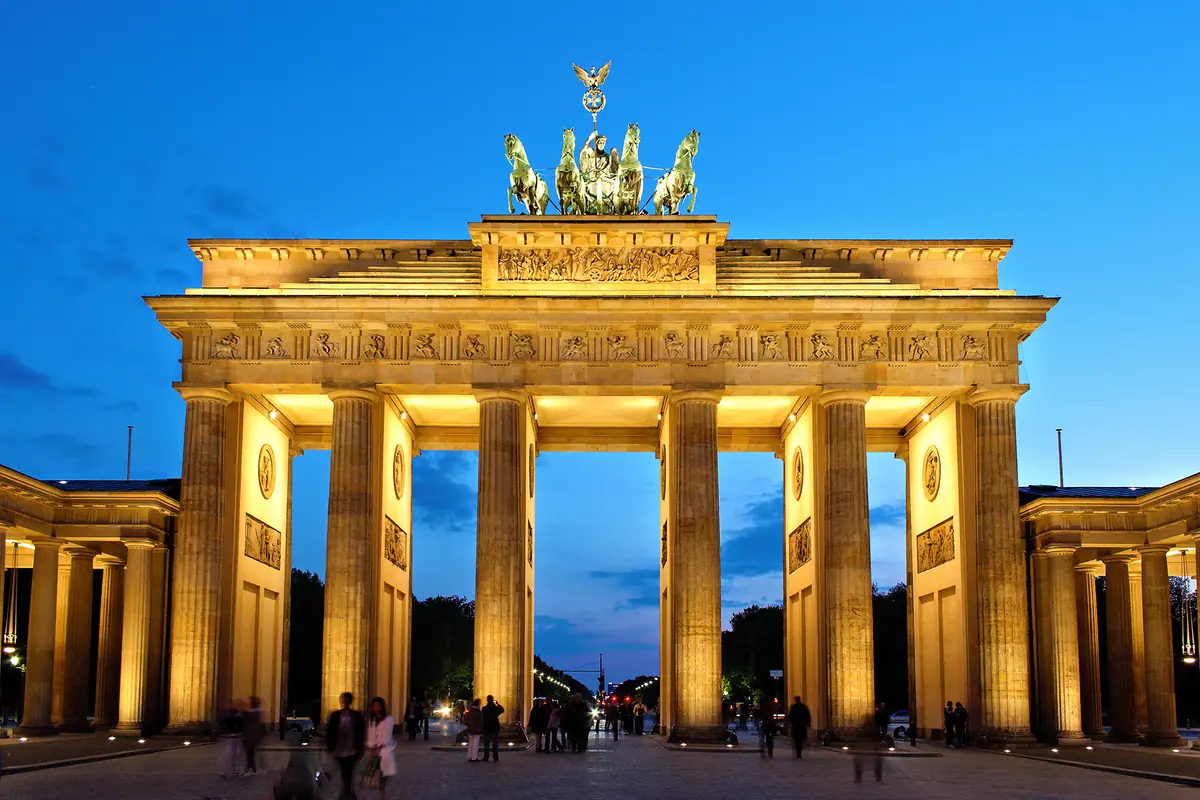
Berlin is the natural starting point, and it rewards at least three full days. Begin at the Brandenburg Gate, the neoclassical arch that has watched parades, protests and reunification, then walk five minutes to the Reichstag, whose glass dome offers free panoramic views over the city (book a slot in advance — same-day entry is rare). Museum Island, a UNESCO-listed cluster in the middle of the Spree, holds the Pergamon Museum's reconstructed ancient gates, the Neues Museum's bust of Nefertiti and the Alte Nationalgalerie. Climb the Fernsehturm for the classic aerial shot, and don't miss the East Side Gallery, a kilometre of painted concrete that is the longest surviving stretch of the Berlin Wall.
From Berlin, the eastern cities are an easy train hop. Dresden, rebuilt stone by stone after 1945, is a Baroque showpiece: the Frauenkirche's dome, the Zwinger palace courtyards and the riverside Brühl's Terrace, all walkable in a day, with the Elbe sandstone cliffs of Saxon Switzerland and the Bastei Bridge an hour away by suburban rail. Leipzig, meanwhile, is Bach territory — his grave lies in St. Thomas Church, where the choir still performs — plus a handsome arcaded old town and a booming art scene in former cotton mills.
Allow two days for Dresden with a Bastei excursion, and one to two for Leipzig. Spring and early autumn are ideal: the light is soft, the cafés spill onto pavements and you avoid the crush of high summer.
Bavaria and the Alps: Fairy-Tale Castles, Beer Halls and Germany's Highest Peak
Bavaria is the Germany of postcards, and it delivers. Munich anchors the region with Marienplatz, where the Glockenspiel clatters at 11am and noon, the bulbous towers of the Frauenkirche, and the vast Englischer Garten, whose river surfers ride a standing wave year-round. Nymphenburg Palace, the former summer residence of the Wittelsbachs, is a short tram ride out and far quieter than the centre. Time a visit to late September or early October and you'll catch the world's most famous beer festival, though hotel prices triple and rooms sell out months ahead.
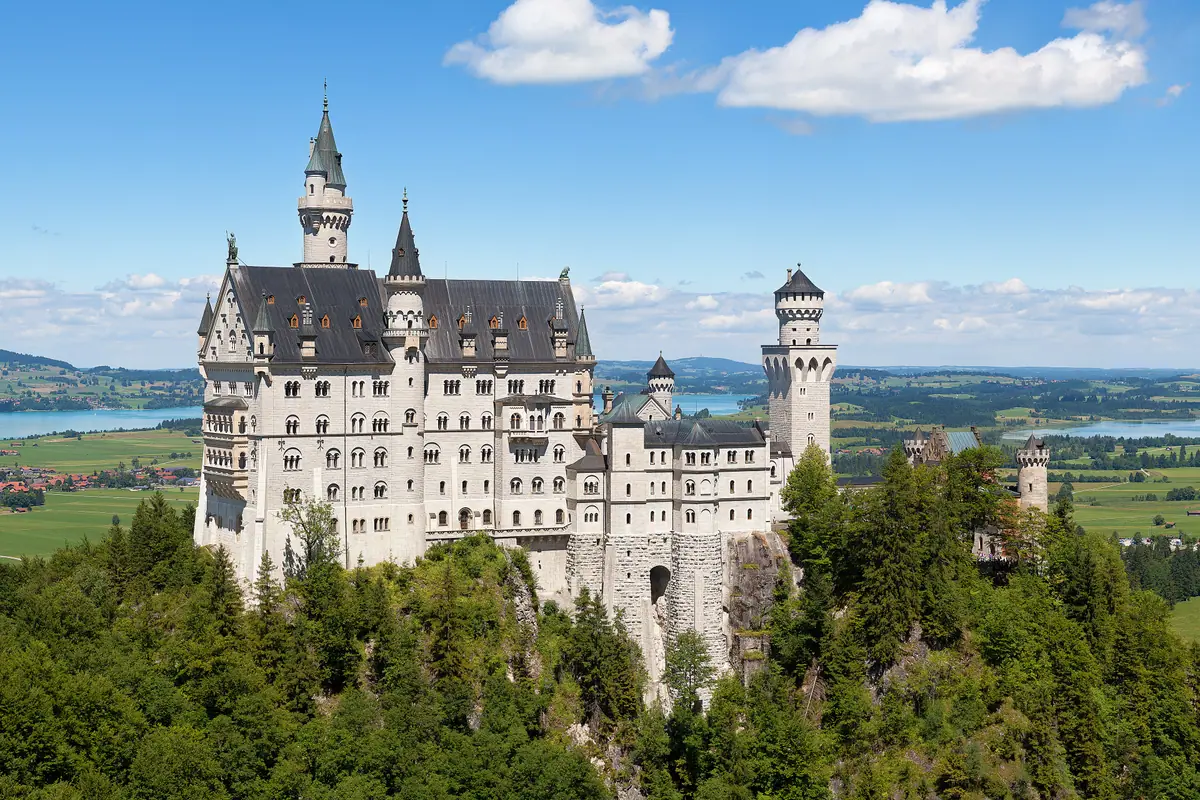
South of Munich the scenery turns dramatic. Neuschwanstein Castle, the 19th-century fantasy of King Ludwig II, is the single most photographed building in Germany — go at opening time or on a weekday, and pair it with Hohenschwangau below and the Marienbrücke viewpoint above. Ludwig's other extravagances, Linderhof and Herrenchiemsee, are less crowded and arguably more beautiful. Farther south, the Zugspitze rises to 2,962 metres and can be reached by cogwheel train or cable car for a four-country panorama on a clear day.
Base yourself in Garmisch-Partenkirchen for the Zugspitze, or Berchtesgaden for the fjord-like Königssee, where electric boats glide past the Echo Wall to St. Bartholomä. North of the Alps, Nuremberg's hilltop Imperial Castle and Rothenburg ob der Tauber's intact medieval walls and Plönlein corner complete the Romantic Road picture — both are best seen in May, June or September.
Allow four to five days for Bavaria if you want Munich plus one mountain base; a week if you're adding Nuremberg and Rothenburg by car or rail.
The Rhine and Moselle: Vineyard Slopes, Cathedral Spires and Hilltop Castles
The Rhine Gorge between Koblenz and Bingen is the classic river journey: terraced vineyards, half-timbered wine villages and a castle roughly every kilometre, all protected as a UNESCO landscape. Take a slow boat rather than the fast train, at least for one stretch, and watch for the Lorelei rock, where the river narrows and the legend of a singing siren was born. Marksburg, the only hilltop castle on the Rhine never destroyed, has the most authentic interior; Rüdesheim's Drosselgasse is touristy but genuinely fun after dark.
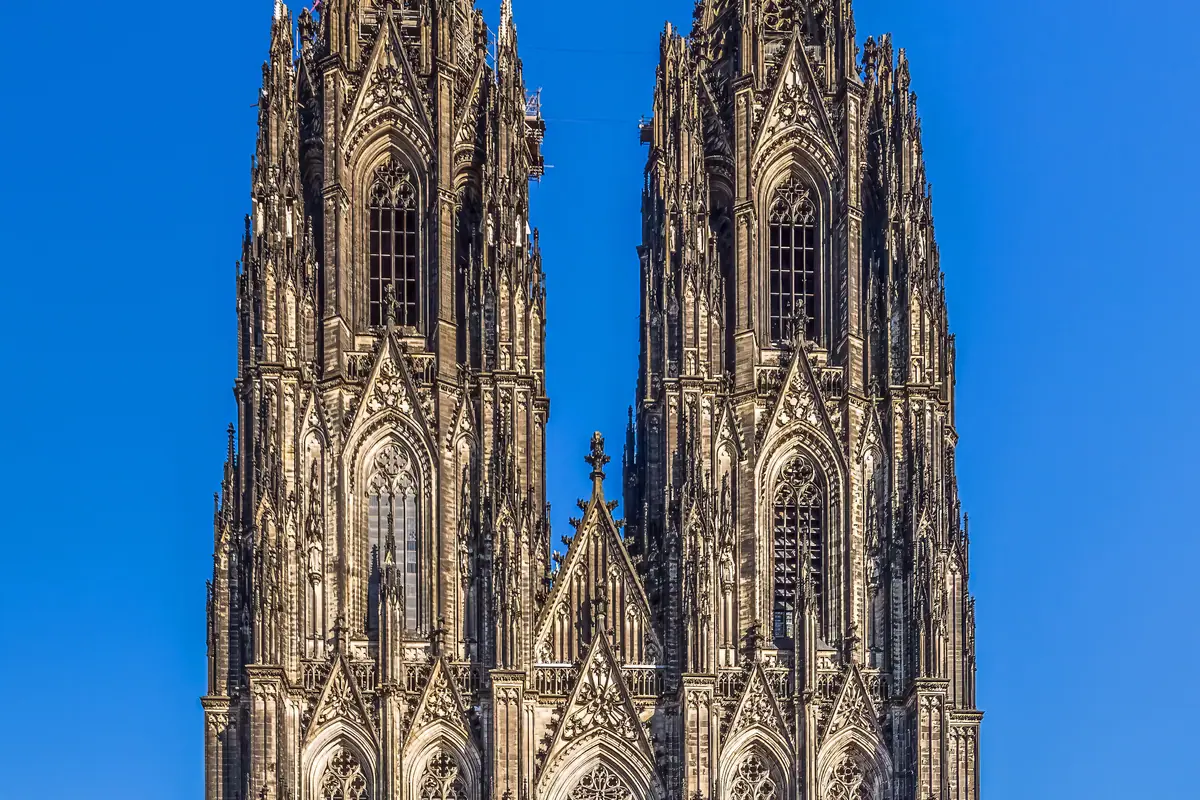
At the northern end stands Cologne Cathedral, a Gothic colossus that took 632 years to finish and still dominates the skyline beside the Hohenzollern Bridge. Climb the 533 steps of its south tower for the reward of the view, and give the city at least a day for its Roman-Germanic Museum and riverside beer halls.
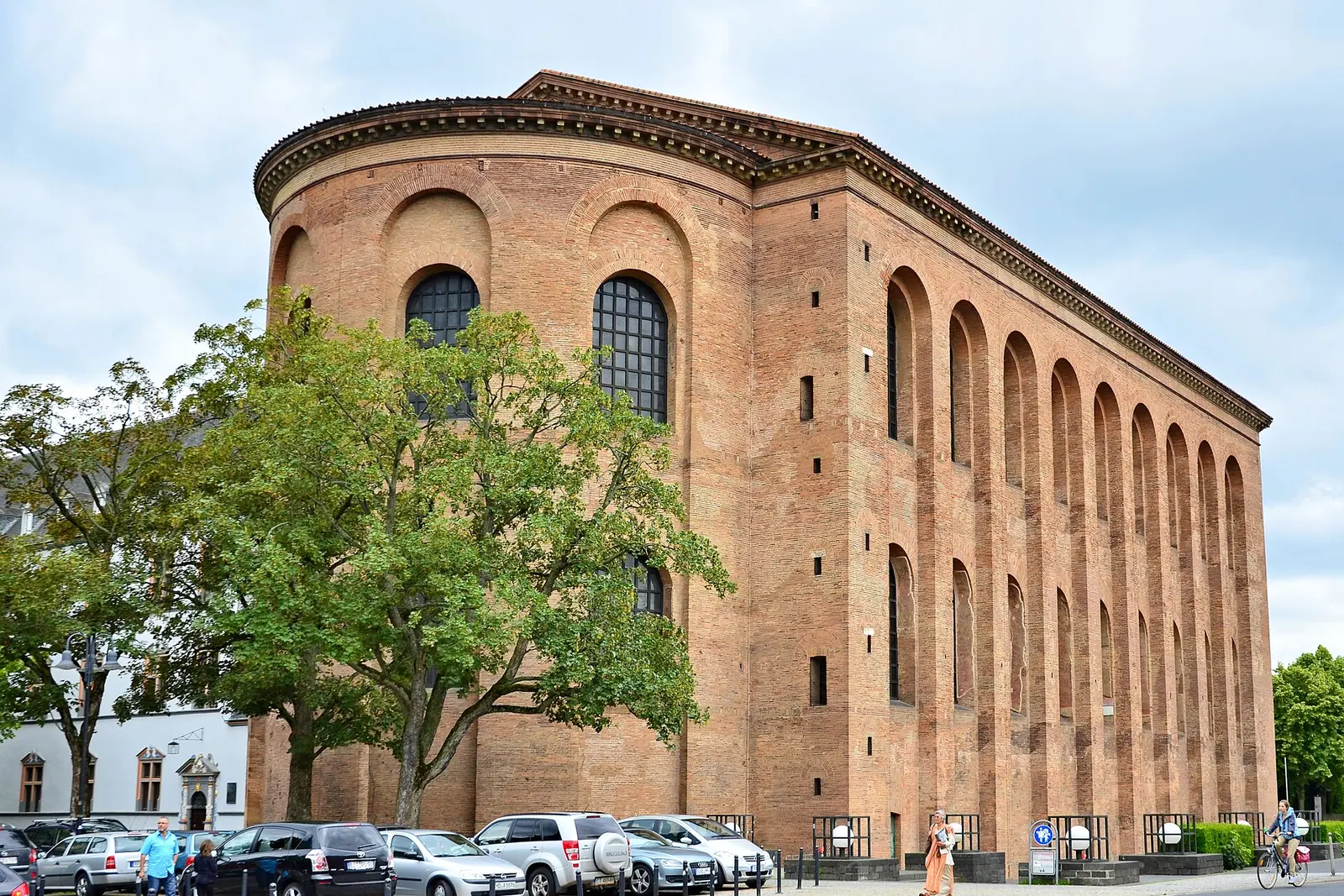
Head south for Heidelberg, whose red sandstone castle ruin, giant wine barrel and Philosophenweg path above the river make it the most romantic stop on the route, and on into the Black Forest, where the Triberg waterfalls tumble in seven tiers among dense firs and cuckoo-clock workshops. Trier, Germany's oldest city, guards the Roman Porta Nigra and imperial baths. Vineyard country is at its best from late May to October, and the Moselle's steep slopes glow gold in the first half of September.
The Hanseatic North: Harbour Cities, Brick Gothic and Baltic Chalk Cliffs
Hamburg is a port city with a swagger. The Speicherstadt, a red-brick warehouse district built on oak pilings, is now full of museums and cafés and is best explored by boat through its canals. Next door, the wave-crested Elbphilharmonie concert hall offers a free public viewing platform with sweeping harbour views. Wander the Landungsbrücken piers, eat a fish roll, and give the city two days minimum.
West along the coast, Bremen's market square pairs a 600-year-old town hall with the Roland statue and the bronze Town Musicians of the Brothers Grimm tale; an hour northeast, Lübeck's Holstentor gate and marzipan-scented old town are the finest surviving example of Hanseatic brick Gothic.
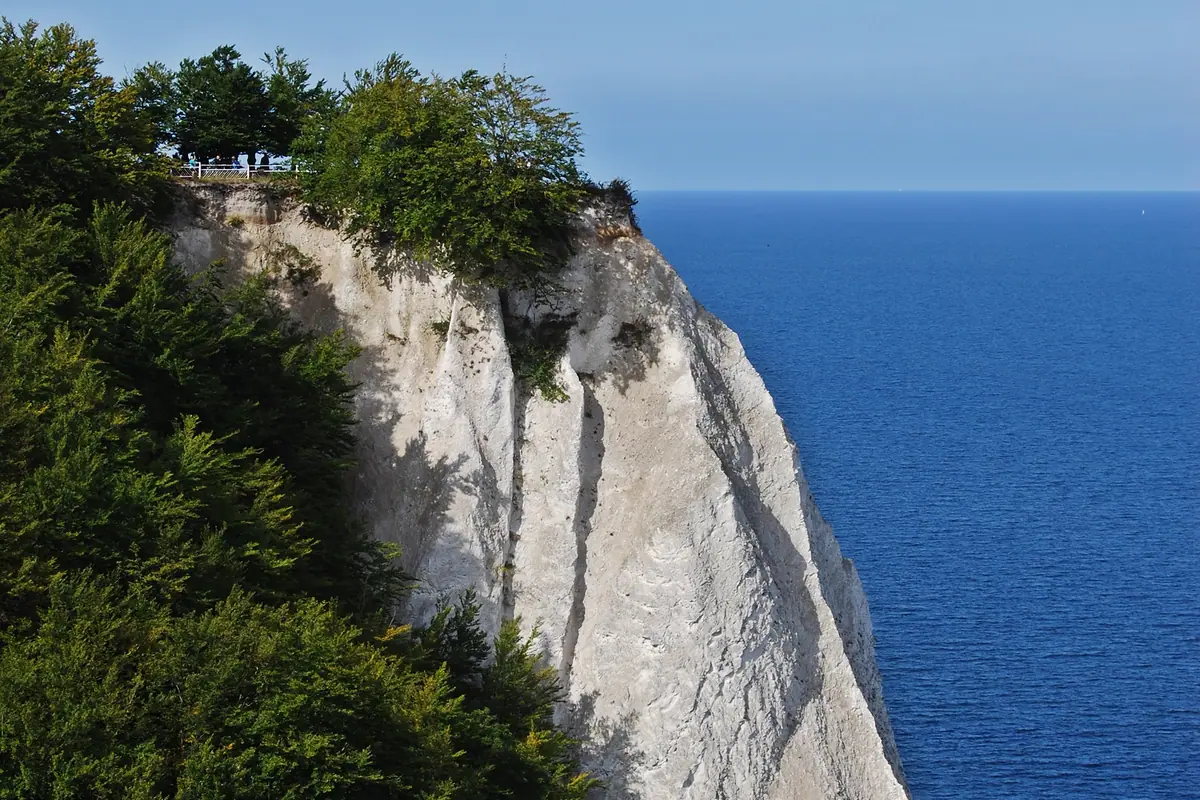
For coastline, head to Rügen, Germany's largest island, where Jasmund National Park protects the Königsstuhl — the 118-metre chalk cliff that inspired Romantic painters — reached by a forest boardwalk from Hagen. Usedom is quieter and sunnier, while Sylt in the North Frisian Islands is windswept, dune-backed and expensive. The Baltic season runs from June to early September; outside that, bring a windproof jacket and expect empty beaches.
Natural Germany: Peaks, Gorges, Lakes and the Wadden Sea
Beyond the cities, Germany is quietly one of Europe's best hiking countries. The Bavarian Alps around Berchtesgaden and Garmisch offer everything from lakeside strolls to the Höllentalklamm gorge, a ladder-and-tunnel route through a limestone canyon. In the Harz mountains, the Brocken — Goethe's witches' mountain — is reached by steam train or on foot, and the granite boulder fields of the Hexentanzplatz reward the climb.
The Black Forest's 24,000 kilometres of marked trails are the country's most accessible walking network, running past waterfalls, farms and thermal spas like Baden-Baden. Lake Constance, on the Swiss border, is a summer playground of ferries, vineyards and Mainau Island's flower gardens, best from May to September.
On the North Sea coast, the Wadden Sea — a UNESCO-listed expanse of tidal mudflats — is explored on guided walks at low tide, sinking ankle-deep in silt while guides explain the ecosystem. It's a strange, unforgettable experience, and a reminder that Germany's natural sights deserve as much time as its castles.
When to Go and How to Plan a Germany Trip
Germany works year-round, but the seasons give very different trips. May and June bring long days, blossoming vineyards and manageable crowds. July and August are warmest but busiest, especially in Bavaria and on the Baltic. September and October are arguably the sweet spot: golden light, harvest festivals and comfortable hiking weather. From late November, the Christmas markets transform Nuremberg, Dresden, Cologne and Munich into lantern-lit fairy tales, with Nuremberg's Christkindlesmarkt and Dresden's Striezelmarkt the most atmospheric — dress for temperatures near freezing.
The national rail network is fast, frequent and covers almost every sight in this guide; high-speed trains link Berlin, Hamburg, Cologne and Munich in four to five hours, and regional day tickets make short hops cheap. A car helps in the Black Forest, rural Bavaria and along the Romantic Road, where villages sit off the main lines. Book long-distance trains and popular castle tickets weeks ahead, especially for Neuschwanstein, the Reichstag dome and any Oktoberfest-period hotel.
Plan on seven to ten days for a first visit covering two or three regions: Berlin and Dresden, then Munich with a castle day, or Cologne and the Rhine with Hamburg if you prefer rivers and harbours to mountains. Carry some cash — smaller bakeries, market stalls and rural guesthouses still prefer it — and note that most shops close on Sundays. Tipping is modest: round up or add five to ten percent in restaurants.
Frequently asked questions
What is the single best place to visit in Germany for a first trip?
Berlin, for most first-timers: the Brandenburg Gate, the Reichstag dome, Museum Island and the East Side Gallery sit within a few kilometres of each other, and the city explains modern Germany better than anywhere else. Add Munich and Neuschwanstein Castle if you have extra days.
How many days do you need in Germany?
Seven to ten days is enough for two or three regions without rushing — for example Berlin and Dresden plus Munich and the Bavarian Alps. Two weeks lets you add the Rhine Valley and Hamburg, and a month would cover the whole country comfortably.
When is the best time to visit Germany?
May, June, September and October offer the best balance of weather, light and smaller crowds. July and August are warm but peak season, while late November and December are ideal for Christmas markets, provided you pack for cold, damp days.
Do you need a car to get around Germany?
Not for the cities and major sights — high-speed and regional trains connect Berlin, Hamburg, Cologne, Munich, Dresden and Heidelberg efficiently. A car is genuinely useful in the Black Forest, along the Romantic Road and in rural Bavaria or the Harz, where buses are sparse.
Is Germany expensive to travel in?
It sits mid-range for Western Europe. Trains, museum tickets and city hotels are the main costs, while bakery lunches, supermarket picnics and regional day tickets keep budgets down. Booking long-distance rail and castle entry in advance saves both money and stress.
Plan it — experiences in Germany
Live search, booked directly with trusted providers.
Sort the rest of your trip
Everything for Germany, in one place
Stay in Germany
Hotels, guesthouses and apartments — compared in one search.
Search hotels
Transfer in Germany
Private driver waiting on arrival — no queues, no surprises.
Book a transfer
Stay online in Germany
Travel eSIM — data the moment you land, no roaming bills.
Get an eSIM