French Polynesia is not one destination but a scatter of island worlds, each with its own rhythm of lagoon light and mountain shadow. Where you sleep here decides what kind of trip you have — a glass-floored bungalow above a coral garden, or a family guesthouse where dinner is served at one long table. This guide sorts out the islands, the stays and the landmarks worth building a journey around.
Choosing Your Island: How the Geography Shapes Your Stay
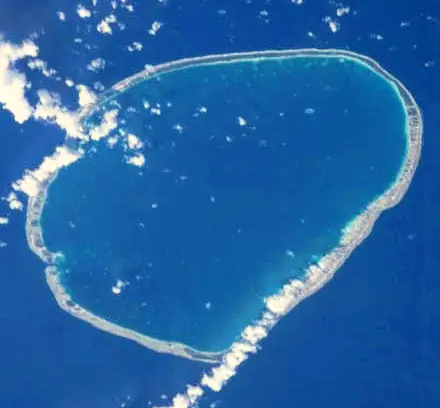
French Polynesia stretches across five archipelagos and an expanse of Pacific larger than Western Europe, yet only a fraction of its islands see regular visitors. The Society Islands — Tahiti, Moorea, Bora Bora, Huahine, Raiatea, Taha'a and tiny Maupiti — carry the classic postcard image: volcanic peaks, fringing reefs, water in impossible shades of turquoise. The Tuamotus are the opposite, low coral atolls with nothing taller than a coconut palm and lagoons so clear that boats appear to hover. Far to the northeast, the Marquesas rise in sheer green cliffs and horseback valleys with no lagoons at all.
Because inter-island flights and boat transfers cost both money and time, most travellers settle on two or three islands in a ten- to fourteen-night trip. Trying to cover five sounds ambitious but usually means spending the best part of every second day in an airport, and several of the smaller islands are served by only a handful of flights each week — Maupiti and the Marquesas in particular reward those who build slack into the schedule.
The practical rule is to match the island to the stay you want rather than the other way around. If your dream is an overwater bungalow with Mount Otemanu framed in the doorway, Bora Bora is the answer and everything else follows. If you would rather snorkel with mantas at dawn and eat raw tuna with a family who has fished the same reef for generations, look at the Tuamotus or the quieter Society Islands, where guesthouses rather than resorts set the tone.
Overwater Bungalows: The Stay That Made These Islands Famous
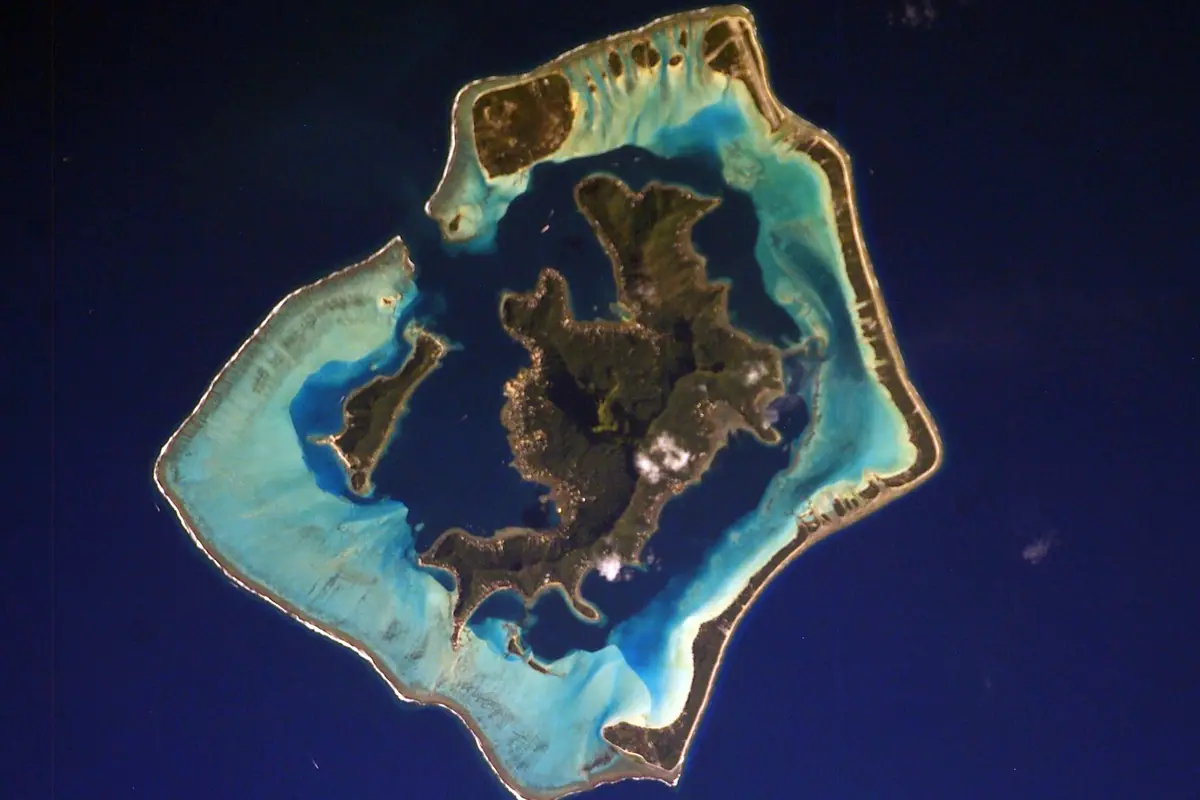
The overwater bungalow was invented here, and nowhere does it feel more inevitable than in Bora Bora. Resorts ring the lagoon on private motu (islets), so your bungalow sits above a shallow coral garden with the island's basalt spine floating in the distance. Step off the deck ladder and you are snorkelling among butterflyfish and eagle rays within seconds; many stays include glass floor panels, a kayak tied to the pontoon, and breakfast delivered across the water by outrigger canoe.
Expect to pay dearly for the privilege, especially for the bungalows with the best mountain views, and expect most resorts to operate on half-board or full board because they sit on their own islets with nowhere else to eat. That is not a drawback so much as a warning: check what is included before you mentally tot up your budget, since a beautifully positioned bungalow with no meals can end up costing more than a garden unit with dinner.
Bora Bora is the icon, but it is not the only option. Moorea offers overwater stays just a short ferry ride from Tahiti, with views back toward the main island's jagged profile. Taha'a, wrapped in vanilla plantations, and Raiatea, the traditional spiritual centre of the islands, both have lagoon resorts that feel quieter and more residential than Bora Bora's polished circuit. On any of them, a beach or garden bungalow gives you the same lagoon for considerably less.
Tahitian Guesthouses: The Local Way to Stay
The family-run guesthouse, known locally as a pension de famille, is the counterweight to the resort world and arguably the more memorable stay. They cluster on islands like Huahine, Maupiti, Tikehau, Fakarava, Raiatea and Taha'a, ranging from simple fan-cooled rooms with shared bathrooms to small polished properties with lagoon-facing decks. The common thread is the table: dinner is often a communal affair of poisson cru — raw tuna cured in lime and coconut milk — grilled fish, breadfruit and fresh fruit, eaten with your hosts and whoever else is staying that week.
Standards vary enormously, so ask the right questions before booking. Is the room lagoon-facing or set back in the garden? Is breakfast included, and are dinners available? Does the owner run lagoon excursions, and can they arrange a pearl farm visit, a vanilla plantation tour or a hike to a marae? A good pension acts as a concierge, a cook and a cultural interpreter all at once.
Costs sit at a fraction of resort rates, which makes multi-island travel genuinely feasible. The trade-offs are real but rarely disappointing: fewer frills, sometimes intermittent Wi-Fi, and a pace that runs on island time rather than a reception desk's schedule. For travellers who want to understand what life is actually like on an atoll rather than simply admire it from a deck, this is the way in.
Tahiti and Moorea: The Essential First Stop
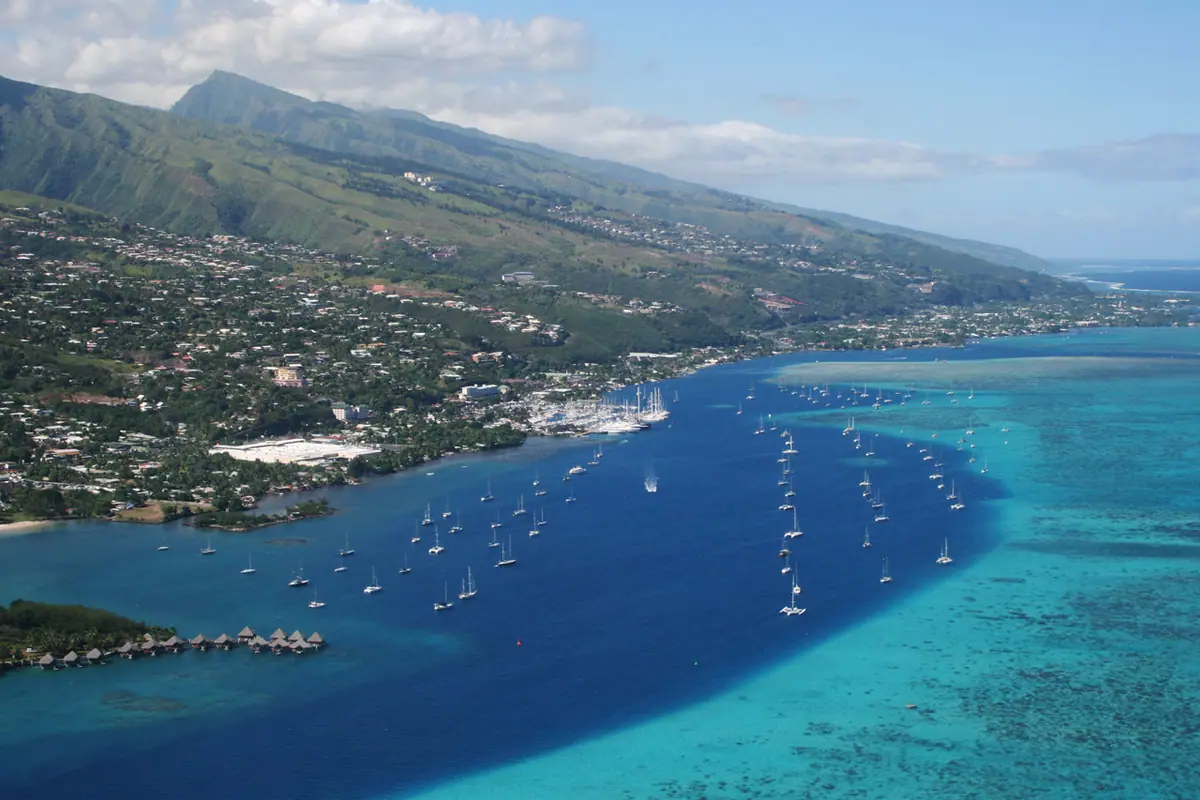
Almost every journey begins on Tahiti, and the capital Papeete deserves more than a rushed transit night. The Marché de Papeete is the island's beating heart, a two-storey hall of pareo fabric, vanilla, monoi oil and black pearls where the fish and produce stalls open before dawn. Nearby, the Notre-Dame Cathedral and the waterfront promenade make an easy morning's wander, while the Robert Wan Pearl Museum explains why these cultured gems became the islands' signature export. Rent a car and the island opens up: the Faarumai Waterfalls on the lush north coast, the black-sand shore and lighthouse at Pointe Vénus where European explorers first landed, and the village of Teahupo'o on Tahiti Iti, home to one of the heaviest reef breaks on the planet.
Moorea is a thirty- to forty-five-minute ferry ride away and feels like a different world. The Belvedere Lookout, reached by a winding road through pineapple fields, gives you the view that defines the island — Opunohu and Cook's Bays carved out below, Mount Mouaputa rising behind. Down on the reef, the Tiahura channel and the Toatea Lookout are the places to see blacktip reef sharks and stingrays gliding over white sand, and the lagoon's shallow coral gardens are ideal for first-time snorkellers.
For accommodation, split the time. One or two nights in Papeete near the waterfront handles flight connections and the market, then three or four nights on Moorea's north coast, where most guesthouses and resorts sit within easy reach of both bays. This pairing gives you the cultural and the scenic side of the Society Islands before you commit to the longer hop out to Bora Bora or the atolls.
Beyond the Crowds: Tuamotus, Marquesas and Sacred Sites
The Tuamotus are for travellers chasing water rather than mountains. Rangiroa is the largest atoll in the group, and its Tiputa Pass is legendary among divers — grey reef sharks, dolphins and manta rays ride the current through the channel — while the Blue Lagoon, reached by boat across the atoll, is a pool of almost unnatural colour. Fakarava, a UNESCO biosphere reserve, offers the same clarity with far fewer visitors, and its southern pass at Tetamanu is a wall of sharks and coral. Tikehau, with its pink-sand islets, is the gentlest introduction of the three.
Back in the Society Islands, Raiatea holds the spiritual heart of the archipelago: the marae at Taputapuatea, a UNESCO World Heritage site of stone platforms and assembly grounds that was once the departure point for voyaging canoes heading across the Pacific. It is a place to walk slowly and quietly. Raiatea is also the only island in the group with a navigable river, the Faaroa, which you can explore by outrigger, and a short boat ride away Taha'a's vanilla farms scent the air for miles.
Far to the northeast, the Marquesas are a different proposition entirely — no lagoons, no overwater bungalows, but towering cliffs, the Taipivai valley on Nuku Hiva, and on Hiva Oa the graves of Paul Gauguin and Jacques Brel. Accommodation is limited to small guesthouses and a handful of simple hotels, flights are infrequent, and a visit here demands at least a week. It is the least-visited and most rewarding corner of the country for anyone with the time.
When to Go and How to Plan Your Booking
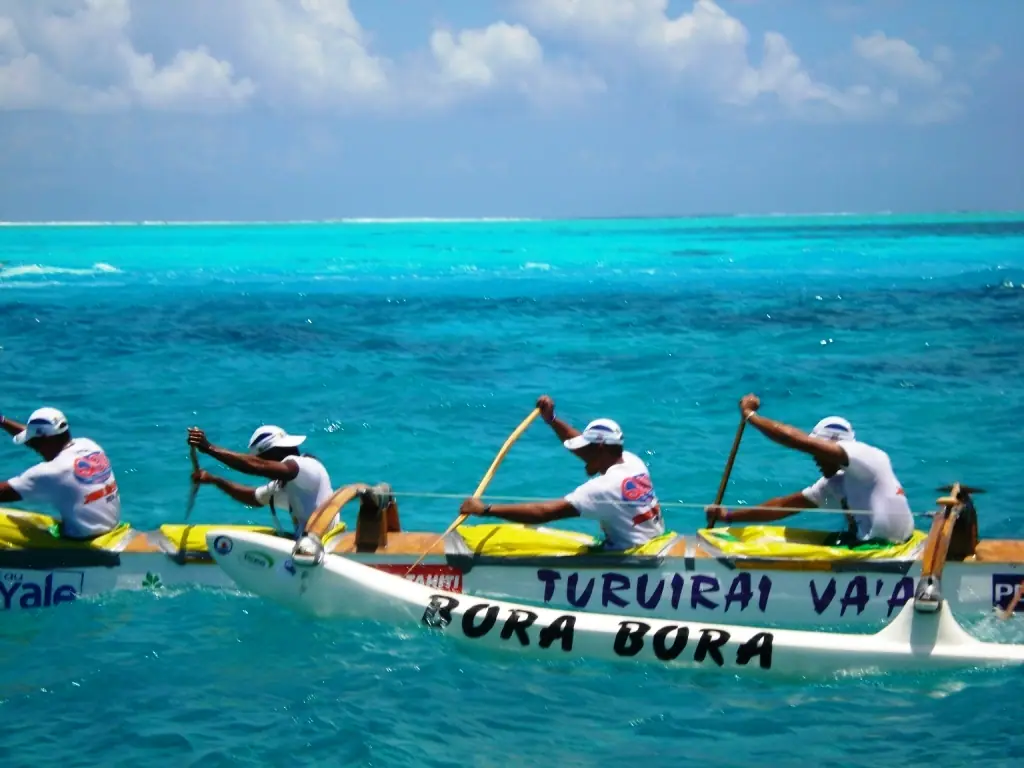
The dry season runs roughly from May to October, when trade winds keep temperatures comfortable, humidity drops and the lagoon visibility is at its best. This is also peak season, with July and August the busiest weeks of the year — partly because of Heiva i Tahiti, the country's great cultural festival, when Papeete fills with traditional dance competitions, outrigger canoe races and displays of stone lifting. The wet season from November to April brings heavier showers, higher humidity and the cyclone risk that peaks between January and March, but also lower rates and quieter lagoons.
Book the headline stays early. Overwater bungalows on Bora Bora and Moorea sell out many months ahead for July, August and the Christmas period, and the best-positioned units go first. Smaller guesthouses often take reservations by email and can be arranged closer to your dates, but the inter-island flights that connect everything are the real bottleneck — popular routes genuinely do fill, so lock in your island sequence before you commit to accommodation.
A few practical notes make the trip smoother. The ferry between Tahiti and Moorea is frequent and inexpensive, while everywhere else means flying. Reef-safe sunscreen is expected, and some lagoons restrict certain ingredients. Tipping is not customary, the currency is the Pacific franc, and ATMs are scarce outside Papeete, so carry cash for the outer islands. Pack mosquito repellent if you travel in the wet season, and remember that French and Tahitian are the everyday languages, with English widely spoken in tourism.
Frequently asked questions
Which island is best for overwater bungalows?
Bora Bora is the classic choice, with bungalows set over a lagoon facing Mount Otemanu. Moorea offers similar stays a short ferry ride from Tahiti, while Taha'a and Raiatea provide quieter alternatives surrounded by vanilla farms and traditional sites. Book several months ahead for July, August and the Christmas period.
What is the best time of year to visit French Polynesia?
May to October is the dry season, with cooler temperatures, lower humidity and the clearest lagoon water. July and August are the busiest and most expensive weeks, partly because of the Heiva i Tahiti festival in Papeete. November to April is hotter and wetter with a cyclone risk from January to March, but rates are lower.
How do you get between the islands?
The ferry between Tahiti and Moorea takes about thirty to forty-five minutes and runs frequently. Everywhere else is served by inter-island flights, which can fill up on popular routes, so plan your island order before booking accommodation. Allow a full transit day when moving between archipelagos such as the Society Islands and the Tuamotus or Marquesas.
Can you visit French Polynesia on a budget?
Yes, though it takes planning. Family-run guesthouses on Huahine, Maupiti, Tikehau and Fakarava cost a fraction of resort rates, often with half-board included. Eating at the food trucks along Papeete's waterfront, shopping at the Marché de Papeete and limiting yourself to two islands keeps costs down considerably.
How many islands should you visit in one trip?
Two or three islands over ten to fourteen nights is a comfortable pace. Adding more means losing days to airports and transfers, and some smaller islands only receive a few flights a week. A typical first trip pairs Tahiti and Moorea with either Bora Bora or one Tuamotu atoll.
Plan it — hotels in French Polynesia
Live search, booked directly with trusted providers.
Sort the rest of your trip
Everything for French Polynesia, in one place
Transfer in French Polynesia
Private driver waiting on arrival — no queues, no surprises.
Book a transfer
Things to do in French Polynesia
Skip-the-line tickets, guided tours and standout experiences.
See experiences
Stay online in French Polynesia
Travel eSIM — data the moment you land, no roaming bills.
Get an eSIMMore guides in French Polynesia
French Polynesia Food, Culture and Local Experiences: An Island-by-Island Guide
A One-Week French Polynesia Itinerary: Island-Hopping by Air from Tahiti to Bora Bora
Best Things to Do in French Polynesia: Lagoons, Islands and Must-Visit Sights