French Polynesia is 118 islands scattered across a stretch of the South Pacific as wide as Europe, and the weather that decides your holiday is never the same in all of them at once. The lagoon outside your bungalow can be glass-flat in Bora Bora while Raiatea sits under a passing squall, and the humpback that surfaces off Moorea in August is long gone by January. Choose your months well and the islands hand you the light and water that made them famous.
Two Seasons, Five Archipelagos, One Calendar
The year here splits into two broad halves. The dry season runs roughly May to October, when southeast trade winds push through and the air turns noticeably cooler and lighter. The wet season covers November to April, bringing heavier humidity, short intense downpours and the cyclone window that peaks between December and March. Temperatures barely shift — expect highs near 29–31°C in the wet months and 26–28°C in the dry — so what actually changes is rain frequency, wind, water clarity and the price of a room.
Those seasons land differently depending on where you are. The Society Islands — Tahiti, Moorea, Bora Bora, Raiatea, Taha'a, Huahine, Maupiti — have the classic lagoon-and-mountain profile and the most reliable dry-season weather. The Tuamotus, including Rangiroa and Fakarava, sit closer to the equator and are drier year-round, while the Marquesas are mountainous, wetter, and at their best from roughly May to November. Lagoon water stays a bath-like 26–29°C whatever the month, so swimming never stops.
May to October: The Dry Season and the Safest Hotel Bet
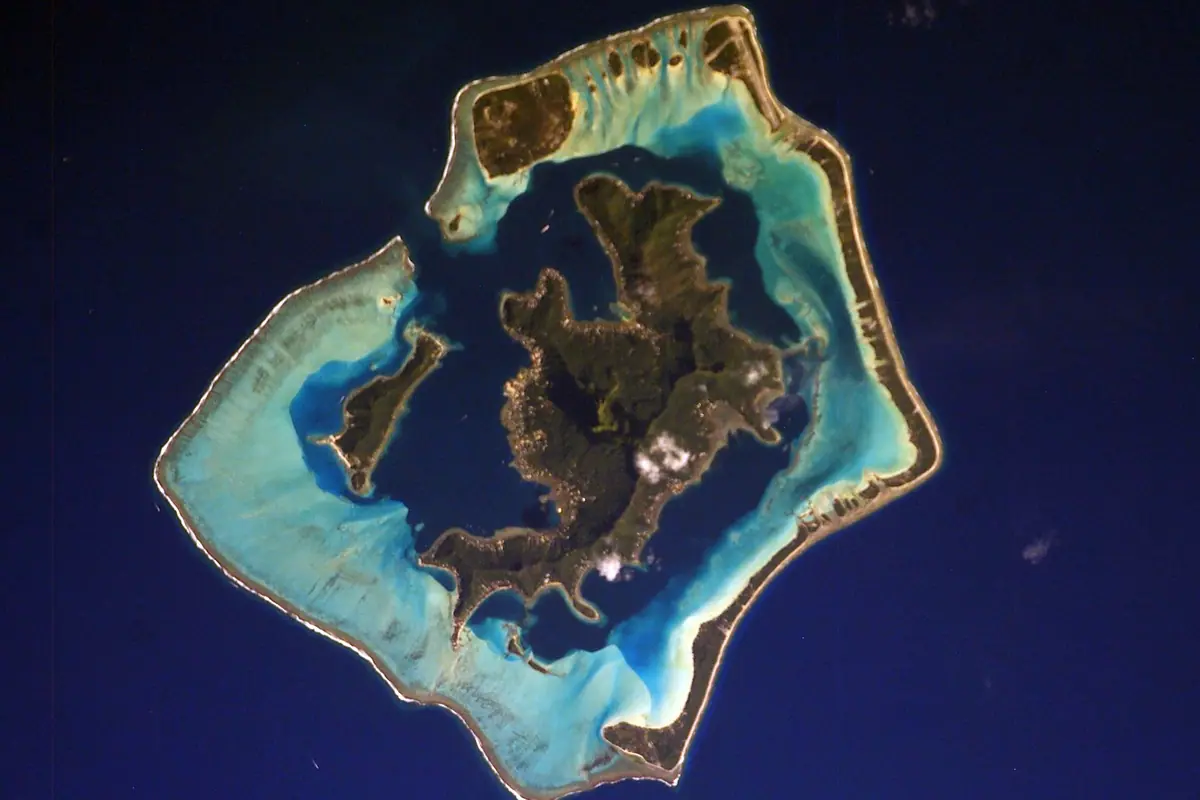
This is the window most travellers mean when they ask about the best time to visit. Trade winds blow steadily, humidity drops, nights are cool enough to sleep with the windows open, and lagoon visibility reaches its peak for diving and snorkelling. It is also the busiest and most expensive stretch of the year: from late June through August, and again over the Christmas and New Year fortnight, overwater bungalows and beach villas across Bora Bora, Moorea and Taha'a sell out months ahead. If one specific bungalow is the whole point of the trip, book six to nine months out.
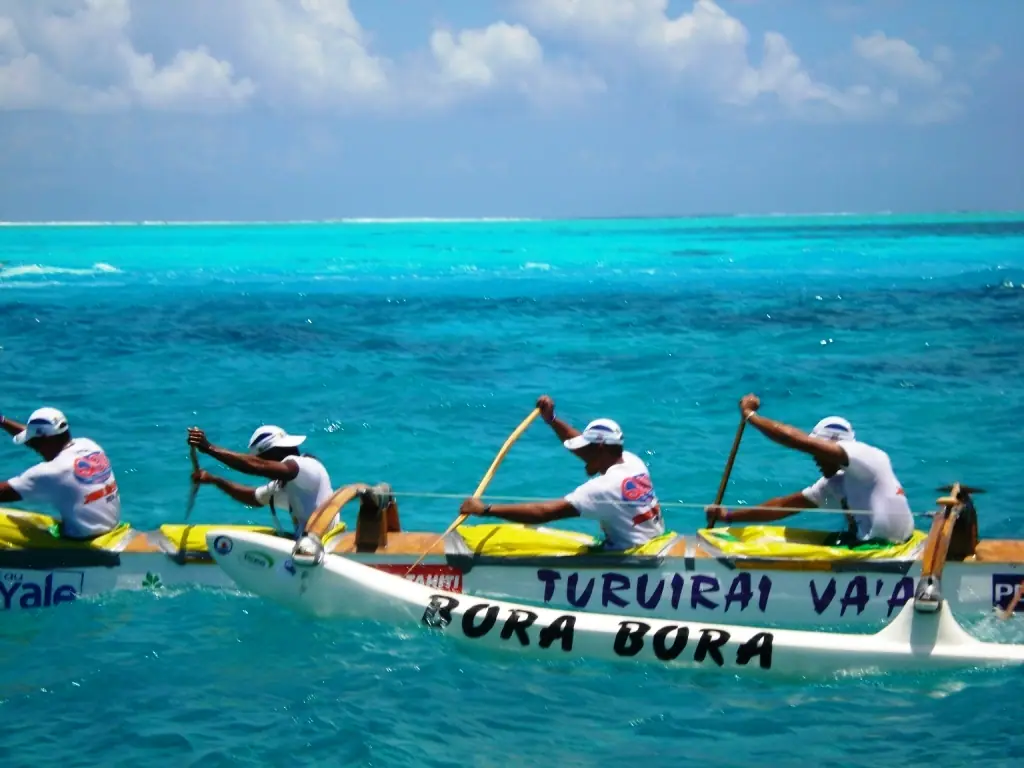
July brings Heiva i Tahiti, the islands' biggest cultural festival, when Papeete fills with dance troupes, outrigger canoe races, fruit-carrying contests and stone-lifting competitions. It is a genuine spectacle and worth building a Tahiti stopover around — just remember it coincides with the heaviest demand and the highest room rates of the year.
July to October is also humpback whale season. The whales migrate north from Antarctic waters to calve in these warm lagoons, and Moorea, Tahiti, Bora Bora and Rurutu all see them; swimming alongside them is strictly regulated and only possible with licensed guides during a defined season. On land, the dry months are also the best time for the cross-island hikes, from the trail to Belvédère Lookout above Opunohu Bay to the slopes beneath Mount Otemanu, which stay far less muddy.
November to April: The Green Season and Its Trade-offs
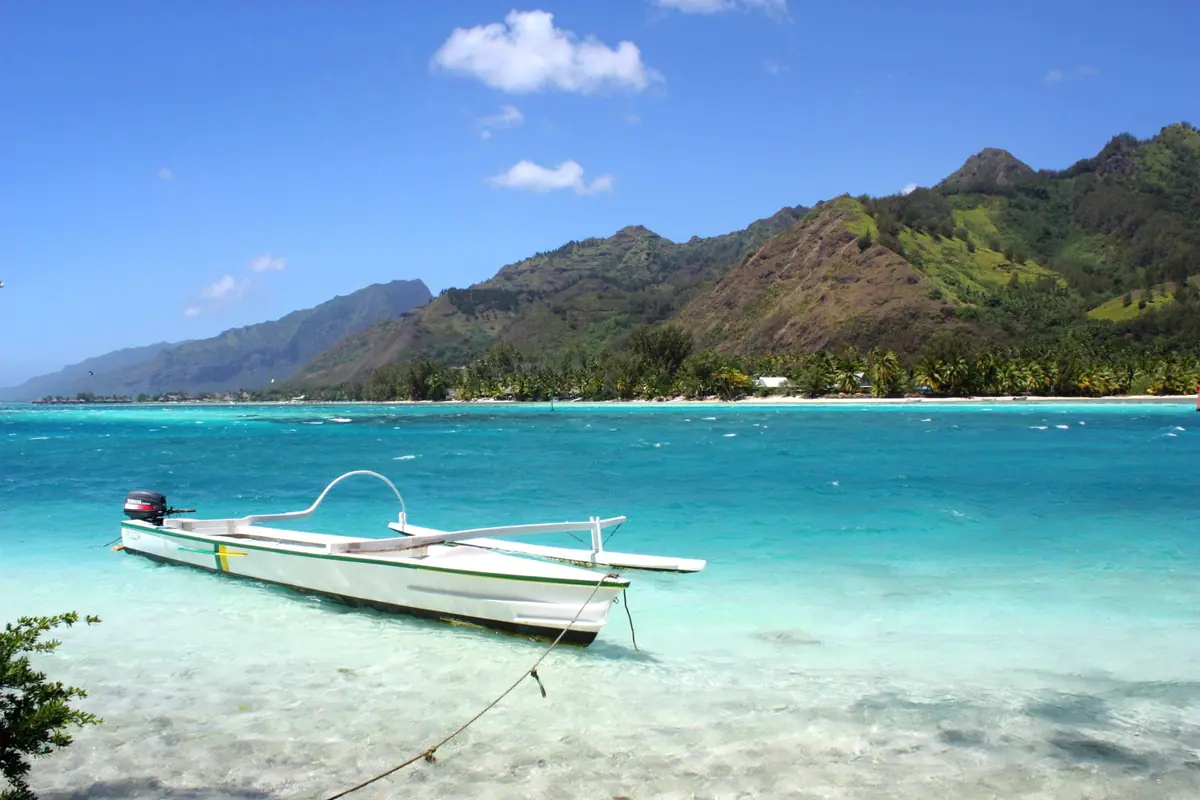
The wet season gets a reputation it only half deserves. Humidity climbs, rain falls more often, and the cyclone season runs roughly December to March. But the rain typically arrives as heavy afternoon or overnight showers rather than all-day drizzle, and between them the lagoons are as bright as ever — warm, calm and far emptier. Rates fall noticeably outside the Christmas crunch, which makes this the season for travellers who value solitude and a longer stay over flawless skies.
It is also a season of different pleasures. Waterfalls on Tahiti — Faarumai in the northeast and the Fautaua valley above Papeete — run at full force. The Tuamotus are drier than the Society Islands even now, so Tiputa Pass at Rangiroa and Tetamanu Pass at Fakarava remain superb for drift snorkelling and diving right through the green months, with manta rays and grey reef sharks a near-certainty.
What to weigh: cyclone risk is real but low for any individual week, and concentrated in January to March, so travel insurance covering weather disruption is sensible. Some smaller family guesthouses and restaurants close for part of the wet season, and afternoon boat transfers can get bumpy. Late April into May and the month of November are the sweet spots — the weather is turning or still holding, prices have not yet jumped, and you can have Matira Beach almost to yourself.
Island by Island: What the Calendar Actually Changes
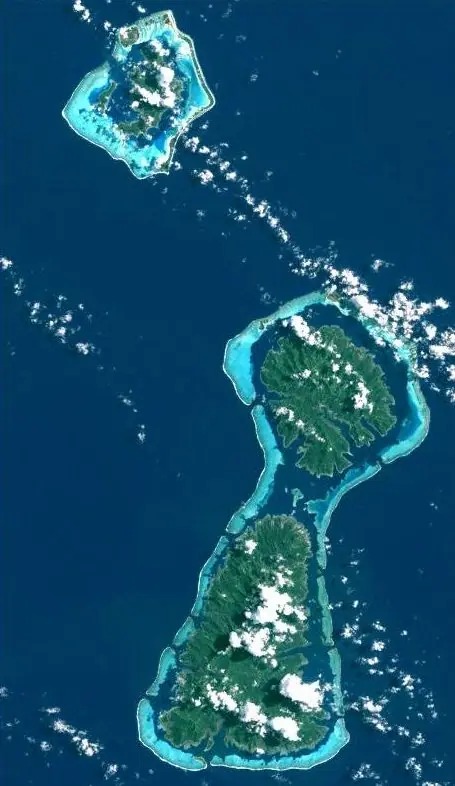
On Bora Bora, Mount Otemanu and Mount Pahia dominate every postcard, and the lagoon's colour is at its most electric in the dry season; Matira Beach, the island's public white-sand strand on the southern tip, is at its best from May to October. Moorea rewards the same months with the Belvédère Lookout between Cook's Bay and Opunohu Bay, the jagged ridge of Mount Mouaputa, and lagoon spots where rays and reef sharks patrol the shallows.
Tahiti is the practical hub and worth more than a transit night: the Marché de Papeete for vanilla, pareo and pearl stalls, the Museum of Tahiti and Her Islands at Punaauia, Point Venus on Matavai Bay, the Gauguin sites around Papeari, and Teahupo'o, whose wave breaks largest from April to October when southern swells arrive. Further out, Raiatea's Taputapuātea — a UNESCO-listed marae complex — is the spiritual heart of the islands, and on Mount Temehani the rare tiare apetahi flower blooms around April and May. Neighbouring Taha'a is vanilla and pearl country, greenest in the humid months.
For the far archipelagos, timing sharpens further. Maupiti's Mount Teurafaatiu and its near-empty lagoon suit the dry season; the Marquesas are driest from May to November, when Nuku Hiva's Taiohae Bay and the hillside graves of Paul Gauguin and Jacques Brel above Atuona are easiest to reach on foot.
Booking Windows, Rates and the Shape of a Hotel Year
French Polynesia's hotel calendar has three pricing peaks: the July festival weeks, the Christmas and New Year fortnight, and the northern-hemisphere summer holidays from late June to August. The shoulder months — May, September and October — combine dry-season weather with better availability and softer rates, and they are when a great many honeymoon and anniversary trips land. Overwater bungalows are a finite resource here; this is the part of the world that invented them in the 1960s on Moorea, and demand has never faded. Beach villas and garden bungalows are usually more forgiving.
If you are flexible, build the trip around flights rather than rooms: international services arrive through Papeete from gateways in North America, New Zealand and Asia, while inter-island hops run by small aircraft and ferries link Tahiti with Moorea, and Tahiti with Raiatea and Taha'a. In the green season, packages often add extras such as meals or spa credit, which can shift the value calculation considerably in favour of November, early December or late April.
Small Weather Details That Decide Your Days
Wind matters more than most first-timers expect. The steady trades that make the dry season comfortable also chop up exposed channels, which is why lagoon-side and pass-side activities are best planned for mornings before the breeze builds. Southern swells, known locally as mara'amu, arrive mainly from April to October and are what turn Teahupo'o into the monster wave paddlers travel across the world to watch — and what close some exposed beaches to casual swimmers.
The sun is brutal year-round and the reef is fragile, so reef-safe sunscreen and a rash guard are essentials in every month. Evenings are short near the equator, with sunset arriving early and abruptly, which makes post-dinner stargazing from a beach or a bungalow deck one of the underrated pleasures of any stay. And remember the rain-shadow effect: Moorea's north coast and the leeward sides of the larger islands stay drier than their lush interiors, so a shower inland rarely means a washed-out day at the lagoon.
Frequently asked questions
What is the best month to visit French Polynesia?
May, September and October are the strongest all-round months: dry-season weather, manageable humidity and better hotel availability than the July and August peak. If you want whales and the Heiva i Tahiti festival, aim for July — but book six to nine months ahead and expect top rates.
When is cyclone season in French Polynesia?
Roughly December to March, with the highest risk in January and February. Storms are not frequent, but they can disrupt inter-island flights and boat transfers, so travel insurance that covers weather delays is worth arranging if you travel in the green season.
When can you swim with humpback whales?
Whales are present from around July to October, occasionally stretching from late June into early November. Swimming with them is regulated and only permitted with licensed guides during a defined season, most commonly out of Moorea, Tahiti, Bora Bora and Rurutu.
Is the wet season a bad time for a hotel stay in French Polynesia?
Not necessarily. Rates drop sharply outside the Christmas period, crowds thin out and rain usually comes in short, heavy bursts rather than lasting all day. The Tuamotus stay relatively dry, though some small guesthouses and restaurants close for part of the season.
How far ahead should I book an overwater bungalow?
For July or the Christmas and New Year weeks, six to nine months is realistic, and longer for specific rooms. In the shoulder months of May, September and October, three to four months is often enough, while the green season can still offer last-minute availability outside the holidays.
Plan it — hotels in French Polynesia
Live search, booked directly with trusted providers.
Sort the rest of your trip
Everything for French Polynesia, in one place
Transfer in French Polynesia
Private driver waiting on arrival — no queues, no surprises.
Book a transfer
Things to do in French Polynesia
Skip-the-line tickets, guided tours and standout experiences.
See experiences
Stay online in French Polynesia
Travel eSIM — data the moment you land, no roaming bills.
Get an eSIMMore guides in French Polynesia
French Polynesia Food, Culture and Local Experiences: An Island-by-Island Guide
Where to Stay in French Polynesia: Hotels, Overwater Bungalows and Island Guide
A One-Week French Polynesia Itinerary: Island-Hopping by Air from Tahiti to Bora Bora