French Polynesia is not one destination but 118 islands scattered across an area the size of Europe, each with its own personality — from the volcanic drama of the Society Islands to the flat, ring-shaped atolls of the Tuamotus and the rugged, ancient Marquesas. Deciding what to do here is really about choosing which version of paradise you want, then giving yourself enough time to sink into it.
Bora Bora: The Lagoon Everyone Imagines
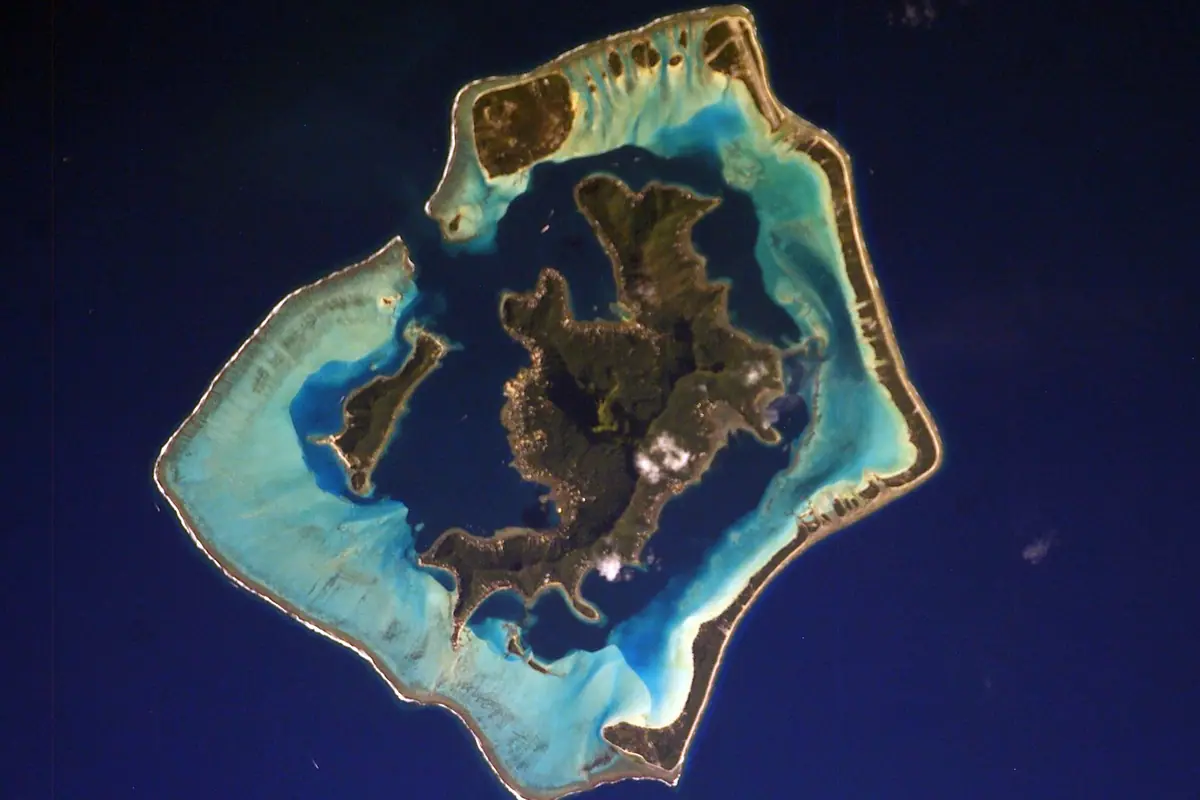
Bora Bora is the island that made the overwater bungalow famous, and even after decades of hype, arriving by air over its impossible turquoise lagoon still stops people mid-sentence. Mount Otemanu, the eroded remnant of an ancient volcano, anchors the centre of the island and appears on virtually every postcard — you can hike partway up its slopes with a guide, or simply admire it from a boat while circling the lagoon. The water itself is the main attraction: shades of blue that shift with the depth, and a coral garden near the motu (islets) where snorkellers drift past parrotfish, butterflyfish and, in places, harmless blacktip reef sharks.
The classic full-day lagoon tour usually includes a stop at a shallow sandbar where stingrays glide around your ankles, a snorkelling site inside the barrier reef, and a barbecue lunch on a private motu. The more intrepid option is the outer reef excursion, where you swim in deeper water alongside lemon sharks and, between July and October, occasionally encounter manta rays. Matira Beach, on the southern tip, is the island's only truly public beach and the best place to watch the sun sink behind the lagoon without a resort day pass.
Bora Bora is small — you can drive the 32-kilometre ring road in about an hour — but it rewards slowness. Give it at least four nights, and consider splitting your stay between a lagoon-side resort and a guesthouse on the main island to see how locals actually live. If you want the view without the price tag, hike or take a 4x4 to one of the lookout points on the inner island for a panorama of Otemanu rising out of the water.
Moorea: The Island of Bays and Peaks
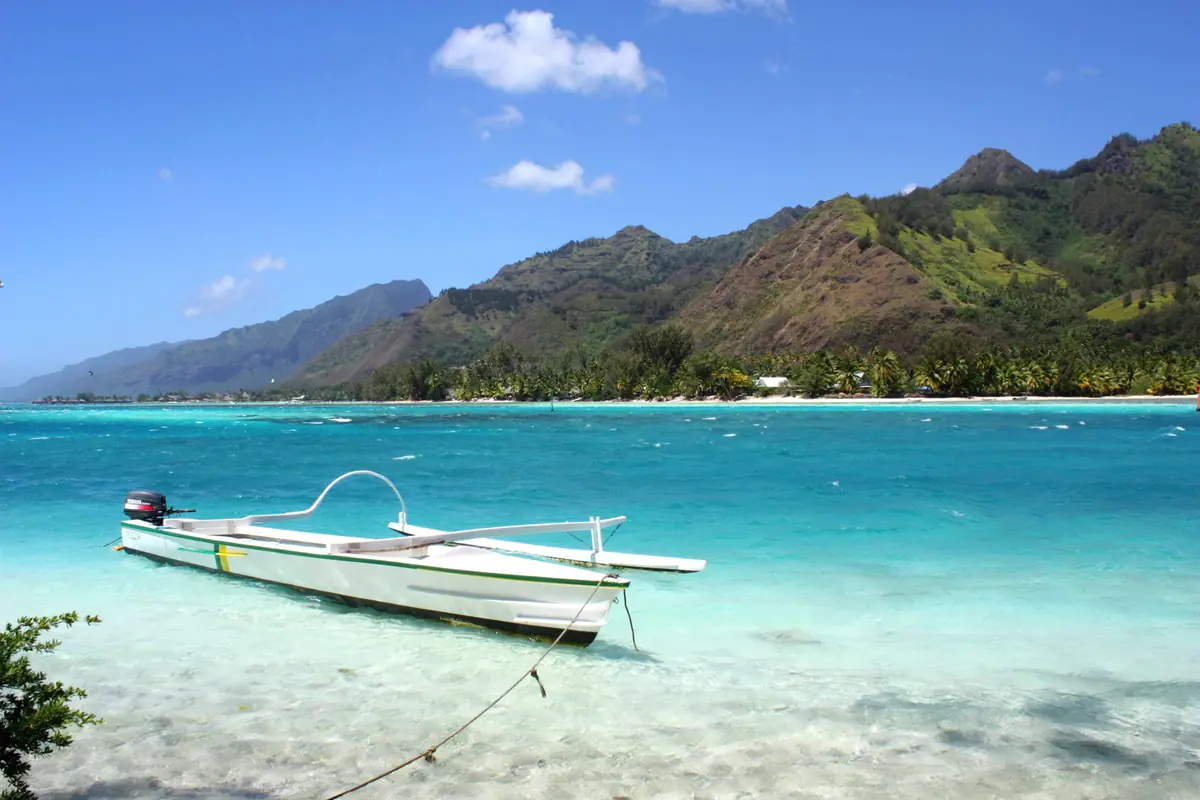
Just a short ferry ride from Tahiti, Moorea is what many travellers wish Bora Bora still was: dramatic, green and relatively unhurried. Its silhouette is defined by Mount Mouaputa and the towering Bali Hai peak, and two deep-cut bays — Cook's Bay and Opunohu Bay — notch into the north coast like fjords. The Belvédère lookout, reached by a winding road through pineapple plantations and the agricultural school at Opunohu, offers the single best view in the Society Islands, looking down over both bays at once.
The lagoon here is just as rewarding as Bora Bora's, with a few signature experiences. At the Tiki Village and around the island you can watch traditional dance and craft demonstrations, while out on the water, boat tours take you to snorkel with stingrays and reef sharks in the shallows near the reef pass. On land, the Three Coconuts Pass trail and the climb to Mount Mouaputa's viewpoints give hikers a taste of the island's interior; the trails are muddy after rain, so bring shoes with grip.
Moorea is also the easiest place in French Polynesia to see humpback whales, which migrate through these waters between roughly July and November. A licensed whale-watching operator will take you out beyond the reef, and if conditions allow, you may be permitted to enter the water — always on the guide's terms and never chasing the animals. With two or three nights here you can cover the highlights; with five, you'll start to feel the island's rhythm.
Tahiti: Waterfalls, Markets and the Pulse of Papeete
Most visitors treat Tahiti as a transit hub, which is a mistake. The island is big enough to feel like a real place, with the capital Papeete offering the best market in the country — the Marché de Papeete, where you can buy vanilla, monoi oil, black pearls and fresh fish, and eat at the bustling food trucks that gather along the waterfront each evening. The Papeete waterfront itself comes alive during the annual Heiva i Tahiti festival in June and July, when dance troupes and outrigger canoe races take over the city.
Beyond the capital, the island of Tahiti Nui is a landscape of waterfalls and rainforest. The Faarumai Waterfalls, reached by a short walk off the east coast road, tumble through thick vegetation; further along, the Arahoho blowhole sprays seawater through a lava tube. The road around the smaller peninsula of Tahiti Iti leads to Teahupo'o, the village whose offshore reef break hosts one of the world's most intimidating surf competitions and is worth visiting even if you never paddle out.
A loop of the island takes about three hours without stops, but plan for a full day if you want to see the Museum of Tahiti and Her Islands, the Gauguin Museum, and the Jardins de Vaipahi. If you have a long layover, a half-day circle-island tour is the most efficient way to see the highlights; if you have two days, add a hike into the interior valleys and a visit to the marae — ancient stone ceremonial sites — that dot the coast.
Raiatea and Taha'a: Sacred History and Vanilla
Raiatea, just across a channel from Taha'a, is the spiritual heart of Polynesia. It was from the marae at Taputapuatea — a UNESCO World Heritage site on the island's southeast coast — that voyagers are said to have set out to settle much of the Pacific. Walking among the standing stones and the great stone platform facing the sea is one of the most quietly powerful experiences in the islands; go early in the morning, before the tour groups arrive, and take a guide to understand what you're looking at.
Raiatea is also the base for exploring the Faaroa River, the only navigable river in French Polynesia, which you can paddle up by kayak into botanical gardens and thick jungle. Down the coast, the village of Uturoa has a lively market and serves as the main town of the Leeward Islands. From here, boat trips cross to Taha'a, where much of the world's Tahitian vanilla is grown on family plantations — a visit to one, complete with a taste of freshly cured beans, is a highlight for many travellers.
Taha'a's lagoon is famous for its pearl farms, and several welcome visitors for a tour that explains how a single oyster can produce a black or peacock-hued pearl over years of careful work. The island's shallow, protected waters also make for excellent kayaking and paddleboarding, with motu after motu to stop at for a picnic. Two to three nights in this pair of islands is enough to see the marae, the vanilla, the pearl farms and the river without rushing.
The Tuamotus: Atolls, Diving and Rangiroa's Blue Lagoon
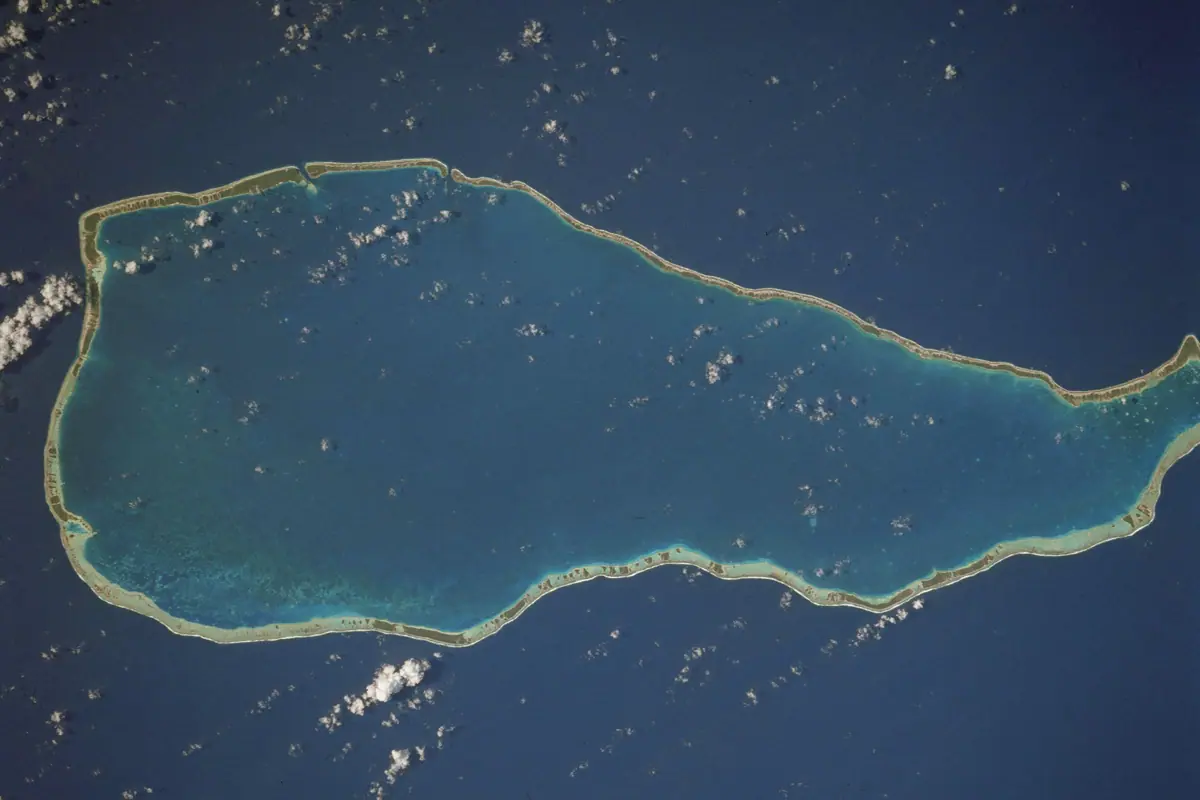
Flying into Rangiroa is unlike any other arrival in Polynesia: you look down on a thin ring of coral and palm trees encircling a lagoon so vast it has its own horizon. Rangiroa is the second-largest atoll in the world, and its fame among divers comes from the Tiputa Pass and Avatoru Pass, where incoming tides pull grey reef sharks, eagle rays, dolphins and schools of tuna through the channel. Even snorkellers can drift the pass on a guided trip, and the Blue Lagoon on the atoll's western edge — a shallow, almost luminous pool — is a full-day excursion in itself.
Fakarava, further east, is a UNESCO Biosphere Reserve and another diving mecca, with a famous channel where hundreds of grey reef sharks gather. If you don't dive, the atoll still delivers: cycling between villages, visiting a pearl farm, and picnicking on deserted motu are the main occupations. The pace here is deeply slow, which is precisely the point.
The Tuamotus are hot, flat and dry compared with the Society Islands, with fewer resorts and more family-run pensions. Bring reef shoes, plenty of sun protection and a willingness to be off-grid, as Wi-Fi is unreliable and life runs on boat schedules and tides. Two or three nights on Rangiroa and two on Fakarava make a good pairing, and both are reachable by short domestic flights from Papeete.
The Marquesas and Austral Islands: The Far Edges
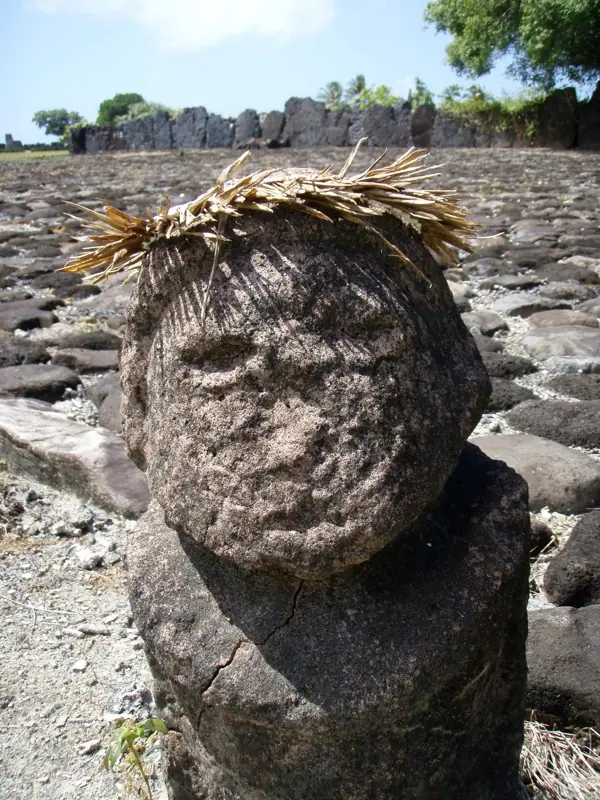
For travellers who want to go further, the Marquesas Islands deliver landscapes that feel almost hostile in their beauty: sheer volcanic cliffs dropping straight into the sea, deep valleys accessible only by boat or on foot, and a culture distinct from the rest of Polynesia. On Nuku Hiva, the administrative capital Taiohae sits in a horseshoe bay ringed by mountains, and day hikes lead to waterfalls and archaeological sites. On Hiva Oa, you can visit the graves of Paul Gauguin and Jacques Brel, and see some of the largest tiki statues in Polynesia at the archaeological site of Iipona on neighbouring Hiva Oa's Puamau valley.
The Marquesas are reached by a three-and-a-half-hour flight from Papeete, and distances between islands are covered by small planes or the inter-island cargo ship. This is not a destination for a short trip — give it at least a week — and services are limited, so book accommodation well ahead. In return you get a version of Polynesia that has changed least, where traditional crafts, Marquesan language and dance remain alive rather than staged.
The Austral Islands, far to the south, are cooler and greener, and the island of Rurutu is one of the best places in the country to watch humpback whales between July and October, when mothers and calves shelter in its waters. Tubuai, another Austral island, has a relaxed, agricultural character and some of the best-preserved marae in the region. These islands see very few visitors, so expect simple guesthouses, limited dining and a warm welcome that hasn't been worn thin by tourism.
Frequently asked questions
What is the best time of year to visit French Polynesia?
The dry season, roughly May to October, brings lower humidity, more reliable sunshine and cooler evenings — it's also peak season, so book early. November to April is wetter and hotter, with occasional tropical storms, but prices are lower and the islands are quieter. Whale watching is best between July and November, and the Heiva i Tahiti festival takes place in June and July.
How many islands should I visit in one trip?
For a two-week trip, three or four islands is realistic. A common route combines Tahiti, Moorea and Bora Bora, with an optional stop in the Tuamotus for diving. Trying to see five or more islands usually means spending too much time in airports and ferry terminals; the Marquesas deserve a dedicated week on their own.
Do I need to speak French to get around?
French and Tahitian are the official languages, and English is widely spoken in tourism, especially in resorts on Bora Bora and Moorea. On smaller atolls and in the Marquesas, a few words of French go a long way, and basic Tahitian greetings such as 'ia ora na' (hello) are always appreciated.
What should I pack for French Polynesia?
Light, breathable clothing, reef-safe sunscreen, a hat, sunglasses and reef shoes for walking on coral. Bring a light rain jacket if travelling in the wet season, and modest clothing for visiting villages and marae. Insect repellent is essential on the greener islands, and a refillable water bottle helps cut down on plastic waste.
Is French Polynesia expensive, and can I visit on a budget?
It is one of the more expensive destinations in the Pacific, largely because most goods are imported. Budget travellers can keep costs down by staying in family-run pensions rather than resorts, eating at food trucks and markets in Papeete, using the public ferry between Tahiti and Moorea, and choosing islands such as Taha'a, Fakarava or the Australs over Bora Bora.
Plan it — experiences in French Polynesia
Live search, booked directly with trusted providers.
Sort the rest of your trip
Everything for French Polynesia, in one place
Stay in French Polynesia
Hotels, guesthouses and apartments — compared in one search.
Search hotels
Transfer in French Polynesia
Private driver waiting on arrival — no queues, no surprises.
Book a transfer
Stay online in French Polynesia
Travel eSIM — data the moment you land, no roaming bills.
Get an eSIMMore guides in French Polynesia
French Polynesia Food, Culture and Local Experiences: An Island-by-Island Guide
Where to Stay in French Polynesia: Hotels, Overwater Bungalows and Island Guide
A One-Week French Polynesia Itinerary: Island-Hopping by Air from Tahiti to Bora Bora