French Polynesia is not one destination but 118 islands flung across an ocean the size of Europe, and its food, music and daily rituals carry the fingerprints of Polynesian voyagers, French settlers and Chinese traders alike. An afternoon here can move from a waterfront plate of raw tuna bathed in coconut milk to a black basalt marae where priests once blessed canoes bound for Hawai'i. This guide follows the flavours, ceremonies and landmarks that a first-time visitor should not miss.
Eating the Islands: Poisson Cru, Earth Ovens and Chinese-French Plates
The dish you will eat first, and most often, is poisson cru: cubes of just-landed tuna 'cooked' in lime juice, then folded through fresh coconut milk with tomato, cucumber, onion and a pinch of salt. It shows up at family tables, roadside snack stalls and Sunday lunches, never quite the same twice, and always best when the fish came off a boat that morning. Order it with rice, or with uru (breadfruit) sliced and fried until the edges crisp. On Tahiti, also look for chevrettes, the small freshwater prawns from the island's rivers, grilled in garlic butter or simmered into a curry.
The feast dish of the islands is ma'a tahiti, cooked in an underground oven of heated volcanic stones lined with banana leaves and layered with pork, chicken, taro, breadfruit, fe'i bananas and coconut, then buried for hours until everything steams together. You will meet it at weddings, Heiva celebrations and Sunday gatherings, where three generations eat from the same spread. Everyday cooking leans on fafa, taro leaves cooked down with chicken and coconut milk, and pua'a choux, pork slow-simmered with cabbage. Then there is fafaru, fish fermented in seawater with shrimp heads, a dish so pungent that even some locals wave it away.
Papeete's market wakes before dawn, when the fishing boats unload and the aisles fill with fe'i bananas, mangoes, vanilla from Taha'a, bundles of tiare flowers steeped in monoi oil and bolts of bright pareu fabric. Go early, ideally on a weekday, and go hungry. After sunset the same waterfront turns into a line of roulettes, mobile food trucks serving poisson cru, chow mein, steak frites and crepes to taxi drivers, families and travellers side by side. The Chinese thread in Tahitian cooking traces back to nineteenth-century plantation workers; do not leave without trying ma'a tinito, a hearty bowl of pork, red beans, noodles and taro.
Marae, Tatau and Heiva: The Living Culture
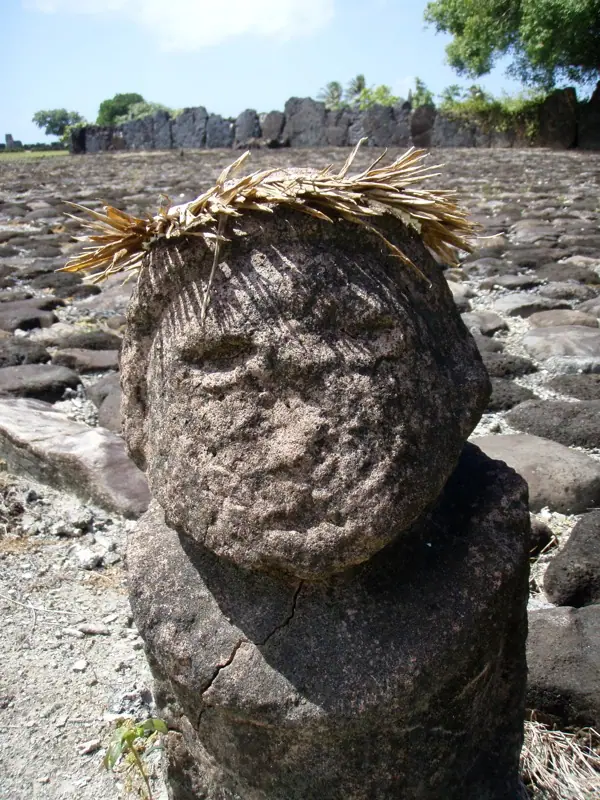
On Raiatea, the Taputapuatea marae complex is the most sacred site in eastern Polynesia: a low platform of black basalt facing the open sea, ringed by upright stones, where priests were trained and voyaging canoes were blessed before departure for Hawai'i, Aotearoa and the Marquesas. Give it half a day and go with a local guide, who will unpack the astronomy, genealogy and diplomacy encoded in the layout. Smaller marae dot the region too: Huahine's Maeva village sits beside more than a dozen of them on the shore of a lagoon, and Moorea's Opunohu Valley hides marae and ancient agricultural terraces among the pineapple fields.
The tatau tradition, nearly extinguished during the missionary era, has been reclaimed since the 1980s. Motifs record genealogy, island, rank and protection rather than decoration alone, and artists working with traditional comb and pigment treat a piece as a serious commitment that can take weeks of sessions. If you want one, visit studios in Papeete or on Moorea, look at portfolios, ask what each symbol means, and be honest about your own connection to the design.
Every July, the Heiva i Tahiti fills Papeete with drumming as dance troupes from across the archipelagos compete in 'ori tahiti, alongside himene choral singing and traditional sports such as stone lifting and coconut husking. Later in the year, fleets of outrigger canoes race between islands in multiday va'a events that turn lagoon crossings into a public festival. And on Sunday mornings, the Protestant temple at Paofai and the Catholic cathedral in Papeete fill with harmonies sung in Tahitian; arrive early, dress modestly and stay for the singing, which is often the most moving hour of a trip.
Society Islands Icons: Point Venus, Belvedere Lookout and Mount Otemanu
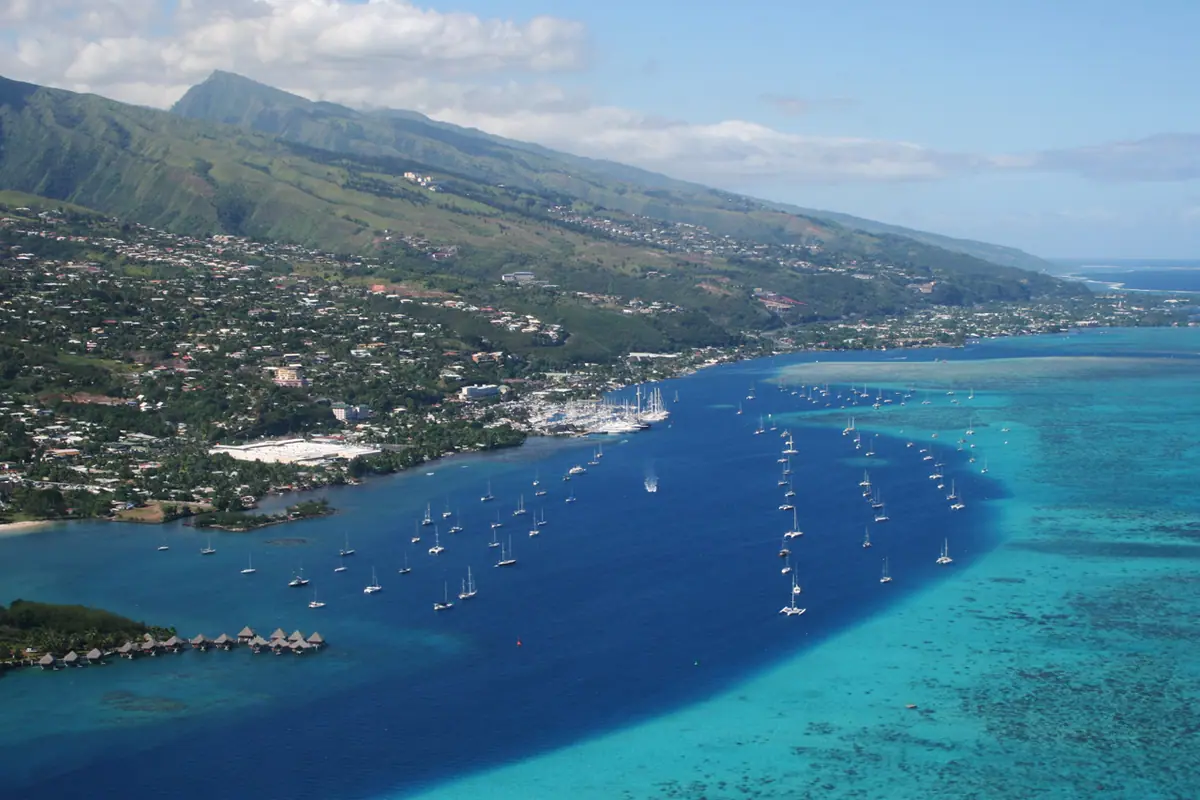
Start on Tahiti. Point Venus, on the black-sand curve of Matavai Bay, is where eighteenth-century navigators set up their observatory to track the transit of Venus, and the little lighthouse and coconut grove still make an easy first stop. Continue along the east coast to the Faarumai waterfalls, three cascades reached by a short path through bamboo and tree ferns, and detour inland to the Museum of Tahiti and the Islands at Punaauia for a compact grounding in migration, marae and artefacts. Farther south, the restored Marae Arahurahu and the jungle road up the Papenoo Valley reward anyone with a spare afternoon, while Teahupo'o, on the island's remote south-west tip, is the village whose wave breaks over shallow coral and has become the most famous stretch of water in the territory.
A ferry of roughly thirty to forty minutes from Papeete lands you on Moorea, where the road climbs through pineapple fields to Belvedere Lookout, a viewpoint that takes in both Cook's Bay and Opunohu Bay at once, with Mount Mouaputa and Mount Rotui rising sharply behind. Down on the coast, the recreated cultural village at Haapiti stages dance and craft demonstrations several evenings a week, a gentle introduction before you encounter the real thing at Heiva.
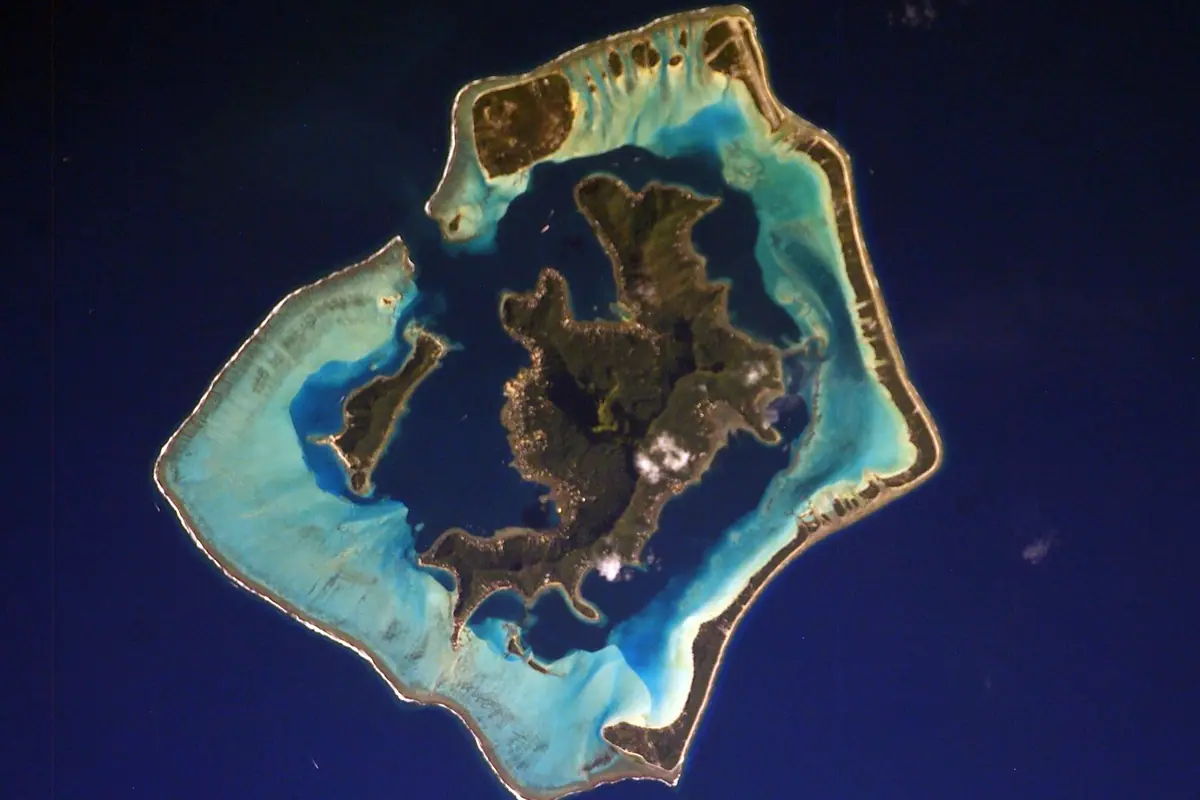
Bora Bora needs no introduction, but its icons still surprise: Mount Otemanu and Mount Pahia, twin volcanic cores cloaked in green, dominate every view; Matira Beach offers the island's only long stretch of public white sand; and the shallow Coral Garden snorkelling spots are thick with parrotfish and rays. If you have the legs for it, a guided hike toward the old World War II gun emplacements on the ridge gives you the lagoon from above, with the whole spectrum of blues laid out below.
Vanilla, Pearls and the Outer Islands
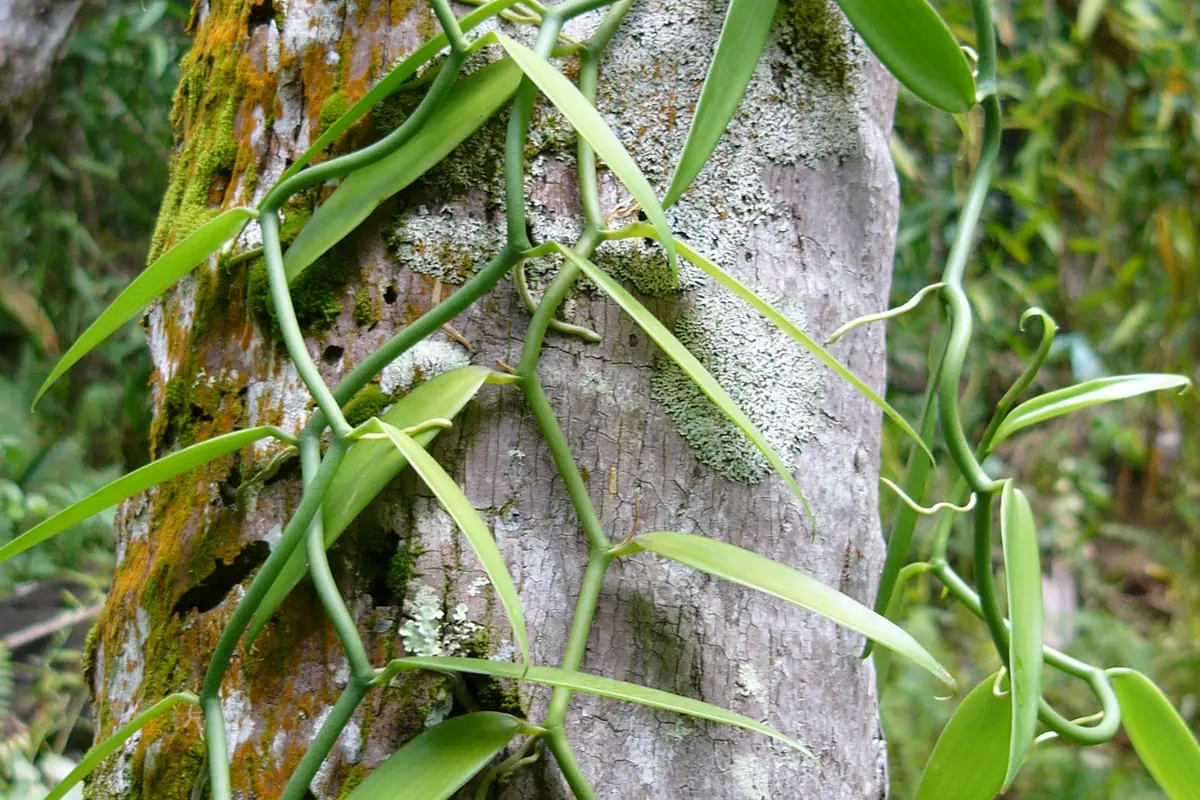
Raiatea and Taha'a share a lagoon and a reputation. On Taha'a, family-run vanilla plantations train vines up trees and dry the pods until they smell of chocolate and tobacco; a tour usually ends with a tasting and a chance to buy pods far fresher than anything exported. Raiatea's Faaroa River, the only navigable river in French Polynesia, is best explored by kayak or outrigger early in the morning, when the valley is still cool and the birds are loud. Neighbouring Huahine is quieter still, with eel-filled lagoons, archaeological sites at Maeva and a pace that suits travellers who want marae without crowds.
The Tuamotu atolls are a different planet: flat rings of coral and coconut palms around brilliant lagoons, with no hills to block the sun. Rangiroa's Blue Lagoon is a shallow basin of impossible turquoise where you can wade among small blacktip sharks, while Tiputa Pass attracts dolphins and drift divers. Fakarava, a UNESCO biosphere reserve, is famous for its Tumakohua Pass, where grey reef sharks gather in numbers that make snorkellers forget to breathe. Tikehau offers pink-sand motu and bird islands reached by boat, and all three atolls are short flights from Tahiti.
Farther still, roughly three and a half hours by air, the Marquesas trade lagoons for vertical drama: Nuku Hiva's Taiohae Bay sits beneath cliffs and spires, and Hiva Oa's Atuona holds Paul Gauguin's grave in the Calvary Cemetery above the village. Fewer visitors, fewer hotels, and a Polynesian culture that feels distinctly its own.
Hands-On Experiences: Lagoons, Pirogues and Sunday Choirs
Most of the best days in French Polynesia happen at water level. Snorkel the coral gardens of Moorea's lagoon, where rays glide over sand and reef sharks patrol the edges; drift through Taha'a's coral channel on a current; or take a small-boat day trip in Bora Bora that stops at a sandbar, a snorkel site and a motu for lunch. Between July and October, humpback whales migrate through these islands, and licensed operators on Moorea and in the Austral Islands run watching trips under strict rules about approach distance and time in the water; if swimming with whales is offered, ask exactly what is allowed.
Cultural experiences are just as hands-on. Pearl farms on Taha'a and in the Tuamotus explain grafting and let you see the harvest, which makes buying a pearl far less mystifying. Monoi oil workshops and pareu-dyeing sessions in Papeete teach you how tiare flowers are pressed into coconut oil and how cloth is stamped with traditional patterns. Cooking classes that begin at the market and end with a poisson cru and fafa lunch are the fastest way to understand what you have been eating all week.
For something slower, hire an outrigger canoe with a local paddler at sunset, when the lagoon turns copper and the trade wind finally drops. Or simply accept an invitation to a Sunday faamuraa, the long family meal after church. Bring a small gift of fruit or pastries, take your shoes off at the door, and expect to be fed until you protest.
When to Go, What to Budget and How to Island-Hop
The dry season, roughly May to October, brings cooler air, steady trade winds and the clearest lagoons; it is also peak season, with July and August the busiest because Heiva and school holidays collide. Whale watching peaks between August and September. The wet season, November to April, is hotter and more humid, with short heavy showers and occasional cyclones between January and March, but prices soften and the islands empty out. Shoulder months, particularly May, June, September and October, tend to offer the best balance of weather, availability and value.
Almost everything routes through Tahiti's Faa'a airport near Papeete, where you arrive on long-haul flights and connect onward by small aircraft to Bora Bora, Raiatea, Rangiroa, Fakarava or the Marquesas. Moorea is reached by ferry instead, a crossing of about half an hour, and Raiatea and Taha'a are linked by short boat transfers. Book inter-island seats early if you are travelling in July or over the New Year, and build in a buffer day before your international departure, since island flights can shift with weather.
The currency is the Pacific franc, and ATMs are scarce on outer atolls, so carry cash for markets, snack stalls and small guesthouses. Tipping is not customary, though it is appreciated for exceptional service. Tap water is generally fine on Tahiti and Moorea but bottled or filtered water is sensible on the atolls. Pack reef-safe sunscreen, since many lagoons restrict chemical formulas, plus mosquito repellent, a light rain shell and reef shoes. Learn two words of Tahitian, maeva for welcome and māuruuru for thank you, and you will find doors opening everywhere.
Frequently asked questions
What is the best time of year to visit French Polynesia?
May to October is the dry, cooler season with the clearest water and steadiest weather, though July and August are the busiest and priciest months because of the Heiva i Tahiti festival and school holidays. November to April is warmer, more humid and rainier, with a small cyclone risk from January to March, but you will find fewer people and softer rates. For humpback whales, aim for July to October, peaking in August and September.
How many islands should I visit in ten days?
Two or three works well. A comfortable pattern is a couple of nights on Tahiti for the market at Papeete, the Museum of Tahiti and the Islands and the Faarumai waterfalls, then a ferry to Moorea for the Belvedere Lookout and lagoon days, and finally one outer island such as Bora Bora, Taha'a or a Tuamotu atoll like Rangiroa or Fakarava. Trying to add the Marquesas to a short trip usually means too much time in transit.
Do I need to speak French in French Polynesia?
French is the official language and Tahitian is widely spoken, but English is common in hotels, tour operations and restaurants. Outside the main tourist areas, a few phrases of French go a long way, and any attempt at Tahitian is warmly received. Maeva means welcome and māuruuru means thank you.
Is French Polynesia expensive, and how can I keep costs down?
It is one of the pricier Pacific destinations, largely because so much is flown in and inter-island flights add up. Costs fall sharply if you stay in family pensions and guesthouses rather than overwater resorts, eat at the roulettes and market stalls, use the public ferry between Tahiti and Moorea, and travel in the shoulder months. Book inter-island flights early, as fares rise close to departure.
What should I pack and is the tap water safe?
Bring reef-safe sunscreen, since many lagoons restrict chemical formulas, plus reef shoes, mosquito repellent, a light rain jacket, modest clothing for church visits and cash for outer islands. Tap water is generally safe on Tahiti and Moorea but bottled or filtered water is the safer choice on the atolls. A rash guard and a dry bag will improve every lagoon day.
Plan it — tours in French Polynesia
Live search, booked directly with trusted providers.
Sort the rest of your trip
Everything for French Polynesia, in one place
Stay in French Polynesia
Hotels, guesthouses and apartments — compared in one search.
Search hotels
Transfer in French Polynesia
Private driver waiting on arrival — no queues, no surprises.
Book a transfer
Stay online in French Polynesia
Travel eSIM — data the moment you land, no roaming bills.
Get an eSIMMore guides in French Polynesia
Where to Stay in French Polynesia: Hotels, Overwater Bungalows and Island Guide
A One-Week French Polynesia Itinerary: Island-Hopping by Air from Tahiti to Bora Bora
Best Things to Do in French Polynesia: Lagoons, Islands and Must-Visit Sights