Slovenia packs four culinary worlds into a country you can cross in a morning: Alpine dairy kitchens, Mediterranean fish grills, Pannonian pumpkin-oil tables and the smoky prosciutto cellars of the Karst. Because so much of it is made on small farms and served in family-run inns, the best way to understand the place is to eat your way across it, one valley at a time.
A Tiny Country, Four Kitchens: How Slovenian Food Works
Slovenian cooking is usually described as four regional kitchens sharing one language. In the Alps you get buckwheat, sour milk, rye bread and rich dairy — dishes like ajdovi žganci, štruklji rolled with cottage cheese, and frika, a fried cheese-and-potato cake from the Tolmin hills. Along the coast and in the Karst, olive oil, sea salt from the Sečovlje salt pans, air-dried pršut and dark teran wine rule the table. Heading east toward the Hungarian and Austrian borders, sunflower gives way to pumpkin seed oil, poppy seeds and strudel, while the south-central belt leans on sauerkraut, beans and pork sausage. Rather than one national cuisine, think of a patchwork quilt where every valley defends its own recipe.
The traditional restaurant is the gostilna — a village inn where the menu is short, seasonal and often written by whatever the grandmother in the kitchen decided that morning. Look also for osmica, seasonal open-door farm taverns in the Karst that open for a few weeks in spring and autumn, when winemakers and prosciutto producers serve cold platters and pour their own vintages by the glass. A Slovenian meal usually starts with a soup, moves to a meat or fish main with a side of potatoes or žganci, then finishes with something baked — potica, a rolled nut or poppy-seed cake, is the one you will meet everywhere, from Easter breakfast to wedding tables.
Practical rhythm matters here. Inland gostilnas often close on Mondays and serve lunch from noon to three, with dinner from six; coastal kitchens stay open later in summer. Honey is a national obsession — the native Carniolan bee is painted on the wooden panels of old beehives across the countryside — so expect honey at breakfast, in brandies and in desserts. If you want a single edible souvenir worth carrying home, pumpkin seed oil, sea salt and a jar of honey beat almost any souvenir-shop trinket.
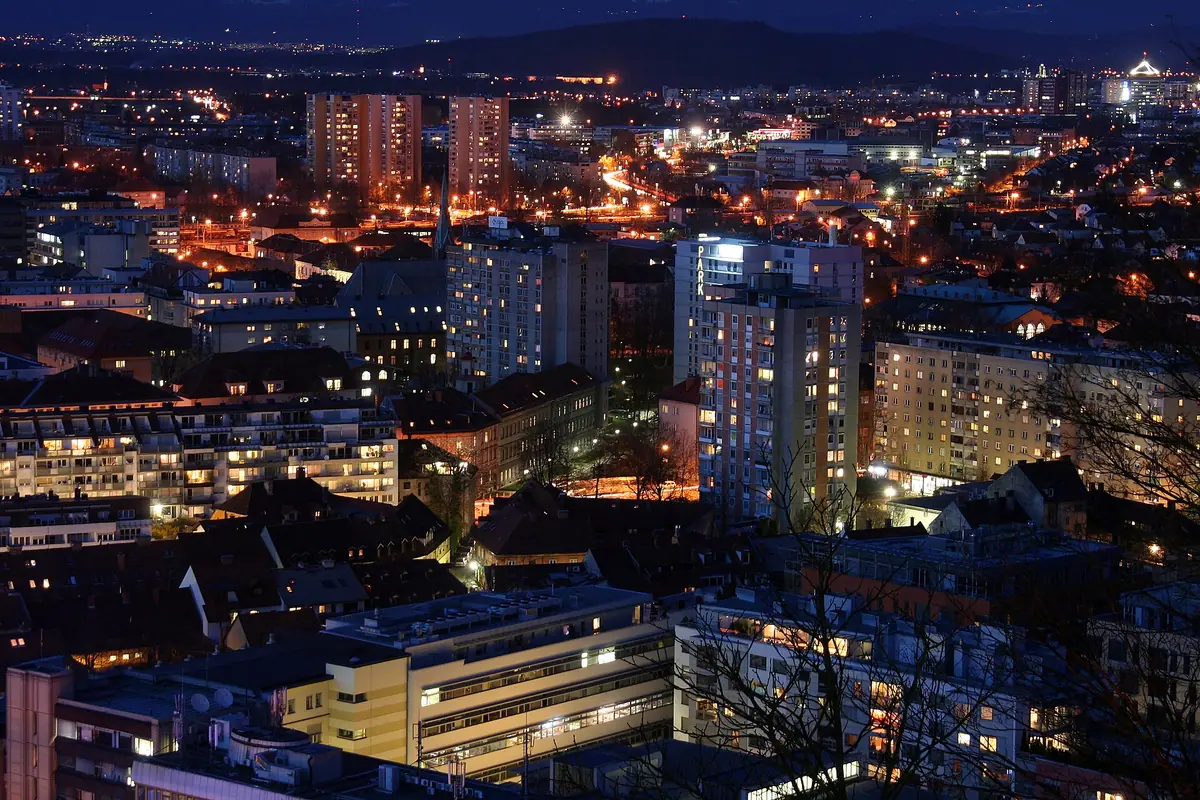
Ljubljana: Markets, Coffee Culture and the Open Kitchen
Ljubljana is where Slovenian food culture concentrates. Start at the Central Market (Osrednja tržnica) beneath the colonnades near Triple Bridge (Tromostovje), designed by Jože Plečnik, the architect whose stamp is on half the city. Friday mornings from spring to autumn the same square hosts an open-air street-food market where dozens of stalls cook regional dishes on the spot — a fast, cheap way to taste Kranjska klobasa sausage, štruklji, Istrian fuži pasta and Prekmurska gibanica, a layered poppy-seed, walnut, apple and curd cake, all in one loop. Wander across Prešeren Square and over the Triple Bridge into the old town, then climb to Ljubljana Castle for the view over the red roofs and the castle vineyard.
Coffee is taken seriously. Ljubljana's cafés along the Ljubljanica river fill up mid-morning, and locals order a macchiato and stand rather than linger — a habit borrowed from Italy a hundred kilometres away. For a different evening, head to Metelkova, a former army barracks turned into a graffiti-covered cultural quarter with clubs, galleries and concerts in courtyards. The Dragon Bridge, guarded by four copper dragons, is the city's most photographed crossing, and the riverside promenade between it and the market is where the city eats, drinks and gossips on warm nights.
Give Ljubljana a full day and a half if you want markets, a castle, a museum and a proper dinner; half a day is enough for the old town alone. Many visitors use it as a base and day-trip outward — Lake Bled is roughly an hour by train or road, Postojna Cave about the same by motorway.
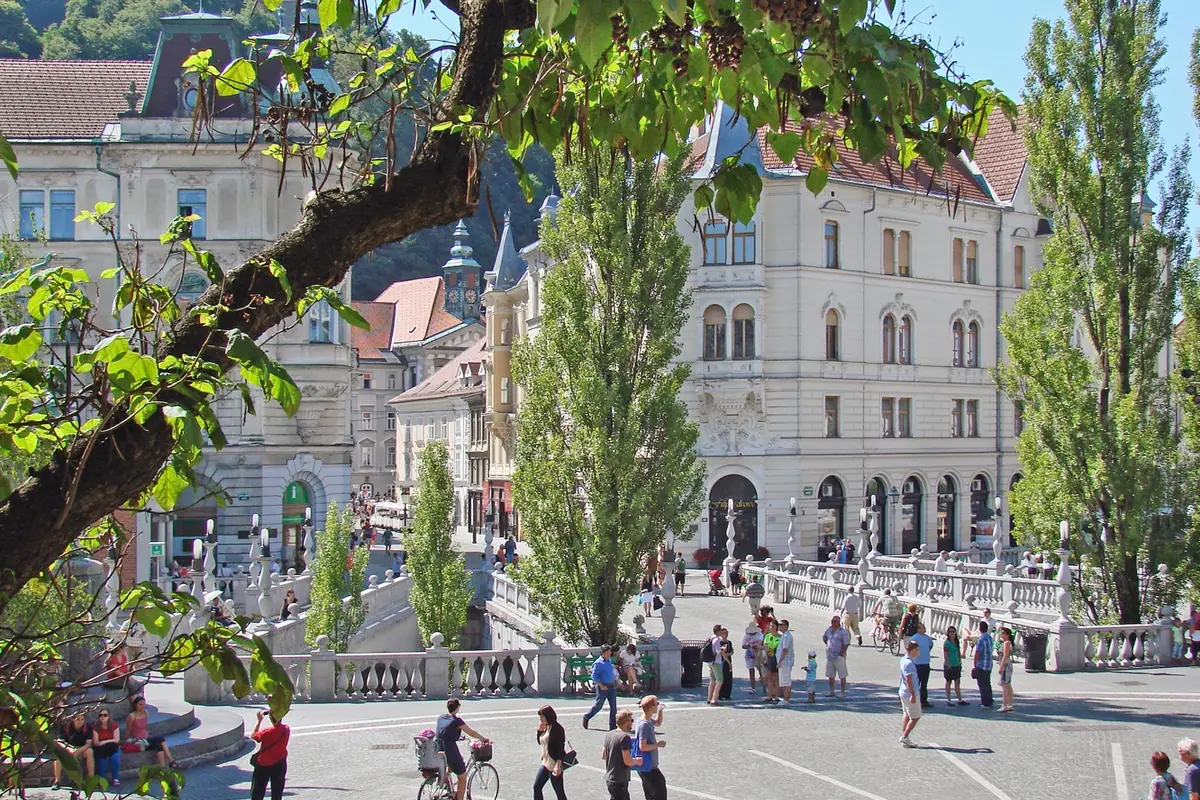
Lake Bled, Lake Bohinj and the Alpine Table
The Julian Alps are the postcard Slovenia: Lake Bled with its island church and cliff-top Bled Castle, Lake Bohinj quieter and wilder an hour further west, and the turquoise Vintgar Gorge carved into the rock nearby. Food here follows mountain logic — dairy, buckwheat, freshwater fish and game. The single most famous bite is the Bled cream cake (kremšnita), a vanilla custard and whipped-cream square with a crackling pastry lid; the lakeside terraces have been serving it for generations, and it is best eaten with the island in view. Deeper into the valleys you will find Bohinj sour milk, Tolminc and Bovec cheeses, trout grilled with herbs, and štruklji both savoury and sweet.
In summer the alpine pastures come alive. Velika Planina, above the Kamnik valley, is a high plateau of herders' huts where you can buy trnič, a pear-shaped cheese seasoned with herbs and cream, directly from the families who make it. Logarska Dolina, a long green valley below the Savinja Alps, has farm stays that serve buckwheat porridge, mushroom soup and apple strudel after a hike. If you are touring by car, the Vršič Pass links the Kranjska Gora side to the Soča valley, and the descent into the emerald Soča river country around Bovec and Kobarid offers smoked trout, krafi pasta parcels and a strong coffee culture inherited from the Austro-Hungarian past.
Timing: late May to early July and September are the sweet spots — warm enough for lake swimming and gorge walks, without the July–August crush. Winter turns Kranjska Gora and the Vogel ski area above Bohinj into a ski destination, when mountain inns switch to hearty stews, sauerkraut and mulled wine.
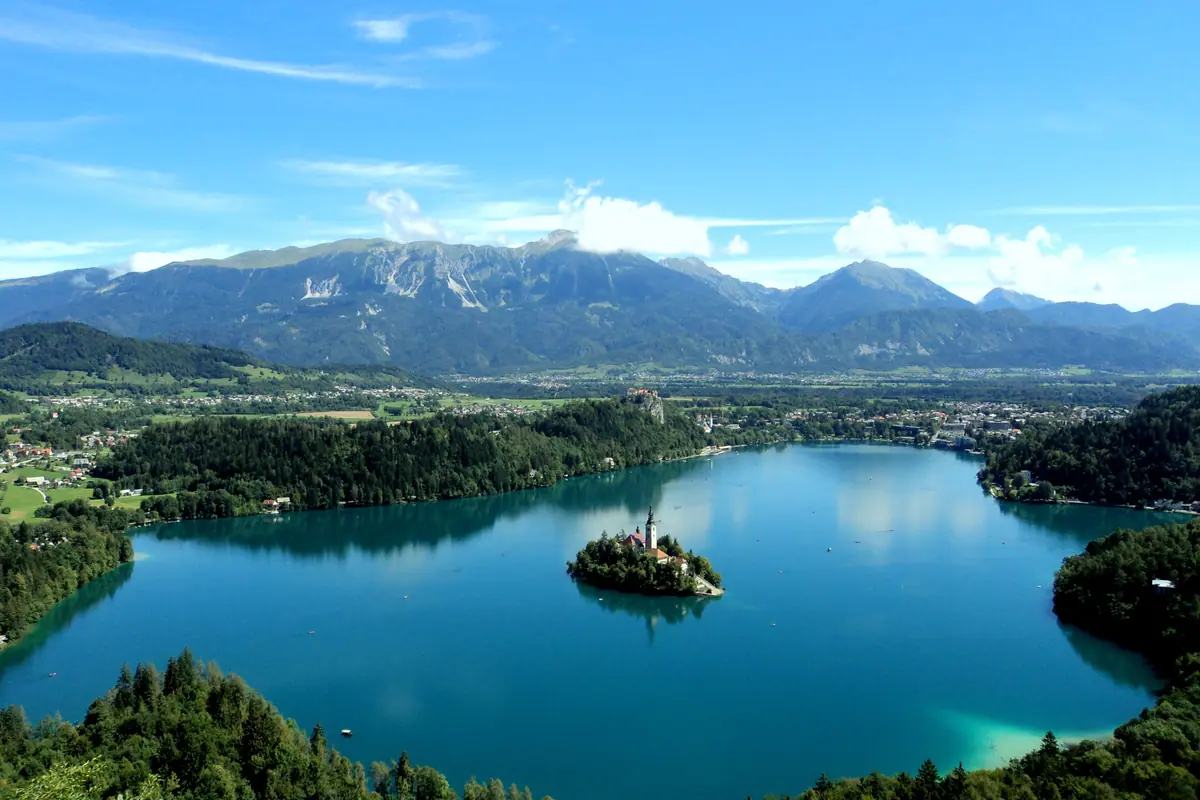
The Karst and the Coast: Pršut, Teran and Piran
Southwest Slovenia is limestone country, and it produces the flavours most visitors remember longest. The Karst plateau around Postojna, Predjama Castle and the Škocjan Caves is where pršut — dry-cured ham sliced thin as paper — is made, rubbed with sea salt and hung in the bora wind. Pair it with teran, a dark, tannic red, or with a glass of vitovska, and you have the region's classic tavern plate. Visit Predjama Castle, built into a cave mouth in a cliff face, and the vast underground chambers of Postojna Cave, then eat in one of the village gostilnas where the cellar is cut into the rock.
On the coast, the 47-kilometre strip of Slovenian Adriatic runs from Koper through Izola to Piran, whose Tartini Square and Venetian-style houses spill down to the water. Fish is the point: sea bass, sardines, scallops and squid, often simply grilled or cooked in buzara, a garlic, wine and breadcrumb sauce. The Sečovlje salt pans near the Croatian border still harvest salt by hand in summer, and their fleur de sel is one of the country's finest products. Inland from the coast, the terraced hills of Goriška Brda and the Vipava Valley grow rebula, sauvignon and zelen, with farm stays offering long, unhurried dinners on vine-shaded terraces.
Allow two days for the Karst and coast if you are driving: one for caves and castles, one for Piran, salt pans and a wine tasting. Autumn is the season for osmica taverns and grape harvest, when the Karst smells of fermenting must and the roadside stalls sell fresh olives and figs.

The East: Pumpkin Seed Oil, Ptuj and the World's Oldest Vine
Eastern Slovenia eats differently again. Štajerska, the Styrian region, is famous for dark green pumpkin seed oil, drizzled over salads, soups and even vanilla ice cream, and for wines from the rolling hills around Maribor. In Maribor's Lent district, on the Drava river embankment, the Old Vine House shelters a vine reckoned to be over 400 years old, still producing a small annual vintage. The town's wine cellars run in tunnels beneath the streets — a good place for a guided tasting of riesling, chardonnay and blaufränkisch.
Nearby Ptuj, Slovenia's oldest town, is the setting for Kurentovanje, a February carnival in which costumed Kurenti figures in shaggy sheepskin shake bells to drive winter away. It is one of Europe's great surviving folk festivals, and the surrounding Ptujsko polje plain is also good walking and cycling country. Further east, Prekmurje is the land of Prekmurska gibanica and of bograč, a beef, pork and venison stew cooked in a kettle. In the Jeruzalem hills, wine roads climb between vineyards to viewpoints over the Mura river plain.
Maribor, Ptuj and the wine hills fit comfortably into one slow day, or two if you plan to taste seriously and stay overnight in a vineyard guesthouse.
Local Experiences: Festivals, Farm Stays and How to Join In
The best way to meet Slovenian culture is to time your trip to a local event. Autumn brings grape harvests and wine festivals across Goriška Brda, Vipava and Štajerska; February brings Kurentovanje in Ptuj and carnival processions elsewhere; late summer fills Ljubljana's streets with concerts, and the Christmas markets along the Ljubljanica are among the prettiest in Central Europe. Village fairs, known as sejem, sell honey, cheese, craft pottery and cured meats, and you are welcome to taste before buying — bring small notes.
For deeper immersion, book a farm stay (turizem na kmetiji). Working farms in Bohinj, Logarska Dolina, the Soča valley and Jeruzalem take guests for a night or a week, often with breakfast and dinner made from their own produce, and sometimes with bread-baking, cheese-making or beekeeping workshops. Cooking classes in Ljubljana and on the coast teach potica rolling, fuži pasta and buzara; wine tastings range from cellar rooms in Maribor to hillside terraces in Brda. Idrija, west of Ljubljana, is worth a detour for its lace-making tradition and its žlikrofi, a stuffed pasta with potato filling.
One last tip on logistics: Slovenia is compact but public transport thins out away from the main Ljubljana–Bled–Maribor rail corridor, so a car opens up the wine roads, high valleys and Karst villages. Give yourself seven to ten days for a genuinely unhurried food and culture loop, and plan your driving days for daylight — mountain roads are magnificent but slow.
Frequently asked questions
What food should I try first in Slovenia?
Start with štruklji, potica and kremšnita if you want sweet and savoury classics, or pršut with teran in the Karst for the most distinctive local plate. Kranjska klobasa sausage, ajdovi žganci and Prekmurska gibanica are also worth hunting down.
What is the best time of year for a food and culture trip to Slovenia?
Late May to early July and September offer warm weather, harvest activity and fewer crowds than July and August. February is the month for Kurentovanje carnival in Ptuj, and autumn is best for wine and olive harvests.
How many days do I need to see Slovenia's highlights?
Seven to ten days lets you cover Ljubljana, Lake Bled and Bohinj, Postojna Cave and Predjama Castle, the coast around Piran and at least one wine region without rushing. A short break of three to four days works well for Ljubljana plus Bled or the coast.
Do people speak English in Slovenia?
Yes, English is widely spoken, especially among younger people, in Ljubljana, at tourist sites and in restaurants. In rural farm stays and village gostilnas a few words of Slovene such as 'zdravo' for hello and 'hvala' for thank you go a long way.
Should I rent a car or use public transport?
Trains and buses link Ljubljana, Bled, Maribor and the coast reasonably well, but wine roads, alpine valleys and Karst villages are far easier by car. If you prefer not to drive, base yourself in Ljubljana and join small-group day tours to the lakes, caves and wine regions.
Sort the rest of your trip
Everything for Slovenia, in one place
Stay in Slovenia
Hotels, guesthouses and apartments — compared in one search.
Search hotels
Transfer in Slovenia
Private driver waiting on arrival — no queues, no surprises.
Book a transfer
Stay online in Slovenia
Travel eSIM — data the moment you land, no roaming bills.
Get an eSIM